Photo credit: Robert Nyholm/Shutterstock.com
You don’t really learn what a caliber does until you’re on your hands and knees in wet leaves, trying to decide if that dark spot is blood or mud. Tracking gets hard when your hit doesn’t leave an obvious trail—either because the wound doesn’t bleed much, the bullet zips through too clean, or it hits with a lot of speed but not much disruption where it matters. A deer can die fast and still leave you almost nothing to follow. And a deer can also run a long way on a so-so hit while giving you just enough sign to keep you walking in circles.
A lot of “tracking nightmares” aren’t the caliber by itself. They’re caliber plus bullet choice, impact speed, and where you actually hit. But some cartridges make it easier to end up with tiny entrance holes, limited exit wounds, or blood that stays inside the chest. These are the hunting calibers that can turn a normal recovery into a long, aggravating job if things aren’t perfect.
.243 Winchester

The .243 Winchester kills deer clean when you put it in the ribs with the right bullet. The tracking nightmare shows up when you run lightweight, fast bullets that pencil through without a big exit or when the impact is high and the projectile fragments early. Either way, you can end up with a small entrance hole and very little blood on the ground.
When the chest fills internally, the deer may not leave much until it tips over, and that can be a long walk if you don’t see the exact direction it ran. Use a tougher deer bullet, aim for the lungs, and keep your shots reasonable. The .243 isn’t “bad,” but it can punish you harder than bigger holes when the bullet choice or hit angle isn’t ideal.
.22-250 Remington

The .22-250 Remington is a predator hammer, and that’s part of the problem. A lot of hunters try to make it a deer round because it shoots flat and feels easy. With thin-jacket varmint bullets, it can blow up on the near-side shoulder or rib and fail to reach what you need. That can leave you with ugly surface damage and not much lethal work inside.
Even with controlled-expansion bullets, you’re still dealing with a small bore and fast speeds. On a marginal hit, you may get a tiny entrance and either no exit or an exit that doesn’t bleed much right away. If you’re going to use it, you need the right bullet and disciplined shot selection. Otherwise, it can turn recovery into guesswork.
.223 Remington

The .223 Remington can kill deer, but it’s easy to turn it into a tracking headache if you treat it like a bigger round. A small entrance hole and limited tissue disruption can mean sparse blood, especially if you don’t get a solid exit. The deer may run hard on adrenaline and give you almost nothing to follow in the first 50 yards.
Bullet choice matters more here than almost anywhere. A proper bonded or copper hunting bullet helps, and shoulder shots can anchor deer when they’re placed right. But the margin for error is thin. On quartering angles, through heavy bone, or with softer bullets, you can get shallow penetration or unpredictable performance. It’s not a magic wand, and when it goes wrong, you feel it in the tracking job.
6mm Creedmoor

The 6mm Creedmoor looks like the perfect deer cartridge on paper—flat, mild recoil, and accurate. The tracking issues show up when hunters run light-for-caliber bullets meant for distance or paper and then take closer shots where impact speed is high. That can cause rapid expansion and shallow exits, or fragmentation that doesn’t leave a clean blood trail.
When you don’t get an exit, the blood often stays inside the chest cavity until the deer slows down. You can still kill quickly, but the ground sign can be thin. The fix isn’t complicated: use a true hunting bullet with controlled expansion, and keep your shot angles sane. The cartridge works, but it’s easy to accidentally set it up for messy, hard-to-read recoveries.
.25-06 Remington

The .25-06 is a classic flat shooter, and it drops deer fast when everything lines up. Tracking becomes miserable when hunters lean into lightweight bullets at high speed and the bullet either fragments or exits with a small hole that doesn’t leak much. At close range, impact velocity can be harsh on softer bullets.
The result can be internal damage with minimal exterior sign, especially on lung hits where the blood pools inside. A deer can still be dead on its feet, but you may walk a long way before you see a solid splash. The .25-06 is at its best with tougher bullets and moderate shot distances. If you treat it like a laser and send fragile bullets into close-range ribs, you might earn a long night in the woods.
.257 Weatherby Magnum

The .257 Weatherby Magnum is speed, and speed can be a blessing or a curse. It can flatten deer quickly, but at typical whitetail distances it can hit so fast that some bullets expand violently and fail to hold together. That can mean no exit, lots of internal damage, and a ground trail that’s nearly nonexistent.
When you do get an exit, it may still be smaller than you expect because the bullet has shed so much energy inside. Or it may blow a big exit but in a way that’s inconsistent shot to shot. Either way, tracking gets harder when you can’t rely on a steady pattern of blood. This cartridge demands a bullet built for magnum velocities. Without that, it can make recovery feel like a coin flip.
.270 Winchester with lightweight bullets
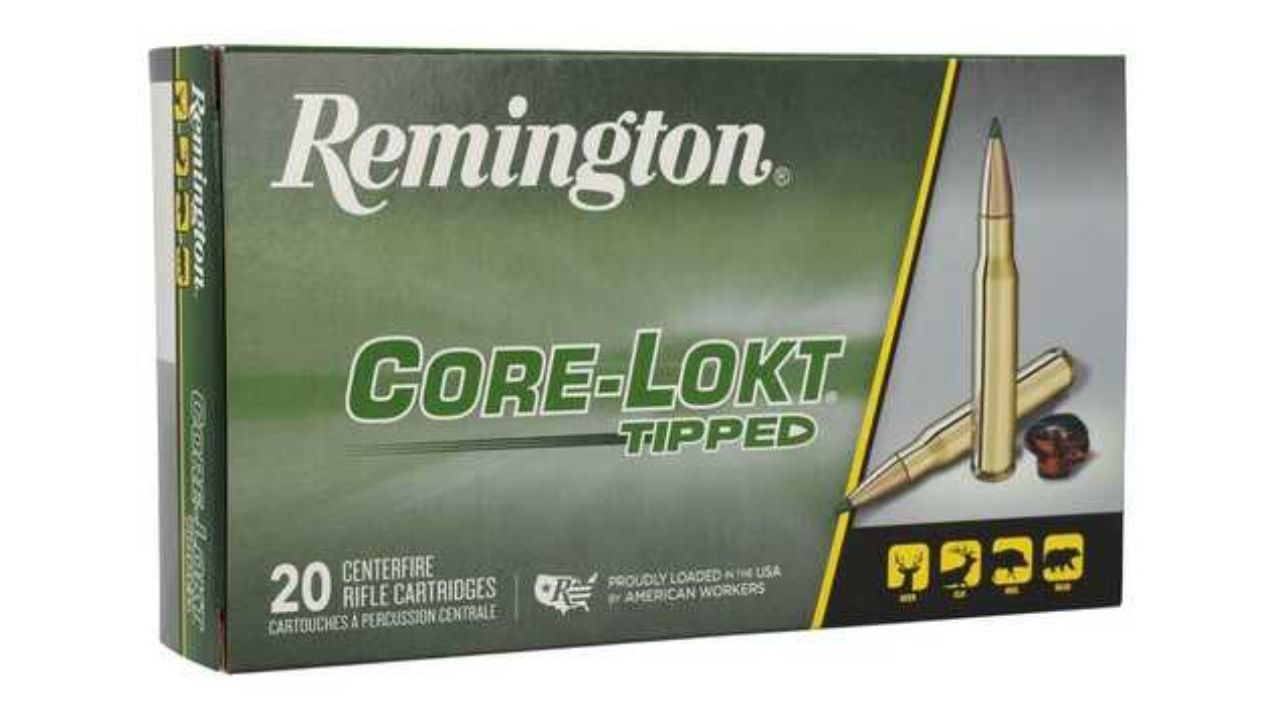
The .270 Winchester has probably killed more deer cleanly than most cartridges people argue about online. The tracking problems show up when you run lightweight, high-velocity bullets that are a little too eager to expand, especially on close shots. You can get a quick kill and still not get a good blood trail if there’s no meaningful exit.
A classic lung hit with a small exit can bleed internally for a while before it starts painting the ground. In thick cover, that’s where you lose the line. The .270 isn’t the villain here—bullet construction is. A tougher 130- or 150-grain hunting bullet usually fixes the inconsistency. But if you chase speed and thin jackets, the .270 can leave you with a deer that’s dead and a trail that’s barely there.
6.5 Creedmoor with match bullets
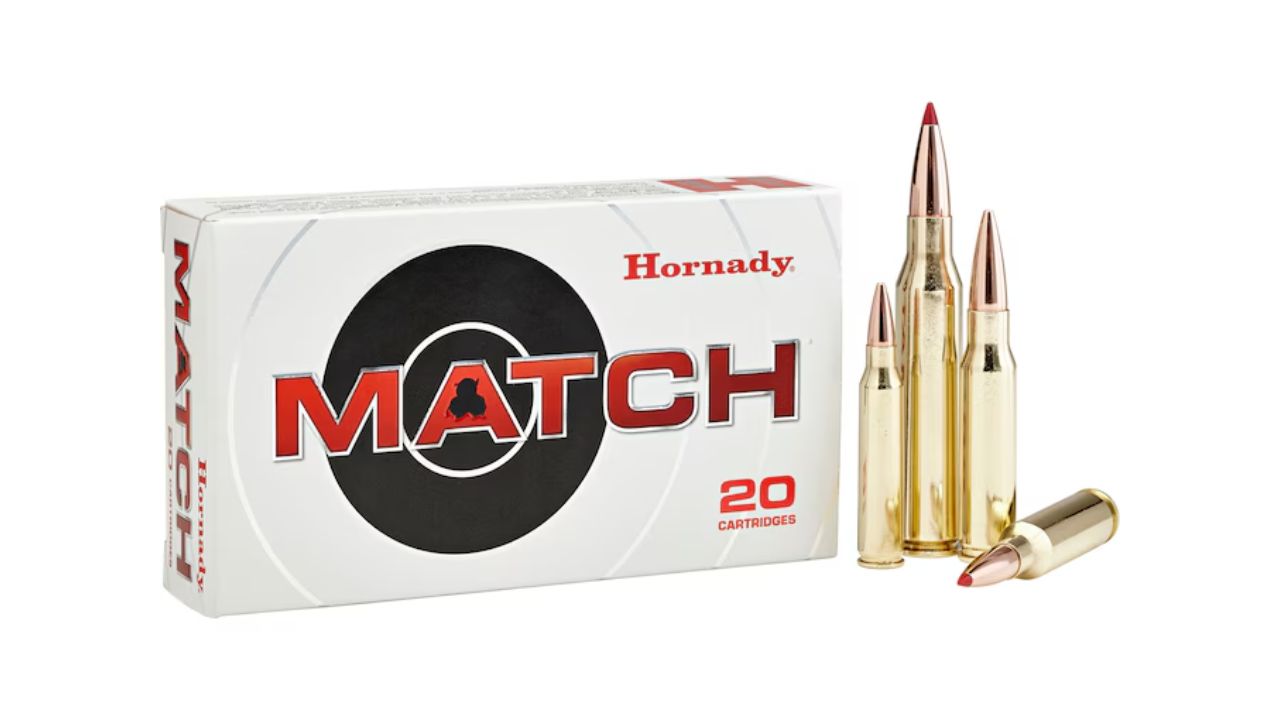
The 6.5 Creedmoor has an earned reputation as a deer round—when you use hunting bullets. The nightmare starts when people grab match bullets because they shoot tiny groups and assume that means “best for hunting.” Some match bullets can fragment unpredictably or fail to create consistent exits, especially at closer ranges.
When you don’t get an exit, the blood trail often starts late. You might find a pinhead drop, then nothing, then a bigger spot 60 yards later. That’s how you end up second-guessing every leaf. Use a bonded, partition-style, or copper bullet and the Creedmoor usually behaves. Keep using match bullets because they’re accurate at the bench, and you may spend your season learning that accuracy isn’t the same thing as reliable terminal performance.
.308 Winchester with tough bullets at low speed

The .308 Winchester is usually a tracking-friendly cartridge because it tends to punch through and leave exits. The exception is when you’re shooting a shorter barrel, longer distance, or a very tough bullet that doesn’t open much at lower impact speeds. Then you can get a pencil-like wound channel and a small exit that doesn’t bleed like you expect.
The deer can still die, but the trail can be faint. It’s not common, but it happens, especially with monolithic bullets that need a certain speed to expand well. If you’re running copper or heavy bonded bullets, you want to pay attention to velocity and distance. The .308 isn’t unreliable—it’s predictable—but it can still surprise you when the bullet acts more like a drill bit than a mushroom.
7mm Remington Magnum

The 7mm Rem Mag gets bought as an “all-around” hammer, and it does hit hard. Tracking becomes a mess when you use softer bullets and shoot close. High impact speed can cause violent expansion, shallow exits, and blood that stays inside. You can end up with a deer that’s mortally hit and still runs with almost no ground sign.
On the flip side, if you’re using a very tough bullet and shooting farther out, you can get a smaller wound channel than you expected and a delayed blood trail. The cartridge spans a wide range of impact speeds, which means bullet choice matters a lot. If you match the bullet to how you actually hunt, it’s great. If you don’t, the “magnum solves everything” mindset can buy you a long track.
.300 Winchester Magnum

The .300 Win Mag is famous for authority, but authority doesn’t always mean easy tracking. At close range, it can blow up softer bullets and fail to leave a consistent exit. That can turn the inside of the chest into soup while the outside looks clean. A deer can run 80 yards with almost nothing on the ground.
With tougher bullets, you usually get pass-throughs, but you can still see small exits on rib hits and light blood at first. The cartridge’s recoil also matters here: recoil can push some hunters into less-than-perfect hits, and imperfect hits are where tracking becomes ugly. The .300 Win Mag is a real tool, but it can turn into a recovery headache when bullet construction and shot distance aren’t thought through.
.338 Winchester Magnum
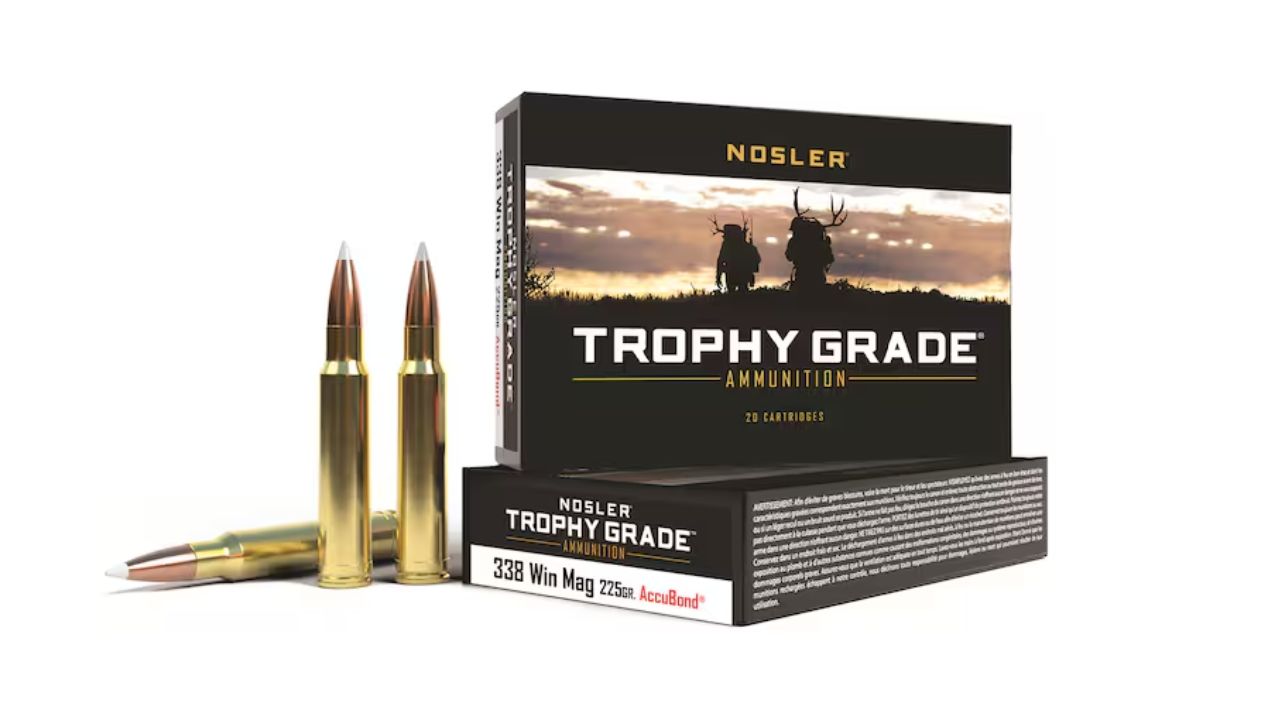
The .338 Win Mag hits like a sledgehammer, so people assume tracking will be easy. Sometimes it is. Other times the bullet zips through with a relatively small exit, especially on rib shots, and you get less blood than you expected for such a big name cartridge. Heavy, tough bullets can act like deep-penetrating drills when they don’t expand much.
A bigger caliber doesn’t automatically mean a bigger blood trail. A lot depends on expansion, where you hit, and whether you got a good exit low enough to drain. The .338 tends to get used in thicker country and steeper angles, which can also keep blood inside the chest. It’s effective, but it can still leave you doing the slow, careful grid search when the trail doesn’t show itself early.
.35 Remington
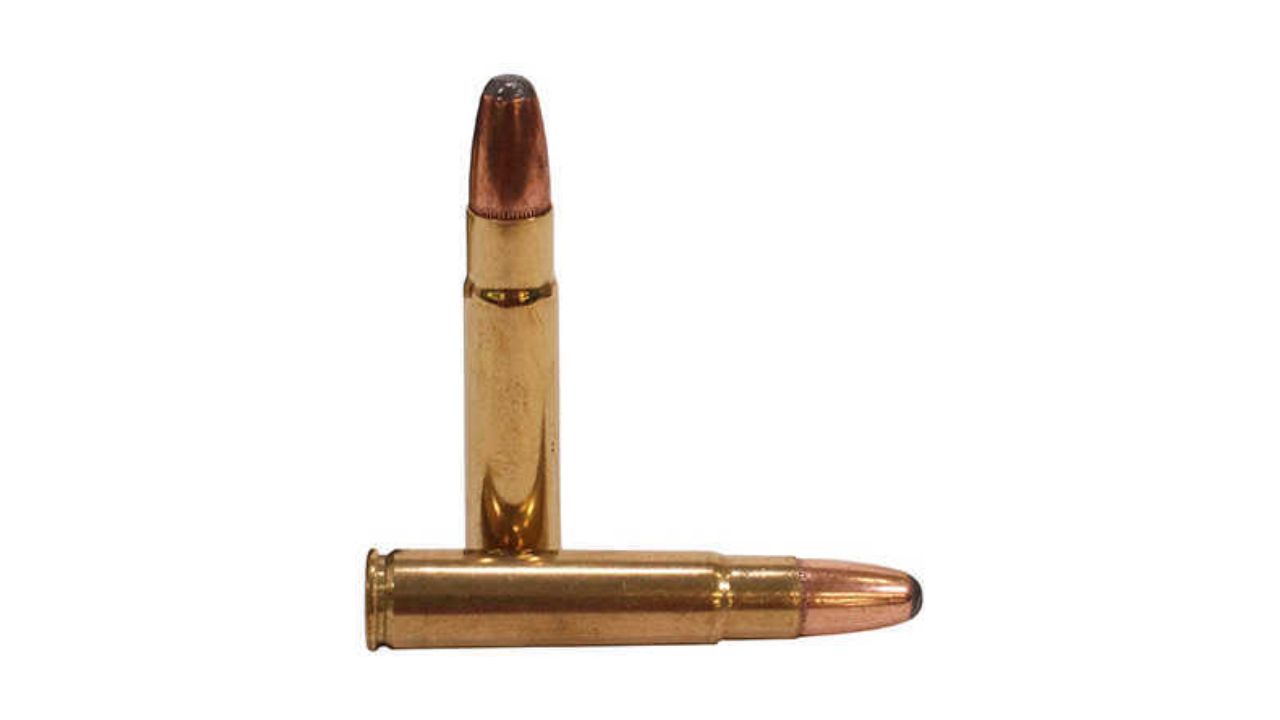
The .35 Remington has a reputation as a woods classic, and it kills deer well. The tracking nightmare shows up when you’re using older-style round-nose bullets at lower speeds and you hit high in the lungs without breaking anything. You can get a through-and-through that doesn’t leak much until the deer slows.
In thick cover, that’s frustrating because you may only find a few drops and then nothing. The cartridge isn’t underpowered, but it’s also not a high-velocity round that creates dramatic hydraulic damage. It relies on a good hole and good placement. When your hit is a little high, the blood stays inside longer. If you keep shots close and aim to get an exit low in the chest, the .35 Rem goes back to being the dependable woods round people love.
.30-30 Winchester with hard-cast or tough bullets
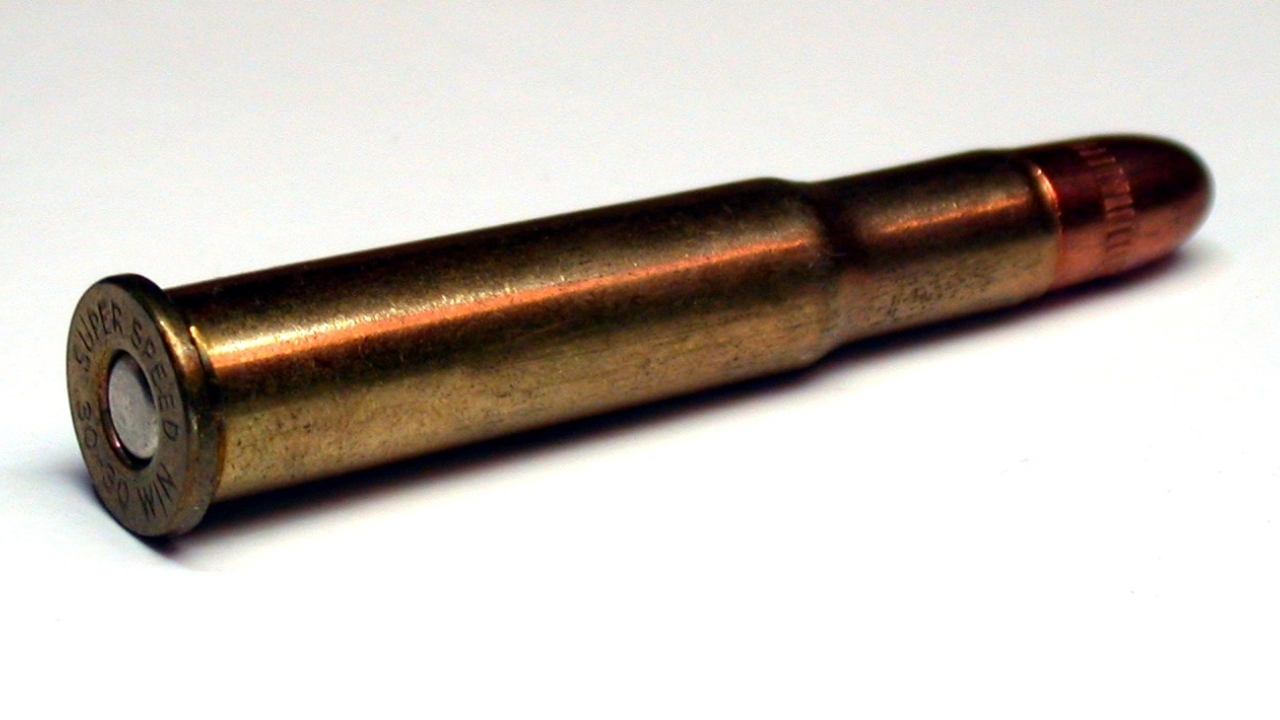
The .30-30 Winchester is usually a great tracker because it often leaves exits and runs at speeds that expand traditional bullets well. The trouble shows up when you use hard-cast or very tough bullets that don’t expand much on deer-sized game. Then you can get a narrow wound channel and a small exit that doesn’t put much on the ground.
This comes up with some specialty loads where the bullet is designed for penetration first. Penetration is good, but deer don’t always bleed the way you want when the hole is tidy and high. The .30-30 isn’t the problem—bullet behavior is. If you want easy tracking, a soft-point or a modern expanding bullet usually gives you more predictable sign. Go too tough and you can end up walking farther than you expected.
6.8 SPC

The 6.8 SPC is a solid deer cartridge in the right setup, but it can turn tracking into a headache when hunters mix ammo types and don’t pay attention to bullet design. Some loads expand well and leave good exits. Others behave more like a small-bore—limited blood, especially when the exit is small or absent.
Because 6.8 gets used in AR platforms, you also see a lot of different bullet weights and designs marketed for different purposes. If you end up with a bullet that fragments early or doesn’t expand consistently at your impact speeds, the blood trail can be spotty. The caliber can absolutely work, but it rewards careful ammo selection. Treat it like a guaranteed hammer without verifying terminal behavior, and you might be tracking on pin drops in leaves.
.450 Bushmaster

The .450 Bushmaster looks like a tracking dream because it’s big and hits hard. But big holes aren’t automatic if the bullet doesn’t expand the way you think it will. Some .450 loads, especially with tougher bullets, can punch through with a surprisingly neat channel. If you hit high lungs, blood can stay inside longer than you expect for such a large diameter.
Another issue is recoil and flinch. The .450 isn’t brutal in the right rifle, but it’s enough that some shooters get sloppy under field pressure. Sloppy hits are where tracking becomes miserable, no matter the caliber. When you use a good expanding bullet and place it well, the .450 can leave obvious sign. When you don’t, it can still kill while leaving you with less blood than your brain thinks a “big bore” should produce.
12-gauge slug (common rifled slugs)

A 12-gauge slug is the definition of close-range authority, and many deer drop fast. Tracking becomes a nightmare when you’re shooting common rifled slugs from smoothbores and the accuracy isn’t what you believe it is past typical woods distances. A slug that lands a few inches off can turn a solid plan into a marginal hit quickly.
Slugs can also leave holes that don’t bleed much at first if the hit is high or the exit plugs with hair and tissue. That sounds crazy until you’ve seen it. When the deer runs, you might find one good splash and then nothing because the slug did its work inside. Slug hunting is effective, but it demands honest range limits and real practice. If you stretch it, the tracking job can punish you.
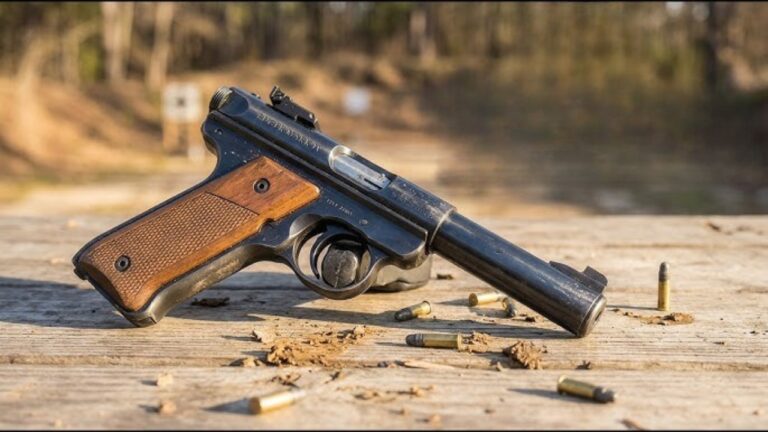
.17 HMR

In places where .17 HMR is legal for deer, it’s one of the easiest ways to create a tracking nightmare. The bullet is small, light, and designed around rimfire varmint performance. Even when it penetrates, it often doesn’t give you a predictable exit, and the blood trail can be almost nonexistent. You can do everything “right” and still end up with a deer that runs farther than you want.
The bigger issue is that the margin for error is microscopic. Wind, angle, and bone all matter more than they should on a deer cartridge. If you want clean recoveries, you want a caliber and bullet that reliably reaches the vitals and leaves an exit. The .17 HMR can kill, but it’s the kind of choice that turns recovery into a stressful, drawn-out process when anything isn’t perfect.
Like The Avid Outdoorsman’s content? Subscribe to our newsletter so you never miss an article.
Here’s more from us: