Photo credit: Martin Poirier/Shutterstock.com
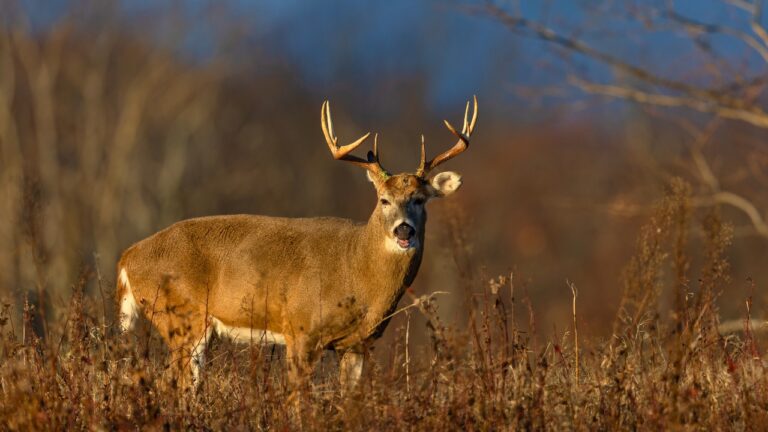
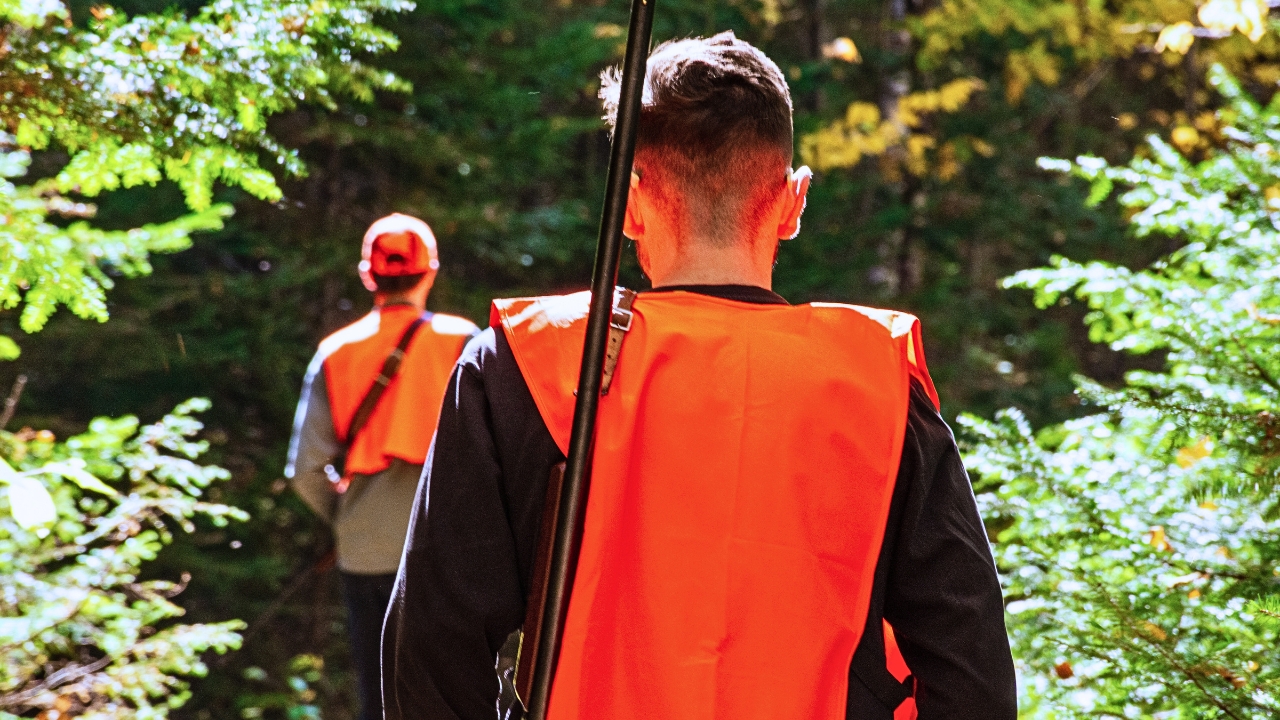
Wildlife agencies in several states are reviewing proposed deer hunting regulation changes that could expand opportunities in certain regions, particularly where whitetail populations remain strong. The proposals vary widely by state but often involve adjustments to season timing, additional antlerless harvest opportunities, or expanded hunting access on public lands. Officials say the goal is to keep deer populations balanced with available habitat while maintaining strong participation from hunters.
Most of these discussions are happening during the annual regulation review process, when agencies evaluate harvest data, population surveys, and hunter feedback before finalizing the next round of hunting seasons. The process typically unfolds months before fall seasons begin, giving wildlife commissions time to analyze the data and make adjustments where needed.
Population management often drives regulation changes
In many states, deer populations remain stable or above target levels in certain regions. When that happens, wildlife managers often look for ways to encourage additional harvest, especially of antlerless deer, which helps control overall herd growth.
Agencies like the Texas Parks and Wildlife Department and the Pennsylvania Game Commission regularly review harvest trends and habitat conditions when evaluating season changes. If deer numbers are exceeding habitat capacity in a specific area, additional hunting opportunities can help reduce pressure on crops, forests, and native plant communities.
These adjustments might include longer seasons, expanded doe harvest allowances, or additional special hunts on public wildlife areas. In some regions, agencies also evaluate youth seasons or early archery opportunities that allow hunters to spread harvest pressure across more days.
Wildlife managers emphasize that these decisions are typically driven by long-term biological data rather than short-term trends.
Expanded seasons are often targeted, not statewide
When hunters hear about “expanded opportunities,” it does not always mean sweeping statewide changes. Most proposals are targeted to specific counties, wildlife management units, or habitat zones where deer populations and hunting pressure differ from surrounding areas.
For example, agricultural regions with abundant food sources can support higher deer densities, while heavily forested or mountainous areas may require more conservative harvest strategies. Agencies use these regional differences to tailor hunting regulations so that harvest levels match the local herd.
This approach has become more common in recent years as wildlife managers move away from one-size-fits-all regulations. Instead, many states now divide deer management into zones or units that allow for more precise adjustments based on local conditions.
Public input often shapes the final decision
Before regulation changes take effect, wildlife agencies typically open public comment periods where hunters, landowners, and conservation groups can share feedback. This input can influence how proposals are finalized, especially when it comes to season timing or access on public lands.
Hunters often weigh in on how regulation changes might affect hunting pressure, travel distances, or the ability to manage deer populations on private property. Landowners may also offer feedback about crop damage or local herd behavior.
Wildlife commissions review those comments alongside biological data before voting on final regulations. In many states, those votes occur during late spring or early summer commission meetings.
Balancing opportunity with long-term conservation
Wildlife officials say expanding hunting opportunity is rarely about simply adding more days to the calendar. Instead, it is part of a broader strategy to keep deer populations healthy while preventing overpopulation in areas where habitat cannot support larger herds.
Unchecked deer populations can lead to increased vehicle collisions, crop damage, and habitat degradation that affects other wildlife species. Hunting remains the primary management tool used to keep those populations in balance.
Because of that, agencies say hunter participation continues to play a major role in long-term deer management. Proposed regulation changes are designed not only to maintain sustainable harvest levels but also to ensure hunters still have meaningful access and opportunity across different regions.
As wildlife agencies continue reviewing proposals in the coming months, hunters in several states are being encouraged to follow updates from their state wildlife departments and participate in public comment periods before final rules are adopted.
Like The Avid Outdoorsman’s content? Subscribe to our newsletter so you never miss an article.
Here’s more from us: