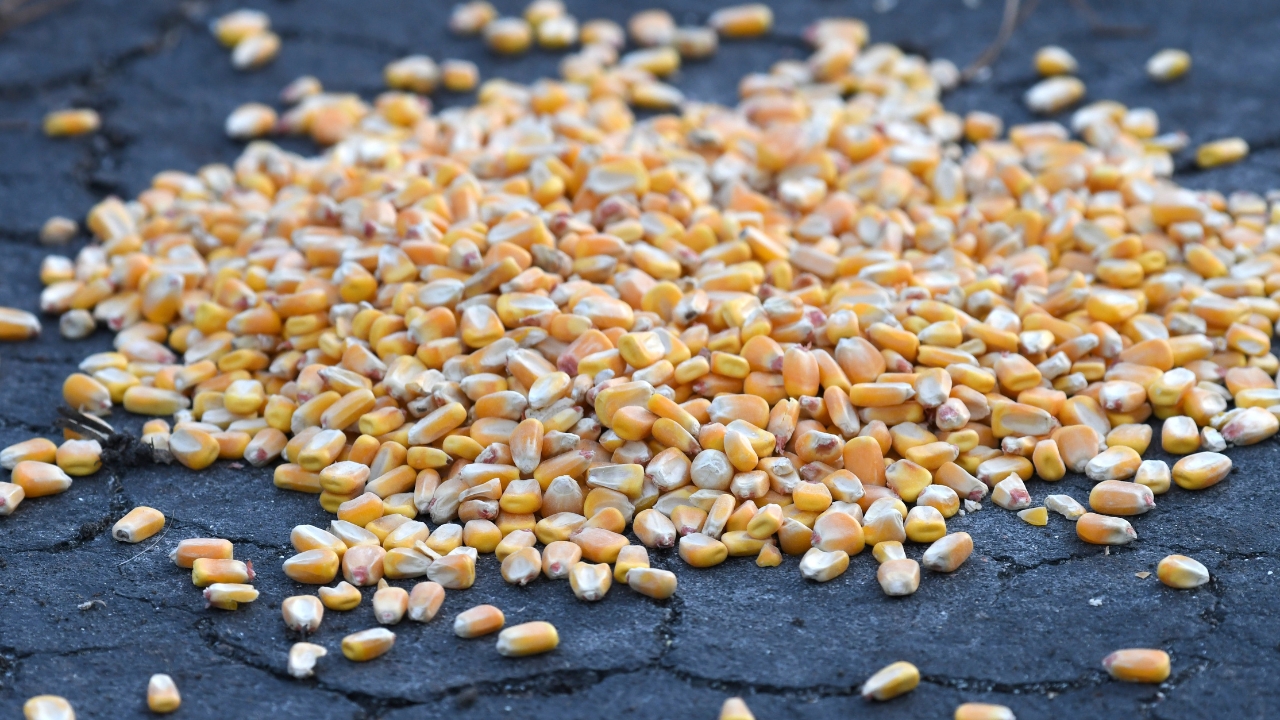
Photo credit: Your Photo Quest/ Shutterstock.com
Deer quickly learn patterns, and a poorly managed corn pile can teach them more about your habits than you ever learn about theirs. Instead of drawing daylight movement into bow range, you can end up training every mature buck in the neighborhood to swing by only after dark or to circle just out of sight. The difference between a productive bait site and an outdoor classroom for wary whitetails comes down to how you place corn, how often you show up, and how closely you pay attention to what the deer are telling you.
When a corn pile becomes a classroom, not a magnet
If you hunt the same pile the same way, you are not just feeding deer, you are conditioning them. Mature bucks in particular learn that a certain opening, a certain wind, or a certain truck sound means danger, and they adjust by slipping in late, hanging back in cover, or avoiding the site altogether. Habitat consultants like Nov and others warn that when you sit over one bait site repeatedly, you “educate them without even realizing it,” because every blown wind or clanked ladder reinforces the lesson that corn equals risk, not opportunity.
That pattern shows up in the way deer shift to nocturnal visits when hunters lean too hard on bait. Land managers who study baiting note that overuse of corn piles can Can Alter Deer Behavior, especially for mature bucks that already prefer low light. When you combine that with a stand that is hunted “over and over,” as Nov explains in his advice on how to make corn piles better, you are essentially running a training program that rewards deer for avoiding you and punishes any animal that shows up in shooting light.
Reading the trail camera: educated or just cautious?
Your trail cameras are the first place you will see whether your corn is helping you or schooling deer. If you scroll through a week of images and find that every decent buck is hitting the pile only between late evening and early morning, while does and yearlings wander in during daylight, you are looking at a classic sign of pressure. Modern cellular cameras make it easy to Monitor how deer are approaching, which direction they come from, and how their timing shifts after each hunt.
Pay attention to the subtler cues in those photos as well. If bucks are consistently skirting the downwind edge of the bait, or you see them pausing in the shadows while only younger deer commit to the pile, they may already associate that opening with danger. Hunters on regional forums describe how a Senior Member watched deer hit corn at all hours but noticed that the better buck he eventually killed had learned to keep his head “deep into a pile” only when the woods felt safe. When your camera roll shows that kind of split personality between relaxed does and edgy bucks, your bait site is teaching lessons you may not like.
How timing and repetition train deer around your schedule
Deer are quick to connect the dots between a predictable food source and a predictable human schedule. When you drive in at the same time every afternoon, dump a bag of corn, and climb into the same stand, you are ringing a dinner bell that also doubles as an alarm. Hunters discussing nocturnal activity point out that “The animals know when that dinner bell goes off” and will stage up about half an hour before a timed feeder, then often wait until full dark to commit if they have been pressured, a pattern laid out in detail by those troubleshooting deer that are only coming to corn at night.
Mechanical feeders can accelerate that learning curve. Wildlife biologist Zaiglin notes that When deer hear a spinner spitting corn, they quickly learn to rush in or lose out, but “Not” until you shoot some of them do they start shifting to late evening and nighttime. If you keep hunting the same pattern after that first encounter, you are no longer just feeding deer, you are reinforcing a schedule that keeps the best animals safely out of range until you are climbing down in the dark.
Scent, access, and the invisible lessons you leave behind
Even when you are not in the stand, your scent and your access routes are teaching deer how to use the bait without exposing themselves. Every trip to refresh a pile or swap a card lays down a trail of human odor that lingers far longer than most hunters like to admit. One bowhunter asking how long his presence affects deer around a bait site noted that In the summer he would get deer within hours of putting feed down, suggesting they recognized his truck noise and scent as part of a routine rather than an immediate threat, but he also worried that repeated ground scent might be pushing mature animals to feed mostly at night.
Experienced hunters echo that concern. A contributor known as Old Mossy Horns explained that Old Mossy Horns watched mature bucks skirt their corn pile because “They” did not like the human scent laid down when corn was put out. If your cameras show bucks circling downwind or stopping short of the opening, your access route and timing are likely educating them to swing wide, wait for a safer wind, or simply vacuum up spilled kernels along the edge of your track instead of stepping into your shooting lane.
Why some hunters swear corn makes deer go nocturnal
Many frustrated hunters eventually decide that corn itself is the problem, not how they are using it. On message boards, you will find posts insisting that bait piles automatically turn bucks into ghosts, with one thread bluntly advising, “Forget hunting mornings!” because Forget mornings when Deer are going to visit your corn pile at all hours and you risk bumping them in the dark. Others counter with examples of daylight kills over bait, arguing that pressure and setup, not the corn itself, dictate when deer feel safe.
Video creators who specialize in habitat work and food plots have tried to untangle that debate. On a channel branded DIY Food Plot Pro, one host walks through how bait piles differ from plots and why deer may shift to nocturnal use when hunters crowd a small opening instead of spreading attraction across a larger area. Another breakdown of Nov strategies for killing nocturnal bucks points out that these deer are not truly living in the dark, they are simply moving in daylight where you are not, often looping around bait sites from downwind or using terrain to stay screened. If your only daylight photos are of young bucks and does, while older deer appear just before or after legal light, your corn pile is likely part of the education, not the root cause.
How corn piles reshape movement across your whole property
A bait site does not just affect the clearing where you pour a bag of corn, it can rewire how deer use your entire property. Land managers warn that heavy reliance on bait can pull deer off natural patterns, concentrating them in small areas and encouraging them to bed closer to human activity. Over time, that pressure can push mature bucks to the fringes, where they stage in cover and send younger deer in first. Analysts of baiting practices note that Legal Restrictions Vary by State and that Not all regions even allow baiting, in part because of concerns that concentrated feeding can alter movement, spread disease, and may even cause digestive problems when deer suddenly switch to large amounts of corn that is low in protein and minerals.
Natural food shifts can compound that effect. One regional analysis of disappearing deer sightings pointed out that Three main factors were altering the deer’s behavior, and One of them was acorns. Once the oaks begin dropping, your corn piles that were hot all summer become useless for a little while, because deer shift to the richer mast. If you keep hunting the same bait site while the herd is keyed in on acorns elsewhere, you are teaching them that your presence is predictable even when the food is not, which can make them even more cautious about returning when the corn becomes attractive again.
Seeing what your eyes miss: technology and hidden deer behavior
Sometimes the clearest sign that you are educating deer comes from technology that shows you what is happening just out of sight. Thermal drones and high resolution night footage have revealed how often mature bucks stand within 60 or 70 yards of a bait site, watching and waiting while younger deer feed. In one thermal breakdown, a host narrates how three does fed on a kudzu patch in the top left of the screen while a buck held back in the shadows, a pattern highlighted in a clip titled Oct that uses drone footage to explain why mature bucks ghost your corn. When you see that kind of behavior from above, it becomes obvious that the deer have learned to let others test the air and the opening before they commit.
Simple video evidence from ground level tells a similar story. In a straightforward breakdown of hunting over bait, one hunter explains how he watched a buck circle a pile, never stepping into the only shooting lane he had cleared, before finally killing the deer later after adjusting his setup, a sequence captured in a clip on Sep strategy around bait piles. Another hunter recounts going back “last night” and shooting a deer at the same site only after changing how he approached and where he sat. If your own footage shows deer consistently using the edges, slipping through brushy side trails, or pausing just outside your lanes, your corn pile has become a focal point for their caution rather than a simple attractant.
Fixing a pile that is doing more harm than good
The good news is that a bait site that has turned into a classroom can often be rehabilitated with smarter strategy. Habitat consultants like Nov emphasize that you should not simply dump a giant mound of corn in one spot and sit over it every chance you get. Instead, they recommend spreading feed in a longer, thinner line or multiple small clusters so deer have to move while they eat, which keeps them from locking onto one danger zone. In his breakdown of how to improve bait sites, Nov even invites hunters to Contact Dave for more info on setups that last longer and educate fewer deer, stressing that the shape and placement of the pile matter as much as the volume.
Adjusting your hunting pressure is just as important. Rotating stands, skipping marginal winds, and limiting sits over any one pile can help reset deer confidence. Some hunters move their bait slightly each week to keep deer from keying on a single danger tree, while others back off and hunt travel routes between bedding and the pile instead of hovering directly over the corn. When you combine those tweaks with better monitoring, such as using cellular cameras to Now
Balancing bait with ethics, safety, and long term deer health
Even if your only goal is to fill a tag, it is worth asking what your corn pile is teaching deer about people in general. Wildlife advocates warn that putting out corn, apples, or other foods can train deer to associate humans with easy calories, which increases the odds of close encounters in backyards, roadways, and parks. One analysis bluntly argues that feeding deer is among the worst things you can do for them, noting that it can lead to more vehicle collisions and even an altercation with a family pet or child when habituated animals lose their fear. When your bait site is close to homes or roads, you are not just educating deer about your stand, you may be reshaping how they interact with people who never set foot in the woods.
There is also the question of whether corn is actually good for the animals you are chasing. Land managers caution that overuse of bait can concentrate deer unnaturally, increase disease transmission, and encourage them to rely on a food that is low in protein and minerals compared with natural forage. Wildlife biologist and department chair at Southwest Texas Junior College has pointed out that disease concerns are real when deer repeatedly visit the same pile of sugar beets or corn. When you weigh those factors alongside the legal reality that some states prohibit baiting outright, it becomes clear that the smartest use of corn is targeted, limited, and always paired with an honest look at what your pile is really teaching the deer that depend on your ground.
Like The Avid Outdoorsman’s content? Be sure to follow us.
Here’s more from us: