Photo credit: Savage Arms
There’s a certain kind of rifle that looks great on paper and even better at the hundred-yard bench. Shooters brag on forums, tight groups get posted online, and that’s all fine until the real world steps in. Hunting doesn’t care how your rifle shot off bags in calm weather. It cares how it shoulders in the brush, how it tracks cold bore, and whether you can trust it when the conditions aren’t staged. That’s where a lot of “range legends” start to fall apart. You find out the thing that grouped great at 100 yards can’t hold together at 250. Or that it only shoots like that with a very specific load. And you don’t always have time to finesse loads when it’s time to fill a tag. Some rifles stay behind for good reason. Here’s where things start to unravel.
They only shoot well with a specific load
Some rifles earn their “legend” status from one very particular combination of bullet weight, powder, primer, and seating depth. But if you stray even a little from that recipe, the groups open up like buckshot. That’s fine at the range where you can dial in handloads all day. Out in the field, it’s not practical. You don’t always get your pick of ammo, and sometimes you need to run factory rounds. A hunting rifle has to be ammo-tolerant—something you can feed a few different loads and still get respectable results. Range rifles that crumble outside their pet load quickly become frustrating in real hunts. When your bullet choice is tied to accuracy that tightly, you’re walking a tightrope you don’t want during a hunt.
They’re too heavy to carry all day

Benchrest rigs are often overweight for a reason—they’re tuned to eliminate movement and reduce recoil for tiny groups. That works great when you’re five feet from your truck. But hauling a 12-pound rifle with a 26-inch barrel through thick cover or up a ridge is another story. You’ll feel every ounce by mid-morning, and you might start leaving the rifle behind or skipping good setups because it’s too much to manage. A true hunting rifle strikes a balance between stability and portability. It’s light enough to carry, fast to shoulder, and steady enough for a clean shot when it counts. If your range performer wears out your shoulder before the deer shows up, it’s not doing you any favors.
They don’t track cold bore
You’ll notice some rifles are laser-accurate on shot three, four, and five—but the cold bore shot tells a different story. On a hunt, that first shot matters more than anything. You usually don’t get a second chance, especially if you’re taking a shot across a cut or into a clearing. A rifle that needs to “warm up” to shoot straight has no business in the field. Range shooters often overlook this flaw because they’re firing in strings, but hunters don’t have that luxury. A reliable cold bore zero is non-negotiable. If your rifle drifts two inches right on the first shot every time, that’s a miss waiting to happen when it matters most.
Their stocks shift with the weather
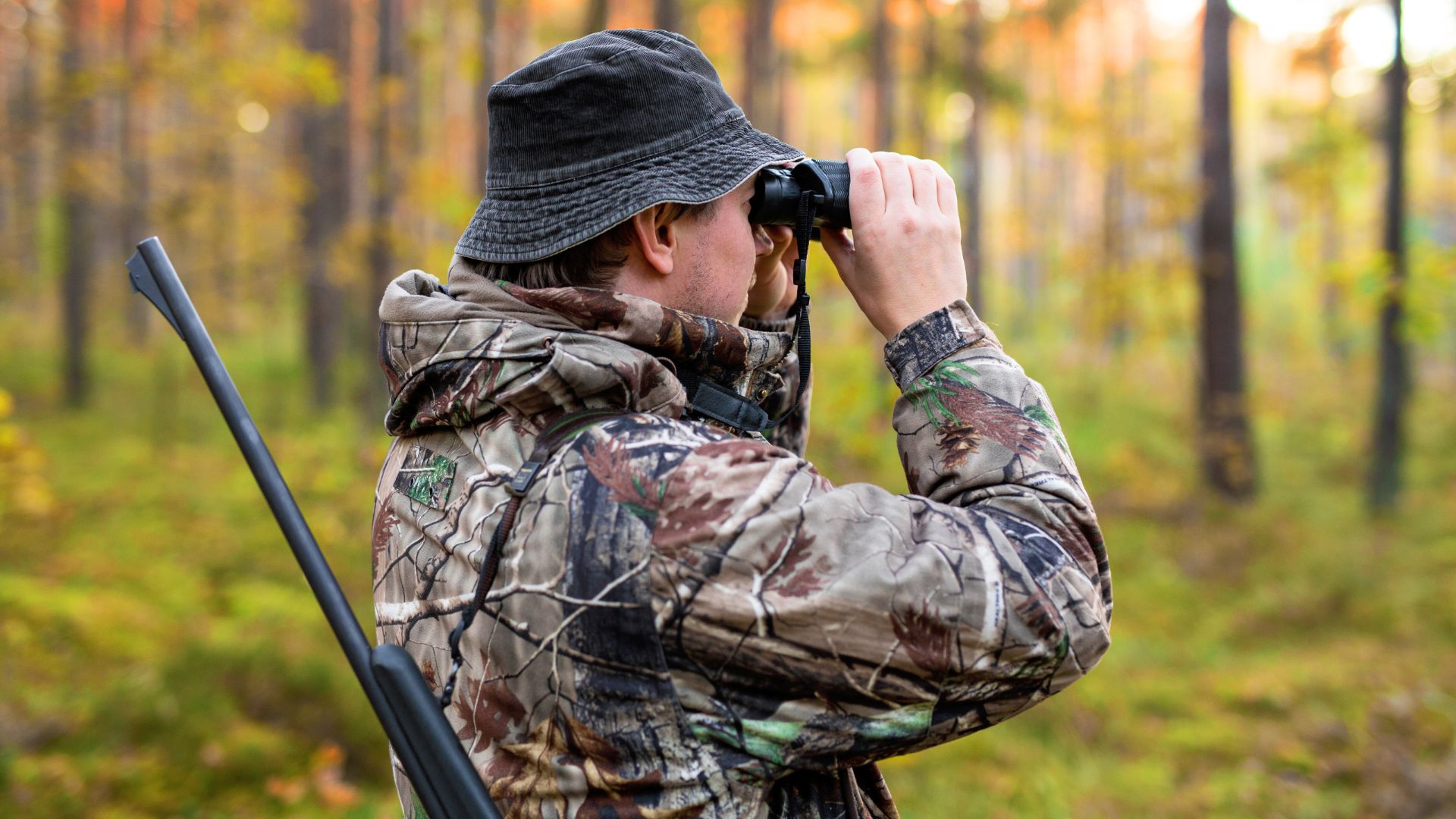
Plenty of range rifles still wear wooden stocks or cheap synthetics that look great under a roof but start warping with humidity and temperature swings. That subtle swelling or tightening in the stock-to-action fit can shift your point of impact. You might not notice on calm, clear days at the range, but in the field—especially with elevation changes, rain, or frost—you’ll be wondering why your hold is off. Most serious hunting rifles these days use stable synthetics or properly bedded laminates that stay put no matter the weather. If your “legend” rifle has a stock that soaks up moisture or shrinks in the cold, it’s asking for a blown shot when you’re two hours deep into a hike.
They don’t hold zero when bumped
Hunting rifles take abuse. They get knocked into tree trunks, banged on side-by-sides, or hauled up and down ridge trails in scabbards and soft cases. A range rifle might be babied its whole life and never see that kind of treatment. Some setups—especially those with sloppy scope mounts or poor bedding—can lose zero after a light bump or fall. And it doesn’t take much. A rifle that loses its zero that easily is useless in the field, no matter how well it shot last Saturday. You need confidence that your zero hasn’t drifted after a rough pack-in. Range legends that can’t hold zero unless pampered don’t last long outside the benchrest.
They have finicky triggers in real-world conditions
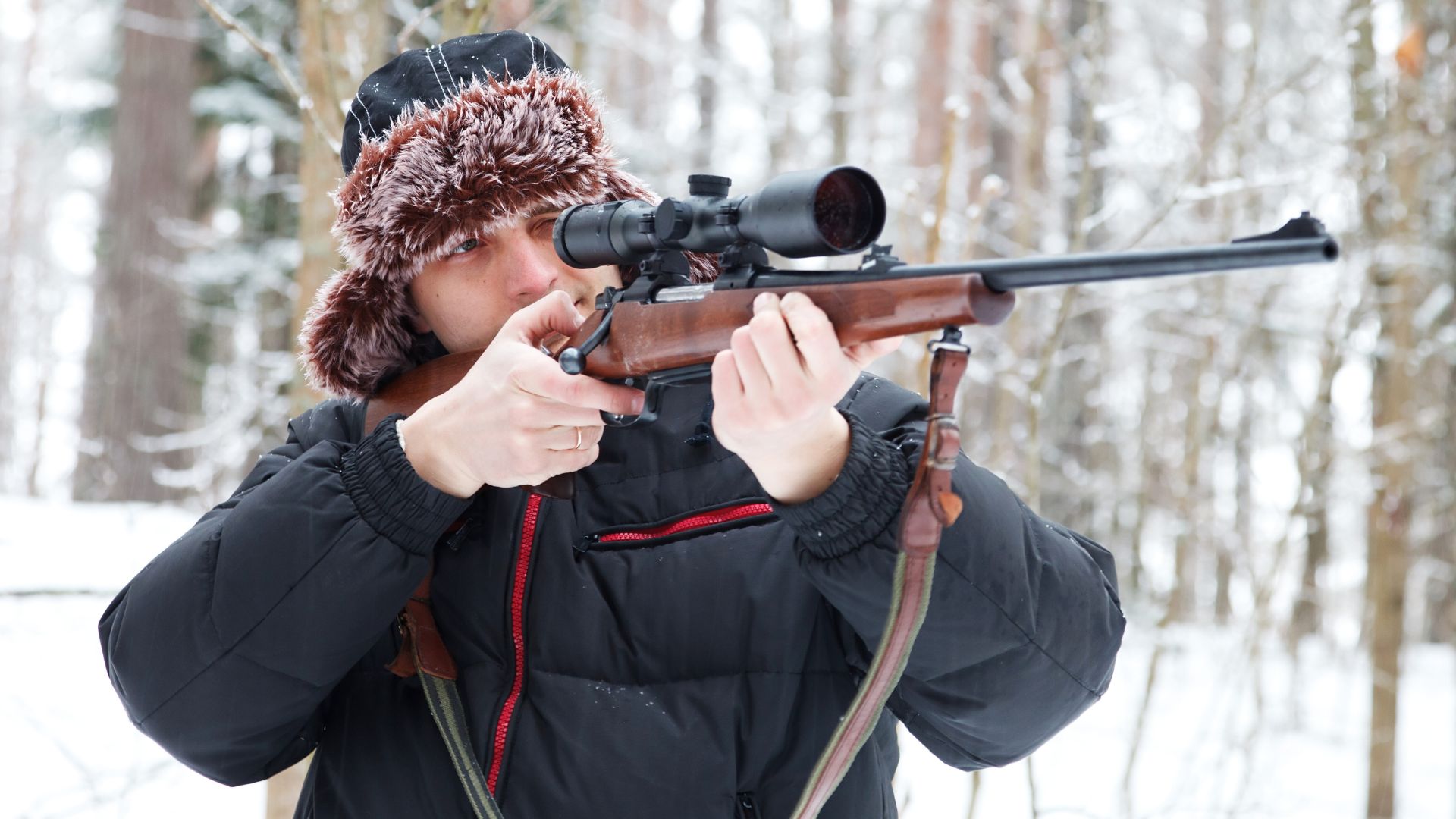
A crisp, sub-2-pound trigger might be a dream at the bench, but not when you’re wearing gloves in the cold or trying to stay safe in a saddle blind. Some of these triggers are so light they become liabilities in the field. Others don’t reset properly when dust, moisture, or pine needles get into the mechanism. You want a trigger that breaks clean, sure—but also one that works every time in real weather, with cold fingers, and under pressure. The overly-tuned match triggers on some of these range rifles are too delicate for actual hunting. When the shot matters, you don’t want to be second-guessing a trigger that might misfire or go off early.
Their barrels heat up and shift point of impact
You might not notice it while shooting slow strings, but some barrels—especially light contours with poor bedding—start throwing shots wide once they heat up. In a hunting scenario, this comes up when you’ve been checking zero or taking follow-up shots. Suddenly, you’re getting flyers, even with solid form. Some range rifles don’t show this issue because they live cool and slow on the bench. But barrels that walk as they heat can really cost you on game. A rifle meant for real hunts should maintain its zero and accuracy through a few quick shots. If it can’t do that, you’ll always be wondering which shot is the “real” one, and that’s not a good place to be when game is on the move.
Like The Avid Outdoorsman’s content? Be sure to follow us.
Here’s more from us:
The worst deer rifles money can buy
Sidearms That Belong in the Safe — Not Your Belt
*This article was developed with AI-powered tools and has been carefully reviewed by our editors.