Photo credit: Pete Nuij/Unsplash.com
He was not even walking in for his own bear.
He was going in to help recover his girlfriend’s bear, which is one of those parts of the hunt that can feel routine right up until it absolutely is not. The shot has already happened. The adrenaline from the first moment has faded a little. Now the work starts: following sign, keeping your head clear, watching the brush, and getting the animal out.
Then another bear came in.
In a Reddit post, the hunter said he was walking in to recover his girlfriend’s bear when a large bear charged him. He got one quick shot off and dropped it, ending up with what he called his biggest bear and the heaviest-bodied animal he had ever harvested.
That sounds clean when you say it fast.
It probably did not feel clean in the moment.
A bear recovery already comes with a little extra tension. Any time an animal is down, there is scent, blood, and the chance that another predator or scavenger may be interested. Add thick bush, limited visibility, and a big-bodied bear in the area, and suddenly the walk in does not feel like a simple recovery anymore.
The hunter said he was lucky he had his head on a swivel.
That little phrase tells you a lot. He was not staring at the ground the whole time. He was watching the brush, checking movement, and paying attention to what was coming in around him. If he had been relaxed, distracted, or too focused on the recovery, the whole thing could have gone a very different direction.
When someone in the comments asked whether he took the bear down while it was charging, the hunter said yes. He said he hit the bear dead center in the chest with a .30-06 from about 8 feet away.
Eight feet.
That is not “bear across the clearing” distance. That is not “I had time to get steady, judge the animal, and think it through” distance. Eight feet is close enough that your body is reacting before your brain has time to write a plan. It is close enough that a bad step, a missed shot, or a second of hesitation could put the bear on top of him.
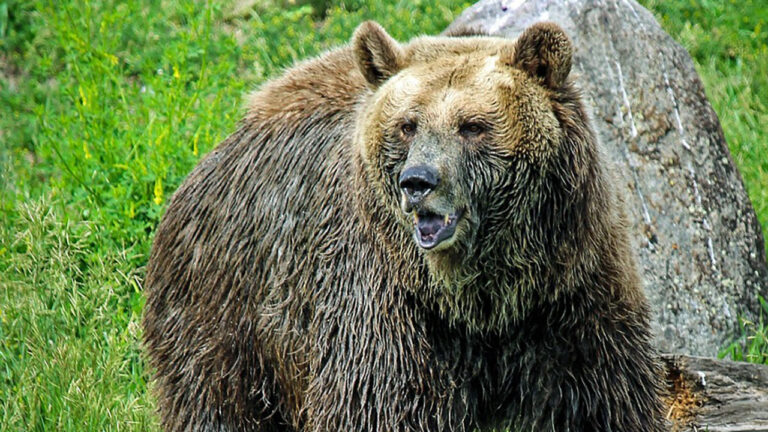
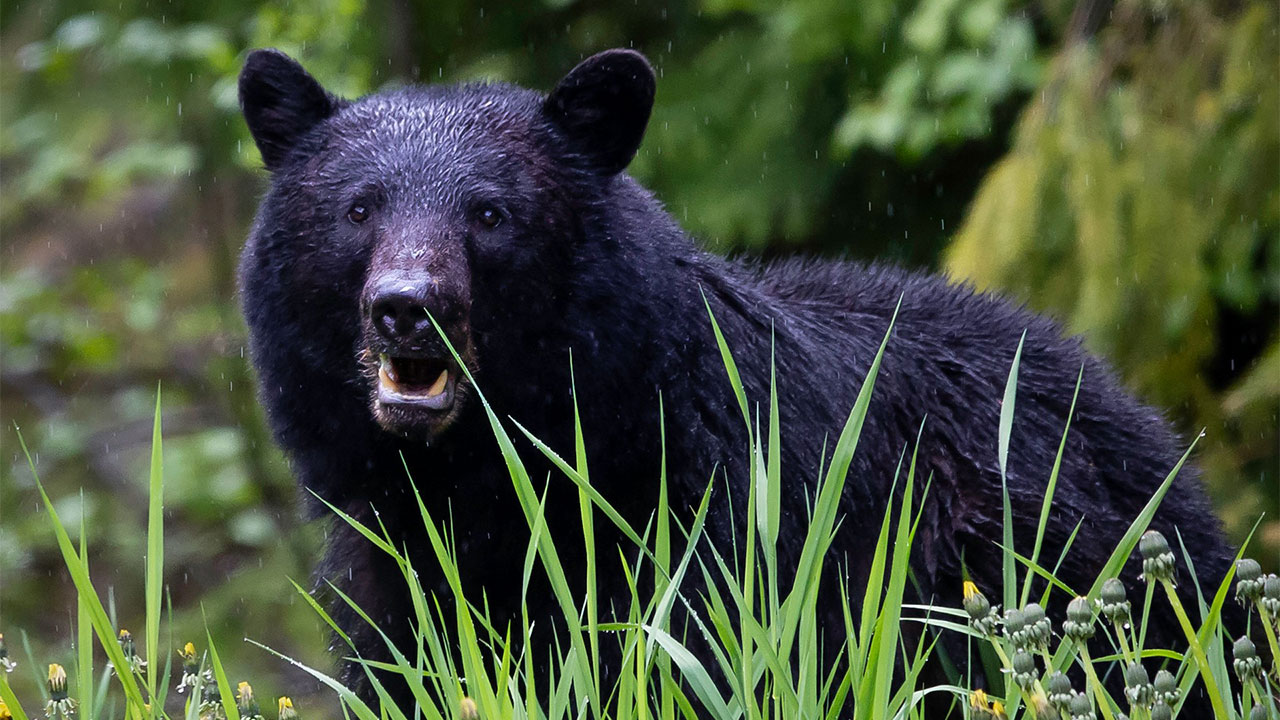
The bear later weighed 473 pounds gutted and measured about 7.5 feet, according to the hunter’s replies. That is a whole lot of animal coming at a person at close range.
People love to debate bear behavior from a safe distance. Black bears are usually shy. Most encounters end with the bear leaving. Plenty of hunters have seen bears that want nothing to do with them. All of that can be true, and it still does not change what happens when one closes the gap at 8 feet.
At that point, “usually” is not worth much.
The hunter was using a 1908 German Mauser chambered in .30-06, a rifle he said had belonged to his grandfather. That detail makes the story feel even more old-school. Not some fancy new rifle with every modern add-on. A family rifle, a hard-charging bear, and one shot that had to count.
He later said he was not sure whether it was a bluff charge, but that the bear got close enough and did not look like it was going to stop. That is the kind of call nobody wants to make in real time. People can argue after the fact about bluff charges, body language, and what a bear “probably” meant to do. But when a 473-pound bear is coming through the bush and closing to 8 feet, the hunter on the ground has to decide immediately.
He decided to shoot.
That decision probably saved him from at least finding out the hard way.
The way he described it, there was not much room for second-guessing. The bear was coming, he saw it in time, and he made a quick but solid chest shot. It was the kind of moment that shows why recoveries require full attention, especially in bear country. You are not done just because one animal is down. Sometimes that is when things get more dangerous.
The post itself had the tone of somebody still riding the adrenaline. He was hyped about the size of the bear, relieved the shot worked, and aware that the ending could have been a lot worse. It is easy to read a story like that and focus only on the trophy size, but the close-range charge is the part that matters most.
Eight feet leaves no margin.
If he had not seen the bear coming, if the rifle had not been ready, if he had hesitated, or if the shot had gone badly, this could have become a very different kind of hunting story. Instead, he walked away with a massive Manitoba bear, a wild story, and probably a much stronger habit of watching the brush during every recovery for the rest of his life.
Commenters were stunned by the distance more than anything else.
One person asked if he really took the bear down while it was charging and wanted to know the caliber and shot placement. When the hunter replied that it was a .30-06 chest shot from about 8 feet, the reaction was basically disbelief. Several people joked that they would have needed new pants after something like that, but the jokes carried a real point: 8 feet is terrifyingly close.
Others asked about the bear’s size, and the hunter later said it weighed 473 pounds gutted and measured about 7.5 feet. That made the close-range shot feel even heavier. A bear that size moving toward a person is not something most hunters want to experience outside a story.
There was also a debate over whether it might have been a bluff charge. The hunter said he was not sure, but the bear got close enough and did not look like it was going to stop. A few commenters understood that answer completely. It is easy to analyze bear behavior afterward, but when the animal is almost on you, the decision has to be made right then.
Some people used the story to push back against the idea that black bears are never much of a threat. One commenter mentioned a friend being injured by a large bear after putting an arrow into its chest. Others said bears are no joke, especially when they are close, wounded, surprised, or involved around another animal recovery.
A few commenters were simply impressed that the hunter kept his head together enough to make the shot. That may be the biggest takeaway. Plenty of people talk about what they would do during a charge. Not everyone can actually shoulder the rifle, find the chest, and make the shot before the bear covers the last few feet.
For this hunter, the recovery walk turned into the kind of close call that will probably follow him for life. One second, he was going in after his girlfriend’s bear. The next, he had a Manitoba bruiser closing the distance and one chance to stop it.