Photo credit: Bennie Bates/Unsplash.com
The hunter was trying to do it the right way.
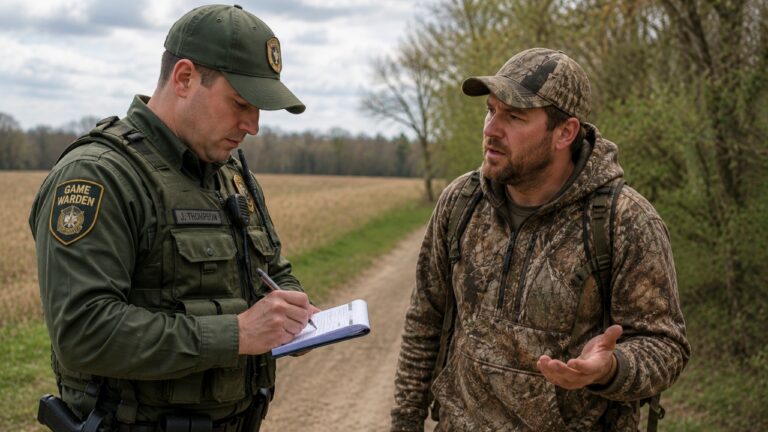
That is the part that makes the whole thing feel so sour. He was not sneaking across a fence, slipping through a gate, or assuming empty land meant free access. He was doing the old-school thing hunters are always told to do: clean yourself up, drive out to landowners, knock on doors, and ask permission face to face.
Then two different people made it clear they were not interested in a polite conversation.
In a Reddit post, the hunter said he was in Texas, where public hunting access can be hard to come by. He had lived there for a while and had not had much luck finding people to hunt with, so he decided to try asking landowners directly again.
He had done it before, about five years earlier, and while most people told him no, they were at least generally polite about it. A no is disappointing, but a polite no is part of the game. Most hunters can handle that.
This time felt different.
He said he went to five ranches he had not visited before. He wore a nice shirt, cleaned up his truck, and was ready to offer something in return. He was willing to help around the property, hunt only certain species, or focus on cull bucks for the first couple years. In other words, he was not showing up like a freeloader demanding access. He was trying to make the ask respectfully.
The first stop went badly right away.
One person slammed the door in his face without saying a word. That is rude, but at least it was clear. No permission. No conversation. Move along.
The next one was worse.
Before he even got out of his truck, a man came out of the house with a shotgun and yelled at him to leave right now.
That is the kind of reaction that changes how you sit in the driver’s seat. A hunter asking permission expects rejection. He does not expect to look up and see a shotgun before he has even opened the door. At that point, the question is not whether you can hunt there. The question is how calmly and quickly you can leave without making an already tense person more worked up.
The next two stops were normal enough. They told him no because they already had hunters leasing the land. That is fair. A lot of Texas hunting access is tied up in leases, family arrangements, or long-standing deals. A landowner does not owe a stranger access just because he asks nicely.
But the final stop pushed him over the edge.
He said the guy actually heard him out first. That probably made it feel like the conversation might end normally. Maybe not a yes, but at least a human answer. Then the landowner lifted his shirt, showed the pistol in his belt, and told the hunter that if he saw him or his truck again, he would be sorry.
That is not just a no.
That is a threat.
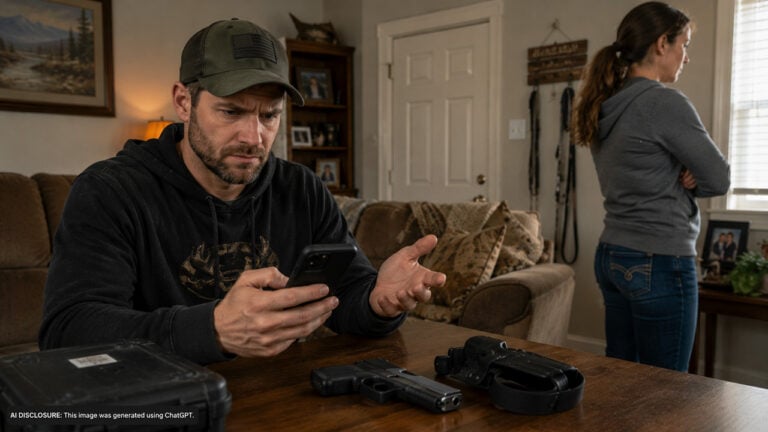
And after two gun-related reactions in one day, the hunter was done asking for permission.
You can understand why. Knocking on doors already takes nerve. You are walking up to a stranger’s place, asking for access to something valuable, and hoping they do not assume the worst about you. Most hunters know the odds are bad, but they do it because there is no other clean way to get on private land unless you already know somebody or can afford a lease.
But when a polite ask starts getting met with guns, the whole tradition starts to feel broken.
The hunter’s wife wondered if landowners thought he might be a developer trying to buy or take land because of how he was dressed and the nicer truck he drove. That is possible. Rural landowners get approached by all kinds of people: developers, salesmen, surveyors, mineral rights folks, political door knockers, hunters, scammers, and strangers with unclear motives. Some are probably tired of it before the person even reaches the porch.
That still does not make flashing guns a reasonable answer.
There is a big difference between being cautious and threatening someone who is standing there asking permission. A landowner has every right to say no. He has every right to protect his property. He has every right not to open the door at all. But bringing out a shotgun before the person exits the truck, or lifting a shirt to show a pistol while warning him not to come back, takes a normal access request into a place most hunters want no part of.
The poster said he loved hunting, but not enough to have people flashing guns and threatening him. That line pretty much says it all. He was willing to deal with rejection. He was not willing to keep putting himself in situations where a stranger might decide a polite question deserved a firearm warning.
So he figured he would go back to miserable public hunt draws.
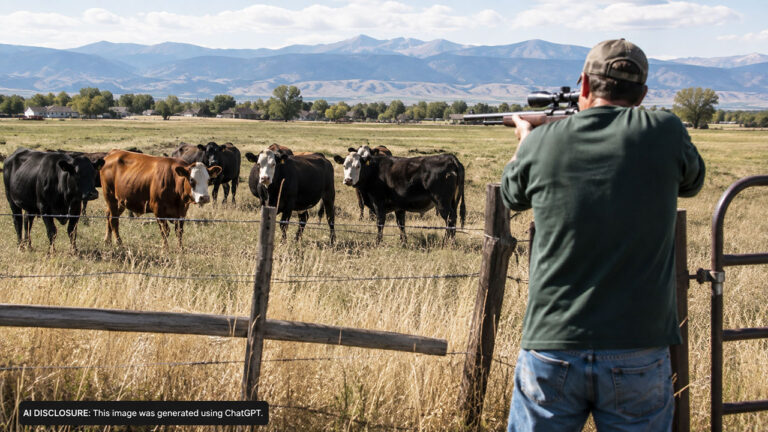
That is a sad little ending, because it shows what happens when trust is gone on both sides. Landowners have been burned by bad hunters, trespassers, trash, liability fears, and people treating private land like public ground. Hunters without access are told to ask permission the right way, then some of them get treated like threats before they can even explain themselves.
Nobody wins in that setup.
The hunter came looking for a chance to hunt. He left thinking knocking on doors was no longer worth the risk.
Commenters mostly agreed that asking in person had gotten a lot riskier and less useful in many places.
Several people told him to stop knocking on doors and start writing letters instead. Their argument was simple: a letter gives the landowner time to read the request without feeling surprised at the door, and it keeps the hunter from standing on someone’s property while the owner decides whether to be angry. A letter can include the hunter’s name, number, experience, insurance if relevant, what he is willing to help with, and a polite request for a call if the landowner is interested.
Some commenters said they had actually had better luck with letters than in-person requests. A few had gotten yes answers that way, or at least avoided the kind of hostile porch reaction the poster described.
Landowners in the thread explained the other side too. Several said they used to allow people to hunt or fish, but got burned by trash, cut fences, wounded animals left behind, guests inviting buddies, and people treating permission like ownership. One landowner said a few bad hunters had ruined it for everyone, and while he would not flash a gun at someone asking, he understood why many owners do not want strangers on their land anymore.
Others said Texas makes the problem worse because public hunting access is so limited compared with the size of the state. That pushes more hunters toward private land, leases, and permission requests, which means landowners get asked constantly.
A few commenters focused on safety and said the hunter was right to stop. No deer or hog is worth walking into armed hostility. If a landowner starts a conversation by showing a shotgun or flashing a pistol, the best response is to leave, not argue.
The practical advice was clear: network through people you know, use lease-finding tools, write letters, and stop putting yourself on strangers’ porches if the reactions are getting that volatile. Asking permission is supposed to be respectful. It is not supposed to feel like rolling dice with a stranger’s temper.