Photo credit: Review Folks/YouTube
The Marlin 336 has always lived in the same rough neighborhood as the Winchester 94, and that is not an easy place to survive. The Winchester had the older legend, the cowboy image, and the kind of name recognition that can swallow other lever guns whole. But the Marlin 336 carved out its own loyal crowd for one simple reason: it worked extremely well as a practical hunting rifle.
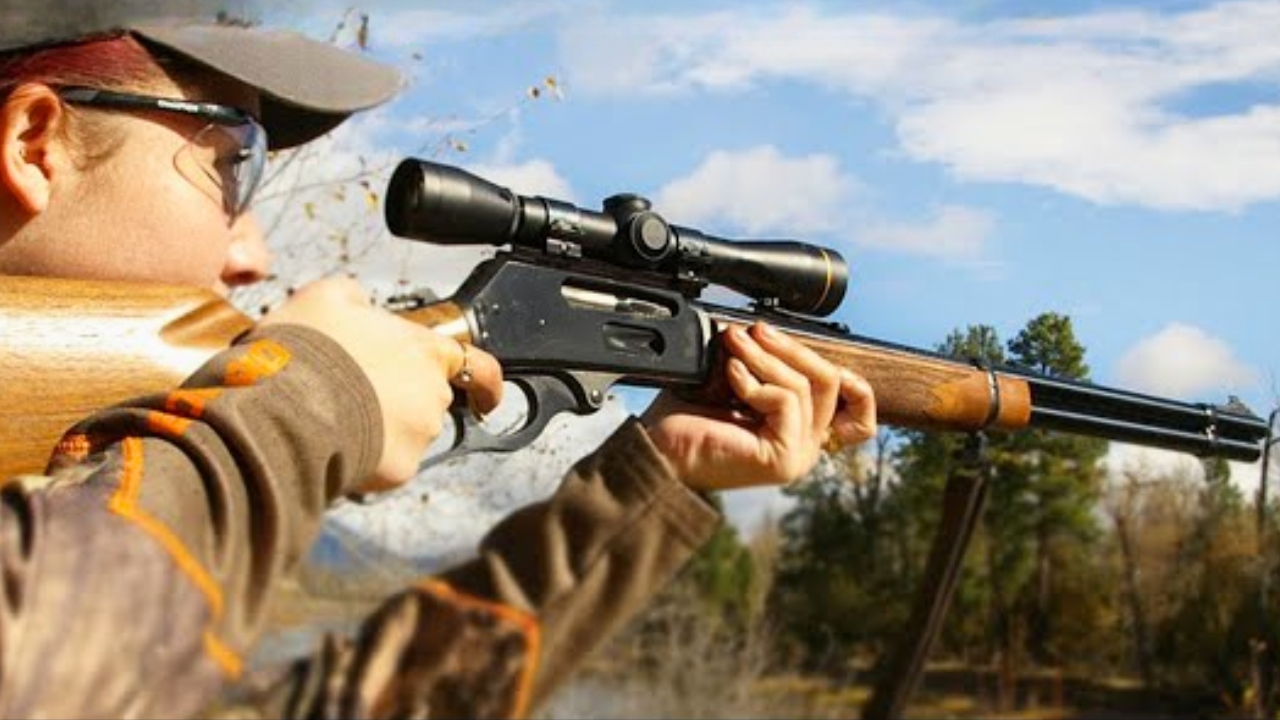
Introduced in 1948, the Model 336 evolved from earlier Marlin lever guns and became one of the classic American deer rifles. It is most closely tied to .30-30 Winchester and .35 Remington, though it has worn plenty of chamberings over the years. Ruger now produces the Marlin 336 Classic in .30-30 Win. with a 20.25-inch cold hammer-forged alloy-steel barrel, 6+1 capacity, American black walnut stock, satin blued finish, semi-buckhorn rear sight, brass-bead front sight, and 7.5-pound weight.
1. It Has the Right Kind of Deer-Woods Reputation
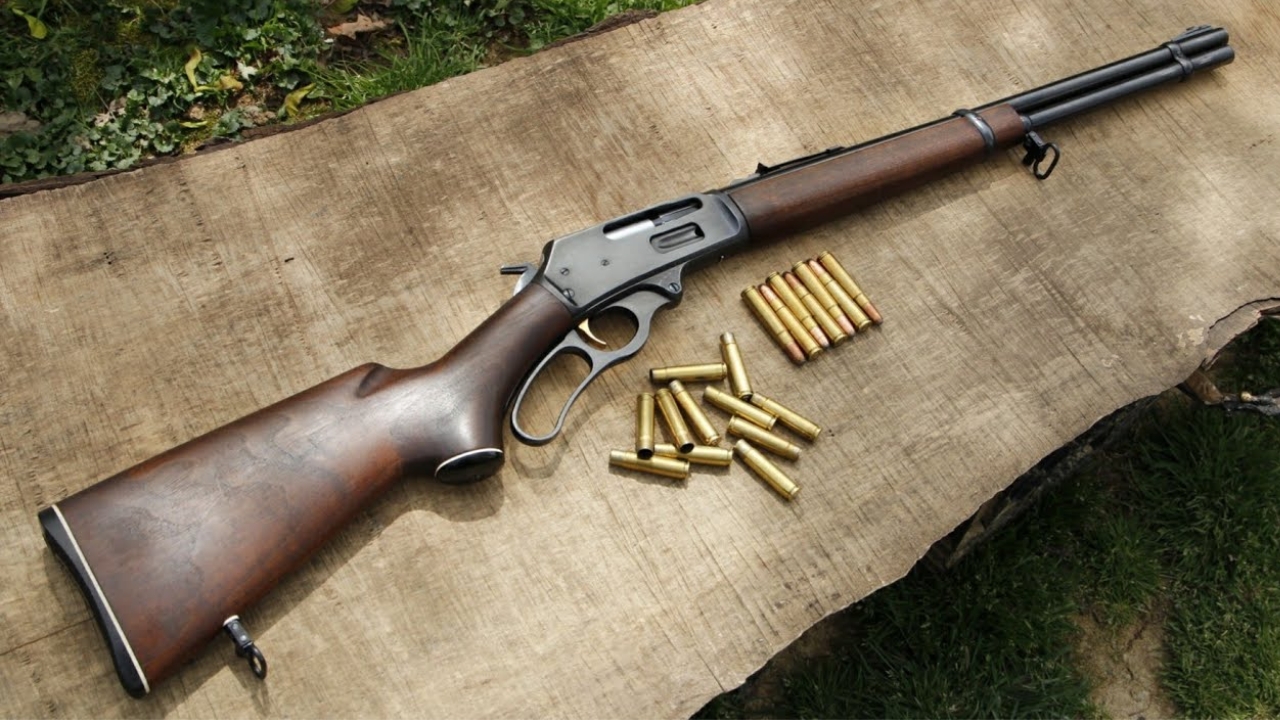
The Marlin 336 keeps pulling shooters back because it feels like a deer rifle before anything else. It is not trying to be a long-range precision gun, a tactical lever gun, or a collector-only safe queen. In its classic form, it is a woods rifle built around fast handling, useful power, and practical shots.
That is exactly why hunters trust it. Most deer in thick woods, creek bottoms, pine country, brushy hills, and small clearings are not being shot at extreme distance. The 336 fits the kind of hunting where a rifle needs to come up fast, point naturally, and put a .30-30 where it belongs before the deer slips away.
2. Side Ejection Made It Scope-Friendly

One of the Marlin 336’s biggest advantages over traditional top-eject lever guns is side ejection. The 336’s solid-top receiver and side-ejecting action made scope mounting much easier and cleaner than on many older lever-action designs. That mattered a lot once more hunters started putting glass on their deer rifles.
That feature helped the 336 stay relevant as hunting optics became more common. A low-power scope or compact optic makes a lot of sense on a .30-30 used in timber, especially for aging eyes or low-light stands. The 336 let hunters mount glass without making the rifle feel like a workaround.
3. The Solid-Top Receiver Feels Strong and Practical

The 336’s solid-top receiver is one of those details that does not sound exciting until you live with the rifle. It gives the gun a sturdy feel, supports easy optic mounting, and helps separate the Marlin from lever guns built around open-top ejection.
That solid receiver helped the 336 earn confidence from hunters who wanted a lever gun that felt more like a modern sporting rifle than a cowboy-era throwback. It still has the lever-action feel, but it also gives you a practical receiver setup that works well with real hunting gear. That is a big part of its appeal.
4. The .30-30 Still Does the Job

The Marlin 336 and .30-30 Winchester are tied together for good reason. The .30-30 is not flashy, and nobody should pretend it is a long-range powerhouse. But inside normal woods distances, it has taken a mountain of deer, hogs, and black bear over the years.
That matters because the cartridge fits the rifle. A light, handy lever gun in .30-30 gives hunters manageable recoil, decent power, and fast follow-up shots. The current Ruger-made 336 Classic is chambered in .30-30 Win., which shows how closely the rifle’s modern identity still stays tied to that cartridge.
5. The .35 Remington Gave It Extra Personality

The .30-30 gets most of the attention, but many longtime Marlin fans have a soft spot for the 336 in .35 Remington. That cartridge gave the rifle more thump at close woods distances and built a loyal following among hunters who wanted something heavier than .30-30 without leaving the lever-gun world.
Marlin began chambering the 336 in .35 Remington in the early 1950s, and the pairing became one of the rifle’s most loved alternatives. Current Ruger production is focused on .30-30, but the older .35 Remington rifles are still a major reason shooters keep watching used racks and gun shows.
6. It Carries Well Without Feeling Toy-Like

The 336 has enough weight to feel steady, but it is still compact and handy enough for real woods carry. The current 336 Classic weighs 7.5 pounds and has a 38.625-inch overall length, which puts it in that useful zone where it feels solid without becoming a burden.
That balance matters in the field. Some ultra-light rifles are nice on the shoulder but twitchy when it is time to shoot. Some heavier rifles are steady but annoying after a long walk. The 336 splits the difference well. It feels like a real rifle, but it still moves through brush and deer stands comfortably.
7. It Handles Thick Cover Better Than Most Bolt Guns

A bolt gun can absolutely work in the woods, but a lever gun like the 336 has a different kind of handiness. The flat-sided receiver, short overall length, and quick lever stroke make it easy to carry in one hand, slip through brush, and bring to the shoulder fast.
That is why shooters keep coming back to it for close-cover hunting. The 336 feels quick without feeling flimsy. When a deer appears at 60 yards and only gives you a few seconds, that kind of handling matters more than a flat-shooting cartridge you will never stretch out in that terrain.
8. The Lever Action Is Fast Without Being Complicated

A 336 gives you quick follow-up shots without gas systems, detachable magazines, or extra controls. Run the lever fully, get back on target, and keep going. That simplicity is part of the rifle’s charm, but it is also practical.
The lever action also keeps the rifle easy to understand. There is something direct about it. You feel the action working. You know when you have cycled it properly. For hunters who grew up with lever guns, that motion is as natural as breathing. For new shooters, it does not take long to learn.
9. It Is Easier to Clean Than Many Lever Guns

The Marlin 336 has a useful maintenance advantage: it can be disassembled enough to clean from the breech by removing the lever pivot screw, lever, bolt, and ejector. That helps avoid dragging a cleaning rod from the muzzle end, which can reduce the risk of damaging the crown over time.
That may not sound like a big selling point until you actually maintain lever guns. Some older designs are more annoying to clean properly. The 336’s easier access makes it more owner-friendly. A rifle that is easier to clean is more likely to be cleaned, and that helps it last.
10. It Has a Strong Used-Market Pull

Shooters keep coming back to the 336 because used rifles still matter. Older JM-stamped Marlins, pre-Remington-era guns, .35 Remington examples, Texan versions, youth-friendly configurations, and clean deer rifles all draw attention. People watch used racks for them because they know the platform.
That used-market loyalty says a lot. A rifle does not keep drawing buyers after decades unless people believe it still has value. Some want a shooter. Some want a collector piece. Some want a rifle like the one their dad or grandpa carried. The 336 has enough history to satisfy all three.
11. The Ruger Revival Brought Confidence Back

Marlin’s later years under Remington damaged confidence for some buyers. Fit, finish, and quality complaints became part of the conversation, fairly or not. When Ruger took over Marlin production, shooters were watching closely to see whether the 336 would come back right.
Ruger reintroduced the Marlin 336 Classic in 2023, and the current version uses a CNC-machined receiver, cold hammer-forged barrel, satin blued finish, and American black walnut furniture. That revival helped reassure shooters who wanted a new-production 336 but were hesitant after earlier quality debates.
12. It Still Looks Like a Real Lever Gun

The 336 has a working-rifle look that still appeals to a lot of shooters. Walnut stock. Blued steel. Exposed hammer. Tube magazine. Semi-buckhorn sights. It looks like a lever gun should look without feeling overly decorative.
That matters because not everyone wants rails, polymer furniture, or a modernized lever-action setup. Some shooters want a rifle that feels traditional but still functions well in the woods. The 336 Classic’s current walnut-and-blued configuration leans hard into that identity, which is exactly what many Marlin fans wanted back.
13. It Has Enough Accuracy for Real Hunting

The 336 is not a benchrest rifle, and it does not need to be. A good one is accurate enough for the kind of hunting it was built around. Pair it with decent ammo, a properly mounted scope or solid irons, and a shooter who knows the rifle, and it will handle normal deer-woods distances just fine.
That is the kind of accuracy that matters in the field. A rifle can print tiny groups at 300 yards and still be less useful in thick cover than a fast-handling lever gun that puts the first shot exactly where it needs to go at 75. The 336 earned respect by being field-accurate, not by chasing paper bragging rights.
14. It Balances Tradition and Practicality Better Than Most

The Marlin 336 keeps people coming back because it feels traditional without being trapped by tradition. It has the old lever-gun appeal, but the side-ejecting solid receiver makes optics easier. It has classic walnut and steel, but Ruger’s current production brings modern machining and cold hammer-forged barrels into the picture.
That balance is the rifle’s lane. It is not as nostalgic as some older designs, and it is not as modern as the tactical lever guns showing up now. It sits right in the middle: classic enough to feel right, practical enough to hunt with hard.
15. It Still Fits the Way People Actually Hunt

The biggest reason shooters keep coming back to the Marlin 336 is that it still fits real hunting. Not fantasy hunting. Not internet long-range hunting. Actual deer-stand, logging-road, brush-line, creek-bottom hunting where shots are often quick and reasonable.
For that work, the 336 still makes sense. It carries well, points fast, scopes easily, hits hard enough with .30-30, and has decades of trust behind it. Newer rifles may shoot flatter, weigh less, or come with more modern features. But the Marlin 336 keeps pulling people back because it still feels like one of the best answers for a hunter walking into the woods.
Like The Avid Outdoorsman’s content? Subscribe to our newsletter so you never miss an article.
Here’s more from us: