Photo credit: Koldunovav/Shutterstock.com
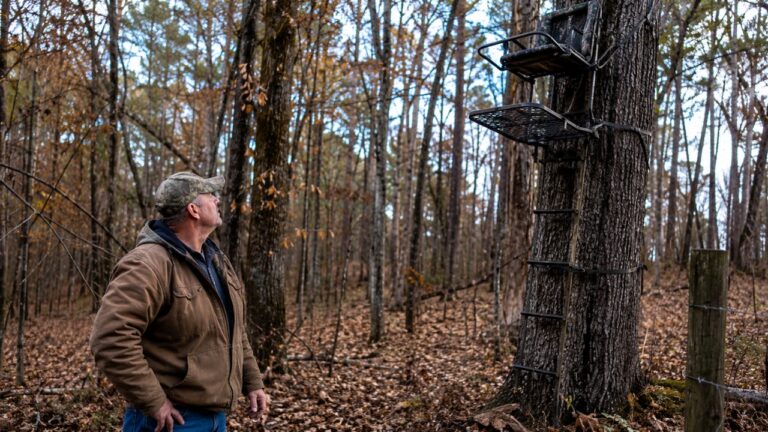
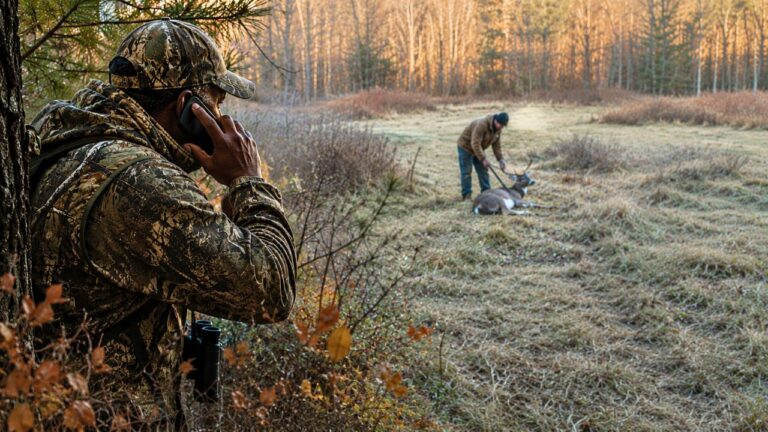
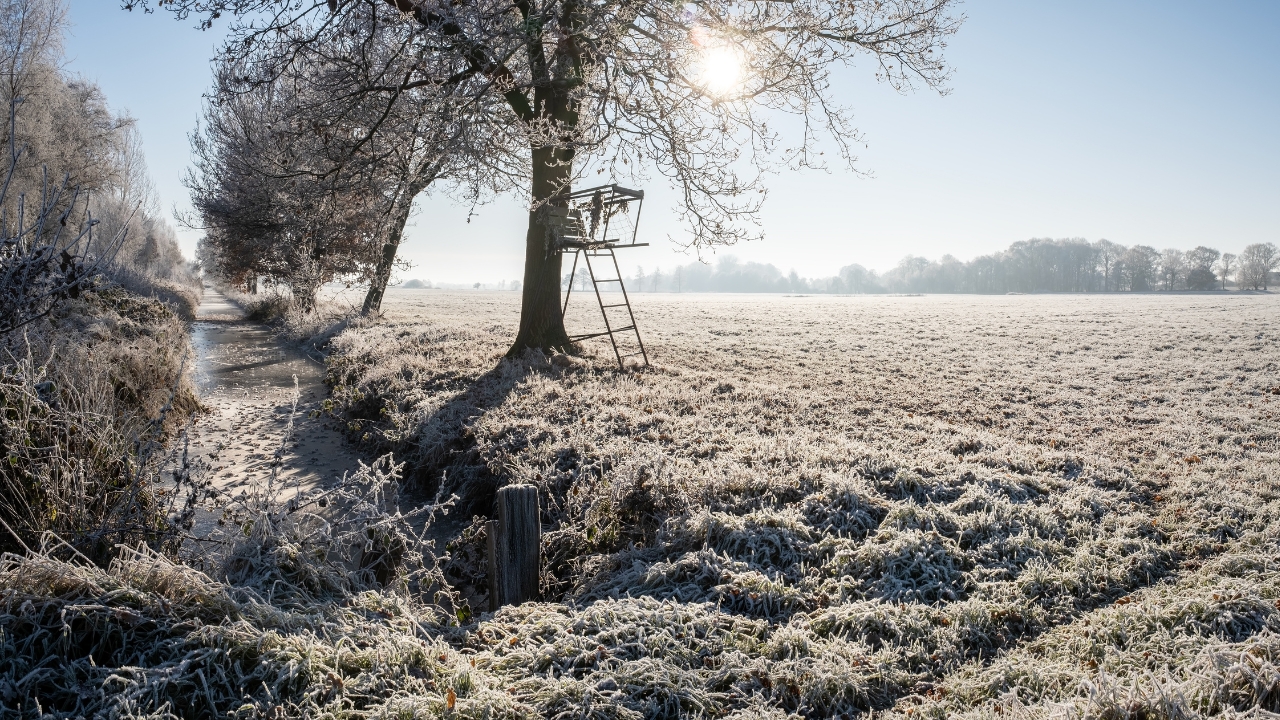
A hunter said he was walking a piece of private property that he alone had permission to hunt when he found two tree stands that did not belong to him.
That is a bad feeling in any season. A tree stand is not something somebody drops by accident. It means another hunter picked a spot, hauled gear in, and planned to come back. On private ground, that usually means one of two things: someone got bad information about permission, or someone knew they were trespassing and hung the stands anyway.
In a Reddit post, the hunter said he contacted the property owners after finding the stands. He then offered to post the property lines at no cost to them. The owners lived in another city about two hours away, and in exchange for letting him hunt there, he helped keep an eye on the place, pick up litter, watch the wildlife, and monitor the waterway.
That arrangement made the trespassing feel even more frustrating. He was not some random hunter trying to claim ground that was not his. He had written permission in his bag when he hunted, and he had the owner’s email saved in case he ever needed to prove it.
After contacting the owners, he started posting the lines. He said he posted two sides of the property first. Then he wrote notes to attach to the stands.
The message was direct: “You are trespassing! Remove your stand by January 31st, 2024.”
He zip-tied the notes to the stands and gave the unknown hunters a deadline to come back and remove their gear before he did it for them.
That was the part that got people talking. Some hunters would have pulled those stands immediately. Others thought giving the trespassers a chance to remove them was the smarter play, especially since the poster was trying not to create a bigger mess for the out-of-town landowners.
He later explained that he did not want to cause a fiasco by getting law enforcement involved right away, but he would if it came to that. He saw the problem clearly enough: people were taking advantage of the owners being absent and hunting the land the wrong way.
The difficult part was that he did not yet know who the stands belonged to. No truck at the gate. No hunter standing there. No face-to-face conversation. Just two pieces of gear hanging where they had no right to be.
That puts a hunter in an awkward middle spot. If he leaves everything alone, the trespassers may keep hunting. If he pulls the stands, they may claim theft or show up angry. If he calls law enforcement immediately, the owners may get dragged into a dispute they never wanted. But if he does nothing, he is basically letting strangers keep using the property.
He did not stop at the notes. In the comments, he said he hid game cameras in the brush near each stand. That way, if the problem continued, he would have evidence of who the trespassers were before contacting law enforcement.
That was a smart move because a note alone only works if the person respects it. A hidden camera changes the situation. If the person comes back, removes the note, climbs the stand, or ignores the warning, now there is a record.
The bigger issue was the timeline. One commenter pointed out that the unknown hunters may not return until the next fall, meaning the January deadline could pass without anyone ever seeing the note. Another said the deadline seemed generous given that the stands were already on land where they did not belong.
But the poster’s approach was clearly meant to avoid turning the situation nuclear on day one. He wanted the trespassing stopped. He wanted the land posted. He wanted evidence if the hunters came back. And he wanted to handle it without making things worse for the owners who had trusted him with the property.
Still, the stands changed the way he had to look at the place. Once you find someone else’s setup on land you are supposed to have to yourself, every walk in feels different. You start looking harder at trails. You notice tire tracks. You wonder who else has been there before daylight. You wonder if someone is watching the same deer, using the same access, or sitting in a stand you have not found yet.
And on hunting land, that matters. Trespassers do not only steal access. They can mess up deer movement, create safety issues, leave trash, cut limbs, wound animals, and put everyone with legitimate permission in a bad spot.
The hunter was trying to shut it down before it turned into that kind of problem.
A lot of commenters told him to call the game warden or DNR. Several said wildlife officers usually have more interest in hunting-related trespassing than regular police, especially when stands, seasons, and posted land are involved.
Some told him to take the stands right away. Their view was simple: if someone hangs gear on private land without permission, they should not expect special treatment. A few called it “free stuff,” though others warned that removing the stands could create a theft accusation depending on local law and the details.
Other commenters liked the measured approach. One said he was being logical and reasonable because his goal was to stop the trespassing, not escalate the situation or create trouble for the owners. Another told him to ask the owners to put in writing that he could act as their agent when dealing with law enforcement.
Several people pushed documentation hard. They told him to get the trespassers on camera, get license plates if possible, record interactions, and stay calm and firm. One commenter suggested posting signs high enough that people could not easily rip them down, with one at eye level and another higher up.
There were also stories from other landowners who had dealt with people claiming old permission, claiming they did not know where the line was, or saying they had hunted the place for years. The common answer was to make the boundary impossible to miss, document everything, and involve the game warden before the trespasser gets too comfortable.