
A cartridge’s reputation usually comes from two places: bad bullet choices and unrealistic expectations. If you ask a round to do work it was never meant to do, it’ll “fail” on cue. Then the story spreads. The funny part is that a lot of those same cartridges will flat-out perform when you run them inside their lane and feed them the right bullet.
If you hunt enough, you start trusting rounds that the internet loves to clown. They aren’t trendy, they aren’t loud, and they don’t make you feel like you brought a cannon. But they kill clean, track straight, and don’t beat you up on the bench. Here are 15 hunting cartridges that often shoot and hit better than their reputation suggests.
.243 Winchester

The .243 gets called “too light” by people who judge deer rounds by recoil and noise. In the field, it’s a different story. With a tough 90–105 grain hunting bullet, it punches through ribs, breaks shoulders when you do your part, and puts deer down fast inside sane distances.
Where you get burned is treating it like a varmint round and using thin-jacket bullets at high impact speed. Do that and you can get splashy damage and weak penetration. Keep it on deer-sized game, pick a controlled-expansion bullet, and you’ll find out why so many experienced hunters keep one around. It’s also easy to shoot well, and that counts more than ego.
6.5 Creedmoor
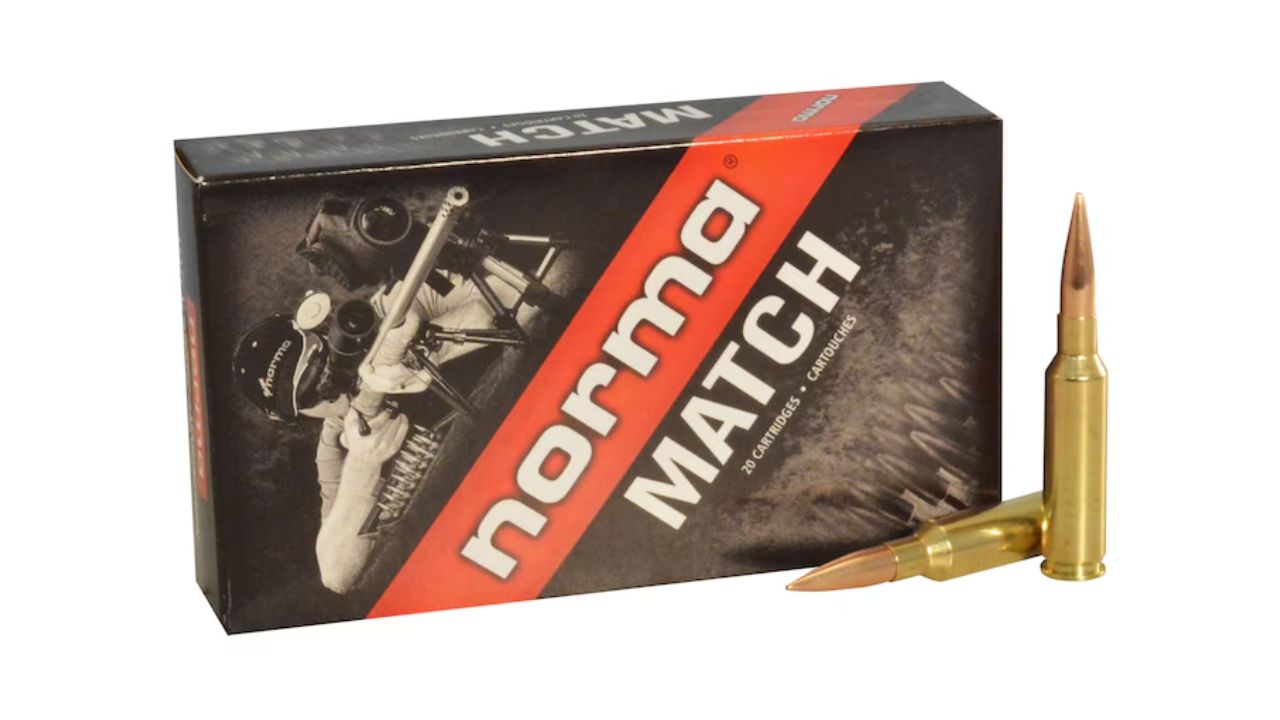
The Creedmoor caught a weird reputation because it got overmarketed and overtalked. None of that changes what it does on animals. With 120–143 grain hunting bullets, it gives you deep penetration, consistent expansion, and a flat enough trajectory that you don’t have to guess much inside normal hunting ranges.
Where folks get disappointed is expecting it to hit like a magnum on steep angles or heavy bone, then blaming the caliber when the bullet choice was wrong. Use a bonded or monolithic bullet if you’re pushing angles, and it holds up well. You also tend to shoot it better because recoil stays manageable, especially in lighter rifles. Accuracy plus good bullets equals clean kills.
.270 Winchester

Some people call the .270 “old” like that’s a weakness. What you get is a cartridge that has been quietly stacking deer and elk for generations with very few surprises. Modern bullets made it even better, especially in the 130–150 grain range.
The .270’s knock is that it’s not “cool” and it isn’t a short-action darling. In real life, it shoots flat, hits hard enough for serious hunting, and carries energy well without beating you up like the bigger 7mm and .30 magnums. Put a good 140 or 150 grain controlled-expansion bullet in it for elk, and it stops feeling like a deer-only round real quick. Reliability and repeatability are part of the appeal.
.30-30 Winchester

People love to act like the .30-30 is obsolete, like it belongs on a museum wall. Then you hunt thick timber and realize it’s still one of the most useful deer cartridges ever built. Inside 150 yards—often farther with the right load—it hits with authority and leaves good blood.
The reputation problem comes from folks stretching it too far with iron sights and guessing holdover. Keep shots honest, use modern loads (including better bullet designs), and the .30-30 does work. It also shines in handy rifles you’ll actually carry all day. A cartridge that gets used more tends to fill more tags, and the .30-30 is still a tag puncher when you hunt where deer actually live.
7mm-08 Remington

The 7mm-08 gets labeled “mild,” and that makes people assume it’s marginal. It isn’t. With 140–150 grain bullets, it penetrates well, handles wind better than many lighter rounds, and hits with a calm kind of effectiveness that shows up in short tracking jobs.
Where it gets underrated is in light rifles. You can carry a mountain-friendly setup and still have a cartridge that stays controlled at the shoulder. That helps you shoot tight under pressure and spot impacts. Bullet selection is easy because 7mm hunting bullets have a long track record. If you want one rifle for deer, hogs, and occasional elk without magnum recoil, the 7mm-08 keeps proving it belongs.
.308 Winchester

The .308’s reputation problem is boredom. People call it “basic” and chase something faster. Meanwhile, the .308 keeps stacking animals because it’s forgiving, accurate, and effective with a wide spread of bullet weights. It doesn’t need a long barrel to run well, and it stays consistent across a lot of rifles.
In the field, 150–180 grain hunting bullets give you reliable penetration and dependable expansion. The cartridge also tends to be easier on barrels and often easier to tune for accuracy than some overbore speedsters. If you’re a hunter who actually practices, you’ll appreciate how predictable it is. The .308 rarely surprises you, and that’s exactly why it keeps outperforming the chatter around it.
.25-06 Remington

The .25-06 gets called a “barrel burner” and a niche round, but it’s a serious deer and antelope cartridge when you run it right. With 100–120 grain hunting bullets, you get a flat trajectory, solid impact speed, and surprisingly good penetration on light-to-medium game.
The mistake is treating it like a pure long-range laser and picking fragile bullets that come apart too fast up close. Choose a controlled-expansion bullet and it stays honest. The recoil is mild enough that you can shoot it a lot, and that’s a huge advantage for real hunters. If you like longer shots in open country but still want clean performance inside 100 yards, the .25-06 can handle both.
.280 Remington

The .280 never got the fame it deserved, so people assume it’s second-rate. It’s not. Ballistically, it sits in a sweet spot: it can push 140–160 grain bullets with excellent sectional density and consistent performance on deer and elk-sized game.
The “problem” is mostly marketing and timing. The .280 didn’t get adopted in the same way the .270 and .30-06 did, and then newer short-action rounds stole attention. In the field, it hits with authority without feeling punishing, and it tends to shoot extremely well in rifles that like it. If you want 7mm performance without stepping into magnum recoil and blast, the .280 is a sleeper that keeps earning respect.
.260 Remington

The .260 got overshadowed by the 6.5 Creedmoor, and some folks treat it like it lost a fight. That’s silly. On animals, it does the same kind of work: efficient 6.5mm bullets, deep penetration, and mild recoil that helps you shoot better.
Where it shines is when you like shorter actions and you want a cartridge that’s easy to carry and easy to control. With 120–140 grain hunting bullets, it’s excellent for deer and hogs, and it can handle elk with the right bullet and good shot placement. The reputation issue is mostly “it’s not trendy.” If your rifle likes the .260, you’re holding a cartridge that performs far above the internet noise.
6mm Remington

A lot of hunters lump the 6mm Rem in with “varmint rounds,” then write it off. That ignores what a 6mm can do with the right bullet. With 90–105 grain controlled-expansion bullets, the 6mm Rem is fully capable on deer-sized game and often shoots extremely flat.
The key is treating it like a hunting cartridge, not a prairie dog setup. You want a bullet built to hold together and penetrate, especially if you might hit shoulder or take a quartering shot. Done right, the 6mm Rem hits harder than many people expect and tends to be very accurate. It’s also pleasant to practice with, which builds confidence. A cartridge that you can shoot well is a cartridge that performs.
7×57 Mauser
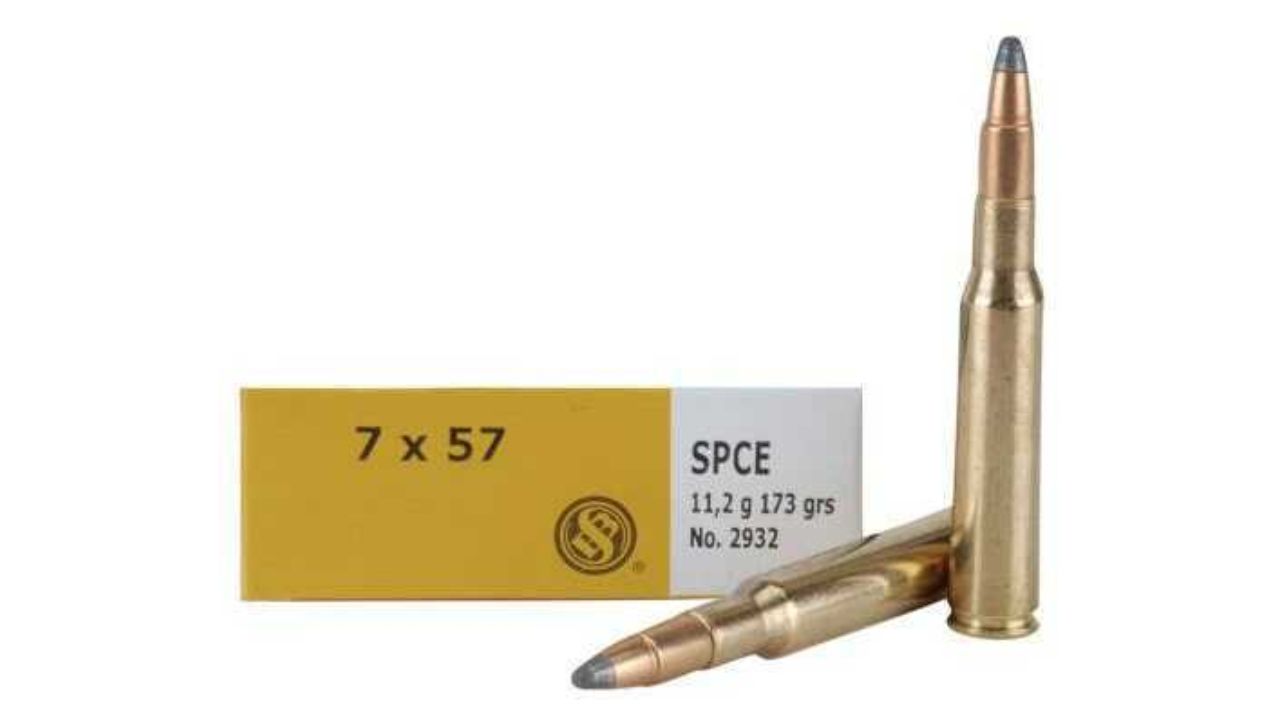
The 7×57 has an old-school reputation that makes people assume it’s weak. In reality, it’s been taking game cleanly for more than a century because it’s efficient and easy to shoot well. With 140–160 grain bullets, it offers deep penetration and controlled expansion at practical hunting speeds.
Where people get confused is comparing numbers on paper without thinking about bullet behavior on impact. The 7×57 doesn’t need extreme velocity to work. It tends to punch through and leave good trails, especially on deer and similar game. It also runs at reasonable pressures and often feels smooth in lightweight rifles. If you want a cartridge that doesn’t punish you but still performs reliably in the field, the 7×57 keeps proving it’s more than nostalgia.
.35 Remington

Some folks treat the .35 Rem like an outdated woods round with limited purpose. Then you use it in thick cover and realize it’s built for exactly that job. With 200-grain bullets, it hits with a heavy, steady shove that breaks shoulders and drives through muscle in a way smaller bores sometimes don’t.
The reputation hit comes from range limitations and fewer modern rifle options. That’s fair, but it doesn’t make the cartridge ineffective. Inside its natural distances, it kills decisively and often drops deer fast. It’s also a great hog cartridge where shots are quick and angles can be awkward. If you hunt timber and want a round that prioritizes penetration and straight-line performance, the .35 Rem is better than people give it credit for.
.257 Roberts

The .257 Roberts gets dismissed as “soft,” and that’s exactly why it works so well for real hunters. Mild recoil helps you stay calm, hold steady, and place shots where they belong. With 100–120 grain hunting bullets, it has plenty of punch for deer and pronghorn, and it tends to be incredibly shootable.
The key is understanding it’s not a cartridge for smashing heavy bone at extreme angles. It’s a cartridge for clean hits through the ribs and smart shot selection. When you run it that way, performance is impressive and tracking jobs are usually short. The .257 also tends to be accurate in rifles that are set up right, and it doesn’t beat you up on long practice days. Calm shooting often beats loud shooting.
.300 Savage
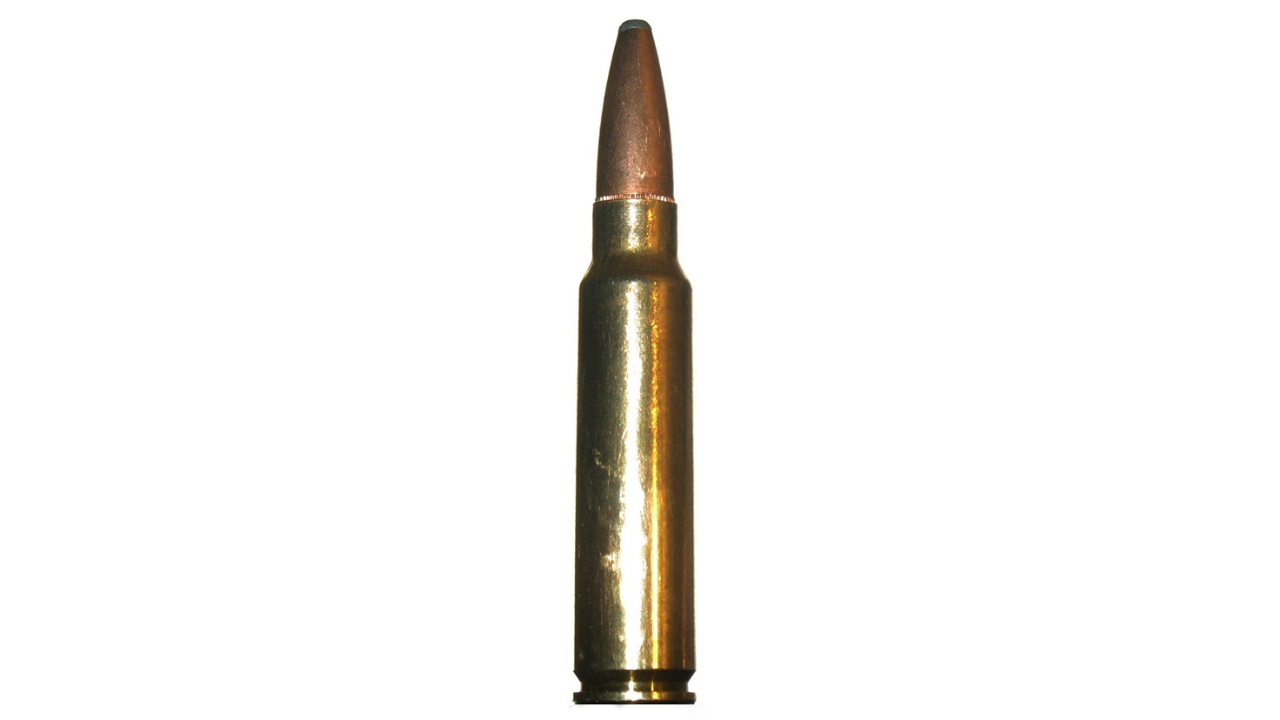
The .300 Savage gets stuck in the shadow of the .308, so people assume it’s a weaker, outdated version. In the deer woods, it’s more than enough. With 150–180 grain bullets at sensible velocities, it hits hard, penetrates well, and does exactly what a deer cartridge needs to do.
Its “bad” reputation is really a scarcity problem—fewer rifles, fewer load options, and less attention. None of that changes terminal performance. The .300 Savage is efficient and effective, especially in the classic lever guns it’s often paired with. If you hunt where shots are inside a couple hundred yards, it keeps up fine. The real advantage is that many of these rifles carry beautifully, and a rifle you carry well is a rifle you use well.
.45-70 Government

People love to talk about the .45-70 like it’s a slow, rainbow-trajectory novelty. That misses the point. With modern hunting loads and the right bullet, it hits like a truck inside its intended distances. It drives big, heavy projectiles deep, and it handles tough angles on hogs, black bear, and big-bodied deer better than many faster cartridges.
The trick is respecting its trajectory and choosing your shots. You don’t pretend it’s a long-range round. You treat it like a powerful, close-to-midrange hammer that thrives in thick cover and tight spaces. Recoil can be real in lighter guns, so fit and practice matter. When you’ve got the setup right, the .45-70 is far more capable than the jokes make it sound.
Like The Avid Outdoorsman’s content? Be sure to follow us.
Here’s more from us:


