Photo credit: Just dance/Shutterstock.com
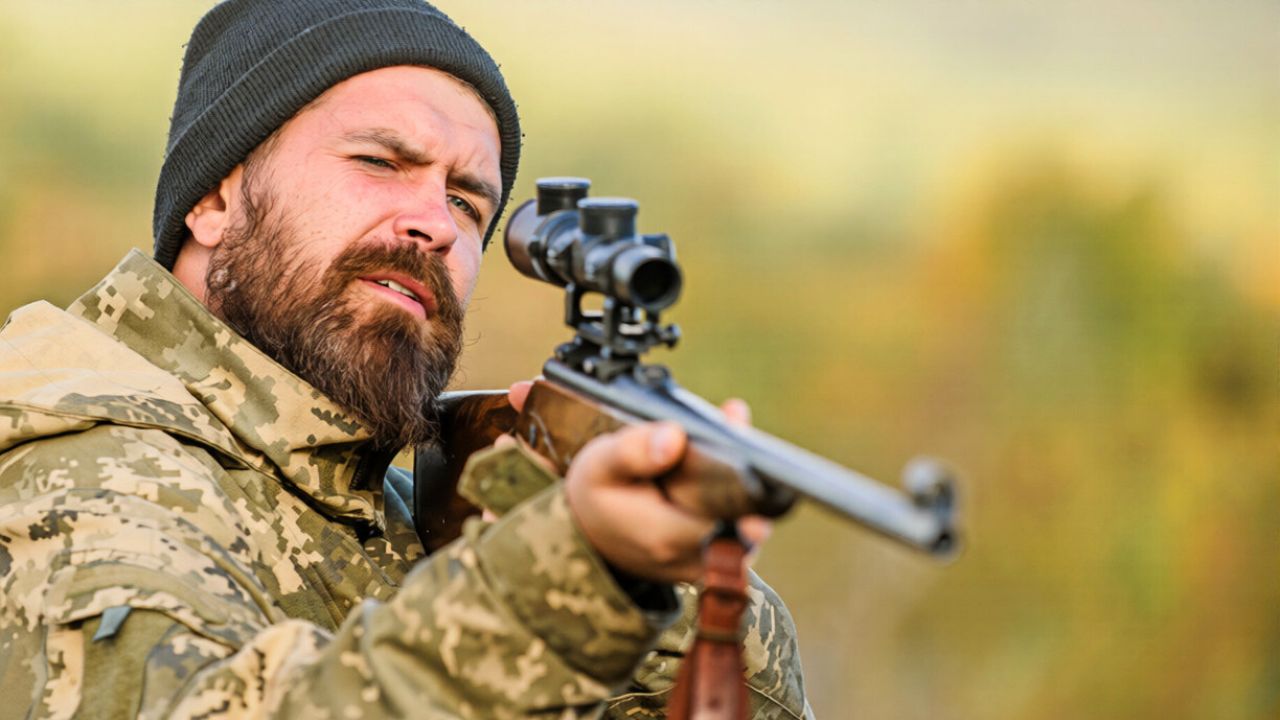
There’s a certain kind of gamble that doesn’t feel like a gamble when you make it. That’s how I ended up trusting a no-name optic on a hunting rifle going into the season. It looked decent enough, the price was hard to ignore, and I convinced myself that an optic didn’t need to be anything special as long as it held zero. I had used it at the range without any obvious issues, and that gave me just enough confidence to carry it into a real hunting situation. Looking back, that was the mistake. Range use and real-world use are not the same thing, and I didn’t respect that difference enough.
The regret didn’t come from one dramatic failure right away. It built slowly as small issues started showing up at the worst possible times. The clarity wasn’t as good in early morning light, adjustments didn’t feel as reliable as I wanted them to, and I found myself second-guessing what I was seeing through the glass. That kind of doubt has no place in a hunting setup. When you’re in the field, you don’t want to be thinking about your optic. You want to trust it completely. That trust never fully developed, and by the time I realized it, I was already committed to using it for the season.
Low-light performance matters more than range performance
One of the biggest differences between range shooting and hunting is lighting. On the range, you’re often shooting in clear, controlled conditions. In the field, especially during early morning or late evening, light becomes a major factor.
That’s where the optic started to show its weakness. The image wasn’t as bright or clear as it needed to be, and details that should have been easy to pick up became harder to see. That hesitation matters in hunting, because timing and clarity are everything.
Holding zero isn’t guaranteed with cheaper optics
Another issue that started creeping in was consistency. Even though the optic had held zero initially, I began to question whether it was staying as stable as it should have been over time.
Small shifts are hard to notice until they start affecting your confidence. When you’re not fully sure your rifle is hitting exactly where you expect, every shot feels less certain.
Adjustments need to be reliable
Making adjustments on a hunting optic should be simple and predictable. With the no-name optic, the adjustments felt inconsistent. Clicks didn’t always translate cleanly to movement on target, and that made it harder to trust any changes I made.
That kind of uncertainty doesn’t belong on a rifle you’re taking into the field.
Durability matters outside the range
Hunting conditions are rougher than range conditions. Rifles get bumped, carried through brush, and exposed to changing weather.
The optic didn’t feel like it was built to handle that kind of use long-term. Even if it didn’t completely fail, the lack of confidence in its durability was always in the back of my mind.
Confidence is everything in a hunting setup
The biggest issue wasn’t any single flaw. It was the lack of trust. Every time I brought the rifle up, there was a small part of me questioning the optic.
That hesitation is enough to affect how you shoot and how you make decisions in the field.
Cheap optics can cost you opportunities
When everything comes together on a hunt, you don’t get unlimited chances. If your equipment isn’t reliable, you risk missing those moments.
That’s what made the decision feel worse in hindsight. I had tried to save money on something that plays a critical role in the entire setup.
A better optic removes doubt
After replacing that optic with something more reliable, the difference was immediate. The image was clearer, the adjustments were predictable, and the confidence came back.
That’s what a good optic is supposed to do. It should disappear into the background and let you focus on the hunt.
Some gear isn’t worth gambling on
There are places where saving money makes sense. A hunting optic is not one of them.
I trusted that no-name optic because it seemed “good enough,” but once I took it into real conditions, it proved otherwise. By the time the season was over, I knew I should have made a different choice from the start.
Like The Avid Outdoorsman’s content? Subscribe to our newsletter so you never miss an article.
Here’s more from us: