Photo credit: TFB TV/Youtube
I like semi-autos. I carry them, I train with them, and I appreciate what a good one brings to the table. But after enough range days, enough cold mornings, and enough “why is this doing that?” moments, I’ve gotten pickier about what earns trust.
If I’m headed out the door and I want simple, predictable, and boring in the best way, I’ll still grab a solid revolver before I bet my hide on certain semi-auto handguns. Not because revolvers are magic, but because some pistols have a way of turning little issues into big ones right when you need them to just run.
1. Kimber Solo Carry

This one fooled a lot of folks because it felt high-end in the hand. Slick looks, good marketing, and that “premium micro 9” appeal. Then reality shows up with picky ammo behavior and the kind of finicky cycling that makes you start counting your luck instead of your rounds.
I’ve seen more than one Solo that ran “fine” until it didn’t, and the owner’s fix was always another brand of ammo, another spring, another trip back. When a gun needs you to cater to it like that, it’s not a tool anymore. It’s a hobby.
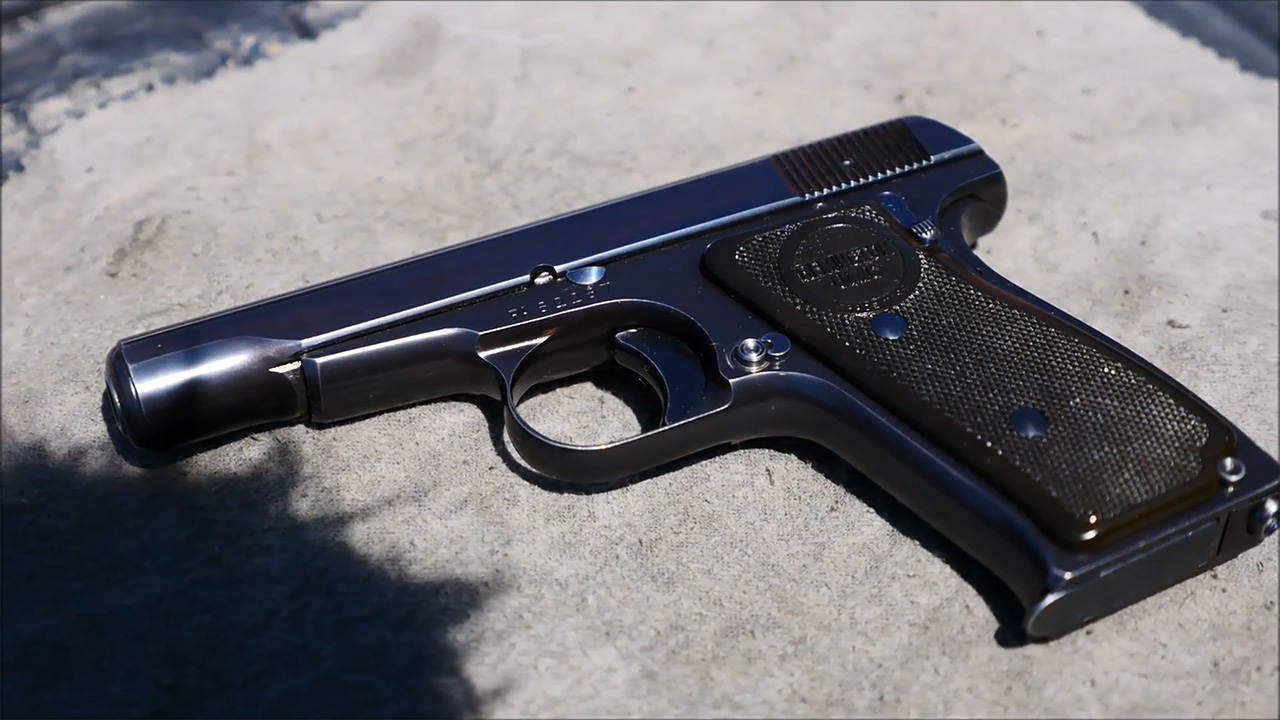
2. Remington R51 (Gen 1)
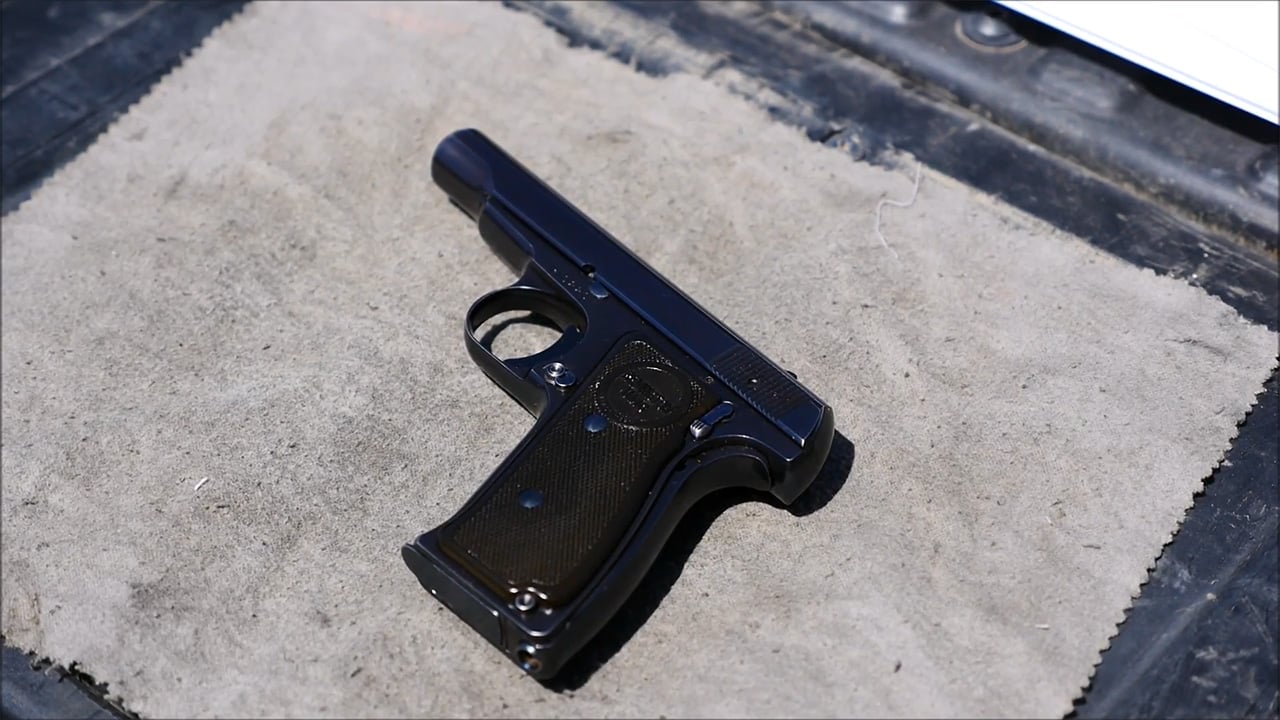
The R51 comeback story sounded good on paper. In the real world, the early guns became a lesson in why first runs can be painful. Weird stoppages, inconsistent function, and that nagging sense that the design was fighting itself.
Even when one is “sorted out,” it’s hard to shake the memory of how many went sideways. If a pistol’s reputation makes you hesitate to load it and leave the house, it already lost.
3. SIG Sauer P365 (early production)

Before anybody jumps down my throat, the P365 as a concept is a home run. The later ones have proven themselves for a lot of shooters. But the early wave had enough striker-related chatter and growing pains that I watched more than a few cautious carriers put theirs in the safe until the dust settled.
A carry gun shouldn’t feel like a beta test. If you own one from the early days, I’d rather see it proven on the range—hard—than assumed good because newer ones are.
4. Taurus PT111 G2 / G2C (inconsistent examples)

I get why these sell. They’re affordable, they feel decent in the hand, and plenty of them work. The problem is the word “plenty.” I’ve also seen enough lemon stories—trigger weirdness, spotty QC, magazines that don’t behave—to keep me from trusting one blindly.
If you already have a good one, fine. But recommending them like they’re all the same is where guys get burned. For a budget defensive gun, consistency matters as much as features.
5. Taurus Millennium Pro series
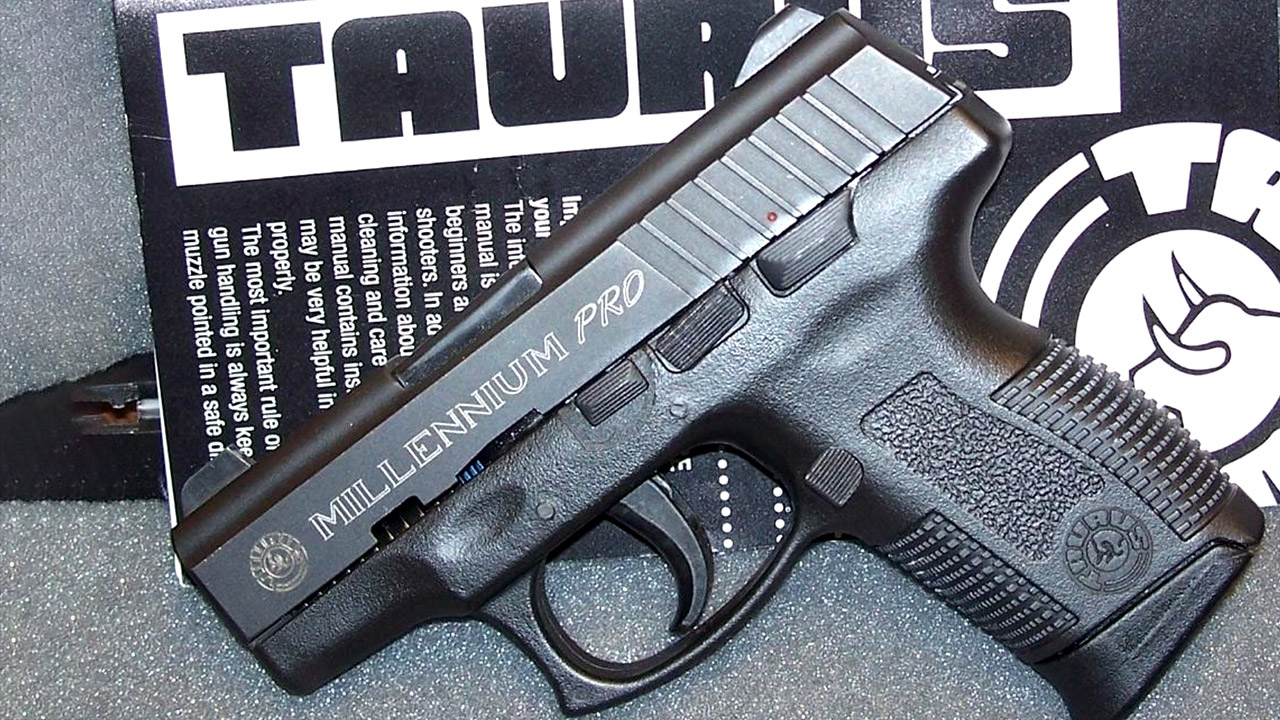
These were everywhere for a while, especially in gloveboxes and nightstands. They’re small, light, and the price was tempting. And then you’d run into the occasional one that acted like it was allergic to reliability.
When a pistol has a long history of mixed outcomes, I stop trying to talk myself into it. There are too many proven options now to roll the dice.
6. SCCY CPX series
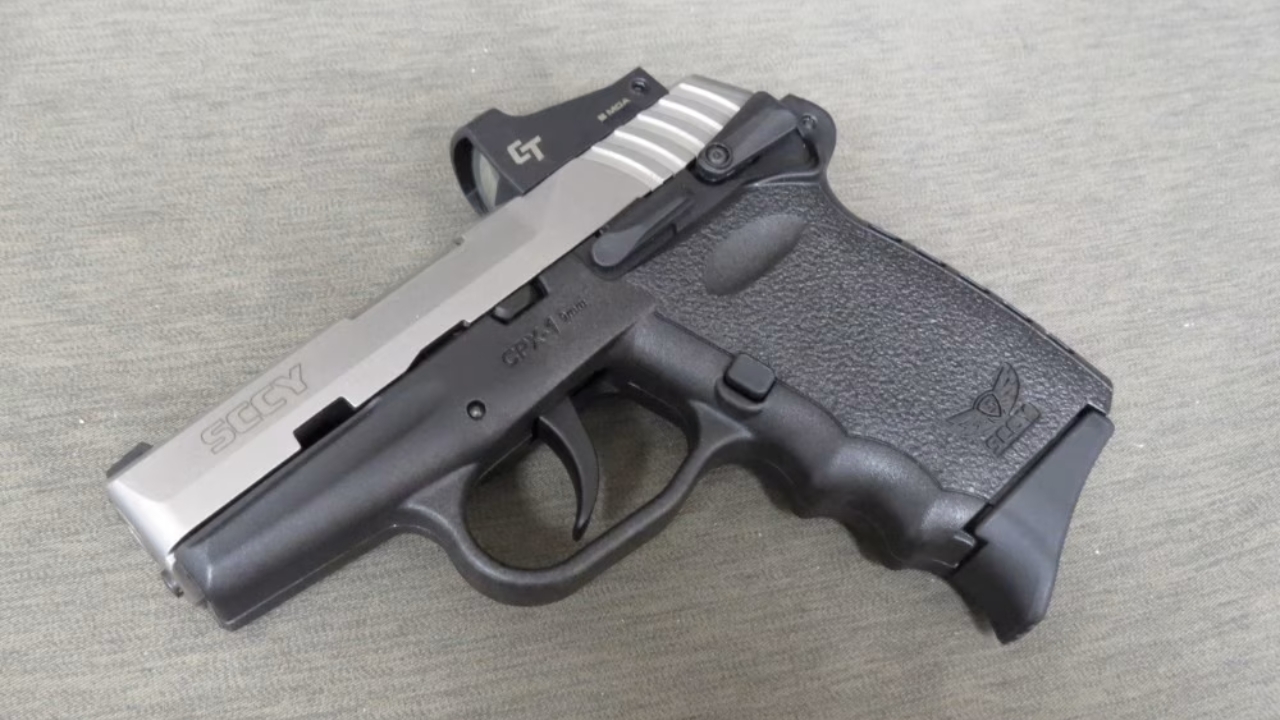
Every time I handle one, I want to like it. The size is right, the idea is right, and the price is right. Then you get to the trigger and the general “rough around the edges” feel that makes you wonder how it will look after a few hundred rounds and some pocket lint.
I’ve also watched guys chase magazine issues and odd failures that don’t show up until the gun gets dirty. If you want a small 9mm you can trust, there are better ways to spend a little more.
7. Kahr CM9/PM9 (maintenance and break-in reality)
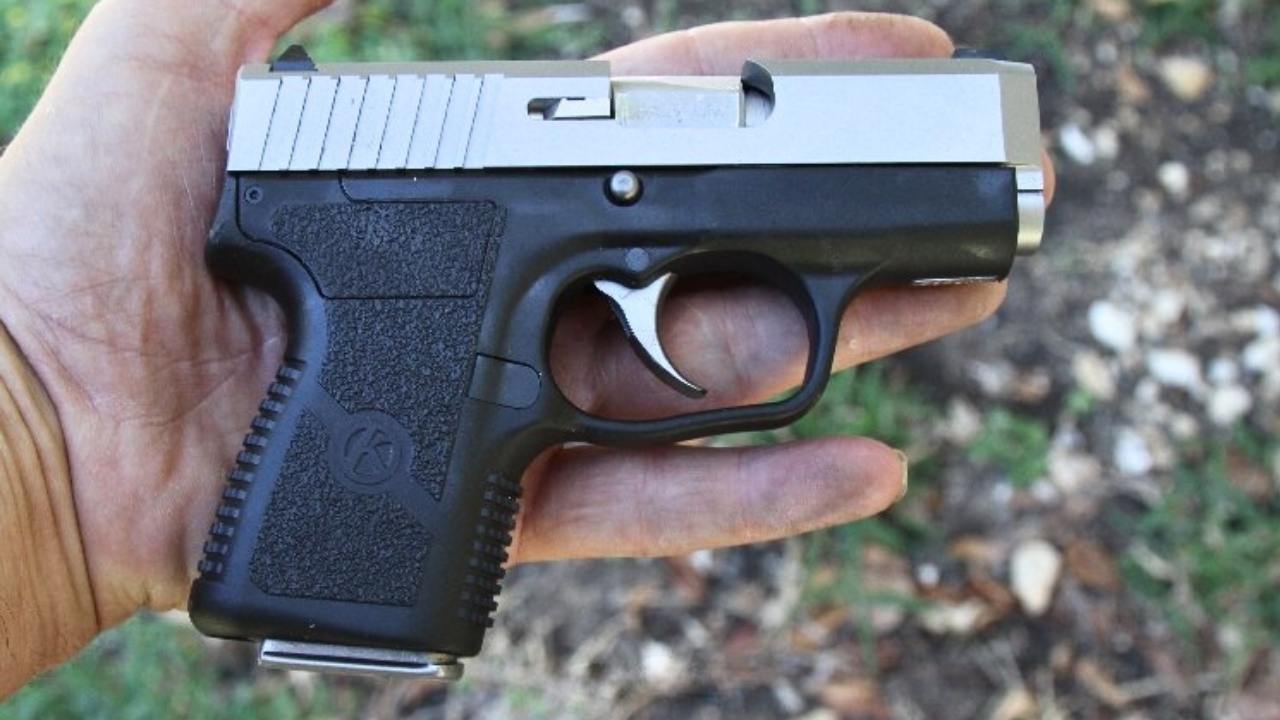
Kahr has made some genuinely handy carry pistols. They’re thin and point well. The issue is that a lot of them want a real break-in and a certain level of attention before they become boring.
Some owners never get past the early hiccups because they expect “new gun = ready now.” If you’re the kind of shooter who actually reads the manual, tests your carry ammo, and stays on spring replacement, you can make one work. If not, I’d rather see a revolver on your belt.
8. Walther PK380

This is one I’ve seen picked up as an “easy” gun for recoil-sensitive shooters. It’s soft, it’s light, and it feels friendly. But the way some examples behave with different ammo—and the general “not built like a tank” vibe—keeps it off my trust list.
If someone insists on .380, I’d rather they go with something with a stronger track record and more durable feel. Cute and comfortable isn’t the same as dependable.
9. AMT Backup (various calibers)
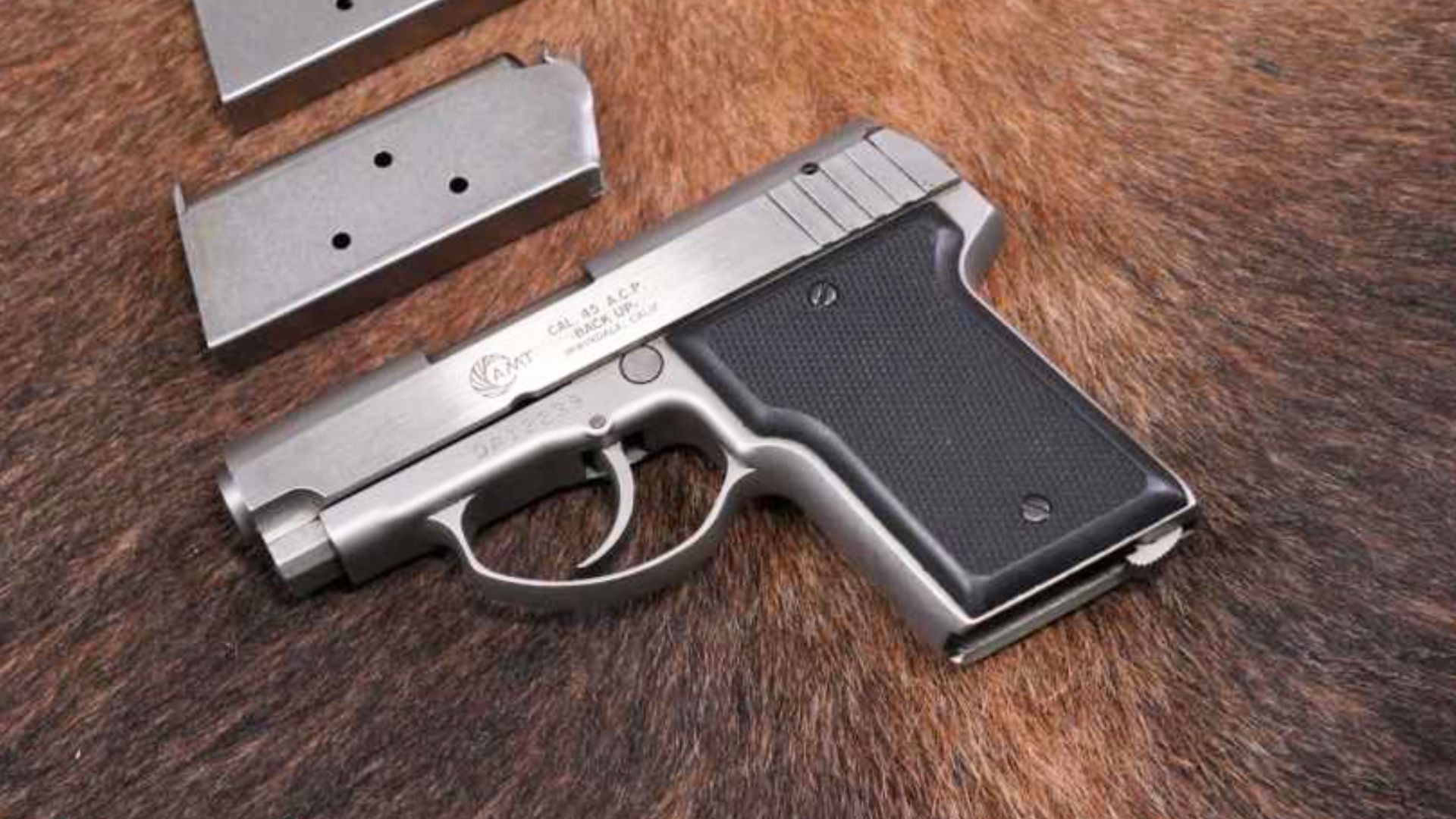
The AMT Backup has a certain old-school cool to it, and I understand the appeal as a deep-concealment piece. But these are also known for rough triggers, sharp edges, and a level of variability that makes me think twice.
They can be more “collector curiosity” than “carry tool.” If you want something you can actually bet on, there are modern options that don’t feel like a gamble every time you press the trigger.
10. Colt Mustang (and Mustang-style .380s)

I’m not calling the Mustang junk. I’m saying tiny .380 1911-ish pistols are easy to love and easy to outshoot their reliability window. When they’re clean and sprung right, they can run great. When they’re not, they can get moody.
Parts, mags, and maintenance become the whole game. If you’re disciplined, fine. If you’re the guy who carries a gun for months without cleaning it, don’t make this your plan.
11. 1911 “micro” and 3-inch 1911 variants

Full-size 1911s can be incredibly reliable when built right. Shrink them down and the timing gets tight, the spring life gets touchy, and the margin for error gets thin. I’ve seen 3-inch guns that ran, and I’ve seen more that lived on the edge.
A short 1911 can be a great range toy or a “because I like it” gun. As a daily trust-me tool, they ask for a level of tuning and attention that a lot of folks don’t actually give.
12. Budget 1911s with bargain magazines
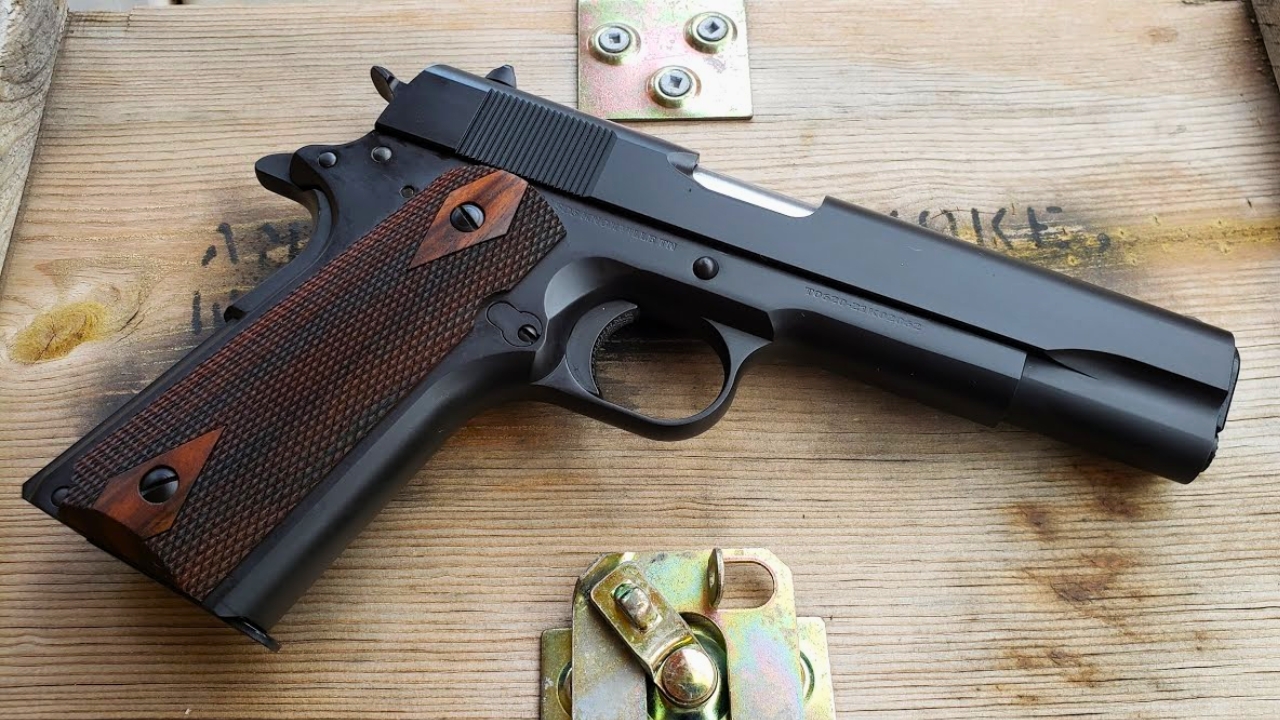
This is less about one brand and more about a pattern. A cheap 1911 with a couple unknown mags is one of the most common recipes for a “my gun keeps jamming” complaint at the range. Then the owner starts polishing feed ramps and chasing fixes they saw online.
Sometimes the answer is as simple as good magazines and proper springs. Sometimes the answer is that the gun was never put together with the tolerances it needed. Either way, if you don’t know the difference, a revolver is a safer bet.
13. Hi-Point C9 (and similar blowback bricks)
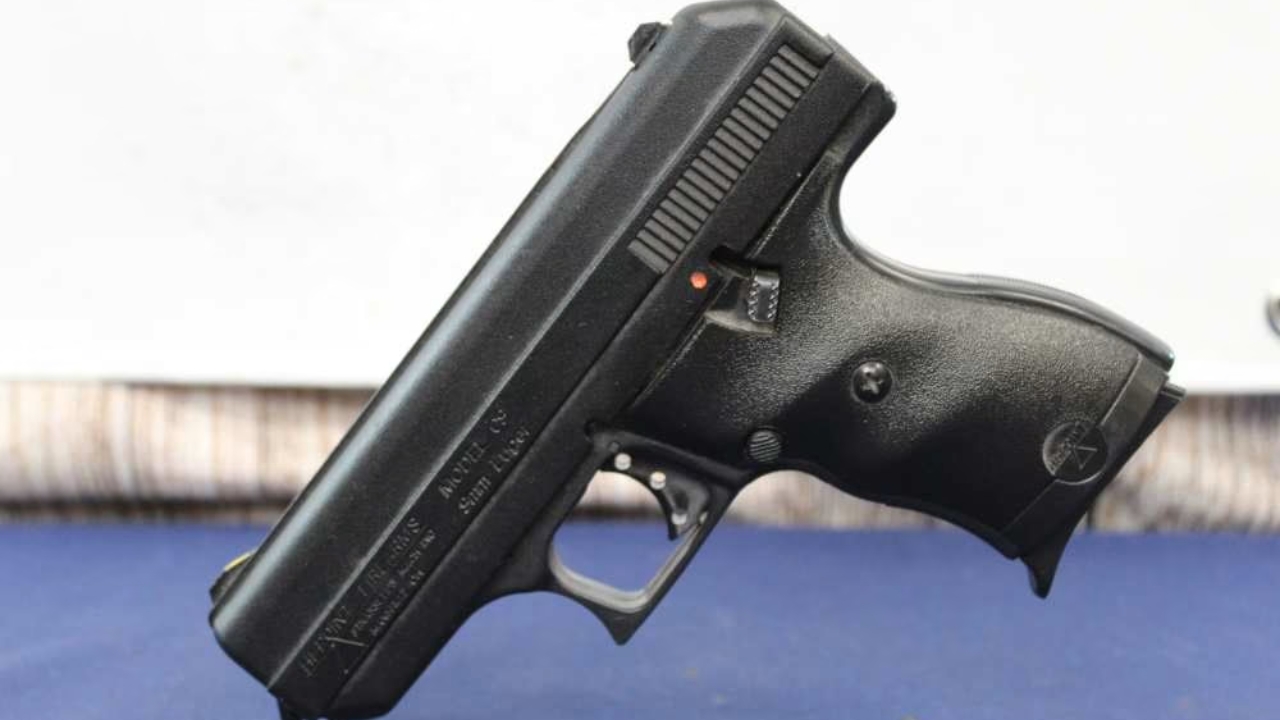
Yes, some of these run. Yes, they’re famously affordable. But they’re also bulky, heavy, and awkward to carry, and the “it’s ugly but it works” line doesn’t help when you’re trying to actually live with the gun.
When a pistol is so inconvenient that owners don’t train with it or carry it consistently, it doesn’t matter that it can fire. Trust includes the human part: does it fit real life?
14. Kel-Tec P-11
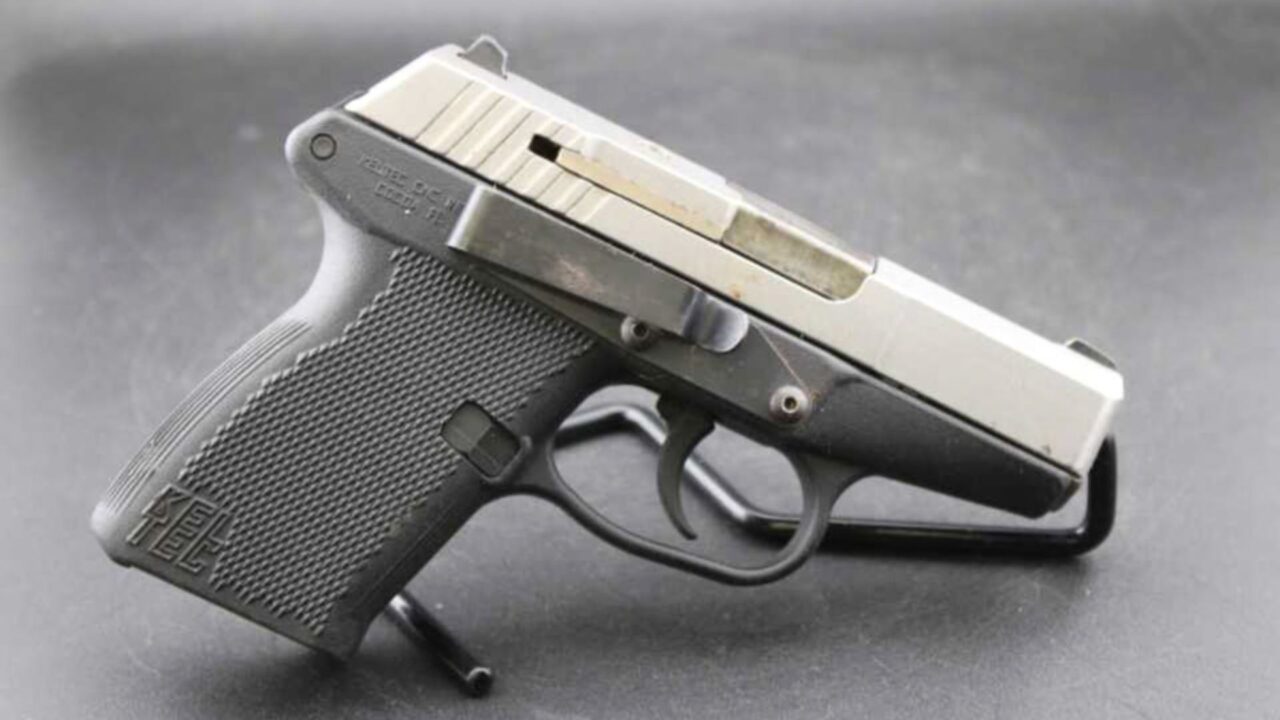
The P-11 had its time as a small, light 9mm option. It’s also one of those pistols that can feel like it was designed by an engineer who never had to shoot a 200-round practice session. The trigger is a long haul, and the overall experience isn’t what I’d call confidence-building.
I’ve seen them run and I’ve seen them be picky. Either way, the shootability factor matters. If you can’t shoot it well, reliability is only half the story.
15. Kel-Tec PF-9

This one is thin and carryable, and that’s the nicest thing I can say without qualifying it. The PF-9 is snappy, not particularly pleasant, and it tends to magnify poor grip and marginal ammo into problems.
A gun you dread practicing with becomes a gun you don’t practice with. That’s a slow-motion failure you don’t notice until it matters.
16. Ruger LCP (early generations for shootability)
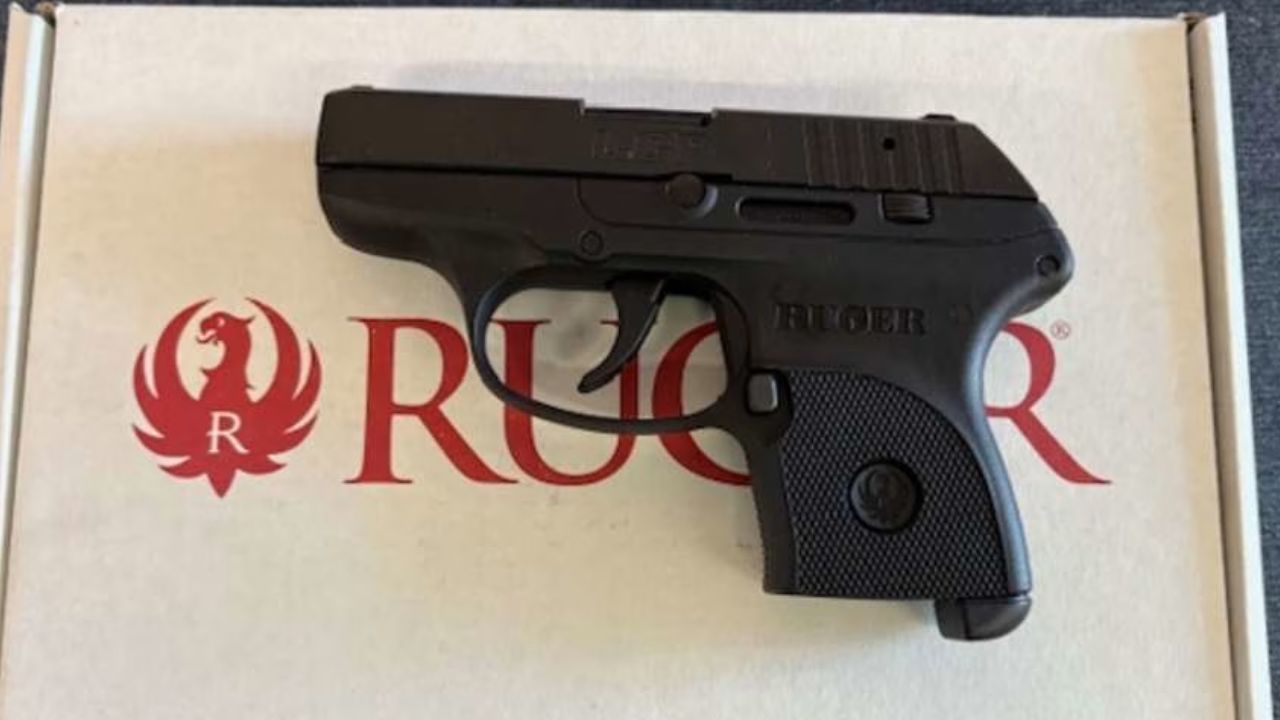
The LCP changed pocket carry. It’s also a gun a lot of folks buy and then barely shoot because it’s not fun. Early triggers and tiny sights didn’t help, and I’ve watched people convince themselves they’re “good to go” after one box of ammo.
I’m not saying it can’t work. I’m saying pocket guns get carried hard, get linty, and often get neglected. If you’re not going to maintain and test it, a small revolver starts looking smarter.
17. Smith & Wesson M&P Bodyguard .380

This is another “great idea, mixed execution” pistol. The long trigger and small grip can lead to sloppy shooting, and I’ve seen enough complaints about inconsistent function and general fussiness that I don’t automatically trust them.
Some owners swear by theirs. Others can’t get through a couple magazines without something annoying happening. I don’t like odds like that in a defensive tool.
18. Browning Buck Mark (if you treat it like a hard-use field .22)
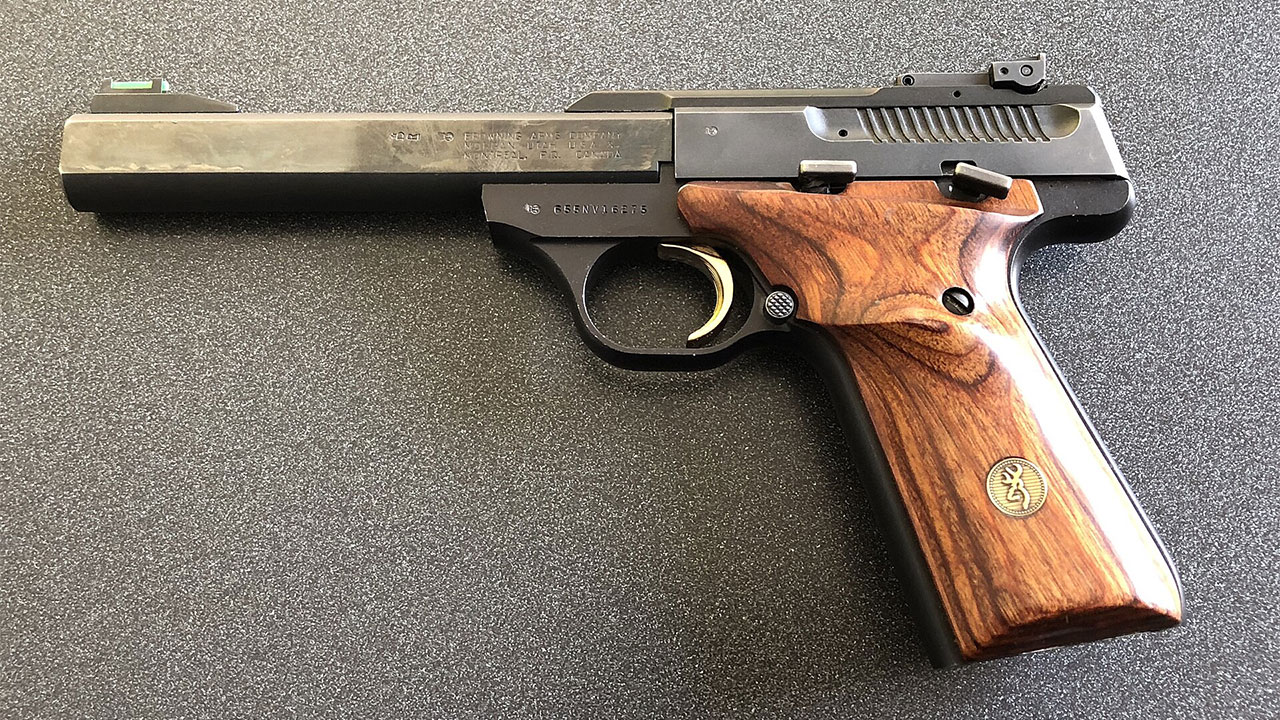
Let me be clear: I like the Buck Mark. It’s accurate and enjoyable. The problem is when somebody decides a rimfire semi-auto pistol is their “always works” camp gun without understanding rimfire ammo and rimfire fouling.
In dusty camps and wet weather, .22 semi-autos can turn into jam factories fast. If you truly need a small-bore sidearm that always lights off, a .22 revolver with decent ammo makes more sense.
19. Ruger Mark IV (for people who don’t keep track of little parts)
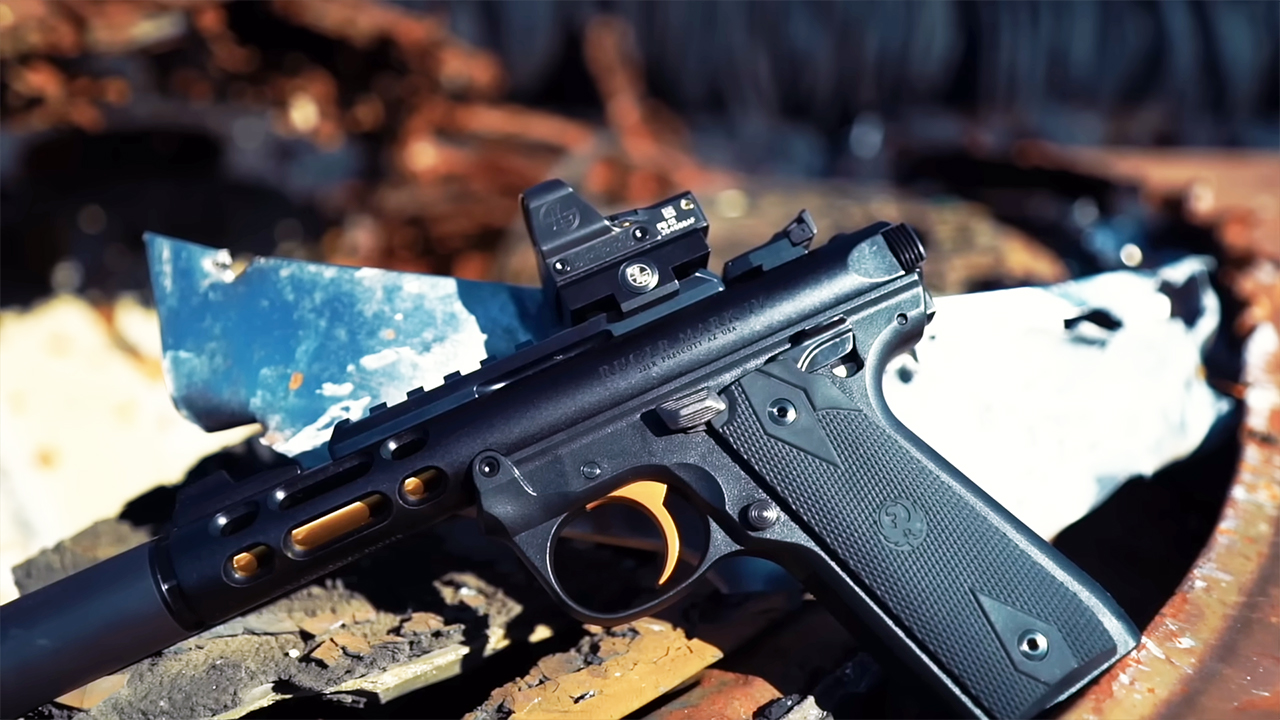
The Mark IV is a huge improvement over the old takedown headaches, and I’m glad Ruger fixed it. Still, it’s a semi-auto rimfire. It’s going to get filthy, it’s going to want attention, and it’s going to punish the “I never clean anything” crowd.
I’ve watched guys bring a rimfire pistol to a squirrel woods situation and end up clearing malfunctions instead of hunting. If you’re serious about small game with a handgun, reliability beats cool factor.
20. Any no-name imported micro 9 with scarce magazines

I’m lumping these together because the pattern is always the same. It’s a tiny 9mm with big promises, a low price tag, and magazines you can’t find when you need them. Then something breaks and you realize parts support is basically a rumor.
A semi-auto lives and dies by springs and magazines. If you can’t buy quality mags easily, replace wear parts, and find a competent smith or factory support, your “deal” is just a future headache.
I’m not saying semi-autos are bad. I’m saying trust is earned, not assumed. If your pistol needs special ammo, special handling, special magazines, and a special amount of patience, it might still be a fine range gun, but it’s not what I’d grab when the stakes feel real. Sometimes the boring answer—a solid revolver with good sights and a proven load—really is the right one.
Like The Avid Outdoorsman’s content? Subscribe to our newsletter so you never miss an article.
Here’s more from us: