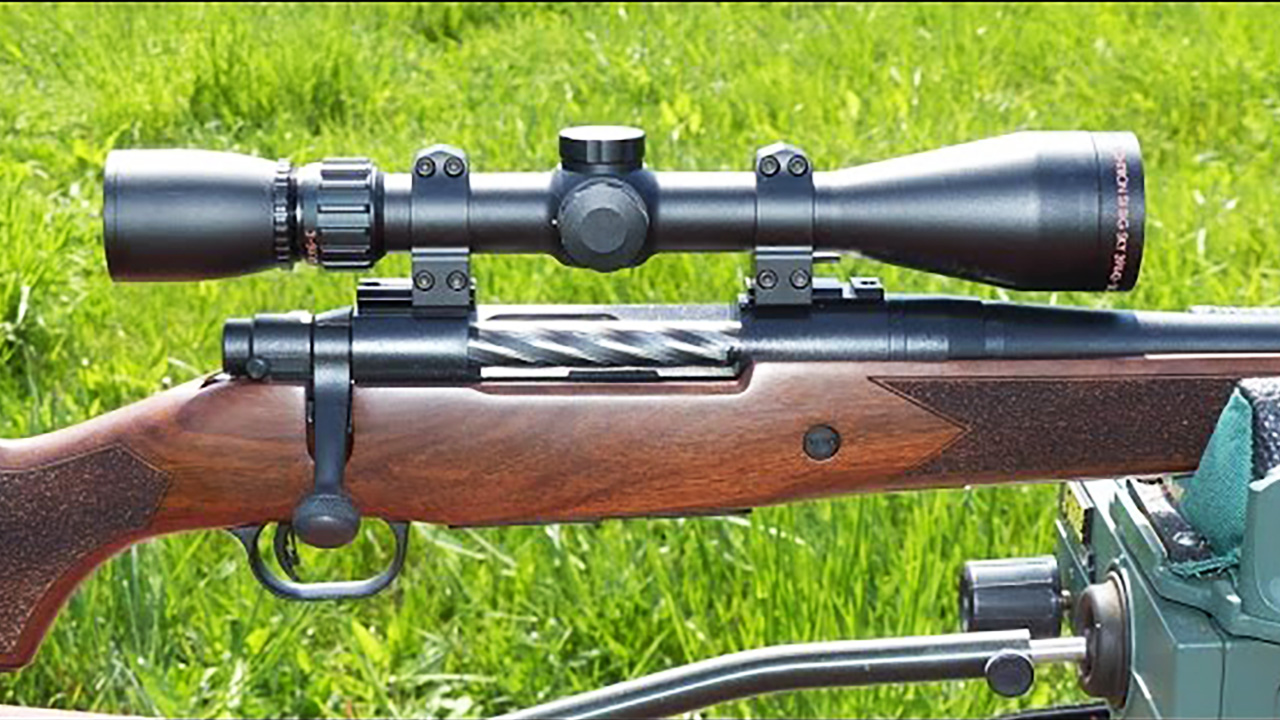
Photo credit: Randy Wakeman/Youtube
I got it in my head that I was going to “really test” rifles for a whole season. Not a couple range trips and a few groups on paper, but the real deal: rain, dust, truck racks, cold fingers, stands, still-hunts, and those rushed shots you only get once a week if you’re lucky.
I rotated 20 different rifles through the year. Some were borrowed, some were trades, some were “good deals” that should’ve been a warning sign. I learned a lot, but I also burned a pile of ammo and time finding out what I should’ve known up front: a rifle can look perfect on the counter and still be a headache when you’re tired, cold, and trying to make a clean shot.
1. Remington 770
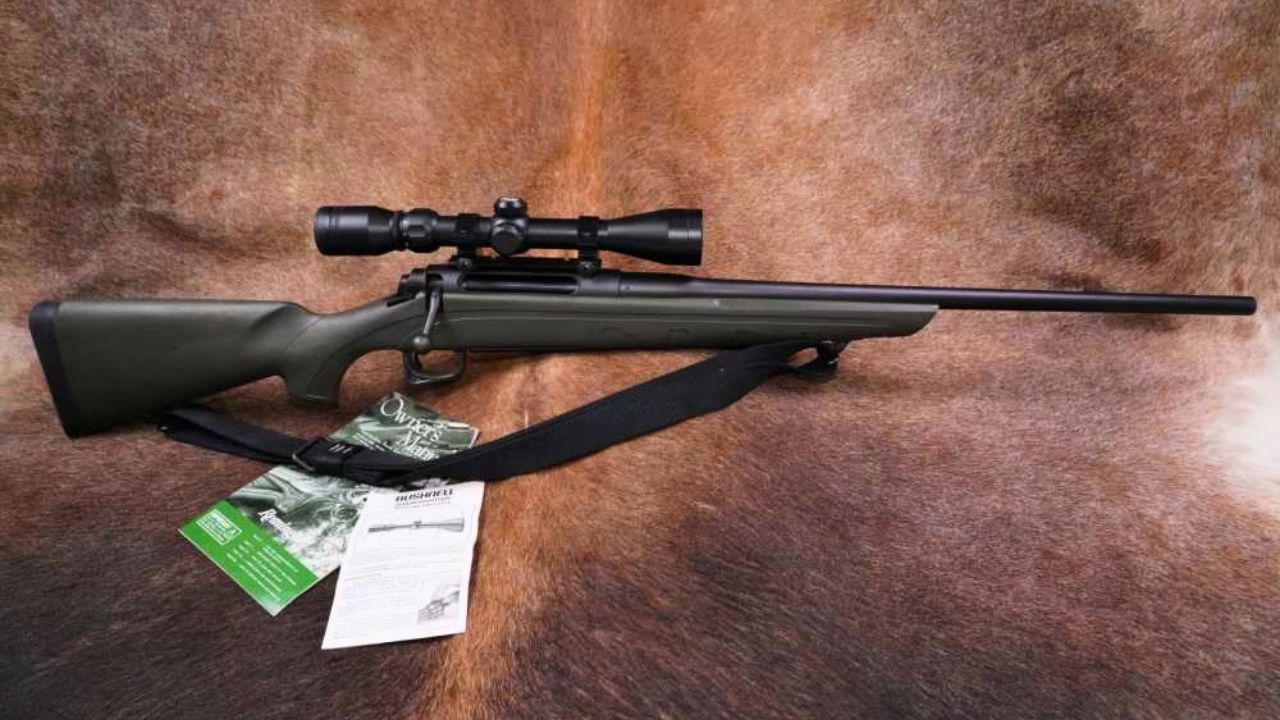
I wanted to like it because it’s the kind of rifle you see everywhere. The problem is it feels like it was built to hit a price point, not to be carried and shot a lot. The bolt on the one I ran was sticky and “gritty,” and it never got better no matter how much I cleaned it or tried different lubes.
Accuracy was fine for a couple shots, then it would start wandering as the barrel warmed up. In the deer woods that may not matter, but it matters when you’re checking zero, practicing, and trying to trust the thing. After a season, I didn’t hate it as a tool, but I hated the doubt it planted.
2. Mossberg Patriot (factory package scope)

The rifle itself wasn’t the main issue. It carried light and pointed fine. What got me was the “package deal” scope that came on top, which turned into a season-long lesson in false economy.
The scope wouldn’t hold zero through bumps and temperature changes, and the adjustments felt mushy. I spent more time chasing impacts than shooting. If you buy one, budget for decent glass and mounts right away and save yourself the headache.
3. Savage Axis (early generation)

I’ve seen Axis rifles shoot lights-out, so I’m not saying they’re all bad. The one I lived with had a trigger that felt like dragging a cinder block across carpet. It was usable, but it wasn’t confidence-inspiring, especially from field positions.
The stock also felt like it was made of a plastic bucket. It flexed when you loaded a bipod, and that can change point of impact. I regretted every “practice round” because instead of building skill, I was wrestling the rifle.
4. Ruger American (with a cheap bipod)
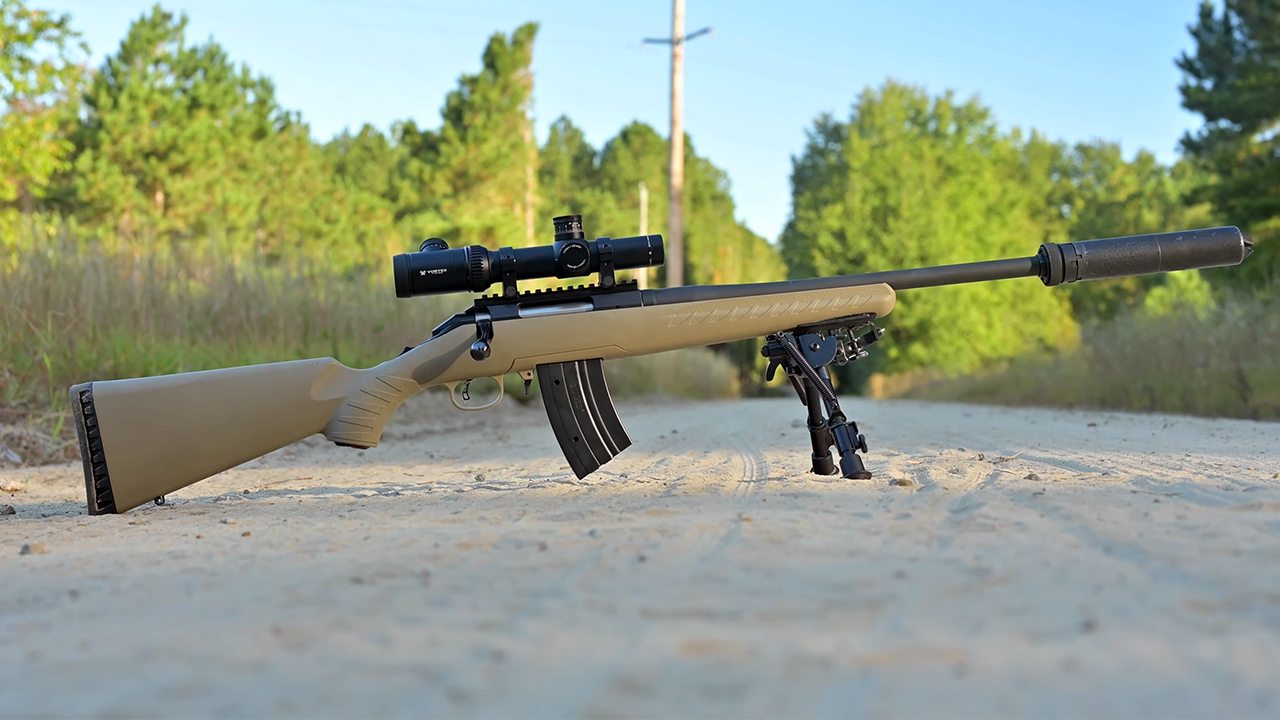
This one is on me. The rifle was fine. My regret came from hanging bargain-bin accessories on it and then blaming the gun when things got weird.
A flimsy bipod and soft stock don’t mix. It shot well off bags, then scattered when I got “field realistic.” By the time I ditched the junk accessories, I’d already wasted ammo and patience. Ask me how I know: don’t handicap a decent rifle with garbage bolted to the front.
5. Winchester XPR (rough extractor/ejector behavior)

I wanted this one to be my “simple, tough, throw-it-in-the-truck” bolt gun. It shot acceptable groups, but I had intermittent ejection issues with a couple brands of ammo. Not constant, just enough to keep it interesting in the worst way.
When a rifle occasionally dribbles a case instead of kicking it clear, you start short-stroking it, babying it, and thinking about it during the shot. I don’t like equipment that steals brain space in the moment.
6. Remington Model 742 Woodsmaster (.30-06)
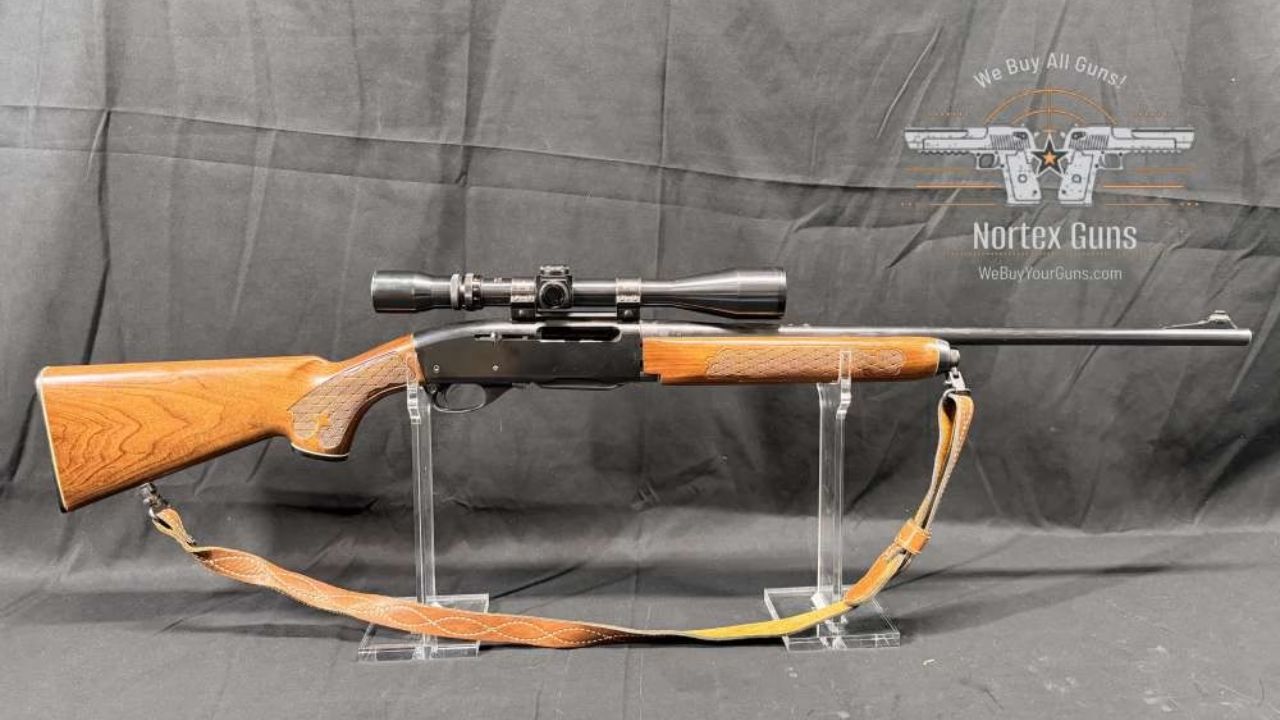
I love the way these old semi-autos carry, and they feel like a piece of camp history. The regret came when I tried to make an aging 742 do modern “range rifle” work. It’s not built for a steady diet of high-volume shooting.
Keeping it clean and happy took more attention than I wanted to give, and I worried about wear every time I pulled the trigger. As a sentimental deer rifle that gets a box or two a year, fine. As a season-long test mule, it made me nervous.
7. Browning BAR (heavy in the real woods)
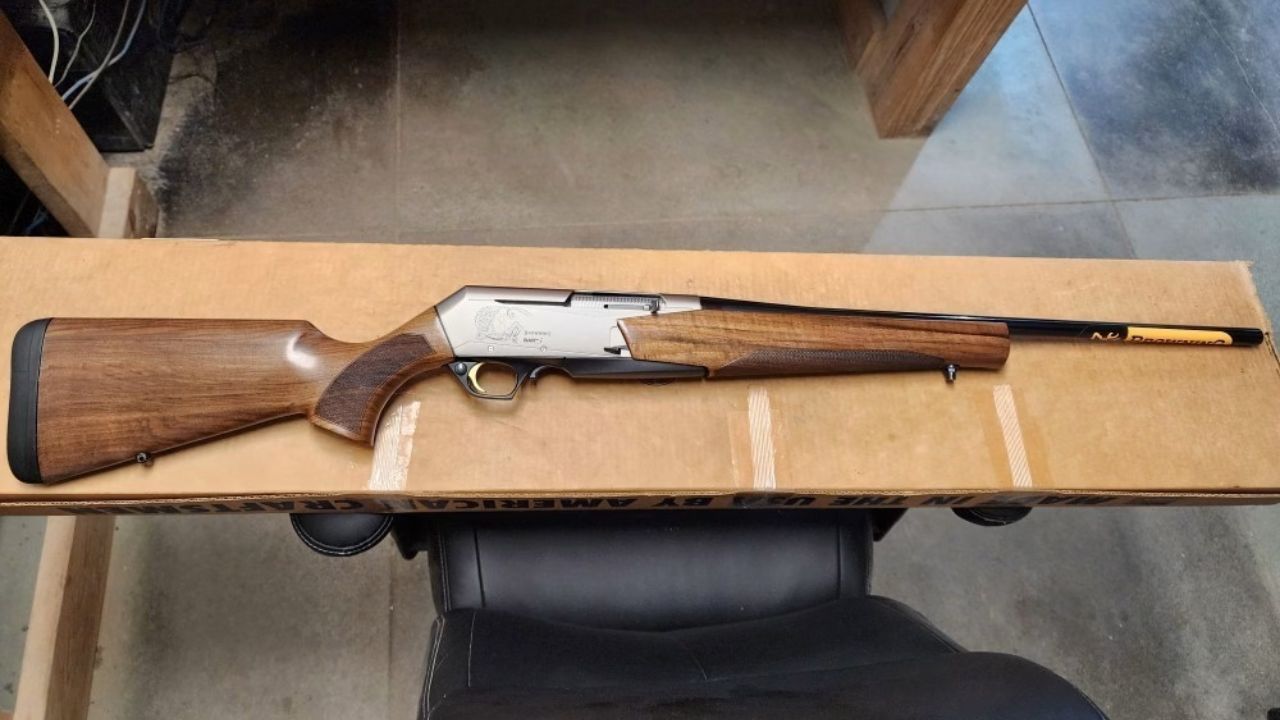
This one hurts because BARs can be accurate and smooth, and they look right. But the one I carried reminded me that “a little heavy” on a spec sheet becomes “why did I do this to myself” by the third ridge.
From a stand, no big deal. On long walks, it wore me down, and tired hunters make sloppy decisions. I regretted the rounds mostly because I didn’t shoot it as much as I should have to stay sharp—lugging it around made me avoid practice.
8. Tikka T3x (in a stock that didn’t fit me)
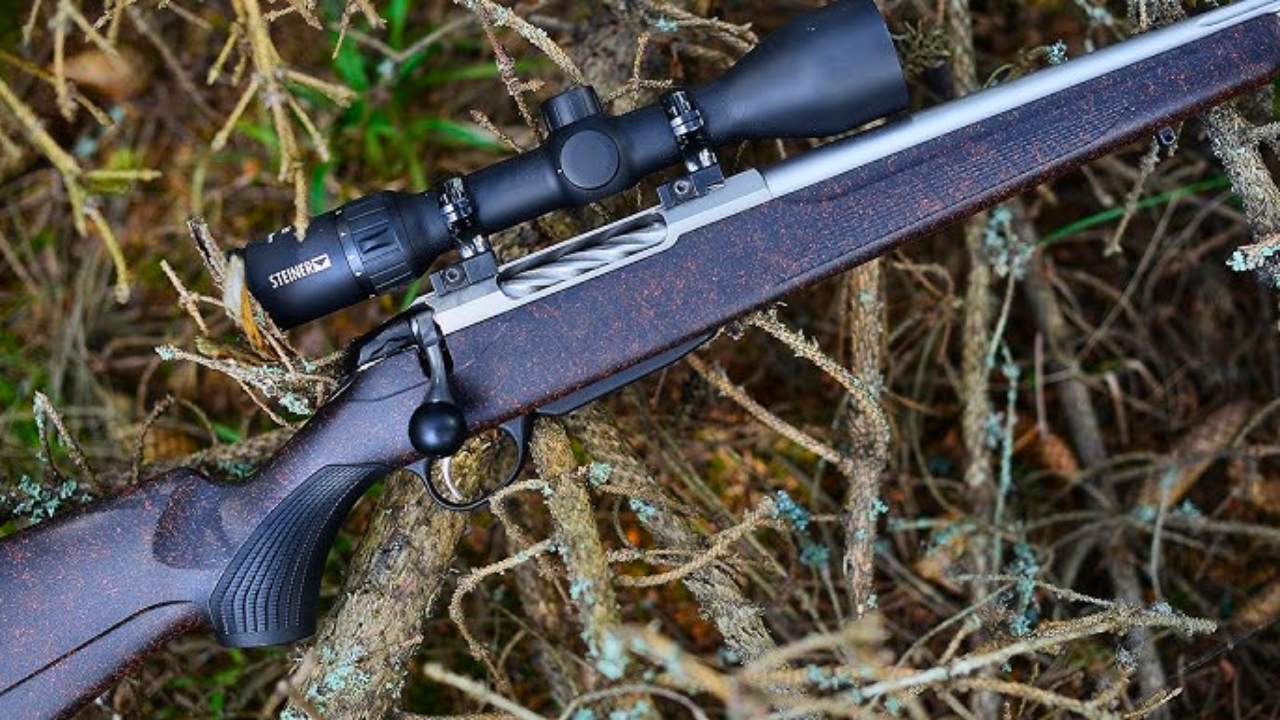
Tikkas are usually a safe bet. Mine shot great. The problem was fit: length of pull and comb height didn’t line up with my build and the optic setup, and I tried to “just deal with it.”
That turned into inconsistent cheek weld and vertical stringing when I rushed. The rifle wasn’t wrong. I was wrong for forcing a setup that didn’t naturally land my eye behind the scope.
9. Bergara B-14 HMR (great rifle, wrong mission)

I’ll say it straight: it’s a fine rifle. But I tried to make a range-friendly, heavier hunting/precision crossover do everything. It was a joy off a bench and steady on sticks, but it wasn’t the rifle I wanted slung all day in thick timber.
The regret wasn’t performance. It was choosing a “do-all” rifle that did two jobs okay when I should’ve carried something handier for the way I hunt most. If you hunt from blinds and shoot longer, you’ll feel different.
10. Ruger Mini-14 (accuracy expectations)

I grew up thinking the Mini-14 was the ranch rifle. Mine ran reliably, and I like the handling. What I didn’t like was how quickly I started expecting AR accuracy out of a rifle that isn’t really playing that game.
Even with ammo it liked, groups were “minute of coyote” more than “stacking holes.” Magazines are also a real-world consideration—good ones cost money, and cheap ones can turn a fun rifle into a malfunction drill.
11. Budget AR-15 with a no-name trigger
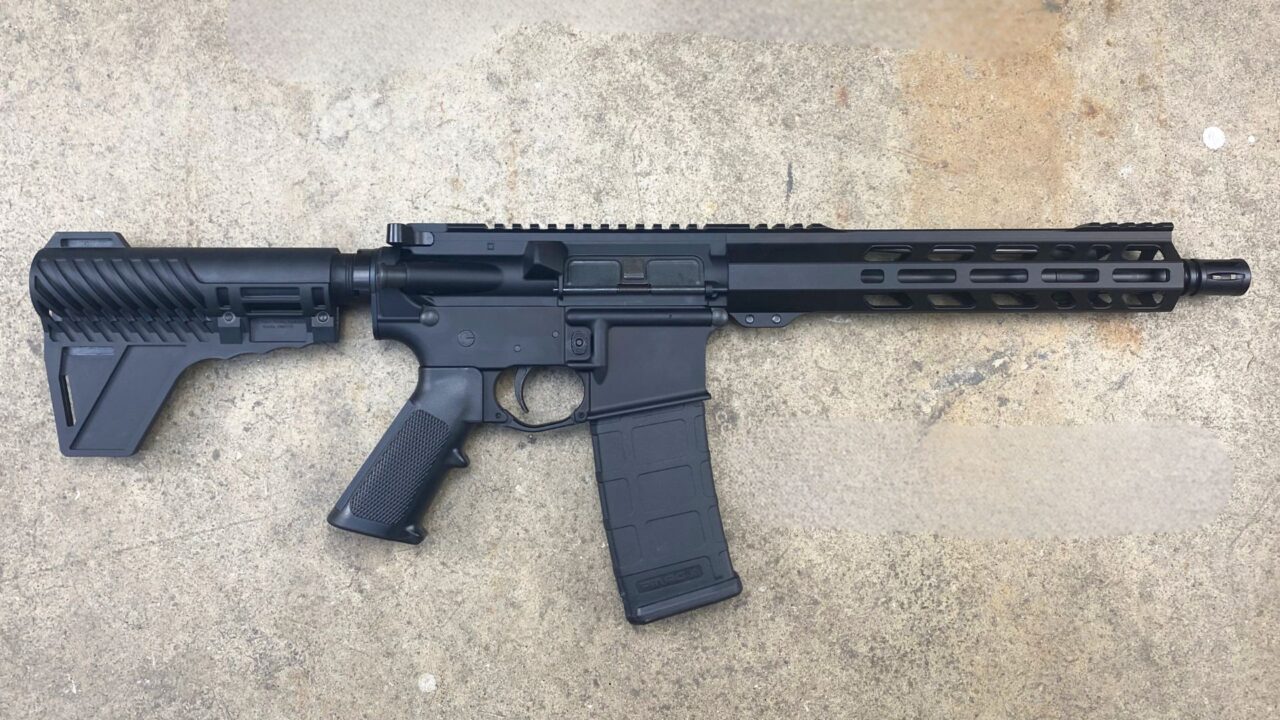
Everybody wants a bargain AR. I get it. Mine functioned, but the trigger was awful and the gas setup felt overgassed. It beat brass up, ran harder than it needed to, and made follow-up shots feel rough.
I spent the season chasing “fixes” with ammo and buffers instead of just starting with a better-built rifle. The regret was the thousands of tiny annoyances that add up when you actually shoot a lot.
12. .300 Winchester Magnum in a lightweight hunting rifle
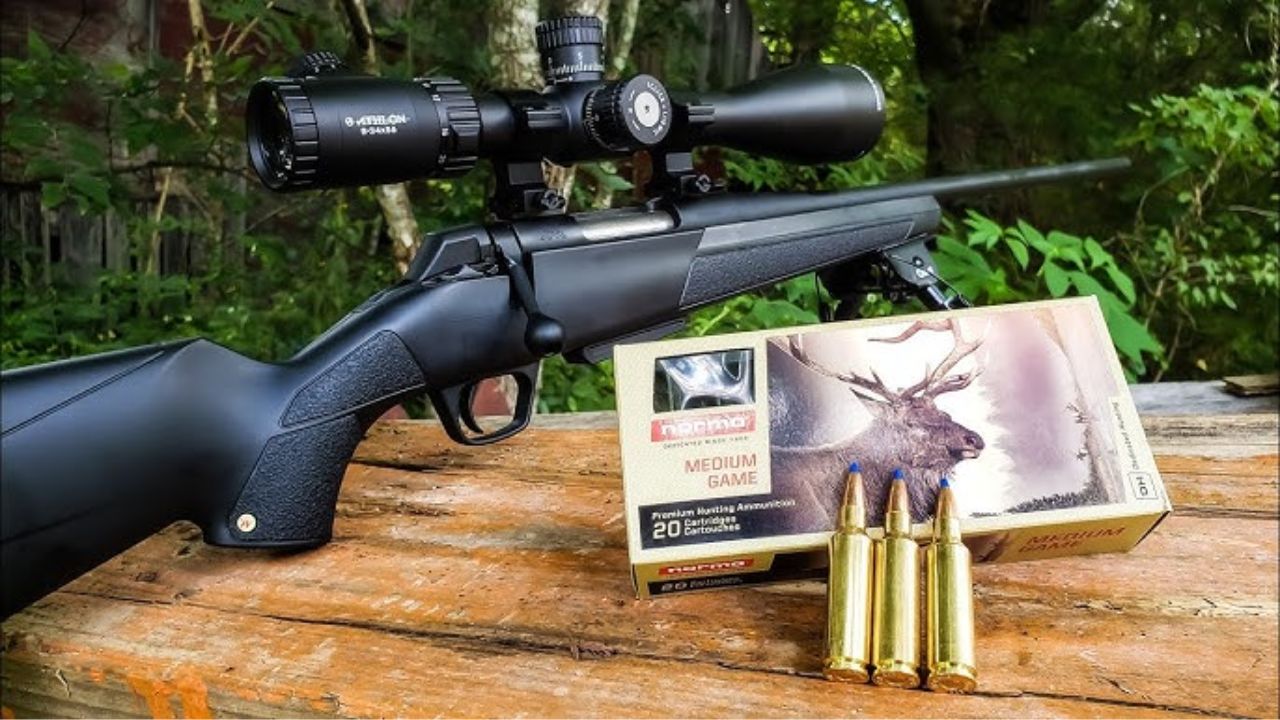
I bought into the idea that a magnum makes everything easier. It does not. In a light rifle, recoil is sharp enough that it changes how you shoot, even if you think you’re tough.
I started dreading practice. That’s the opposite of what you want. The rifle could absolutely do its job on elk or big country deer, but I ended up shooting less and flinching more. That’s a bad trade.
13. 6.5 Creedmoor (the “easy button” that wasn’t for me)
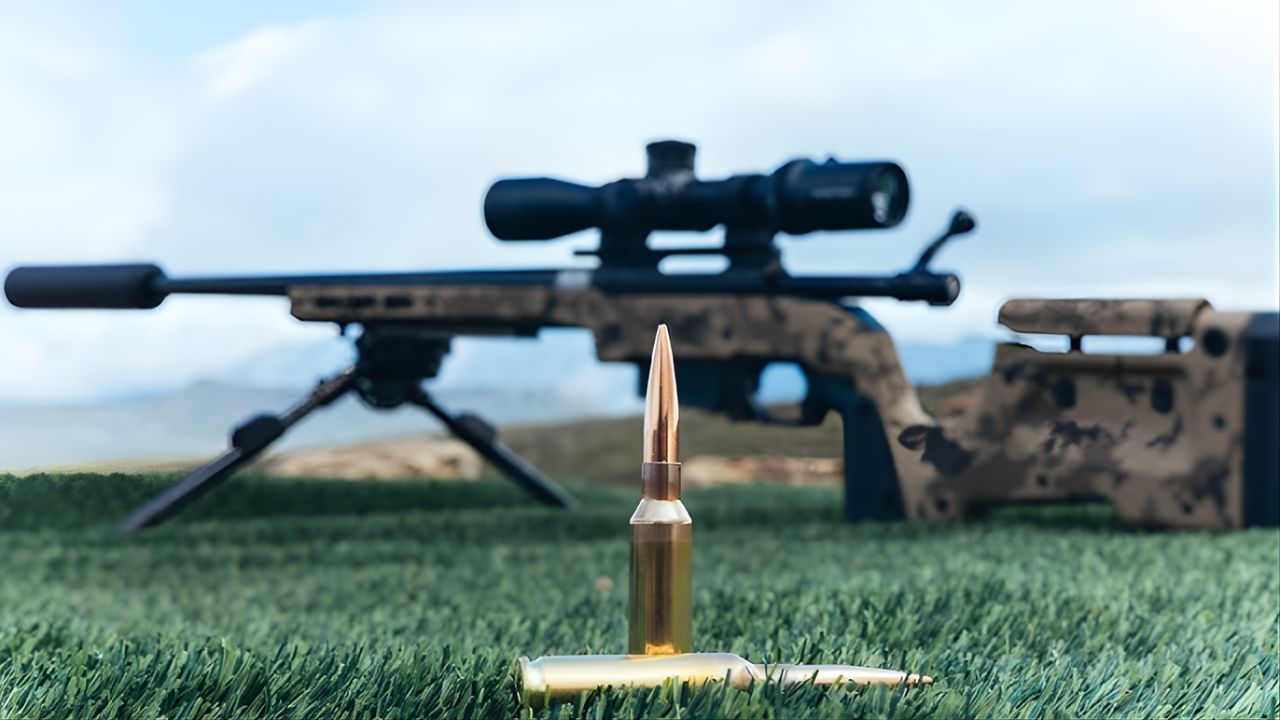
I’m not here to bash 6.5 Creedmoor. It works. My regret was thinking it would magically make me a better shooter without matching it to the way I actually hunt and practice.
Ammo availability swung from “everywhere” to “pickings are slim,” and I found myself hoarding specific loads because the rifle was picky. When a cartridge turns you into a shopper first and a shooter second, it gets old.
14. .350 Legend (range fun, field limitations)
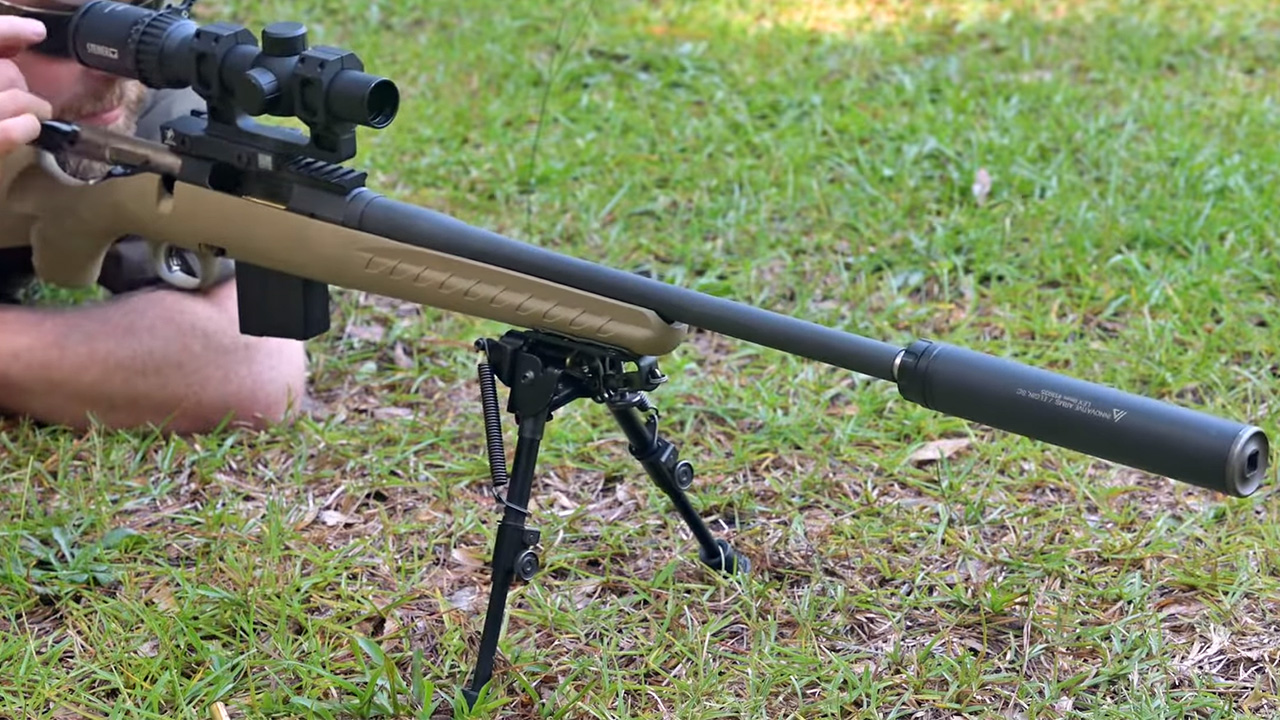
In straight-wall states, it makes sense. Where I’m at, it was more of an experiment. It hit hard up close and was pleasant to shoot, but beyond the distances I realistically like to shoot at game, it started feeling like I was forcing it.
The regret came from trying to stretch it and spending ammo proving what I already knew. It’s a purpose-built round. If your purpose fits, great. Mine didn’t.
15. .450 Bushmaster (blast and recoil fatigue)
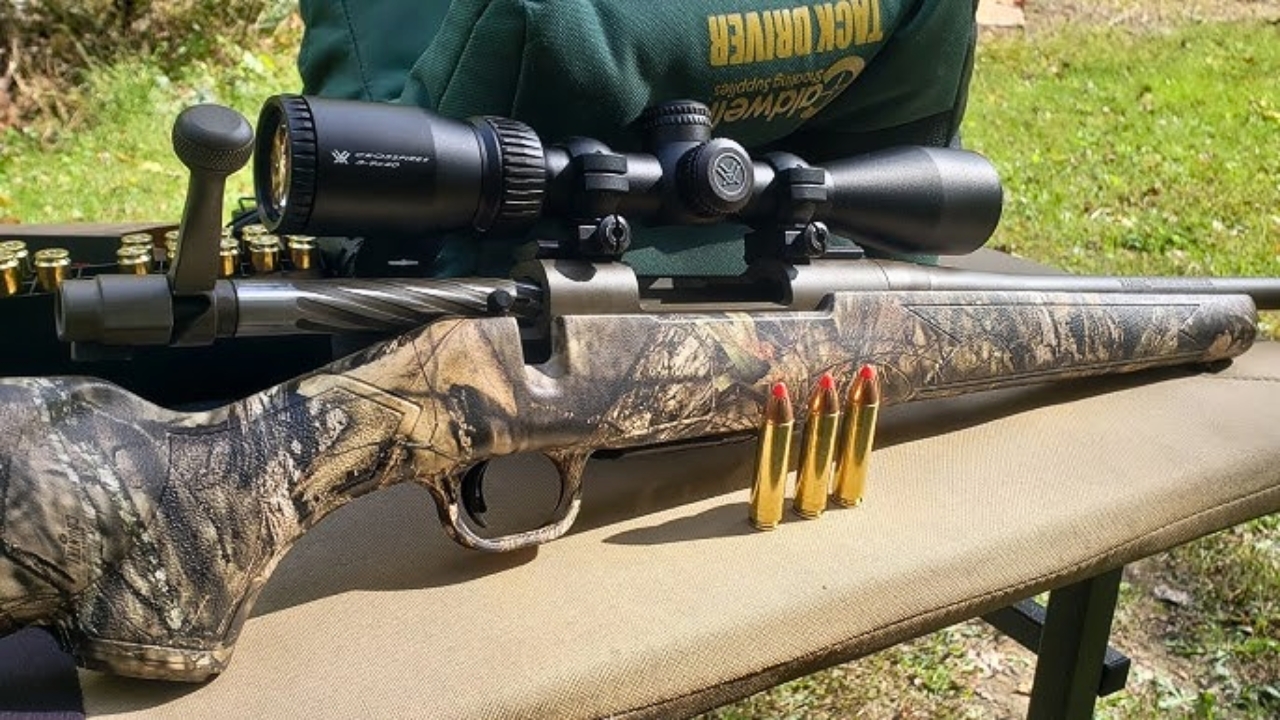
I ran this one because I wanted a thumper that would end arguments on hogs and close deer shots. It certainly thumps. It also beats you up and barks like a cannon, especially from short barrels with certain muzzle setups.
After a few range sessions, I noticed I was rushing shots just to get it over with. That’s not training. That’s surviving. I don’t regret owning the idea, but I regret the volume of shooting I tried to do with it.
16. Ruger Precision Rifle (great at the bench, miserable to carry)

This is another “wrong mission” rifle. Off a bipod, it’s steady and capable. In the field, it’s a fence post with a trigger.
I tried carrying it on one long hike just to see if it could be a practical hunting rifle. It can, technically. But it made the entire day about the rifle instead of the hunt. That’s not why I go.
17. M1A (magazine cost and keeping it consistent)
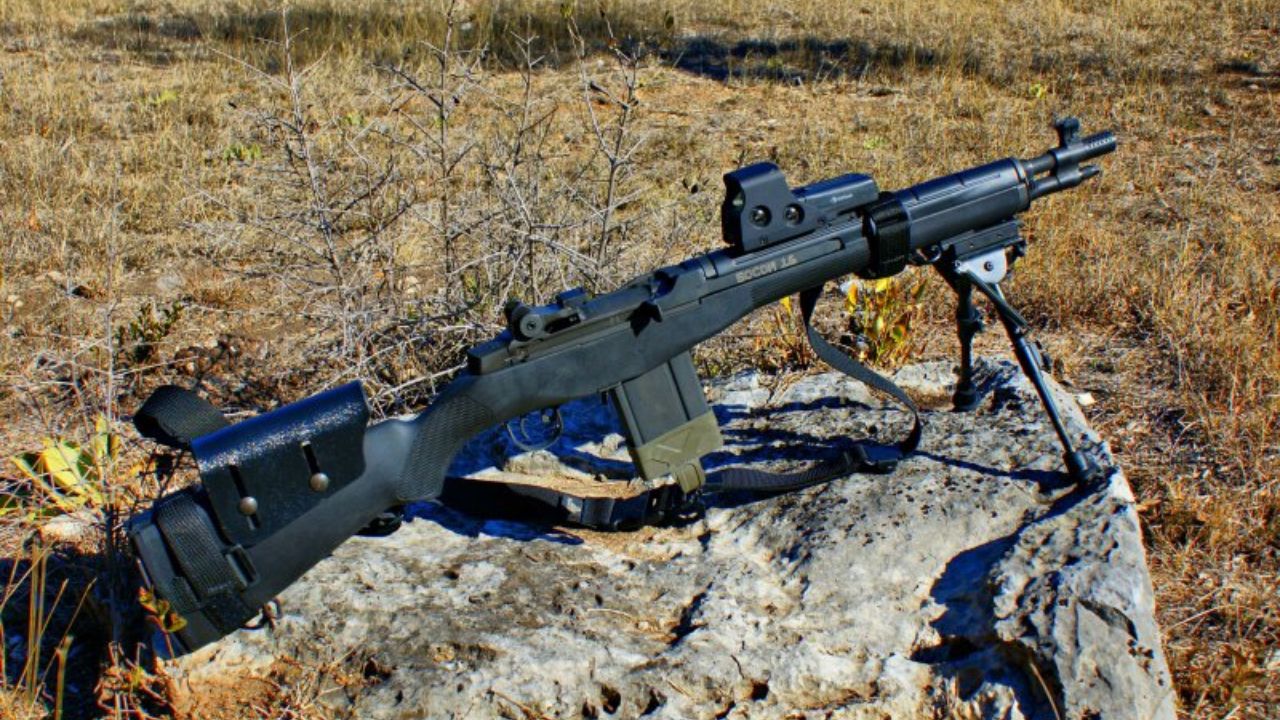
I’ve always liked the look and feel of an M1A, and it points well. What I didn’t like was the constant balancing act of mags, ammo preference, and keeping the system running the way it likes to run.
It’s not that it can’t be reliable. It’s that it asks more of you than modern options, and the cost of good magazines isn’t pocket change. I regretted the rounds because each session felt like I was managing a hobby, not just shooting.
18. Mosin-Nagant (cheap rifle, expensive in every other way)
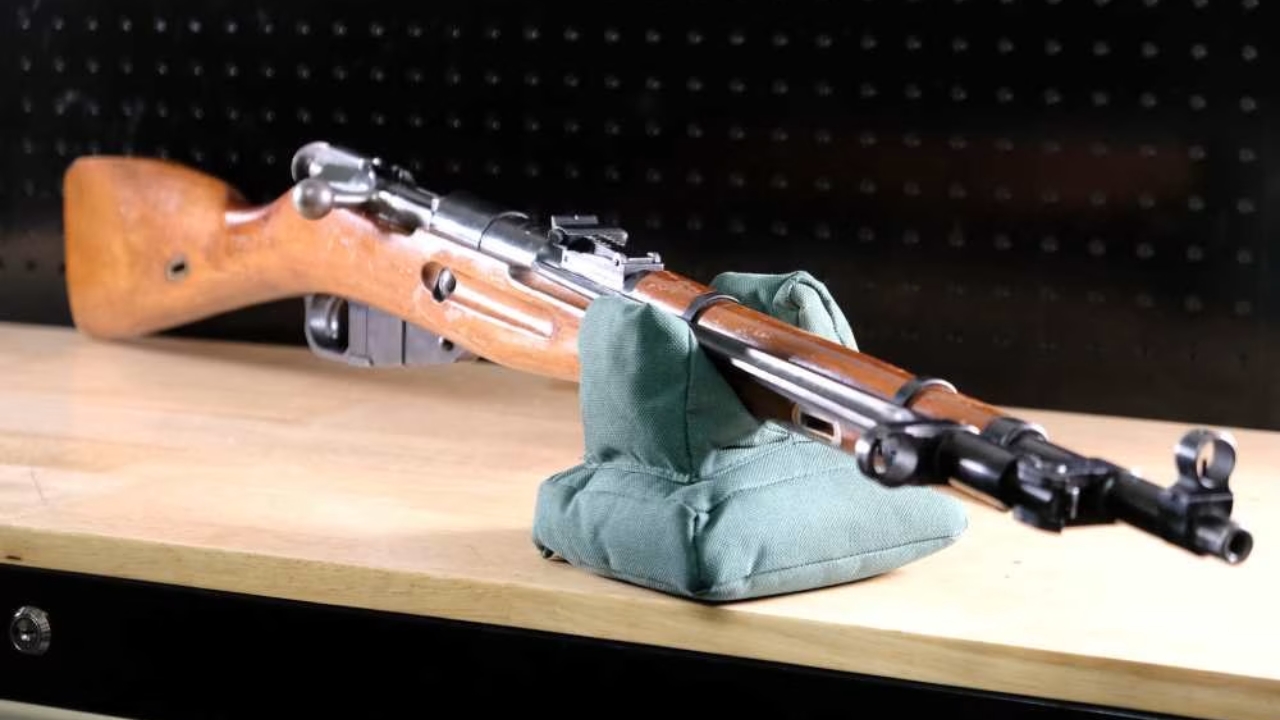
I grabbed one years ago because they were “the cheap fun gun.” The fun runs out when you’re working a sticky bolt in cold weather and your shoulder is sore after a handful of shots.
Ammo isn’t the deal it used to be, and accuracy is a coin flip depending on the individual rifle. I get the nostalgia. But as a serious season-long shooter, it’s a reminder that cheap up front can still cost you.
19. Marlin 336 (great rifle, my optic choice ruined it)

The 336 is a classic for a reason. Mine carries like it belongs in your hands. My regret came from trying to modernize it in a way that didn’t match the rifle.
I threw a big scope on it and turned a handy woods gun into an awkward, top-heavy thing that snagged on brush. Once I went back to a simpler sight setup, the rifle made sense again. That one’s on me, not the Marlin.
20. Remington 700 “project rifle” with stacked tolerances
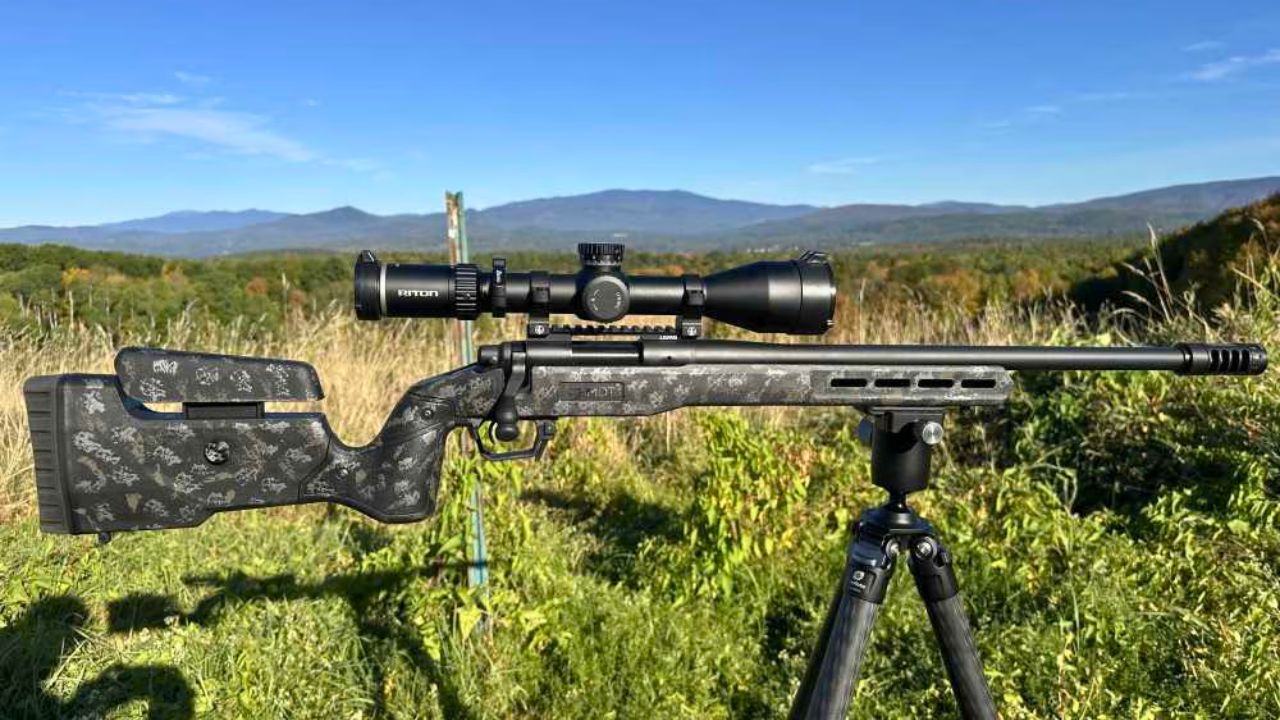
I ended the season with a rifle that taught the hardest lesson: a “project” can eat a year if you let it. This 700 had been messed with by previous owners, and it showed. It shot okay sometimes, then threw a flyer for no good reason.
I chased it with bedding ideas, different mounts, different ammo, different everything. All I really did was burn ammo and time that should’ve been spent behind a known-good rifle. If you want a project, fine—just don’t pretend it’s your dependable hunting setup until it proves it.
A full season of shooting that many rifles taught me something simple: the best rifle is the one you’ll actually practice with and carry without thinking about it. Fancy doesn’t always mean useful, cheap doesn’t always mean smart, and “good on paper” can fall apart fast when it’s cold and you’re breathing hard. If you’re picking a rifle right now, pick boring and dependable first. You can chase interesting later.
Like The Avid Outdoorsman’s content? Subscribe to our newsletter so you never miss an article.
Here’s more from us: