Photo credit: The VSO Gun Channel/YouTube
When you’ve tracked enough deer, you start to recognize which cartridges help you recover animals quickly and which ones leave you wishing you’d carried something with more authority. Some rounds look great in glossy charts but fall apart in real tissue, especially when shots aren’t perfect. Light bullets, marginal velocities, and inconsistent penetration can turn a routine recovery into a long, frustrating trail.
The cartridges on this list aren’t useless, but they’re far more likely to create tracking jobs when conditions aren’t ideal — and that matters more than any spec sheet.
.22 Hornet
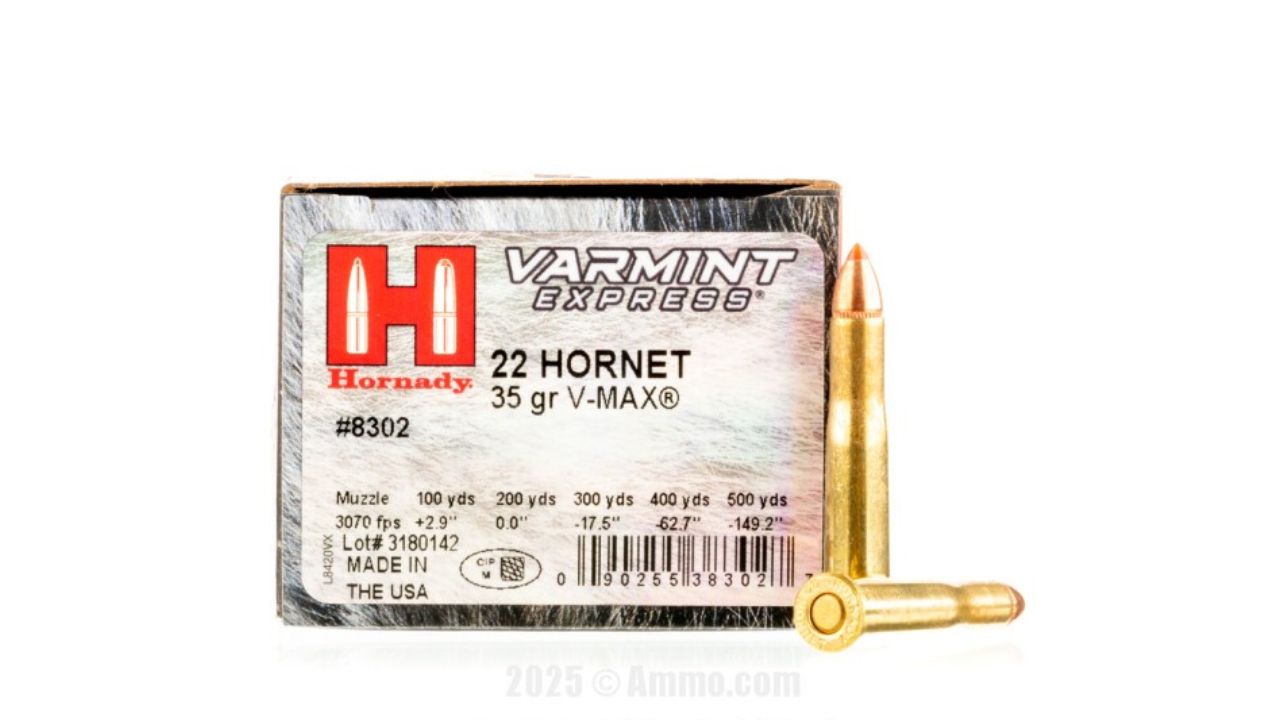
The .22 Hornet has taken deer in close-range, controlled situations, but the margin for error is razor thin. Its lightweight bullets often lack the penetration needed for consistent pass-throughs, especially on quartering shots. When it fails to break bone or reach the vitals, deer tend to run far before showing signs of slowing down. You might recover them, but not without covering ground. It’s better suited to small game than whitetail-sized animals. Even with perfect placement, there’s simply not enough punch to deliver quick, reliable kills in real-world hunting conditions.
.25-20 Winchester
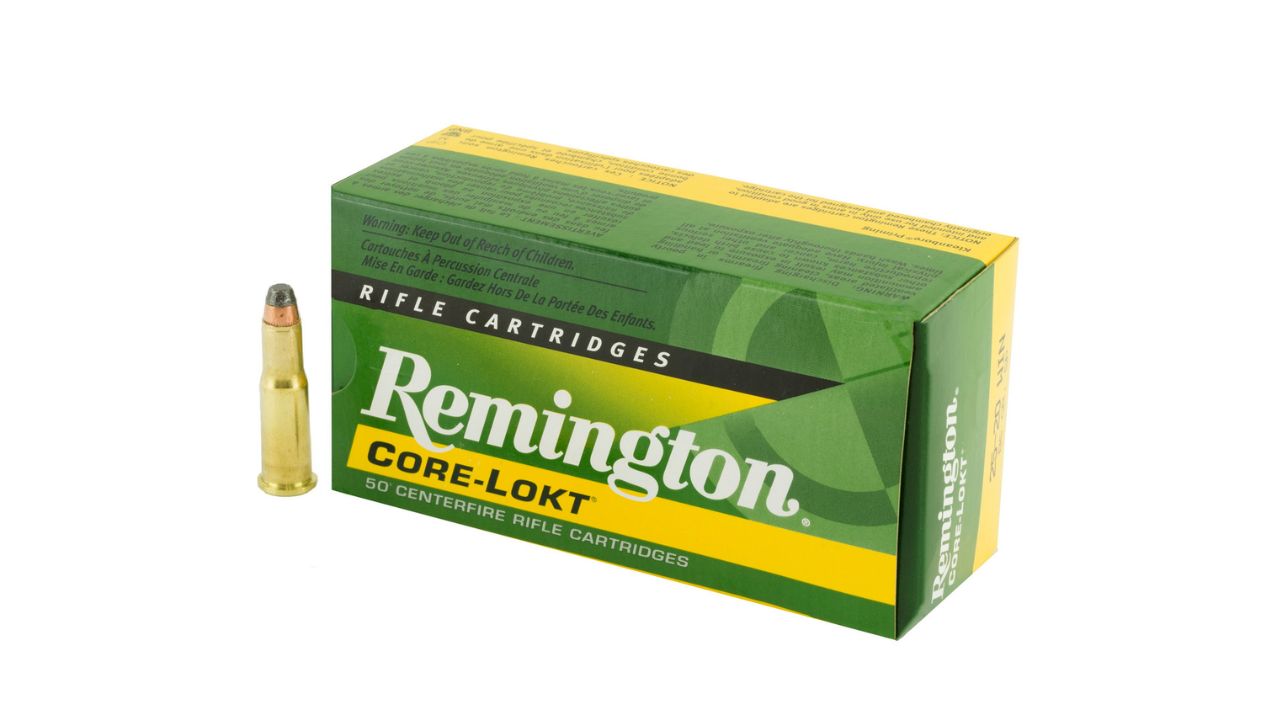
Plenty of old-timers have tried the .25-20 on deer, but its limitations show fast. The slow velocities and soft bullets were never designed for dependable penetration on medium game. You often see poor expansion or, worse, bullets that fragment too early, leaving shallow wound channels. Deer hit with the .25-20 frequently make it much farther than expected, especially if you don’t hit tight behind the shoulder. It’s a fun cartridge for varmints and nostalgia, but using it on deer almost guarantees you’ll spend more time tracking than shooting.
.30 Carbine
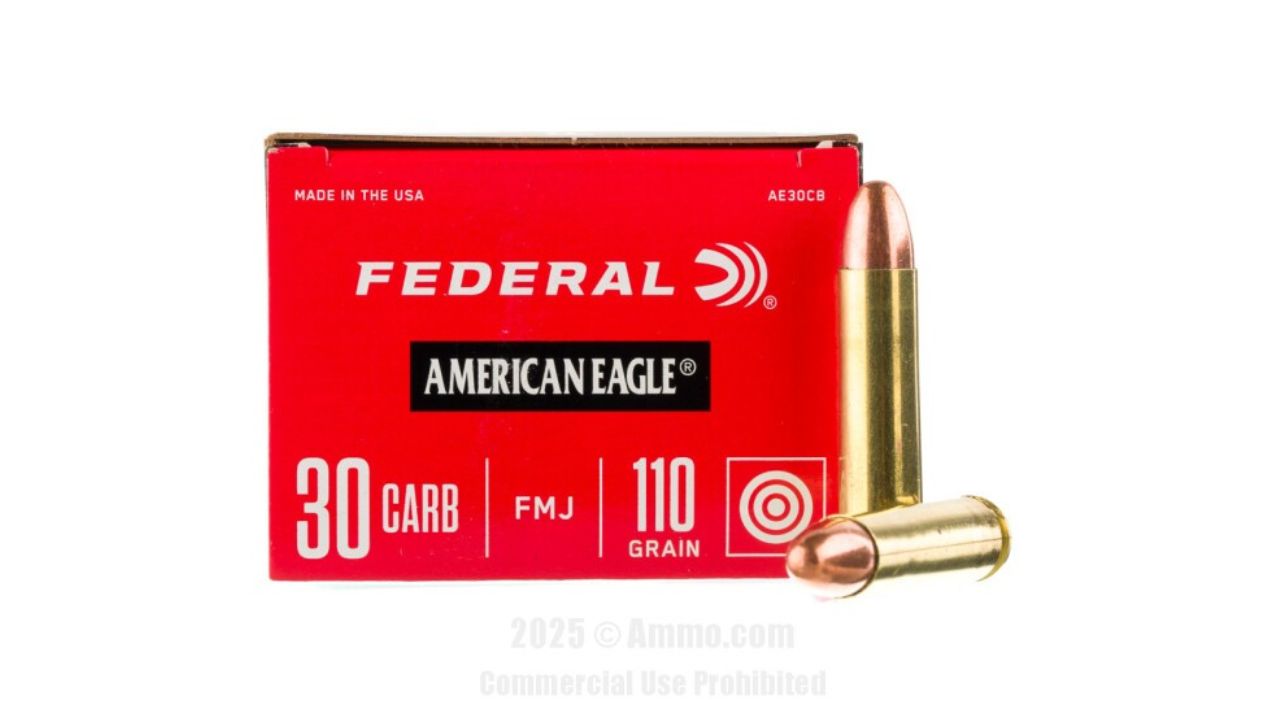
The .30 Carbine works fine at very close distances, but it loses steam quickly. Its round-nose bullets struggle with penetration on angled shots, and expansion is inconsistent on soft-tissue hits. Many deer drop eventually, but they rarely do it within sight. Hunters who try it often find themselves following faint blood trails through thick cover, wishing for a cartridge with more weight and speed behind it. While it’s historically significant, its ballistics leave too little room for error on deer-sized game.
.357 Magnum from Rifles

The .357 Magnum performs better from a rifle than a handgun, but even then, bullet choice matters enormously. Soft hollow points often expand too quickly, stopping short of the vitals. Harder bullets penetrate better but don’t create wide wound channels. Either way, you end up with deer that run farther than expected. It’s capable, but only in ideal circumstances with the right bullets and close-range shots. Too many hunters treat it like a do-all rifle round and end up trailing animals far longer than necessary.
.223 Remington with Lightweight Bullets

While the .223 can be effective with bonded or monolithic bullets, lightweight varmint loads are a different story. These thin-jacketed bullets are designed to explode on small predators, not penetrate deep into a deer’s chest. When used on big game, they often break apart early, leaving minimal internal damage and unreliable blood trails. Many deer survive long enough to run great distances before showing signs of a fatal hit. The cartridge isn’t the issue — using the wrong bullets is.
.243 Winchester with Fragile Loads

The .243 Winchester is a proven deer cartridge, but only when paired with controlled-expansion bullets. Hunters who rely on fragile varmint pills often find themselves tracking deer that were hit squarely but didn’t get adequate penetration. The small diameter and light weight make bullet construction even more important than in larger calibers. When the bullet blows up on entry or doesn’t reach the lungs, deer can cover a surprising amount of ground before going down.
.44-40 Winchester
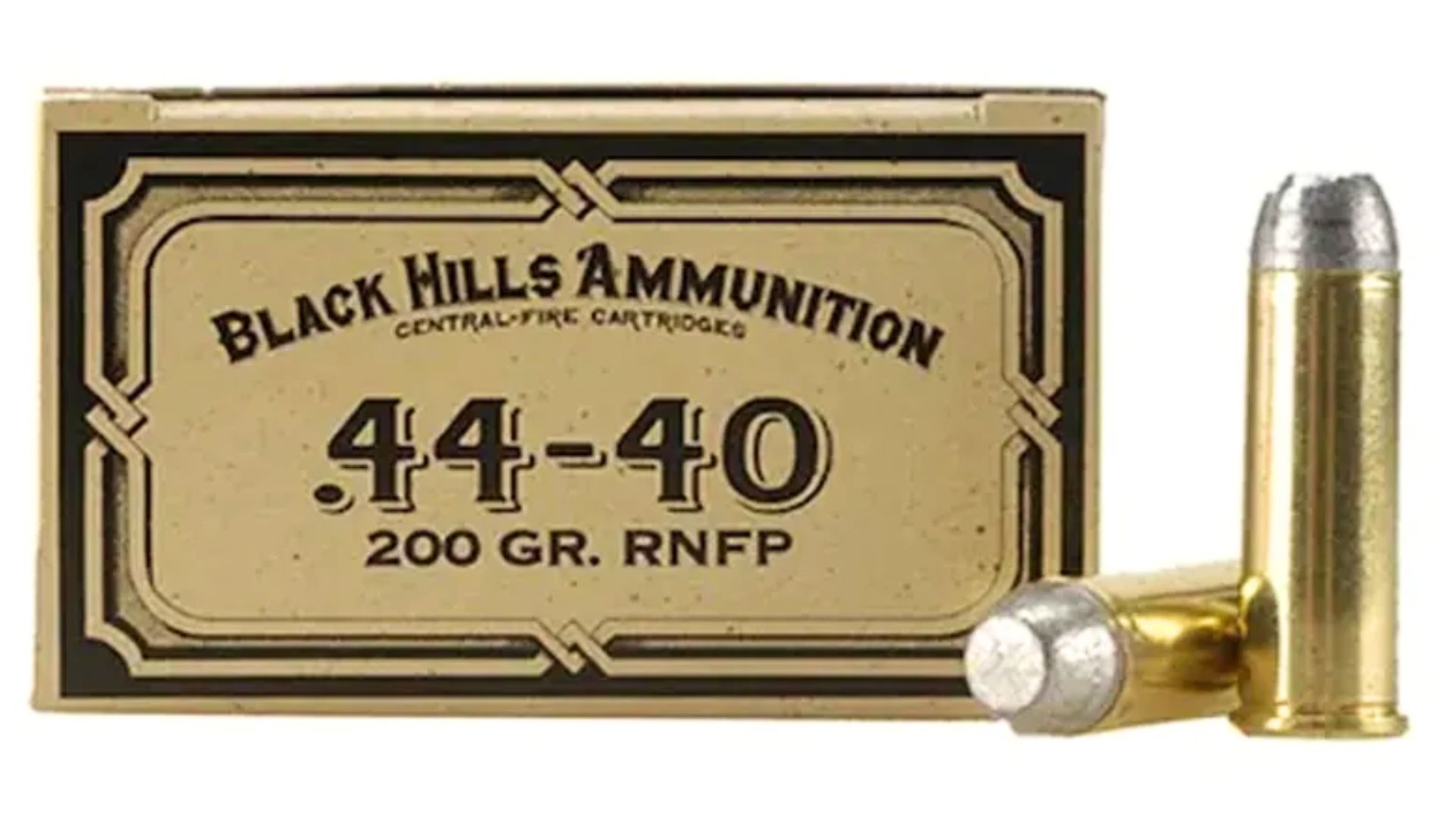
The .44-40 has history behind it, but its ballistics lag far behind modern standards. At typical velocities, many loads fail to punch deeply enough through muscle and bone to ensure quick kills. Expansion varies wildly, and the slow-moving bullets rarely deliver the trauma needed for an immediate collapse. Hunters who use it tend to spend more time following tracks, hair, and light blood than they do celebrating clean, fast recoveries. It’s simply too unpredictable on medium-sized game.
.300 Blackout Subsonic
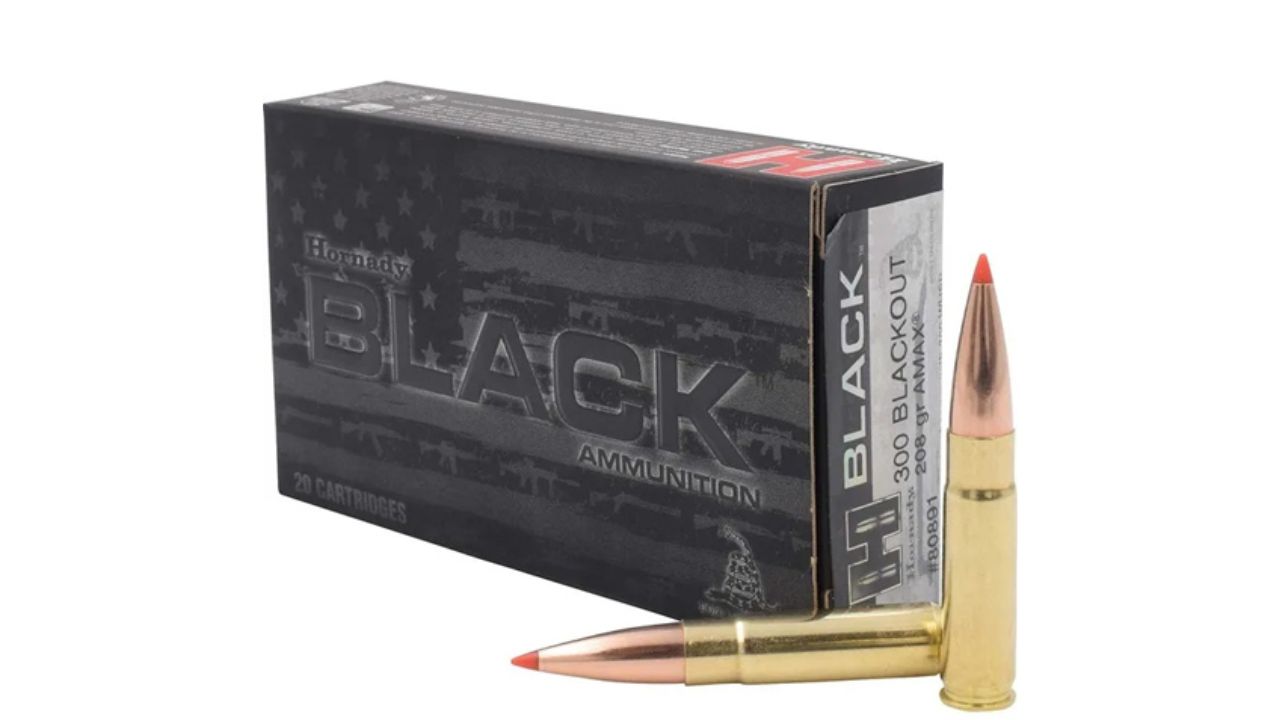
Subsonic .300 Blackout loads are designed for quiet shooting, not ethical killing of deer. Without speed, expansion is minimal or nonexistent, leaving small wound channels that don’t create quick blood loss. Animals hit with subsonics rarely drop within sight unless the shot is perfect. Most run far before bedding down, turning recovery into a long tracking job. Supersonic loads solve this issue — but subsonic bullets behave more like a slow pistol round and lack the energy needed for consistent kills.
7.62×39 with Soft, Thin-Jacketed Bullets
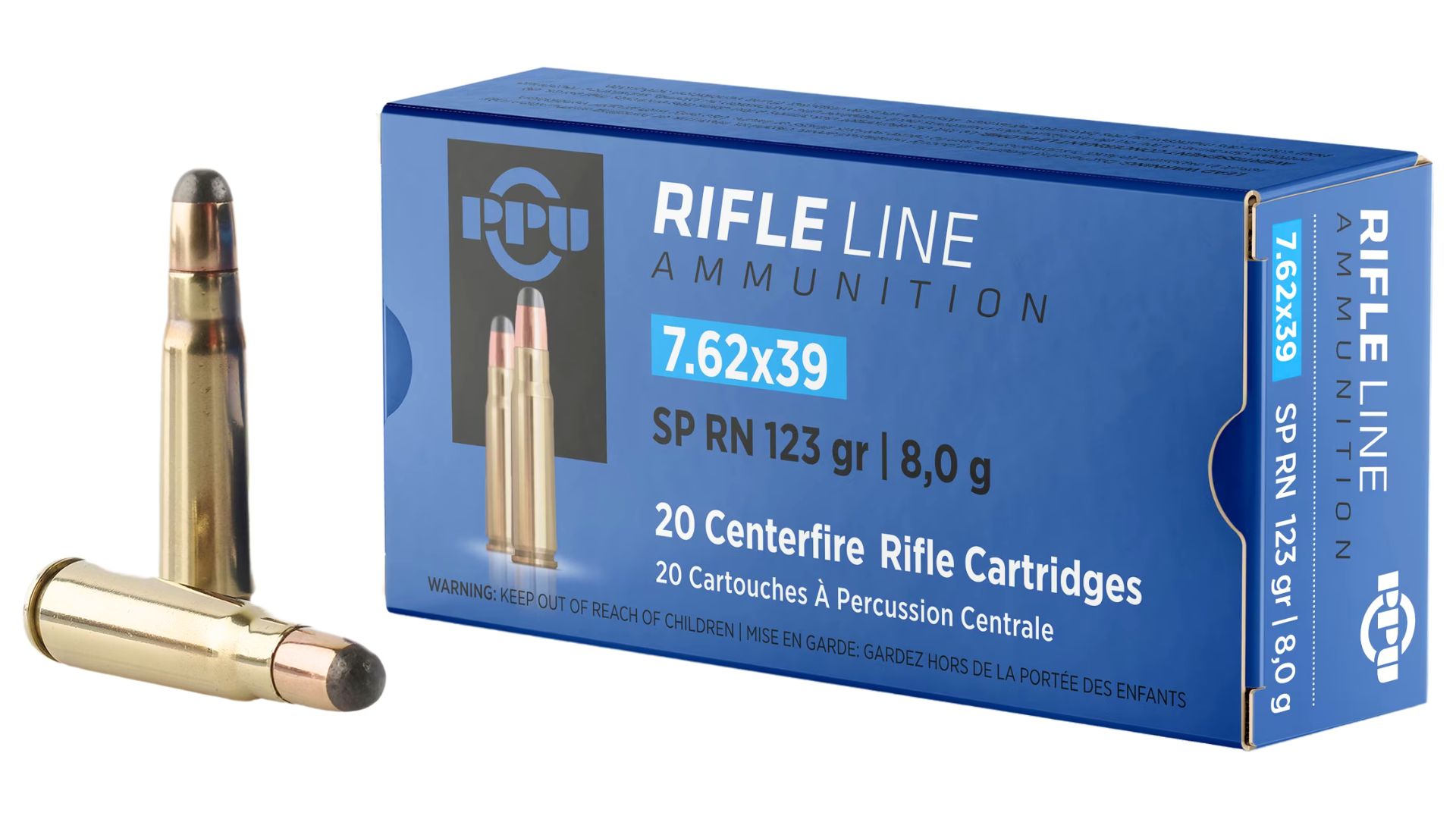
The 7.62×39 can work well with modern bonded bullets, but many hunters still use older soft points that come apart too easily. On broadside shots they may do fine, but angled hits often result in incomplete penetration and poor internal trauma. Deer hit this way almost always run farther than expected. You can make it work, but it takes selective shooting and careful load choice. Too many hunters overlook that part — and the result is long, frustrating recovery jobs.
.220 Swift

The .220 Swift delivers incredible speed, but that same speed can work against you on deer-sized game. Many bullets designed for the Swift are thin and explosive, ideal for coyotes but disastrous on larger animals. They often fragment before reaching vital organs, leaving shallow wounds and minimal blood trails. Hunters who try it expecting dramatic performance typically learn, after long tracking jobs, that velocity means nothing if the bullet never reaches the vitals.
.17 HMR
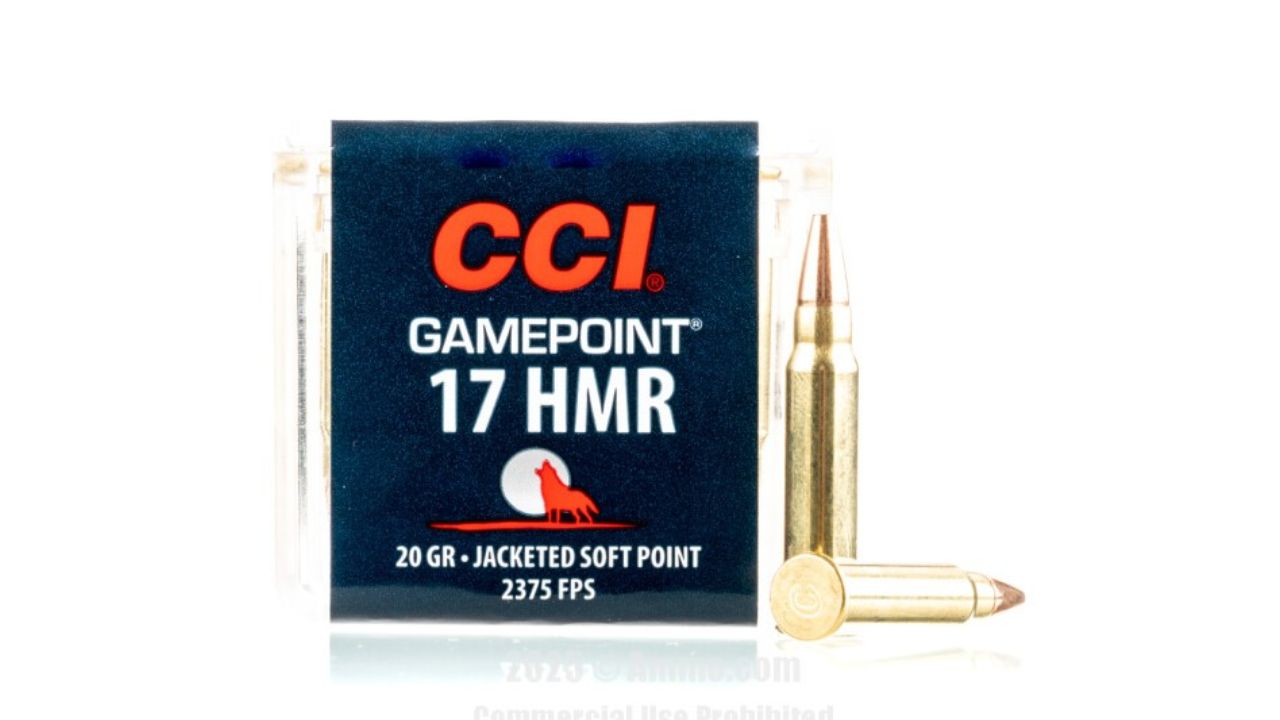
The .17 HMR is outstanding for varmints but dangerously underpowered for anything larger. The tiny bullets simply can’t drive deeply enough to reliably reach the heart or lungs, even on small-bodied deer. Wound channels are narrow and inconsistent, and blood trails are nearly nonexistent. Deer may be lethally hit but won’t show signs quickly, often running hundreds of yards before succumbing. It’s a cartridge built for precision on small targets — not ethical deer hunting.
6.5 Grendel with Light Hunting Bullets
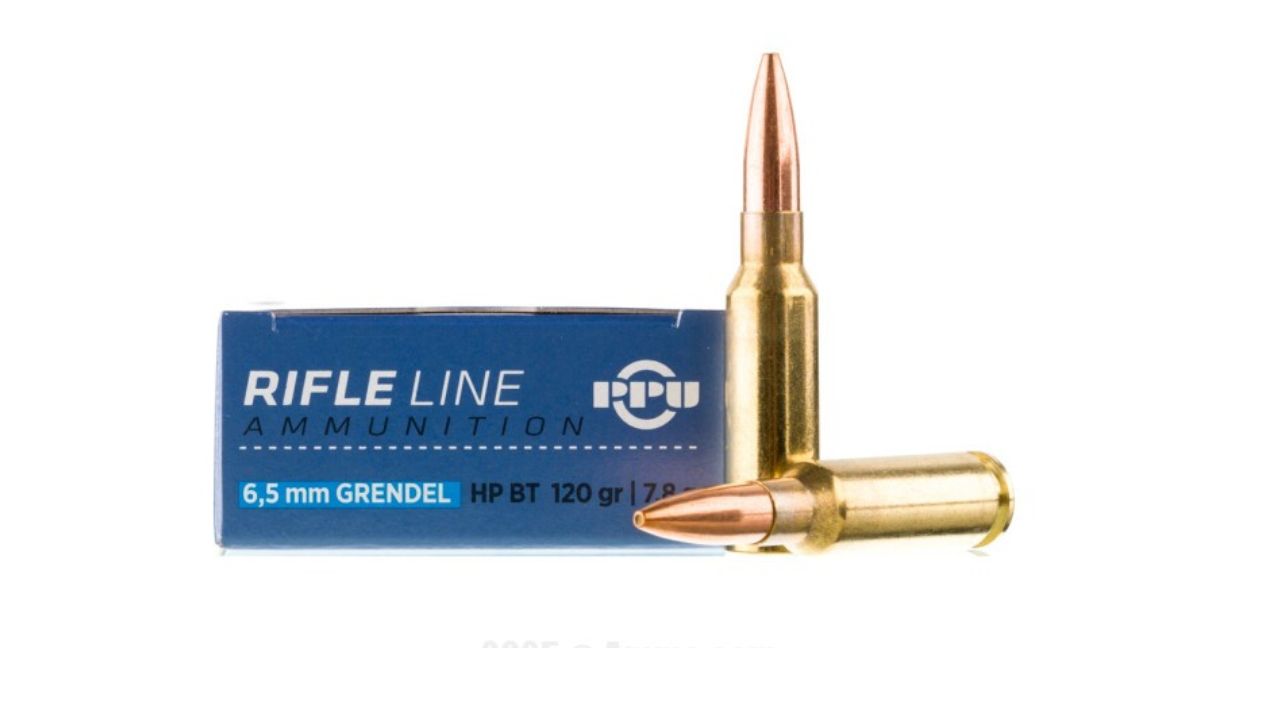
The Grendel is capable, but lighter bullets often struggle to penetrate when bone is involved. At longer distances, velocity drops enough that expansion becomes unreliable. Many deer hit with these combinations show delayed reactions and long tracking behavior. Hunters who stick to heavier, bonded bullets do much better, but those relying on thin-jacketed or polymer-tip designs often find themselves following sparse blood for far too long.
.45 Colt from Lever Guns

The .45 Colt can be effective when loaded hot, but many factory loads are built to be safe in older revolvers. Those mild loads simply don’t create the energy needed for quick kills on deer. Penetration is frequently shallow, and expansion is inconsistent. Shots that look solid might not reach the vitals, sending deer trotting off without much sign of a hit. With modern +P-style ammunition it improves, but standard-pressure loads often create more tracking than shooting.
.257 Roberts with Light Varmint Bullets

The .257 Roberts shines with controlled-expansion projectiles, but too many hunters shoot lightweight varmint bullets through it. Those are designed to explode rapidly, not penetrate deer-sized animals. When they blow up on entry, the result is a wounded deer that runs far before bedding. Everything you love about the cartridge disappears when you pair it with the wrong bullet — and unfortunately, that’s a common mistake that leads to extended tracking jobs.
.30-30 Winchester with Outdated Round-Nose Bullets

The .30-30 is legendary, but older soft round-noses sometimes mushroom too early, stopping short of a clean pass-through. On quartering shots, those bullets may fail to reach the lungs, resulting in minimal blood and long trails. Modern ammo fixes most of these problems, but plenty of hunters still use old loads they’ve had for years. When they do, the cartridge shows its age quickly and creates more tracking work than anyone wants during deer season.
Like The Avid Outdoorsman’s content? Subscribe to our newsletter so you never miss an article.
Here’s more from us: