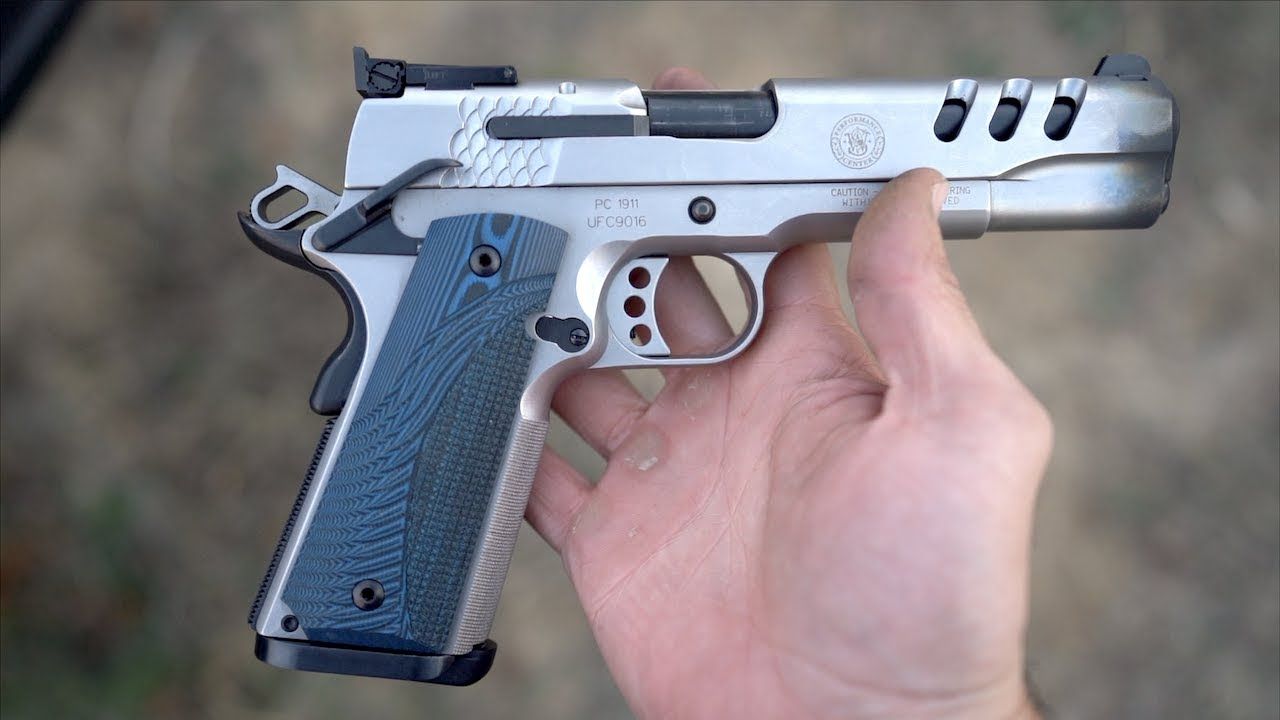
Photo credit: Texas Plinking/YouTube
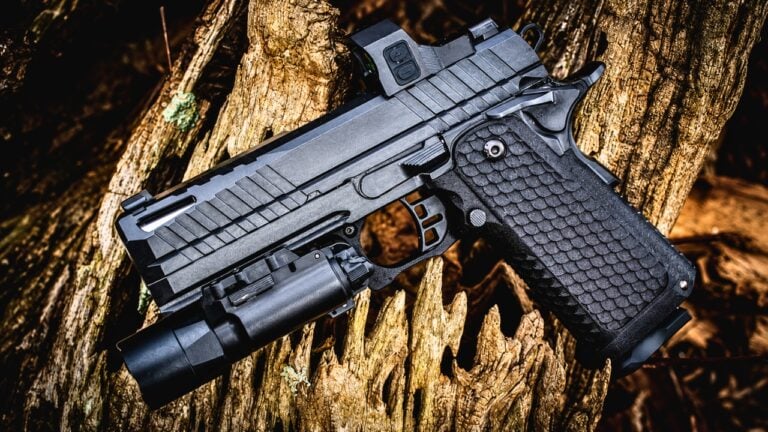
Carrying a 1911 in the real world is different than loving one at the range. The platform can absolutely work, but it’s less forgiving of cheap parts, sloppy maintenance, and “looks cool” upgrades that don’t help you carry it day after day. The good news is you don’t have to turn it into a science project. A few practical upgrades can make a 1911 easier to live with, easier to run, and a lot more consistent when it’s sweaty, linty, and getting bumped around like a real carry gun does. The key is keeping the changes focused on reliability, carry comfort, and sights you can actually use, not chasing some boutique feel that makes the gun temperamental.
Start with magazines, because 1911s still live and die by them
If you want the most practical “upgrade” that actually changes your day-to-day reliability, it’s quality magazines you’ve proven in your specific gun. A lot of 1911 issues people blame on the pistol are really mag-related feeding problems that show up under speed, with hollow points, or once the mag springs start getting tired. A solid carry rotation is a small set of mags you trust that don’t get abused like training mags, and you actually shoot those carry mags often enough that you’re not guessing. If you’re shopping local, Bass Pro Shops usually has reputable 1911 mags and basic mag pouches, but don’t buy ten random ones and hope for the best—buy a couple good ones, mark them, run them, and keep the ones that stay boring.
Sights that you can see fast beat “classic” sights every time
A 1911 with tiny GI sights might look right, but it’s not doing you favors when you’re trying to get a clean first shot under stress or in bad lighting. Practical carry sights are simple: a front sight you can pick up quickly and a rear that doesn’t snag or slice you up. That can be a high-visibility front, a clean notch rear, or a setup that’s blacked-out rear with a brighter front. The point isn’t trendiness—it’s speed and clarity. If you’re still squinting for your front sight in the shade, the gun is making you work harder than you need to, and that extra work is what turns “I carry it” into “I leave it home sometimes.”
Replace the small parts that tend to cause headaches, not the ones that feel fancy
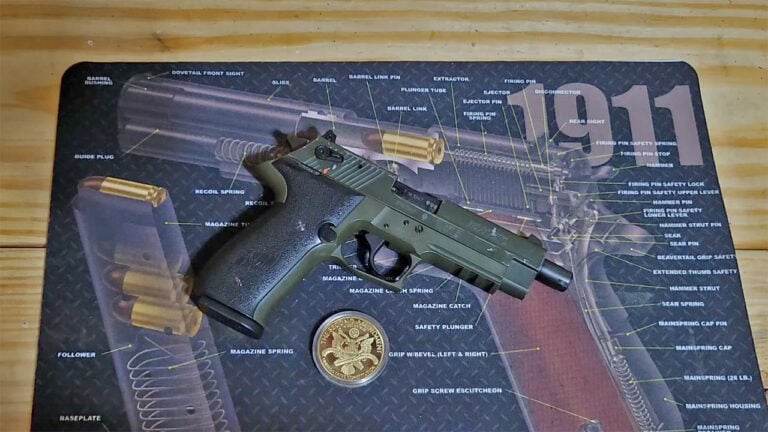
The most practical internal changes are the boring reliability parts, not the “match” parts. Springs, extractors, and firing pin stops can make a noticeable difference when you’re trying to keep the gun consistent over time. A tired recoil spring can turn into weird cycling behavior, and a marginal extractor setup can show itself as inconsistent ejection, occasional failures, or a gun that runs fine until it’s dirty. The goal is not to chase the lightest trigger or the slickest feel. The goal is to keep the gun cycling with your carry ammo and your magazines when it’s not perfectly clean. If your 1911 becomes “ammo picky,” that’s usually a sign you’ve got a parts or tuning issue you should handle before you trust it on your belt.
A carry-friendly safety and dehorn work matter more than most people admit
If you carry a 1911 regularly, sharp edges get old fast. A practical 1911 doesn’t need to be rounded like a bar of soap, but it does need to stop chewing you up, snagging your cover garment, and wearing holes in things. Dehorning the sharp points, smoothing the edges that bite, and making sure the thumb safety is positive and consistent are quality-of-life upgrades that actually influence whether you’ll keep carrying the gun. A safety that’s too stiff, too mushy, or easy to wipe off can create constant mental noise. A safety that clicks on and off the same way every time lets you focus on real skills instead of babysitting hardware.
Pick a holster and belt that match the weight, not the internet’s favorite rig
A 1911 is heavier than most modern carry guns, and that weight is what makes good support gear non-negotiable. If your belt is soft and your holster is floppy, the gun shifts, prints, and pokes you all day, and that’s the fastest way to get tired of carrying it. A practical setup keeps the gun stable, holds it in the same position every time, and lets you draw clean without fishing around. This isn’t about buying something expensive to feel serious. It’s about reducing friction so you actually keep the gun on you. Once the gun stops moving around, your draw becomes more consistent, your comfort improves, and you stop adjusting your shirt every five minutes like you’re hiding a secret.
Don’t chase “race” triggers on a carry 1911
A crisp 1911 trigger is part of what people love about the platform, but that doesn’t mean you should chase the lightest pull you can brag about. For carry, you want safe, predictable, and consistent—especially under stress and with cold hands. Triggers that are tuned too aggressively can turn into problems once the gun gets dirty, once parts wear, or once tolerances shift. That’s where you end up with hammer follow, inconsistent reset, or other nonsense that has no place in a carry gun. A practical carry 1911 has a trigger that helps you shoot well without turning the gun into a delicate instrument that only behaves on a clean bench.
Verify reliability with your actual carry ammo and realistic volume
The final “upgrade” is the one nobody wants to do because it costs time and ammo: prove the gun. Not ten rounds. Not a box. Real volume across multiple sessions, including from your carry mags, including when the gun isn’t freshly cleaned, and including a few cold-start drills where you draw and shoot like you actually carry it. A 1911 can be extremely reliable, but it earns that trust through testing. The guys who swear their 1911 is “perfect” after one range trip are the same guys who get shocked when the gun starts acting different at round 500 or when the weather changes. Practical carry isn’t about confidence you talk yourself into. It’s about confidence you’ve paid for in reps.
Like The Avid Outdoorsman’s content? Subscribe to our newsletter so you never miss an article.
Here’s more from us: