Photo credit: ANR Design – KYDEX Holsters/YouTube
Beginning January 1, 2026, the National Firearms Act process will look very different for you, and that shift is almost certain to collide with a surge of new applications. The long awaited move to a $0 transfer tax on many NFA items is poised to draw in buyers who have been sitting on the sidelines, which is why you should be prepared for a potential backlog rather than assuming the new year will mean instant approvals. If you understand what is changing, how the ATF is preparing, and where the bottlenecks are likely to form, you can time your purchases and paperwork to ride the wave instead of getting buried under it.
How the NFA Tax Stamp Landscape Is Changing
The starting point for any planning is understanding exactly what is changing in the NFA world and what is not. The NFA has always governed the transfer and registration of items like silencers, short barreled rifles, short barreled shotguns, and machine guns, and that basic framework remains in place even as the financial burden shifts. The NFA, Tax Stamp Rule, Update explains that The National Firearms Act still requires you to file the appropriate forms, pass a background check, and wait for approval before you take possession, so the new year does not turn NFA gear into over the counter purchases.
What does change is the tax itself, which has been the psychological and financial barrier for many would be buyers. Earlier this year, On July 4, 2025, President Trump signed H.R. 1, also known as the One Big Beautiful Bill, eliminating the traditional $200 tax stamp requirement for suppressor ownership and similar NFA items. That change is now feeding into a broader 2026 NFA Tax Stamp Change, What FFLs Must Know, which lays out how the new regime will apply across different categories beginning January, and it is that shift that is expected to pull a wave of new applicants into the system.
From $200 to $0: The Big Beautiful Bill’s Real Impact
For years, the $200 tax stamp functioned as a de facto luxury surcharge on NFA ownership, often rivaling the price of an entry level suppressor or short barreled rifle upper. The NFA, Tax Repeal, One Big Beautiful Bill, which took effect after On July 4, 2025, when President Trump signed H.R. 1, removed that $200 cost for many transfers and reframed the economics of NFA gear for ordinary shooters. According to the description of the NFA, Tax Repeal, the law eliminates the $200 federal tax stamp on qualifying items while keeping the underlying safeguards that track and prevent unlawful firearm transfers.
That shift is not just symbolic, it directly changes how you budget and how dealers structure their inventory. Legal analysts who have walked through firearms planning in 2026 note that Trump’s recently passed legislation, known as the Big Beautiful Bill, removes the $200 federal tax stamp requirement and sets the stage for a $0 transfer tax starting January 2026, while also raising questions about refunds or credits for previously paid tax stamps. One advisory on Aug, Trump, Big Beautiful Bill planning stresses that starting January 2026, when you file for new qualifying NFA items, you will no longer owe that $200, but you should not assume retroactive relief unless and until the government clarifies how it will treat earlier payments.
Which NFA Items Actually Drop to $0 Tax
Not every NFA category is treated identically under the new structure, so you need to know which items actually qualify for the $0 rate. Guidance aimed at FFLs explains that beginning January 1, 2026, the federal National Firearms Act tax stamp will be reworked under a 2026 NFA Tax Stamp Change, What FFLs Must Know, and that the change is not a blanket repeal of NFA regulation. Instead, it is a targeted adjustment that keeps the registration and background check framework intact while removing the transfer tax for certain categories that lawmakers and the administration have chosen to prioritize.
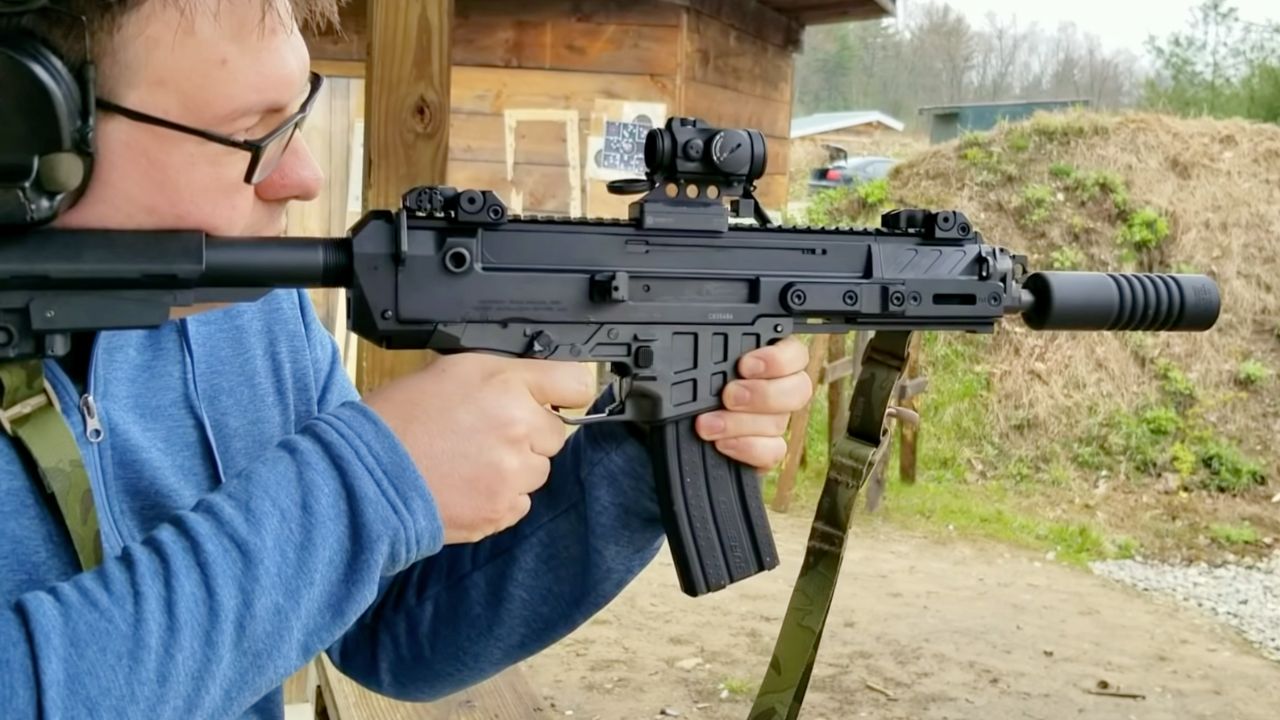
More detailed breakdowns of NFA Items That Qualify for $0 Tax in 2026 specify that the following NFA items drop to $0 tax, including Suppressors and Short barreled rifles and shotguns, while other categories remain subject to existing rules. One compliance focused explainer notes that these NFA, Items That Qualify for, Tax, Suppressors, Short will still be regulated as NFA firearms, meaning you must file the same forms and wait for approval, but you will no longer write a check to the Treasury for each transfer. That distinction is crucial, because it means the ATF’s workload is likely to grow even as the financial friction for buyers disappears.
Why Jan 1 Is a Flashpoint for ATF Workloads
The calendar turn to January 1 is not just a symbolic date, it is the legal trigger for the new tax structure and the moment when pent up demand is expected to hit the ATF’s systems. One major retailer focused on suppressors has already framed the change in terms of What the Suppressor Tax Stamp Removal Means for You, Starting Jan 1, explaining that the suppressor tax stamp removal takes effect on January 1, 2026, and that buyers who have been waiting for years are planning to file as soon as the clock flips. That same overview of Dec, What the Suppressor Tax Stamp Removal Means for You, Starting Jan warns that while your wallet will feel immediate relief, the process itself will still involve the same federal scrutiny.
On the ATF side, there are already signs that officials expect turbulence as the new rules kick in. A detailed briefing on 2026 NFA Tax Stamp Changes, What FFLs Must Know, notes that Beginning January, the agency will be processing a new category of $0 tax submissions that still require full review, and that FFLs should prepare for a surge of customers who have been waiting for the change to finalize purchases. Another advisory aimed at dealers and SOTs, which outlines the 2026 NFA Tax Stamp Change, What FFLs Must Know, explains that Dec planning sessions have focused on how to handle a likely spike in eForm 4 filings and how to educate buyers that NFA regulation without a tax is still regulation, not instant gratification.
Current Wait Times: How Fast Approvals Are Right Now
To understand how a backlog might form, you first need a baseline for how fast approvals are moving before the new year rush. One widely cited snapshot of ATF processing explains that Understanding ATF Form 4, Current Wait Times, Requirements, and How to Avoid Delays starts with recognizing that electronic submissions are already dramatically faster than the paper era. According to that overview, the average eForm 4 individual approval is measured in weeks rather than months, and the same Oct, Understanding ATF Form, Current Wait Times, Requirements, How, Avoid Delays summary notes that a trust application averages 23 days, which has encouraged more buyers to jump into the NFA pool.
Other data points suggest that in some cases, approvals have become almost routine. A major suppressor distributor that tracks approvals in real time reports that What is the Current Wait Time for a Suppressor is now measured in days for many eForm 4 submissions, with eForm 4 suppressor approvals taking just days on average for both individuals and trusts. That same analysis of Dec, What, Current Wait Time for, Suppressor cautions that while the raw processing time is short, communication lags and dealer errors can create higher perceived wait times, which will only become more noticeable if the system is suddenly flooded in early January.
Why a Backlog Is Likely Once the Tax Hits $0
Even with today’s relatively quick approvals, the combination of a $0 tax and a fixed number of examiners is a recipe for congestion. Forecasts of ATF workloads already flag that Beginning January 2026, the NFA transfer tax will be $0 for silencers, short barreled rifles, and short barreled shotguns, and that this policy shift is expected to create a backlog of NFA applications as buyers who have been waiting for the change all file at once. The same projection on Oct, Beginning January, NFA warns that even if the ATF maintains its current pace per examiner, the sheer volume of new submissions could stretch individual wait times back into the months rather than days range.
Grassroots voices inside the NFA community are echoing that concern. A widely shared video titled Gun Owners Could be Getting MORE than an NFA Shutdown tells viewers to just expect going forward starting January 1st and onwards that there will most likely be delays for a while going into the new regime, framing the change as a short term headache in exchange for long term savings. That sentiment is reinforced in online discussions where users note that demand for cans has stayed elevated even before the tax cut, and one thread on Oct, Demand for post Jan 1 wait time expectations points out that wait times have already dropped to 1 to 2 business days for some people without delays, which means any slowdown in early 2026 will feel dramatic by comparison.
ATF eForm Blackouts and System Stress Tests
Complicating the picture is the fact that the ATF is not simply flipping a switch on January 1 and hoping for the best. As New Years approaches there is some major changes coming to Federal Gun Law, and internal planning documents describe how the agency is preparing for an eForm blackout ahead of the transition. One tactical briefing explains that the Big Beautiful Bill that passed earlier in the year will require the ATF to take parts of the eForm system offline for about a week to reconfigure tax handling, and that Dec, As New Years, Federal Gun Law, Big Beautiful Bill preparations include warning dealers that they may not be able to submit new forms during that window.
That planned downtime is effectively a stress test for the system, because it will stack up applications that would otherwise have trickled in over several days. If you are an FFL or SOT, you will need to decide whether to push customers to file before the blackout, knowing they will still owe the old tax, or to hold them until after the system comes back online with the $0 rate. The 2026 NFA Tax Stamp Change, What FFLs Must Know, guidance suggests that Dec is the time to map out that strategy, and that resources like the FFL and SOT Now Free Course referenced in Dec, NFA, Tax Stamp Change, What, Must Know, Beginning January can help you train staff to handle the surge without compounding delays through avoidable errors.
How Community Experience and Common Errors Feed Delays
Even in a normal year, a significant share of NFA delays are self inflicted, and that reality will only become more painful once the system is under strain. A community maintained Official Megathread on the $0 tax stamp transition notes that Post sample law letters are becoming an eForm and that Over 50% of law letters are rejected, often for basic mistakes like incorrect dates or missing agency information. That same Dec, Post, Over thread lists the most common errors, including Date of birth mismatches and incomplete responsible person questionnaires, which can turn what should be a quick approval into a months long ordeal.
Those community insights line up with more formal guidance on how to avoid delays. The overview of Understanding ATF Form 4, Current Wait Times, Requirements, and How to Avoid Delays emphasizes that clean, complete submissions are the single biggest factor in keeping your wait time close to the averages, and that dealers who double check serial numbers, trust documents, and fingerprints before hitting submit see far fewer problems. When you combine that with the forecast that Beginning January 2026 the NFA transfer tax will be $0 for key categories, it becomes clear that your best defense against the coming backlog is not just filing early, but filing correctly, so you are not pushed to the back of the line over a typo.
Practical Steps You Can Take Before and After Jan 1
With the policy changes locked in and the likely backlog on the horizon, your focus now should be on concrete steps that put you in the best position once the new year hits. One practical roadmap comes from a Complete Guide to NFA Items in 2026, which stresses that Even with the tax going to $0, the process remains mostly identical and that Step 1 is to Choose Your NFA Item carefully before you start any paperwork. That guide explains that when you Choose a suppressor, SBR, or other qualifying item, you should also decide whether to file as an individual or through a trust, since eForm 4 individual approvals are typically in the 45 to 90 day range while eForm 1 approvals can land in 1 to 14 days, according to the Nov, Even, Step, Choose Your NFA Item, Choose breakdown.
Legal and compliance advisors also recommend that you use the remaining days of the year to get your documentation in order rather than waiting until January to start from scratch. Firearms planning resources that focus on the Big Beautiful Bill suggest that you review your trusts, update responsible person information, and coordinate with your FFL so that when the eForm system comes back online after any blackout, you can submit immediately under the new $0 regime. Combined with the warnings from Gun Owners Could be Getting MORE than an NFA Shutdown, which urge you to expect delays starting January 1st and onwards, the message is clear: if you treat the transition as a free for all, you will probably end up in the backlog, but if you approach it with the same discipline you would bring to a major purchase or a tax filing, you can still come out ahead even as the system strains under the weight of its own success.
Like The Avid Outdoorsman’s content? Be sure to follow us.
Here’s more from us: