Photo credit: david henrichs/Unsplash
Before you even think about packing a quadcopter next to your shotgun or bow, you need to understand how aggressively Illinois is moving to keep high tech out of the field. State regulators have made it clear that using drones, e-bikes, or artificial intelligence to gain an edge over wildlife is not just frowned on, it is unlawful and can cost you your gear and your season. If you hunt Illinois, you are expected to know these rules before you ever charge a battery or power up an app.
Illinois is tightening the screws on high-tech hunting
Illinois has long treated hunting as part of its broader outdoor heritage, but the state is now drawing a sharp line between traditional skills and emerging gadgets. As technology races ahead, regulators are responding with explicit bans on tools that can scout, track, or move you in ways that undermine fair chase. You are not being asked to give up modern safety gear or mapping, but you are being told that certain devices cross the line from assistance into unfair advantage.
That shift is happening in a state that already manages a complex mix of public and private land, from river bottoms to agricultural edges and dense timber, all under the umbrella of Illinois law and regulation. When you step into that landscape with a tag in your pocket, you are entering a tightly regulated environment where the Illinois Department of Natural Resources, often referred to as IDNR, expects you to keep up with evolving technology rules, not just bag limits and season dates.
Drones are off-limits for scouting and taking game
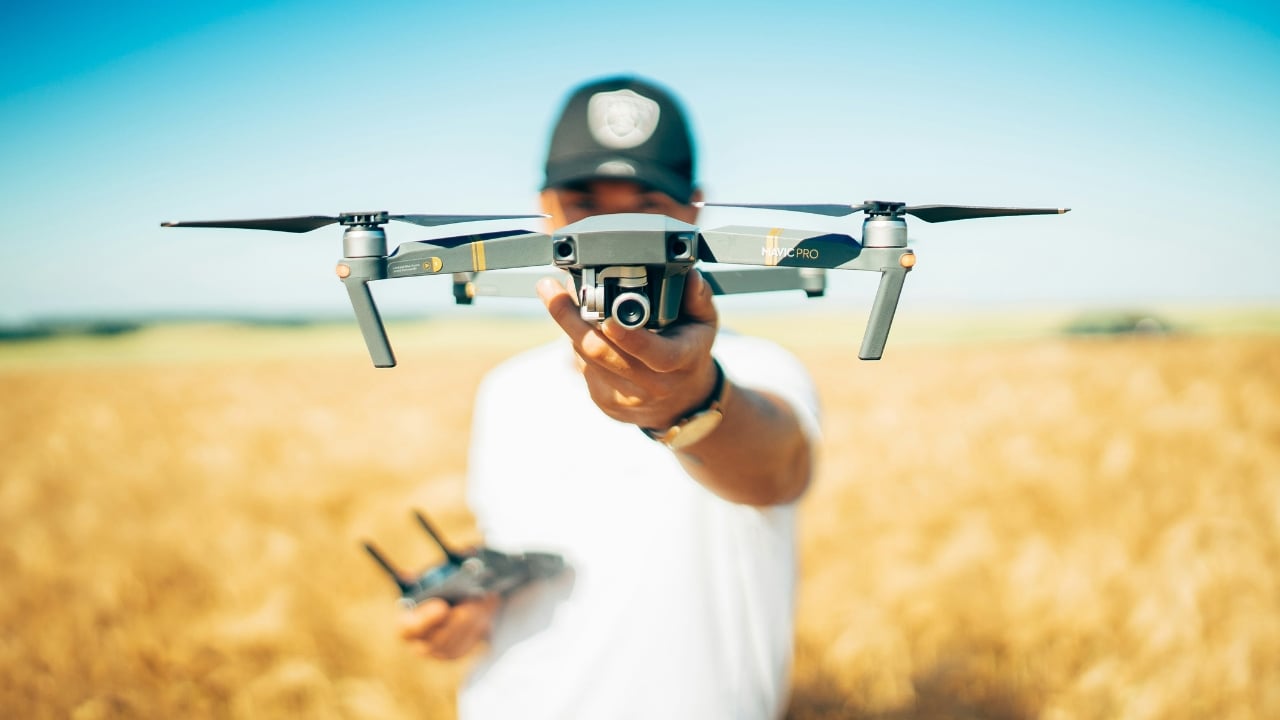
The clearest message from regulators is that drones have no place in your hunt plan. IDNR has publicly warned that the use of unmanned aircraft to locate, drive, or take wildlife is unlawful, regardless of whether you are flying a budget hobby drone or a high-end model with thermal imaging. If you are using a drone in any way that connects to your pursuit of game, you are stepping into prohibited territory, even if you tell yourself it is “just for a quick look.”
Officials have gone beyond general warnings and spelled out that using drones for hunting purposes violates state law and ethical hunting practices, and they have backed that up with enforcement language that allows equipment to be seized and potentially forfeited when it is used illegally. When IDNR leaders talk about prohibiting the use of drones for hunting purposes, they are not drawing fine distinctions between scouting and shooting; they are telling you that tying a drone to your hunt in any meaningful way is a legal risk.
Why IDNR is drawing a hard line on fair chase
From the agency’s perspective, the issue is not whether drones or other devices are impressive, it is whether they erode the basic idea that game animals should have a reasonable chance to detect and evade you. Fair chase depends on your own legs, eyes, and patience, not on a hovering camera that can sweep a section of timber in minutes. When IDNR warns that certain tools are unlawful, it is signaling that the state wants to preserve a level playing field between hunter and animal, even as consumer tech becomes cheaper and more capable.
That philosophy runs through the broader guidance the Illinois Department of Natural Resources has issued on hunter technology, where the agency groups drones with other tools that can automate or supercharge your ability to find and approach wildlife. In its formal communication to hunters, IDNR stresses that using such devices to locate or pursue game is inconsistent with both state law and the ethical standards that underpin seasons, limits, and access, and it frames these restrictions as part of a larger effort to keep hunting rooted in skill rather than circuitry.
E-bikes, AI, and other “smart” tools are in the crosshairs too
Drones are not the only devices that can get you in trouble. IDNR has also warned that e-bikes and artificial intelligence tools are prohibited when they are used to aid in the taking of wildlife. That means you cannot rely on an electric bike to move you silently and quickly into areas in a way that gives you an advantage over other hunters or over the animals themselves, and you cannot lean on AI driven tools to pattern game or make real time decisions that substitute for your own judgment in the field.
In its public warnings, IDNR has grouped drones, e-bikes, and AI together as examples of hunter technology that is off limits when it is tied directly to the act of hunting, and it has made clear that violations can lead to citations, the loss of hunting privileges, and the seizure of the equipment involved. When officials caution that drones, e-bikes, and AI use are prohibited for hunting, they are telling you that the state sees these tools as part of the same problem, not as separate gray areas you can exploit.
How Illinois defines “using technology to hunt”
The practical question for you is where the line actually sits. Illinois is not banning every piece of electronics you might carry, but it is targeting tools that directly assist in locating, pursuing, or taking game. If a device is helping you find animals in real time, move in ways that would not be possible under your own power, or make automated decisions about when and where to shoot, you should assume it is on the wrong side of the law, even if it does not look like a traditional weapon.
That approach is reflected in IDNR’s formal hunter technology guidance, which explains that using unmanned aircraft, motorized devices, or artificial intelligence to aid in the taking of wildlife is unlawful and can trigger enforcement action. The same document notes that equipment used in violations can be seized and potentially forfeited, underscoring that the state is willing to treat your drone, e-bike, or other gear as part of the offense when it is used to break the rules laid out in the hunter technology guidance.
What you can still use without risking a citation
None of this means you have to hunt like it is the nineteenth century. You can still rely on GPS units, offline mapping apps, and digital weather tools to plan your day, as long as you are not using them to control or coordinate banned devices. A smartphone loaded with satellite imagery is not the same thing as a drone, and a standard mountain bike that you pedal yourself is not treated like an e-bike that uses a motor to move you quietly into restricted areas.
Within that framework, the safest approach is to separate planning tools from real time pursuit. Use your mapping apps at home or at camp to understand terrain and access, then leave the drone in its case and rely on your own senses once you are in the field. If a device feels like it is doing the hunting for you, rather than supporting your safety or navigation, it is likely to attract the kind of scrutiny that IDNR has promised to apply to high tech gear.
Penalties that can follow you beyond one season
Violating these technology rules is not a minor paperwork issue. When IDNR officers encounter hunters using drones, e-bikes, or AI in prohibited ways, they have the authority to write citations that can carry fines and, in more serious cases, lead to the suspension or revocation of hunting privileges. Those consequences can follow you into future seasons, affecting your ability to buy tags or participate in special draws.
On top of that, the agency has been explicit that equipment used in violations can be seized on the spot and potentially forfeited as part of the case. If you are caught using a drone to locate deer or an e-bike to access closed areas, you are not just risking a warning; you are putting expensive gear at risk of being taken and not returned, which is exactly the outcome IDNR has highlighted in its public warnings about unlawful hunter technology.
Practical steps before you pack your truck
Given how quickly these rules are evolving, you should treat a pre season legal check as seriously as you treat sighting in your rifle or tuning your bow. Before each trip, review the latest IDNR regulations, paying close attention to sections that address unmanned aircraft, motorized access, and electronic aids. If you are unsure whether a specific device is allowed, contact a conservation officer or regional office and get a clear answer rather than assuming a lack of explicit mention means it is permitted.
It is also smart to audit your own gear list with a critical eye. If you have a drone in your truck for photography, leave it at camp when you head out to hunt so there is no question about your intent. If you own an e-bike, use it only in places and ways that are clearly allowed for general recreation, not as a shortcut into hunting spots. Treat AI driven tools as off limits for anything beyond generic information, and keep your focus on the skills that have always defined successful hunters in Illinois.
Why staying low-tech can actually improve your hunt
There is an upside to all of this that goes beyond avoiding tickets. When you strip away the gadgets that promise instant success, you are forced to pay closer attention to wind, sign, and animal behavior, which can make you a more capable hunter over time. Relying on your own scouting and patience can also make each encounter feel more earned, which is part of why fair chase principles matter to so many people who spend their time in the woods and fields.
By aligning your approach with IDNR’s expectations, you also help protect the public perception of hunting in a state where access and opportunity depend on broad support for regulated seasons. When the public sees hunters respecting both wildlife and the law, it is easier for agencies and lawmakers to defend the tradition. In that sense, leaving the drone batteries uncharged is not just a legal precaution, it is an investment in the future of hunting in Illinois.
Like The Avid Outdoorsman’s content? Be sure to follow us.
Here’s more from us: