Photo credit: ZoranOrcik/Shutterstock.com
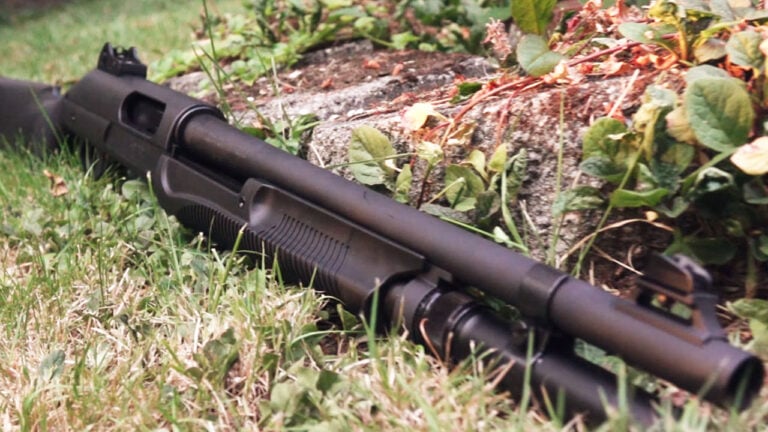
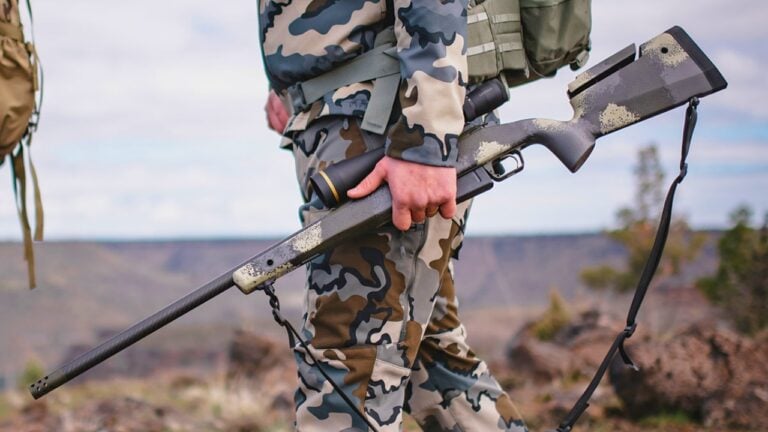
A felony elk-poaching case in North Idaho is drawing fresh attention to one of hunting’s most sensitive fault lines: the difference between a legal archery kill and a story that only sounds like one. Idaho Fish and Game said Coeur d’Alene resident Joel Rose was convicted after investigators concluded he illegally killed a trophy-class bull elk with a rifle during an archery-only season on Sept. 10, 2024, then staged the carcass to look like a lawful bow harvest. The agency said the case began with a Citizens Against Poaching tip and later turned on physical evidence, including a recovered 6.5 mm bullet and ballistic analysis tied to a seized 6.5 Creedmoor rifle. Officials also said an arrow had been inserted into the elk after it was already dead.
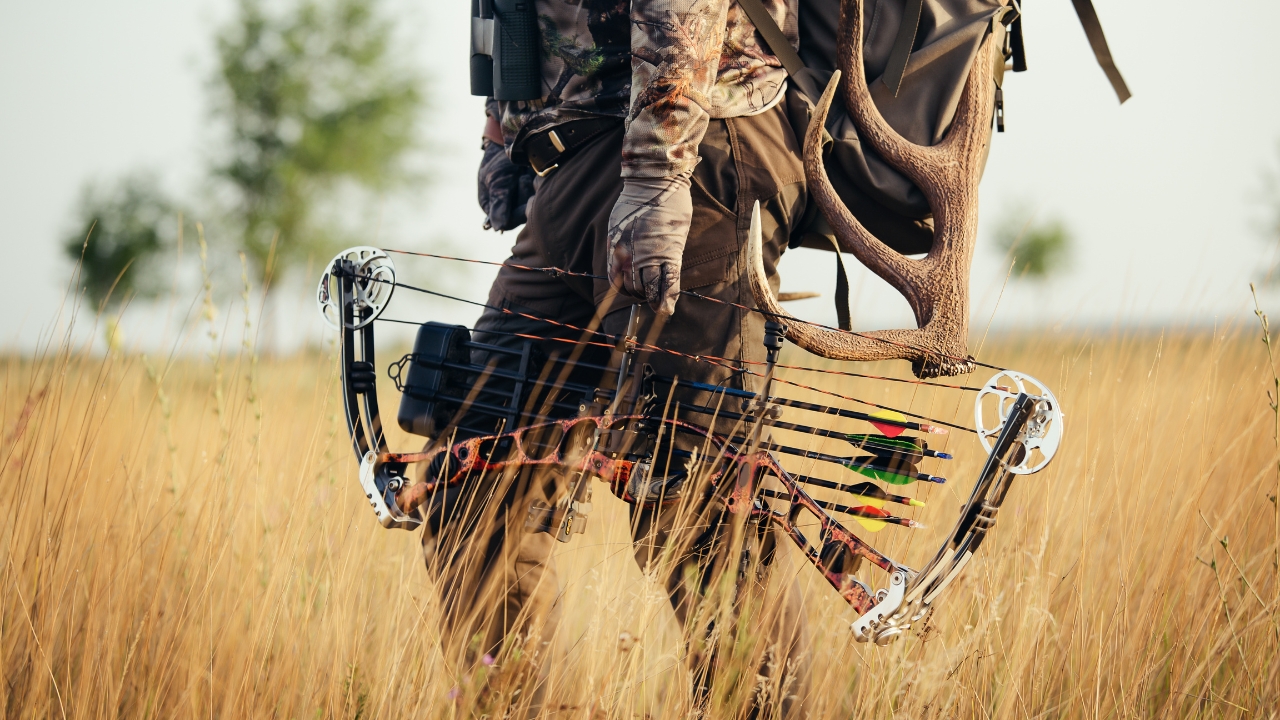
What makes the case resonate beyond one conviction is what it touches inside hunting culture. Archery-only seasons are not simply early access dates on a calendar. In states like Idaho, they come with separate permit requirements and strict equipment rules designed to preserve a different style of hunt, one built around shorter range, tighter limitations and a different standard of fair chase than centerfire rifle hunting. Idaho’s rules say no person may hunt in an “Archery Only” season without the proper permit, and the state’s seasons-and-rules materials make clear that firearms are not lawful substitutes during those hunts. That legal distinction is exactly why allegations of a rifle kill dressed up as a bow kill land so hard with many hunters: it is not just a paperwork violation, but a claim that someone tried to borrow the image of archery without accepting its limits.
Why investigators said the “bow-season” story fell apart
According to Idaho Fish and Game, the bull elk was a well-known animal in the Wolf Lodge area of Kootenai County and had reportedly been pursued by local hunters for years. The agency said Rose illegally killed the animal on private property near his residence during an archery-only season, and because the antlers scored greater than 300 inches under Boone and Crockett standards, the elk qualified as a “trophy” under Idaho law with an assessed damage value of $5,000. Investigators said the search of Rose’s residence turned up not only the long-range rifle and suppressor, but also antlers, meat and archery gear. The state’s account was especially blunt on the staging allegation: officers said photographs showed Rose posing with the elk while an arrow protruded from the carcass, even though the investigation determined the animal had actually been killed by two rifle shots.
That sequence matters because wildlife cases often turn on whether officers can move beyond rumor and reconstruct exactly what happened in the field. In this case, Idaho Fish and Game said the tip led to recovery of the bullet from the hide, which then helped drive the search warrant and ballistic work that undercut the original bow-hunt narrative. The agency’s public description of the evidence is also why the case has become a talking point far outside North Idaho: to many hunters, the story is not just about poaching a trophy bull, but about trying to manufacture the appearance of a hard-earned archery success after the fact. The Spokesman-Review, citing Idaho Fish and Game, likewise reported that Rose was convicted of illegally killing the bull during archery season after a two-day jury trial in late June 2025. That trial result gave the case a weight many campfire accusations never get, because it moved from rumor into court-tested evidence.
Why the ethics argument keeps coming back
The broader hunting-ethics debate keeps resurfacing because archery seasons occupy a special place in how many hunters think about restraint, challenge and legitimacy. Idaho’s own tag structure reflects that separation; the agency says its A tags generally offer more opportunity for archery and muzzleloader hunters, while B tags generally offer more opportunity for centerfire rifle hunters. In other words, the state is not treating those methods as interchangeable. The opportunity, timing and expectations differ on purpose. During the rut, when bugling elk can be more callable and more vulnerable to a hunter who gets in close, many bowhunters accept that the tradeoff for that opportunity is using equipment that demands short-range precision and carries a higher burden for shot discipline. A hunter who uses a rifle during that season is not merely breaking a gear rule; he is stepping outside the bargain that gives the season its meaning.
That is also why wildlife agencies keep warning, directly or indirectly, that some people still try to game weapon-restricted seasons. Idaho Fish and Game has documented rifle-in-archery-season violations before, including an older enforcement release describing a defendant who shot a bull elk with a rifle in an archery-only season and then falsely claimed he was in a different zone. The details are different, but the pattern is familiar: when seasons are divided by weapon type and hunter opportunity, a few people will still try to grab the best of both worlds. Most hunters do not, and most agencies are careful not to paint the broader hunting community with that brush. Still, the Rose case is a reminder that officers are looking more closely at physical evidence, digital photos, tip lines and ballistic work than some violators may assume.
For the wider public, cases like this can sharpen criticism of hunting at a time when agencies and sportsmen’s groups already spend a lot of energy defending fair-chase principles. For many hunters, that reputational damage is part of what makes these cases infuriating. A legal bow kill and an illegal rifle kill staged as one are not close cousins under the law or under hunting ethics, and the distinction matters to people who spend years buying the right tags, scouting the right country and passing shots that do not feel right. Idaho Fish and Game has continued to emphasize public reporting through its Citizens Against Poaching hotline, and the agency credited that system with helping open this case in the first place. In practical terms, that may be the clearest lesson from the story: when a “bow-season” claim does not match the evidence, investigators increasingly have the tools, and sometimes the public help, to pull the thread until the whole thing comes apart.
Like The Avid Outdoorsman’s content? Subscribe to our newsletter so you never miss an article.
Here’s more from us: