Photo credit: Tyler Donaghy/Unsplash.com
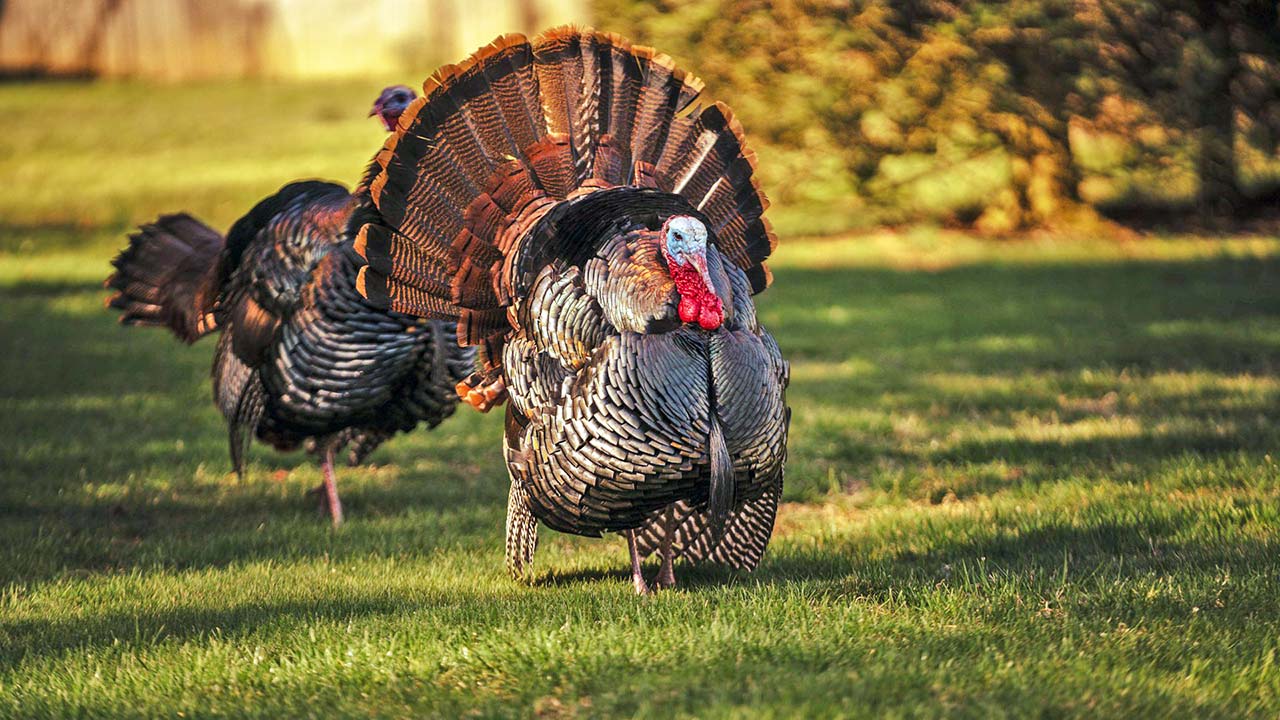
A quieter dawn doesn’t always mean “no turkeys.” A lot of times it’s weather, hen-to-gobbler ratios, timing of nesting, and how birds are behaving under pressure. Research using autonomous recorders has found gobbling drops with rain, higher winds, and higher temps, and improves with rising barometric pressure. And across a bunch of eastern states, biologists and hunting media have been blunt that turkey populations (or at least reproduction) have trended the wrong direction in many areas, which eventually shows up as fewer 2-year-old gobblers and fewer “talky” mornings.
Below are 15 states where that “silent-ish at flydown” complaint is common — for slightly different reasons in each place.
Tennessee

Tennessee hunters have been living the modern turkey cycle: some good years, then stretches where mornings feel flat. TWRA’s own numbers show the 2025 spring harvest dropped 8% from 2024 and sat 13% below the previous 5-year average, and the agency tied expectations to poor reproduction in 2023 leading to fewer 2-year-old birds. When you’ve got fewer of that age class, you often get fewer “dumb and loud” gobblers at daylight. Add warm, leafy mornings and pressure from the first week of the season, and a lot of birds will gobble less at flydown and do more slipping in quiet.
Alabama
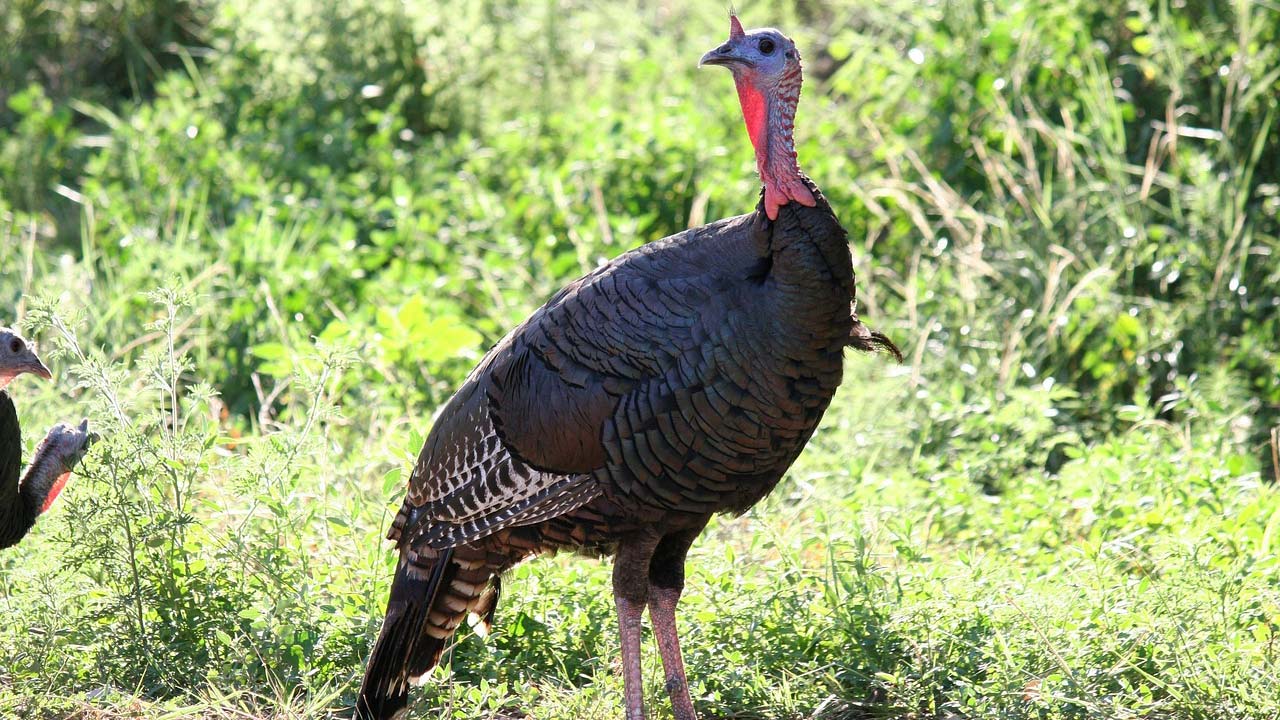
Alabama is one of those states where hunters swear the woods “don’t sound like they used to,” especially on public ground. When nesting success and poult survival dip for a couple seasons, it shows up later as fewer mature gobblers and fewer birds willing to light up the dawn. In the Deep South, the other killer is spring weather swings: heavy rain, humidity, and warm nights can make a morning sound dead even when birds are nearby, and the science supports that gobbling drops with rain and wind. If you hunt Alabama hard, you’ve probably noticed the best gobble mornings often line up with crisp, high-pressure days rather than muggy, drippy ones.
Georgia

Georgia turkey talk has gotten more serious in the last several years for a reason: in parts of the Southeast, biologists and hunters have pointed to habitat shifts, predators, and rough nesting weather as a combo punch. When the woods are greened up early, hens can nest sooner and tighter, and gobblers don’t have to advertise as much at flydown to get attention. Then pile on hunting pressure (especially on public land and close-to-town spots) and the birds often go quiet fast after the first few mornings of the season. Some of the “fewer gobbles” complaint is also hunters getting smarter: if you don’t hear birds at the classic ridge-top listening spot, it’s easy to assume they’re gone when they’re actually down in the thick stuff and simply not talking.
Mississippi

Mississippi hunters have been dealing with the same two things that kill dawn gobbling: tough reproduction years and weather patterns that punish vocal activity. When you don’t get good poult carryover for a couple seasons, you end up with fewer two-year-olds — and that age group is usually the loudest, most callable part of the population. On top of that, Mississippi mornings can be warm and damp early, and gobbling tends to flatten in those conditions. A lot of the “quiet at daylight” reality in MS is birds still being there, but acting like they’ve already been fooled: fly down, shut up, go to hens, and only sound off later once the woods settles.
South Carolina

South Carolina is another state where turkey hunters talk about “silent mornings” like it’s normal now. The Lowcountry and Midlands especially can be humid and windy in spring, and research shows both factors suppress gobbling. The other piece is habitat: when the understory is thick and nesting cover is abundant, hens can settle quickly and gobblers don’t have to call the roll at flydown. If you’re hearing fewer dawn gobbles but still cutting tracks in the sand or finding fresh scratching, that’s often what’s happening — gobblers are present, but they’re saving their mouth and doing their work quieter.
North Carolina

North Carolina has a strong turkey culture, but hunters across the region have been blunt that birds can feel harder to locate by sound at first light. In the mountains and foothills, wind in the timber can kill gobbling, and in the flatter areas, warm spring mornings can do the same. NC also has big variations by region: a property can hold turkeys, but if the local hatch was poor two years earlier, the gobbler class can feel thin and the dawn chorus can sound “off.” If you’re chasing birds on pressured public ground, expect the loudest gobbles to happen on the very first calm, cool morning after a front — and expect the rest of the week to sound quieter than it should.
Virginia

Virginia hunters have a lot of birds in some places, but the dawn gobble has been a frequent complaint where pressure is steady and habitat is fragmented. The more small woodlots, field edges, and suburban buffers you get, the more turkeys can live close to people while still behaving spooky. Throw in spring storms and wind, and the listening game gets frustrating fast. In VA, you’ll hear a lot of guys say the same thing: they still kill turkeys, but they kill them by hunting sign and movement routes because the birds aren’t giving away their location at flydown like they used to.
West Virginia

West Virginia has the terrain that can make gobbling weird even in good years. A tom can be 250 yards away in the next hollow and sound like he’s a mile off — or he can be a mile away and sound like he’s in your lap. When you add wind on ridges and swirling hollows, it’s easy for a morning to seem quieter than it is. Weather still matters here too: wind and rain are both tied to reduced gobbling in research. A lot of WV hunters have adapted by treating daylight gobbling as a bonus instead of a guarantee, and using mid-morning setups after birds have regrouped.
Pennsylvania

Pennsylvania is a big turkey state, but it’s also one where hunters talk openly about how much the game can change year to year based on reproduction and age structure. PGC produces annual turkey harvest/management reporting that shows how productivity swings influence what hunters run into later. When you’re short on two-year-olds, the woods often sounds flatter at dawn because you’re missing that loud, reckless class that loves to gobble. PA also gets plenty of rainy spring mornings, and gobbling suppression with rain and wind isn’t just a hunch — it’s backed by data.
New York

New York’s turkey hunting is strong, but dawn gobbling can feel inconsistent because spring conditions swing hard — cold snaps, rain, wind, then sudden warmups. Those variables hit gobbling behavior directly. Another factor in NY is how quickly hens can get locked in once green-up hits. When that happens, gobblers may gobble on the roost, then hit the ground and go quiet because they’re already with hens in thick cover. If you’re hunting public land anywhere upstate, pressure also changes daily behavior: birds learn fast that the first 45 minutes after flydown is when humans are most aggressive.
New Jersey

New Jersey has plenty of turkeys, but it’s high human density, lots of edge habitat, and plenty of disturbance — even outside hunting. That kind of environment produces turkeys that can go silent quickly, especially at daylight when they’re most vulnerable. A tom that gobbles his head off at flydown in a quiet ridge system acts very different when there are hikers, dog walkers, and constant neighborhood noise nearby. Layer in windy spring days, and it’s a recipe for fewer gobbles where hunters expect them. In NJ, more guys end up killing birds by patterning travel lanes and hunting late-morning re-loops instead of relying on a classic daybreak conversation.
Massachusetts

Massachusetts birds can be plentiful, but the dawn gobble isn’t always dependable, especially in areas with heavy human activity. Suburban turkeys often behave like they’re under constant low-grade pressure, so they don’t advertise as much. And in the Northeast, wind and rain are regular spring features that dampen gobbling. The other thing that makes it feel quieter is visibility: once leaf-out happens, hunters can’t glass birds as easily and they feel like they’re chasing ghosts. In a lot of MA spots, the turkeys didn’t vanish — they just stopped doing hunters the favor of announcing themselves at first light.
Connecticut

Connecticut’s turkey hunting has its own quirks because the landscape is so chopped up. Birds can live in a small pocket of woods behind houses and never have to travel far, which means they can get with hens quickly and shut down the gobbling. Weather effects apply here just like everywhere else, and spring in CT can be a steady mix of wind and rain. When dawn gobbling is light, CT hunters who stay successful tend to hunt like it’s a pattern game: identify strut zones, dusting areas, and travel funnels between tiny habitat blocks instead of waiting on a ridge to “hear one rip.”
New Hampshire

New Hampshire is one of the states where public forecasts have acknowledged recent drops in harvest, which lines up with hunters saying some mornings are flatter than they expect. A 2025 Northeast forecast quoted New Hampshire Fish and Game staff noting the 2024 spring harvest was down about 18% from the 2022–2023 average. When those numbers dip, the on-the-ground vibe often changes too — fewer two-year-olds, fewer vocal birds, more quiet mornings where you have to cover ground to strike one. And because NH spring weather can be windy and wet, the gobbling suppression factor is always in play.
Vermont

Vermont can still have great turkey hunting, but dawn gobbling gets inconsistent fast once green-up is rolling and hens start nesting. The woods goes from open and echo-y to thick and sound-deadening, and it changes how far you can hear a bird. Add common spring winds and showers, and you’ll get mornings that feel silent even when birds are present. In VT, a lot of the “fewer gobbles” talk also comes from hunters comparing to the glory mornings — those perfect high-pressure, calm days where everything gobbles — and forgetting how many normal spring mornings never sound like that.
Arkansas

Arkansas is a state where turkey conversations have included real concern in parts of the region (especially when brood years are rough), and that eventually shows up as less morning music. Broad coverage on turkey declines has pointed to reproduction, habitat, and predators as the big drivers in many states, and those drivers hit Arkansas too depending on region and year. Add weather (rain/wind/heat) and gobbling naturally takes a hit. In practice, a lot of Arkansas hunters end up striking birds later in the morning when hens slip off nests or when toms get lonely after the early frenzy doesn’t produce.
Like The Avid Outdoorsman’s content? Subscribe to our newsletter so you never miss an article.
Here’s more from us: