Photo credit: lintow/Pixabay.com
Mountain lions don’t have to be “everywhere” to leave sign. A single traveling cat can cross counties in a week, follow ridgelines, use creek bottoms like highways, and pop up on public ground where nobody expects it. The tricky part is tracks get misread all the time — big dog prints, mud blowouts, half-melted snow prints, you name it. So I’m not talking about internet rumors. These are states where wildlife agencies and biologists routinely deal with confirmed lions, credible reports, trail-cam hits, or track sign on public land corridors — the kind of places where a fresh print in sand or snow doesn’t feel impossible.
California

California has a real, established lion population, and the public land footprint is huge — national forests, BLM ground, and endless backcountry where a cat can live its whole life without being seen. In the coastal ranges and the Sierra, tracks show up on fire roads, creek crossings, and sandy trail edges where hikers and hunters actually walk. If you’ve spent time on public ground here, you’ve probably seen prints that made you slow down and look twice.
What catches people off guard is how often lions move along the same access routes humans use. They like edges: brush-to-open transitions, canyon mouths, and ridge saddles. Fresh tracks aren’t always a “lion is right here” situation, but they are a reminder that you’re sharing terrain with something built to hunt quietly. Pay attention to the direction of travel and how straight the line is — lions tend to move with purpose.
Colorado

Colorado is one of those states where lion sign can show up almost anywhere there’s deer, cover, and broken terrain — which is basically half the map. Public land around the Front Range gets a lot of human traffic, but lions still use the same drainages and foothill benches, especially in winter when prey funnels down. Tracks in fresh snow are the giveaway, and they’re more common than most folks want to admit.
The most useful mindset here is “lion country starts closer than you think.” If you’re on national forest or BLM with deer trails cutting across a hillside, you’re in the game. A good lion print looks clean and round with a big heel pad and no claw marks most of the time. If you’re seeing claws, it’s not automatically “not a lion,” but it should push you to be cautious about ID.
Utah
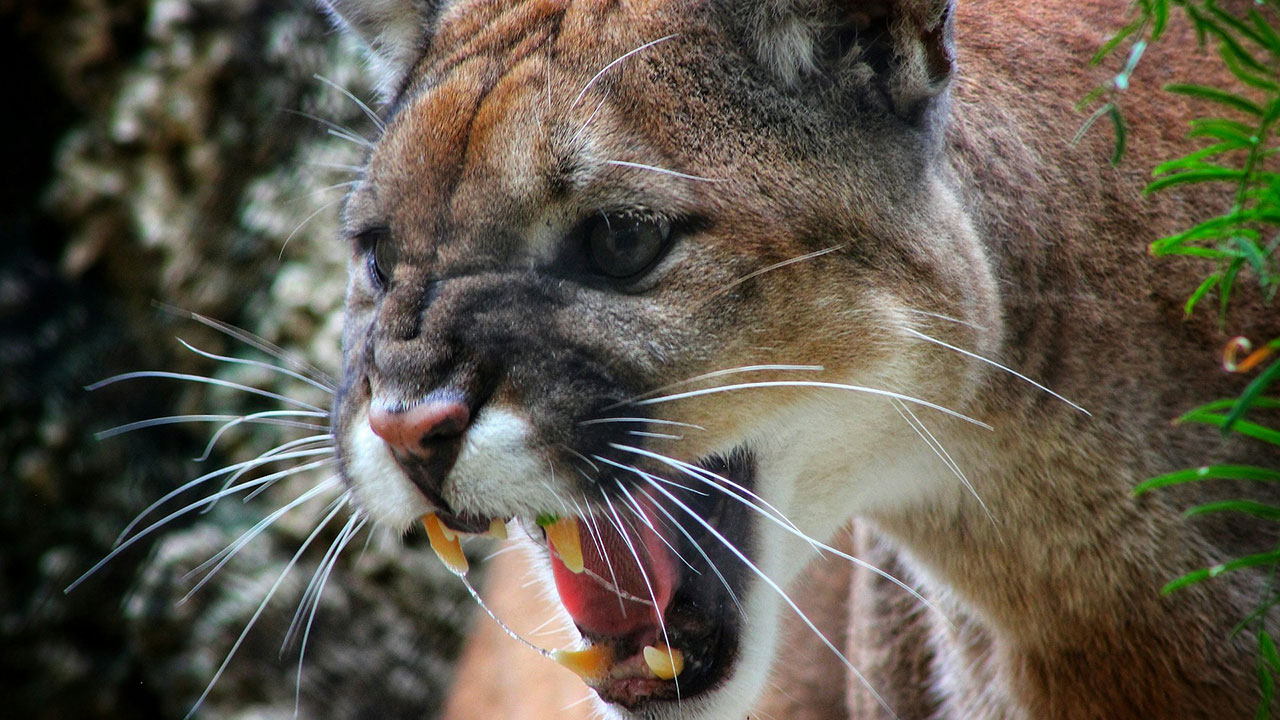
Utah’s mix of cliffs, canyons, and pinyon-juniper gives lions the kind of terrain they love — broken sightlines and lots of places to disappear. Public land is everywhere, and cats will run the edges of washes and slickrock transitions where tracks stamp in just enough dust to show. Deer and elk winter range can be a magnet for them, and that’s where a lot of track stories start.
If you’re hunting here, especially on the big public units, you’ll notice how often lion sign shows up near game trails that pinch through saddles and rimrock. One day it’s quiet, the next day you’ve got a fresh print line crossing your boot track from the morning. That doesn’t mean you’re being stalked, but it does mean lions are using the same travel lanes you are.
Arizona
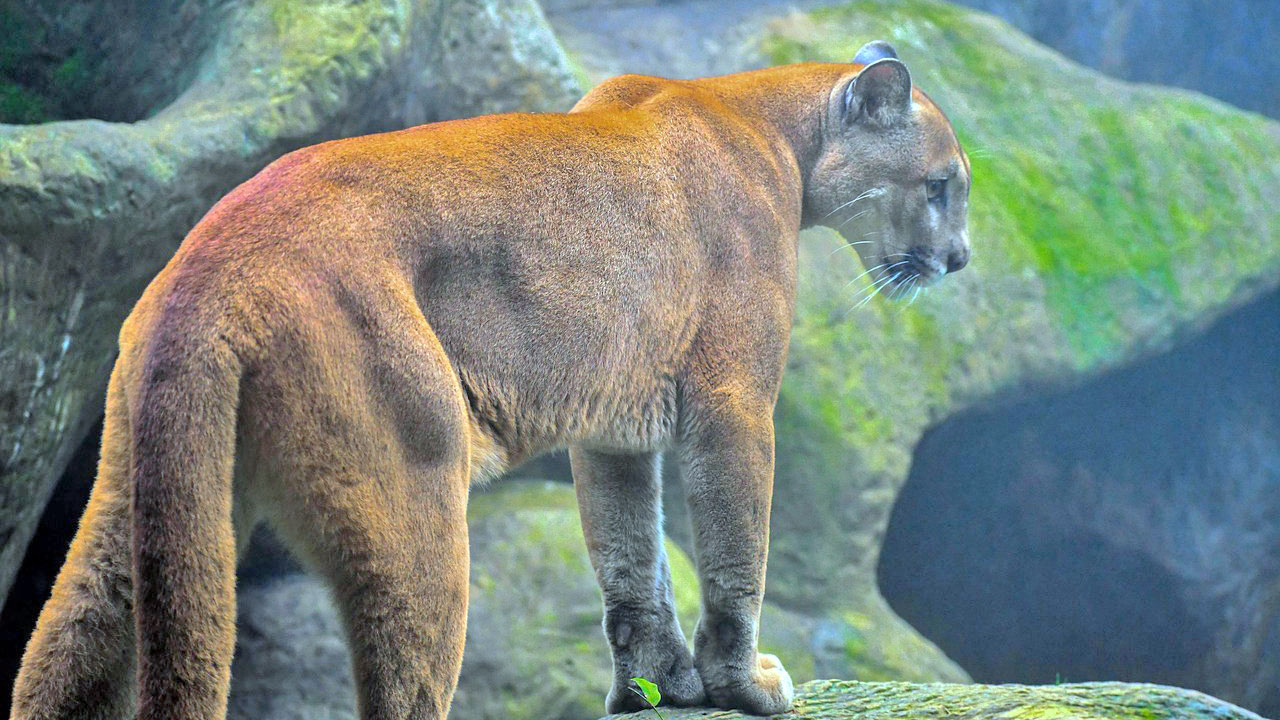
Arizona has serious lion habitat, and the public land options are massive — from higher-elevation forests down to desert foothills where they cruise the cuts and arroyos. Tracks show up in sandy washes, especially after a light rain that firms up the ground just enough to hold detail. People picture lions as “deep mountain” animals, but they’ll absolutely work the edges where prey and cover meet.
On public ground, the best places to look are the low-traffic connectors: the quiet drainages between road systems, the brushy saddles, and the canyon floors that act like natural funnels. Lion prints in sand can look almost too perfect — round, heavy, and clean. If you find a line of them, check spacing. A lion walking has a different rhythm than a dog wandering and sniffing.
New Mexico

New Mexico has the kind of big, open public land where a lion can travel a long way without hitting much pressure. Between national forests, wilderness areas, and BLM, there are plenty of places where track sign shows up more often than people admit — especially in soft dirt along two-tracks and dry creek bottoms. Mule deer numbers and terrain features line up well for lions here.
What surprises folks is how often lion tracks show up near human access points, not because lions “like people,” but because roads and trails often follow the same easy travel routes animals use. A cat can cut a road, leave a clean print in dust, and be gone into cover in ten seconds. If you hunt quiet pockets off the beaten path, you’re in the kind of country where tracks are a normal thing.
Nevada

Nevada gets underrated for lions, mostly because people think “desert” and assume nothing big lives there. But Nevada’s got mountain ranges stacked across the state, tons of rugged breaks, and a lot of public land. Lions use those ranges like stepping stones, and tracks show up in sandy passes, on ridge-top roads, and around springs where game concentrates.
On public land here, water changes everything. Any seep, spring, or guzzler area can turn into a traffic hub for prey — and that draws predators. Tracks around damp ground near water sources can be some of the easiest to read. If you find fresh sign, don’t panic, but don’t ignore it either. Adjust how you move, keep your head up, and don’t let kids or dogs roam wide.
Idaho

Idaho is classic lion country: steep timber, broken canyons, and lots of deer. Public land is everywhere, and in winter the snow makes track sign obvious. Lions follow ridges and creek bottoms, and you’ll see prints crossing snowmobile routes, logging roads, and tucked-away trails that hunters use to cut distance.
If you’re trying to read sign, Idaho is one of the best places to learn because you get clean snow conditions in many units. A lion track line tends to be direct, often in a straighter path than a dog would take. You’ll also see places where the cat stepped in the same packed trail you did — not because it’s following you, but because packed paths are efficient travel.
Montana

Montana has lions across a lot of the state, especially where elk and deer numbers stay strong and terrain gives cats cover. Public land in the west and central parts of Montana is the kind of place where a lion can live unnoticed — and the sign shows up in snow, mud, and sandy creek edges depending on the season. Hunters stumble into tracks all the time while cutting sign for ungulates.
A big tell in Montana is finding lion tracks near steep breaks that overlook feeding areas. Lions hunt from advantage: they like to watch, move quietly, and close distance without being seen. If you’re seeing multiple track sizes in the same drainage, that can mean a female with a young cat or just different travelers using the same corridor days apart. Either way, it’s more common than most folks think.
Wyoming

Wyoming is wide open in spots, but the mountain and foothill systems create prime lion structure — ridges, draws, and timber fingers that let cats move without being spotted. Public land access is plentiful, and tracks often show up where terrain pinches movement: saddles between ridges, narrow canyon bottoms, and snowy bench trails.
In winter, when prey stacks into predictable zones, lions do too. That’s when people start finding fresh prints on two-tracks and in timbered drainages. If you run trail cameras for deer, Wyoming is one of those places where a lion photo isn’t rare — it’s just not something folks post about every time it happens. Tracks are the same way: normal, but still worth respecting.
Oregon

Oregon has thick cover, steep country, and tons of public land — a strong combo for lions. In coastal ranges and forested zones, you’ll get tracks in mud along logging roads and wet trails where the print holds shape. People hike these areas constantly, and lions still operate there because they can vanish in brush in seconds.
The other piece is prey density. Where deer are thick, lions don’t have to travel as far to make a living, which means you can find sign in surprisingly small public parcels. Tracks crossing a road in Oregon often show up as one clean “stamp” in soft mud and then nothing — like the animal just evaporated. That’s how they move. Quiet, quick, and usually out of sight.
Washington

Washington’s west side is dense and wet, and the east side has mixed timber and breaks — both work for lions. Public land is widespread, and tracks show up most clearly in snow on the east side and in mud on the west side. The big thing in Washington is how close lions can operate to heavily used recreation corridors without being detected.
If you’re on public land with deer trails cutting across a hillside and thick cover below, you’re in the kind of setup lions like. Tracks in Washington can be tough to hold detail because of rain, but when you get a crisp print in a muddy two-track, it’s worth studying. Look for that big heel pad and the overall round shape. Don’t jump straight to conclusions, but don’t shrug it off either.
Texas

Texas is complicated because the state is huge and reports aren’t always verified, but lions are real in West Texas, and there are public lands where sign turns up — especially in rugged, remote country. Tracks can show in sandy soils and rocky washes where the print holds better than you’d expect. People who spend time out there see sign more than folks in town realize.
The smart approach in Texas is treating tracks like a “maybe” until there’s a reason to believe otherwise — clear print detail, multiple signs in the same area, or supporting evidence like scat or a trail-cam hit. A lot of prints get called “lion” that aren’t. But if you’re on public ground in lion country out west, it’s not crazy at all to find real cat sign.
South Dakota

South Dakota isn’t the first state most people think of, but the Black Hills area and connected corridors have had credible mountain lion activity for a long time. Public land in and around those zones gives lions cover, prey, and travel routes. Tracks show up in snow and in soft ground along trails where people hike and hunt.
What makes South Dakota interesting is how concentrated the habitat can be in certain regions. You’re not talking “statewide lion density,” but you are talking about pockets where sign shows up often enough to be taken seriously. If you’re hunting deer on public land in these areas, finding tracks isn’t a once-in-a-lifetime thing. It’s more like, “Yep, they’re here again.”
Nebraska

Nebraska sees a lot of transient lion movement — cats passing through, following river corridors, and using habitat strips that connect bigger systems. Public land along river bottoms and rougher breaks can hold sign, especially where deer are thick. Tracks in sandy river edges and muddy access roads are the usual way people notice it.
This is one of those states where you shouldn’t assume “resident population everywhere,” but you also shouldn’t assume it’s impossible. A traveling lion can leave sign in one county, then be gone for good — or show up again months later. On public land, the places to watch are natural travel corridors: creek bottoms, brushy edges, and any ground that connects cover to food.
Kansas

Kansas is another state where confirmed reports exist, and wildlife officials have documented mountain lions over time. A lot of the state is open, but river corridors and rougher habitat chunks create travel lanes. Public land near those corridors is where tracks can show up, usually in sandbars, muddy edges, or soft dirt after rain.
Kansas is a good reminder that lions don’t need “mountains” to move. They need cover, prey, and a route. If you find big cat-looking tracks on public land here, treat it seriously enough to pay attention — but don’t turn it into a campfire legend without proof. Track ID matters. So does being honest about how often big dogs can fool people in soft ground.
Like The Avid Outdoorsman’s content? Subscribe to our newsletter so you never miss an article.
Here’s more from us: