Photo credit: Dario Lo Presti/Shutterstock.com
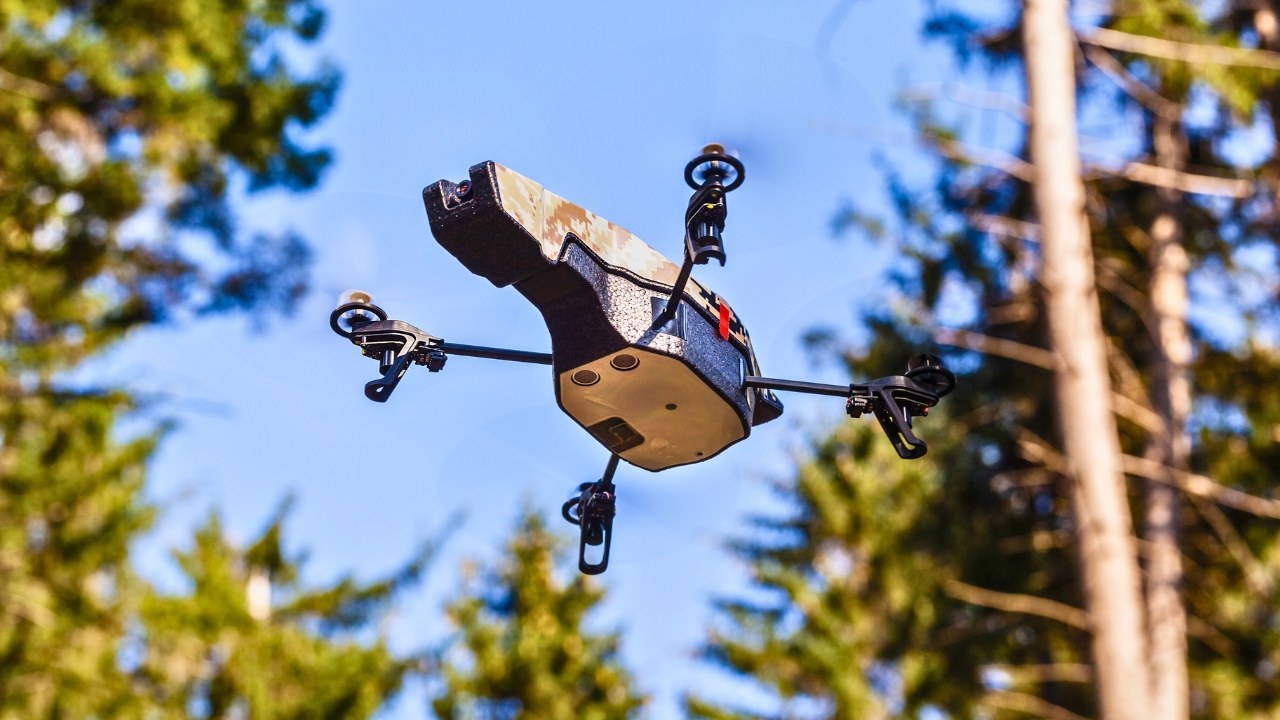
Illinois officials are spelling it out for you this deer season: if you bring a drone into the hunt, you are stepping over a legal line. Even as consumer quadcopters and mapping apps become standard gear in trucks and garages, the state is tightening its message that high tech cannot be used to scout, chase, or recover deer.
The result is a collision between fast-moving gadget culture and a slower, more traditional idea of fair chase. If you hunt in Illinois, you are expected to leave the unmanned aircraft at home, understand exactly where the law draws that boundary, and recognize that “just trying to help” with a drone can still get you cited.
Illinois’ hard line on drones in the deer woods
When you buy a tag in Illinois, you are stepping into one of the country’s most heavily regulated deer hunting environments, and drones sit squarely on the wrong side of that rulebook. The state’s wildlife managers have made it clear that using unmanned aircraft to locate, drive, or recover deer is unlawful, regardless of whether you are flying a budget hobby drone or a high-end camera platform. That position is rooted in the broader identity of Illinois as a major whitetail destination that still expects you to rely on woodsmanship rather than remote sensors.
State officials have not left much wiggle room in their public statements. In a reminder directed at hunters, the Illinois Department of Natural Resources has stressed that “the use of drones for hunting is unlawful in Illinois” and that it conflicts with the spirit of fair chase and widely accepted ethical standards, language that appears in a formal drone use notice. That framing matters, because it signals that the state is not treating drones as a gray area or a minor equipment violation, but as a direct challenge to how the hunt itself is supposed to work.
What IDNR is telling you before you head out
In the runup to firearm and muzzleloader seasons, the Illinois Department of Natural Resources has been unusually explicit about what you can and cannot bring into the field. As Illinois deer hunters head out from Springfield and small towns alike, IDNR has urged you to be “mindful of technology use in the field,” a phrase that covers everything from unmanned aircraft to e-bikes and artificial intelligence tools. The agency’s outreach is not subtle, and it is designed to reach you before you load the truck, not after a conservation officer finds a drone in the back seat.
One statewide reminder notes that the Illinois Department of Natural Resources is calling attention to the use of unmanned aircraft in these situations and that the use of drones for hunting is prohibited under the Illinois Wildlife Code, specifically 520 ILCS 5/1.20. In Springfield, IL, that message has been repeated in notices that open with “Springfield, IL – As Illinois deer hunters head into the field, the Illinois Department of Natural Resources (IDNR) cautions hunters to be mindful of technology use in the field,” explicitly tying the warning to unmanned aircraft in these situations through a public reminder.
The legal backbone: Illinois Wildlife Code and fair chase
Behind the blunt messaging sits a detailed legal framework that you are expected to know. The Illinois Wildlife Code spells out what counts as legal assistance in taking wildlife and what crosses into unfair advantage, and drones fall into the latter category. The same code that governs your season dates, tagging rules, and weapon choices also treats unmanned aircraft as prohibited devices when they are used to locate or harass game.
Hunters are advised to review the Illinois Wildlife Code and the specific sections that address technology, including provisions that reference 520 ILCS 5/1.20 and 520 ILCS 5/1.2o, before they head into the field, guidance that is spelled out in a statewide technology reminder. Another notice aimed directly at you states that Hunters need to familiarize themselves with the Illinois Wildlife Code and follow legal requirements, pointing you to the Hunting and Trapping Digest as a practical reference, a point reinforced in a separate advisory.
“Unlawful” means more than a slap on the wrist
When IDNR officials say the use of drones for hunting is unlawful, they are not talking about a friendly warning and a handshake. You are looking at potential citations, fines, and the loss of equipment if you decide to fly a quadcopter over a cornfield to glass for deer. The agency has been clear that enforcement is part of the strategy, not an afterthought, and that conservation police will treat drone misuse the same way they treat other serious violations of the Wildlife Code.
One statewide alert framed the issue in stark terms, noting that IDNR WARNS HUNTERS: DRONES, E-BIKES, AND AI USE PROHIBITED FOR HUNTING and that violations can lead to equipment seized and potentially forfeited, a consequence that applies directly to your drone, controller, and related gear if they are used unlawfully, as spelled out in a public warning. A separate rundown of what you need to know for the 2025 deer hunting season in Illinois reinforces that you cannot use a drone for hunting and that doing so can result in forfeiture of unlawfully used equipment, a point highlighted in a season preview that treats drone penalties on par with other major violations.
Why “just recovering a deer” still crosses the line
Many hunters assume the law only cares about drones used to actively chase or push deer, but Illinois has made it clear that even recovery flights are off limits. If you shoot a buck at last light and lose the blood trail, you might be tempted to send a drone with a thermal camera over the timber to locate the carcass. Under current guidance, that is still considered using an unmanned aircraft in connection with hunting, and it is treated as a violation rather than a rescue mission.
State reminders aimed at As Illinois deer hunters head into the field emphasize that the Illinois Department of Natural Resources (IDNR) cautions hunters to be mindful of technology use in the field and that this includes the use of unmanned aircraft in these situations, language that explicitly covers recovery scenarios in a public notice. Another statewide message framed the issue more broadly, explaining that the use of unmanned aircraft for hunting is unlawful in Illinois and that it undermines the spirit of fair chase and widely accepted ethical hunting practices, a stance reiterated in a Dec statement that leaves little room for “recovery only” exceptions.
Technology creep: e-bikes, AI, and the rest of your kit
Drones are the headline, but they are not the only gadgets that can get you in trouble if you treat the deer woods like a tech lab. IDNR has bundled unmanned aircraft into a broader warning about e-bikes, artificial intelligence tools, and other devices that can tilt the odds too far in your favor. If you rely on an electric bike to access closed areas or an AI-powered app to interpret regulations on the fly, you are stepping into territory that regulators are watching closely.
One advisory from Springfield, IL (CAPITOL CITY NOW) notes that as hunters prepare for the second firearm deer season of 2025 and additional hunting opportunities, IDNR warns to be cautious using technology while hunting this deer season and explicitly references Springfield, CAPITOL, CITY, NOW in its dateline while pointing out that A.I. tools are not a substitute for reading the law, a point captured in a technology warning. Another reminder framed under As Hunting Season Continues, IDNR Reminds Hunters Of Technology Rules stresses that the use of unmanned aircraft is prohibited because it undermines the spirit of fair chase and it undermines the sporting element, language that is part of a broader technology rules reminder that treats drones, e-bikes, and AI as part of the same ethical problem.
Ethics, “undermined” standards, and the national backdrop
Illinois is not acting in a vacuum when it warns that drones and similar tools undermine ethical standards. Across the country, wildlife agencies are wrestling with how to keep hunting from turning into a remote-controlled exercise where the animal has little chance to detect or evade the hunter. If you rely on a drone to locate every buck in a section, the argument goes, you are no longer participating in a fair chase but in a kind of remote surveillance that strips away the sporting element.
That concern is echoed in a broader report that describes how State officials ban residents from using controversial hunting tactics because such methods “Undermines … ethical standards” and remove the sporting element by stacking the odds in favor of the hunter, language that appears in a national overview of controversial tactics. The same logic shows up in Illinois-specific guidance that says the use of unmanned aircraft for hunting is unlawful in Illinois and that it undermines the spirit of fair chase and widely accepted ethical hunting practices, language that is repeated in both statewide IDNR notices and local reminders to hunters.
Legislative crosscurrents: HB1462 and the push to legalize some flights
Even as IDNR doubles down on its warnings, lawmakers have floated ideas that would carve out limited roles for drones in wildlife work. One proposal, IL HB1462, sits in the background of this debate and signals that not everyone in Springfield wants a blanket prohibition forever. If you follow legislative developments, you will recognize that the bill is framed as an amendment to the Wildlife Code that would allow certain uses of unmanned aircraft under strict conditions.
The bill’s summary explains that this bill amends the Wildlife Code to permit the use of unmanned aircraft (UAVs or drones) for specific purposes and that it is structured to take effect on July 1, 2025, if enacted, details that are laid out in the Introduced Session description. For you as a hunter, the key takeaway is that until any such bill actually becomes law, IDNR’s current interpretation stands, and the agency’s public statements that the use of drones for hunting is unlawful in Illinois remain the operative rule on the ground.
What other drone rules can teach you about risk
If you are tempted to treat the deer woods as a private airspace, it is worth looking at how other jurisdictions handle drones around wildlife. Federal land managers have already seen what happens when quadcopters buzz nesting sites or harass animals, and the penalties can be steep. The pattern is clear: when drones collide with wildlife protection rules, regulators respond with fines, confiscations, and in some cases criminal charges.
One overview of drone flying in national parks notes that these are not just sad stories, they are violations of wildlife protection laws that can come with hefty penalties, including fines and potential bans from certain areas, a warning that mirrors the tone Illinois is taking with its own drone flying restrictions. When you combine that national backdrop with Illinois-specific statements that the use of drones for hunting is unlawful in Illinois and that it undermines the spirit of fair chase, the message is consistent: if you mix drones and wildlife in regulated settings, you are inviting more than a friendly lecture from an officer.
Like The Avid Outdoorsman’s content? Be sure to follow us.
Here’s more from us: