Photo credit: Frank Cone/Pexels.com
Small-game hunting is one of the best ways to stay sharp all year without needing a giant lease, a fancy travel plan, or perfect conditions. It’s also where a lot of states quietly shine because they’ve got the right mix of habitat, long seasons, and public access—but they don’t get talked about as much as the “big name” bird states. These are the places where you can still put together a real hunt on a random Saturday, learn a new piece of ground, and come home with something for the skillet, even if you don’t own a dog or have a crew to run with.
Arkansas

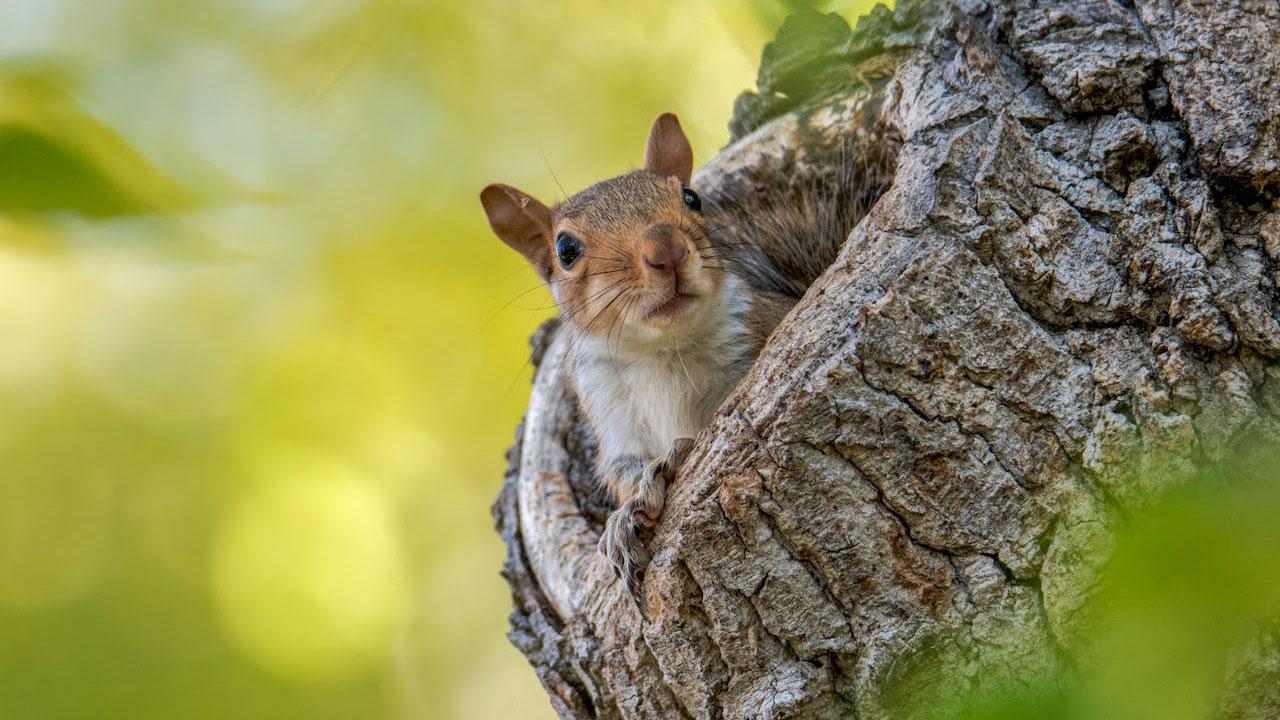
Arkansas is one of those states people sleep on until they actually hunt it. The squirrel hunting alone can keep you busy for a big chunk of the year, and the state agency points out the season is open nearly year-round with “plenty of public hunting opportunities.” That matters because you can scout like a deer hunter and still be hunting the whole time—oak flats, creek bottoms, and hardwood ridges are classic setups where a slow walk and a patient sit both work. Arkansas also has good rabbit hunting, and when you start mixing in public land options and long windows to hunt, it turns into a state where you can build a whole small-game routine without feeling rushed.
Kentucky
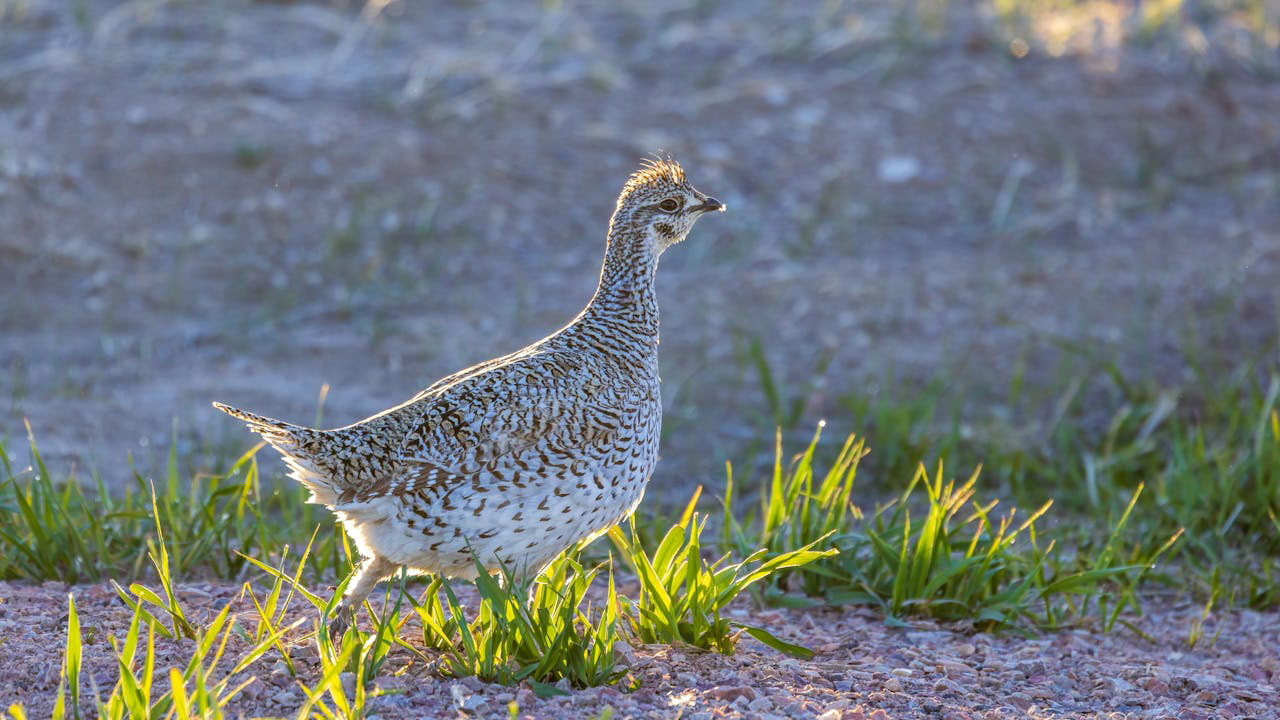
Kentucky doesn’t always get credit for how fun its small-game mix can be, especially for a guy who likes variety without having to travel far. Kentucky Fish and Wildlife flat-out lists squirrels, rabbits, bobwhite quail, and grouse under its small-game umbrella, which gives you a pretty wide menu depending on where you hunt and what kind of cover you’ve got. The overlooked part is how “normal” the habitat is—woodlots, creek edges, cutovers, brushy fence lines—stuff you can find close to home. It’s a strong state for taking new hunters too, because you can run it simple: a .22 or a shotgun, a vest, and a plan to cover ground slow and steady.
Tennessee

Tennessee is sneaky good because it’s an “edge habitat” state in the best way—hardwoods into fields, thick creek bottoms, cutovers, overgrown corners, and plenty of public-land options if you’re willing to walk a little. The small-game appeal here is that you can hunt different terrain in the same weekend without crossing state lines, and a lot of it is classic rabbit-and-squirrel country that rewards hunters who actually pay attention to food sources and cover. The other reason it’s overlooked is perception: people think “Tennessee hunting” and immediately jump to deer and turkey. But if you like roaming ridges, slipping through bottoms, and taking what the woods give you, Tennessee can keep you in the game all season.
Alabama

Alabama doesn’t get the spotlight for small game, but it’s built for it—long warm seasons, thick cover, and plenty of mixed timber/ag edges where squirrels and rabbits live year-round. The overlooked advantage is consistency. You don’t need perfect weather, and you don’t need a dog to have a good day. A lot of Alabama success comes down to hunting the right transitions: hardwood pockets that hold acorns, creek corridors that funnel movement, and brushy cuts where rabbits hide tight. If you’ve got permission on even a modest piece of ground, you can hunt it like a system—rotate spots, keep pressure light, and treat it like a long season instead of a one-weekend event.
Georgia

Georgia is one of those states where small game is right there, but people act like it’s not because deer culture is so loud. The truth is Georgia has a pile of workable cover for rabbits and squirrels—pines, hardwood drains, overgrown lots, creek edges, and the kind of mixed timber that makes a slow hunt feel productive. The other underrated thing is how many “in-between” places exist: small woodlots tucked behind farms, ditches, powerline edges, and public parcels that don’t look exciting on a map but hunt great once you learn them. If you like a hunting style where you’re moving, reading sign, and making quick decisions, Georgia small game will scratch that itch.
North Carolina

North Carolina is overlooked mostly because it’s a state with so much going on (coast, piedmont, mountains) that people don’t realize how many small-game options that creates. You can hunt thick creek-bottom woods one weekend and then hit cutovers and mixed timber the next, and you’ll still be in rabbit-and-squirrel country if you’re picking the right cover. The practical advantage here is you can hunt small game without needing a big “trip.” You can hunt it locally, learn a few reliable spots, and build a routine around weather changes and food cycles instead of waiting on one magic weekend.
Virginia

Virginia is another one where small game doesn’t get the credit it deserves because big-game talk dominates. But Virginia has a strong mix of hardwoods, brushy edges, and rolling farm country that sets up well for classic small-game hunting—especially if you enjoy hunting “soft edges” like field corners, creek lines, and thick transition strips. It’s also a state where you can hunt small game as a skills-builder: quiet walking, spotting movement, reading mast, and slowing down when you hit the right sign. If you want hunting that feels earned, Virginia will give you plenty of that.
West Virginia

West Virginia is built for the guy who likes getting off the road and letting his boots do the work. It’s steep, it’s rugged, and it’s full of timber—so small-game hunting here rewards hunters who know how to slow down and hunt terrain. The overlooked advantage is how productive “tucked away” cover can be. If you find mast trees, thick hollows, and benches that hold food, you can work a ridge system and keep bumping opportunities all day. It’s not the easiest state, but it’s a state that makes you better, and that’s why it belongs in this list.
Ohio

Ohio doesn’t get talked about like a small-game destination, but it has a ton of real-world, huntable cover: river bottoms, mixed woods, brushy farm edges, and plenty of ground that produces when you hunt it like you mean it. The key in Ohio is ignoring the “pretty” spots and hunting the ugly ones—thick fencerows, overgrown corners, brush piles, and creek banks where rabbits and squirrels actually live. Ohio also shines for guys who want quick hunts. You can slip out for a morning, cover a couple spots, and still be home by lunch without feeling like you wasted your time.
Indiana

Indiana is another Midwest sleeper, especially if you like hunting permission ground and small parcels. A lot of Indiana’s best small-game hunting comes from simple places that get overlooked: small woodlots, drainage corridors, field corners, and the brushy edges everyone drives past. The advantage is accessibility—this is the kind of state where a guy can build a rotation of spots and keep hunting without burning any one area out. If you hunt it smart, you can treat it like a season-long project: scout for food, hit the best cover after weather changes, and keep moving until you find pockets that are holding.
Michigan

Michigan is way more than deer camps and ice fishing. The underrated small-game draw is how much “mixed habitat” you can hunt—hardwoods, swamp edges, cutovers, and big blocks of timber that can keep you busy for weeks. The overlooked part is that a lot of people don’t hunt Michigan small game hard anymore, so some areas can feel less pressured than you’d expect. It’s a great state for the guy who likes to walk and hunt all day, especially in places where mast trees and thick cover overlap. If you enjoy methodical hunting—moving slow, listening, watching—the state fits that style.
Maine

Maine is a legit small-game state that a lot of people don’t think about because it’s “far,” but if you’re the kind of hunter who wants a real change of pace, it’s hard to beat. Maine’s wildlife agency lists ruffed grouse and snowshoe hare as huntable game species, and that combo alone can make for a classic, boot-leather kind of hunt. The overlooked appeal is the vibe: big woods, logging roads, thick cuts, and the kind of habitat where you can hunt all day and feel like you earned every opportunity. If you’ve never followed hare tracks after a fresh snow, that’s a different kind of fun.
Vermont

Vermont doesn’t get enough love for small game because people associate it with foliage, skiing, and big woods deer stories. But that mix of hardwood ridges, brushy edges, and timber cuts creates real small-game cover if you’re willing to walk and hunt. The underrated advantage is how “huntable” it feels—quiet woods, less chaos, and plenty of spots where a patient hunter can work through terrain without feeling crowded. If you like a hunt where the day is the point—good walking, careful movement, and clean shots when they come—Vermont can be a great pick.
Idaho

Idaho is a sleeper for small game because people get distracted by the big-game reputation, but Idaho Fish and Game highlights upland-game opportunities that include cottontail rabbits and snowshoe hares, plus other small-game options depending on region. The overlooked appeal is how much public ground you can access if you’re willing to cover country, and how “trackable” the hunt can be in the right conditions. If you like hunting by reading sign—finding where animals feed, where they cross, where they hole up—Idaho gives you plenty of room to do that without feeling boxed in.
Oregon
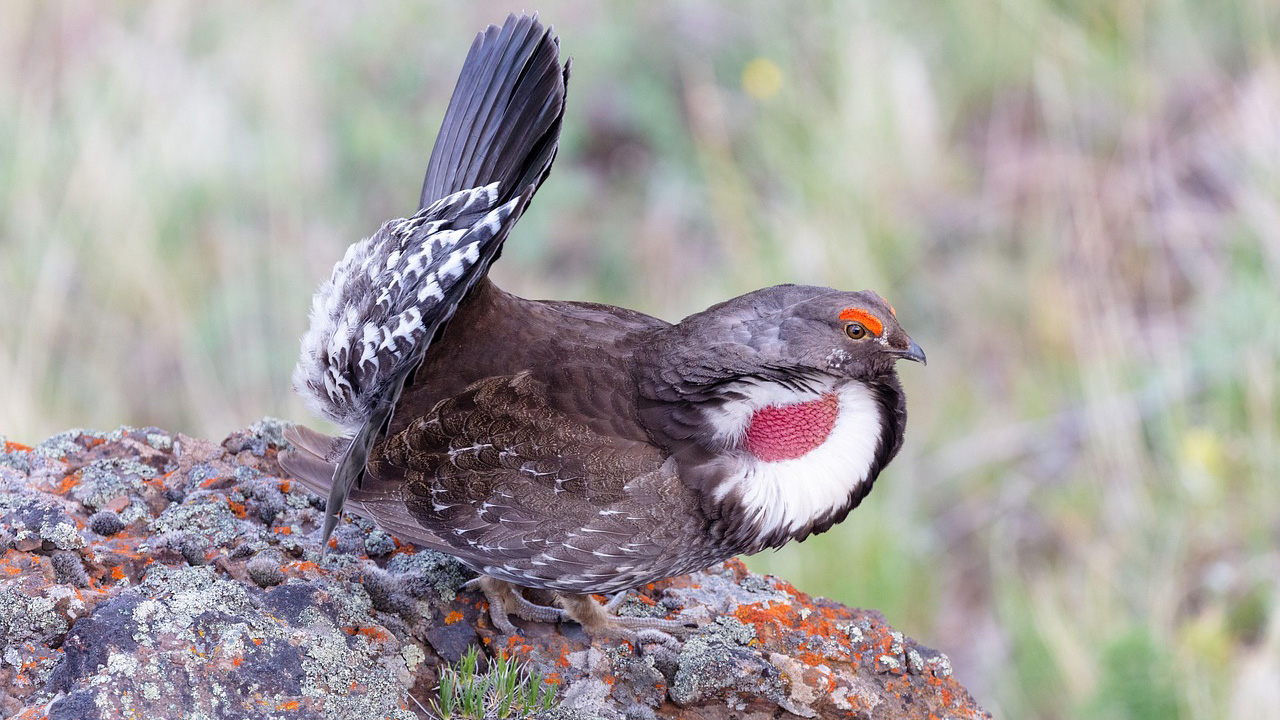
Oregon’s small-game strength is regional, and that’s exactly why it’s overlooked. People think “Oregon” and picture wet timber or big-game tags, but a lot of the best small-game days happen in overlooked zones—dry edges, brushy transitions, and mixed cover where rabbits, squirrels, and upland opportunities exist if you hunt the right spots. The underrated advantage is that you can build hunts around terrain features: creek lines, cut banks, rock piles, brushy draws—places that hold prey and create predictable movement. Oregon is a great state for a hunter who likes to scout with intent and then hunt the spots that actually make sense, not just the ones that look good on a map.
Like The Avid Outdoorsman’s content? Subscribe to our newsletter so you never miss an article.
Here’s more from us: