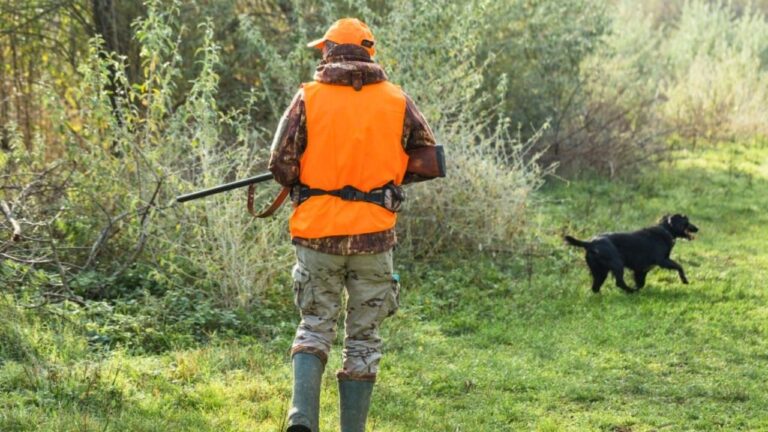
Photo credit: Dmitri T/Shutterstock.com
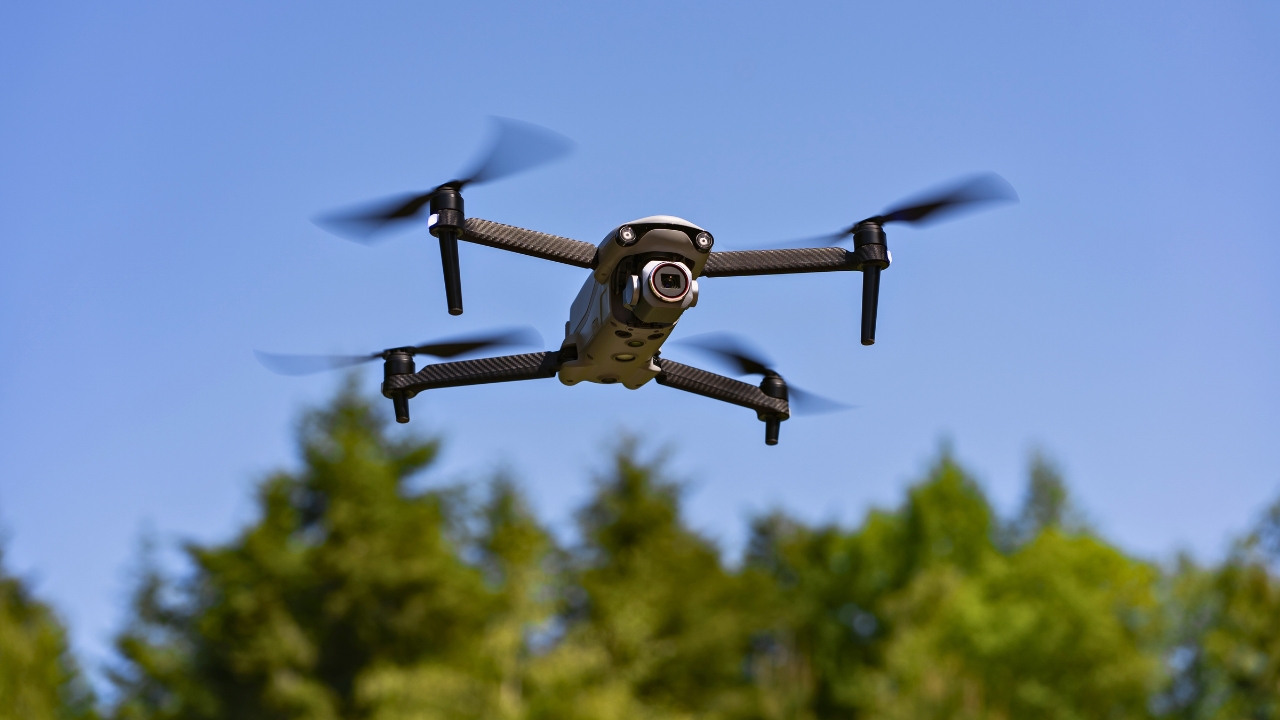
If you hunt deer in Illinois, you are living through a technological shift that is racing ahead of the rulebook. Consumer drones are cheaper, quieter, and easier to fly than ever, and you might be tempted to use one to scout a field, track a wounded buck, or check a bedding area without leaving your truck. Illinois regulators have signaled that this kind of shortcut clashes with long‑standing fair chase principles, and they are steering hunters away from airborne gadgets even when the law is not spelled out line by line.
Instead of treating drones as just another tool in your pack, you are expected to think about how they change the balance between you and the deer, how they affect other hunters, and how they fit into a broader national push to keep wildlife from being harassed from the sky. When you look at how federal agencies and other states handle drones around animals, the message is clear: if you are thinking about sending a quadcopter after a whitetail, Illinois wants you to stop and reconsider.
Illinois culture of fair chase meets modern drone tech
In Illinois, deer hunting has always leaned on a simple idea: you give the animal a reasonable chance to detect and evade you. That unwritten code shapes everything from how you talk about a successful season to how you judge another hunter’s story at the check station. When you add a drone that can hover over timber, peek into standing corn, or follow a blood trail from the air, you are no longer just reading sign and wind, you are outsourcing the hard part of the hunt to a machine.
Even when state regulations do not spell out every possible gadget, wildlife officials in Illinois frame their guidance around that same fair chase ethic. If a device lets you locate, pursue, or pressure deer in a way that the animal cannot reasonably detect or escape, you are expected to treat it as off‑limits during the hunt. That is why, when you ask whether you can use a drone to find a deer, the practical answer from Illinois is that you should not, because it cuts against the spirit of the hunt even before you get to the legal fine print.
Why Illinois is wary of airborne scouting for deer
From the state’s perspective, the problem is not just that drones are new, it is that they collapse distance and effort. A single pilot can scan multiple properties, check bedding cover, and watch deer move from food to timber without ever stepping into the woods. That kind of aerial scouting can crowd out hunters who are still glassing from fence lines or slipping along creek bottoms, and it can turn a quiet section of public land into a buzzing grid of cameras and propellers.
Illinois managers also worry about what happens when drones push deer around the landscape. If you fly low over a bedding area to see whether a buck is home, you are not just gathering information, you are changing the animal’s behavior in real time. Deer that are bumped repeatedly by drones can shift patterns, abandon traditional cover, or move onto neighboring properties, which undermines the shared resource that Illinois hunters depend on. That is why the state’s message is that if your drone is part of the hunt, you are already going too far.
Federal wildlife guidance that shapes state thinking
Illinois does not make these calls in a vacuum. Federal land managers have been wrestling with drones around wildlife for years, and their caution filters down into state conversations. At the national level, the Department of the Interior has concluded that, because of the uncertainty around the safety of drones, it will only use them for emergency situations and has made clear that recreational drone use is prohibited on national wildlife refuges, a stance spelled out in guidance on keeping wildlife safe from drones.
When a federal agency as large as the Department of the Interior decides that the safest default is to keep drones away from wildlife unless lives are at stake, it sends a strong signal to states like Illinois. That federal posture reinforces the idea that the risk of harassment, stress, and displacement is real, even if every impact has not been measured yet. For you as an Illinois hunter, it means that if a drone would not be welcome over a national wildlife refuge, it probably does not belong over your deer woods either.
How other states treat drones and hunting
If you look beyond Illinois, you see a clear pattern: states are moving to keep drones out of the hunt itself. Some have written explicit bans on using unmanned aircraft to locate or harass game, while others fold drones into broader rules against using aircraft to aid hunting. These policies are not about photography or hobby flying in the abstract, they are about stopping people from turning the sky into a live scouting platform during open seasons.
One example comes from Idaho, where state law treats drones as aircraft for wildlife purposes. Under the section labeled Idaho State Drone Laws Idaho makes it a misdemeanor to use a drone to harass, hunt, or kill wildlife, and it also bars using unmanned aircraft to assist with any part of hunting or fishing. When you see another state draw such a bright line, it underscores why Illinois officials are telling you not to lean on drones when you are after deer, even if your own code book uses different wording.
The federal Airborne Hunting Act and drones
On top of state rules, there is a federal layer that shapes how drones can be used around animals. The Federal Airborne Hunting Act was written long before quadcopters, but it still applies to any aircraft used to harass or take wildlife. Regulators have had to decide how that old language fits new technology, and their conclusions matter for anyone thinking about flying a drone while hunting or fishing.
In one formal review, officials conducted an analysis of how the Act applies to remote‑controlled devices and concluded that section 50 CFR § 19.11 (b)(2) prohibits the use of aircraft to assist in taking or attempting to take wildlife, a determination that has been applied to fishing with drones in Texas and summarized in guidance on CFR 50 19.11. When you read that kind of federal interpretation, it becomes clear that using a drone to locate or push deer in Illinois is not just a local etiquette issue, it brushes up against national rules that treat aircraft‑assisted hunting as a serious violation.
Ethical pressure from other hunters in Illinois
Even if you never see a citation written for a drone, you will feel the social pressure from other hunters long before a conservation officer steps in. In Illinois, deer seasons are crowded, and access to good ground is limited, so anything that looks like an unfair edge tends to draw sharp reactions. If you launch a drone from a parking lot on public land or buzz a timberline where others are sitting, you are likely to hear about it from the people whose hunts you just disrupted.
That peer pressure is not just about etiquette, it is about protecting the shared experience that keeps Illinois deer hunting viable. When one person uses a drone to pattern deer more efficiently, it can push animals off accessible parcels and into private refuges, leaving everyone else with empty woods. Over time, that kind of arms race erodes trust among hunters and makes it harder for landowners to welcome new people onto their property, which is why many Illinois sportsmen and women will tell you flatly that drones have no place in the deer woods.
Wildlife welfare and the unseen cost of buzzing deer
From a distance, a drone might look harmless, just a camera in the sky, but for a deer on the ground it can feel like a predator that never tires. Repeated low flights over bedding cover can spike stress hormones, interrupt feeding, and force animals to burn energy they need to survive winter. In Illinois, where harsh cold snaps and limited late‑season food already test deer, that extra pressure can be the difference between a buck making it to spring or not.
You also have to think beyond the single deer you are chasing. A drone that sweeps a marsh or river corridor can disturb waterfowl, eagles, and other species that share the same habitat. When Illinois officials talk about keeping drones away from active hunts, they are not just protecting your quarry, they are trying to avoid a cascade of disturbance across the landscape. If you care about the long‑term health of the herds and flocks you enjoy, leaving the drone in the truck is one of the simplest choices you can make.
Legal gray areas that still put you at risk
Some hunters in Illinois try to thread the needle by arguing that they are only using a drone to recover a deer after the shot, not to locate it beforehand. The problem is that, in practice, it is hard to separate those phases cleanly. If your drone helps you confirm where a wounded buck bedded, or shows you that it crossed onto a neighboring property, you are still using aircraft to aid in the pursuit of game, which is exactly the kind of conduct that regulators and federal rules are trying to prevent.
On top of that, Illinois conservation officers have broad authority to interpret behavior that looks like harassment or unfair pursuit, especially when it involves technology that was not contemplated when older regulations were written. If you are flying a drone low over deer habitat during the season, you are inviting scrutiny, and you may find yourself trying to explain your intentions in the field. Given that risk, and the clear ethical concerns, the safest legal move is to keep drones completely separate from any part of your deer hunt.
Practical alternatives that keep you on solid ground
If your interest in drones comes from a desire to be more effective or humane, you have other tools that fit comfortably within Illinois norms. For scouting, you can lean on trail cameras placed with landowner permission, glass from distant vantage points, or use mapping apps like onX or HuntStand to understand terrain and access without ever leaving the ground. Those methods still require you to read sign, interpret wind, and make decisions in real time, which keeps the hunt rooted in skill rather than remote control.
For recovery, you can call in a licensed tracking dog, enlist extra eyes from your hunting party, or grid search patiently with good lights and reflective tape. These approaches may take longer than launching a drone, but they respect both the deer and the other hunters sharing Illinois woods and fields with you. When you choose those options instead of an aerial shortcut, you are aligning yourself with the fair chase ethic that has defined Illinois deer hunting for generations, and you are keeping yourself clear of the legal and ethical tangle that comes with flying a drone over a whitetail.
Like The Avid Outdoorsman’s content? Be sure to follow us.
Here’s more from us: