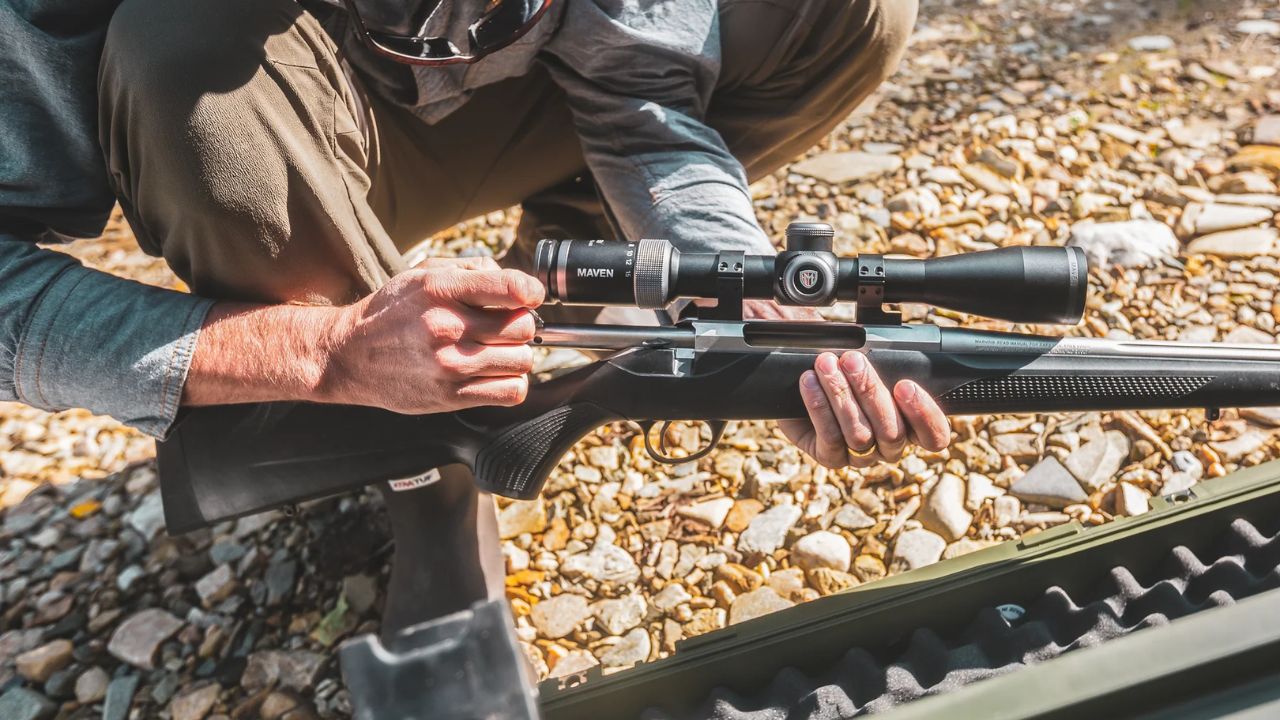
Photo credit: Maven Outdoor Equipment Company
There’s no shortage of scope options out there, from $150 budget models to $2,000 setups that promise crystal-clear views in a hurricane. But before you fork over rent money for an optic, it’s worth asking what you’re actually getting. Some premium scopes earn their price tag, others ride the brand name. Let’s cut through the marketing and talk about what makes a scope worth the money—and what features might not matter unless you’re doing something specific with your rifle.
Glass Clarity Doesn’t Always Mean Better Shots

High-end scopes usually have better glass, but that doesn’t always translate to better hits. If you’re shooting inside 200 yards, the difference can be hard to notice in real-world use.
Unless you’re hunting in very low light or need to identify tiny details at long range, a mid-tier optic might serve you just as well. Good enough glass with solid coatings often does the trick—and you might not miss the extra sharpness unless you’re comparing them side-by-side.
Tracking and Turrets Matter More Than You Think
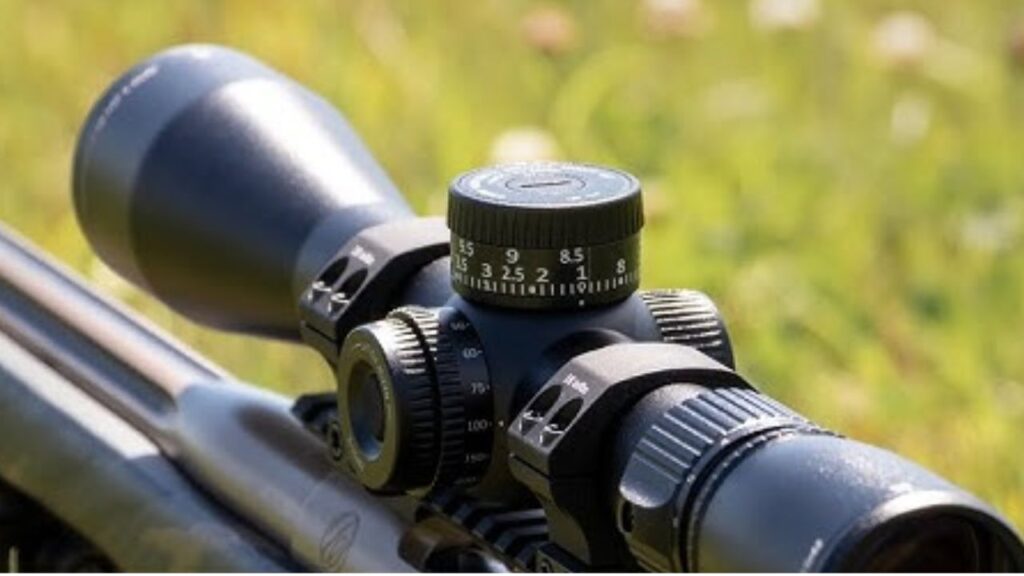
This is where premium scopes often start to pull ahead. Cheaper turrets might not track true or return to zero reliably. That’s a problem when you’re dialing for distance or changing elevation a lot.
If you’re running a setup that requires frequent adjustments—like long-range target shooting or western hunting with big elevation shifts—it makes sense to invest more here. But if your turret caps stay on all season, you might not need to overpay for precision you’ll never use.
Durability Isn’t Always Price-Based
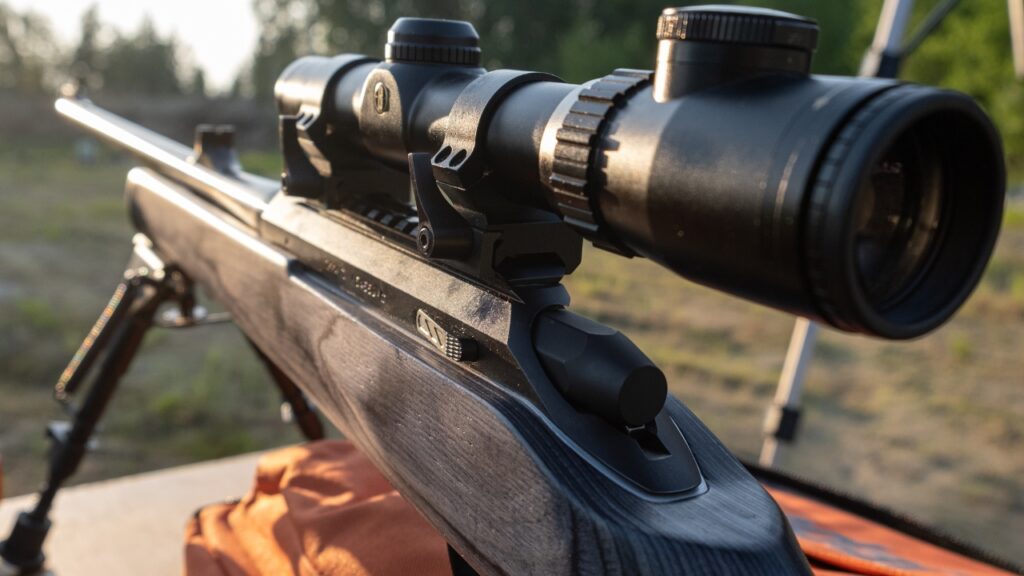
There are $1,200 scopes that baby out under recoil and $300 ones that take a beating. Durability has more to do with how it’s built than how much it costs.
Plenty of scopes in the mid-range market hold zero just fine through drops, bumps, and rough weather. Don’t assume higher price equals higher toughness. Research how a scope holds up after a season on a real rifle, not just in the product listing.
Reticle Design Can Actually Save You Time
Some higher-end scopes come with smart reticles that give you range holdovers, wind marks, and built-in adjustments. That can be a huge advantage in fast-paced or long-range shooting.
But if you’re hunting whitetail at 75 yards, do you really need a tree of holdover marks? Probably not. Simpler can be better when speed matters, and too many features can become a distraction. Spend for the features you’ll actually use, not the ones that sound fancy.
Low-Light Performance Isn’t All About Cost
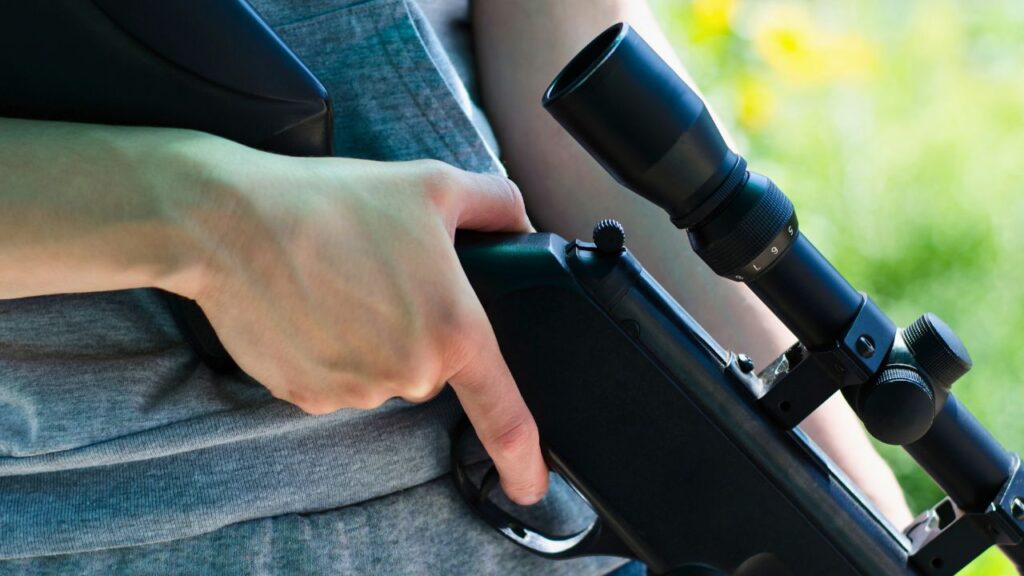
A high-dollar scope usually performs better at dawn and dusk—but not always by as much as you’d think. Some mid-tier scopes with good coatings and larger objective lenses still gather plenty of light.
Unless you’re regularly glassing in near-dark conditions or hunting right at legal light, the extra low-light edge might not justify the premium. Look for side-by-side tests and see if the difference is worth it for how and where you shoot.
Weight Can Sneak Up on You
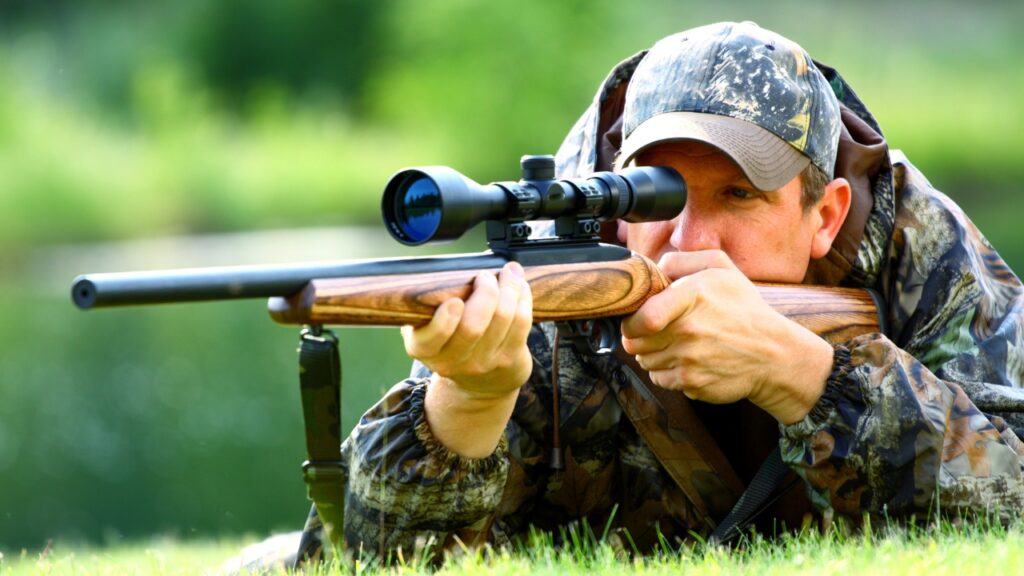
Some premium scopes come with extra glass, larger turrets, and extra features—and all that adds weight. That might not seem like a big deal until you’ve hauled it through the woods all day.
Heavier setups can throw off your rifle’s balance or make offhand shots harder. So before spending big on a top-tier optic, check how much it weighs and how it feels on your setup. Lighter doesn’t always mean cheaper, but cheaper often means simpler.
Warranty Shouldn’t Be an Afterthought
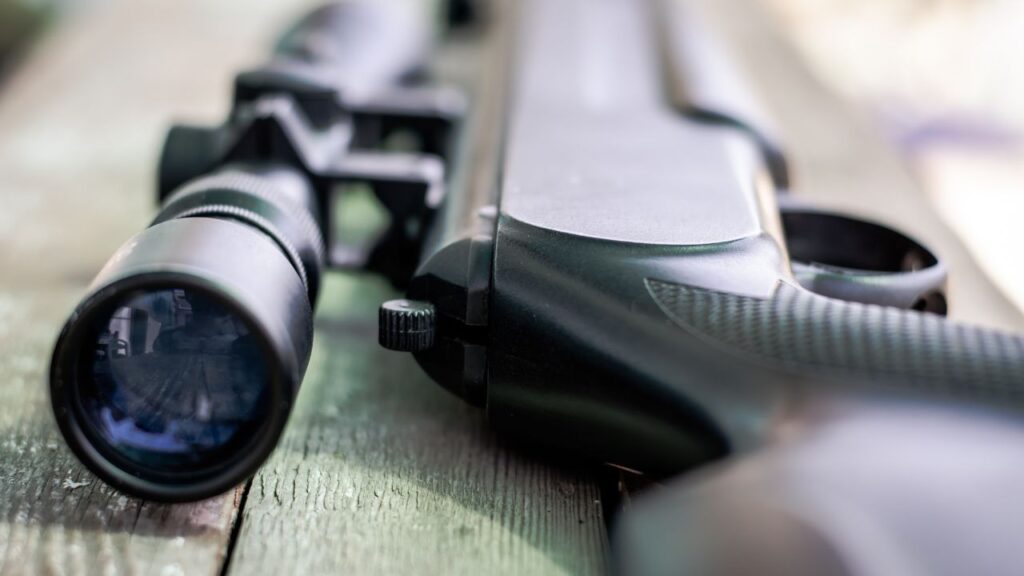
One place expensive scopes usually shine is in the warranty department. Companies like Leupold and Vortex offer lifetime guarantees, no questions asked. That adds value in the long run.
But some budget scopes offer similar coverage now, too. It’s worth checking before you buy. A decent optic with a solid warranty can last you years, even if it wasn’t top-shelf. If the scope fails, the warranty is what keeps you in the game without buying twice.
Are You Actually Pushing Your Rifle’s Limits?
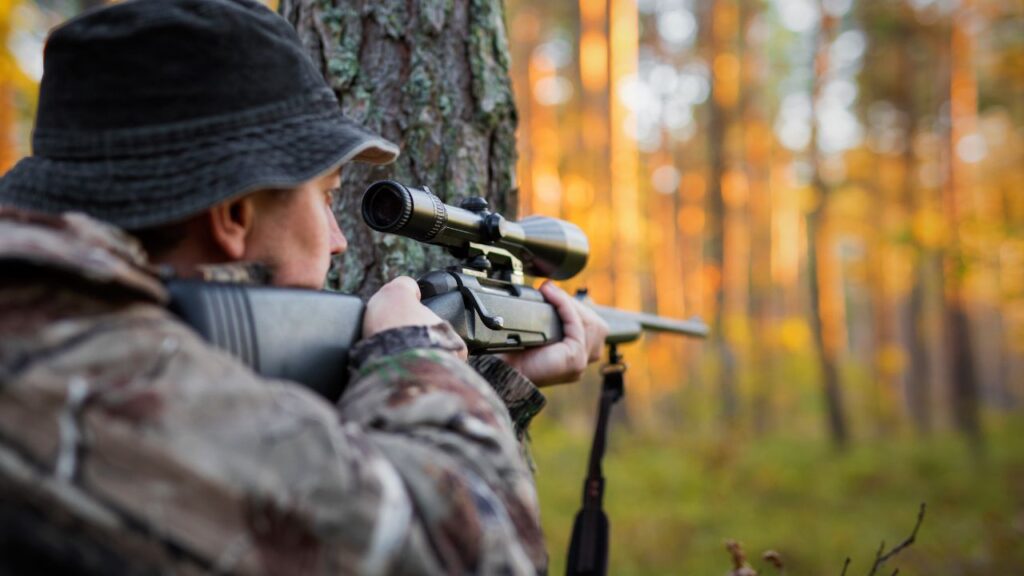
Ask yourself how far and how often you’re really stretching your rifle’s range. If most of your shots are inside 100 yards, you’re probably not maxing out what a cheaper scope can handle.
That $1,800 optic might look great online, but if you’re never dialing for wind, range, and elevation, it might be overkill. Save your cash for ammo, training, or a better trigger—things that might actually improve your shooting more.
Mounting Quality Can Make or Break It
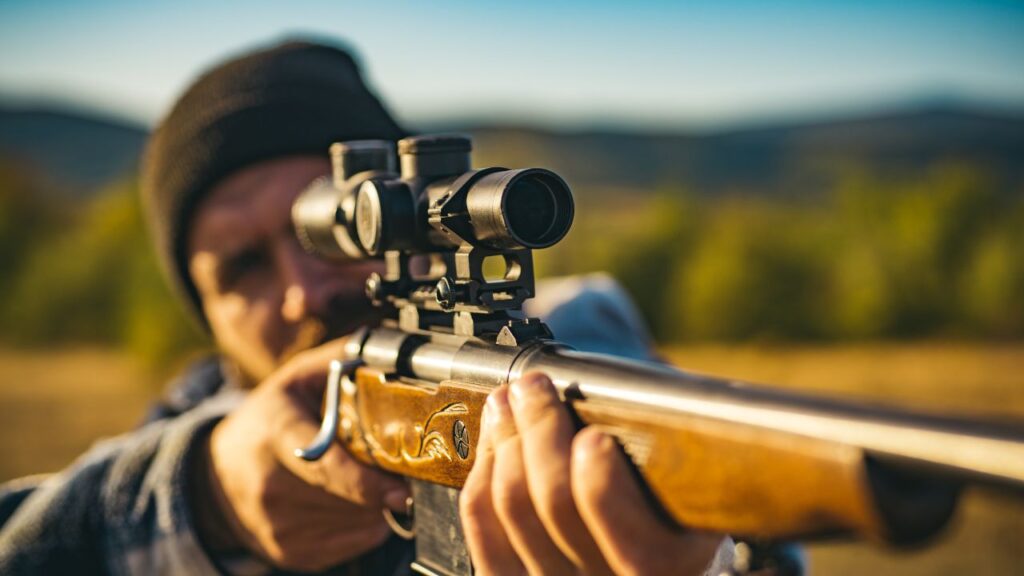
No matter what optic you buy, a poor mount will ruin your experience. If you cheap out on rings or bases, even the best glass will lose zero or shift under recoil.
Spend smart—not just on the scope, but on everything that holds it in place. You might find a mid-range optic with high-end rings outperforms an expensive scope mounted sloppy. Don’t overlook this part of the equation.
So… Is It Worth It? Depends on You
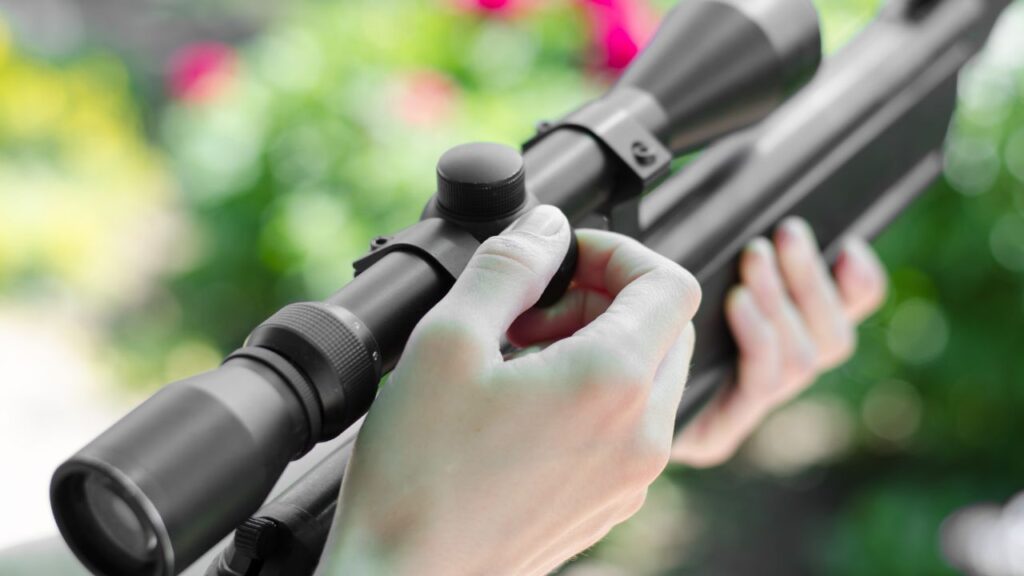
There’s no one-size-fits-all answer here. Some guys need the precision, glass, and tracking of a top-tier scope. Others are better off spending that cash elsewhere and grabbing a rock-solid mid-range option.
If you’ve got the cash and the shooting needs, go for it. But if you’re mostly sitting in a treestand or running drills at the range, there are plenty of scopes out there that’ll do the job without draining your bank account. Know what matters for your kind of shooting—and don’t pay for things you’ll never use.
*This article was developed with AI-powered tools and has been carefully reviewed by our editors.