Photo credit: Buffalo's Outdoors/YouTube
Revolvers have a reputation for being the gun that always works. You load the chambers, close the cylinder, press the trigger, and expect the thing to fire. That reputation is earned in plenty of cases, but it also makes people forget that revolvers are still machines with tight relationships between timing, heat, fouling, springs, screws, ejector rods, forcing cones, and ammunition.
A revolver can feel perfectly dependable during slow fire and still start showing its weak spots once you run it hot, shoot it dirty, reload it fast, or feed it heavy loads for a long afternoon. These are the revolvers that can seem rock-solid at first, then remind you that “simple” does not mean immune.
Smith & Wesson Model 60

The Model 60 has the right look and the right name, so a lot of shooters trust it immediately. It is stainless, compact, and easy to carry, which makes it feel tougher than it really wants to be when you start pushing it hard.
The issue is not that the Model 60 is fragile. It is that small-frame revolvers have limits. Long strings of .357 Magnum can heat it up fast, make extraction sticky, and beat on your hand enough that your shooting falls apart. With .38 Special or moderate loads, it makes a lot more sense. Run it like a duty-size revolver, and you start seeing the compromise.
Ruger LCR .357 Magnum

The Ruger LCR is a great carry revolver, especially because it is light, smooth, and easy to conceal. In .357 Magnum, though, it can make you think you bought more gun than the frame size really supports in practice.
The gun may survive the load, but your ability to run it well is another story. Heavy magnums in the LCR are sharp, loud, and punishing. After a few cylinders, grip control starts slipping, follow-up shots slow down, and extraction can get less pleasant. It is reliable in the pocket-carry sense, but not the revolver you want to pound through hard training with full-house loads.
Taurus 856

The Taurus 856 has won over a lot of people because it gives you six shots in a compact package at a price that is easier to live with. For casual carry and basic range work, plenty of examples do exactly what owners need.
Where it can get less impressive is during heavier use. Triggers can vary, small fit-and-finish issues show up faster, and the action may not feel as clean once heat, fouling, and rapid double-action shooting enter the picture. Some run fine for years, but quality consistency matters with revolvers. When a budget revolver is slightly off, hard use tends to reveal it quickly.
Colt King Cobra Carry

The Colt King Cobra Carry looks like it should be the perfect modern defensive revolver. It has the Colt name, a strong chambering, and a size that makes sense for concealed carry. It feels serious the second you pick it up.
Push it hard, and the small-frame reality shows up. The short ejector stroke can make reloads more awkward, especially when cases get warm or dirty. The trigger can feel good, but fast double-action work still demands clean technique. It is a useful revolver, but it is not magic because it says Colt. You still have to respect heat, recoil, extraction, and the limits of a compact wheelgun.
Smith & Wesson 642 Airweight
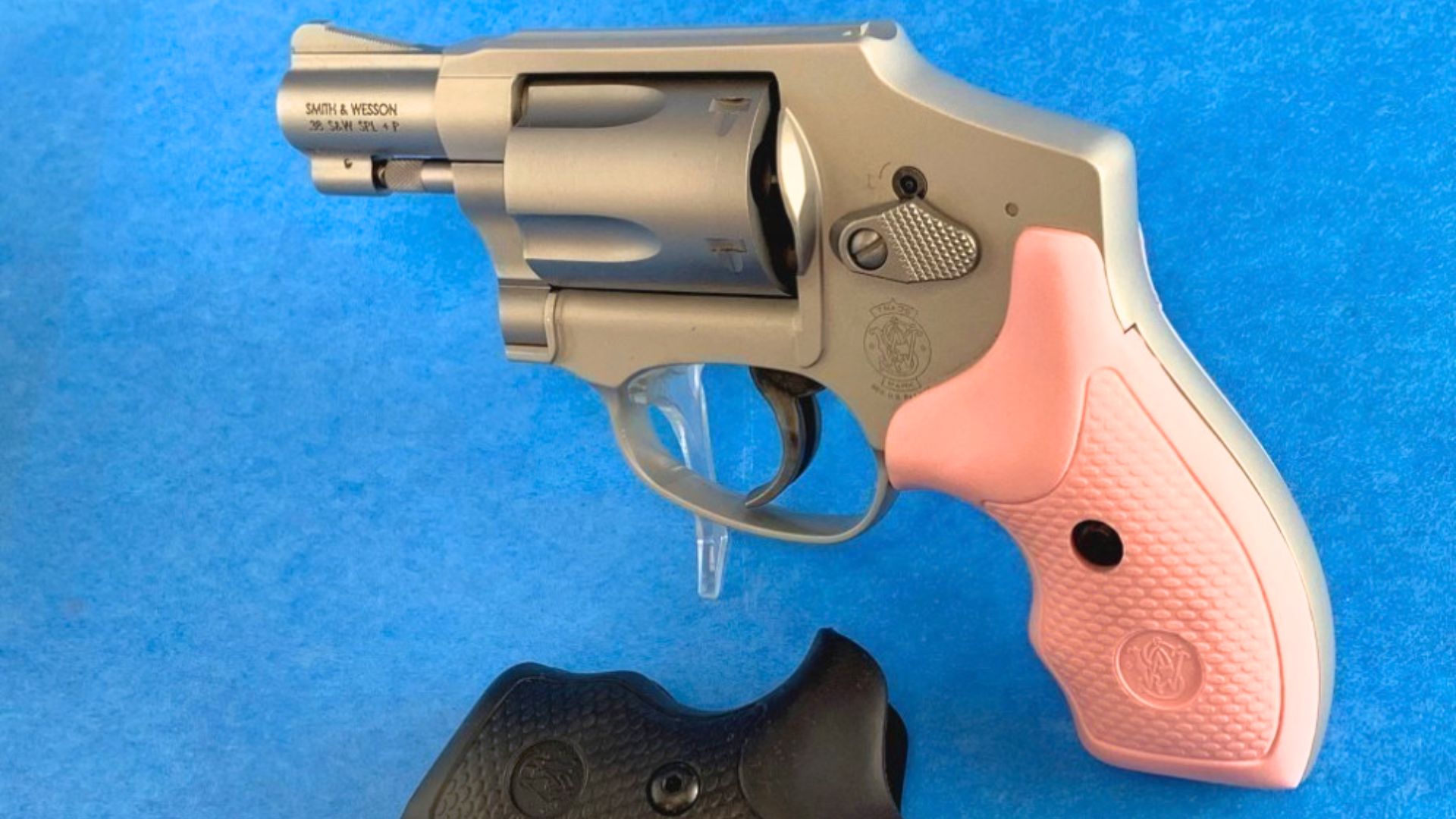
The 642 is one of the most trusted carry revolvers ever made, and for good reason. It is light, snag-free, and simple to keep on you when a larger gun would get left behind. That is its strength.
That same lightweight build becomes a problem when you actually train hard with it. The recoil with defensive .38 Special loads is sharper than new shooters expect, and the small sights do not do you any favors. After repeated cylinders, hands get tired, accuracy slips, and reloads get sloppy. The 642 is reliable to carry, but it is not forgiving when you try to run it like a range gun.
Ruger SP101

The SP101 has a tank-like reputation, and honestly, it earns a lot of it. It feels stout, locks up tightly, and handles .357 Magnum better than many smaller revolvers. That makes people assume it is nearly impossible to wear down.
The catch is that toughness does not make it fast or easy. The SP101 is heavy for its capacity, and the factory trigger can feel stiff during long double-action sessions. With magnums, the gun holds together better than your grip and trigger control might. It is reliable, but running it hard exposes how much effort it takes to shoot well compared with a smoother K-frame or larger revolver.
Kimber K6s

The Kimber K6s brought a lot of style to the small revolver market. Six shots, clean lines, good sights, and a smooth trigger made it feel like a premium answer to the old snub-nose problem.
Hard use can make the shine wear off a little. The K6s is still a compact revolver, so magnum recoil, heat, and reload speed remain real limitations. Some shooters also notice that premium fit does not always mean dirt tolerance is better. A tight revolver can feel wonderful when clean, then start feeling less graceful as residue builds. It is a nice gun, but it still has small-gun tradeoffs.
Taurus Judge

The Taurus Judge is one of those revolvers people trust because it looks intimidating. Big cylinder, .45 Colt capability, .410 shotshell compatibility, and a chunky frame give it a lot of visual confidence. At first glance, it feels like a problem solver.
Run it hard, and the compromises become obvious. The long cylinder and mixed-ammo concept do not make it a refined revolver. Patterns, point of impact, recoil, and extraction can vary depending on the load. It can be fun and useful within a narrow lane, but it is not the smooth, durable fighting revolver some people imagine. The more you train with it, the more specialized it feels.
Smith & Wesson Model 19 Carry Comp

The Model 19 Carry Comp is easy to like. It has classic Smith & Wesson appeal, a useful size, and modern touches that make it feel ready for serious carry. It also brings the old K-frame .357 conversation back into focus.
The gun can handle .357 Magnum, but that does not mean endless hard magnum use is where it shines. K-frame magnums have always been best when treated with some judgment. Fast shooting heats the gun quickly, and heavy loads are harder on both shooter and parts than .38s or mid-range magnums. It is a capable revolver, but not one you should confuse with a full-size endurance gun.
Colt Python

The Python has one of the biggest reputations in revolvers. The action, finish, balance, and name carry so much weight that people sometimes assume it can do anything better than everything else. It is a wonderful revolver, but it is not above hard-use reality.
The Python rewards clean handling and good maintenance. Run one hot and dirty, especially with heavy loads, and you may start paying closer attention to timing, cylinder drag, and how delicate a fine revolver can feel compared with a rougher work gun. The modern Python is stronger in some ways, but the lesson remains: beautiful and durable are not always the same thing.
Charter Arms Bulldog
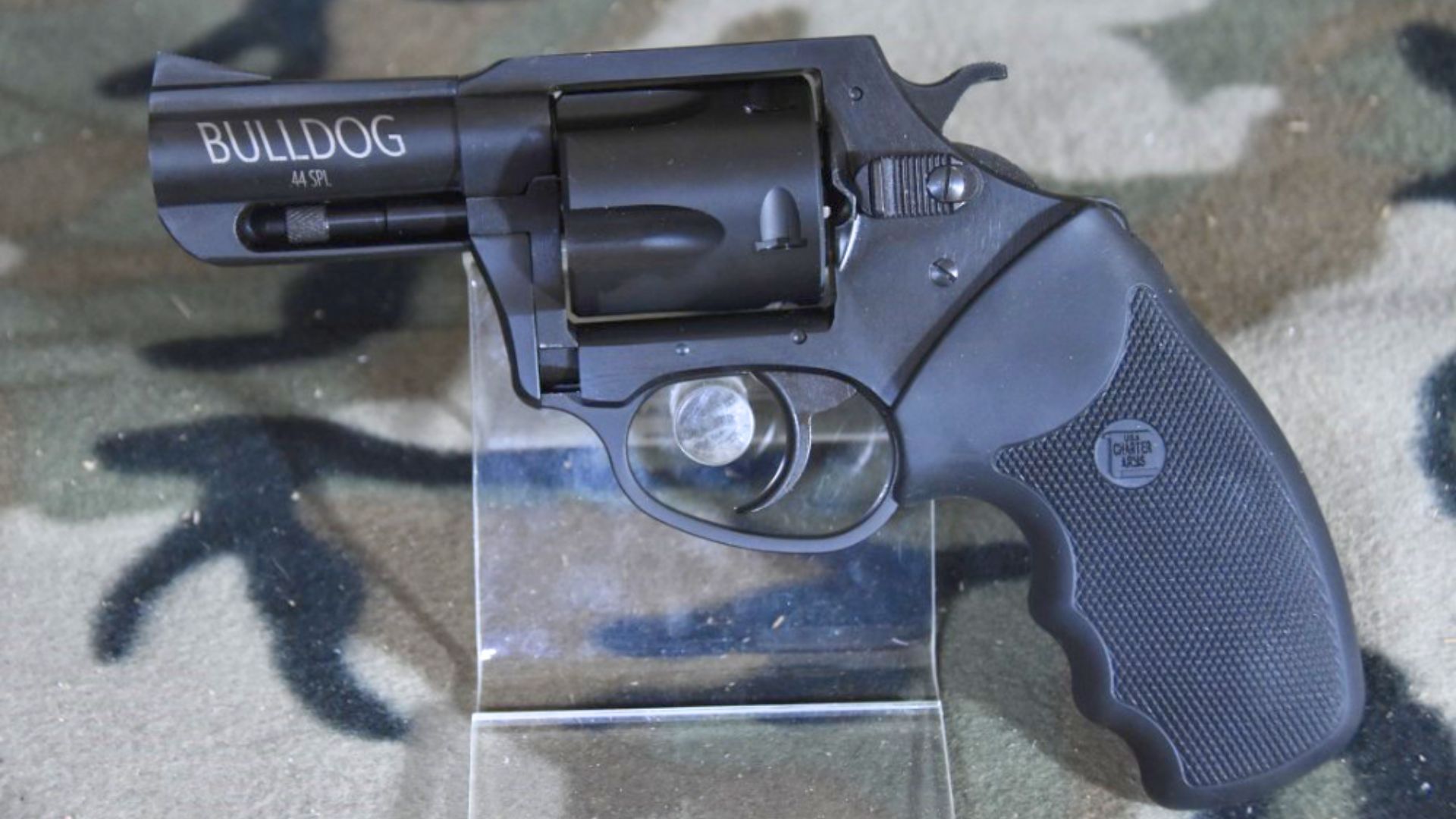
The Charter Arms Bulldog has always had appeal because it gives you .44 Special power in a small, easy-carry package. That combination sounds great when you are thinking about simple defensive use at close range.
It starts feeling less great when you shoot it a lot. The Bulldog is light for the cartridge, and recoil can get old quickly. Fit and finish are also not on the same level as more expensive revolvers, so heavy range use can expose roughness in the trigger, lockup, or extraction. It makes sense as a carry-often, shoot-enough gun. It is not the revolver you buy to run hard every weekend.
Smith & Wesson 340PD

The 340PD is one of the most extreme carry revolvers out there. It is incredibly light, chambered for .357 Magnum, and easy to forget you are carrying. That sounds like the ultimate reliable backup gun.
Then you shoot full-power magnums through it. The recoil is brutal, the blast is nasty, and most people do not want to practice with it for long. A gun you hate training with becomes its own problem. The 340PD may be mechanically dependable, but hard use is not only about whether the cylinder turns. It is also about whether you can shoot it well after the first painful cylinder.
Ruger GP100 Match Champion

The GP100 Match Champion looks like the revolver that should solve nearly everything. It is strong, heavy enough to manage recoil, and tuned better than the standard duty-style GP100. A lot of shooters expect it to be nearly boring in its reliability.
It usually is, but hard use can still expose weak points. Screws can loosen, fouling under the extractor star can cause problems, and rapid-fire heat can make extraction less smooth with certain loads. The GP100 is tougher than most revolvers in its class, but even it needs attention when you shoot it hard. Its reliability is real, but not maintenance-free.
Rock Island Armory M200

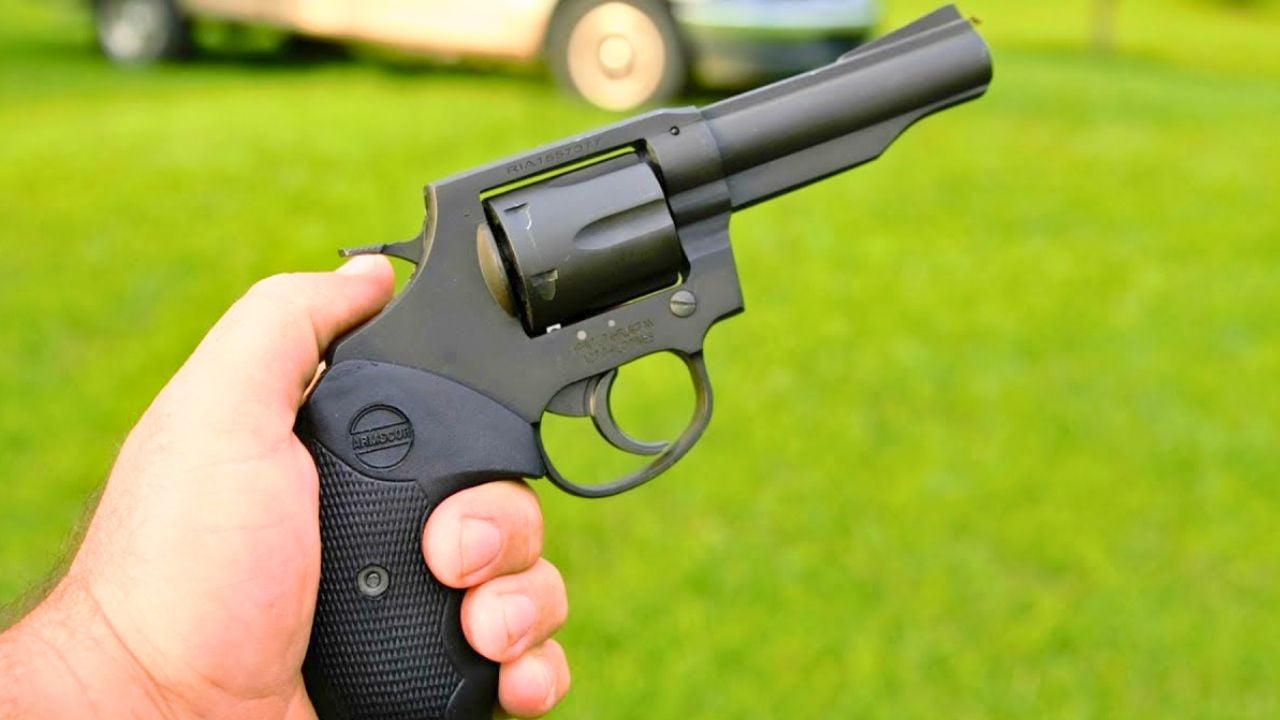
The RIA M200 attracts buyers because it is affordable, simple, and chambered in .38 Special. For someone wanting a basic revolver without spending Smith & Wesson or Ruger money, it can seem like a smart practical choice.
The problem is that low-cost revolvers have less room for sloppy manufacturing. Revolvers depend on timing, lockup, cylinder alignment, and trigger consistency. If those details are rough, hard use makes them more obvious. The M200 can be fine as a budget range or nightstand gun, but it is not the revolver most experienced shooters would choose for high-volume training or rough field use.
North American Arms Mini Revolver

The NAA Mini Revolver has a reputation for being tiny, clever, and better than nothing. It is stainless, simple, and easy to carry in places where almost anything else feels too large. That makes people trust it more than they probably should.
Run it hard, and you quickly learn it is not built for speed or volume. The grip is tiny, the sights are minimal, reloading is slow, and handling requires real care. Mechanically, it can be dependable, but practical reliability includes how well you can actually use the thing under stress. It is a last-ditch tool, not a hard-use revolver.
Like The Avid Outdoorsman’s content? Be sure to follow us.
Here’s more from us: