
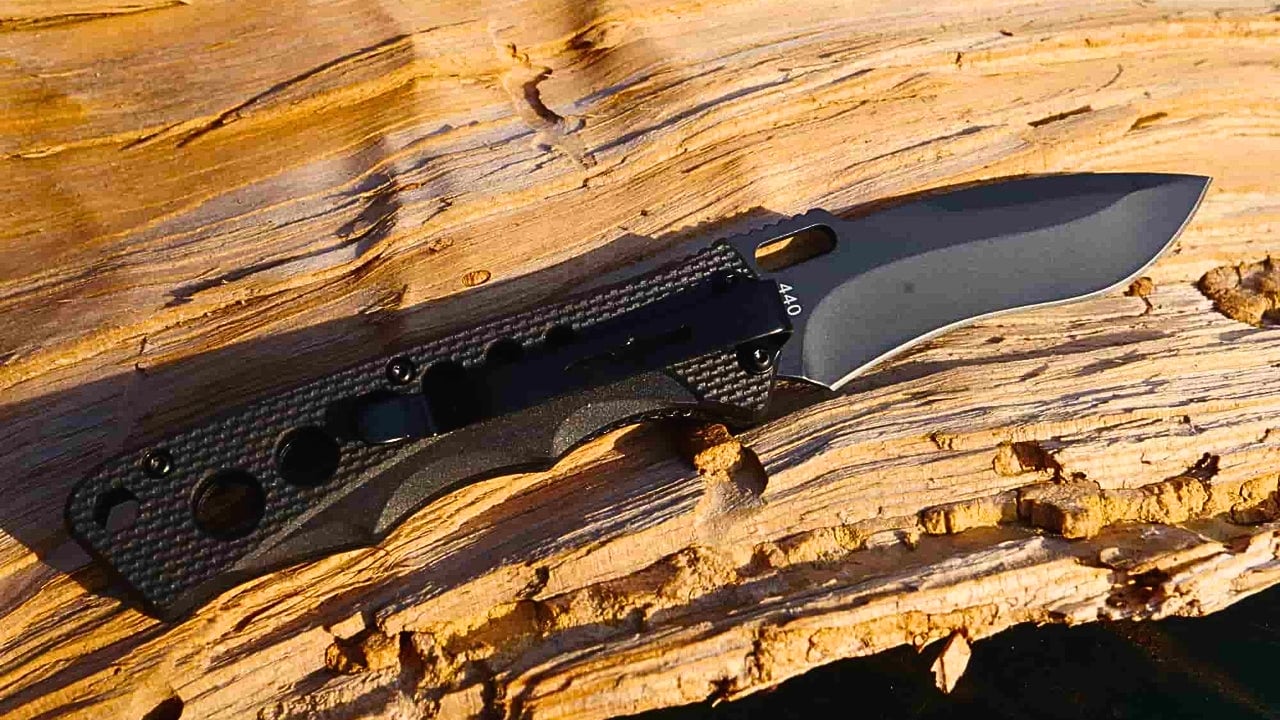
Photo credit: Camillus Knives
Cheap knives can be useful, but there is a difference between inexpensive and poorly made. Some budget knives keep costs down through smart design choices and mass production. Others get cheap by cutting corners exactly where you do not want corners cut: blade steel, heat treatment, lock quality, pivots, pocket clips, or handle construction.
That is where the low price starts making more sense. A knife may look aggressive, open quickly, and feel impressive for the first week, only to develop blade play, lose its edge quickly, or turn into a pain to sharpen and maintain. These 20 knives are affordable, but they also show why paying a little more can sometimes save you frustration later.
MTech USA MT-A705

The MT-A705 has the kind of styling that attracts buyers immediately. It looks tactical, has an assisted-opening mechanism, aggressive handle shapes, and enough visual drama to seem like a much more expensive knife at first glance. That is exactly why knives like this sell so well at low prices. You get plenty of appearance for very little money.
The problems tend to show up in the details. Blade steel is basic, edge retention is limited, and the pivot hardware can develop looseness after regular use. The assisted action may feel fast when new, but inexpensive springs and hardware are not the same thing as a well-built opening system. It can work as a beater, but expectations should stay low.
TAC-Force TF-705
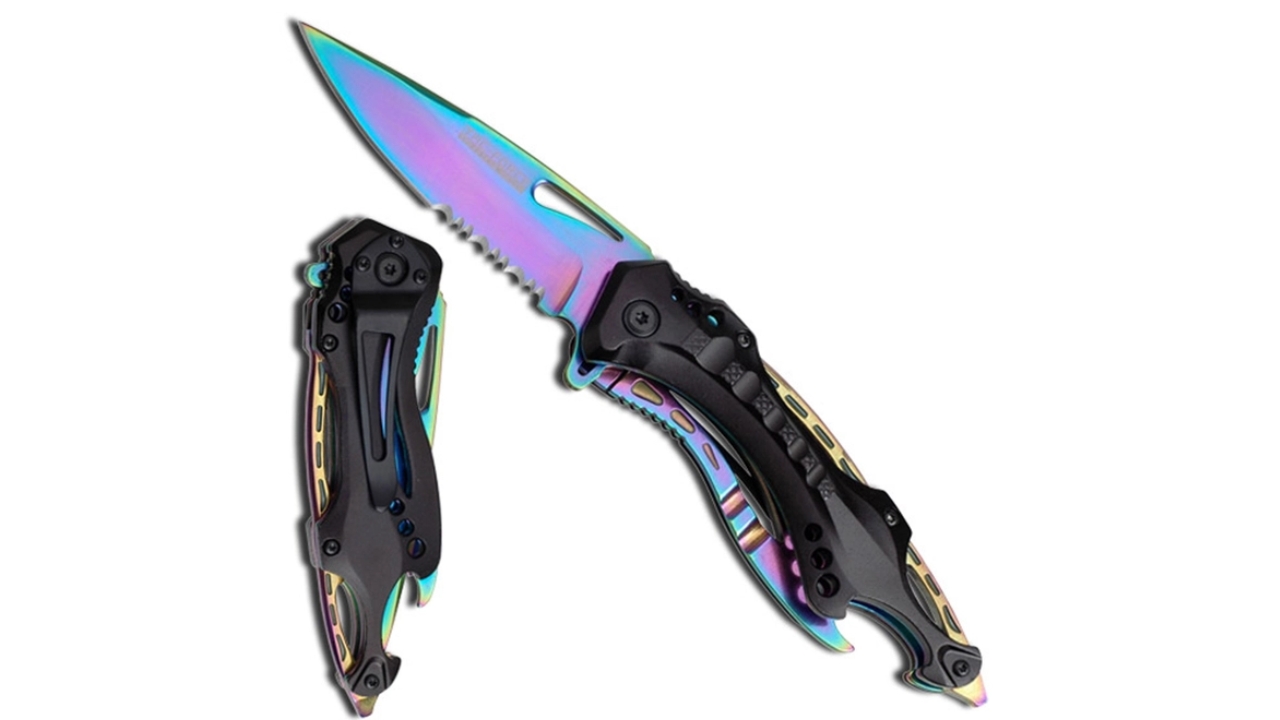
TAC-Force knives are everywhere because they are cheap, flashy, and designed to look much more serious than their price tags suggest. The TF-705 follows that formula with assisted opening, aggressive handle texturing, and styling aimed squarely at buyers who want something tactical.
The issue is that much of the money clearly goes toward appearance rather than refinement. Blade steel tends to be basic, factory edges can be inconsistent, and lockup may not inspire much confidence after extended use. The knife can still cut boxes and handle light chores, but it is not something you buy expecting premium durability. For a few dollars more, there are usually better-built folders with less dramatic styling.
Smith & Wesson Extreme Ops SWA24S
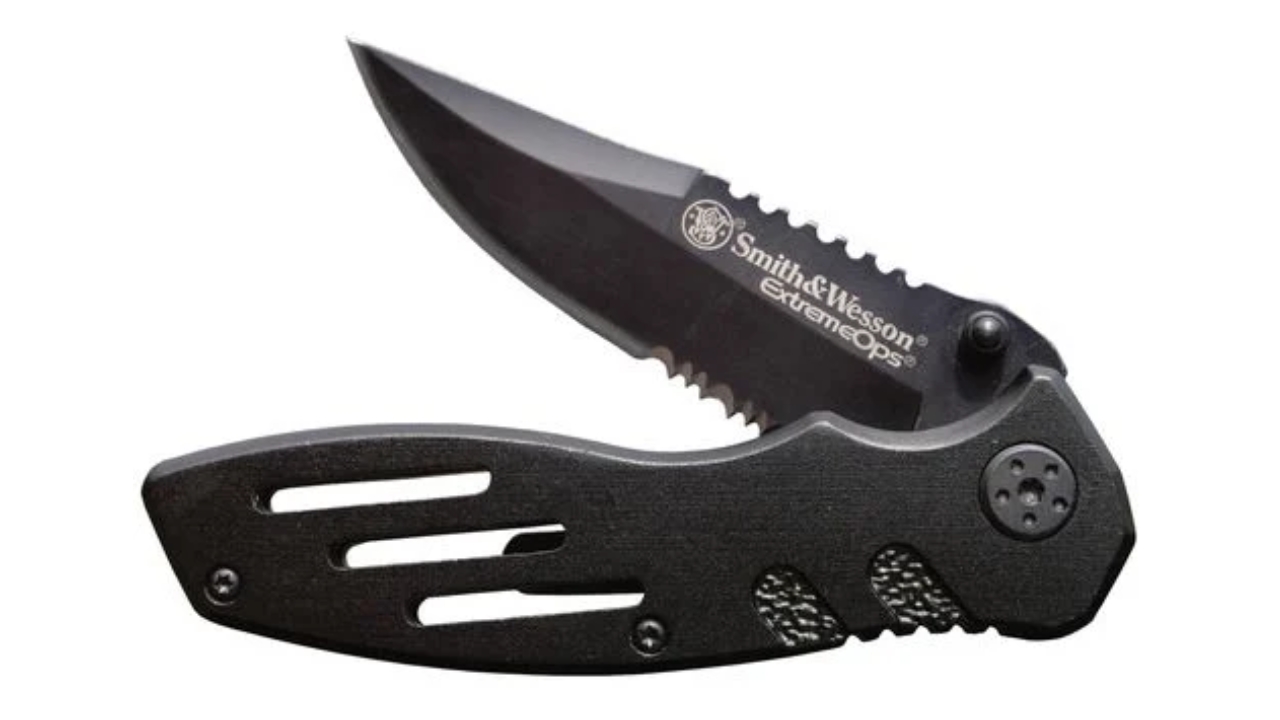
The SWA24S is one of those knives that feels like a bargain until you compare it closely with better budget folders. It has a recognizable brand name, aluminum handles, a partially serrated blade, and a conventional liner lock. On paper, that sounds like a lot of knife for very little money.
The weak point is refinement. The blade steel is adequate for light tasks but does not hold an edge especially long, and the serrations can become annoying to maintain. The handle is also slicker than its appearance suggests, and the overall fit is more utilitarian than polished. It is fine as a glovebox knife, but if you plan to use a folder every day, the low price becomes easier to understand.
Gerber Paraframe Mini

The Paraframe Mini is extremely popular because it is light, inexpensive, and sold almost everywhere. The open-frame construction also looks clever because dirt and lint have fewer places to hide.
Unfortunately, the tiny size and slick metal frame make it less comfortable than it looks. The grip can feel insecure during harder cutting, and the blade steel is not known for exceptional edge retention. It is also easy to buy the knife expecting Gerber quality from more expensive product lines, only to discover that this particular model is built to hit a very low price point. It works for opening packages, but serious daily use exposes its limitations quickly.
Ozark Trail Folding Knife

Ozark Trail folders can cost so little that they almost feel disposable, and that is basically what you should expect. These knives are built to give shoppers something functional for the lowest possible price, not to compete with higher-end everyday-carry knives.
That means basic steel, basic heat treatment, simple hardware, and minimal quality control. Some examples may work surprisingly well, while others can feel rough out of the package. Edge retention is usually limited, and pivots or clips may loosen faster than expected. If you lose one, you probably will not care, which is arguably the main advantage. As a serious long-term knife, though, the low price tells the story.
Kershaw Filter
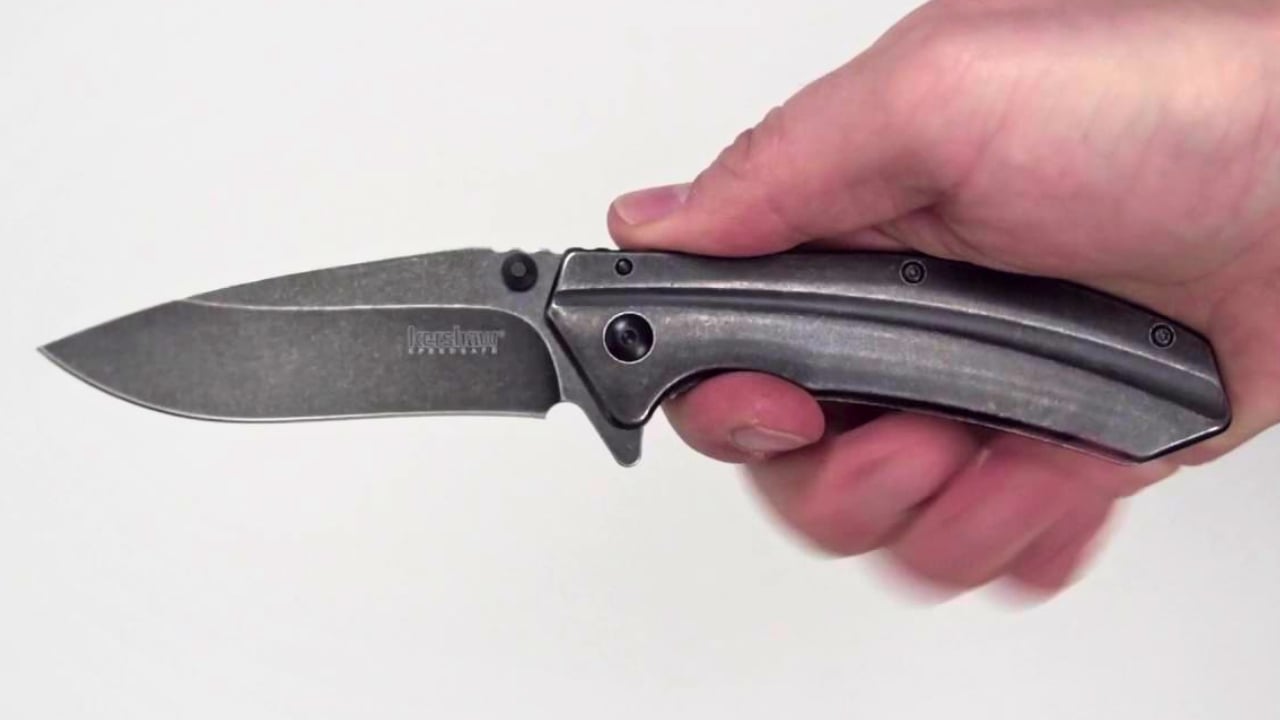
The Filter looks much more substantial than its price suggests. It has a large assisted-opening blade, all-steel construction, and a heavy-duty appearance that makes it feel like a serious work knife.
The downside is that the steel handle makes it heavier than it needs to be, while the blade steel is fairly ordinary. You end up carrying a lot of weight without getting the cutting performance that normally justifies that weight. The assisted action is fun, but the knife can feel clumsy in the pocket compared with lighter modern folders. It is not terrible, but the bargain price reflects the fact that most of the appeal comes from size and appearance rather than refined performance.
Schrade SCHF3N

The SCHF3N is a big fixed blade that looks like a tremendous value. You get a thick blade, full-tang construction, and aggressive styling for far less than many comparable-looking outdoor knives.
The problem is that thick does not automatically mean good. The blade geometry can make normal slicing tasks more difficult, and inexpensive steel may require frequent sharpening if the knife sees serious use. The handle can also feel blocky during extended cutting. As a rough beater, it can be useful, but buyers should not confuse sheer size with high-end toughness or edge performance. It is cheap because refinement and materials are kept basic.
Frost Cutlery Steel Warrior
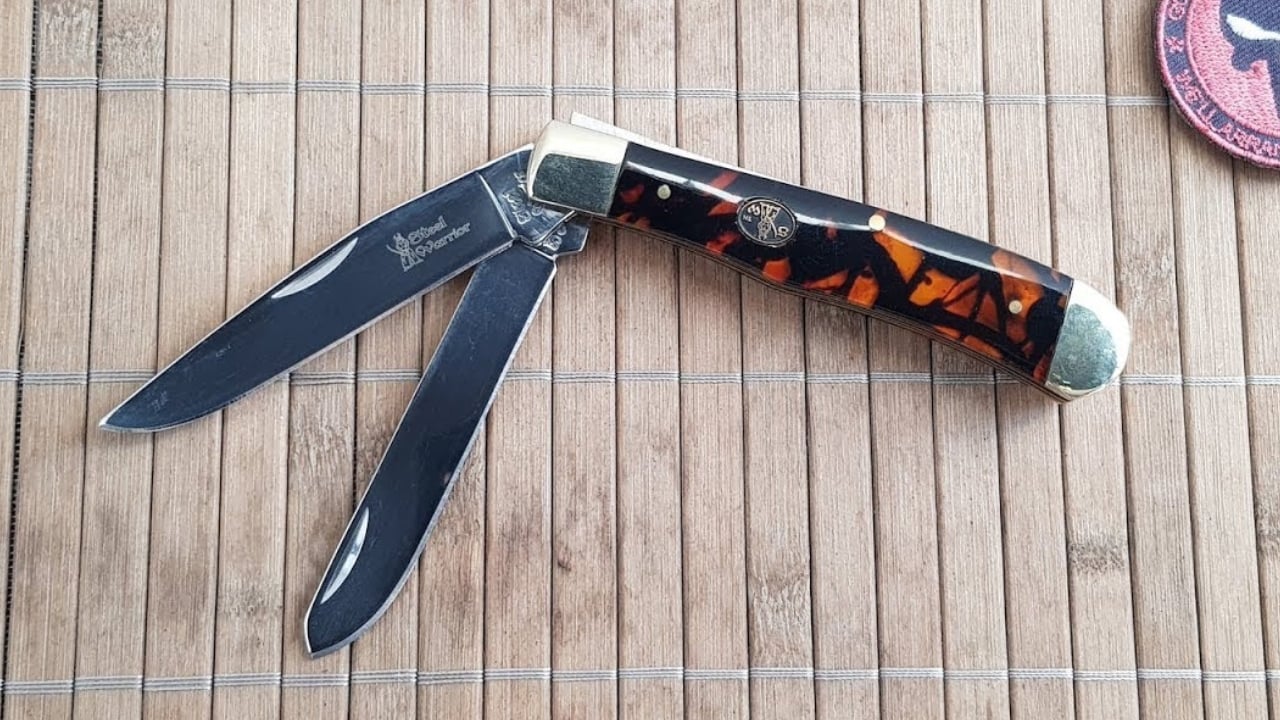
Steel Warrior knives often appeal to buyers who like traditional patterns but do not want to pay traditional-brand prices. You can find stockman, trapper, and other classic designs at very approachable prices.
The problem is consistency. Walk-and-talk, blade centering, spring tension, and edge quality can vary more than buyers expect. Some examples are perfectly usable, while others arrive with rough finishing or uneven grinds. Traditional folders rely heavily on precise fitting, so cost cutting shows up quickly. If you get a good one, it can be enjoyable. If you do not, you understand why the price was so low.
Rough Rider RR1740
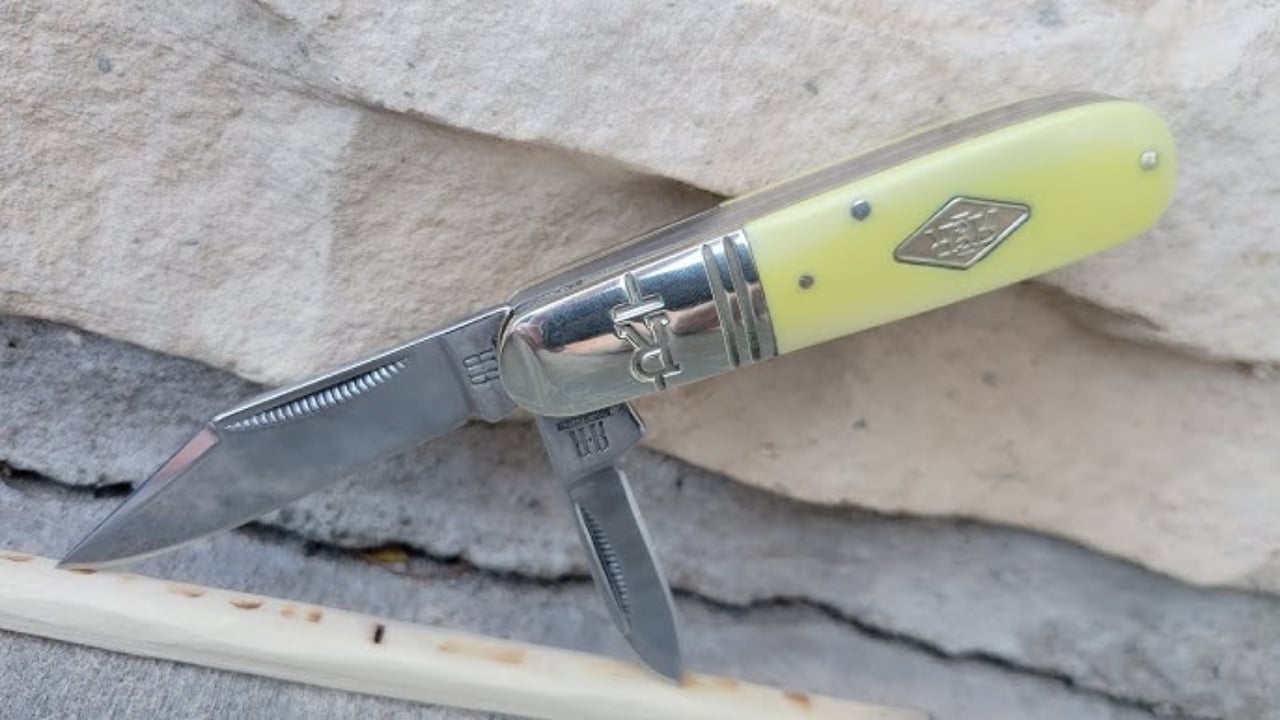
Rough Rider makes some impressive budget traditional knives, but models at the very bottom of the price range can still reveal where money was saved. The RR1740 is attractive because you get a classic-looking slipjoint for very little.
The steel is serviceable, but the biggest concerns tend to be fit and finish. Blade centering, spring tension, handle alignment, and factory edge quality may not match more expensive traditional folders. None of that makes the knife useless. It just means you are buying a mass-produced budget slipjoint rather than a carefully fitted pocketknife. For occasional use, that may be perfectly acceptable.
Master USA MU-A054
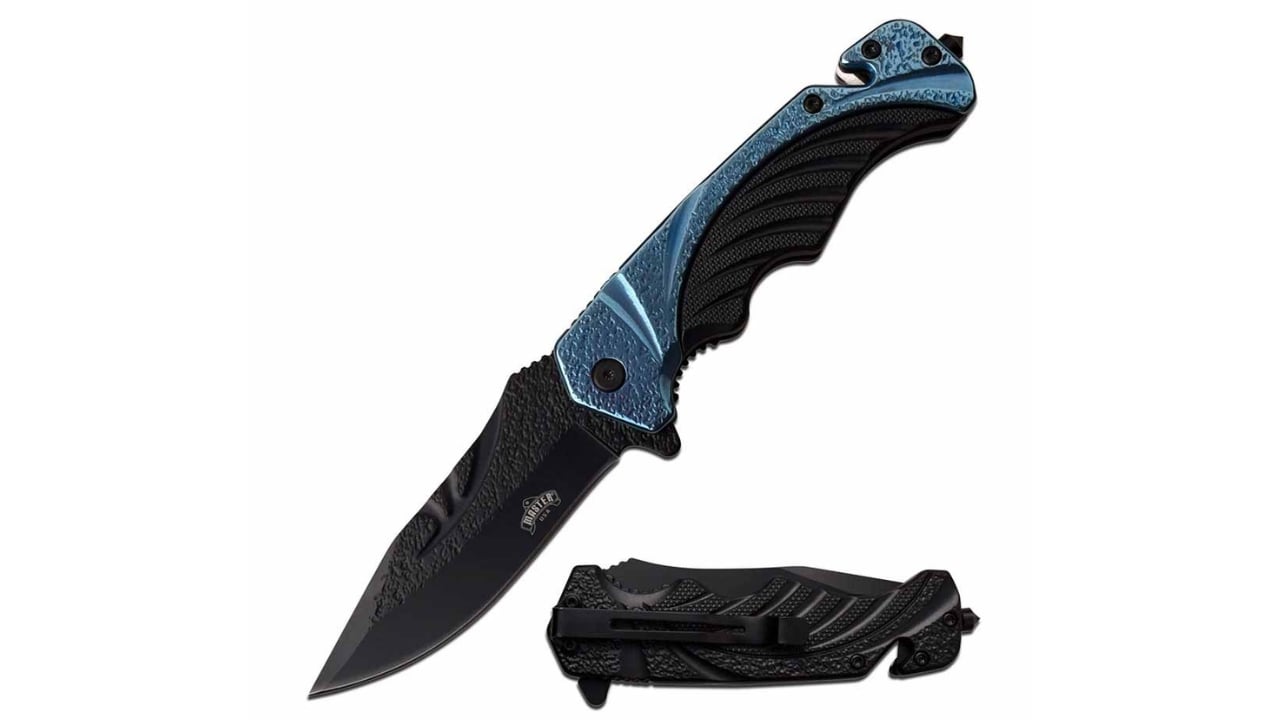
Master USA knives are often built around aggressive looks and assisted-opening action. The MU-A054 fits right into that category with tactical styling and features that make it seem far more sophisticated than its low price suggests.
The compromises are familiar: basic steel, inexpensive hardware, and limited long-term refinement. Assisted mechanisms can also disguise a rough pivot because the spring does much of the opening work. Over time, looseness and inconsistency become more obvious. It is fun as a cheap beater, but there is not much reason to expect premium longevity from something designed primarily to hit a bargain price.
Survivor HK-1036
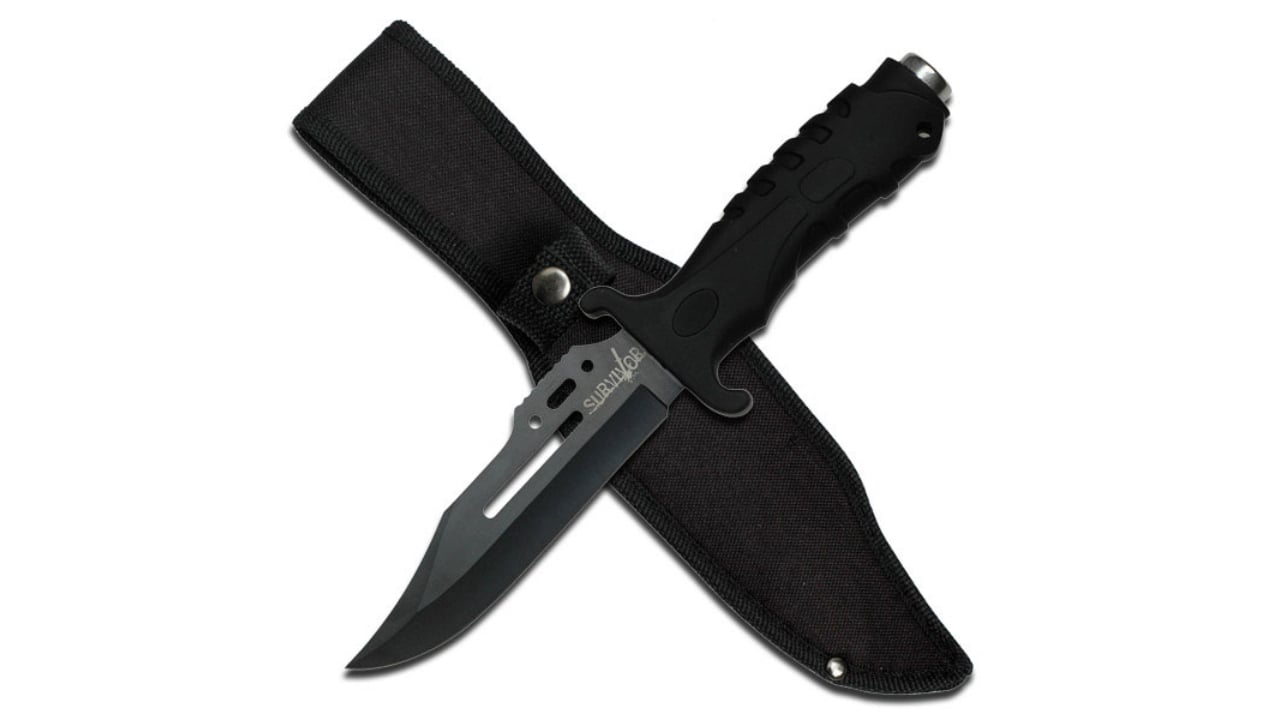
The Survivor HK-1036 looks like the kind of knife you would want strapped to a pack in the wilderness. It is large, aggressive, and marketed with survival-oriented styling.
That appearance can be misleading. Budget survival knives often use thick blades to create the impression of strength while relying on inexpensive steel and basic heat treatment. The result may resist snapping but still lose an edge quickly or perform poorly in fine cutting tasks. Handles and sheaths can also feel less secure than expected. For occasional camp use, it can work. For actual hard outdoor use, the low price starts looking much less impressive.
Snake Eye Tactical Folding Knife
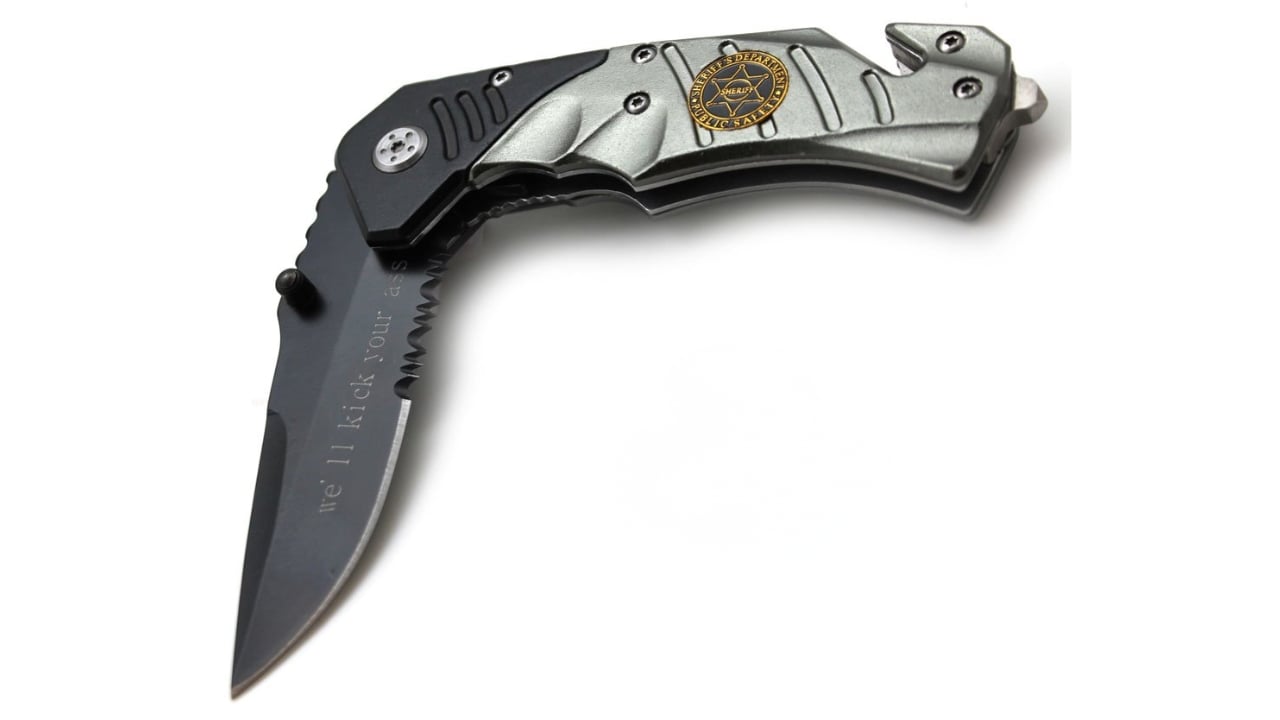
Snake Eye Tactical knives are inexpensive enough that they are often purchased on impulse. The designs usually feature assisted opening, aggressive blades, and decorative handle work that makes them look more expensive than they are.
Regular use exposes the compromise. Edge retention is modest, screws may need attention, and handle construction can feel rough compared with even entry-level knives from more established makers. The blade may work perfectly well on tape and cardboard, but repeated hard use is where the difference becomes obvious. This is a knife you buy because it costs very little, not because it offers exceptional long-term performance.
Sheffield 12113 Folding Knife
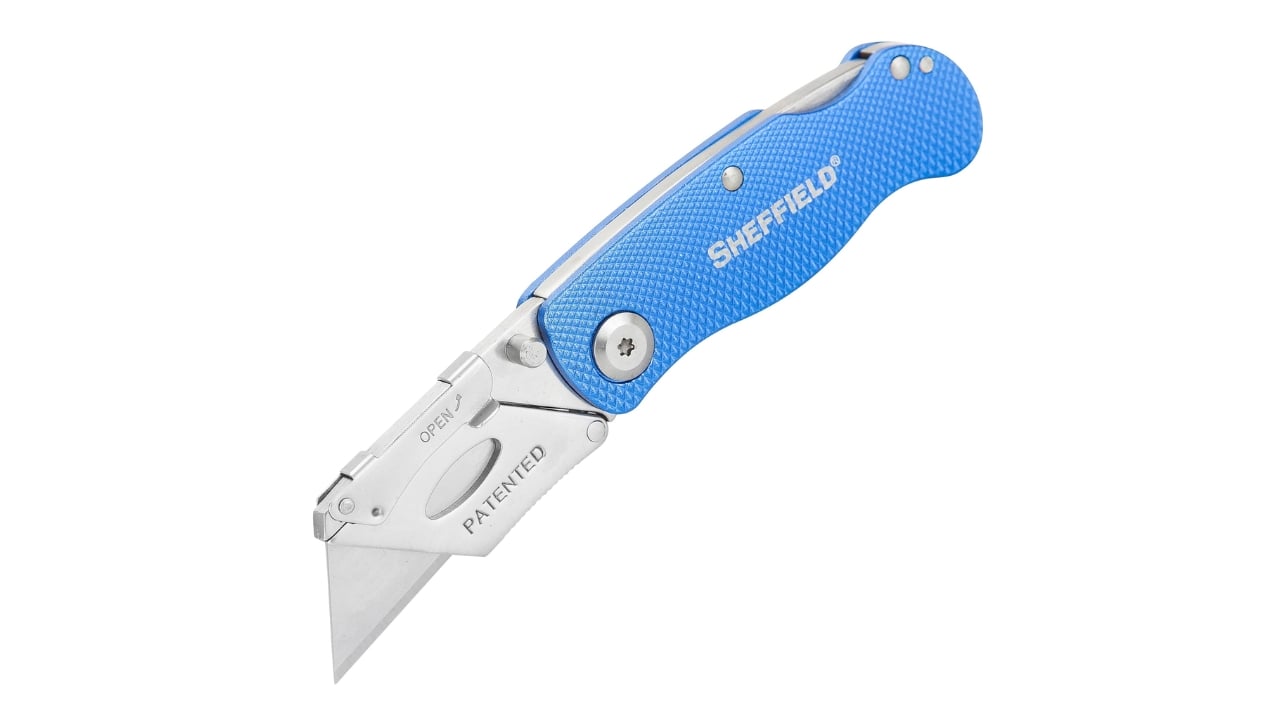
Sheffield budget folders are built for utility-store buyers who want an inexpensive cutting tool without thinking too much about knife collecting. That approach is perfectly reasonable, but it means expectations should stay modest.
The blade steel is basic, the action can feel rough, and the knife is generally built around affordability rather than fine tolerances. It will open packages, cut cord, and handle light work, but frequent users will notice that sharpening comes around more often than with better steels. The lock and pivot also tend to feel less refined than what you get when you move slightly higher in price.
Coast DX126
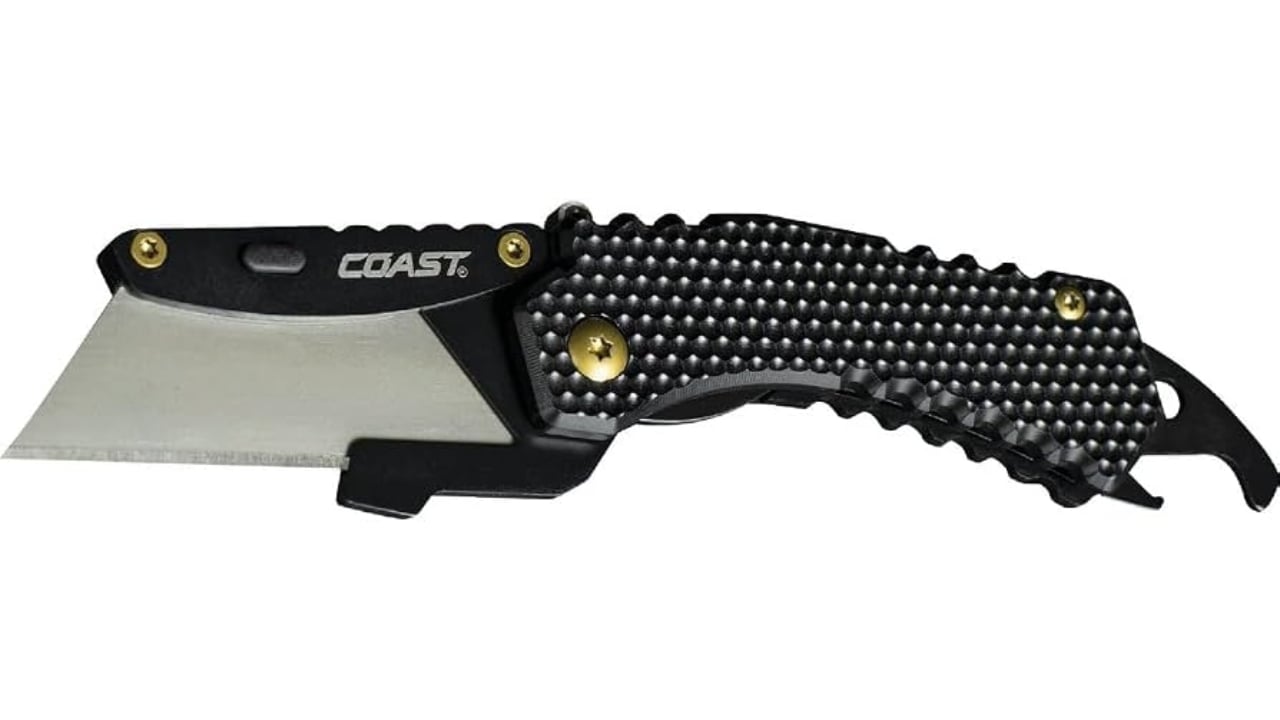
The DX126 has a very work-oriented appearance and is often marketed as an affordable utility folder. It feels sturdy enough in the hand, and the handle design is more practical than the flashy styling found on many cheap knives.
The main compromise is blade performance. Basic steel can lose its edge quickly during repeated cardboard or rope cutting, which means the low purchase price can turn into frequent sharpening sessions. The action and lock are functional rather than refined, and the knife feels more like a disposable work tool than something built for years of enjoyable carry. For occasional use, it is fine. Daily users will probably want more.
Camillus Rage
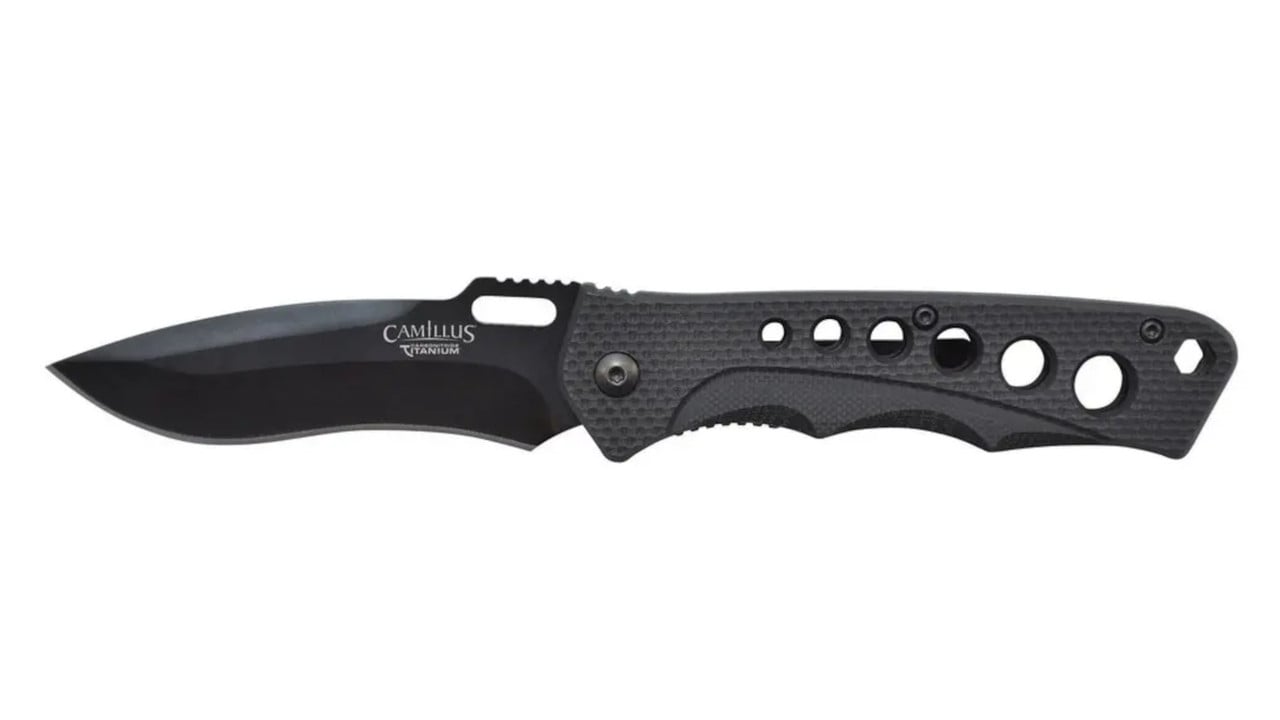
The Rage looks like a serious tactical folder and often appears at prices low enough to tempt buyers who recognize the Camillus name. The modern version of the brand, however, covers a wide range of price points and manufacturing levels.
On lower-cost models like this, the steel and hardware are where the limits become obvious. Edge retention is acceptable for light work but not impressive, while pivot and clip quality can feel ordinary. The knife can still be useful, but buyers expecting the prestige associated with older American-made Camillus knives may be disappointed. The current branding does not automatically mean classic-level construction.
Winchester Folding Knife
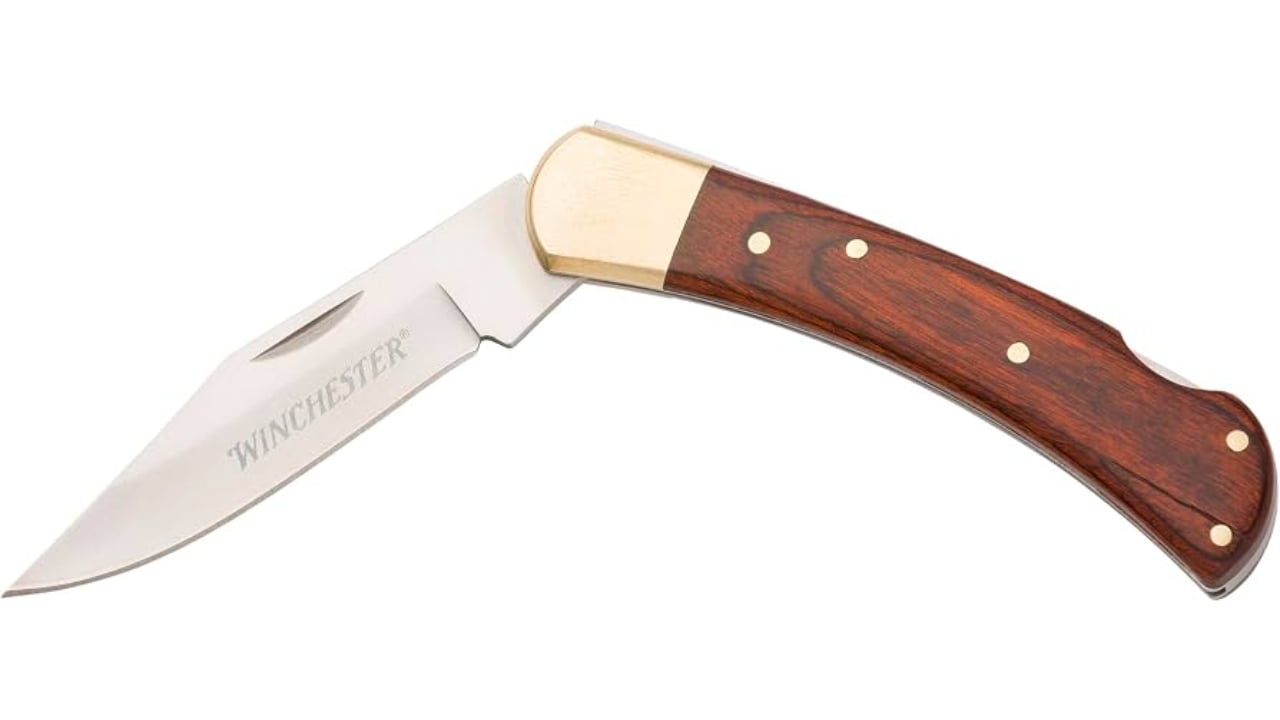
Winchester-branded folders are common in big-box stores and gift sets, where the famous firearm name can make them look like a safer purchase than unfamiliar budget brands.
The knife itself is usually built to a very different standard than the rifles and shotguns carrying the same name. Basic stainless steel, simple hardware, and modest fit and finish are common. They are perfectly usable for opening boxes or keeping in a tackle bag, but the brand name does more work than the blade steel. Buyers expecting a premium knife because it says Winchester on the handle may be disappointed.
MTech Ballistic MT-A845
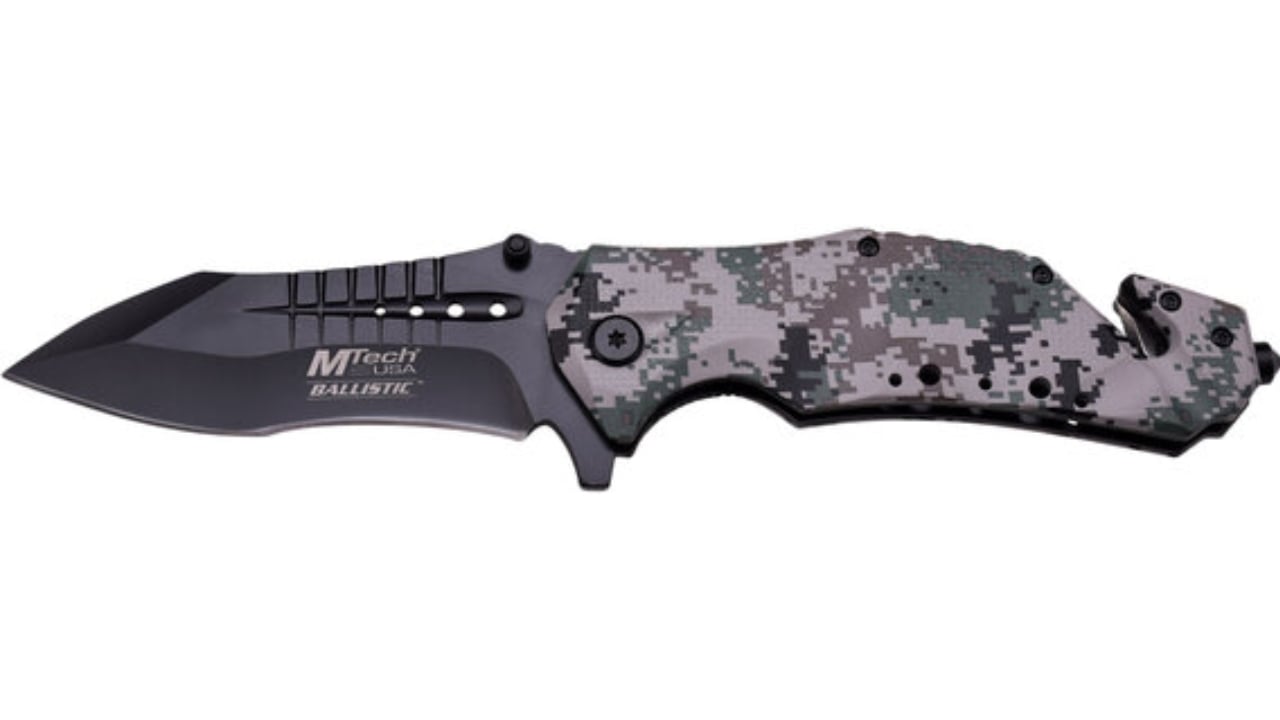
The MT-A845 is another knife that sells almost entirely on visual impact. The aggressive blade, assisted action, and tactical handle make it look like something designed for far more serious use than its price would suggest.
The reality is much more ordinary. Basic steel means frequent sharpening, inexpensive hardware can loosen, and the assisted action does not compensate for mediocre fit. The knife can still be entertaining and useful for light tasks, but that is the correct level of expectation. It is cheap because nearly every component is built around keeping the retail price down. Once you use it next to a genuinely good budget folder, the difference becomes obvious.
Like The Avid Outdoorsman’s content? Subscribe to our newsletter so you never miss an article.
Here’s more from us:


