Photo credit: Bass Pro Shops
Deer rifles are some of the easiest firearms to overbuild. A hunter buys a perfectly capable rifle, then starts replacing the trigger, swapping the stock, adding bottom metal, installing a heavier barrel, and chasing tiny groups that will never matter at normal hunting distances. Before long, a rifle that started out affordable has turned into a project costing more than a premium factory gun.
That can be fun if tinkering is the goal, but it is not necessary for putting venison in the freezer. Plenty of rifles come from the factory with good triggers, useful stocks, solid barrels, and enough accuracy to handle any realistic deer shot. These 20 are the kind of guns you can mount a good scope on, find ammunition they like, and simply go hunting. They make expensive upgrades feel optional rather than inevitable.
Bergara B-14 Timber

The B-14 Timber gives you a traditional hunting-rifle appearance without sacrificing the barrel quality Bergara built its reputation on. The walnut stock has enough mass to make the rifle stable, while the action is smooth and the trigger is already good enough that most hunters will never feel compelled to replace it. That is important because budget rifles often become expensive after owners start fixing every corner that was cut to reach the original price.
The Timber largely avoids that problem. It feels complete when you buy it. For deer hunting, where the first cold-barrel shot matters far more than five-shot benchrest groups, its accuracy is more than enough. Add decent glass, verify your preferred load, and there is very little practical reason to start throwing aftermarket parts at it.
Sauer 100 Classic
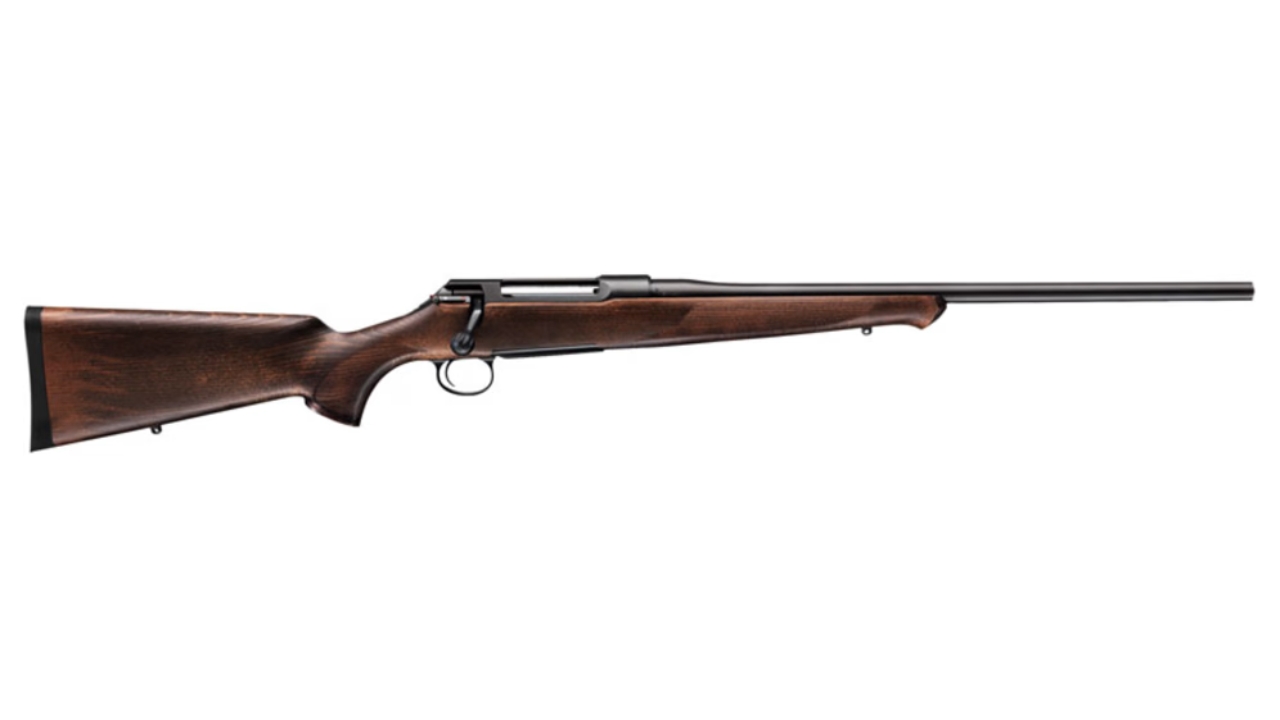
The Sauer 100 Classic delivers the kind of smooth action and clean trigger that often sends hunters down the upgrade path with cheaper rifles. Its stock geometry is traditional, the rifle balances naturally, and the bolt feels considerably more refined than many guns in the same broad price class.
That matters in the woods because a rifle that feels right is easier to shoot consistently from improvised positions. The trigger does not need immediate work, the action does not feel rough, and the barrel is fully capable of deer-hunting accuracy. Hunters who buy one expecting to “improve it later” may discover there is very little that actually needs improving.
Sako A7 Roughtech

The A7 Roughtech was overshadowed by both Tikka and more expensive Sako rifles, but that middle position is exactly what makes it attractive. You get a smooth action, excellent trigger, and a stock that feels much more substantial than a bare-bones synthetic shell.
The rifle also tends to shoot well enough that aftermarket barrels and chassis systems become hard to justify for hunting. You are not buying a bench gun. You are buying something meant to carry into the woods, settle onto a rest, and put the first round where it belongs. The A7 does that extremely well without forcing you into premium Sako pricing.
Browning X-Bolt Stainless Stalker
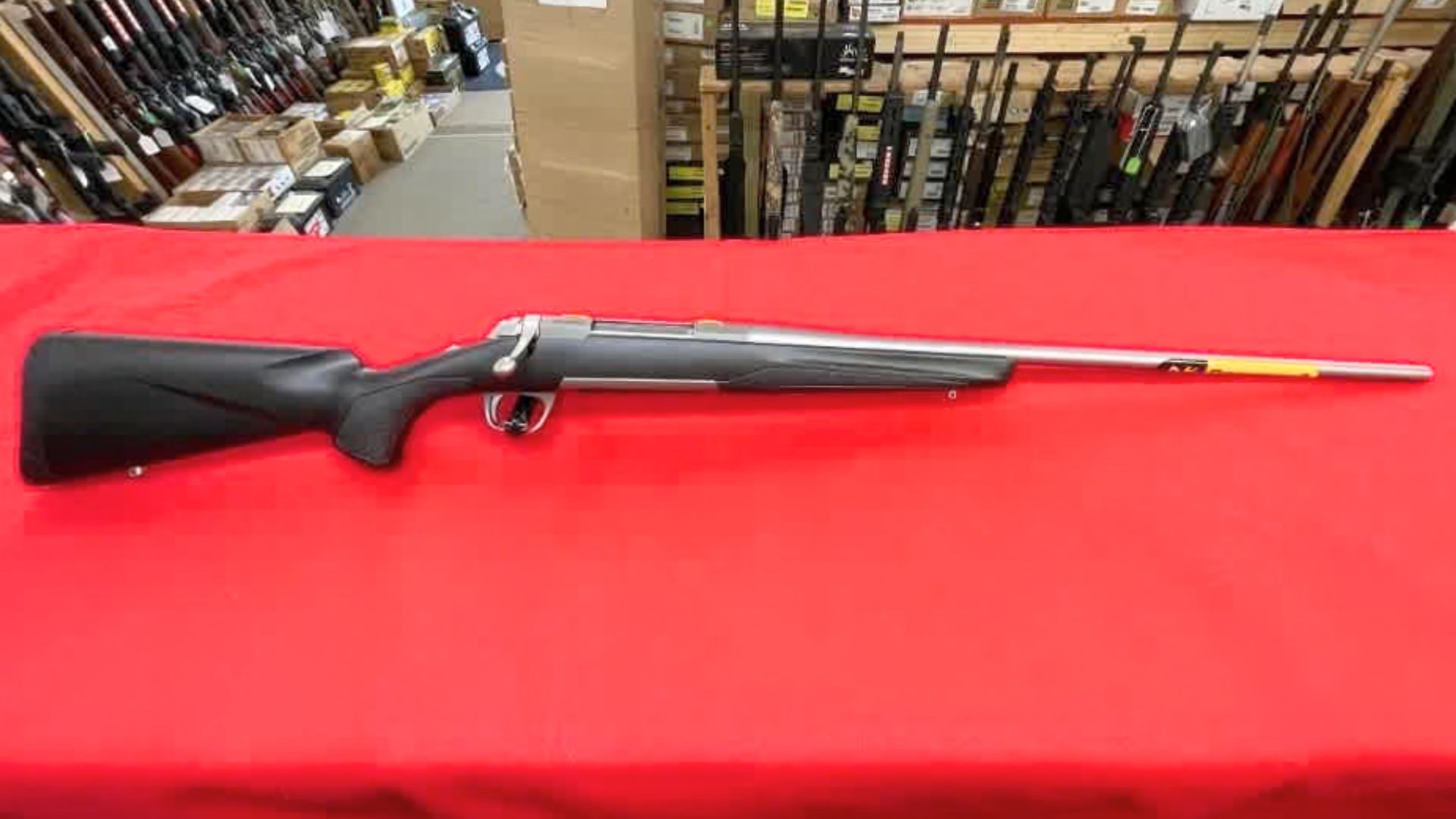
The Stainless Stalker is built around real field use. The synthetic stock, stainless metalwork, and clean bolt action make it a practical rifle for wet weather and rough deer seasons, while the trigger and feeding system are already refined enough that you do not feel like you bought a project.
That is where its value shows up. A lot of hunters spend money upgrading stocks simply to get more weather resistance and stability. The Stainless Stalker already gives you that. The rifle is light enough to carry, stable enough to shoot, and polished enough mechanically that expensive changes are unlikely to improve your odds of killing a deer.
Winchester Model 70 Extreme Weather SS
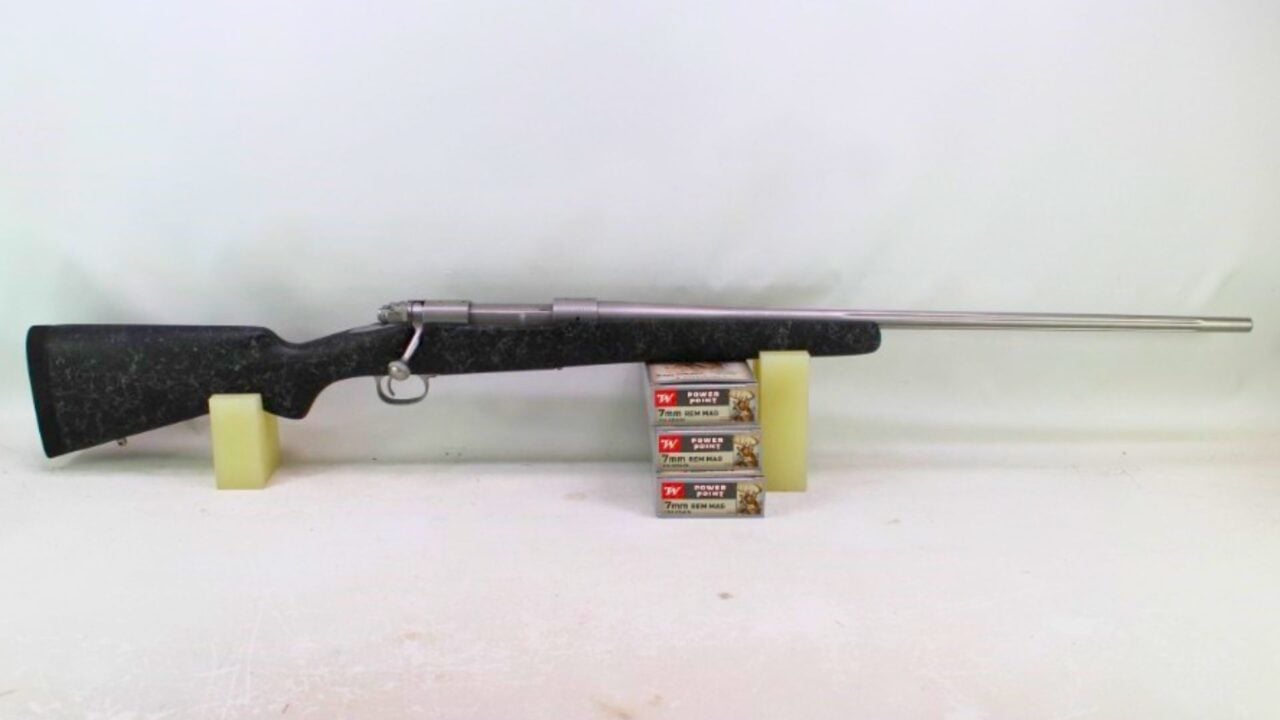
The Extreme Weather SS is one of those rifles that feels finished straight from the box. The stock is built for rough conditions, the stainless construction handles moisture well, and the controlled-round-feed action gives hunters a system with decades of credibility behind it.
More importantly, there is no obvious weak link begging to be replaced. The trigger is good, the stock is rigid enough for serious use, and the rifle is accurate enough for long shots well beyond what most deer hunters will ever attempt. It costs more than a bargain bolt gun, but it can save money long term because you are much less likely to start replacing half the rifle after the first season.
Kimber Hunter
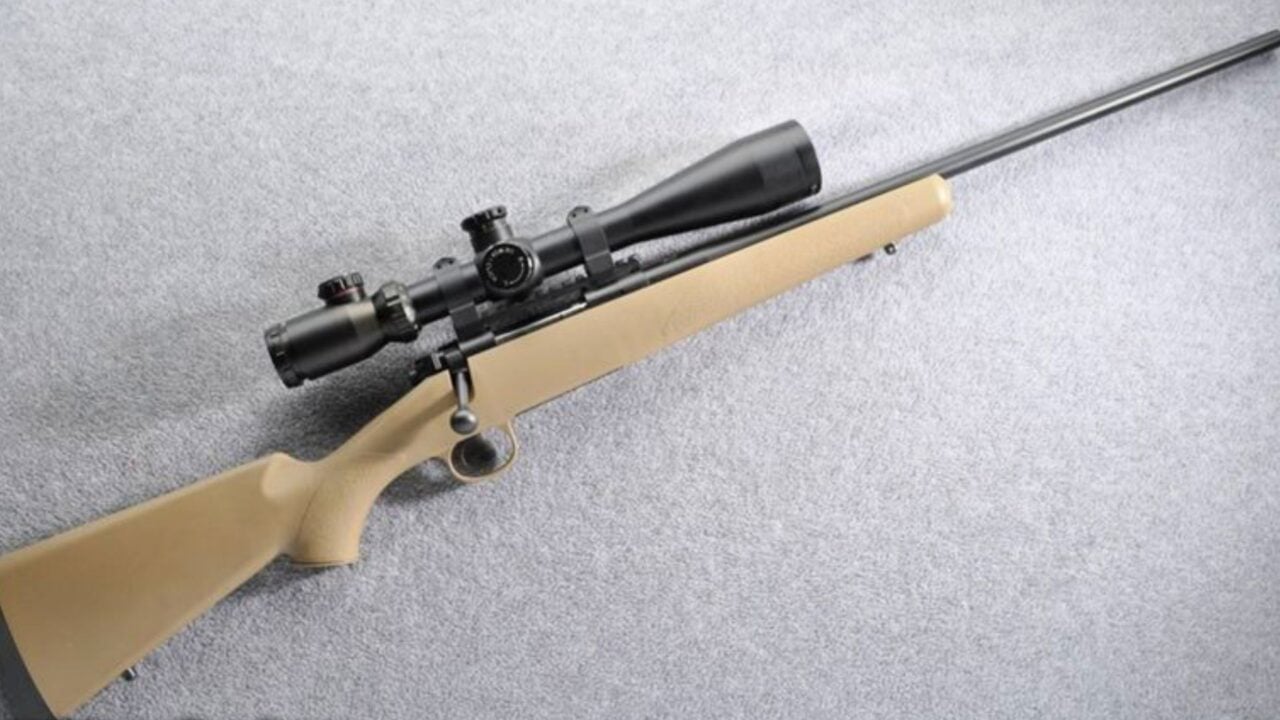
The Kimber Hunter takes a different approach by keeping weight down without making the rifle feel like a disposable ultralight. The stock is practical, the action is compact, and the rifle carries beautifully during long walks or steep-country hunts.
The key is that the gun remains accurate enough that you do not have to chase heavier barrels or aftermarket bedding to make it useful. In sensible deer cartridges, the Hunter gives you a light field rifle that already does what most custom weight-saving projects are trying to accomplish. Unless you are chasing ounces for mountain hunting, the factory configuration is usually more than enough.
Tikka M65
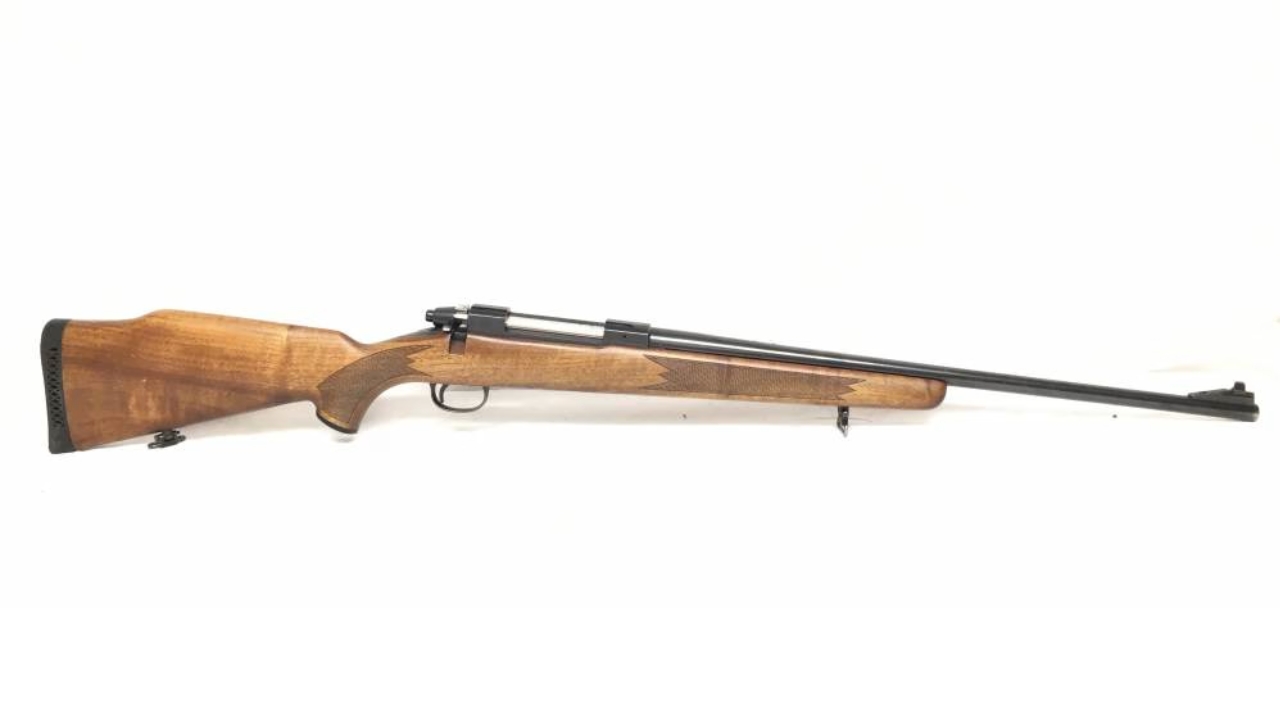
The older M65 proves that some rifles were already so well sorted decades ago that modernization adds little. The action is extremely smooth, triggers are often excellent, and the rifles have a reputation for dependable accuracy.
Used examples may not have threaded muzzles, modular stocks, or oversized bolt knobs, but deer do not care. A clean M65 with good glass can remain an outstanding hunting rifle without a single mechanical upgrade. If your goal is field performance rather than turning a rifle into a social-media project, the old Tikka formula is still difficult to improve on.
Weatherby Mark V Fibermark
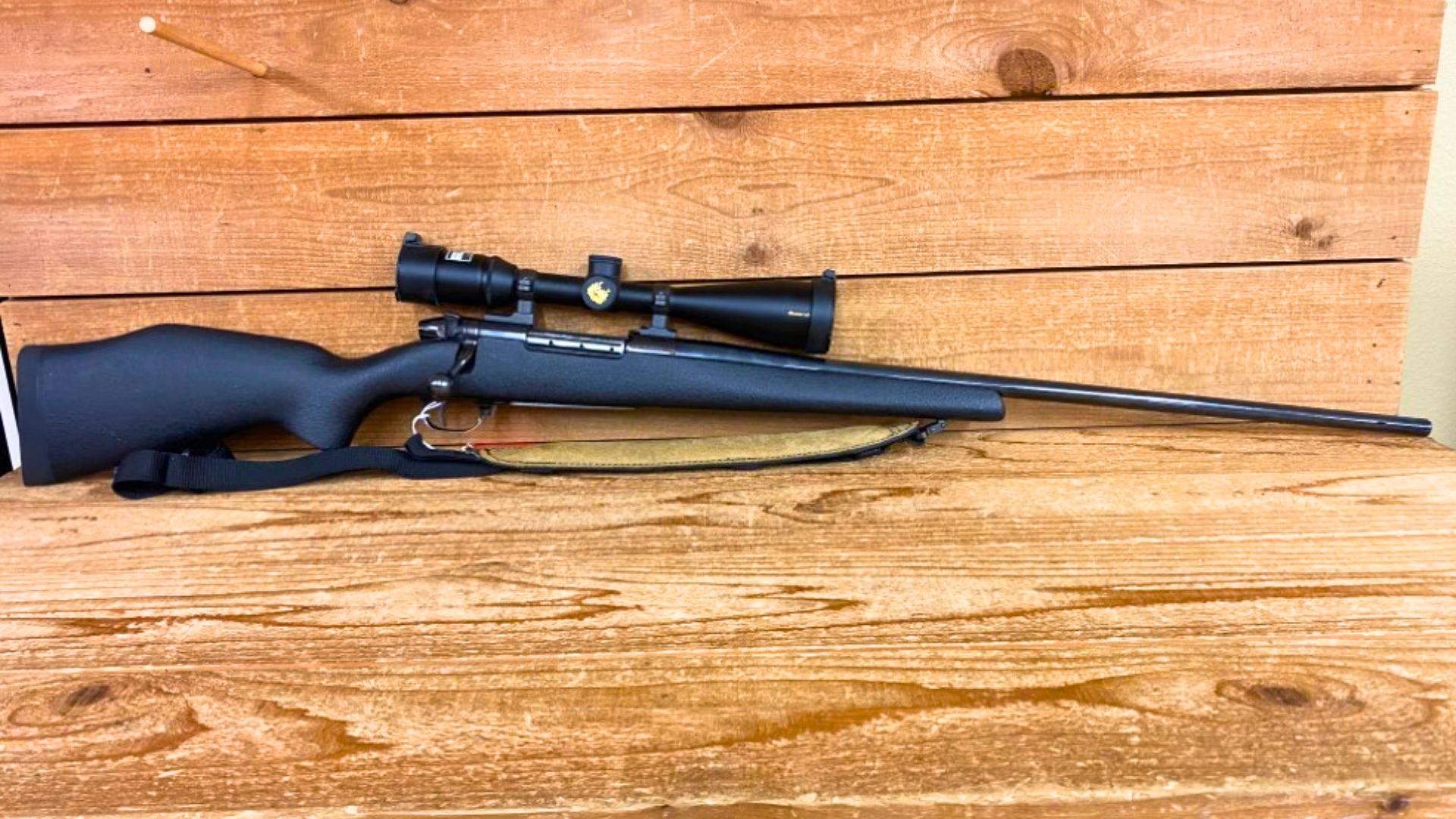
The Fibermark version of the Mark V delivers much of the premium Weatherby action experience without forcing you into elaborate wood or ultra-light exotic materials. The synthetic stock is built for field use, while the strong action and quality barrel give the rifle all the mechanical capability a deer hunter could realistically need.
Owners may be tempted to treat the rifle like a foundation for a build, but there is rarely much reason. The stock works, the trigger works, and the rifle is already accurate. Spending thousands more may shave weight or improve benchrest consistency, but it is unlikely to change what happens when a buck steps out at 150 yards.
Steyr Pro Hunter
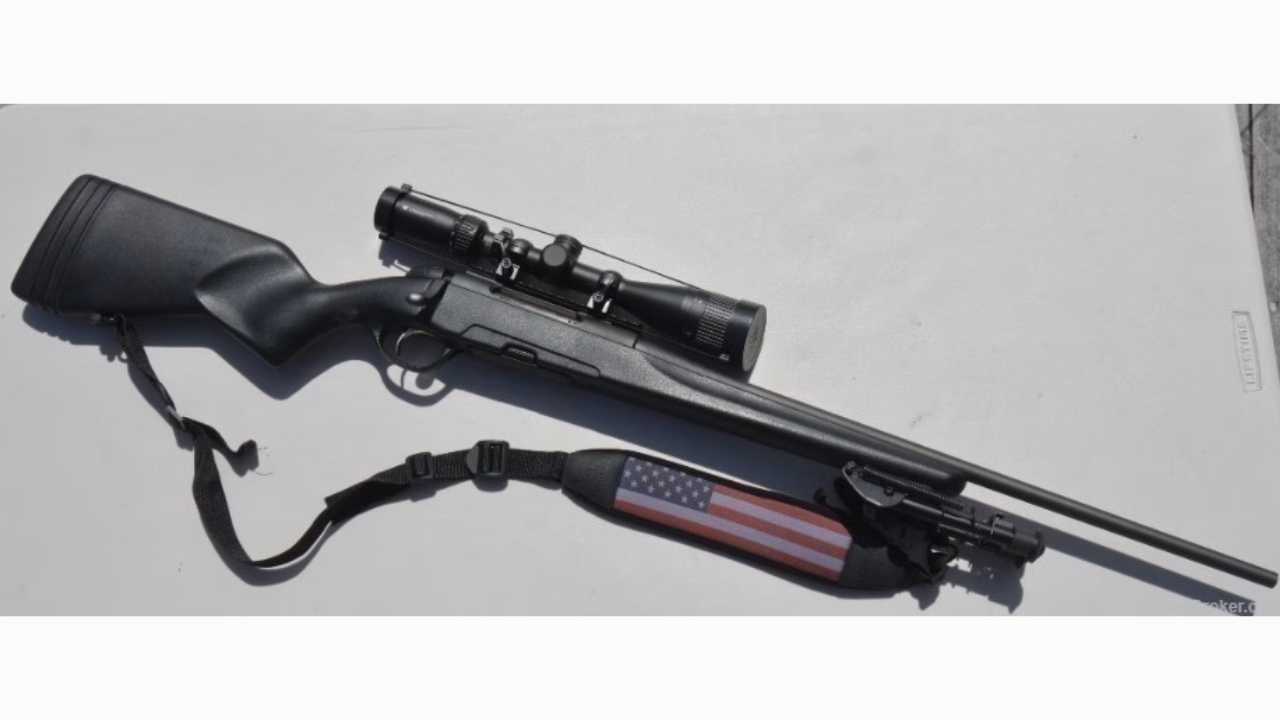
The Pro Hunter is one of those rifles that does not generate much hype but quietly gets the important details right. The stock is comfortable, the action is smooth, and the trigger system is far more refined than what you find on many ordinary hunting rifles.
That makes upgrades hard to justify. There is little reason to install an aftermarket trigger, and the stock is already designed around practical field shooting. The rifle may look plain compared with carbon-fiber builds, but the shooting experience is anything but crude. For deer hunting, the Pro Hunter is a finished tool rather than a starting point.
Remington 700 Mountain Rifle

The Mountain Rifle already solves one of the biggest reasons hunters start modifying rifles: weight. It combines the familiar 700 action with a slimmer barrel and lighter stock, giving you a rifle that carries easily without becoming wildly expensive or overly specialized.
A good example does not need a carbon barrel or chassis to be useful. In moderate cartridges, it is light enough for long walks and accurate enough for normal deer distances. The aftermarket is enormous if you ever want to modify it, but that does not mean you should. One of the best things about a good Mountain Rifle is how little it asks from you after purchase.
Browning A-Bolt Medallion

The A-Bolt Medallion is a great example of a rifle that already arrived with the fit and finish many hunters try to add later. The stock is comfortable, the bolt throw is short, and the trigger is generally much better than what you find on economy rifles.
That makes it especially attractive on the used market. A clean Medallion can give you a polished hunting-rifle experience without the cost of building one piece by piece. You can certainly replace the stock or chase a lighter trigger, but for actual deer hunting, the factory rifle is usually already better than necessary.
CZ 550 Lux

The 550 Lux combines controlled-round feed, sturdy construction, and traditional European stock geometry in a rifle that feels built for decades of hunting. The set-trigger system on many examples also eliminates the urge to immediately spend money on trigger work.
The rifle is heavier than some modern lightweight bolts, but that is not necessarily a disadvantage. The weight makes it stable from field positions and softens recoil. A hunter who buys a clean 550 Lux already has a rifle capable of excellent accuracy and hard use. Replacing half the gun with aftermarket parts would mostly erase what makes it appealing in the first place.
Ruger M77 Hawkeye African in Mild Chamberings

The African line is often associated with heavy cartridges, but the broader Hawkeye platform shows how much Ruger can get right when it builds a substantial traditional rifle. The action is robust, the stock is solid, and the controlled-feed system is well suited to hunters who value durability over minimal weight.
In a manageable chambering, that same construction makes a fantastic deer rifle. The rifle settles well, handles recoil comfortably, and feels like something built to be carried for years. It does not need a chassis, oversized rail system, or competition trigger to become useful. The basic hunting design is already doing the job.
Thompson/Center Icon

The Icon was far more refined than many hunters expected from Thompson/Center. The action was smooth, the stock was properly shaped, and the rifle had an overall level of quality that made it feel closer to a premium hunting rifle than a bargain platform.
Because production ended, used examples can be especially attractive. You are buying a rifle that already has a good trigger and excellent field manners rather than something that requires immediate correction. If you find one in a useful deer chambering, it can make the whole upgrade culture around budget rifles feel unnecessary.
Sako 75 Hunter
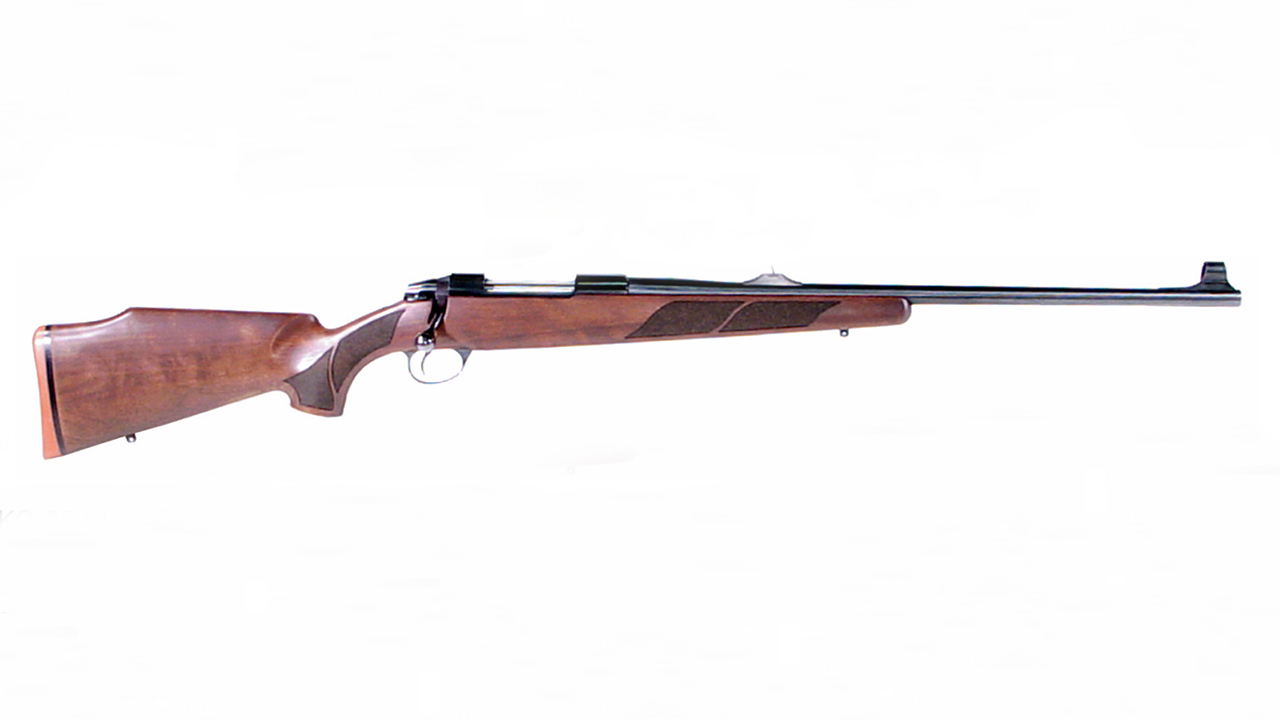
The Sako 75 Hunter is another used-market rifle that reminds you what a complete factory gun feels like. The bolt runs smoothly, the trigger is excellent, and the stock is shaped for real shooting rather than simply looking good in a catalog.
That refinement means there is very little practical upside to replacing major components. The rifle is accurate enough for any reasonable deer shot and balanced well enough to shoot from sticks, a blind rail, or an improvised rest. Modern rifles may offer more modularity, but the 75 rarely leaves owners wishing they had more performance.
Winchester Model 70 Featherweight
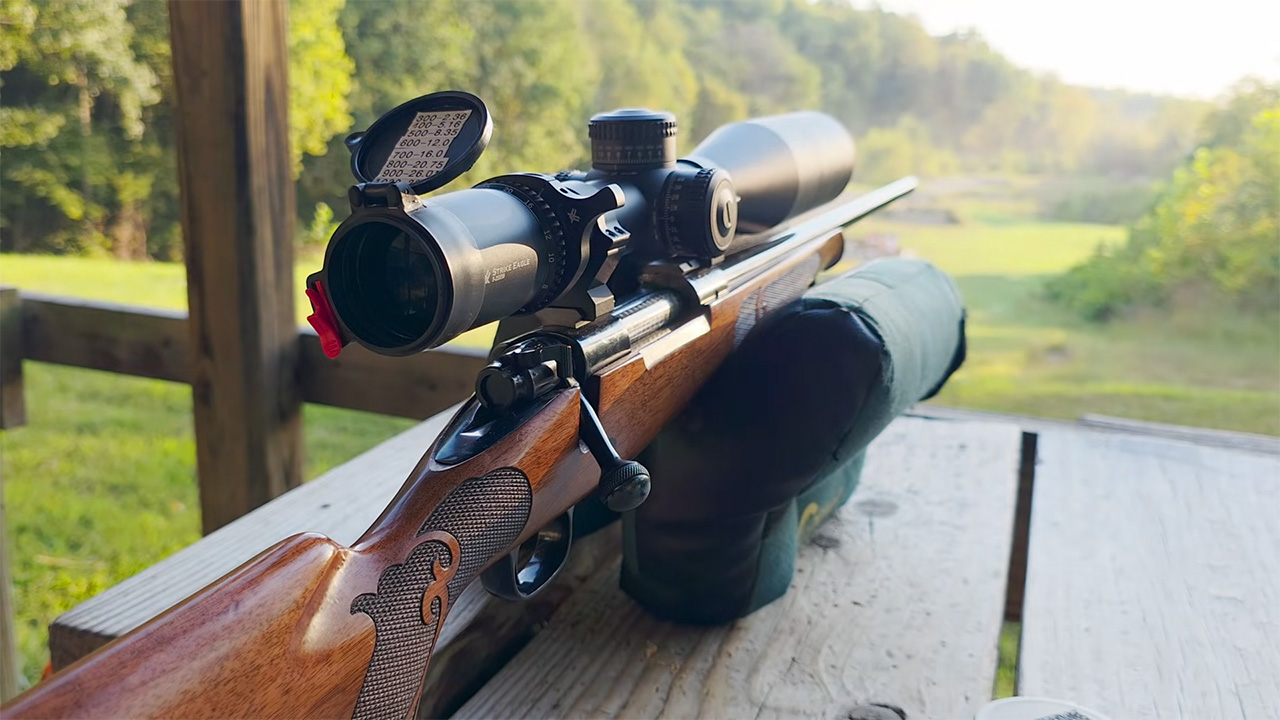
The Featherweight gets much of its appeal from balance rather than any one exotic feature. The stock is slim, the rifle carries beautifully, and the action gives you a traditional hunting experience without unnecessary bulk.
That makes it an excellent example of why expensive upgrades can miss the point. A carbon stock might save a few ounces, and a new barrel might shrink groups slightly, but the factory rifle is already easy to carry and accurate enough for deer hunting. Sometimes the better move is to leave the rifle alone and spend the upgrade money on ammunition and time in the woods.
Ruger No. 1B
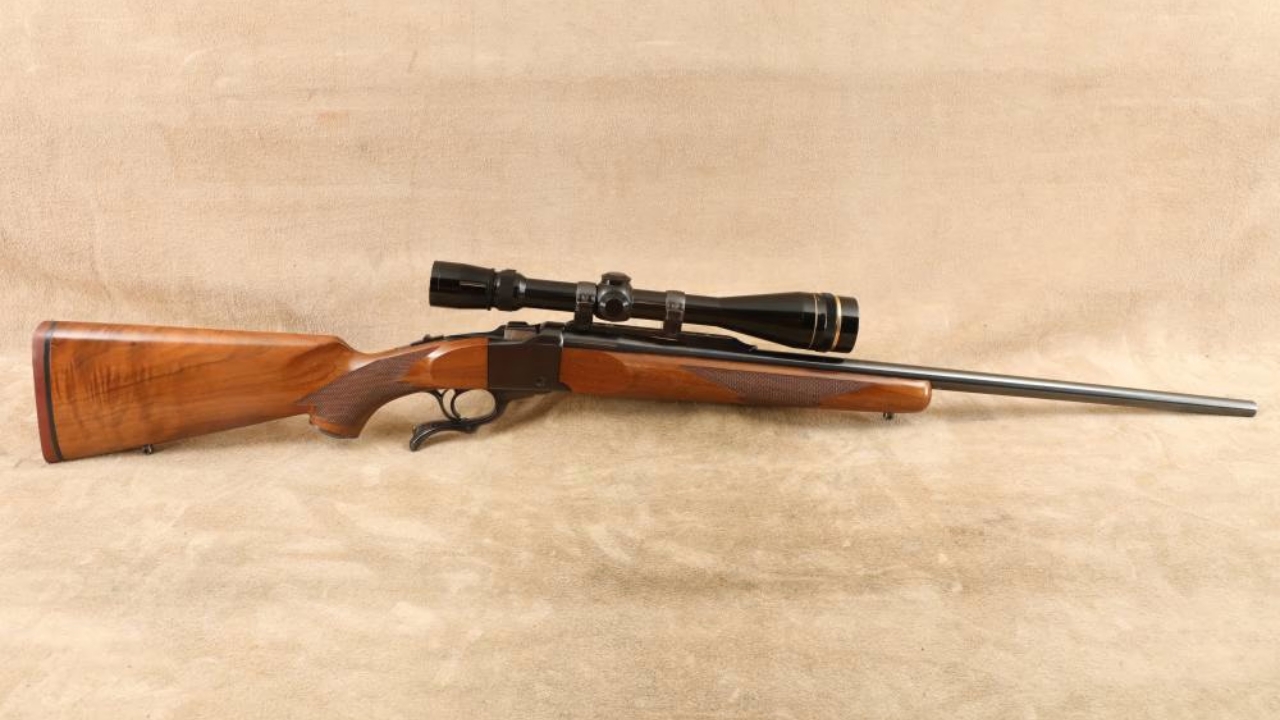
The No. 1B is a single-shot, which means it will never compete with repeaters on capacity. What it does offer is an exceptionally rigid action, a full-length barrel in a compact overall rifle, and enough weight to stay steady during the shot.
For a deer hunter who is comfortable making the first shot count, the factory rifle already provides everything needed. There is no detachable-magazine system to upgrade and little incentive to replace the stock or action. The No. 1B is inherently simple and mechanically stout. Its limitations are obvious, but expensive modifications do little to improve the role it was designed to fill.
Sauer 101 Classic
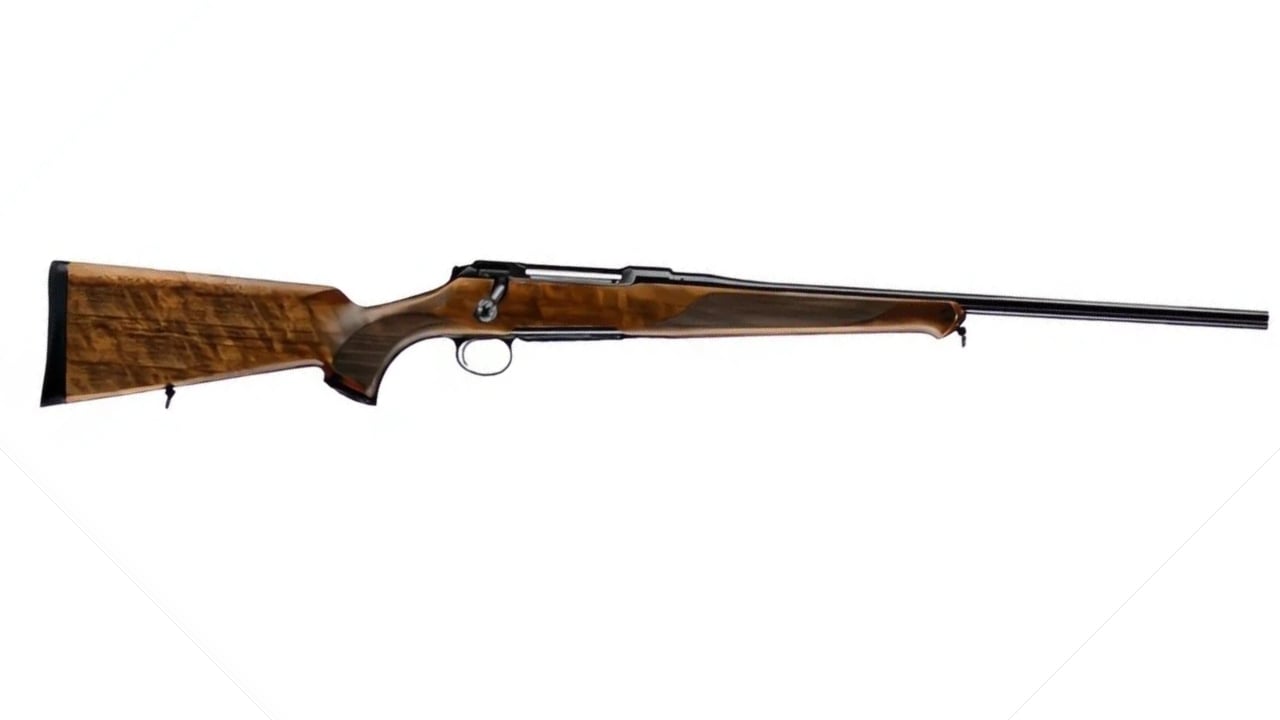
The Sauer 101 is a very polished hunting rifle without moving completely into luxury territory. The action feels smooth, the trigger is excellent, and the rifle shoulders naturally. Those are exactly the areas hunters often spend money trying to improve on cheaper rifles.
That makes the 101 easy to leave alone. A scope and a proven hunting load may be all it ever needs. It is accurate enough for long-range deer work if the shooter is capable, yet it remains light and balanced enough for ordinary woods hunting. Paying for major upgrades after buying one would often be fixing a problem that does not exist.
Mauser M12

The M12 gives hunters a more traditional Mauser experience than entry-level rifles without forcing them into the company’s highest price tiers. It feels solid, cycles cleanly, and has the kind of stock geometry that works from real hunting positions.
The trigger and action are already refined enough that most owners will not immediately start looking for replacements. Accuracy is more than adequate for deer, and the rifle carries with the balance expected from a proper sporting bolt gun. If you buy one because you want a finished hunting rifle rather than a project, it delivers exactly that.
Cooper Model 52
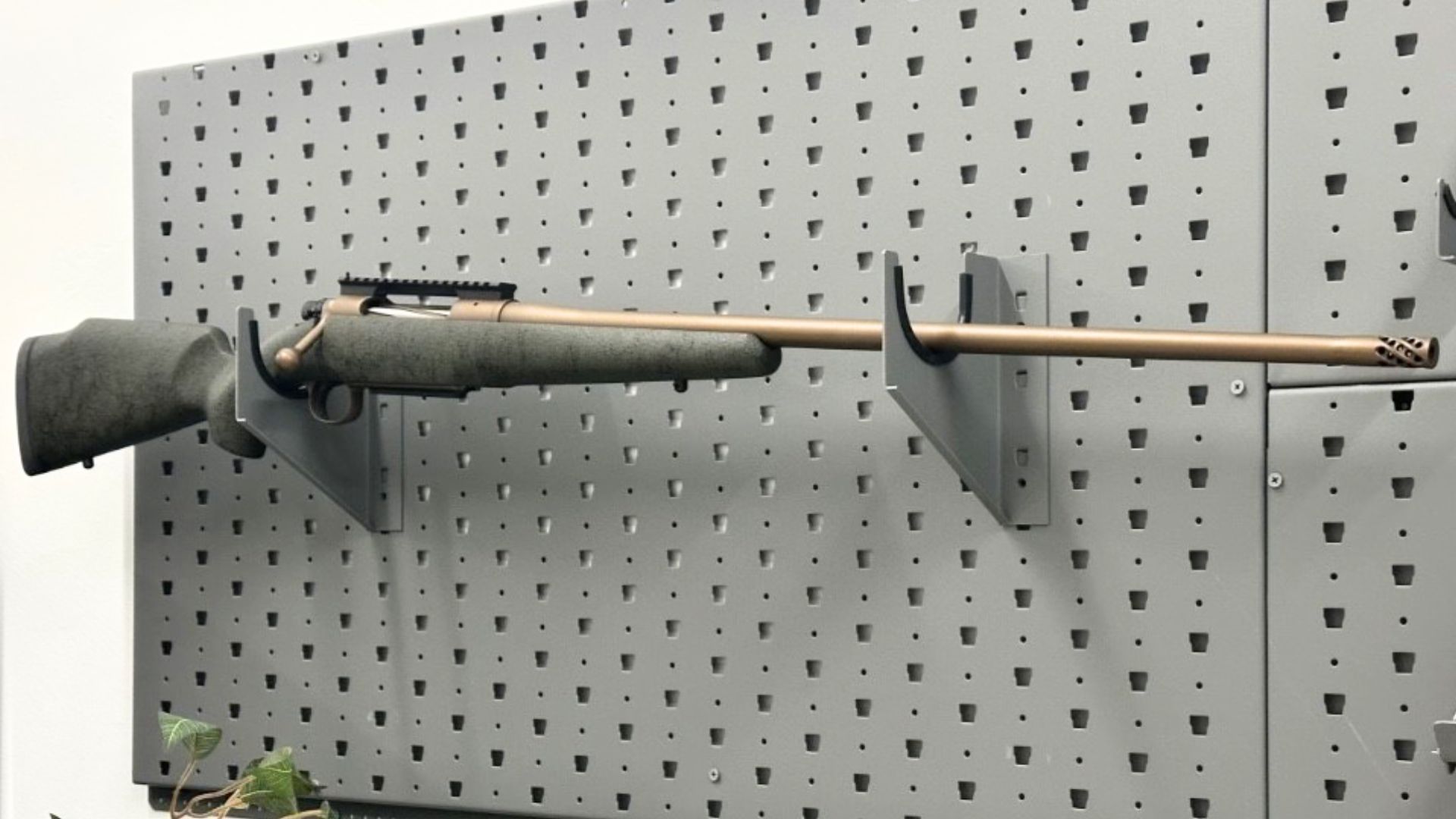
The Model 52 sits toward the expensive end of this list, but it belongs because it demonstrates the opposite side of the same argument. Buy a rifle that is already extremely well built, and there is almost nothing left to upgrade. Cooper put serious attention into the stock, trigger, barrel, and bedding from the start.
That can actually be cheaper than buying a midpriced rifle and spending years turning it into something similar. The Model 52 is accurate, beautifully balanced, and ready for serious hunting without modification. It is not inexpensive, but it makes expensive aftermarket work feel unnecessary because the factory already did it.
Like The Avid Outdoorsman’s content? Subscribe to our newsletter so you never miss an article.
Here’s more from us: