Photo credit: TacticalGearMagTV/YouTube
Precision rifles can be brutal at trade-in. A rifle that cost serious money new may bring an offer that feels insulting once a dealer factors in resale margin, time on the rack, local demand, and the possibility that the next buyer does not care about the exact stock, barrel, or configuration you paid extra for. That does not necessarily mean the rifle has lost that much value.
Some precision rifles have stronger enthusiast demand than a quick trade quote suggests, especially when they are discontinued, built on desirable actions, or known for excellent factory accuracy. Clean examples with low round counts can still bring respectable money when sold to someone who actually knows what they are looking at. These 20 rifles are the kind owners should think twice about dumping at the first trade-in offer.
Accuracy International AE
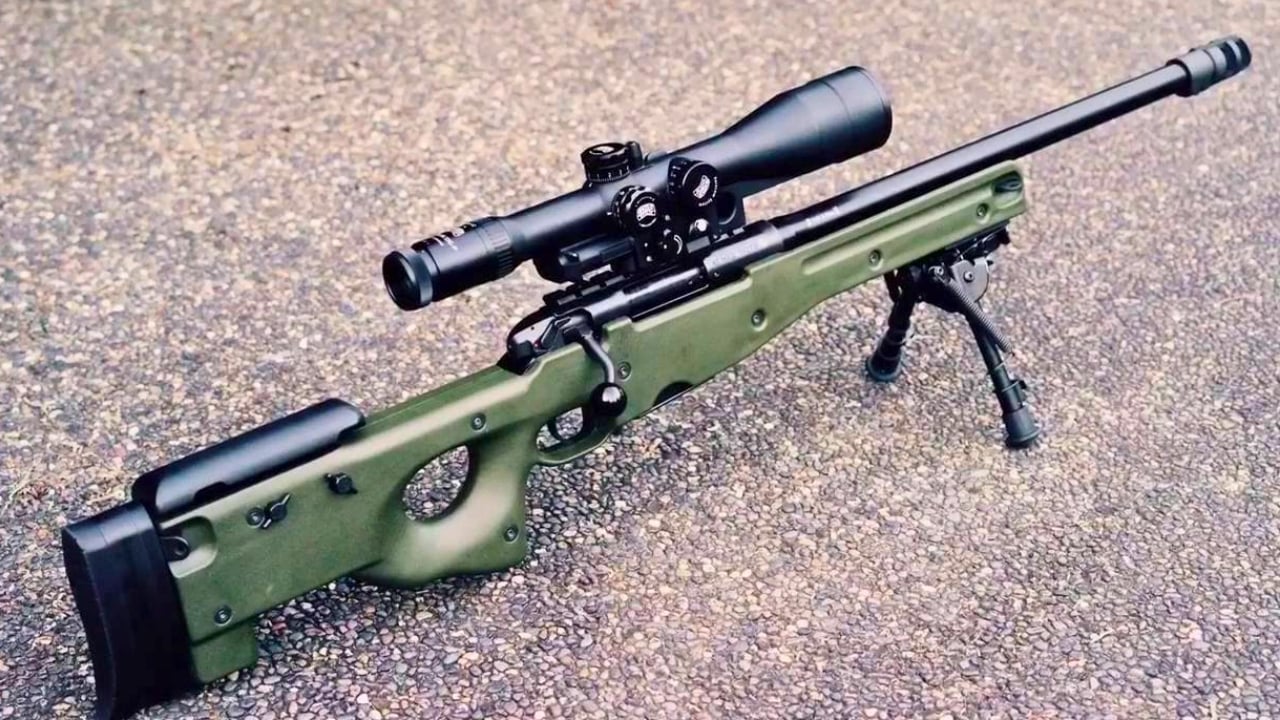
The AE has always lived in the shadow of more expensive Accuracy International rifles, but that does not make it a bargain-bin precision gun. It still gives you the rigid chassis-style construction, dependable action, and unmistakable AI feel that built the company’s reputation. Because newer AI models get most of the attention, owners sometimes assume an older AE has depreciated more than it really has.
Enthusiasts know better. Clean examples remain desirable because they offer genuine Accuracy International build quality without requiring the cost of a current flagship rifle. A dealer may view it as an older bolt gun with a limited buyer pool, but the right precision shooter sees a proven platform that is no longer easy to replace at the same money.
FN SPR A5M
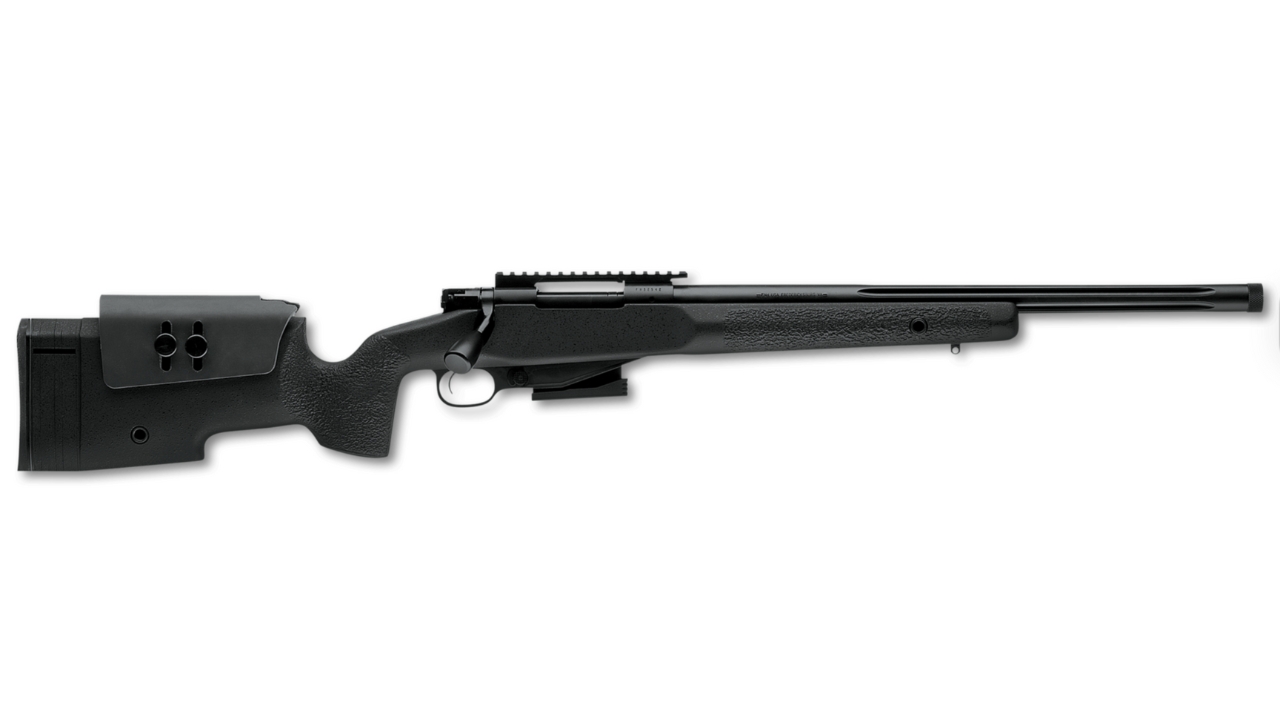
The FN Special Police Rifle series never became as fashionable as newer chassis rifles, but the A5M still has a lot going for it. The controlled-round-feed action, heavy barrel, McMillan stock, and duty-oriented construction give it a very different character from lightweight hunting rifles wearing tactical accessories.
That matters on the used market. Buyers who specifically want an older police-style precision rifle often know exactly what they are looking for, and those rifles can bring stronger money than a generic trade-in estimate suggests. Shops may discount them because they lack current modularity, but the underlying rifle is extremely well built and still has a loyal audience.
Remington 700 Police LTR
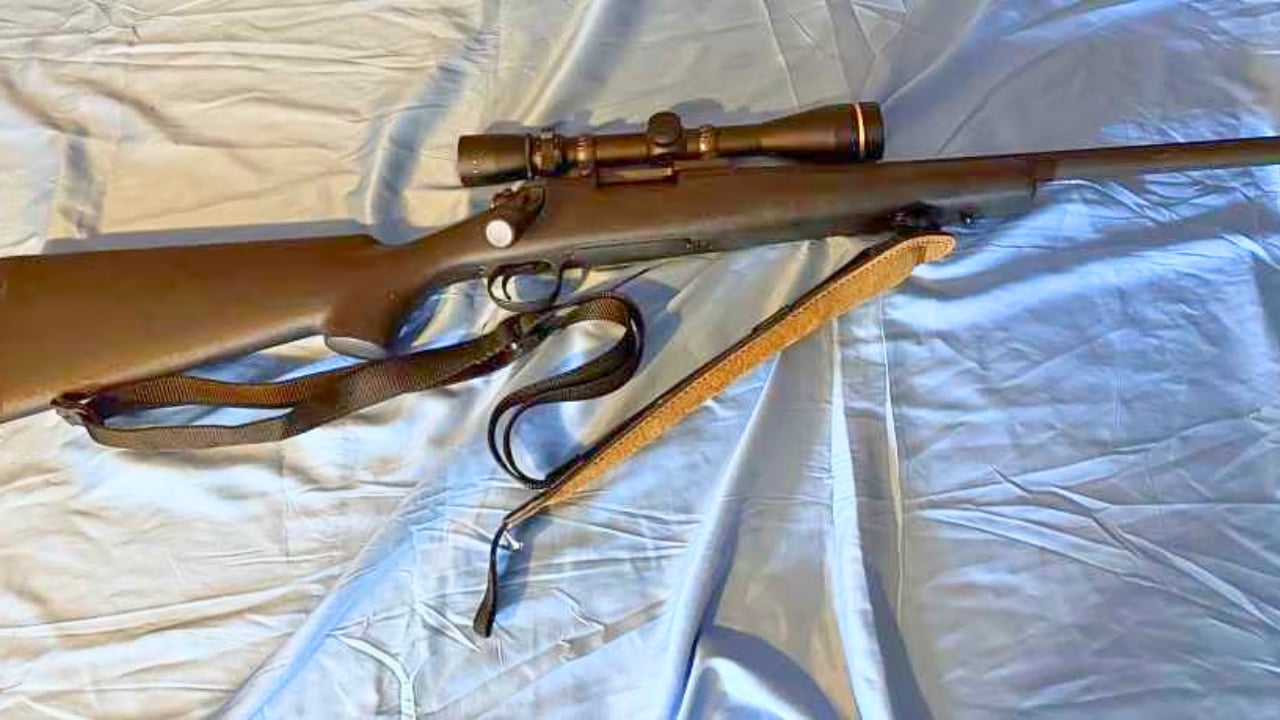
The LTR was one of the better factory tactical versions of the 700 because it combined a shorter heavy barrel with a solid stock and a compact overall package. It became popular with shooters who wanted a precision rifle that did not feel like carrying a fence post.
Used value can be stronger than owners expect because the original factory configuration still appeals to shooters who do not want somebody else’s heavily modified build. A clean LTR with the original stock and a good bore can be more desirable than a newer entry-level chassis rifle. Trade-in offers may not fully reflect that because dealers often see only an older 700.
Savage 10 FCP-SR
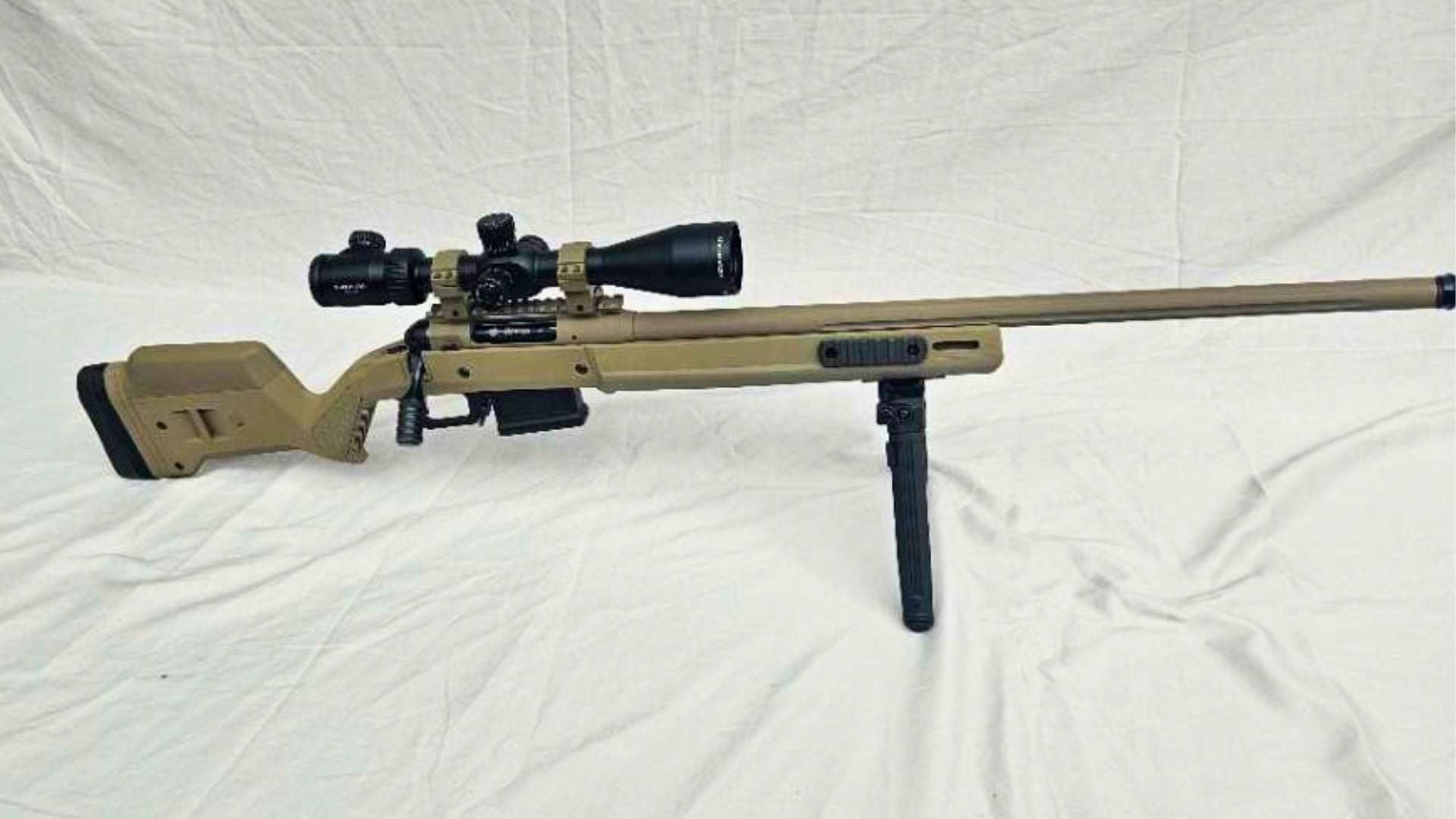
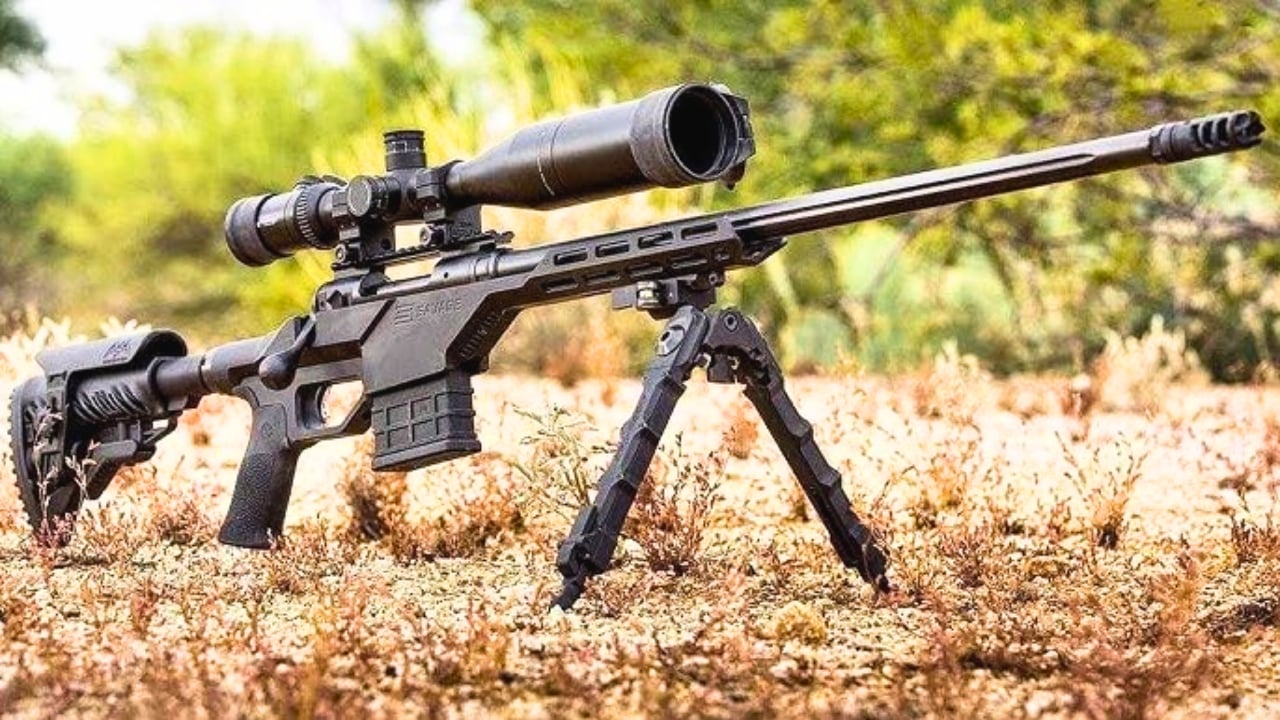
The 10 FCP-SR hit a sweet spot before factory threaded precision rifles became everywhere. It offered a heavy barrel, threaded muzzle, detachable magazine system, and Savage’s adjustable trigger at a price that made serious long-range shooting accessible.
That history gives good examples more used-market appeal than the average trade counter may recognize. Owners often upgraded stocks, bottom metal, or optics, but an unmolested rifle can be especially attractive to shooters wanting a solid foundation. A dealer may price it like another discontinued Savage, while a precision shooter may value the combination of barrel quality, trigger, and proven action considerably more.
Steyr SSG 69

The SSG 69 is old-school precision in the best sense. It predates the modern chassis craze, yet its reputation for accuracy, smooth operation, and excellent trigger quality remains strong. The green stock and distinctive rotary magazine system also give it an identity that newer rifles simply do not have.
That uniqueness protects value. A quick trade-in quote may be based on age and limited parts availability, but collectors and precision-rifle enthusiasts often see a historically important rifle that still shoots exceptionally well. Clean, original examples deserve more consideration than a generic used-gun offer might suggest.
Tikka T3 Tactical

The original T3 Tactical was one of the rifles that helped establish Tikka as a serious precision option in the United States. It combined the famously smooth Tikka action with a heavier barrel, adjustable stock features, and a more tactical setup than the standard hunting line.
Because later Tikka models became more modular, the older Tactical can look dated at first glance. That does not erase its reputation for accuracy. Shooters who know the platform may pay well for a clean factory example, especially if the round count is low. Owners can lose money unnecessarily if they assume an older T3 is worth little simply because newer variants exist.
Sako TRG-22
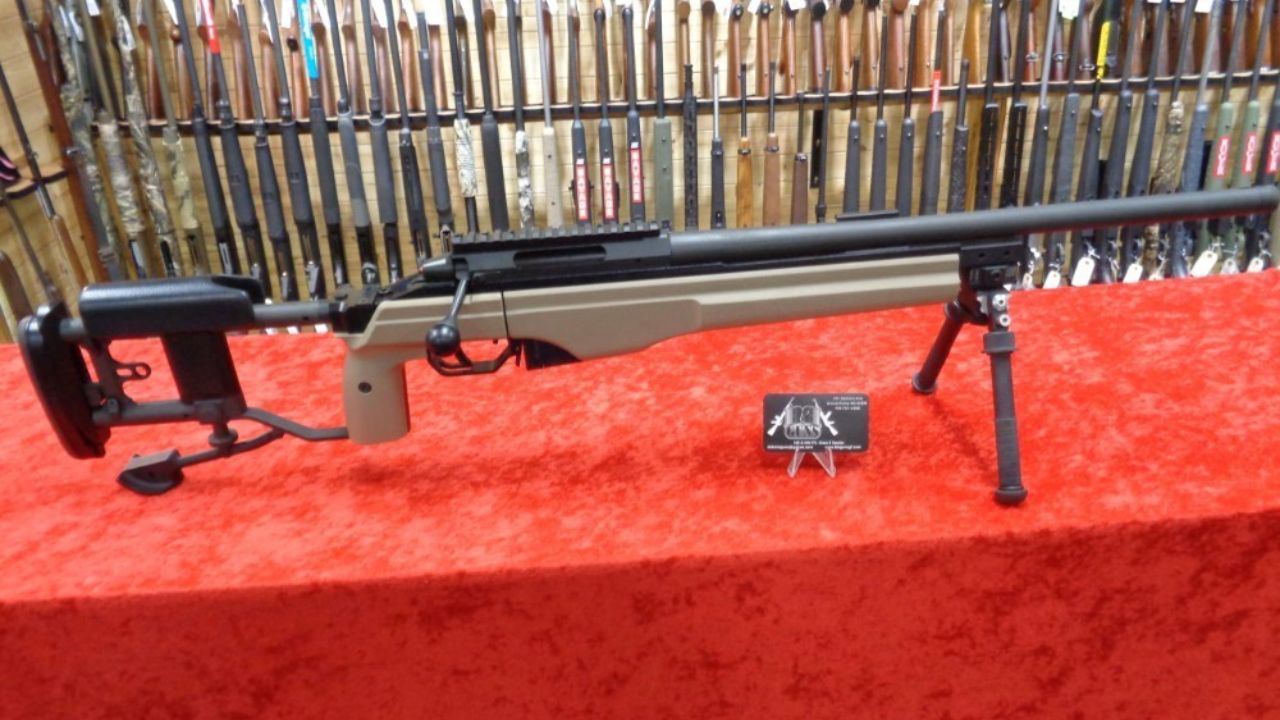
The TRG-22 is exactly the kind of rifle that can get undervalued if the person making the trade offer is thinking like a general gun dealer instead of a precision shooter. It has an exceptional action, excellent trigger, strong stock design, and a long-standing reputation for accuracy.
Those qualities do not disappear just because the rifle is used. In fact, clean TRG-22s can remain very desirable because replacing one with an equivalent new rifle is expensive. A dealer still needs margin and may be cautious about tying up money in a specialized rifle, but the private market often recognizes how much quality is sitting there.
Weatherby Mark V Accumark
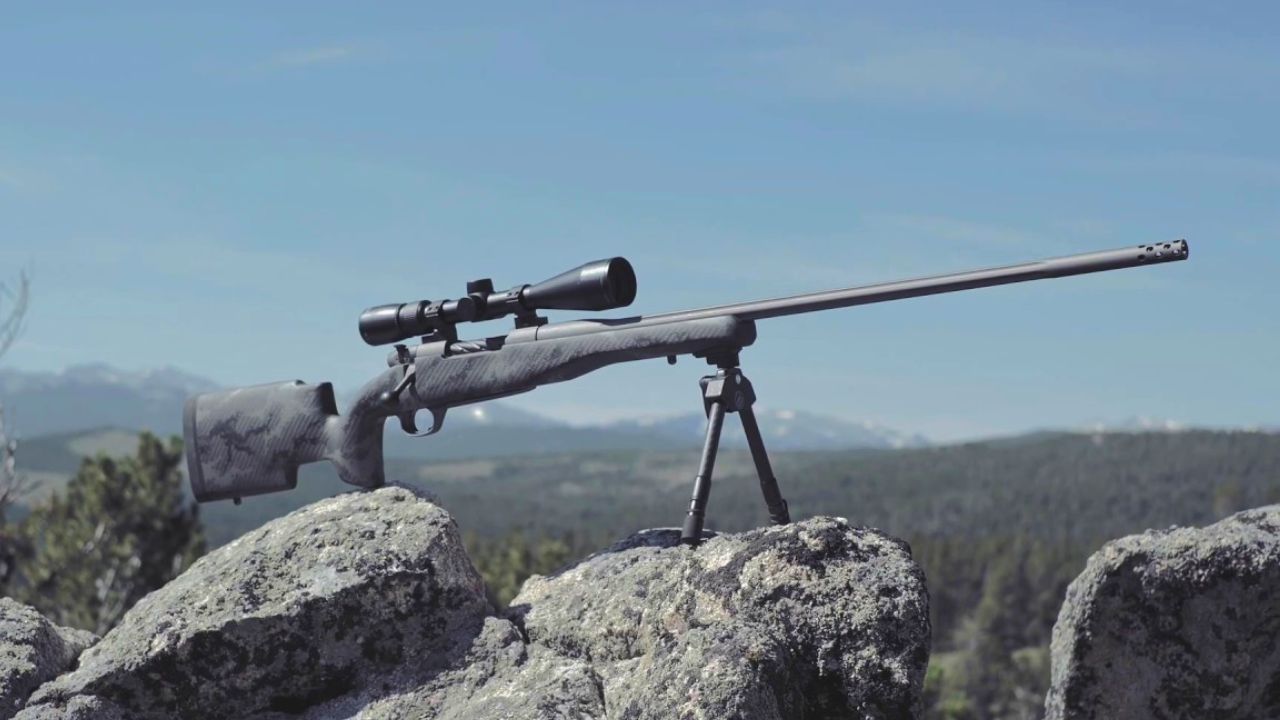
The Accumark has always been positioned as a premium long-range hunting and precision-oriented rifle rather than a basic field gun. Its heavy-contour barrel, stable stock, and strong Mark V action give it a substantial feel that still appeals to shooters who prefer traditional stocks over chassis systems.
Trade-in numbers can look disappointing because the rifle is heavy, expensive, and sometimes chambered in cartridges with narrower demand. The right buyer, however, may value the exact chambering and factory configuration far more highly. Owners of clean Accumarks should not assume that a weak counter offer represents the rifle’s true enthusiast-market value.
Blaser R93 LRS2
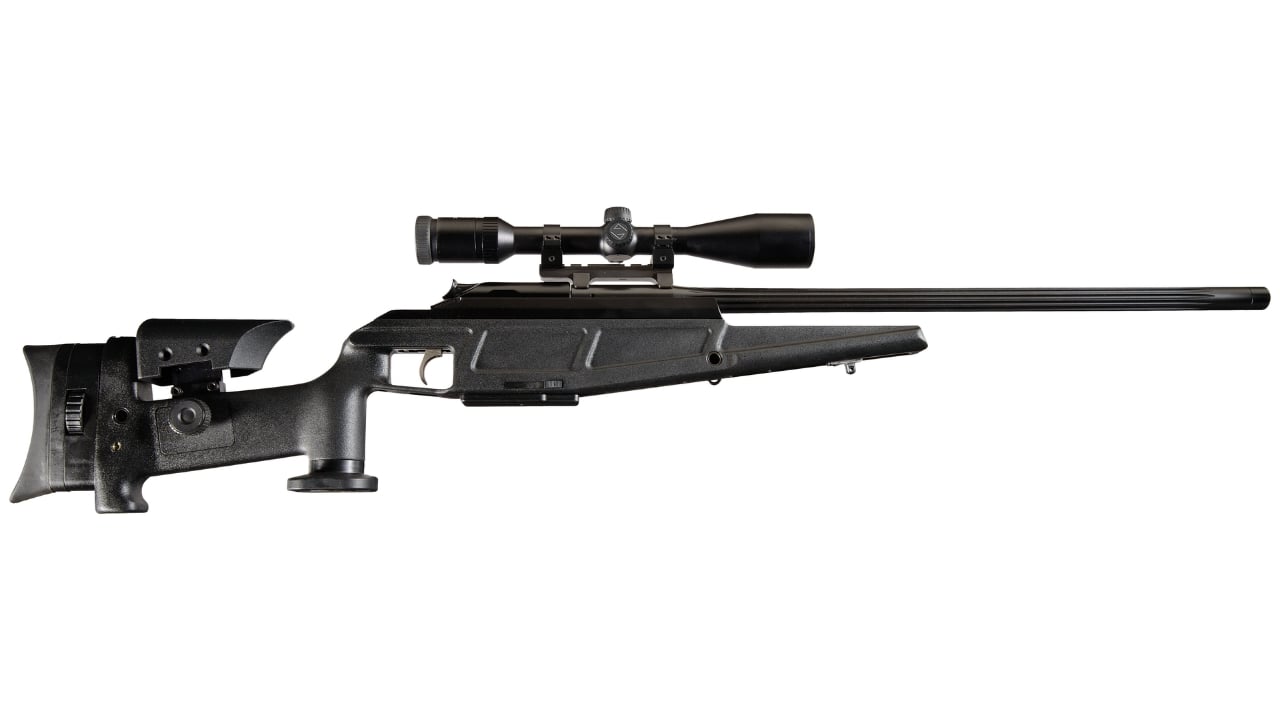
The R93 LRS2 is mechanically unusual, highly recognizable, and no longer something you can simply replace with a current-production duplicate. Its straight-pull action and competition-oriented stock make it very different from conventional American precision rifles.
That can hurt a trade quote because dealers may worry about how long such a specialized rifle will sit. It can help private value for exactly the same reason. Shooters who specifically want an LRS2 know they are shopping for something scarce, and clean examples can have a much stronger following than broad-market demand would indicate.
SIG Sauer SSG 3000
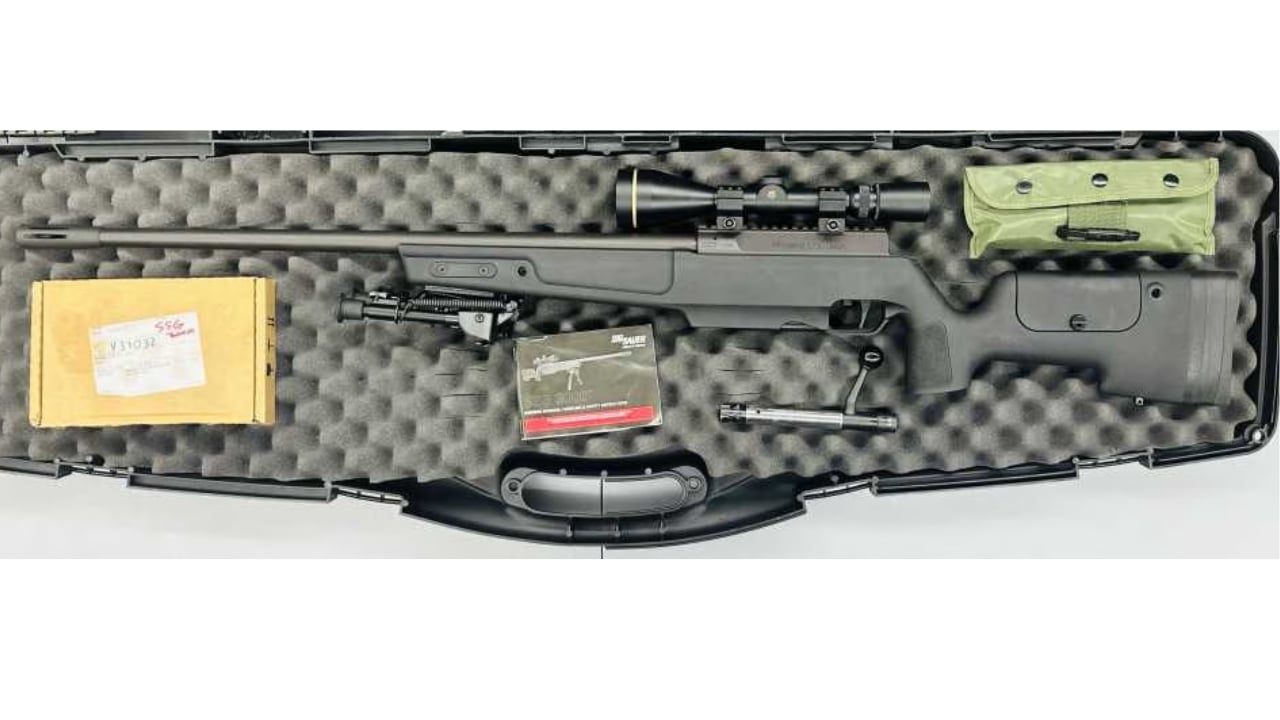
The SSG 3000 is one of those precision rifles that never received the mainstream attention its quality deserved. It has a substantial action, excellent trigger, and a reputation for accuracy that puts it well above ordinary factory tactical rifles.
Because it lacks the current-name recognition of some newer precision platforms, owners can be surprised by modest trade offers. The problem is not the rifle. It is the limited number of casual buyers who recognize it. Among knowledgeable shooters, a clean SSG 3000 can still be viewed as a serious piece of equipment rather than a dated bolt gun.
Desert Tech SRS Covert
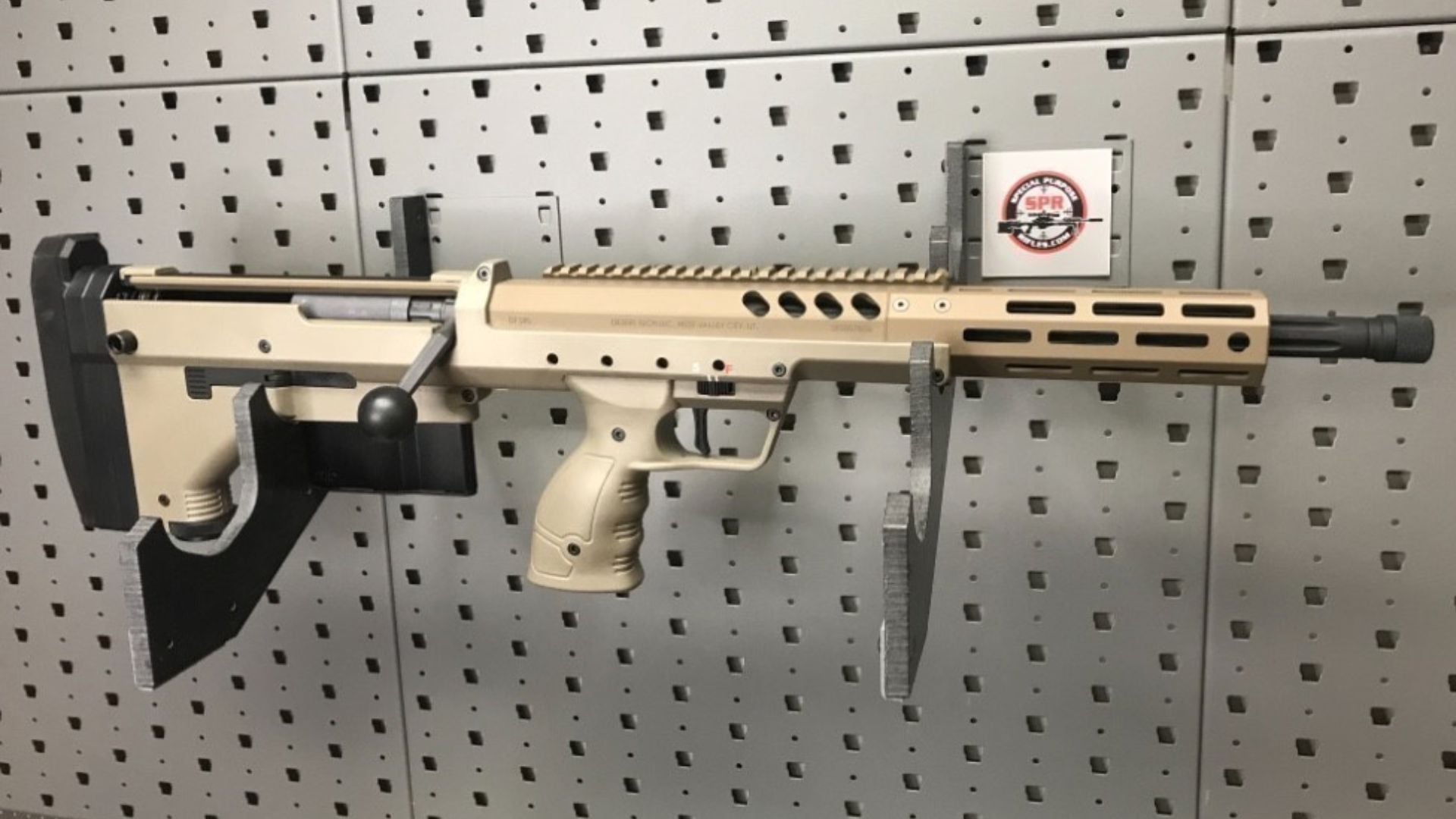
The SRS Covert remains unusual even in a market full of chassis rifles. Its bullpup layout keeps overall length short while allowing full-length barrels, and the switch-barrel system adds versatility that most conventional bolt guns cannot match.
That specialization can create a big gap between trade value and enthusiast value. A dealer may hesitate because the rifle is expensive and appeals to a narrow audience. Someone already interested in Desert Tech may be willing to pay considerably more because the platform offers capabilities that are difficult to duplicate elsewhere.
Barrett MRAD
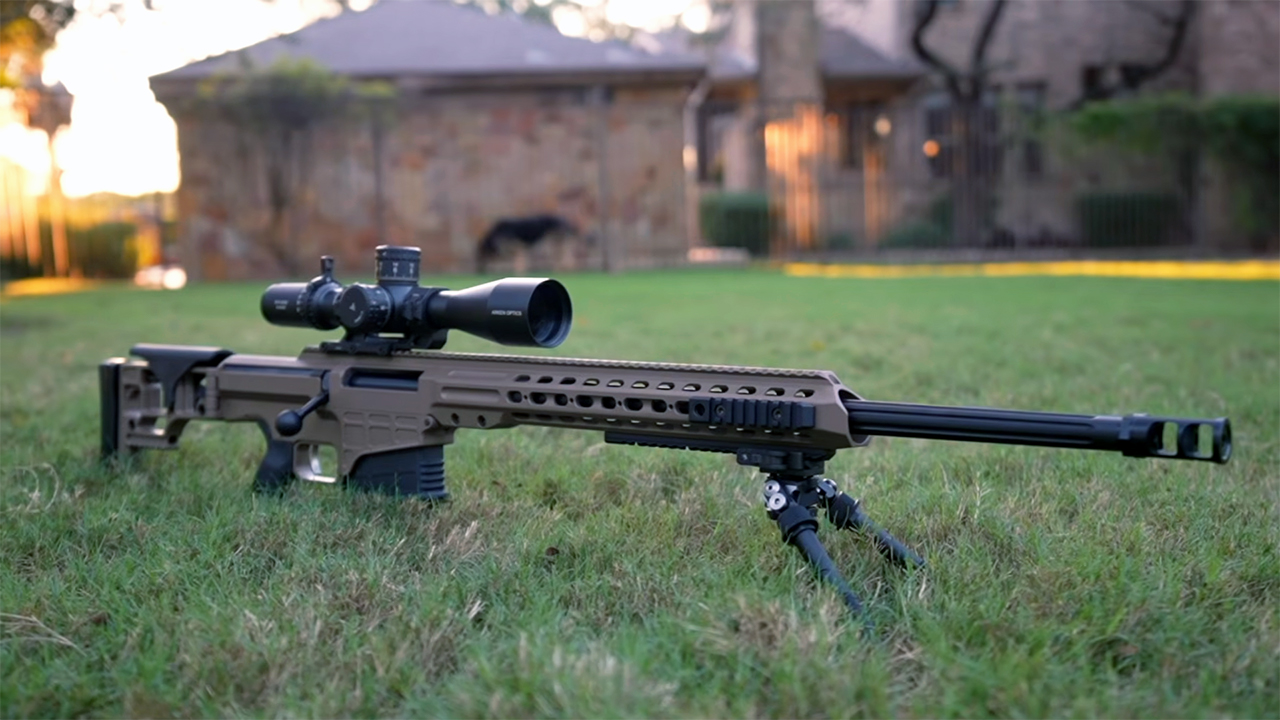
The MRAD sits in a rare category where used value can remain surprisingly strong simply because the new replacement cost is so high. The multi-caliber capability, rugged chassis, and military pedigree make it much more than a typical precision rifle.
A trade-in offer still has to leave room for a dealer to move a very expensive firearm, which can create a huge dollar spread. Owners sometimes see the large raw number offered and assume it is fair without comparing what similar used rifles actually command. On a rifle this expensive, even a normal dealer margin can represent thousands of dollars.
Surgeon Scalpel
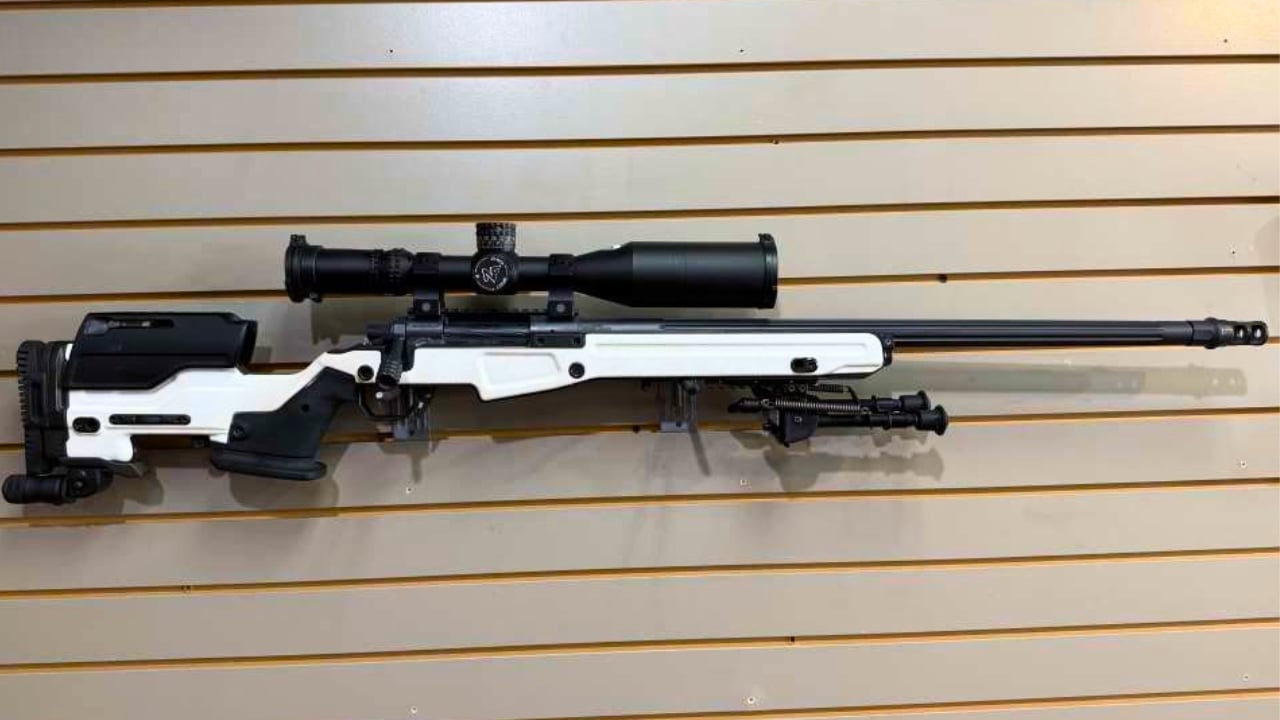
Surgeon rifles built their reputation around extremely rigid actions and high-end precision builds long before custom-style actions became as common as they are today. A Scalpel may not have the same social-media visibility as newer custom rifles, but serious precision shooters still know what the name represents.
That recognition matters on resale. A general trade-in counter may struggle to value the action, barrel work, and overall build quality properly, especially if the rifle is older. The enthusiast market is more likely to understand that the underlying action alone carries substantial value.
GA Precision Crusader
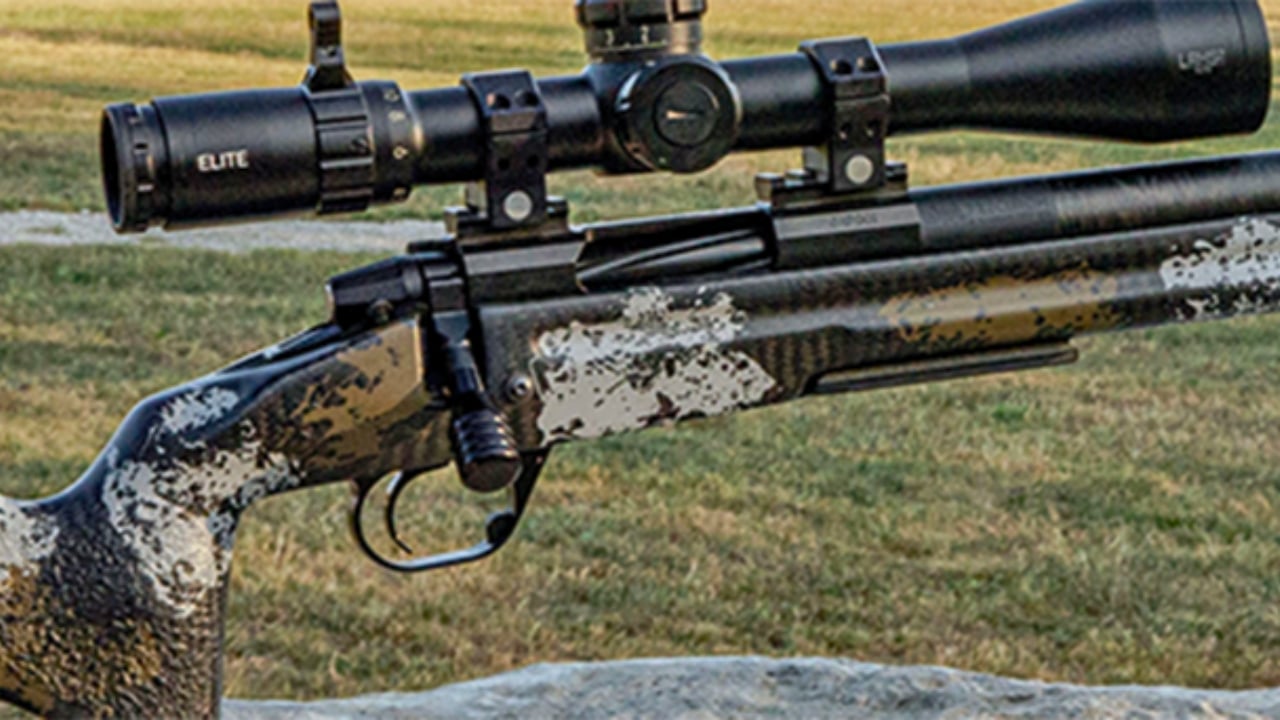
GA Precision rifles have long been associated with serious long-range shooting, and the Crusader became one of the company’s recognizable configurations. These rifles were built around premium components rather than mass-market cost targets.
That makes them difficult to value casually. A dealer may treat one like a used custom rifle with uncertain resale, while knowledgeable buyers may recognize the action, barrel, stock, and gunsmithing immediately. Owners can leave a lot of money on the table if they accept a generic trade figure without considering the reputation behind the build.
McMillan TAC-308
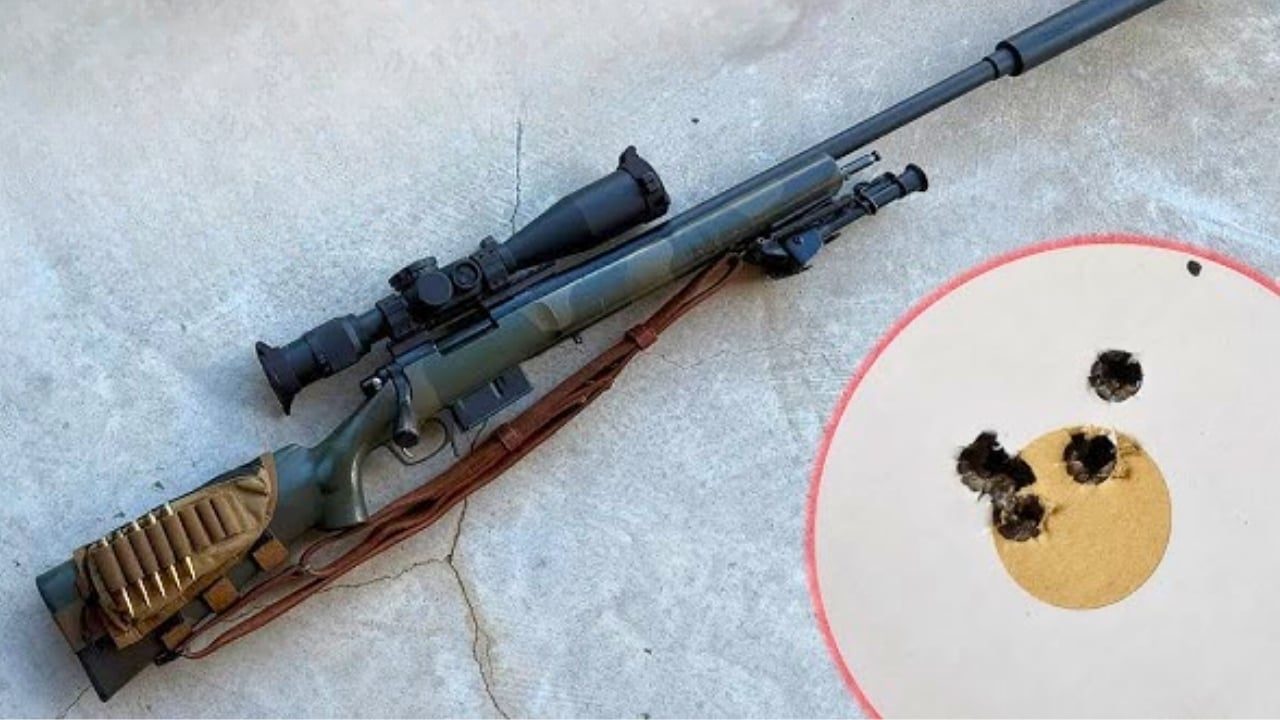
The TAC-308 represents the older school of precision rifles where a heavy barrel, quality stock, and carefully fitted action mattered more than modular rails and folding chassis systems. It may not look as contemporary as current competition rifles, but that does not make it less serious.
Used examples can retain value because McMillan stocks and precision-rifle construction still carry weight with experienced shooters. Dealers may discount them for being heavy and traditional. Buyers who specifically want a classic tactical bolt gun may see exactly the opposite: a proven rifle with no need for fashionable upgrades.
Dakota Arms Model 76 Long Range
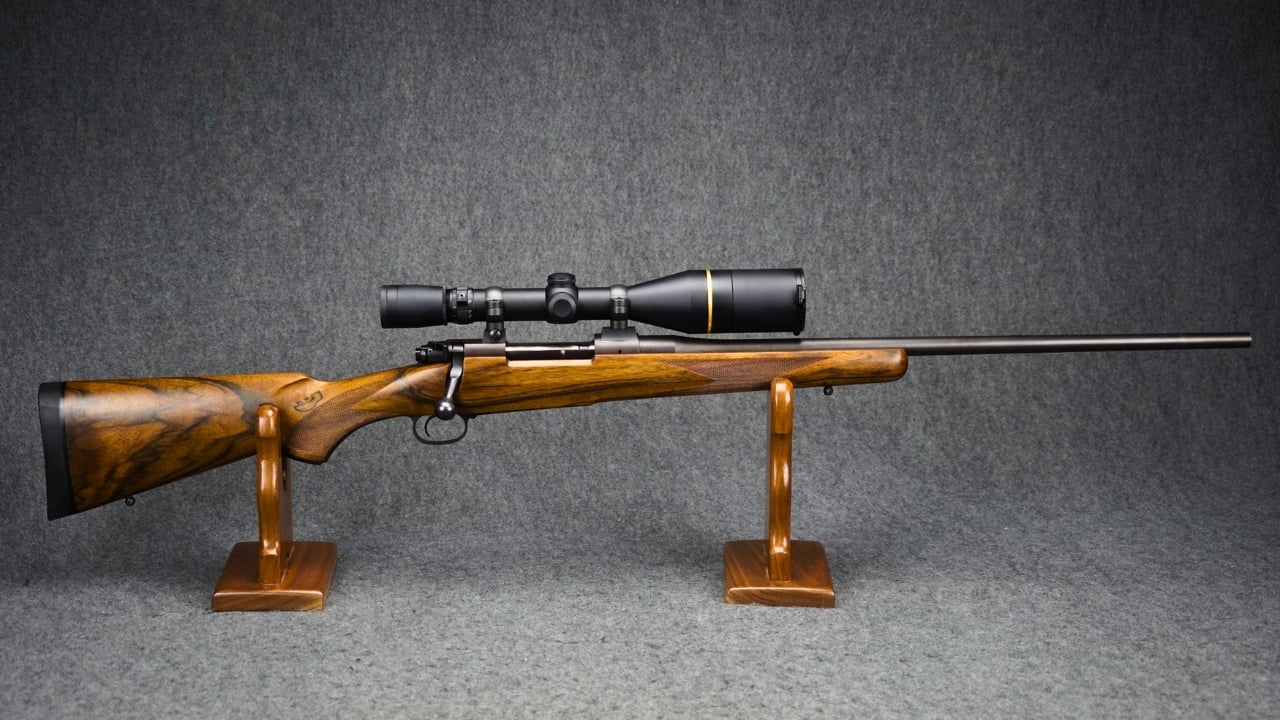
Dakota rifles were never mass-market guns, and that scarcity can create strange trade-in situations. A shop may hesitate to offer aggressively because the buyer pool is small, yet the rifle’s craftsmanship, controlled-feed action, and premium construction can make it highly desirable to someone who understands the brand.
That is especially true with precision-oriented or long-range configurations. Owners should separate liquidity from value. A rifle may take longer to sell privately while still being worth considerably more than a fast trade-in number suggests.
FN Ballista

The Ballista was a serious modular precision rifle that never became as common as some competing systems. Its chassis, multi-caliber capability, and military-oriented design put it squarely into the high-end precision category.
Rarity cuts both ways. Dealers may be nervous about tying up capital in one, especially if local demand is weak. Dedicated collectors or long-range shooters, however, may value the rifle precisely because it is uncommon. Clean examples can deserve more patience than a quick trade counter usually rewards.
Remington MSR
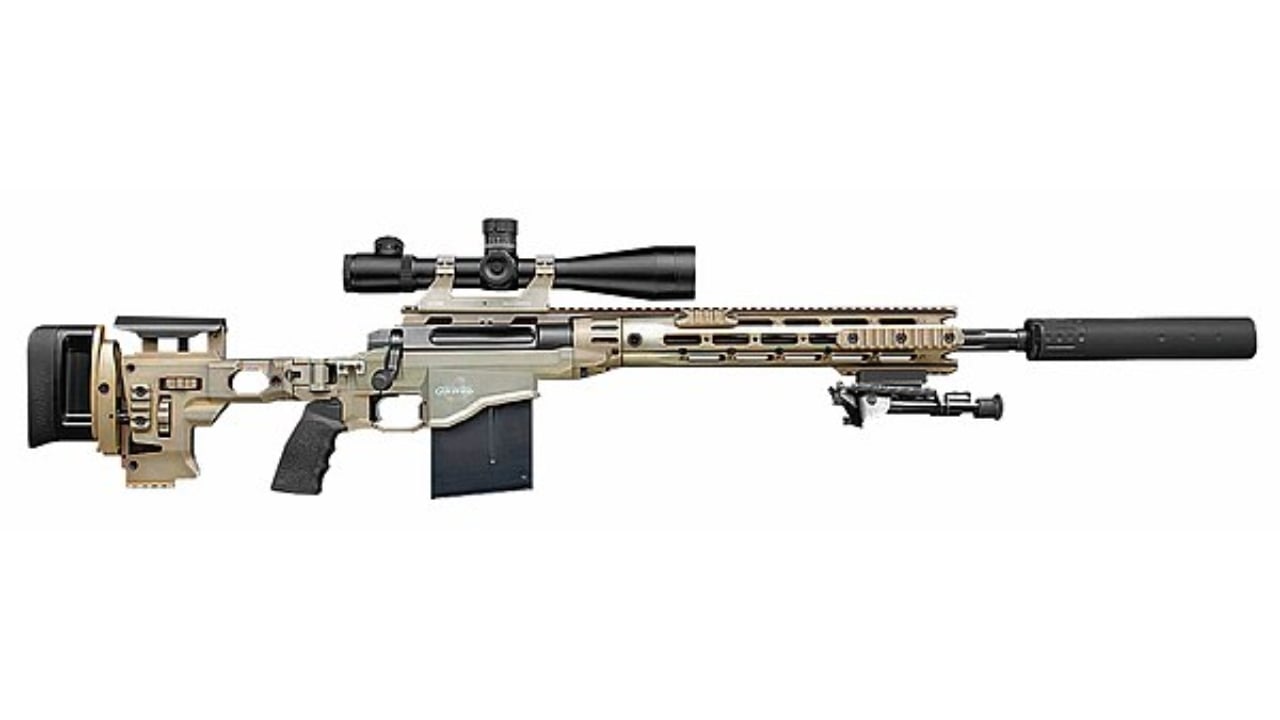
The Modular Sniper Rifle is one of the more specialized Remington precision platforms and far removed from the ordinary 700 hunting rifles most buyers know. Its folding chassis, caliber-conversion capability, and military roots give it both functional and collector interest.
That makes it easy to undervalue in a standard retail environment. A dealer may focus on limited demand and expensive inventory cost, while a collector sees a discontinued military-linked precision system. Owners should be especially cautious about trading rare factory configurations at generic used-rifle percentages.
Anschutz 1782 Precision
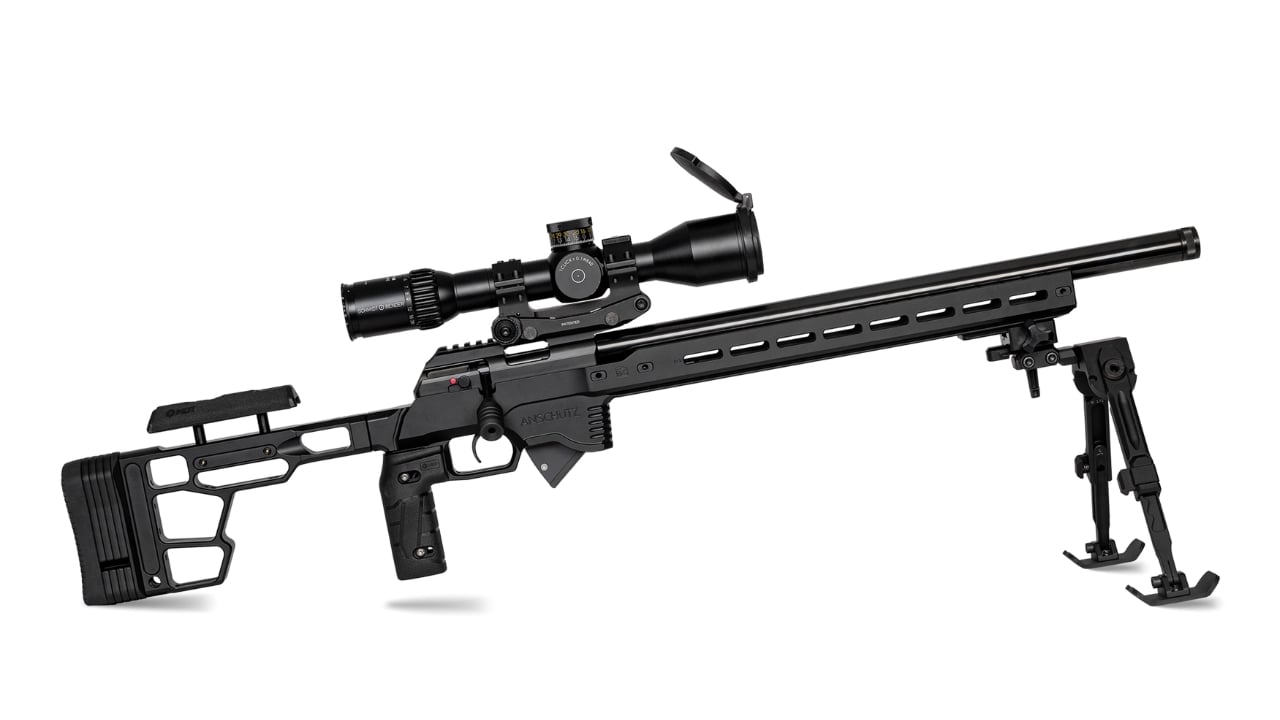
Anschutz is best known in the United States for rimfires, which can cause shooters to overlook the company’s centerfire precision rifles. The 1782 action is exceptionally smooth, the trigger quality is outstanding, and the overall manufacturing standard is far beyond ordinary production rifles.
Because fewer buyers recognize the centerfire models, a dealer may price conservatively. Someone familiar with Anschutz quality may be much more willing to pay for it. That difference in brand knowledge can create a substantial gap between trade value and what the rifle is actually worth to the right shooter.
Unique Alpine TPG-1
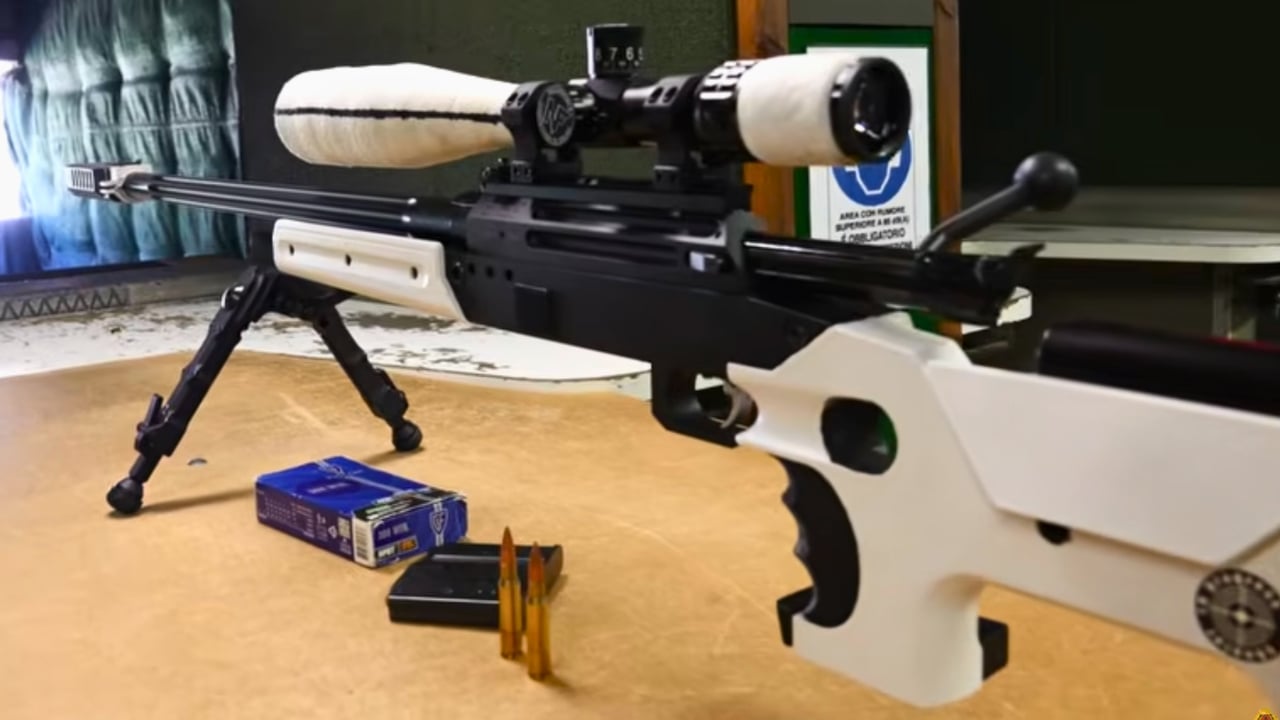
The TPG-1 is a European precision rifle that has never been common in the American market. It combines a purpose-built precision action, substantial stock system, and high-end construction in a package aimed at serious long-range use rather than casual hunting.
Its obscurity is exactly why an owner should be careful at trade-in. A store may see an unfamiliar, expensive rifle that could sit for months. A knowledgeable buyer may see a rare precision system that is difficult to replace. When a gun has that much specialized appeal, convenience is often what you are selling at the trade counter, not just the rifle.
Like The Avid Outdoorsman’s content? Subscribe to our newsletter so you never miss an article.
Here’s more from us: