Photo credit: Chris Parkin Shooting Sports/YouTube
Some guns get laughed at before they ever get a fair shake. Maybe they look strange, come from a brand people don’t fully trust, use an unusual design, or show up at the wrong time. Once shooters decide a gun is goofy, cheap, ugly, or unnecessary, that reputation can stick hard.
But time has a way of cleaning up bad first impressions. A gun that looked wrong at the counter can end up running well, shooting better than expected, or filling a role people didn’t understand yet. These are the guns people mocked too soon, only to watch them earn more respect later.
Beretta PX4 Storm
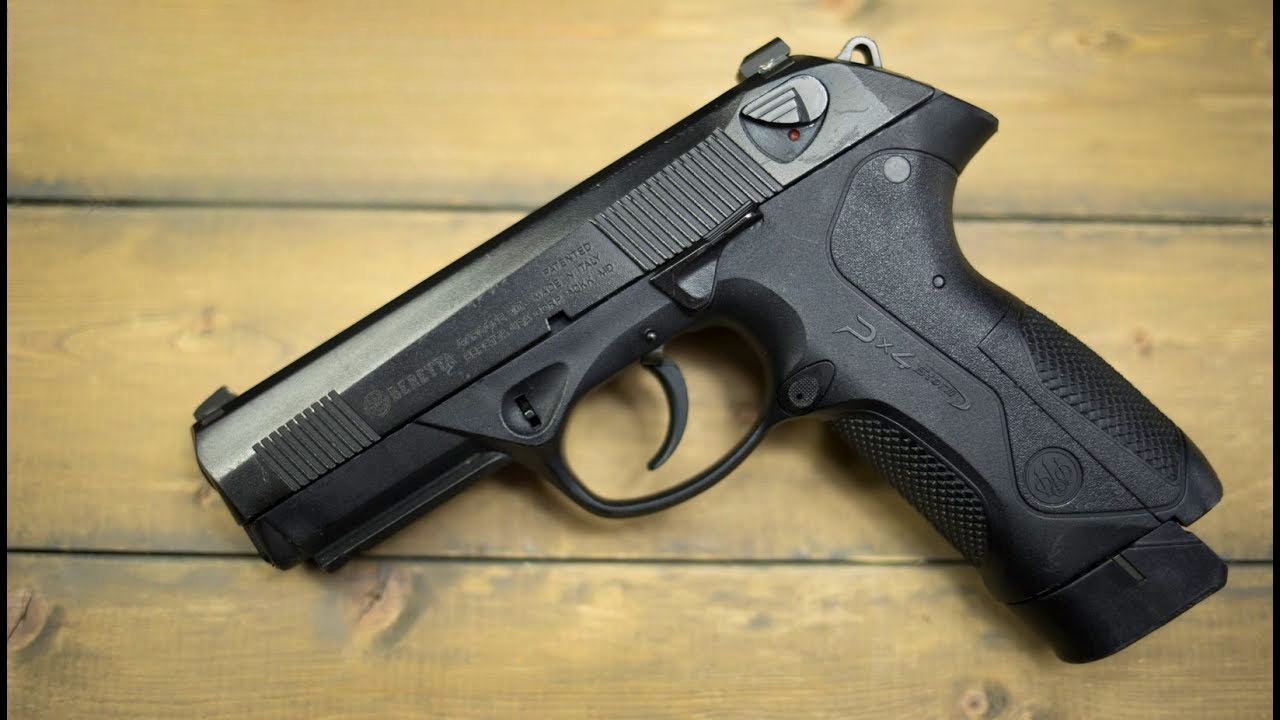
The Beretta PX4 Storm caught plenty of jokes because it didn’t look like the pistols people expected from Beretta. The rounded slide, polymer frame, and rotating barrel system made it seem odd next to the 92 series and the cleaner-looking striker-fired guns that were taking over. A lot of shooters dismissed it on appearance alone.
That was too quick. The PX4 shoots softer than many people expect, especially in the compact and full-size versions, and the rotating barrel system actually does something useful for recoil control. It is reliable, accurate, and more refined than its shape suggests. Once serious shooters started giving it real time, the old jokes started sounding lazy. It was never a bad pistol. It was just different.
Ruger American Rifle

The Ruger American Rifle looked cheap when it first started showing up in deer camps. The stock felt hollow, the lines were plain, and the whole rifle seemed like a budget answer for hunters who didn’t want to spend more. Traditional rifle guys had no trouble making fun of it.
Then the groups started showing up. A lot of Ruger Americans shot better than their price tags suggested, and hunters learned that ugly plastic didn’t matter much when the rifle carried light and put bullets where they belonged. It wasn’t fancy, and it still doesn’t feel like a premium rifle. But it proved that affordable could still mean accurate, useful, and smart.
KelTec Sub-2000

The KelTec Sub-2000 has always been easy to mock because it looks like something built from spare parts and folded lawn chair logic. The plastic-heavy feel, odd layout, and folding design made some shooters treat it like a gimmick instead of a serious carbine.
But the idea was better than the jokes. A lightweight pistol-caliber carbine that folds small, uses common magazines in certain versions, and stores easily has real utility. It is not a precision rifle, and it is not trying to be. It is handy, simple, and useful for the right role. Once people stopped judging it like an AR and started judging it like a compact utility carbine, it made more sense.
Smith & Wesson SD9VE
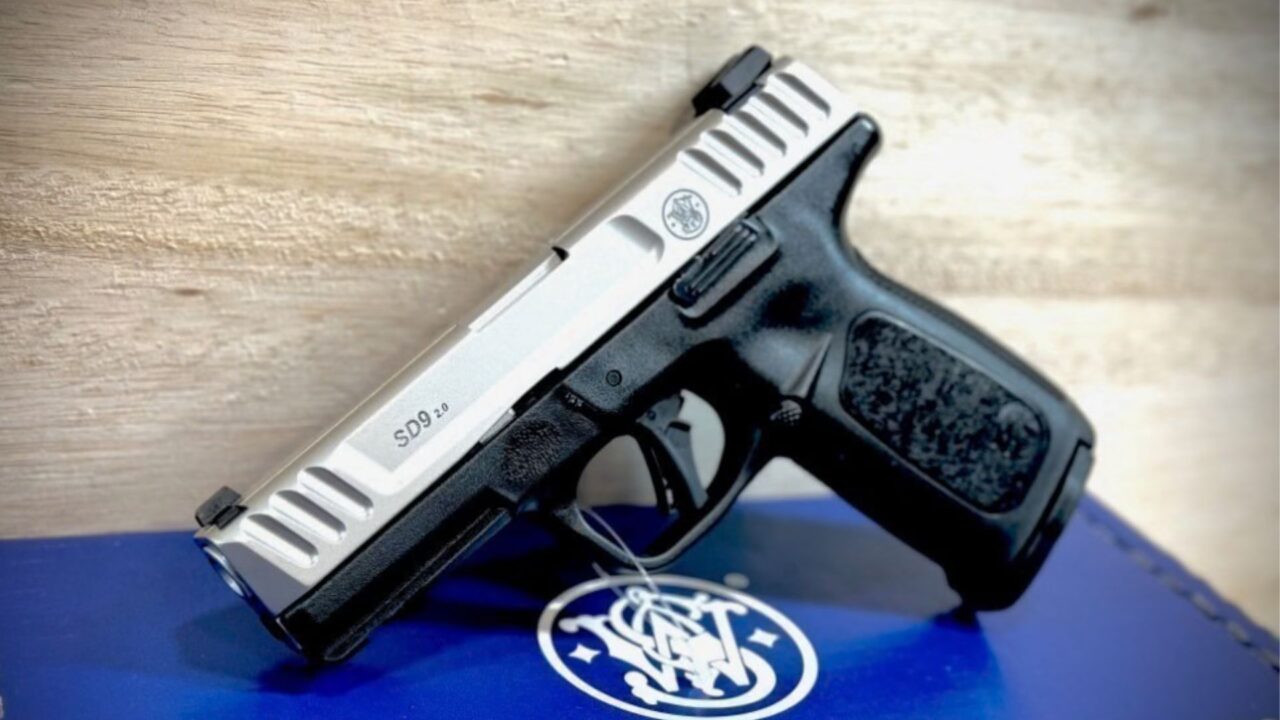
The Smith & Wesson SD9VE got mocked hard for being a cheap Glock-like pistol with a heavy trigger. It was the kind of handgun people bought on a budget, and plenty of shooters treated it like that was all anyone needed to know. The internet was not kind to it.
The reality was more reasonable. The SD9VE was basic, but it usually ran, carried enough rounds, and gave new shooters a defensive 9mm without a painful price. The trigger was not great, but it was learnable, and the gun did the job for a lot of owners. It never deserved to be treated like a premium pistol, but it also didn’t deserve to be dismissed as useless. It was better than the jokes.
Glock 19X

The Glock 19X was mocked almost immediately because of its backwards-sounding size. A full-size grip with a compact slide seemed strange to shooters who wanted the opposite for concealed carry. Add the coyote color and military trial backstory, and people had plenty to argue about before they even shot it.
Then owners started realizing it was a very shootable pistol. The full grip helped control, the shorter slide carried and balanced well, and the gun had the usual Glock reliability. It may not make sense for every carry role, but as a range, duty-style, or general-purpose pistol, it worked better than critics expected. The layout sounded dumb to some people until they felt how well it handled.
Mossberg Patriot
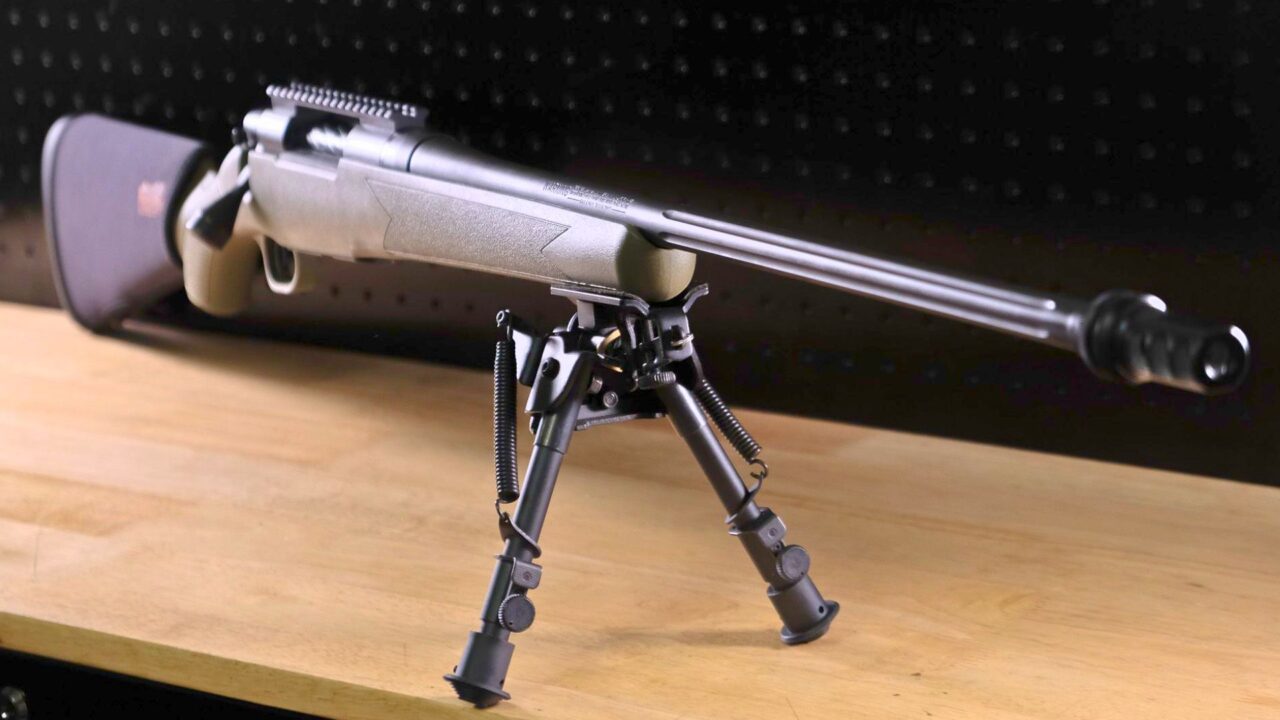
The Mossberg Patriot got dismissed by plenty of hunters because Mossberg was better known for shotguns than bolt-action rifles. The Patriot looked affordable, plain, and not especially refined. For hunters who grew up trusting Remington, Winchester, Ruger, Savage, or Tikka, it was easy to shrug off.
Some Patriots gave owners more than expected. They were not luxury rifles, but many shot well enough for deer hunting, came in useful chamberings, and gave budget-minded hunters a workable rifle without draining the wallet. The fit and finish were not always impressive, but the performance could be perfectly acceptable. People mocked the name and price too soon. For a lot of hunters, the rifle did exactly what it needed to do.
Hi-Point Carbine

The Hi-Point Carbine may be one of the easiest guns in America to make fun of. The looks are awkward, the brand gets plenty of grief, and nobody buys one because it feels refined. A lot of shooters wrote it off before ever taking it seriously.
Then they shot one and had to admit the thing worked. The carbine is heavy for what it is, but that weight helps tame recoil, and many examples are surprisingly reliable and accurate enough for casual range use. It is not elegant, and it is not pretending to be. It is affordable, simple, and functional. For the money, that matters. The jokes were easy, but the gun still found a way to earn respect.
Savage Axis

The Savage Axis was mocked because it looked and felt like a budget rifle from the start. The stock was plain, the action was not slick, and the package seemed built for hunters who wanted the cheapest workable bolt gun they could find. That made it an easy target for rifle snobs.
But the Axis often did the one thing that mattered most. It shot well. Savage already had an accuracy reputation, and the Axis brought that into a price range that helped a lot of new hunters get started. It was never polished, and nobody should pretend it felt expensive. Still, plenty of deer were taken cleanly with rifles that critics laughed at. Accuracy forgives a lot of ugly.
Taurus TX22

The Taurus TX22 got some early skepticism because Taurus had a mixed reputation, and rimfire pistols can be fussy. A polymer .22 from Taurus did not sound like something everyone was ready to trust right away. Some shooters assumed it would be another cheap range gun with problems.
Instead, the TX22 became one of the better surprises in modern rimfire pistols. It offered good capacity, a comfortable grip, a decent trigger, and reliability that impressed a lot of owners. It made cheap practice more fun and gave shooters a .22 that felt more like a real training pistol than a toy. People who mocked it because of the name had to start admitting Taurus got this one right.
Ruger PC Carbine
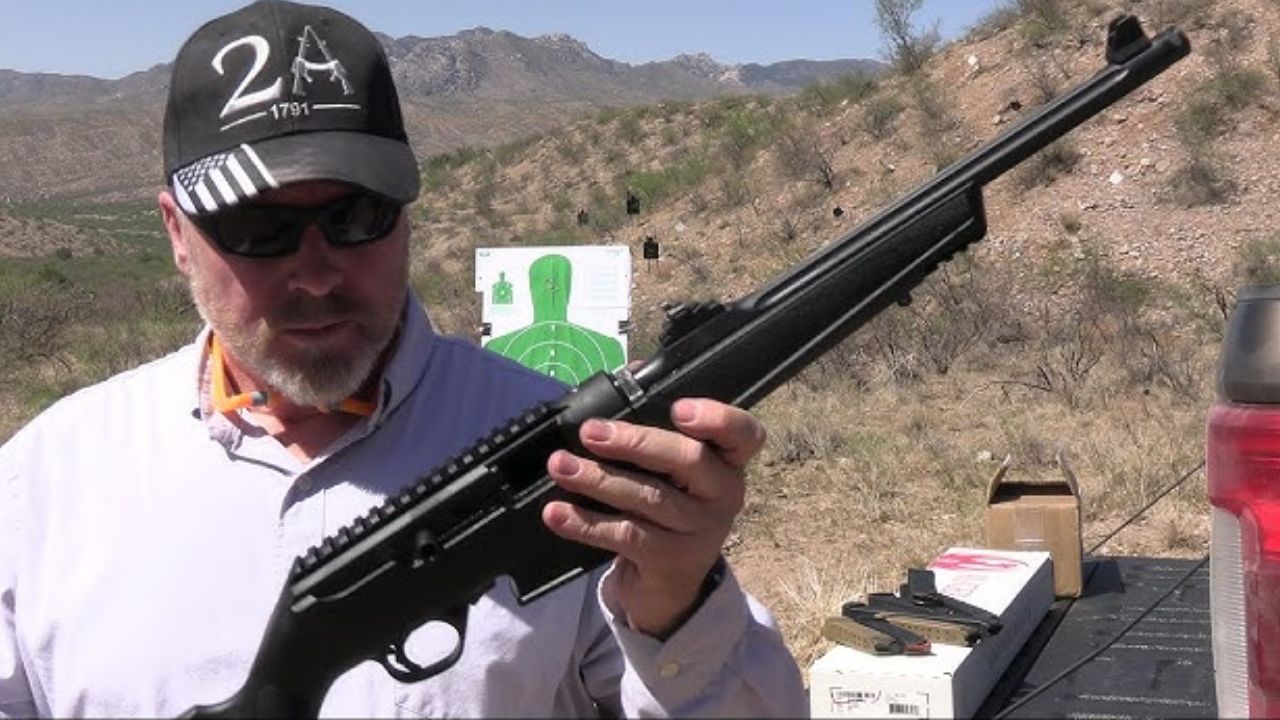
The Ruger PC Carbine looked boring when it returned. It was a chunky 9mm carbine with a takedown design, plain styling, and none of the slick tactical appeal of newer PCCs. Some shooters treated it like a safe, uninspired choice from Ruger.
That was exactly why it worked. The PC Carbine took common magazines, broke down easily, mounted optics without drama, and gave owners a simple 9mm carbine that didn’t require a complicated build. It may not be the lightest or coolest option, but it is useful. Once the PCC market got crowded with expensive and fussy setups, Ruger’s boring version started looking smarter than people first admitted.
Canik TP9SF
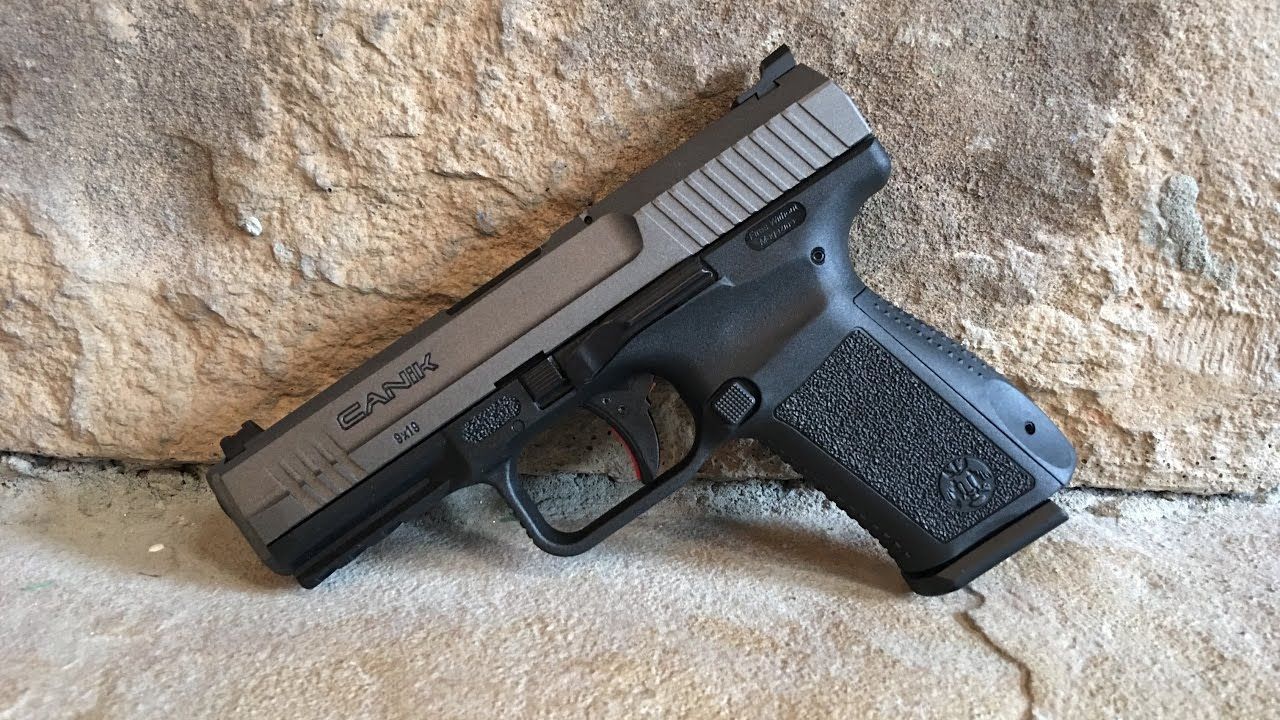
The Canik TP9SF had to fight brand skepticism from the beginning. A Turkish-made striker-fired pistol at a low price sounded suspicious to shooters used to paying more for established names. Plenty of people assumed it was just another budget gun trying to look like something better.
Then owners started putting rounds through them. The TP9SF offered a strong trigger, good accuracy, decent reliability, and a lot of value for the money. It helped change how many shooters viewed Canik as a brand. It was not perfect, and early support was not as deep as the big names, but it proved the mockery was too easy. Sometimes a cheaper pistol really does shoot better than expected.
CZ Scorpion EVO 3
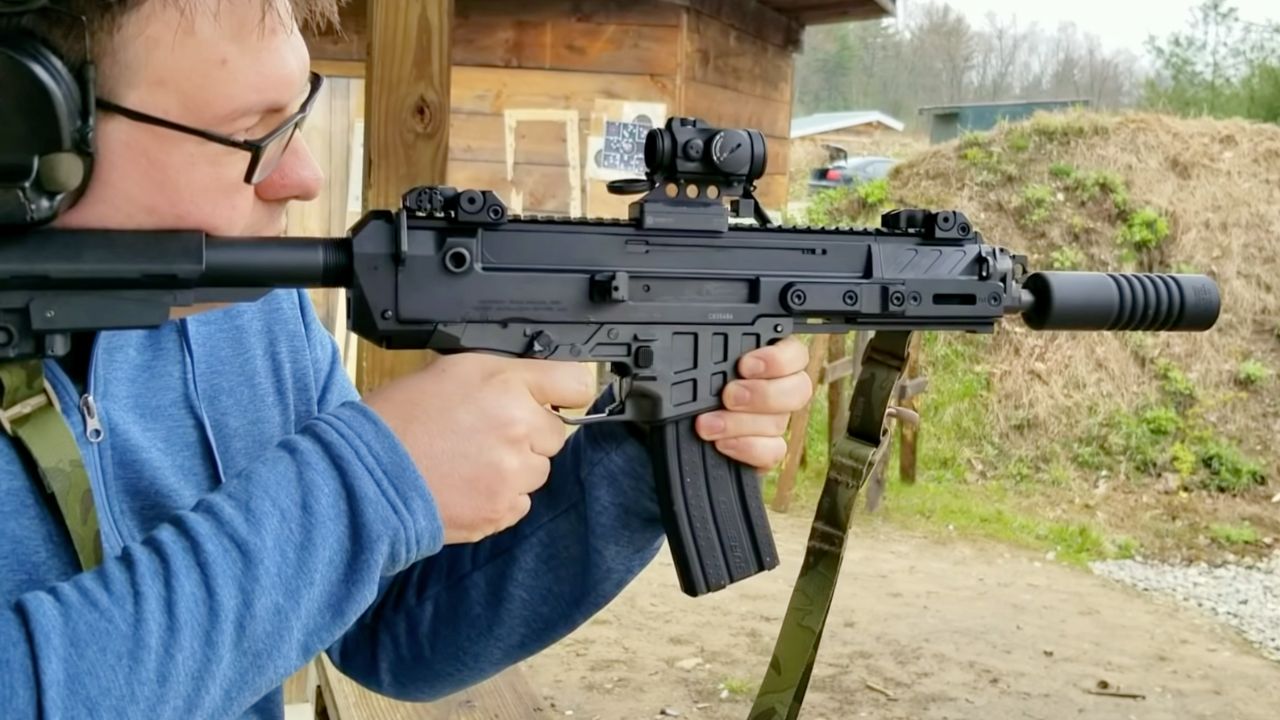
The CZ Scorpion EVO 3 looked odd enough to get mocked when many shooters first saw it. The blocky polymer body, strange controls, and bulky shape made it feel more like a video game gun than a serious pistol-caliber platform. Some people dismissed it as ugly before they understood the appeal.
The Scorpion ended up becoming one of the more popular PCC-style guns around. It was fun, reliable, easy to customize, and backed by growing aftermarket support. The trigger and safety had their complaints, but owners could fix or work around a lot of that. What started as an odd-looking import became a favorite range and defensive-style platform. People laughed at the looks before realizing the platform had legs.
Walther CCP
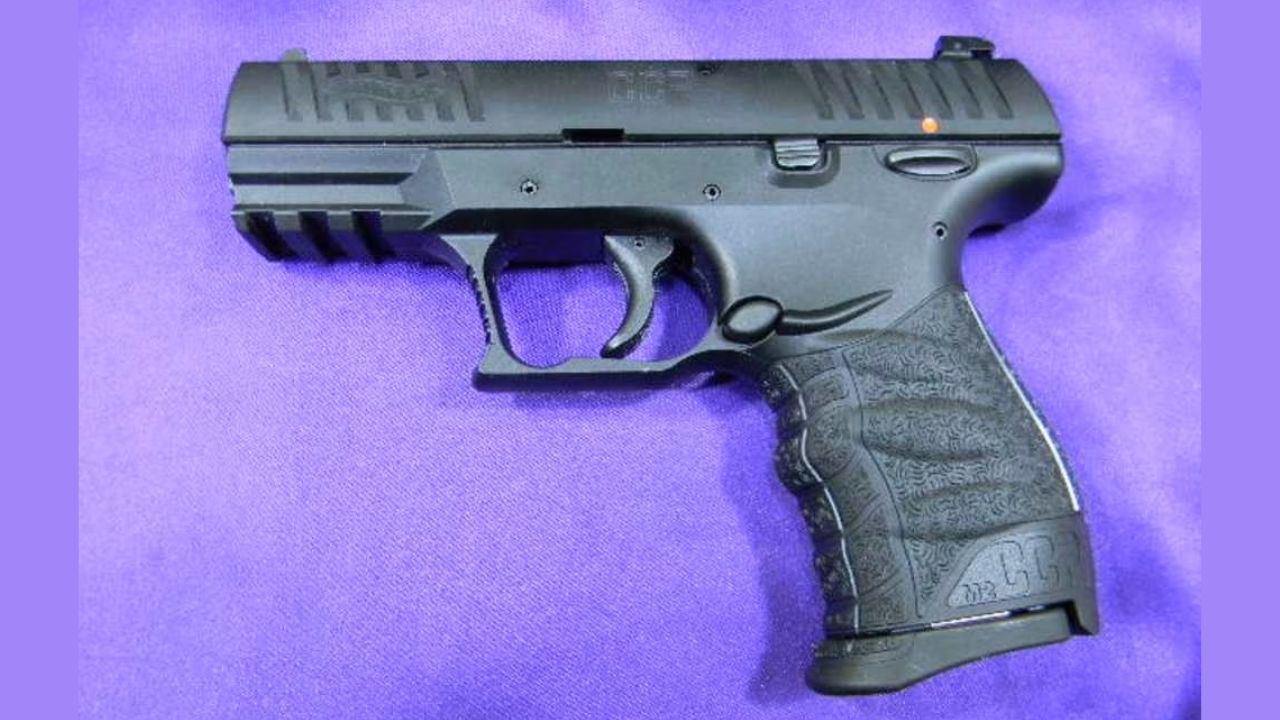
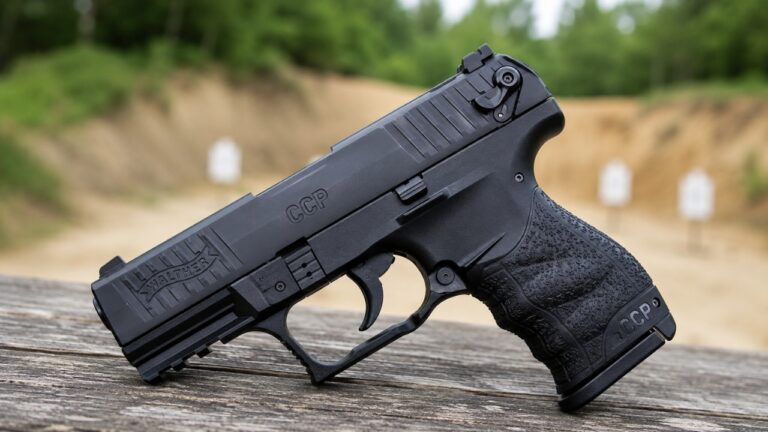
The Walther CCP was mocked by some shooters because its soft-recoil concept sounded like a solution looking for a problem. It was not as simple as many striker-fired pistols, and early versions brought enough complaints to make critics feel justified. People who already liked proven carry guns did not see much reason to bother.
But the basic idea had merit for the right shooter. A pistol that is easier to rack and softer to shoot can matter for people with weaker hands, newer shooters, or anyone who struggles with snappy small 9mms. The CCP was not the best fit for everyone, and it had issues to overcome, but mocking the whole concept was shortsighted. Comfort and confidence matter more than some shooters admit.
Springfield Armory Hellcat

The Springfield Hellcat caught heat because it looked like another tiny 9mm chasing the SIG P365. Some shooters dismissed it as a copycat entry, and others assumed the aggressive texture, short grip, and small size would make it miserable to shoot. The name alone gave critics something to complain about.
The Hellcat proved it had a real place. It offered strong capacity for its size, carried easily, and gave Springfield a serious contender in the micro-compact market. It is snappy, like most guns in that class, but it runs well for many owners and makes sense as a daily carry pistol. People mocked it too soon because they were tired of the category. That didn’t mean the gun was weak.
Henry Homesteader

The Henry Homesteader got mocked by some shooters because it looked like an old-fashioned answer to a modern pistol-caliber carbine question. Wood furniture on a 9mm semi-auto made people either smile or roll their eyes. In a world full of rails, braces, and tactical PCCs, it felt almost too polite.
That is also why it connected with some buyers. Not everyone wants a 9mm carbine that looks like an AR variant. The Homesteader offered a friendlier layout, simple handling, and the kind of Henry personality that appeals to shooters who like traditional guns. It is not the cheapest or most modular PCC, but the idea was not stupid. People mocked the look before admitting there was room for something different.
Like The Avid Outdoorsman’s content? Subscribe to our newsletter so you never miss an article.
Here’s more from us: