Photo credit: ANR Design – Thermoplastic Holsters/YouTube
Pocket-size pistols sell the dream: you’ll actually carry them. The tradeoff is that the same features that disappear under a T-shirt—short grips, light weight, short barrels—also make them less forgiving when you’re trying to shoot fast and clean.
With these handguns, tiny errors show up big on target. A short sight radius magnifies wobble, a narrow grip punishes weak support-hand pressure, and snappy recoil can turn “good enough” technique into low-left misses. None of that makes them bad choices. It means you need to be honest about what they demand, and train accordingly.
Ruger LCP Max

The LCP Max vanishes in a pocket holster, and that’s the whole point. The problem is that it gives you very little to hang on to. The grip is short, the gun is light, and the slide cycles fast. If you get lazy with your support hand, the muzzle snaps up and the front sight disappears.
The trigger is workable, but it still asks for a straight press with minimal finger movement. At typical across-the-room distances it can do real work, but it will humble you on a 10-yard bullseye. The frame also heats up quickly during long strings, which makes your grip change without you noticing. The answer is deliberate practice: hard grip pressure, locked wrists, and slow-fire groups until the sights stop dancing.
Smith & Wesson Bodyguard 380

The Bodyguard 380 carries like a set of keys, and it shoots like a gun that weighs that little. The long, double-action-style trigger can be a safety feature in a pocket, but it also makes consistency tougher. Any sideways pressure shows up as a wide, ugly group.
Recoil is not brutal, but the grip shape and thin frame can shift in your hand over a magazine. That movement changes where your trigger finger lands, and your next shot goes somewhere else. The tiny sights don’t give you much help, especially in dim light. If you carry one, learn to pin the gun high in the web of your hand and reset the trigger the same way every time. It’s a skills gun, not a confidence booster.
Kel-Tec P-32
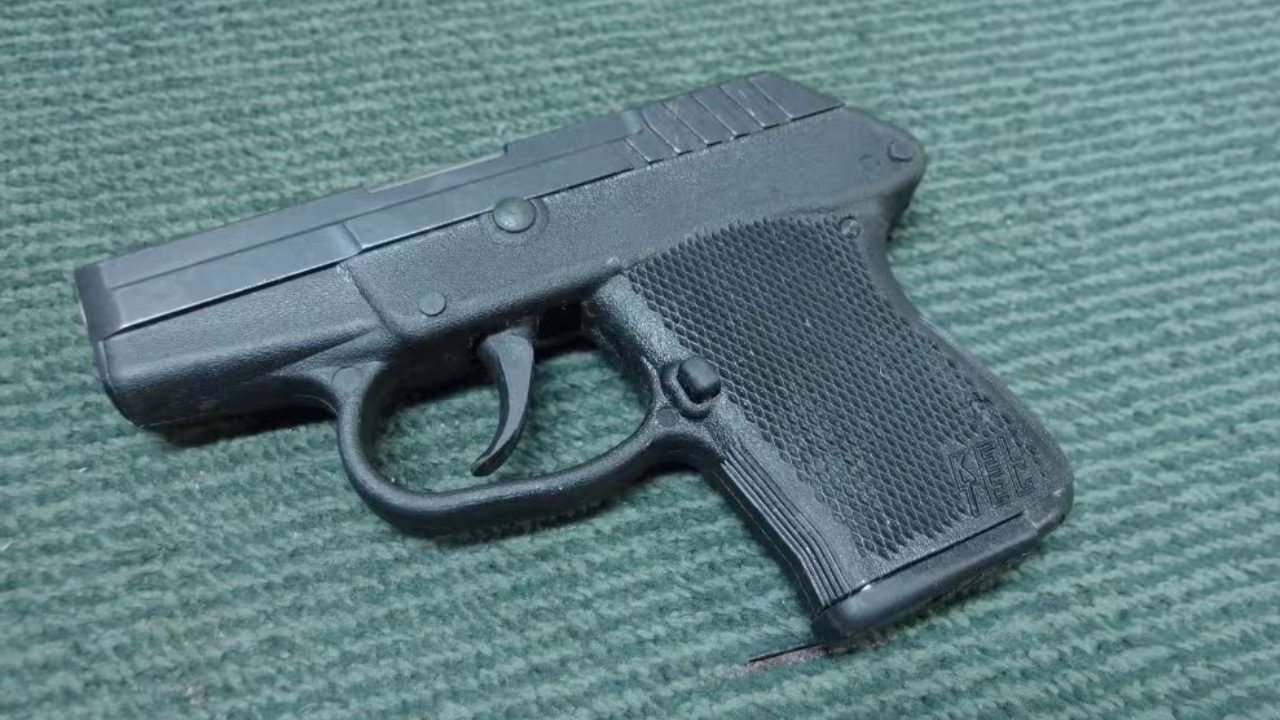
The P-32 is one of the easiest guns to carry on the planet, and one of the easiest to underestimate. The sights are small, the grip is small, and the gun moves around under recoil more than you expect given the mild cartridge. The payoff is deep concealment when you truly need it.
Where it gets tricky is precision. The trigger pull is long, and the tiny sight picture doesn’t give you much feedback. If you try to “snatch” the shot, the muzzle dips and you print low. The magazine base also gives your pinky very little purchase, so your grip can slide during strings. Keep your focus on the front sight and press through the whole stroke without hurrying it. This gun rewards calm hands and punishes impatience.
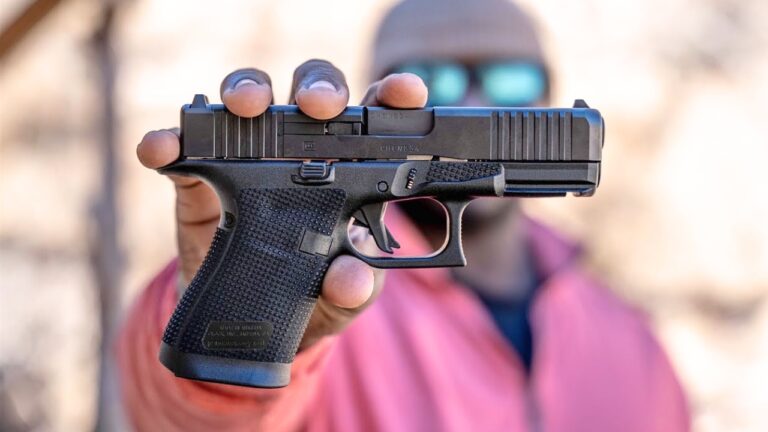
Glock 43

A Glock 43 is thin enough to disappear, but it’s still a small 9mm running full-power ammo. That means a sharper recoil impulse than most people expect when they buy their first slim pistol. The grip gives you limited real estate for your support hand, so the gun can twist if your thumbs float.
The trigger is consistent, but a consistent trigger also makes your mistakes consistent. With a short sight radius, even a tiny flinch shows up fast. The narrow frame can also encourage “death-gripping” with the firing hand, which drags shots off line. If you carry a 43, spend time on controlled pairs and one-handed shooting so you know what the gun does when your grip isn’t perfect. It can be very accurate, but it demands clean fundamentals.
SIG Sauer P365

The P365 changed the carry world by packing real capacity into a very small frame. The catch is that you’re still gripping a compact surface area while trying to manage a snappy little slide. When your hands are dry or cold, the gun can move in recoil and your follow-up shots start to wander.
The sights are usable, and the trigger is decent, but the small grip length makes reloads and recoil control more technique-dependent. If you ride the reset too hard or let the muzzle rise, your cadence falls apart. Your best move is to train with the same loads you carry and pay attention to grip texture, backstrap fit, and magazine baseplates that give you a full firing grip without turning it into a duty gun.
Springfield Armory Hellcat

The Hellcat is reliable and modern, but it’s still a micro-compact 9mm with a short, brisk recoil cycle. The grip texture helps, yet the gun’s small footprint means your support hand has less leverage than you’d have on a compact pistol. That shows up most when you try to shoot fast.
Many shooters find the trigger and reset workable, but the gun can feel “busy” in the hands during longer strings. Your sight picture bounces, and you start chasing it. The short grip also makes reloads feel rushed, because you’re fighting for a full firing grip as the magazine seats. The fix is boring work: dry-fire to smooth the press, then slow cadence drills to learn what the sights do. Once you can call your shots, the Hellcat tightens up.
Ruger Max-9

The Max-9 is a carry-friendly pistol with features people used to pay extra for, but its size still sets the tone. The grip is thin, and the slide is compact, so recoil comes back into your hands quickly. If your grip pressure changes even a little, your point of impact can shift.
The trigger tends to feel better after some use, yet the gun still rewards a steady press and a firm support hand. The short barrel and short sight radius make sight alignment more critical than it sounds on paper. If you’re running it with a red dot, your presentation has to be repeatable or you’ll hunt for the dot. Treat it like a small performance pistol and it will behave; treat it like a talisman and it won’t.
Kahr PM9 / CM9

Kahr’s PM9 and CM9 carry flat and hide well, but they’re built around a smooth, long trigger stroke. That stroke can be a strength for careful shooting, and it can also expose every flaw in your grip. If your fingers tense during the press, the muzzle shifts and your group opens up.
The guns are light enough that recoil feels sharper than their size suggests, and the small grip can punish a sloppy hold. You’ll shoot them best when you let the trigger roll straight back without staging it. The low-profile sights can also be slower to pick up when you’re moving or shooting in awkward angles. Focus on a high grip, locked wrists, and follow-through, then run slow strings at 7 to 10 yards until the sights settle. They’re accurate pistols, but they ask you to do your part every time.
Kimber Micro 9

The Micro 9 looks and feels like a tiny 1911-style pistol, and that familiar manual of arms draws people in. The downside is that small 1911-pattern guns can be more sensitive to grip and recoil control than full-size versions. When you shrink the platform, timing becomes less forgiving and you have less mass to dampen movement.
Even when the gun runs well, the short grip and short slide make it easier to outrun your sights. A light, crisp trigger can also tempt you to fire before the sight picture is finished. The thin grip panels can feel slick when your hands are sweaty or cold, which adds another layer of inconsistency. If you carry one, put real time into draw-to-first-shot accuracy and verify reliability with your carry load. It can be a sweet shooter in trained hands, but it doesn’t cover up rushed technique.
SIG Sauer P938
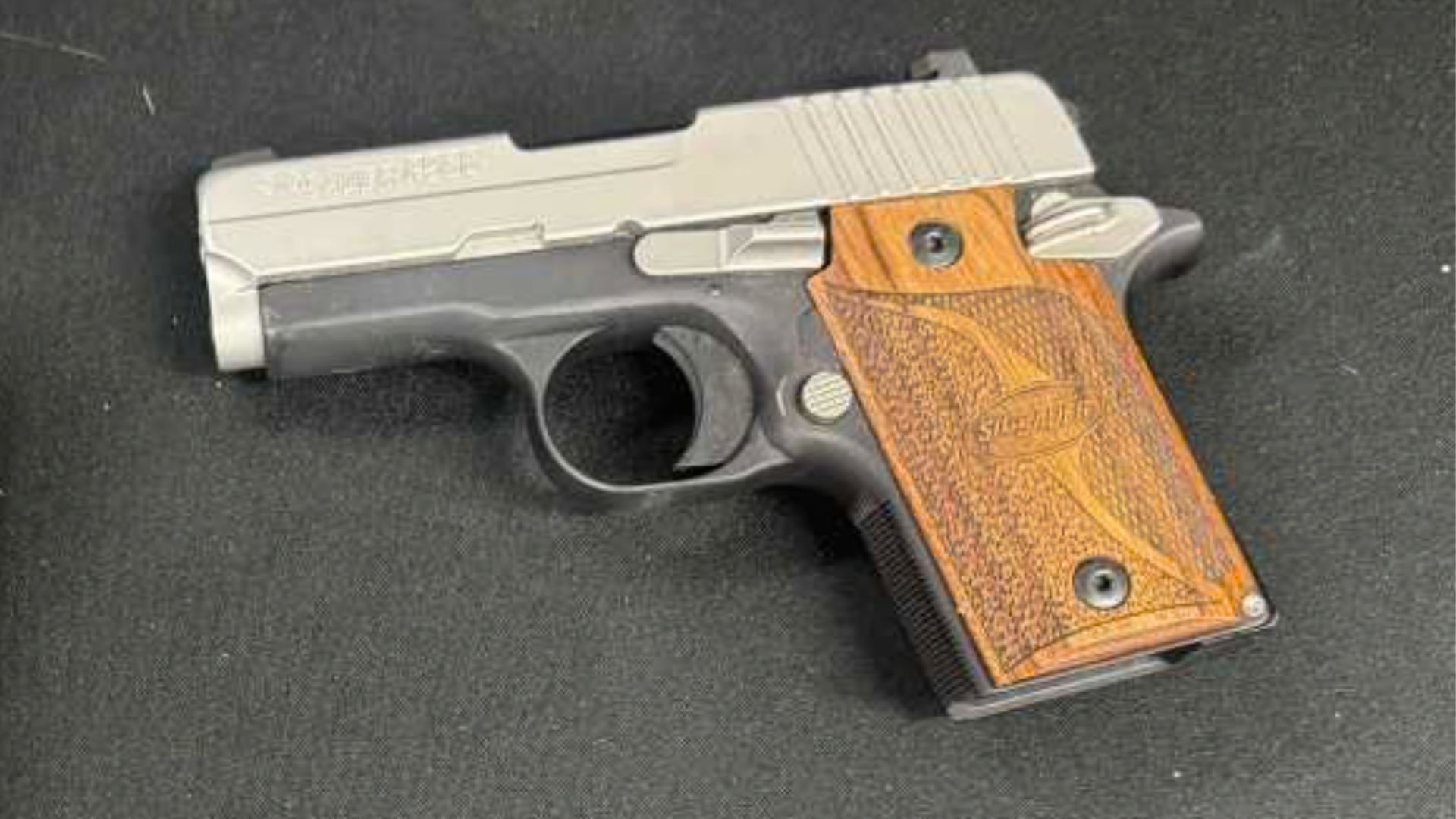
The P938 is another tiny, single-action 9mm that carries well and asks a lot. You get a short sight radius, a compact grip, and a light trigger that will happily amplify any flinch. Because it’s small, many people also grip it lower than they should, and the gun recoils harder than expected.
The safety and single-action trigger can be an advantage if you train like you mean it. If you don’t, you’ll see misses caused by inconsistent grip pressure and hurried presses. Work on a high, consistent firing grip before the gun leaves the holster, and run slow draw strokes until the sights land where you want them. The P938 can shoot tight groups, but it is not forgiving when you shoot it like a pocket gun.
Smith & Wesson J-Frame 642 Airweight

A 642 Airweight rides in a pocket and never nags you for attention, which is why it’s still popular. The hard part is shooting it well. The double-action trigger is long and heavy, the sights are minimal, and the light frame makes recoil feel sharper than it should for .38 Special.
You also get a tiny grip, which makes it easy to crush the gun with your firing hand and steer the muzzle during the pull. If you want to run an Airweight, you need a disciplined trigger stroke and a steady front sight focus. Dry-fire matters here more than most people admit. Add in live-fire with wadcutters or standard-pressure loads, then step up to your carry ammo once you can keep five shots in a fist-size group at 7 yards.
Ruger LCR (especially .357 models)

The LCR has a reputation for a smooth trigger, and it earns that. The issue is that the gun is still very light, and the .357 versions can be punishing with full-power loads. That recoil can make you anticipate the shot, which turns into low hits and slow follow-ups.
Even with .38 +P, the short grip can shift in your hand between shots. You’ll feel the gun “roll” unless your support hand clamps it hard. The sights are not built for precision work, so you need to learn what a good sight picture looks like on that small ramp. The LCR can be a dependable carry revolver, but it’s also a revolver that exposes flinches fast. Shoot it enough and it will teach you honesty.
Smith & Wesson 340PD / 360PD

The scandium J-frames are amazing to carry and miserable to master. A 340PD or 360PD weighs so little that even standard .38 Special feels snappy, and .357 Magnum can be downright abusive. That abuse creates anticipation, and anticipation destroys accuracy.
These revolvers also have tiny sights and a long double-action pull. When the gun is trying to leap out of your hand, keeping the front sight steady through the pull becomes real work. The short grip can also hammer your knuckle and make you loosen up between shots. If you carry one, treat it like a specialized tool. Run mild practice loads to keep your reps up, then confirm point of impact with your carry ammo in small doses. The gun will carry anywhere, but it won’t shoot well unless you earn it.
Glock 27 (.40 S&W)

The Glock 27 carries like a small 9mm, but it launches .40 S&W out of a short barrel and a short grip. That recipe gives you a sharp, fast recoil impulse that can feel snappy even to experienced shooters. The grip can also pinch your pinky into hanging on for dear life, which makes recoil control inconsistent.
Accuracy is there, but it tends to show up when you slow down and let the sights settle. When you speed up, the gun’s movement can make your cadence ragged and your hits climb. The thicker slide mass also snaps back into battery with authority, so a loose grip gets punished. If you’re committed to a subcompact .40, focus on strong support-hand pressure and a locked-in grip that stays the same through the whole magazine. The 27 will run, but your hands have to run it.
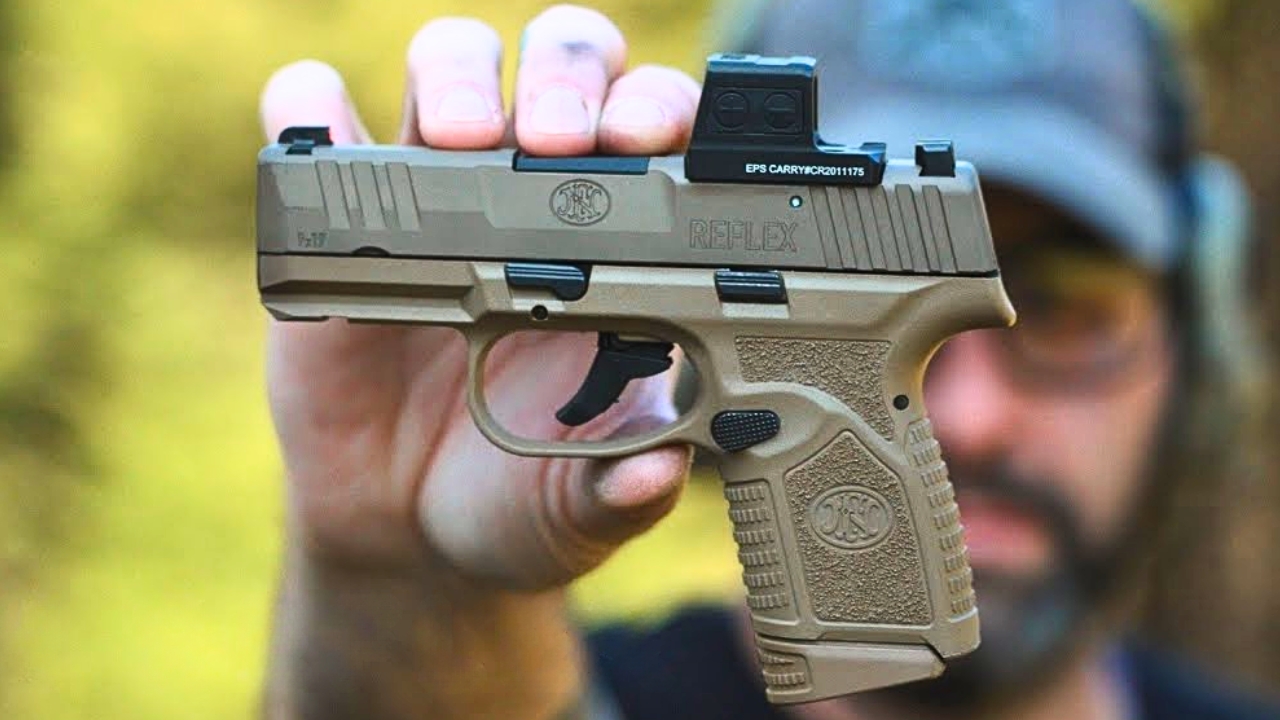
FN Reflex (9mm)
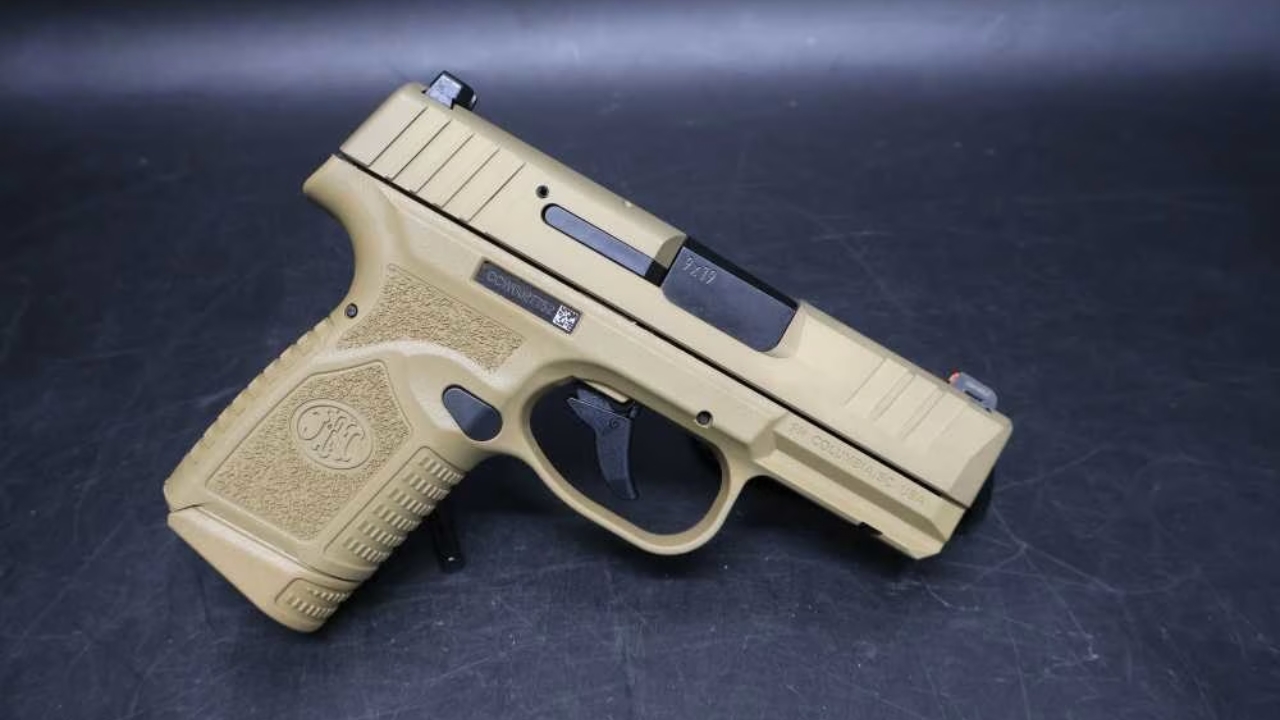
The FN Reflex is slim, light, and easy to hide, which makes it tempting as an everyday carry gun. The challenge is that it still behaves like a small 9mm: brisk recoil, limited grip length, and a sight picture that can bounce when you push your pace. If you’re switching off a compact pistol, it can feel twitchy at first.
The trigger system is pleasant, but a pleasant trigger doesn’t replace grip and follow-through. The gun likes a firm hold and a clean press straight to the rear. Spend time on 8-inch plates at 10 yards and watch what happens when your grip loosens by even a little. When you lock it down, it tracks well. When you don’t, it will remind you how little margin a micro pistol gives you.
Like The Avid Outdoorsman’s content? Subscribe to our newsletter so you never miss an article.
Here’s more from us: