Photo credit: WHO_TEE_WHO/YouTube
Real-world distance shooting isn’t about bragging rights. It’s about putting a bullet exactly where it needs to go from the positions you actually use—standing, kneeling, sitting, off a pack, off a tree, maybe with your heart rate up. The calibers that shine here don’t beat you up, don’t demand perfect form, and don’t punish you with blast every time you touch one off. They give you enough reach and authority without turning practice into a chore.
If you can shoot a rifle calmly, you shoot it better. These are the rifle calibers that tend to make good shooting feel easier—because the recoil is manageable, the trajectory is practical, and the whole experience encourages you to train more and flinch less.
.223 Remington

At real-world distances, .223 is one of the easiest rounds to shoot well because it doesn’t shove you around. Recoil is light enough that you can stay in the scope, spot impacts, and make quick corrections without losing your position. That matters when you’re shooting off a pack or a shaky fencepost instead of a bench.
The other advantage is volume. .223 is common, and most shooters end up practicing more with it. More reps means better trigger control, better follow-through, and less guessing. It’s not a do-everything hunting round everywhere, but for learning wind, running field positions, and making consistent hits, it’s hard to beat.
.243 Winchester

.243 has been making good shooters out of regular people for a long time. It shoots flat enough that you’re not doing mental math inside 200–300 yards, and recoil stays mild in most sporter-weight rifles. That keeps your head on the stock and your trigger press honest.
It also tends to be accurate in a wide range of rifles, which boosts confidence fast. When your rifle and ammo combo is predictable, you start focusing on fundamentals instead of blaming gear. At practical distances, .243 gives you a forgiving blend of trajectory and comfort that makes tight groups feel repeatable, not occasional.
6mm Creedmoor

If you want easy hits without getting punished, 6mm Creedmoor is a strong pick. The recoil impulse is soft, and that makes it easier to stay steady through the shot and call your misses. Many shooters find they can run it longer in a session without getting beat up or tired.
The cartridge was built with modern bullets and predictable performance in mind, so it’s usually straightforward to find loads that shoot well. At real-world distances, you’re getting a flat enough trajectory and mild recoil that positions matter more than power. It’s a round that keeps your focus on shooting well instead of managing the rifle.
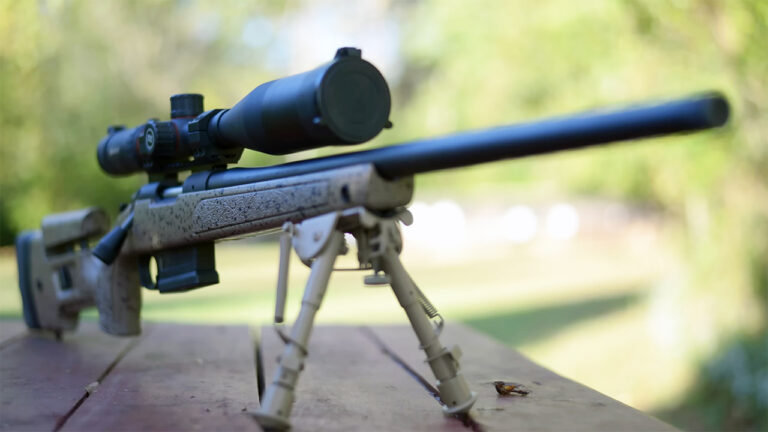
6.5 Creedmoor

6.5 Creedmoor hits the sweet spot for a lot of shooters because it’s not dramatic. Recoil is manageable, the rifle doesn’t jump as hard as many .30-caliber options, and you can stay on target longer—especially with a decent brake or suppressor. That makes it easier to learn what your shot actually did.
At practical distances, the trajectory is friendly, and the wind behavior is predictable enough that you can build real confidence. Most importantly, you’re more likely to practice with it. When a caliber doesn’t punish you, you don’t dread range day, and that’s how you end up shooting better when it counts.
6.5×55 Swedish

The 6.5 Swede is one of those older cartridges that still feels modern where it matters. It’s smooth, not sharp, and it tends to shoot accurately without drama. In a typical hunting rifle, recoil is mild enough that you can keep good form and avoid the flinch spiral that ruins groups.
At real-world distances, it gives you a practical trajectory and enough performance to stay useful without being obnoxious to shoot. A lot of shooters also find the recoil impulse feels “longer” and softer than similar rounds, which makes follow-through easier. It’s a calm cartridge, and calm usually shoots well.
.257 Roberts

The .257 Roberts is a classic for a reason: it’s easy to live with. Recoil stays on the gentle side, and the cartridge has a reputation for accuracy in rifles that are put together right. That combination makes it easier to press the trigger cleanly and stay honest about your fundamentals.
At real-world distances, it gives you flat-enough flight that you’re not constantly second-guessing your hold. It’s also a round that tends to make shooters want to keep shooting, and that’s half the battle. When you’re not getting punched, you practice more, and when you practice more, you get good.
.25-06 Remington

.25-06 is one of those rounds that makes distance feel less intimidating because it shoots flat and carries speed. At practical ranges, that helps you keep things simple—less holdover guessing, less dialing, more confidence from awkward positions.
Recoil is still reasonable for most shooters, especially compared to heavier hitters, but you do get more blast and bark than the smaller bores. The key is that it generally doesn’t beat you up, so you can stay focused on sight picture and trigger control. When you can see your impacts and keep your form together, groups tighten up fast.
.260 Remington

.260 Remington is a “quietly excellent” shooter’s cartridge. It offers mild recoil, solid accuracy, and a very manageable feel in the rifle. That means you can run it from field positions without feeling like the gun is trying to jump off your shoulder.
At real-world distances, it’s easy to get predictable dope and repeatable hits. It also tends to teach you good habits because it doesn’t mask mistakes with brute force. You still have to press the trigger and hold steady, but you’re not fighting recoil the whole time. If you want a cartridge that makes good shooting feel natural, .260 does that.
7mm-08 Remington
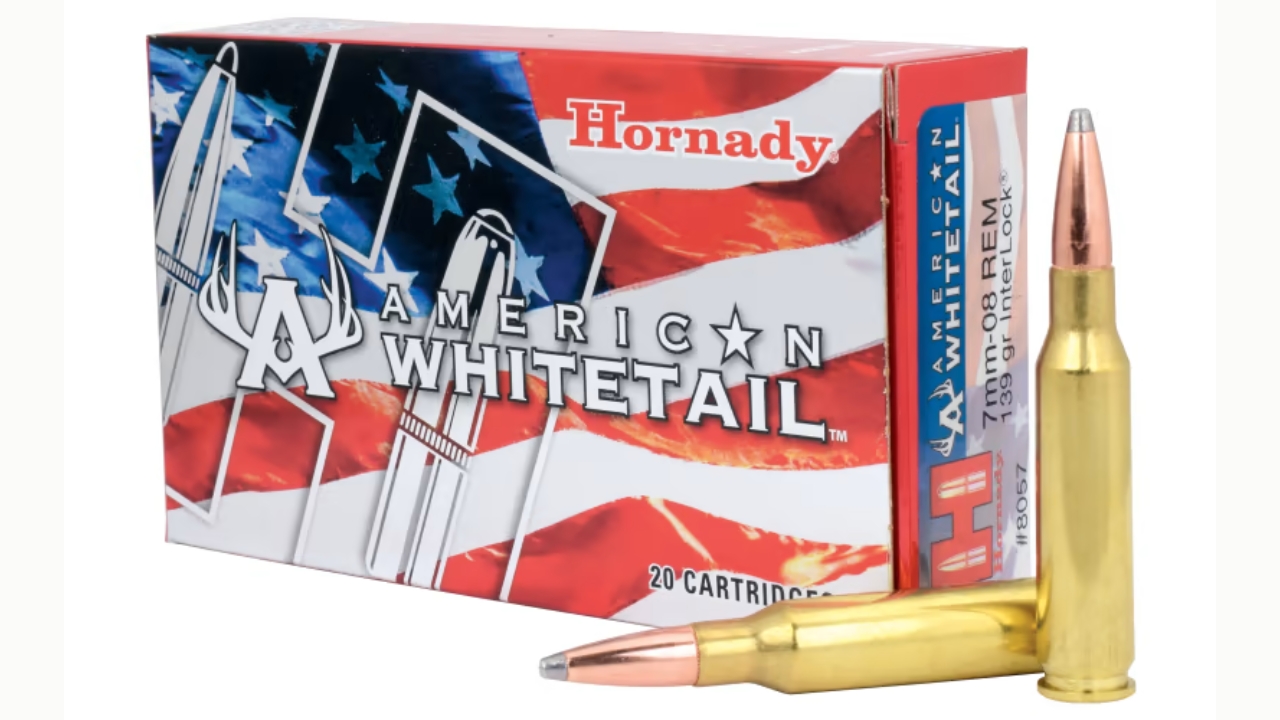
7mm-08 is one of the best “easy shooting” hunting cartridges that still feels substantial. Recoil is noticeably lighter than most .30-caliber standards, but you still get a confident push that doesn’t feel anemic. That balance helps you stay relaxed behind the rifle.
At practical distances, it’s forgiving. Trajectory is straightforward, and most rifles chambered in 7mm-08 shoot well with minimal fuss. It’s also a cartridge that doesn’t require you to be tough to shoot it well. When you’re not bracing for impact, you’re more likely to run clean fundamentals and keep your groups tight.
.308 Winchester

.308 isn’t the lightest recoiling option, but it’s easy to shoot well for a different reason: it’s predictable. It has a long track record, good barrel life, and consistent performance across rifles and loads. That makes it easier to learn your holds and trust what the gun is going to do.
At real-world distances, .308 also doesn’t demand speed to work. You can shoot it from practical positions without feeling like you’re racing the clock. The recoil is a firm push, not a slap, in many rifles. If you’re disciplined about form, .308 rewards you with repeatable hits and very little mystery.
.30-30 Winchester

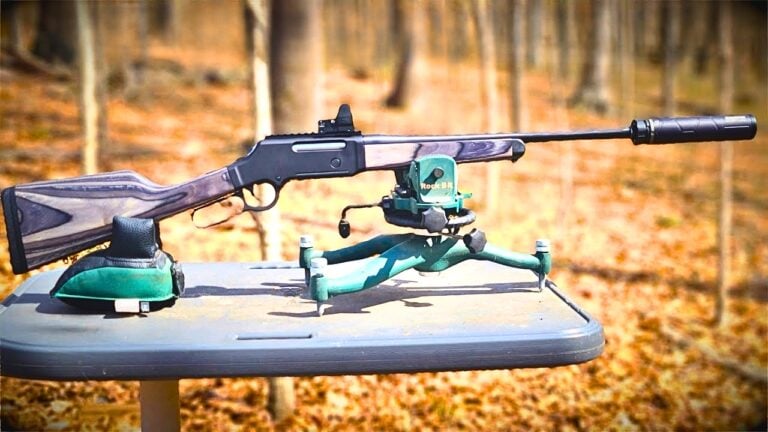
At real-world distances, .30-30 is easy to shoot well because it’s honest and manageable. In a typical lever gun, recoil is mild, and the cartridge does its best work inside the ranges most woods hunters actually see. That keeps you from stretching things into guesswork territory.
The other benefit is how quickly you learn it. With irons or a low-power optic, you get fast feedback and simple holds. You’re not chasing tiny groups at 400—you’re learning consistent hits where it matters. When the round matches the distance, your confidence goes up, and your shooting cleans up right along with it.
.350 Legend

.350 Legend is one of the easiest straight-wall options to shoot well because recoil is typically mild and the rifles chambered for it are often handy and well-balanced. At practical distances, it’s built for simplicity—point, steady, press, and you’re in business.
It’s also a round that encourages practice because it doesn’t rattle your teeth. Most shooters can run it from field positions without feeling like they need a sled or a bench. You’re not chasing long-range performance here. You’re building reliable accuracy inside the distances where the cartridge shines, and that’s exactly why people shoot it well.
6.8 SPC

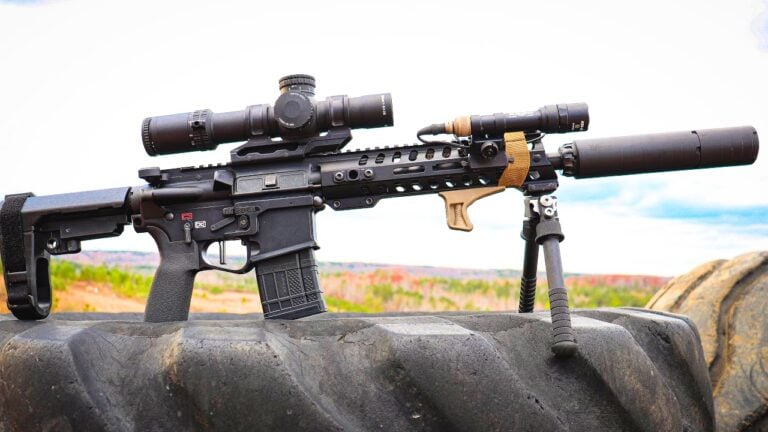
6.8 SPC earns its keep as an easy shooter because it’s controllable and efficient. In AR-style rifles especially, the recoil impulse is mild, and that lets you stay on target and shoot with good rhythm. That’s a big deal when real-world shooting means quick follow-ups and awkward support.
At practical distances, it gives you more authority than .223 without turning the rifle into a handful. It’s also a cartridge that tends to behave well with reasonable barrel lengths, so you’re not forced into a long, heavy setup to get usable performance. When the rifle handles well and recoil stays friendly, accuracy comes easier.
.300 Blackout

.300 Blackout is easy to shoot well at practical distances because it’s calm in the gun, especially in short, handy rifles. Recoil is mild, and the cartridge’s whole identity is built around doing useful work without needing a long barrel or a heavy rig.
The trick is staying honest about what it is: a close-range cartridge. If you treat it like one, your results look great. Your holds are simple, your follow-through is easy, and you can make fast hits without fighting blast and recoil. Shooters do well with .300 BLK because the cartridge doesn’t punish them—and because it keeps them operating inside realistic distance limits.
.22 LR

.22 LR might not be a “big rifle” caliber, but it’s one of the best ways to get good at real-world shooting. Recoil is basically nothing, which means your mistakes have nowhere to hide. If your trigger press is sloppy, you’ll see it. If your position is unstable, you’ll see it.
At practical distances for a .22—say 25 to 100 yards—it teaches you wind reading, follow-through, and consistency without beating you up or draining your wallet. More practice leads to better shooting, and .22 LR makes practice easy. If you want to shoot better with everything else you own, time behind a .22 is the fastest path.
Like The Avid Outdoorsman’s content? Subscribe to our newsletter so you never miss an article.
Here’s more from us: