Photo credit: HEBI RAIDEN/YouTube
A knife “staying sharp” after rough work isn’t magic. It’s steel choice, heat treat, edge geometry, and how you actually use it. If you’re splitting kindling by prying and twisting, you’re testing toughness more than edge retention. If you’re breaking down cardboard, cutting rope, and working through hide and hair, you’re testing abrasion resistance and edge stability. The best knives don’t stay razor sharp forever—they stay useful. They keep biting when cheaper blades turn slick and start sliding.
The other truth is that high edge retention usually comes with tradeoffs. Some super-wear steels take longer to sharpen. Some thin edges cut like crazy but chip if you get careless. “Rough work” is a wide world, so the smartest picks are knives that balance steel and geometry in a way you can actually live with.
Here are knives and knife families known for staying sharp when the work gets ugly.
Spyderco Para Military 2 (CPM S45VN or CPM S30V)

The Para Military 2 earned its reputation because it’s a real working folder that still cuts like a knife, not a wedge. In S45VN or S30V, you get a steel that holds a working edge through rope, zip ties, and cardboard without turning to butter. The blade geometry helps too—thin enough to slice, but not so thin that it feels fragile.
What you notice in the field is consistency. It keeps biting long after softer steels start tearing instead of cutting. It’s also easy enough to touch up that you’ll actually do it, which matters more than any spec sheet. If you treat it like a knife and not a pry bar, it stays sharp in the ways that count: clean cuts, less force, and fewer “why is this suddenly dull?” moments.
Benchmade 940 Osborne (CPM S30V)
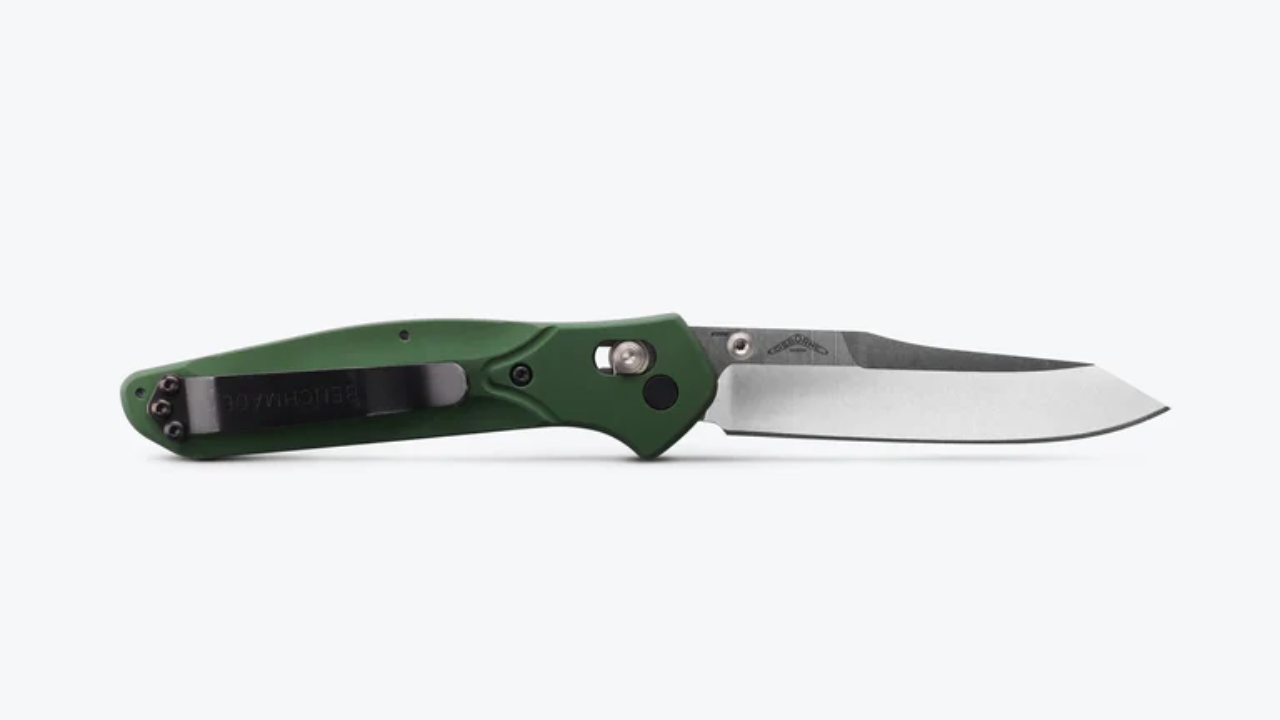
The 940 is a work knife disguised as a slim carry piece. In S30V, it’s not chasing the latest “unsharpenable” steel trend—it’s sticking with a proven balance of edge holding and maintainability. For rough day-to-day cutting, that’s a sweet spot. The blade shape also plays a role: it’s built to keep moving through material without feeling delicate.
Owners who carry one hard usually come back to the same point: it stays useful. It might not shave hair forever, but it keeps cutting when cheaper blades start slipping. The 940 also encourages you to carry it, and a knife that stays in your pocket gets sharpened and maintained like a real tool. That’s how it earns its “stays sharp” reputation.
Cold Steel Recon 1 (S35VN)

The Recon 1 is built for ugly work and it shows. The lockup is stout, the handle gives you control, and in S35VN you get a steel that hangs onto a working edge longer than most people expect from a hard-use folder. It’s the kind of knife you reach for when you’re cutting dirty rope, straps, and abrasive stuff that eats edges.
What makes it a “stays sharp” knife is that it keeps functioning when you’re not being gentle. The edge will lose that fresh bite eventually, but it doesn’t fall off a cliff. You still get clean cuts without needing to muscle it. The tradeoff is that it’s not a dainty slicer and it carries like a serious knife. If you want a knife that keeps cutting after rough handling, that’s exactly the point.
Zero Tolerance 0562 (CPM 20CV)
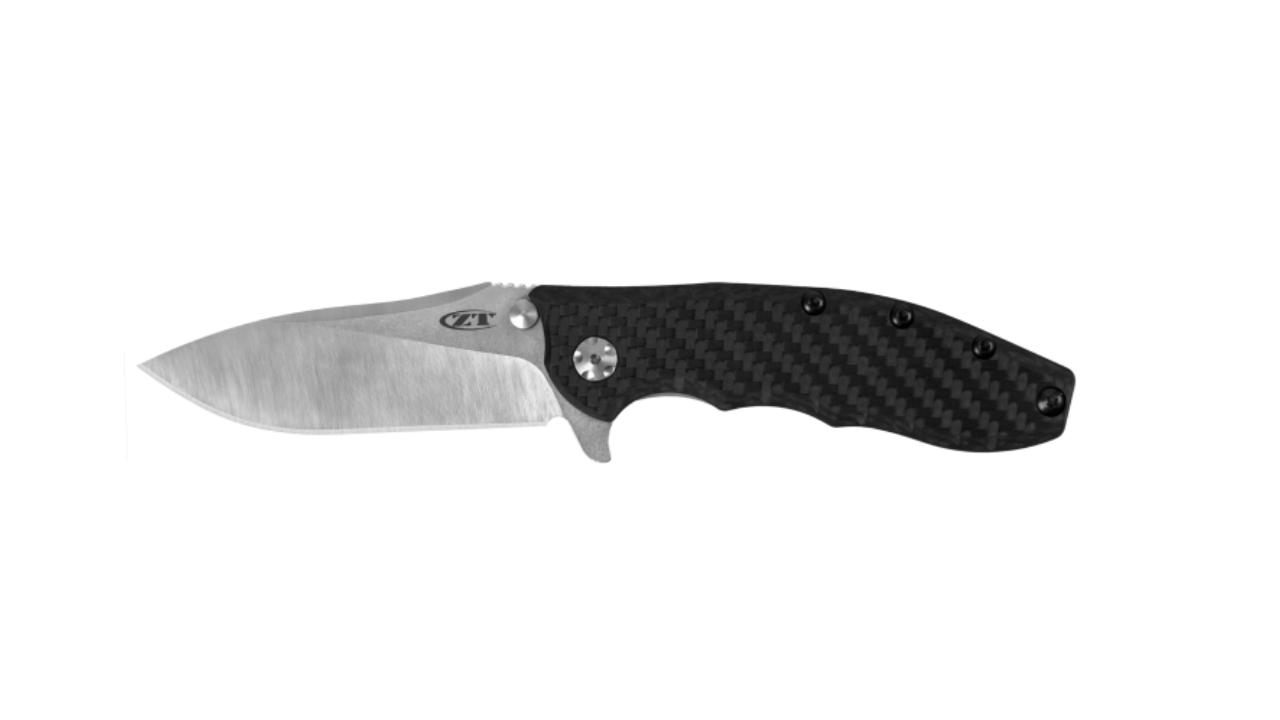
A lot of ZT knives earn their keep because they pair tough builds with high-wear steels. The 0562 in CPM 20CV is a good example: it’s made to work, and the steel is known for holding an edge through abrasive cutting. Cardboard, rope, and gritty tasks don’t chew it up the way they do softer steels.
The big payoff is edge life without feeling like you’re carrying a fragile showpiece. The knife is stout, the action is smooth, and it still cuts with authority after a long day of real use. The tradeoff is sharpening time—20CV can take more effort to bring back if you let it get truly dull. But if you keep it touched up, it rewards you with fewer “dead edge” moments in the first place.
Spyderco Manix 2 (CPM S30V or CPM S110V)

The Manix 2 is one of those knives that feels like it was designed by people who actually cut things. In S30V, it gives you reliable edge retention with manageable maintenance. In S110V, it leans hard into wear resistance and can hold an edge through a lot of abrasive work if you’re willing to accept the sharpening tradeoff.
The real-world advantage is that the Manix stays consistent. You don’t get that sudden drop-off where the knife goes from “fine” to “useless” in a handful of cuts. The ergonomics also matter when you’re doing rough work—good grip means you don’t roll the edge by twisting and forcing bad angles. If you want a knife that keeps doing the job without constant fuss, the Manix has earned that reputation.
Buck 110 Folding Hunter (420HC, Bos heat treat)
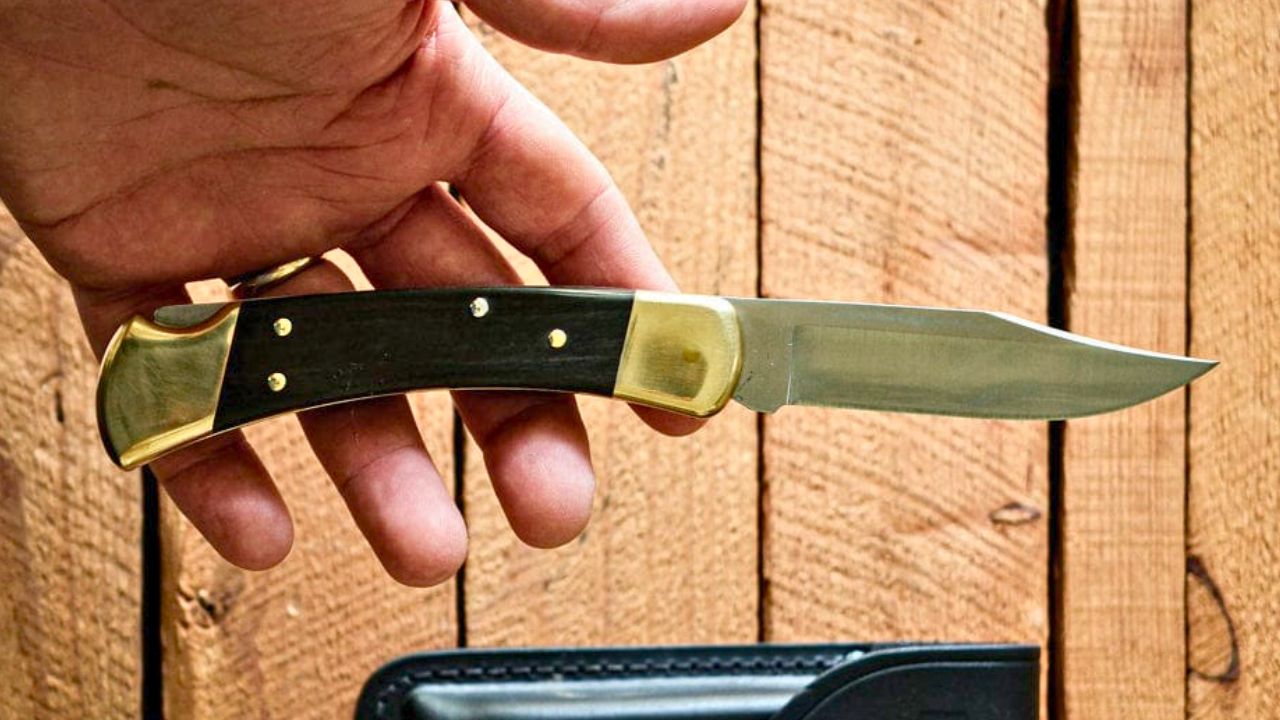
The Buck 110 doesn’t win spec-sheet arguments, but it wins real-world ones. Buck’s 420HC with Paul Bos heat treat is famous because it performs better than people expect. It takes a keen edge, resists rolling, and holds a working edge through hide, rope, and general camp chores longer than most folks think a “basic” steel should.
The other advantage is maintainability. When you finally do need to touch it up, you can do it fast without fancy equipment. That’s part of staying sharp in the backcountry—being able to restore the edge with what you have. The 110 is also built for controlled cutting, not flashy slicing contests. If you want a knife that stays useful and is easy to keep that way, the 110 keeps proving itself.
ESEE 4 (1095)

On paper, 1095 shouldn’t be in a “stays sharp” article. In real life, the ESEE 4 earns a spot because edge stability matters as much as edge retention. The steel is simple, but it’s tough, and the knife is built around hard use without the edge crumbling the first time you hit something unexpected.
What you get is a blade that keeps working. It might not stay razor sharp through endless abrasive cutting, but it also doesn’t fall apart when you’re batoning, carving, and doing rough camp chores. And when it needs a touch-up, it’s easy. That’s the backcountry reality: you’d rather touch up a tough steel quickly than baby a high-wear steel you can’t restore in the field. The ESEE 4 stays sharp in the way working knives should.
Morakniv Garberg (stainless or carbon)

The Garberg is a rare knife that keeps a reputation for being both practical and capable. The Scandinavian grind bites into wood and rope with very little effort, and the knife tends to keep that “cuts like a tool” feel longer than you’d expect, especially if you’re doing a lot of carving, food prep, and controlled cutting.
The reason it stays sharp for many owners is geometry and steel balance. It doesn’t need a steep, fragile edge to feel sharp, and it’s easy to touch up. If you choose carbon, you get very easy maintenance and quick sharpening. If you choose stainless, you get better rust resistance with solid field performance. Either way, it’s a knife that keeps cutting without drama. In rough camp use, that’s the standard you actually want.
Bark River Bravo 1 (A2 or CPM 3V)

The Bravo 1 has been a hard-use favorite for years because it balances toughness and edge holding in a way that fits real outdoor work. In A2, it’s known for stability and easy field maintenance. In CPM 3V, it brings more toughness and strong performance for abusive tasks while still keeping a working edge.
What owners notice is that it doesn’t get “mystery dull” quickly. It keeps biting through wood, rope, and dirty camp tasks without feeling like you’re constantly stopping to sharpen. The convex-style edge many Bravo 1s carry can also be forgiving—less chippy, more durable when you aren’t gentle. The tradeoff is cost and care, especially if you pick a steel that can rust if neglected. But if you want a fixed blade that keeps working after rough handling, the Bravo 1 has earned its following.
Fallkniven F1 (laminated VG10)

The F1 is respected because it’s built as a serious field knife, and the laminated VG10 construction is part of that story. VG10 can hold an edge well in real use, and the lamination is aimed at balancing edge performance with toughness. The result is a knife that many owners find stays sharp through mixed camp chores without constantly begging for attention.
The cutting feel is also important. The F1 tends to keep a “still cuts” edge longer than knives that start sharp but lose bite fast. It’s not a huge knife, so it encourages controlled cutting rather than brute force. The tradeoff is that it’s not the easiest steel to sharpen compared to basic carbon steels, and it’s not the cheapest knife on the rack. But for real use, it stays sharp in the way a backcountry knife should: steady, dependable, and predictable.
Spyderco Endura 4 (VG-10)
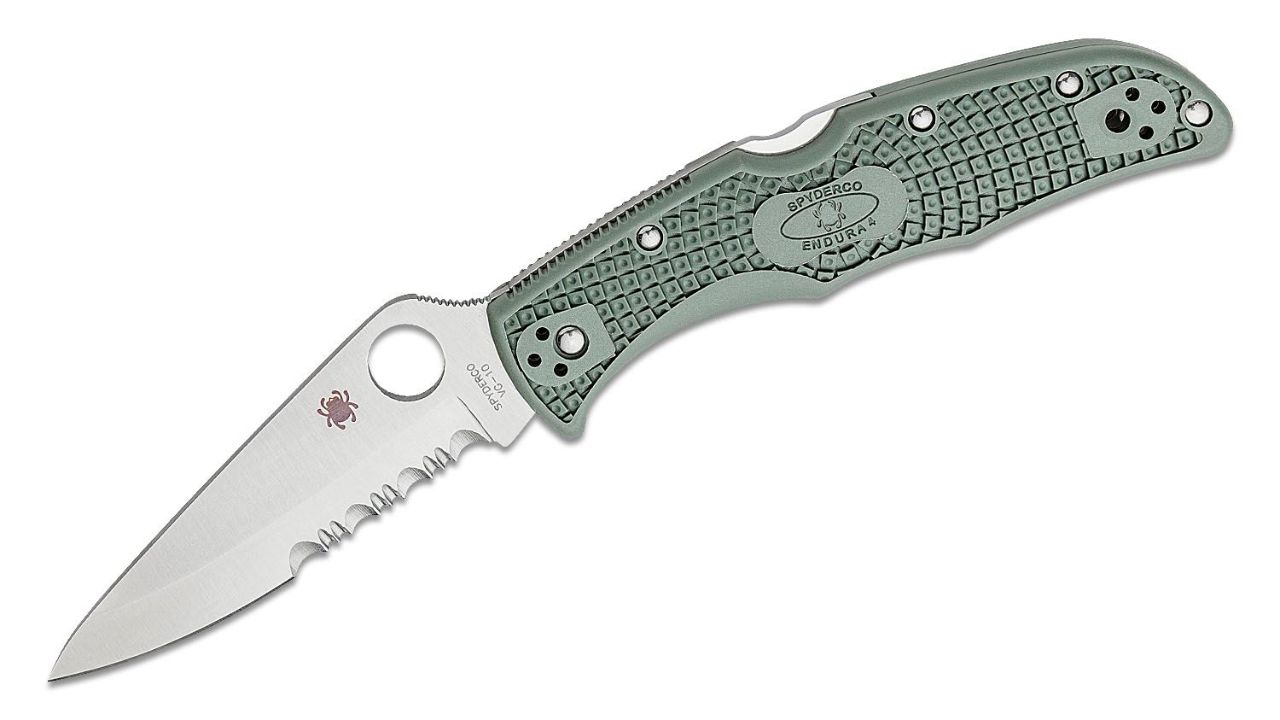
The Endura 4 gets overlooked because it’s not flashy, but VG-10 has a proven track record for holding a working edge in everyday rough cutting. It’s not a super steel, yet it stays sharp longer than budget steels when you’re breaking down boxes, cutting rope, and doing the repetitive tasks that chew up edges.
A big part of the Endura’s success is blade geometry. It slices efficiently, so you don’t need to force it, and less force means less edge damage. It’s also easy to maintain, so it’s realistic to keep it sharp without making sharpening your hobby. If you want a knife that stays useful through abuse and you can restore quickly, the Endura is a practical answer. It’s the kind of knife you stop thinking about because it keeps doing its job.
Benchmade Griptilian (CPM S30V)

The Griptilian is another work-focused knife that earned its reputation the slow way: years of people actually using it. In S30V, it keeps a working edge through a lot of the abrasive cutting that dulls softer steels fast. It’s not a show knife, and that’s why it fits this list.
What you notice is how steady it feels. The grip gives you control when your hands are wet or tired, which helps you avoid twisting cuts that wreck edges. The steel holds up well enough that you can push through rough tasks without immediately hunting for a sharpener. And when it finally needs attention, you can bring it back without a fight. If you want a knife that stays sharp because it’s meant to work, not impress, the Griptilian keeps proving itself.
Bradford Guardian 3 (M390 or CPM 3V)
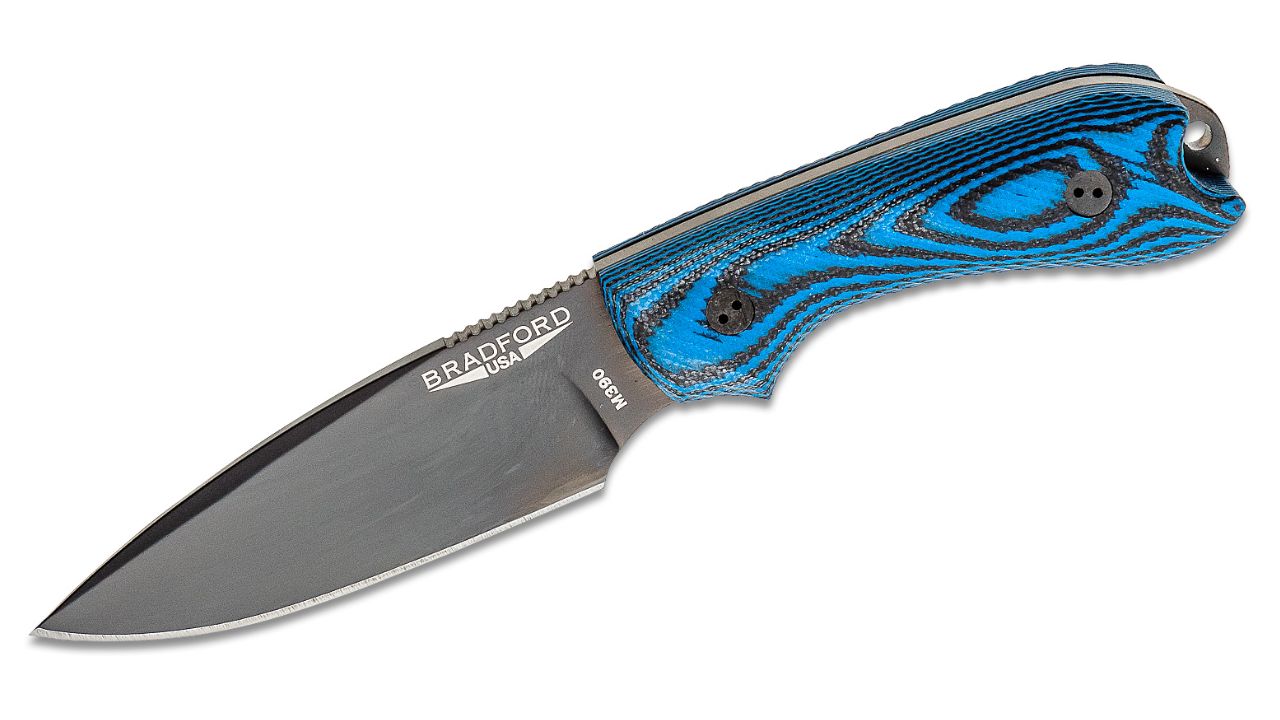
The Guardian 3 is popular because it’s compact, easy to carry, and built like a real fixed blade instead of a tiny novelty knife. In M390, it leans into wear resistance and can hold an edge through a lot of abrasive cutting. In CPM 3V, you trade some wear resistance for toughness and edge stability under rougher handling.
The key is that it stays useful. A small fixed blade that carries well is a knife you actually have on you, and that matters when rough work pops up unexpectedly. The Guardian 3 also gives you good control, which protects the edge because you aren’t muscling bad cuts. The tradeoff is cost and steel choice—M390 can be slower to sharpen if you let it go. But as a hard-carry fixed blade that holds its edge, it’s a smart pick.
Chris Reeve Knives Sebenza 31 (CPM S45VN)
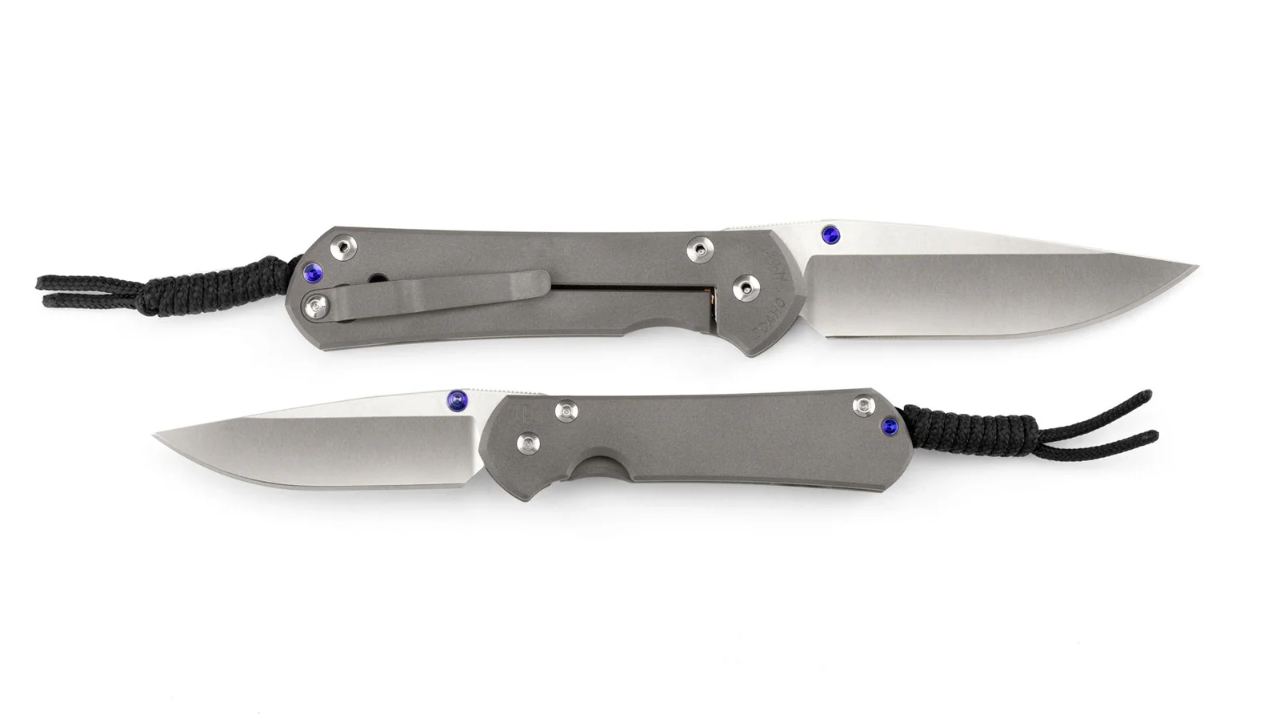
The Sebenza gets talked about like a luxury knife, but it earned much of its reputation through hard use. In S45VN, you get a steel that holds a clean working edge for a long time while still being maintainable. The build quality also matters—tight lockup, solid geometry, and a design that doesn’t fight you when you cut.
The way it stays sharp is less about magic steel and more about predictable performance. It doesn’t feel “dead” quickly, and it keeps slicing without needing constant touch-ups. The tradeoff is price, and that’s real. But if you’re the type who carries one knife every day and actually uses it, the Sebenza can earn its keep by reducing the number of times you stop to sharpen. It’s a working knife wearing a premium suit.
Leatherman Signal / Wave+ knife blade (420HC)
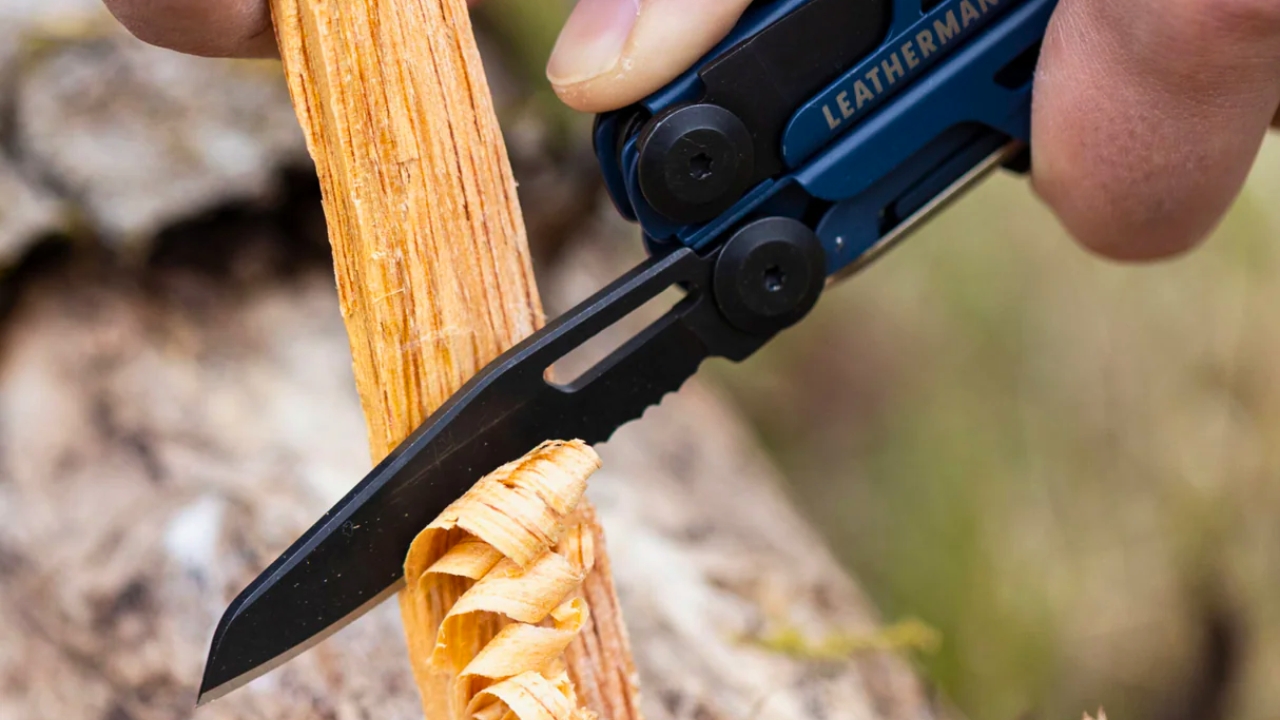
A multi-tool blade won’t beat premium steels on paper, but Leatherman’s 420HC blades stay sharp longer than people expect for the kind of work they see. You’re cutting dirty rope, zip ties, food, tape, and all the random chores that destroy edges. The fact that it holds a working edge through that chaos matters.
The other advantage is that a multi-tool is often the knife you actually have when you need one. That’s part of staying sharp too—consistent access and quick touch-ups instead of leaving your “good knife” back at camp. Leatherman’s blade steel is chosen for toughness and ease of sharpening, which is exactly what you want when you’re out and the job isn’t clean. It won’t stay razor forever, but it stays useful, and that’s the point.
Like The Avid Outdoorsman’s content? Subscribe to our newsletter so you never miss an article.
Here’s more from us: