Photo credit: Knife Center
Backcountry abuse isn’t “I opened a bag of jerky with it.” It’s wet hands, cold fingers, grit in everything, and the kind of work that makes you lean on a knife harder than you planned—splitting kindling, prying stubborn joints, shaving tinder, cutting rope, and cleaning an animal before you’ve even warmed up. Out there, a fixed blade earns its keep by staying controllable, staying sharp enough to keep working, and not breaking when you do something dumb because you’re tired.
The best backcountry knives aren’t always the prettiest. They’re the ones with sensible steel, comfortable handles, tough construction, and sheaths that don’t make you fight them. If you pick the right shape and actually maintain it, you can beat on these knives for years without babying them.
ESEE-4

The ESEE-4 is a classic “do it all” backcountry fixed blade because it’s built around durability, not delicate performance. The blade thickness and full-tang build give you confidence when you’re splitting kindling, cutting cordage, or doing rough camp chores that would make a thinner hunting knife feel fragile.
What makes it work is the handle comfort and the simple, predictable profile. You can choke up and get control for finer cuts, then lean on it when you need to. It’s not a dedicated skinning knife, but it’ll field dress an animal if you know how to use the edge and you don’t force the point where it doesn’t belong. The ESEE-4 also has a reputation for backing up their knives, which matters when your blade is a tool, not a display piece.
ESEE-5
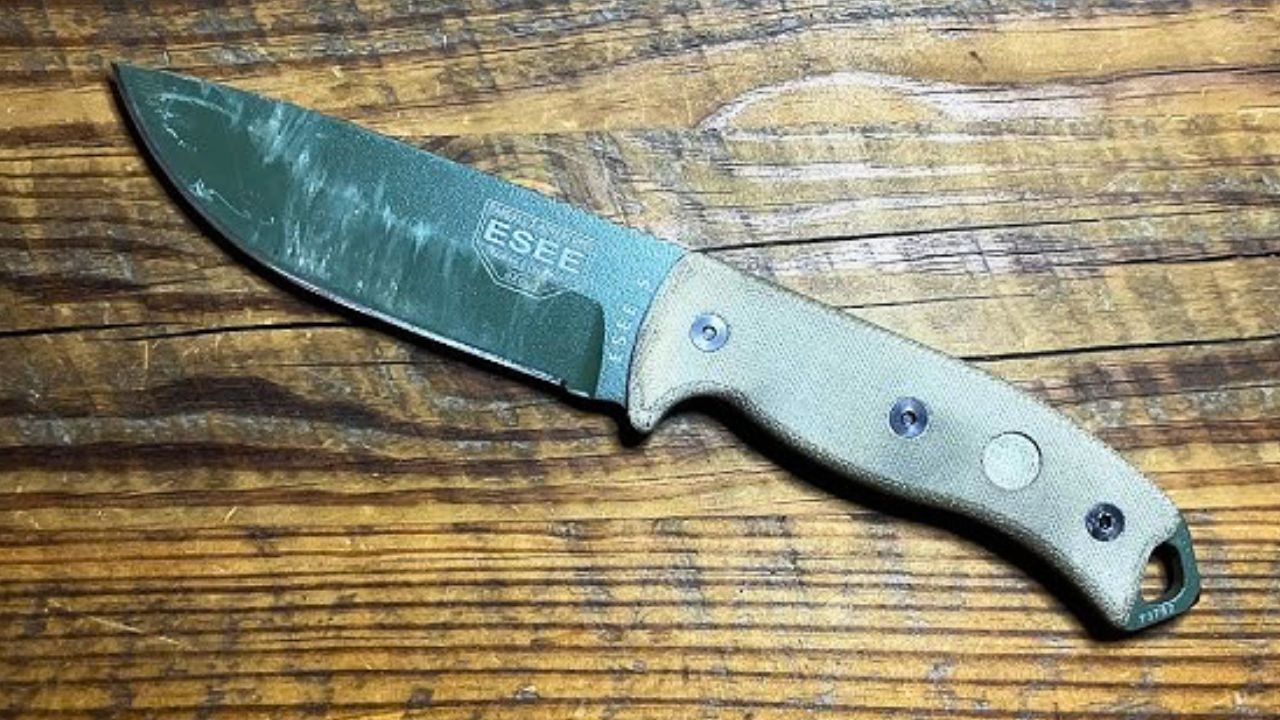
The ESEE-5 is built like it expects you to do things you probably shouldn’t do with a knife. It’s thick, heavy, and more “survival tool” than slicer. If your backcountry trips include batoning through knotty wood, digging, or general abuse that would scare you with other blades, the ESEE-5 is the kind of knife that keeps your confidence high.
The tradeoff is weight and cutting finesse. You carry it because you want something that won’t flinch when you hit hard spots, not because you want a delicate cutter. In cold weather, that extra mass can actually help when you’re processing wood quickly. It can handle food and basic game tasks, but it shines when the day turns into work. If you want a knife that feels like a small tool, this is one.
ESEE-6
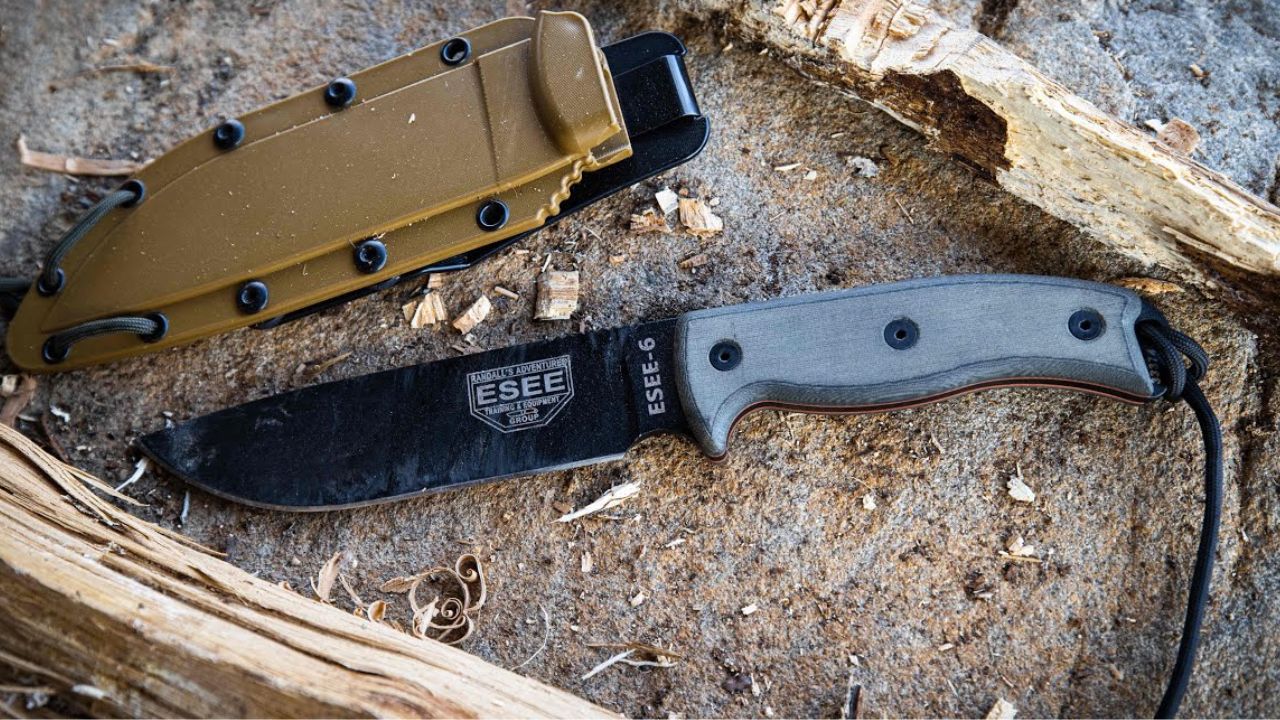
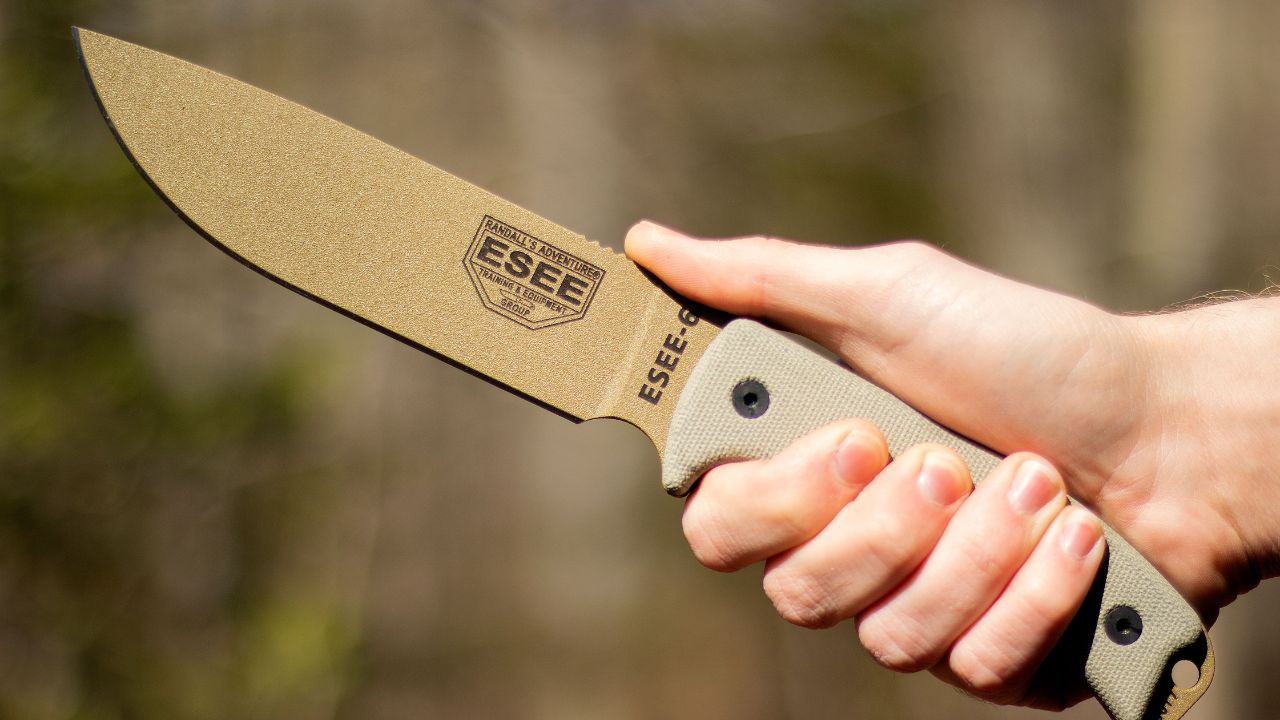
The ESEE-6 is the bigger brother that many backcountry guys settle on when they want more reach without going full pry bar. The longer blade helps with wood processing, shelter tasks, and clearing small branches, and it gives you more leverage for batoning than shorter knives.
Where it earns trust is balance. It’s large enough to do real camp work efficiently, but not so thick and heavy that it becomes annoying on your belt all day. The handle is comfortable when you’re doing repetitive cuts, which matters more than people admit. The ESEE-6 can also handle basic game processing in a pinch, especially if you’re not trying to cape like a taxidermist. It’s a backcountry knife that feels like it was designed for long days, not short demos.
Ka-Bar Becker BK2 Campanion

The BK2 has a reputation for being almost indestructible, and it earns that reputation by being thick, stout, and unapologetically tough. It’s the kind of knife you bring when you know you’ll be splitting wood, working around rocks, and generally treating your blade like a small hatchet.
The BK2’s strength is also its weakness: it’s not a slicer. It wedges through some materials instead of gliding, and it can feel heavy if you’re covering miles. But if your trips involve building firewood piles, making stakes, or doing rough camp chores in wet conditions, it’s hard to scare a BK2. Pair it with a small sharpener and accept that it’s a work knife, and it’ll keep showing up for you season after season.
Ka-Bar Becker BK7
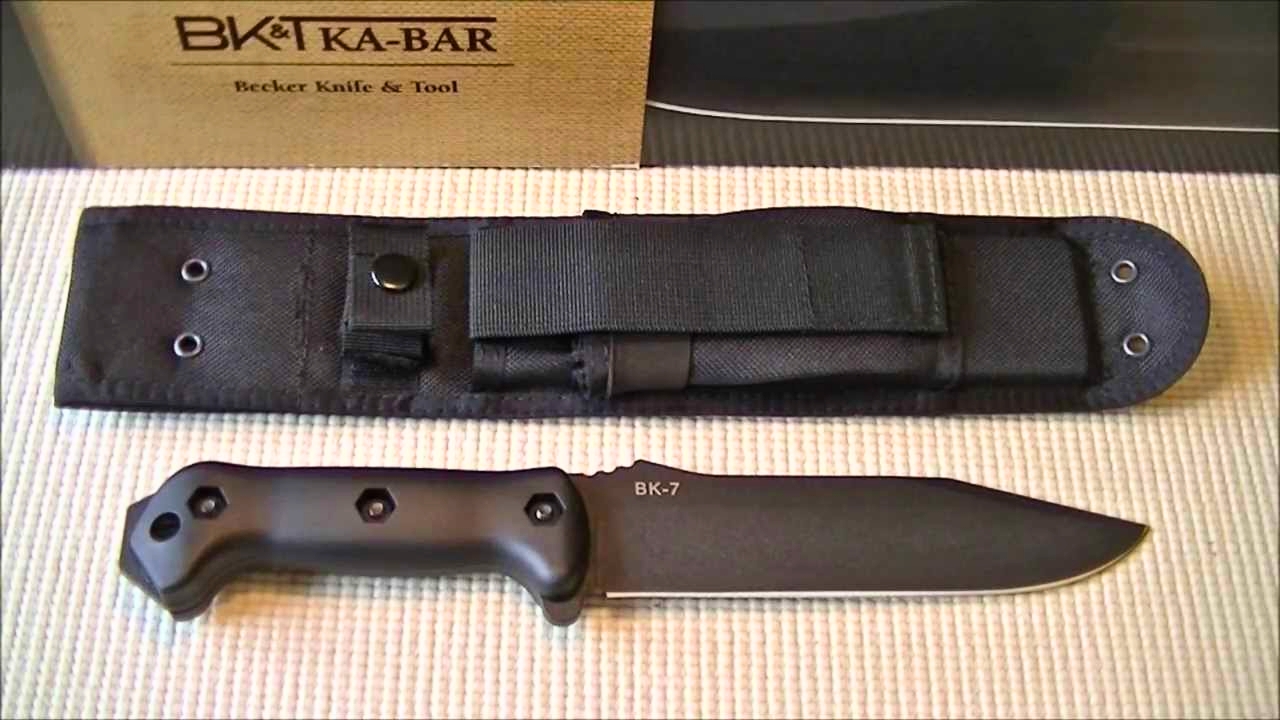
The BK7 takes the Becker toughness and stretches it into a longer, more field-friendly format. That extra blade length helps when you’re clearing brush, cutting through thicker material, and doing shelter tasks where reach matters. It feels closer to a camp chopper than a belt knife.
In the backcountry, the BK7 shines when you want one tool to cover a lot of ground without packing a hatchet. It can baton well, chop light material, and still do normal knife jobs without feeling like a crowbar. You’re still carrying a larger knife, so weight and size are part of the deal. But if you like a longer blade for real work and you want something that can take hits, the BK7 is a proven option.
Cold Steel SRK (CPM 3V version)
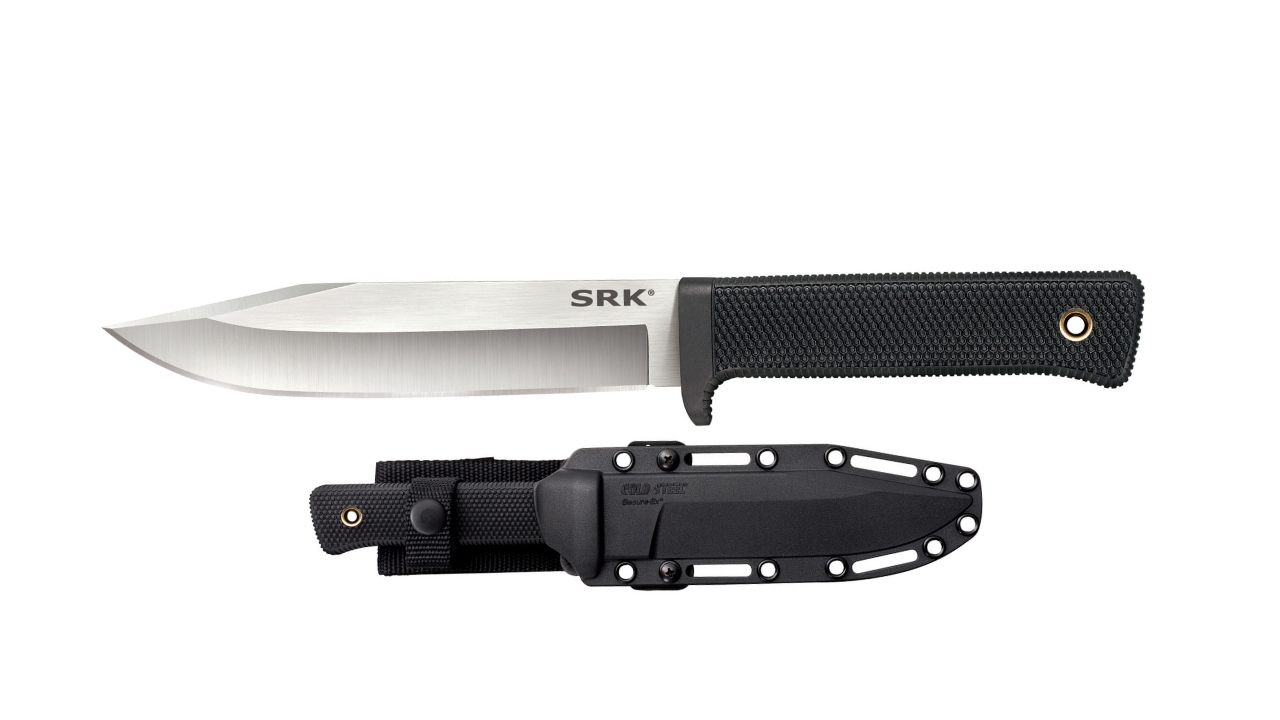
The SRK has been around forever, and it’s stayed relevant because it’s a straightforward field knife that’s meant to be used hard. In the CPM 3V version, you’re getting a steel known for toughness, which is exactly what you want when your knife might see batoning, twisting, and ugly camp chores.
The SRK’s shape is practical: enough belly for slicing, enough point control for detail, and enough length to feel useful beyond food prep. It’s not overly fancy, which is part of the appeal. The grip is comfortable in wet hands, and that matters when the weather turns. If you maintain it and don’t treat it like a pry bar on rocks, it’ll keep working. It’s a backcountry knife that doesn’t need a long explanation.
Gerber StrongArm
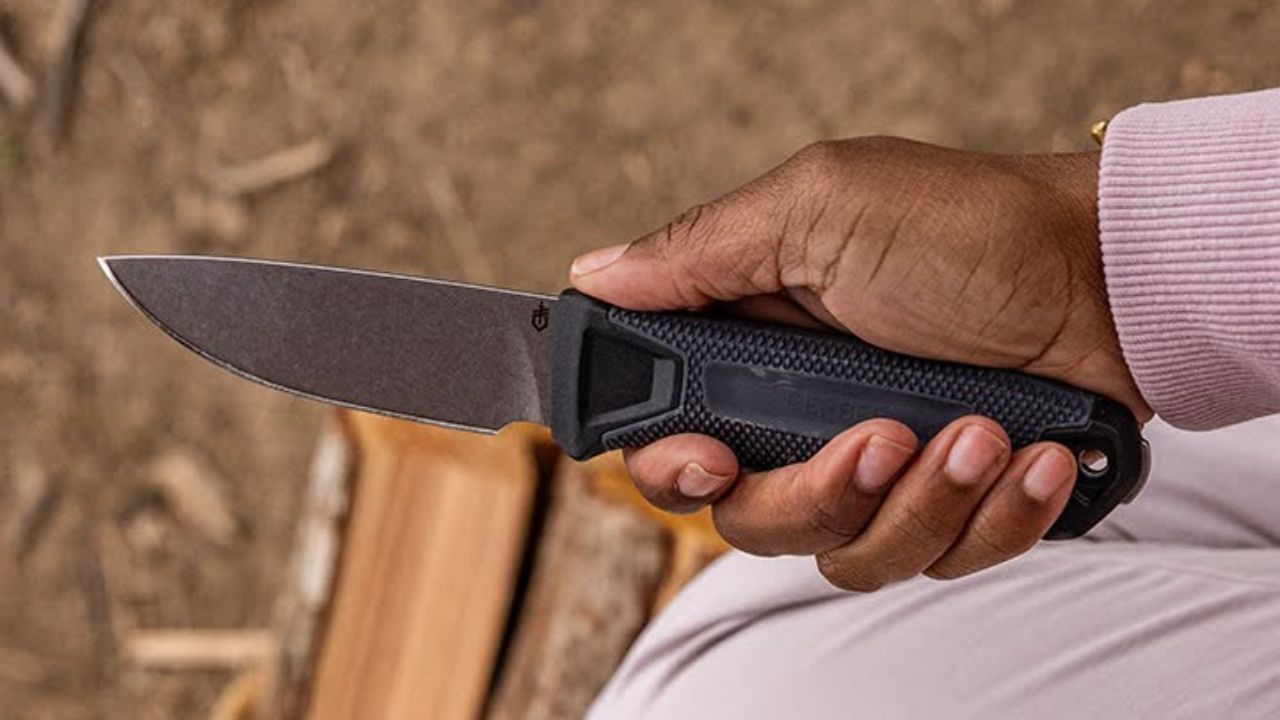
The StrongArm has earned a place in a lot of packs because it’s affordable, tough, and built to take rough handling. It’s the kind of knife you can bring on a hard trip without feeling like you need to baby it, and it’s widely available when you need a replacement fast.
In real backcountry use, the StrongArm does the basics right: solid construction, a grip that stays workable when wet, and enough blade strength for batoning kindling and camp chores. It’s not a high-end cutter, but it’s dependable as a field tool. The carry system is also flexible, which helps when you’re trying to make it work with pack straps and belts. If you want a knife you can beat up and still trust, the StrongArm is a realistic choice.
Morakniv Garberg

The Garberg is the Mora for people who want Mora cutting behavior but with a stronger, more durable build. It’s a full-tang knife that still keeps that clean Scandinavian grind feel, which makes it cut wood and food efficiently while staying tough enough for real camp work.
In the backcountry, the Garberg stands out because it’s light, practical, and easy to maintain. It bites into wood well, feathers tinder easily, and doesn’t feel clumsy in the hand when you’re doing precise cuts. It’s also a knife you can use all day without fatigue, which matters more than raw toughness for most trips. If you want a knife that cuts above its size and still holds up to abuse, the Garberg is one of the better “pack knife” choices out there.
Ontario RAT-5
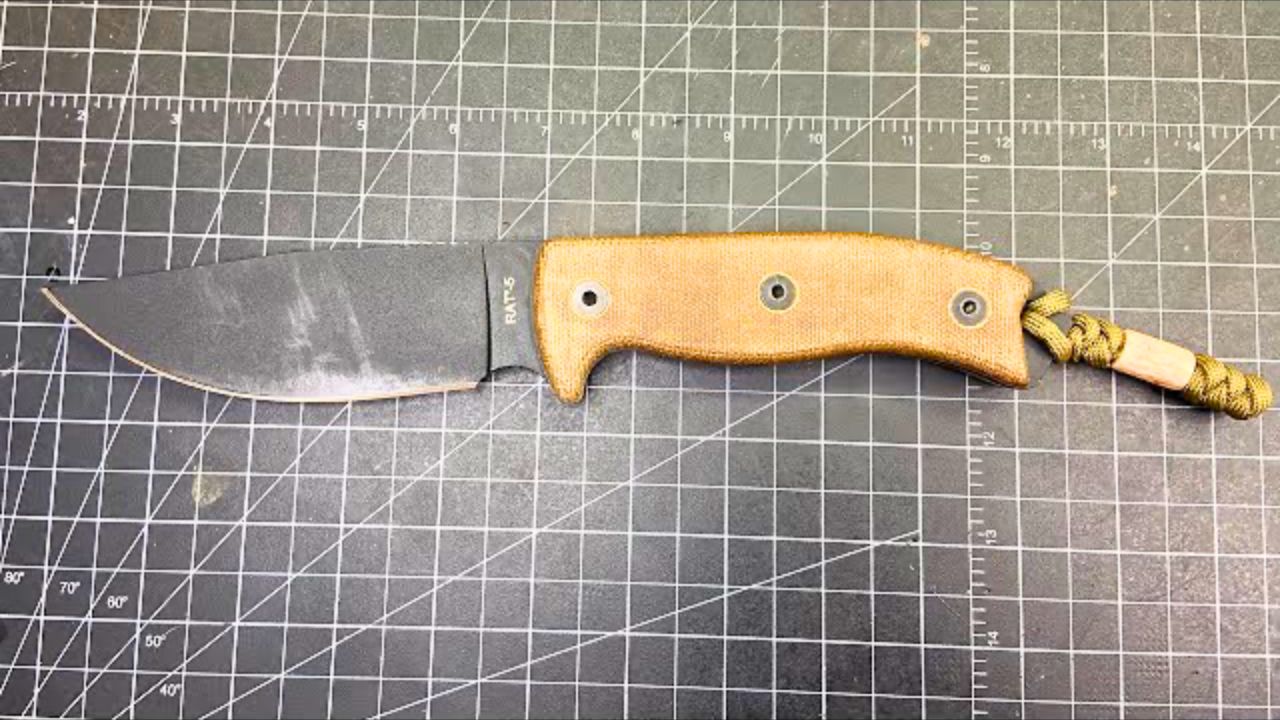
The RAT line has a long reputation for being honest, hard-use knives, and the RAT-5 hits a sweet spot for backcountry work. It’s big enough to handle wood processing and camp chores, but still small enough to ride comfortably on your belt without feeling like a machete.
What makes it backcountry-friendly is the simple, usable shape and the comfortable handle. You can choke up for control, and you can still baton kindling without feeling like you’re risking the knife. It’s not built for delicate caping work, but it’ll handle basic field dressing if needed. The RAT-5 is a tool-first knife. If you want something that’s tough, not precious, and easy to sharpen, it checks the boxes.
TOPS B.O.B. (Brothers of Bushcraft)
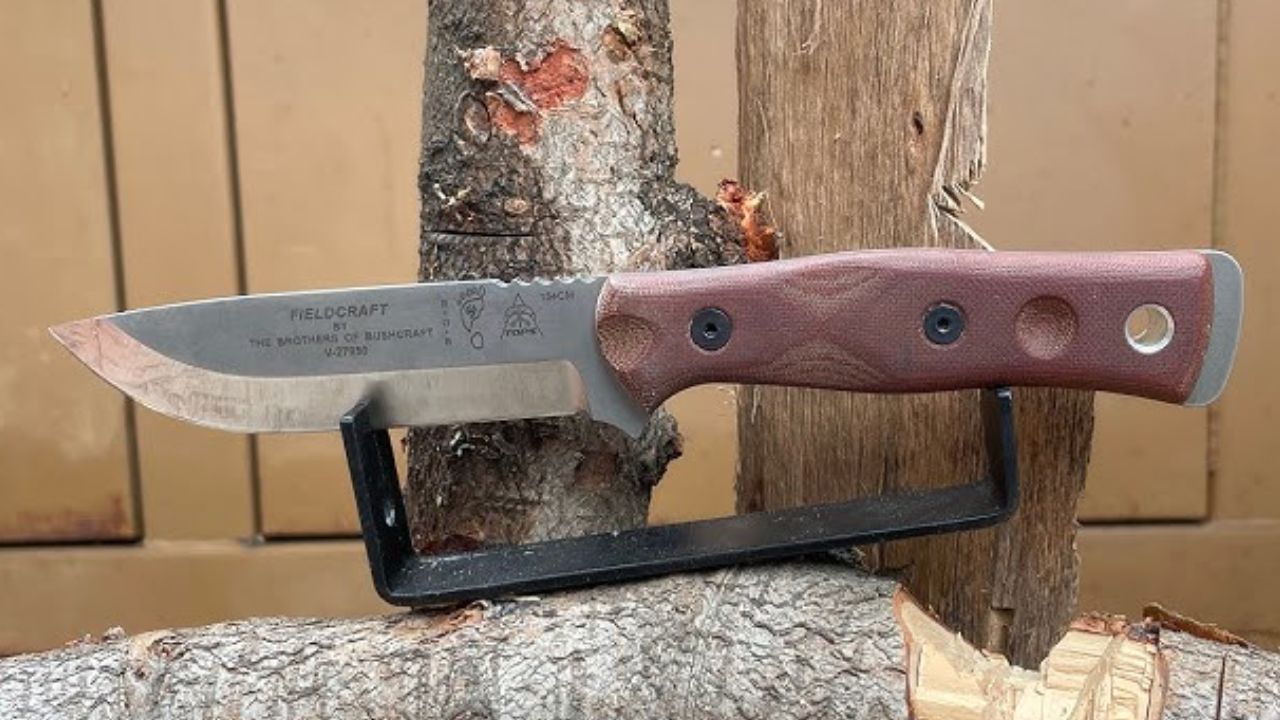
The TOPS B.O.B. is a knife people bring when they want a dedicated camp-work blade that can handle being leaned on. It’s thick, sturdy, and designed around bushcraft-style tasks where you’re carving, splitting, and working wood for fire and shelter.
In harsh conditions, that thickness can be comforting. You’re not wondering if the blade will flex or chip when you baton through a knot. The handle also gives you a secure grip when your hands are wet or cold, which is when accidents happen. It’s not a light knife, and it’s not the best slicer. But for real backcountry work where the knife becomes a small tool, the B.O.B. holds up and keeps your confidence high.
Fallkniven F1

The Fallkniven F1 has a serious reputation because it’s designed as a compact survival knife that can take real abuse. It’s small enough to carry easily, but built to handle tougher tasks than its size suggests. That balance is what makes it a smart backcountry choice.
In use, the F1 feels controlled and secure. The handle shape works well in wet hands, and the blade profile is practical for wood work, food prep, and general camp cutting. It can baton kindling within reason and still give you finesse when you need it. You’re paying more than budget options, but the knife is built for hard use in harsh conditions. If you want a compact fixed blade that doesn’t feel like a compromise, the F1 has earned its spot.
Bradford Guardian 3.5
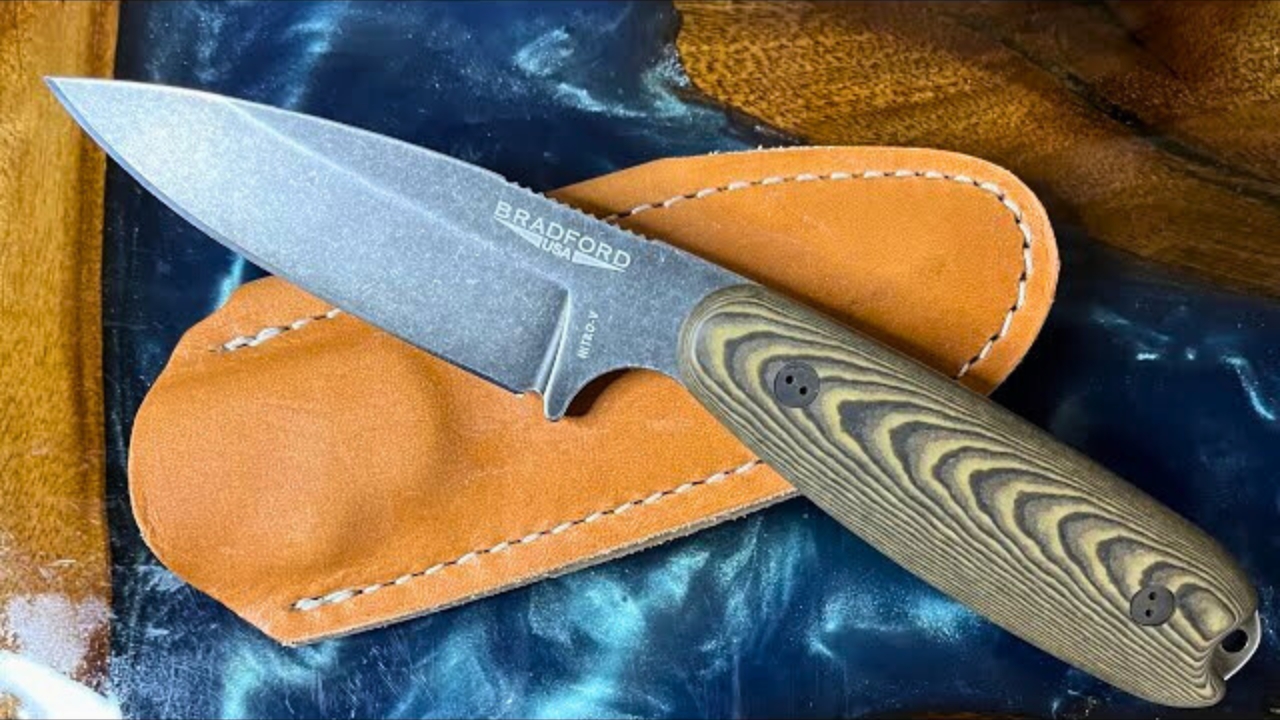
The Guardian 3.5 is a great backcountry knife when you want a fixed blade that’s easy to carry but still strong enough for real work. It’s not a chopper, but it’s built well, fits the hand nicely, and handles the daily grind of camp life without feeling fragile.
Where it shines is control. You can do detailed tasks—tinder prep, food, small repairs—without fighting a big blade, and you can still handle rougher chores like cutting branches and light batoning. The handle ergonomics are a big part of why people keep them, especially over long days. It’s also the kind of knife you can maintain easily in the field with a small sharpener. If you want “pack knife” practicality with real durability, the Guardian 3.5 is a strong pick.
Bark River Bravo 1

The Bravo 1 is a known quantity in the hard-use outdoor knife world. It’s built for camp work and survival-style tasks, with a blade shape and construction that can handle batoning, carving, and heavy cutting without feeling underbuilt. It’s a knife people buy when they want something that feels substantial.
In the backcountry, it earns its keep by being comfortable and capable across a lot of jobs. The handle fills your hand, which helps when you’re tired and your grip is sloppy. The blade geometry is designed to work wood efficiently, and it can do the messy tasks that pop up on long trips. It’s not the lightest option, and it’s not cheap, but it’s built to be used. If you want one knife that can do a lot of hard work, it’s a proven choice.
Helle Temagami

The Helle Temagami isn’t a “beat on rocks” knife, but it’s absolutely a backcountry knife for real use—especially if your trips involve lots of cutting, carving, and camp prep. It’s known for excellent ergonomics and a blade that feels alive in the hand, which matters when you’re making controlled cuts all day.
It shines in woodcraft tasks: feather sticks, notches, food prep, and general camp efficiency. It’s also light enough that you’ll actually carry it instead of leaving it behind. The key is using it like a cutting tool, not a pry tool. In real backcountry life, cutting ability often matters more than brute thickness. If you want a knife that makes camp tasks easier and keeps your hand comfortable, the Temagami is the kind of blade you’ll reach for constantly.
Condor Bushlore

The Condor Bushlore gets recommended because it’s a budget-friendly knife that still feels like a real working tool. It’s designed around bushcraft fundamentals—wood processing, carving, camp prep—and it’s sturdy enough for batoning kindling and general backcountry abuse when used with some sense.
In the field, it earns points for comfort and usefulness. The handle shape works well for long sessions, and the blade profile gives you good control for carving and slicing. It’s not a premium steel showpiece, so you’ll need to maintain it and accept that it can patina and wear like a working knife. But it’s a knife that invites use rather than caution. If you want a capable backcountry fixed blade without spending big money, the Bushlore is a practical option.
Spyderco Province
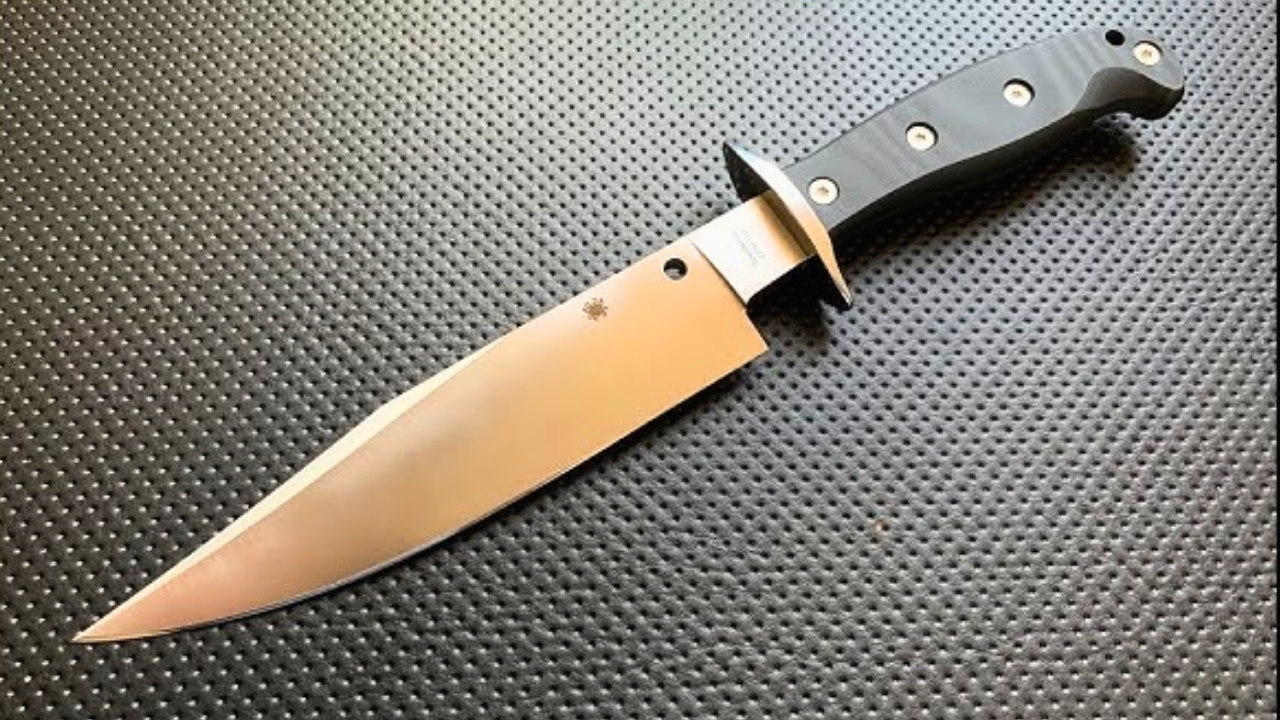
The Province is a serious fixed blade built for hard outdoor use, with a design that leans toward camp work and heavy cutting. It’s a large knife that feels secure and controlled despite the size, and it’s built with materials that hold up when you’re miles from the truck.
In backcountry conditions, it’s the kind of knife you bring when you want reach and strength without carrying a hatchet. It can handle wood processing, shelter tasks, and ugly chores that smaller knives make slower. It’s also a knife that rewards good technique—letting the edge work instead of forcing it. The Province isn’t a casual purchase, but it’s built for people who actually use their gear hard. If you want a big fixed blade that feels like a real tool, it belongs in the conversation.
Like The Avid Outdoorsman’s content? Subscribe to our newsletter so you never miss an article.
Here’s more from us: