Photo credit: Lucky Gunner Ammo/Youtube
Lever guns are in a strange but pretty great place right now. They are no longer only old deer-camp rifles with walnut stocks and iron sights, but they are also not all tactical-looking range toys with rails hanging off every flat surface. In 2026, you can buy a classic Winchester-style hunting rifle, a Ruger-made Marlin, a threaded Henry X Model, a modern Smith & Wesson Model 1854, a pistol-caliber plinker, or a big-bore thumper meant for heavy woods hunting.
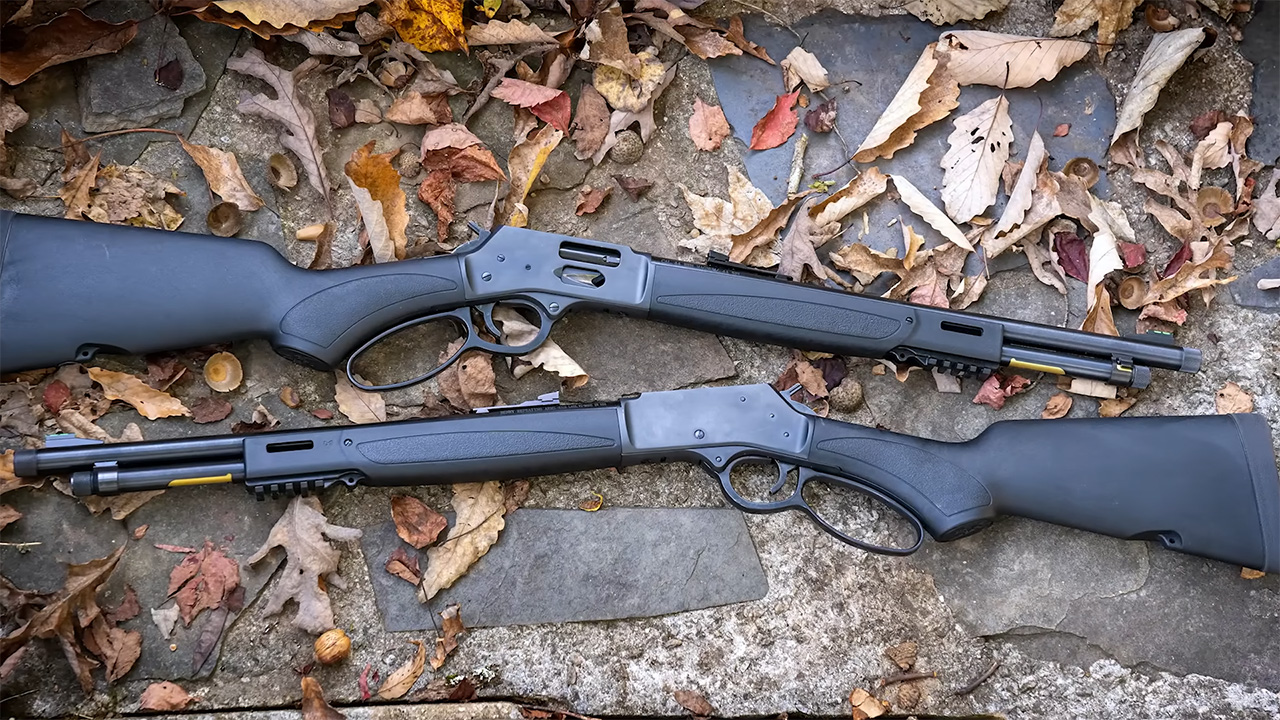
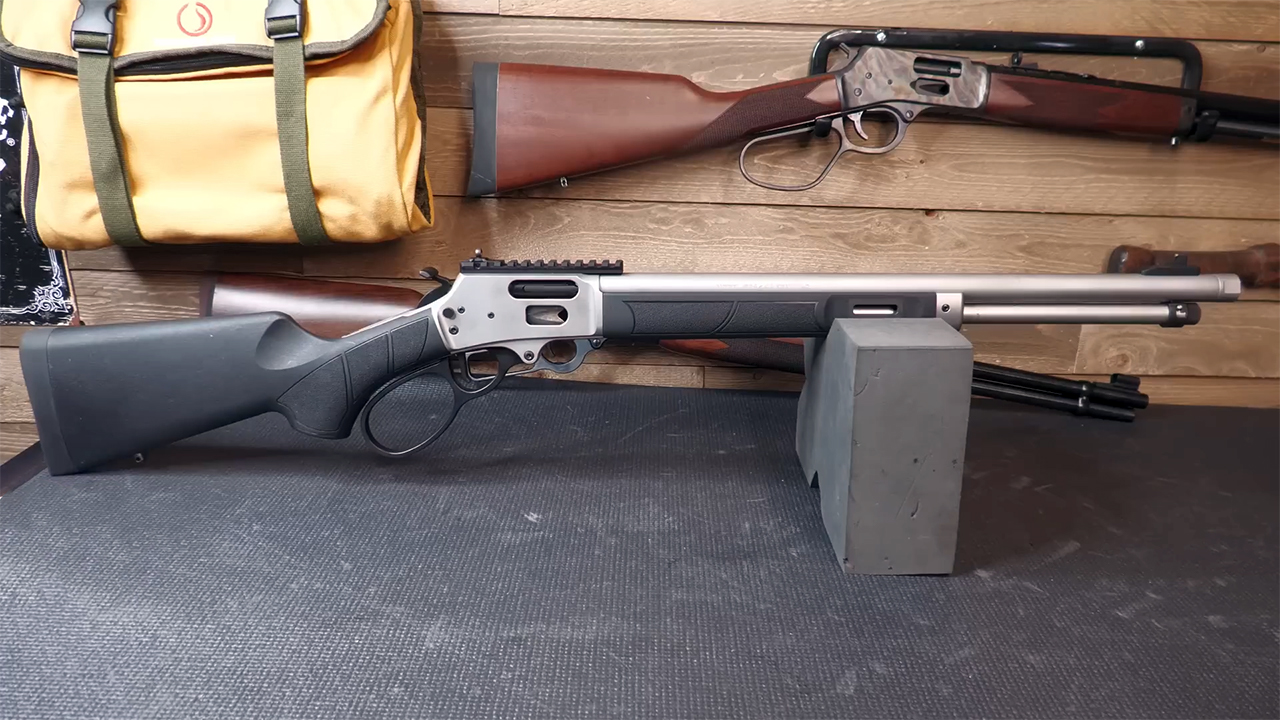
That is good for buyers, but it also makes the decision easier to mess up. A lever gun needs to match the job. Henry’s X Model rifles lean modern with threaded barrels, fiber-optic sights, side loading gates, M-LOK slots, and optic-ready receivers, while Ruger-made Marlins lean hard into classic quality and traditional lever-gun appeal. Smith & Wesson’s Model 1854 line now includes chamberings like .357 Magnum, .44 Magnum, .45 Colt, .30-30 Winchester, .360 Buckhammer, and .45-70 Government, which shows how wide the modern lever-action market has gotten.
1. Know Whether You Want Traditional or Modern
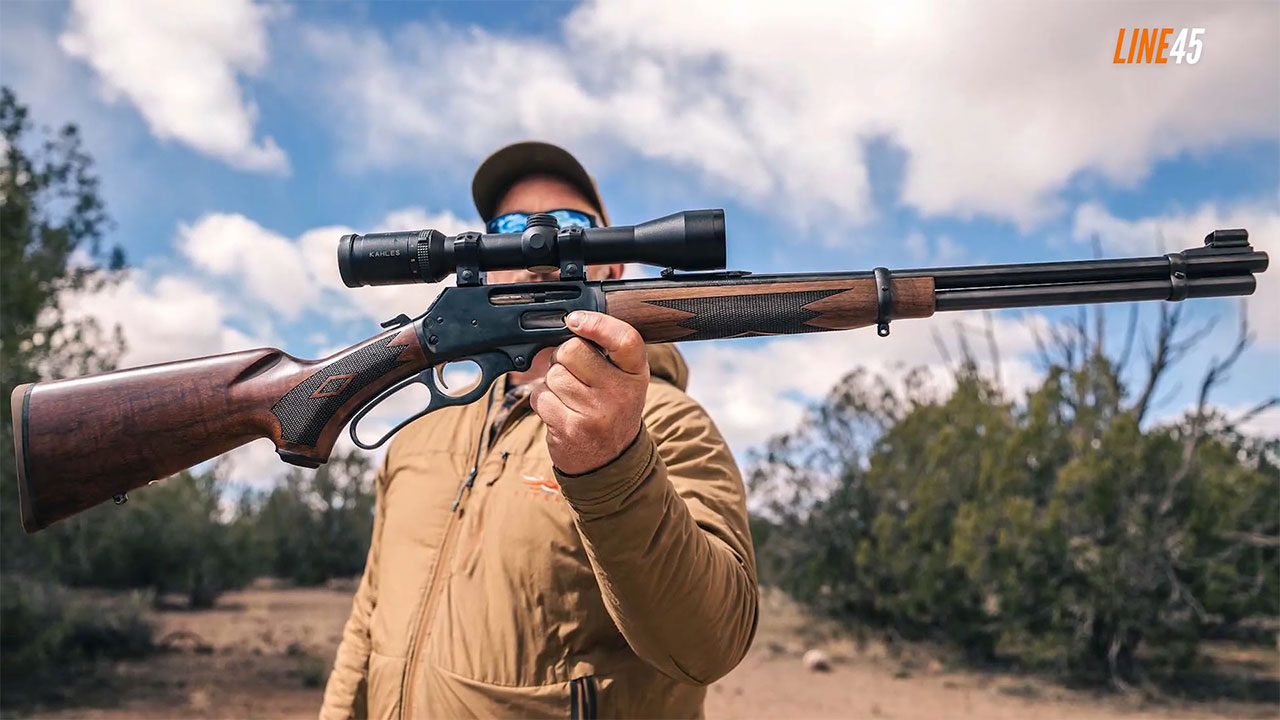
The first question is not caliber. It is style and use. A traditional lever gun with walnut and blued steel scratches a completely different itch than a modern synthetic-stocked rifle with rails, a threaded barrel, and a red dot. Neither one is automatically better. They just fit different buyers.
If you want a deer rifle that feels classic and looks right in the woods, a Marlin 336, Winchester 94, or walnut-stocked Model 1854 may make more sense. If you want a suppressor host, light mount, optic rail, and rough-weather furniture, a Henry X Model or S&W Stealth Hunter-style rifle may fit better. Do not buy the rifle that photographs best. Buy the one that matches how you will actually use it.
2. Chambering Matters More Than the Brand Name
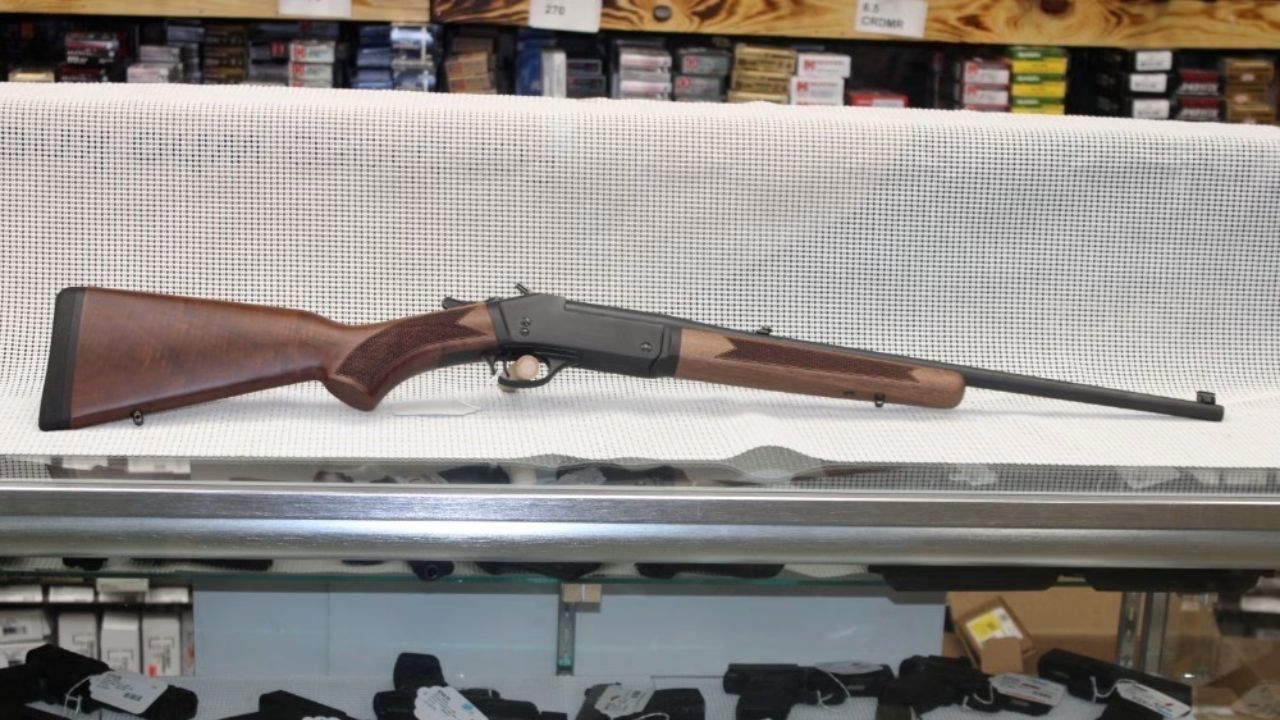
Lever-gun buyers love talking brands, but chambering should come early in the decision. A .357 Magnum lever gun is not doing the same job as a .30-30, .45-70, or .44 Magnum. Each one has different recoil, range, ammo cost, hunting usefulness, and suppressor appeal.
For cheap range time and mild recoil, .357 Magnum/.38 Special is hard to beat. For classic deer hunting, .30-30 still makes a lot of sense. For close-range power, .44 Magnum and .45 Colt can be useful in the right rifle. For big woods hunting and heavy game, .45-70 has authority but brings more recoil and ammo cost. Pick the cartridge for the job, not the one people argue about loudest online.
3. .30-30 Is Still the Safe Deer-Rifle Answer

The .30-30 Winchester refuses to go away because it still fits real deer hunting. In thick woods, brushy country, and normal stand distances, it does what hunters need without beating them up. It is not a long-range cartridge, but most lever-gun deer hunters are not buying one to shoot half a mile anyway.
A .30-30 lever gun makes sense if you want a traditional hunting rifle with manageable recoil and proven field performance. Marlin still offers the 336 Classic in .30-30, and Smith & Wesson’s Model 1854 line now includes .30-30 options too. That tells you plenty about the cartridge’s staying power.
4. Pistol-Caliber Lever Guns Are More Useful Than People Think
Pistol-caliber lever guns are not only range toys. A .357 Magnum, .44 Magnum, or .45 Colt lever action can be handy around rural property, fun on steel, mild enough for newer shooters, and very practical inside its limits. They also pair well with revolvers in the same chambering if you like that old-school two-gun setup.
The big advantage is shootability. A .357 lever gun firing .38 Special can be extremely easy to shoot, while .357 Magnum out of a rifle barrel picks up useful performance. A .44 Magnum gives more thump for hunting at closer distances. Just be realistic. These are not flat-shooting rifle cartridges, and bullet choice matters.
5. .45-70 Is Powerful, But It Is Not Casual

The .45-70 Government has a lot of appeal. It is big, old, powerful, and satisfying in a way smaller cartridges are not. In a Marlin 1895, Henry, or S&W Model 1854, it can be a serious close-range hunting cartridge for big hogs, black bear, elk in timber, and other heavy-game situations.
But buyers need to be honest about recoil and cost. A .45-70 lever gun is not the one most people want to burn through all afternoon unless they really enjoy punishment or are shooting mild loads. It is a great cartridge when you need it. It is overkill if you mostly want cheap plinking and casual deer-stand use.
6. Side Loading Gates Are Worth Caring About

A side loading gate is not just a tradition thing. It lets you top off the rifle without pulling the magazine tube from the front. That matters in the field, around the property, and especially on modern threaded rifles where a suppressor or muzzle device may make front-end loading annoying.
Henry’s X Model rifles combine side loading gates with removable magazine tubes, which gives shooters both topping-off convenience and easier unloading. Smith & Wesson’s Model 1854 is also a side-loading lever action, and Marlin rifles have long been known for side loading as well. In 2026, a lever gun without a side gate may still be useful, but you need to know what you are giving up.
7. Threaded Barrels Change the Whole Rifle

A threaded barrel used to be a custom lever-gun feature. Now it is common on modern models. Henry X Model rifles include threaded muzzles, and S&W’s Model 1854 options include modern versions with threaded barrels depending on chambering and configuration. That opens the door for suppressors, brakes, and other muzzle devices where legal.
This matters most on pistol-caliber rifles and big-bore rifles. A suppressed .357 or .44 lever gun can be a lot of fun and very useful. A brake on a .45-70 can help recoil, though it adds blast. If you know you will never use a muzzle device, threaded barrels may not matter. But if there is any chance you will, buy the threaded model now.
8. Optics Are No Longer Weird on Lever Guns
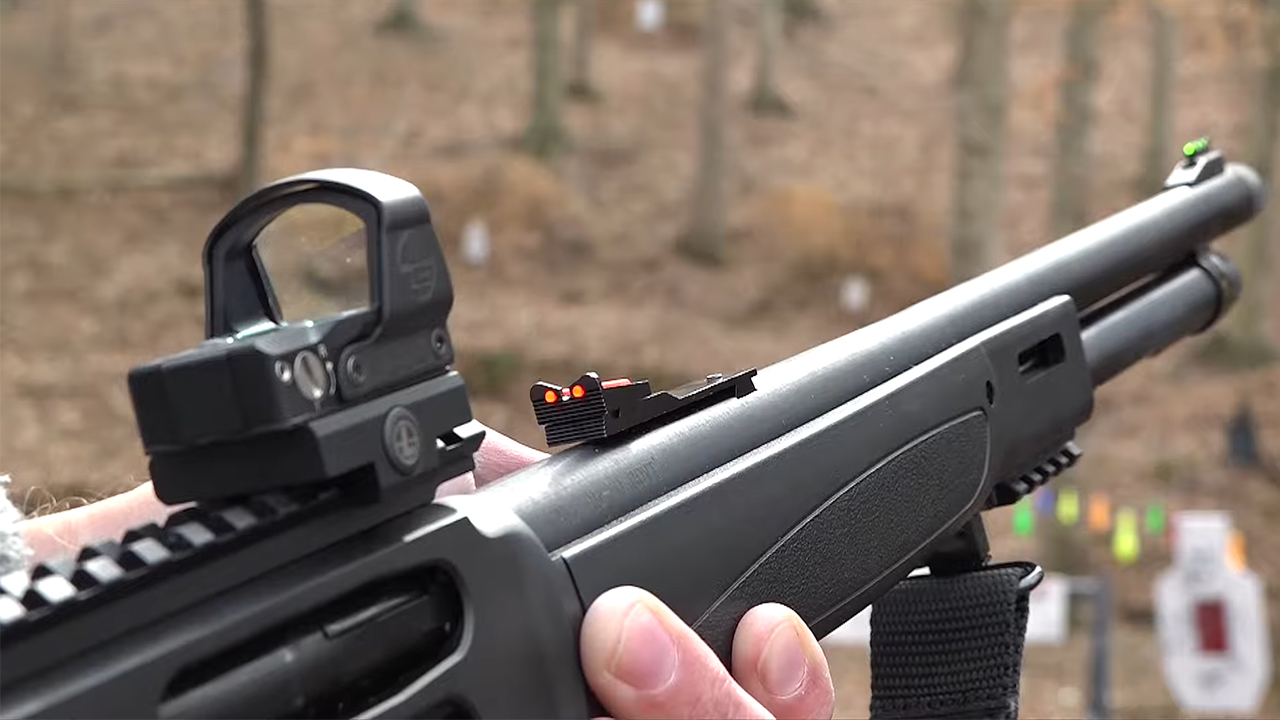
There was a time when scoping a lever gun felt almost wrong to some people. That ship has sailed. Red dots, low-power scopes, peep sights, and scout-style optics all have a place now. Henry X Model rifles are drilled and tapped for optics, and S&W Model 1854 rifles include optic-friendly modern setups on several versions.
A red dot can be excellent for quick shots inside 100 yards. A low-power scope helps with low light, aging eyes, and careful deer shots. A peep sight keeps things simple and rugged. Do not let nostalgia make the rifle harder to use. A lever gun with the right optic can be faster and more accurate without losing what makes it handy.
9. Check How the Rifle Ejects Before Planning an Optic

Not every lever gun is equally optic-friendly. Side-eject rifles like Marlins are naturally easier to scope because cases eject out the side instead of straight up. Traditional top-eject designs can require different mounting solutions, offset mounts, angle-eject versions, or iron-sight-only thinking.
This is one reason Marlins became so loved by hunters who wanted glass on a lever gun. Before you buy, decide what sighting system you want. If you already know you want a low-mounted scope, pick a rifle that makes that easy. If you want classic irons, you have more freedom.
10. Modern Rails Are Useful, But They Add Bulk
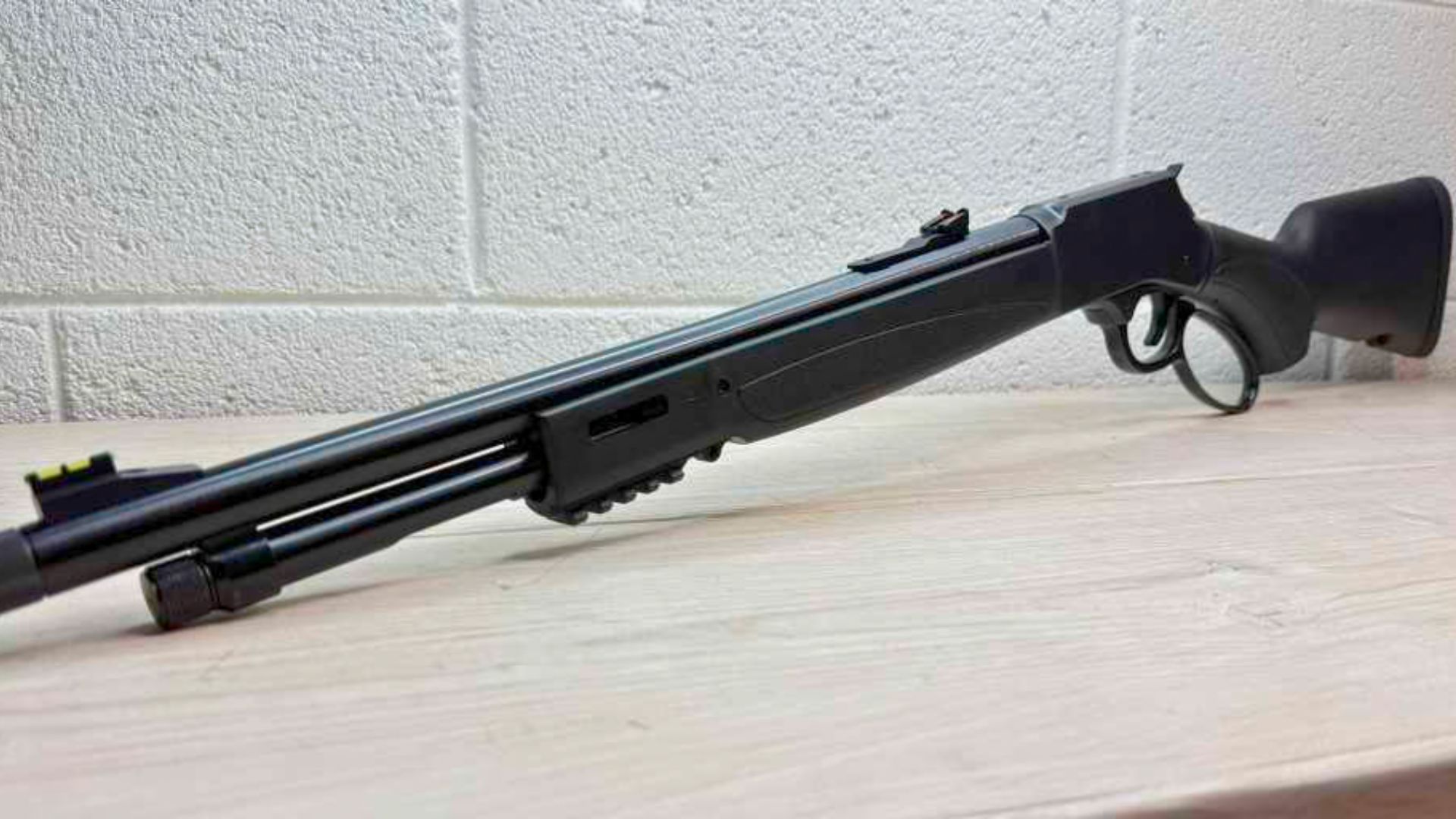
M-LOK slots and Picatinny rails make sense on a working lever gun. A light can be useful around the property. A sling mount matters in the field. An optic rail makes setup easier. Henry’s X Model and S&W’s modern 1854 rifles lean into those features because modern shooters actually use them.
But rails can also add weight, snag points, and a look some people do not like. If you plan to keep the rifle clean and traditional, you may not need all that. If you want a real utility rifle for night use, hunting, or ranch work, the rails can be worth it. Just be honest about the job.
11. Lever Guns Are Not All Short-Range Toys

Lever guns get dismissed sometimes because many classic cartridges are not long-range performers. That is fair to a point. A .30-30, .44 Magnum, or .45 Colt lever gun has limits. But inside those limits, they can be fast, accurate enough, and very effective.
The key is matching expectations to cartridge and sighting setup. A scoped .30-30 can be very useful at normal deer ranges. A .357 carbine is a handy short-range rifle. A .45-70 can hit hard in timber. None of those need to pretend to be a 6.5 Creedmoor bolt gun. Lever guns work best when you stop asking them to be something else.
12. Ammo Cost Can Sneak Up on You

Lever-gun ammo is not all priced the same. .38 Special and .357 Magnum can be reasonable compared with many rifle rounds, especially if you already shoot revolvers. .30-30 is usually available but not always cheap. .45-70 can get expensive fast. .360 Buckhammer and other newer or more niche cartridges may depend heavily on local availability.
Before buying, check ammo prices where you actually shop. Not internet fantasy prices. Real shelf prices. A rifle you cannot afford to practice with will not get used much. If you want high-volume fun, pistol calibers may be smarter. If you want a seasonal hunting rifle, .30-30 or .45-70 may be easier to justify.
13. State Hunting Rules Can Make or Break the Choice
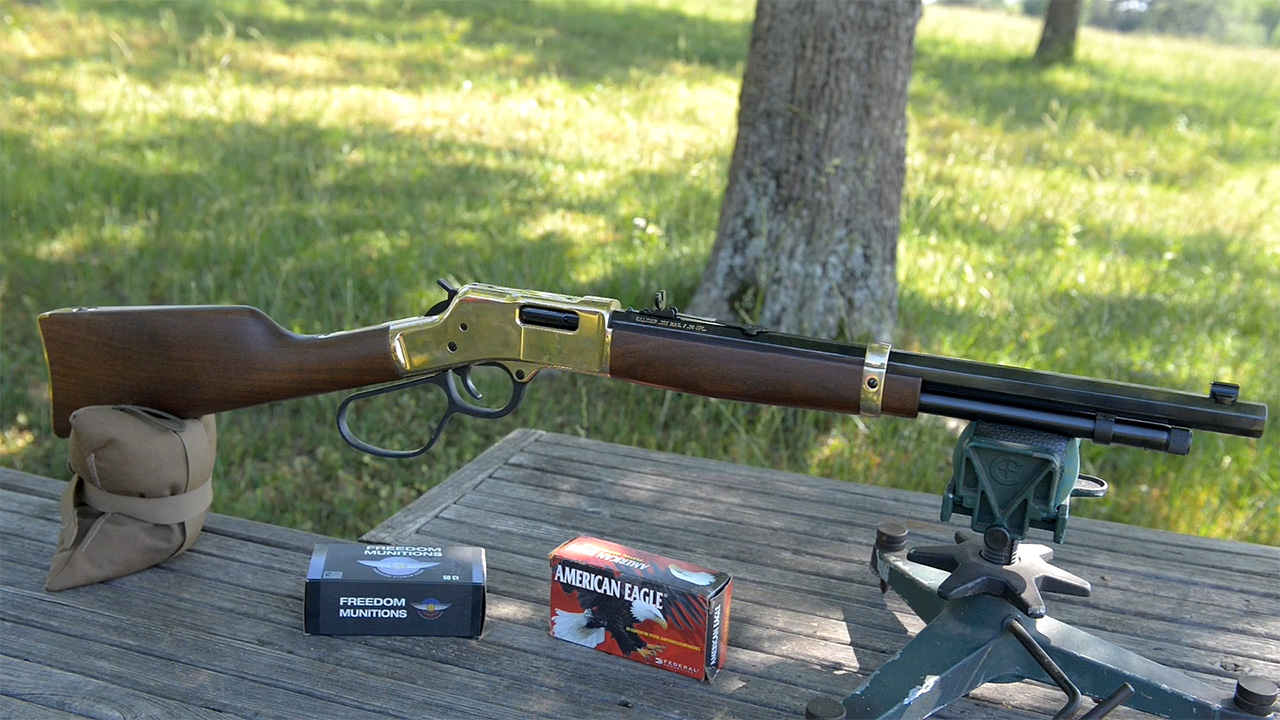
Some states have straight-wall cartridge rules for deer hunting. That can make cartridges like .357 Magnum, .44 Magnum, .45 Colt, .360 Buckhammer, and .45-70 especially interesting depending on the exact law. But those rules vary, and details like case length, bullet diameter, season type, and private vs public land can matter.
Do not buy a lever gun for hunting based on a buddy’s half-remembered rule. Check your state wildlife agency’s current regulations before choosing a chambering. A rifle that is perfect in one state may be illegal or poorly suited in another. This is one of those boring details that saves you money and frustration.
14. Fit and Lever Loop Size Matter

Lever guns need to fit the shooter. Length of pull, comb height, sight height, recoil pad, grip shape, and lever loop size all affect how the rifle feels. A large loop can help with gloves, but an oversized loop can also feel sloppy if you do not need it. A pistol-grip stock can feel more modern, while a straight stock feels more traditional.
Handle the rifle if you can. Work the lever. Shoulder it with the sights or optic you plan to use. Make sure the hammer, safety, loading gate, and lever feel natural. A lever gun that looks great but feels awkward will not get better after you spend the money.
15. Buy the Lever Gun for the Role, Not the Romance
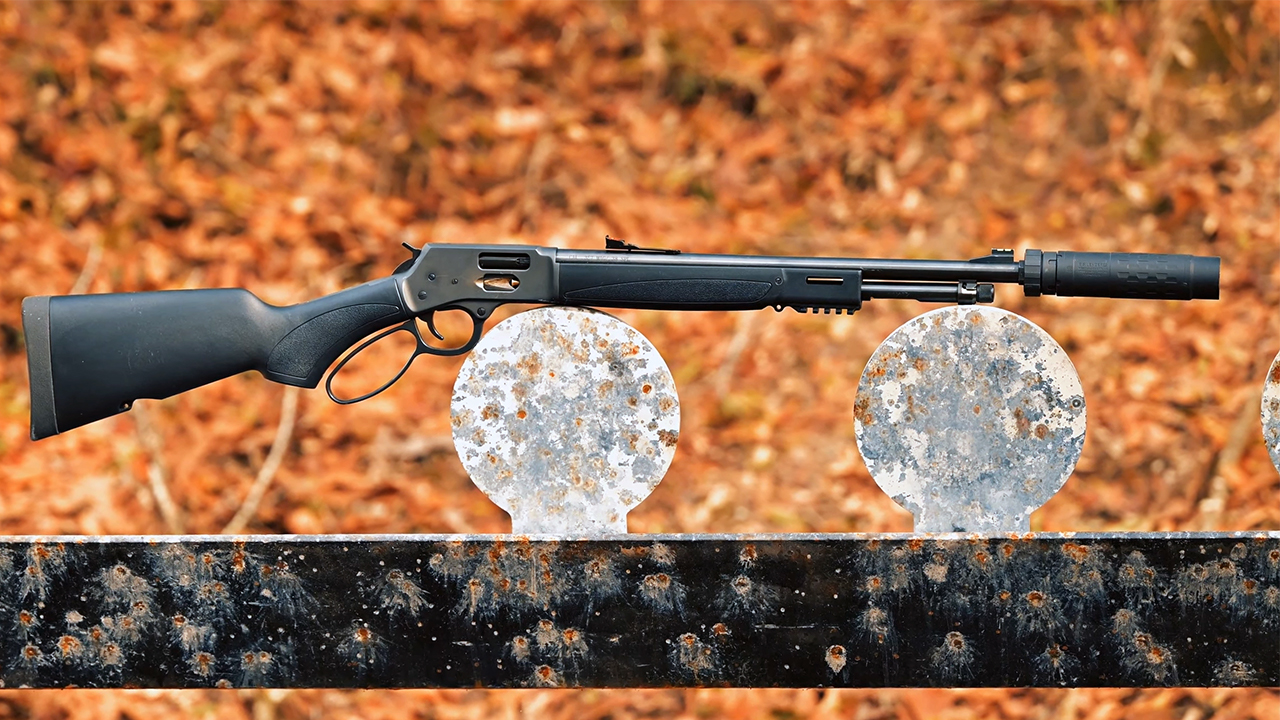
Lever guns are easy to romanticize. They look good, feel good, and carry a lot of history. That is part of the fun. But in 2026, the market is broad enough that you can choose based on function too. A walnut .30-30 deer rifle, a threaded .357 Henry X, a Ruger-made Marlin 1895, and an S&W Model 1854 Stealth Hunter are not trying to be the same gun.
That is the main thing to know before picking one. Decide what you need first: deer hunting, property use, suppressor shooting, range fun, straight-wall compliance, big-bore power, or classic nostalgia. Then buy the rifle that fits. Lever guns are better than they have been in years, but only if you pick the one that matches your actual life.
Like The Avid Outdoorsman’s content? Be sure to follow us.
Here’s more from us: