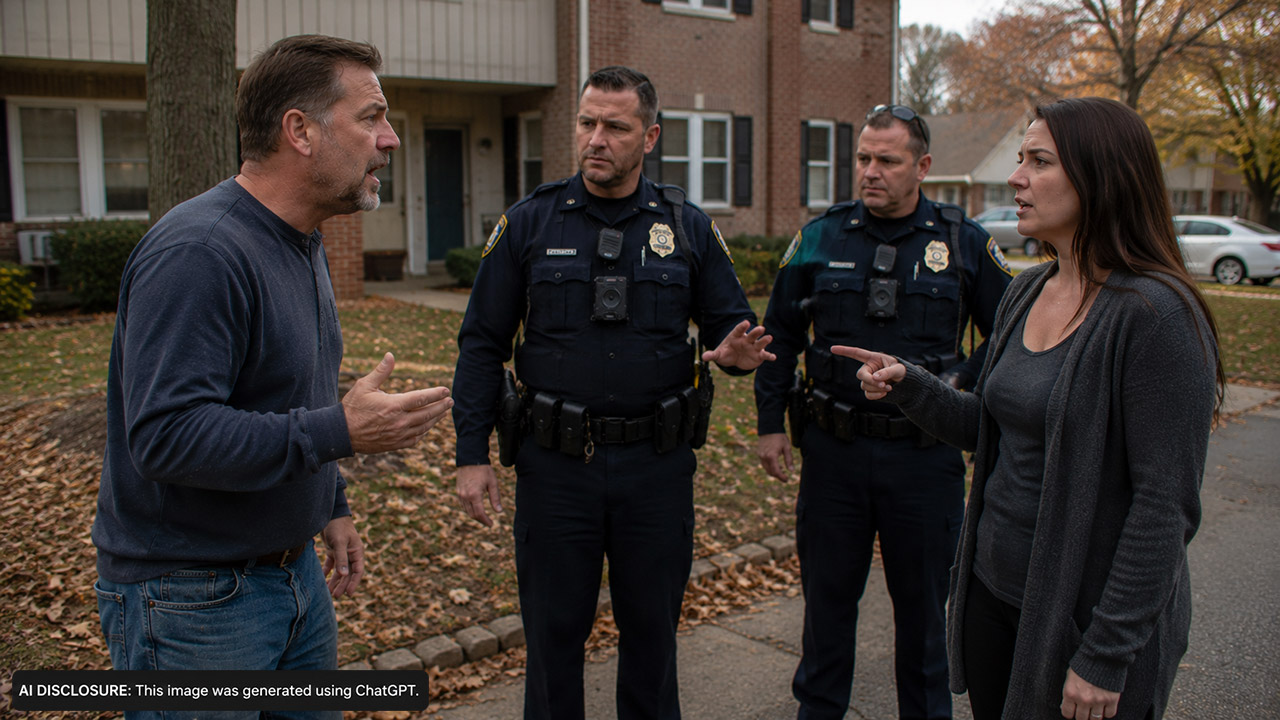
Photo credit: AI-generated image created using ChatGPT. Illustrative only
Most of us who carry a firearm do it for one reason: to get home safe. But there’s a hard line between being armed for protection and using the idea of a gun to win an argument. In a tense landlord-tenant blowup in New York City, that line got blurry fast—blurry enough that when police got involved, the two sides didn’t even agree on whether a “I’m carrying” comment was a threat or just a statement.
A loud, public argument turned physical in a hurry
The tenant described a history of friction with an aggressive landlord—yelling, public bickering, and being blamed for neighborhood problems. The latest clash started outside while the tenant was talking with neighbors and preparing to walk his dog. Seeing the landlord approach, the tenant tried to step inside to avoid conflict, but the landlord escalated anyway, shouting insults and demanding the dog be taken inside.
When the tenant fired back with an insult of his own, things went from loud to physical. The landlord reportedly lunged with a laundry cart and repeatedly rammed it toward the tenant while neighbors held him back. A moment later, the landlord snapped back to calm, smiling like a switch had flipped, while the tenant tried to reset the conversation and ask for the harassment to stop.
The argument spilled over to the tenant’s wife
Even after the initial flare-up, the tenant said the landlord continued yelling inside the building, then later ended up in the tenant’s doorway shouting and calling him names. When the tenant’s wife asked the landlord to stop, the landlord allegedly got louder and moved into her space, yelling in her face.
The tenant described stepping between them and trying to keep things from boiling over. Outside on the street, the landlord’s yelling reportedly jumped from complaints about the tenant to unrelated issues—bills, taxes, and family problems. The wife, fed up with the intimidation, yelled back.
The next-day “apology” came with a gun mention
The following day, the tenant tried to avoid another confrontation by stepping back inside when he saw the landlord. Instead, the landlord asked to speak quietly and offered what sounded like an apology tour—explaining he misunderstood an insult due to how he learned English, admitting he overreacted, and apologizing for blaming the tenant for dog mess after learning there was a porch camera aimed at the problem area.
But when the tenant explained why the previous day’s behavior made his wife nervous—and mentioned concerns about being treated unfairly as a military veteran—the conversation took a turn. The landlord said he had a concealed carry permit, patted the small of his back to indicate he was armed, and told the tenant he was “always carrying” and didn’t want to have to shoot or kill anyone. The tenant responded immediately that he didn’t want to be shot.
That’s the moment the tenant said his stomach dropped. Not because carrying is automatically wrong—plenty of responsible folks carry every day—but because of the context: a landlord with a pattern of angry blowups, now openly stating he’s armed while referencing shooting and killing during a disagreement.
Fear at home and a fast escalation after the police call
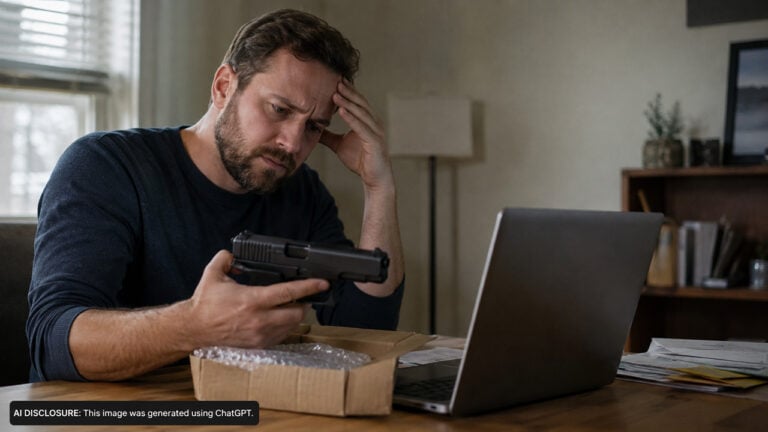
The tenant described not sleeping, setting up a simple door “tell” (a can balanced on the door) and sitting with a cricket bat—an item he said he’d received as an end-of-tour award—because he felt unsafe. He also worried about the landlord entering his home while armed. Financial strain made the usual advice (“just move”) tough to act on quickly, even though he’d started new jobs and was trying to figure out temporary housing with family.
Things didn’t cool off. The tenant later updated that the landlord returned, yelling at the door, and the tenant arrived to find him outside shouting his name. The tenant told the landlord he was filming, and on camera the landlord admitted he had told the tenant he was carrying a gun, adding that he didn’t have to disclose it. The landlord eventually left, but then sent a long text claiming the tenant had threatened extreme violence and that the landlord feared for his life—claims the tenant flatly denied.
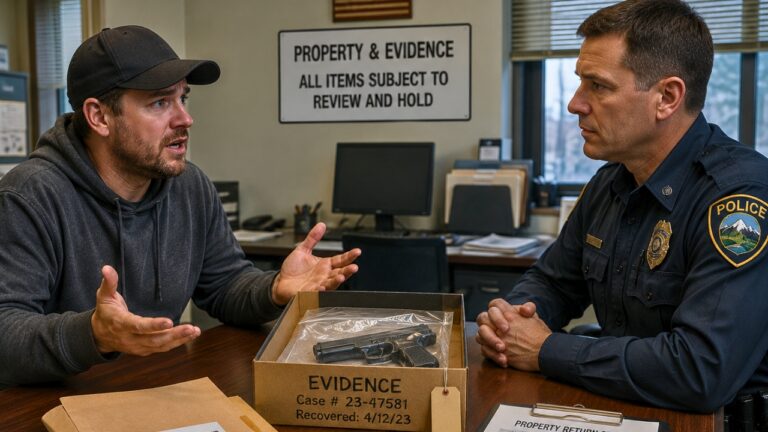
When the tenant called 911, he said he was initially told it was a civil matter. After further calls, the tenant reported being told an officer had been wrong and that a unit would take a statement if called through 911 rather than a precinct line. Later, he said a captain was expected to take a statement, and that a local councilman had called on his behalf. The tenant also said he contacted the VA for help moving into a new place.
Those details—conflicting guidance, who takes a statement, what triggers a response—are part of what frustrates people in real life. When you’re stressed and trying to keep your family safe, “civil matter” can feel like a door slamming.
Why gun owners will recognize the real issue here
In plenty of states, lawful concealed carry doesn’t require you to announce you’re armed. And in most everyday conversations, nobody needs to know. But dropping “I’m carrying” into a heated dispute—especially paired with language about shooting or killing—can sound like a pressure tactic even if the speaker later claims it wasn’t meant that way.
From a practical perspective, it’s also just bad judgment. If you’re armed, your job is de-escalation. You create distance, you end the conversation, you leave. You don’t posture. You definitely don’t combine an angry reputation with physical intimidation one day and firearm talk the next.
The tenant’s side of it is worth noting too: he admitted he used insulting language first in that first blowup. That’s real life, and it happens. But when you’re dealing with someone unstable—especially someone who controls your housing—every word can become gasoline.
What outside voices focused on: documentation, witnesses, and getting out safely
Even without a comment thread included in the source material, the tenant’s own actions show what people typically stress in situations like this: document everything, keep communication in writing, and avoid being alone in confrontations. He mentioned porch camera coverage, recorded a follow-up interaction, saved texts and voicemails, and sought legal advice about having an attorney handle communications until he could move.
He also tried to create space and avoid contact—backing inside when he saw the landlord, asking for quiet conversation, and later stepping outside only to address the yelling with a camera rolling. That’s not “winning an argument.” That’s building a record and trying to keep a bad situation from turning into a tragedy or a false accusation.
If you carry a firearm, this story is a reminder that the gun on your belt doesn’t just change your own options—it changes how every word you say will be heard. And if you’re the one on the receiving end, the safest play is usually the boring one: stay calm, document, get witnesses when possible, and push everything through formal channels. You can read the tenant’s full account in the original post.
Like The Avid Outdoorsman’s content? Subscribe to our newsletter so you never miss an article.
Here’s more from us: