Photo credit: The Contemporary Gentleman/YouTube
A handgun can be powerful, accurate, reliable, or cool and still be a bad choice for real-world carry. Carry guns live under shirts, inside waistbands, in holsters, in vehicles, around sweat, dust, bending, sitting, and daily movement. A pistol that feels fine at the range may become miserable once you actually try to carry it every day.
The worst carry handguns usually fail in the same ways. They are too big, too heavy, too sharp, too awkward, too unreliable, or too hard to shoot well under stress. Some are fun range guns. Some are interesting collector pieces. Some even work in very specific roles. But for real-world carry, these 20 handguns make life harder than it needs to be.
Desert Eagle .50 AE

The Desert Eagle .50 AE is one of the worst possible choices for real-world carry because it is huge, heavy, and completely unnecessary for normal defensive use. It has power, no question. It also has a massive grip, heavy slide, expensive ammunition, and a footprint that makes concealment almost laughable.
A carry gun should be something you can wear comfortably and draw efficiently. The Desert Eagle fights both of those goals. It is impressive at the range and fun as a conversation piece, but carrying one daily is more stunt than strategy. Power does not mean much if the gun is too large to realistically keep on you.
Taurus Judge
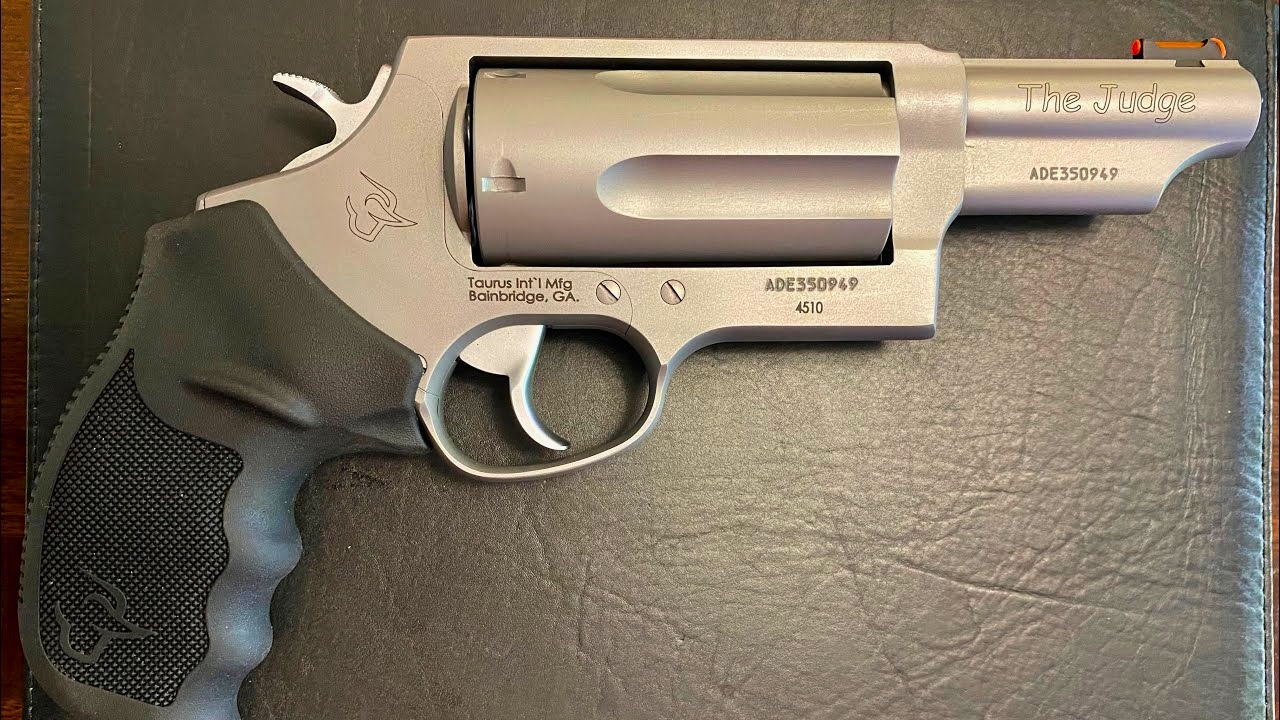
The Taurus Judge sounds intimidating because it fires .410 shells and .45 Colt. That image has sold a lot of people on the idea that it is a devastating defensive handgun. In reality, it is bulky, awkward, and much harder to carry than most practical defensive pistols or revolvers.
The large cylinder makes the gun thick, and .410 performance from a short barrel is not the magic people imagine. It may have a niche for snakes or very specific close-range use, but as a concealed-carry handgun, it gives up too much. It is big where it should be slim and limited where people expect it to be powerful.
Smith & Wesson Governor
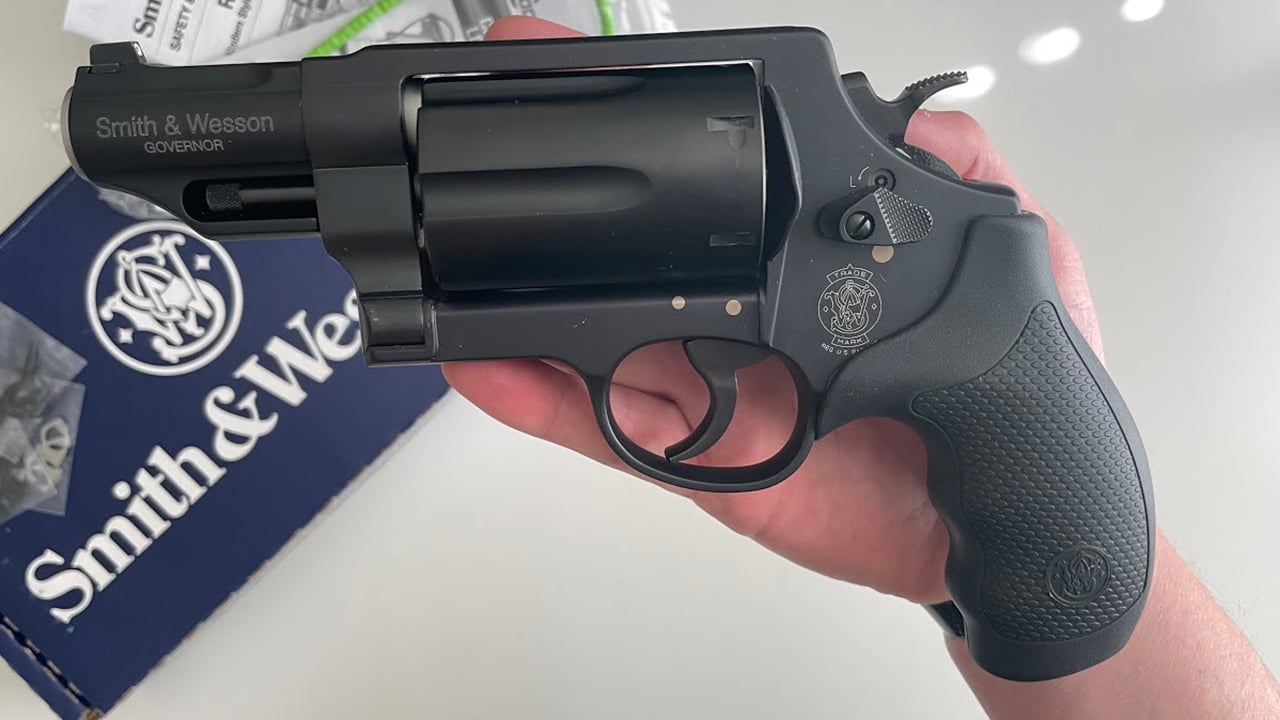
The Smith & Wesson Governor has the same basic carry problem as the Judge. It tries to offer versatility by chambering .410, .45 Colt, and .45 ACP with moon clips, but that versatility comes in a very large revolver. Carrying it concealed is a chore.
The Governor may be interesting as a range gun or home-defense oddity, but real-world carry rewards simplicity and efficiency. A big cylinder, heavy frame, and mixed-purpose chambering do not make a gun easier to draw, conceal, or shoot fast. It is more flexible on paper than practical on the belt.
Magnum Research BFR

The Magnum Research BFR is a serious big-bore revolver built for hunting and powerful cartridges. It is strong, accurate, and impressive in the role it was designed for. That role is not daily defensive carry.
The BFR is too large, too heavy, and too slow to handle like a practical carry handgun. It belongs in a hunting holster, not under a T-shirt. Even if someone can technically carry one, the size and recoil make it a poor fit for normal self-defense. There are much smaller guns that solve the carry problem better.
Ruger Super Redhawk

The Ruger Super Redhawk is a tough revolver that makes sense for hunting, bear country, and hard-use magnum shooting. It is built like a tank, which is exactly why it is a bad daily carry gun. Strength is useful, but only until it turns into unnecessary bulk.
The long frame, large cylinder, and heavy barrel make it hard to conceal and tiring to carry. In the woods, that weight may be worth it. Around town, it is too much gun. A real-world carry handgun has to fit normal life, and the Super Redhawk is built for a very different job.
Glock 40 MOS

The Glock 40 MOS is a long-slide 10mm with real field value. It can work for hunting, woods carry, and situations where deeper penetration matters. It is accurate, powerful, and optic-ready. None of that makes it a great everyday carry pistol.
The slide is long, the grip is large, and the pistol takes a serious holster and cover garment to conceal well. It also brings more recoil and blast than most people need for normal defensive carry. As a backcountry gun, it makes sense. As a daily concealed pistol, it is more gun than most people will realistically tolerate.
FN Five-seveN

The FN Five-seveN is light for its size and has impressive capacity, but it is still a large handgun with expensive ammunition and a very specific cartridge. It feels more practical than some oversized handguns because it is not heavy, but concealment is still a challenge.
For real-world carry, the Five-seveN asks a lot. The grip is large, the pistol is expensive, and defensive ammunition choices are more limited than common 9mm options. It is interesting and easy to shoot, but not especially sensible for most carriers. A carry gun should be easy to feed, support, and live with.
HK Mark 23
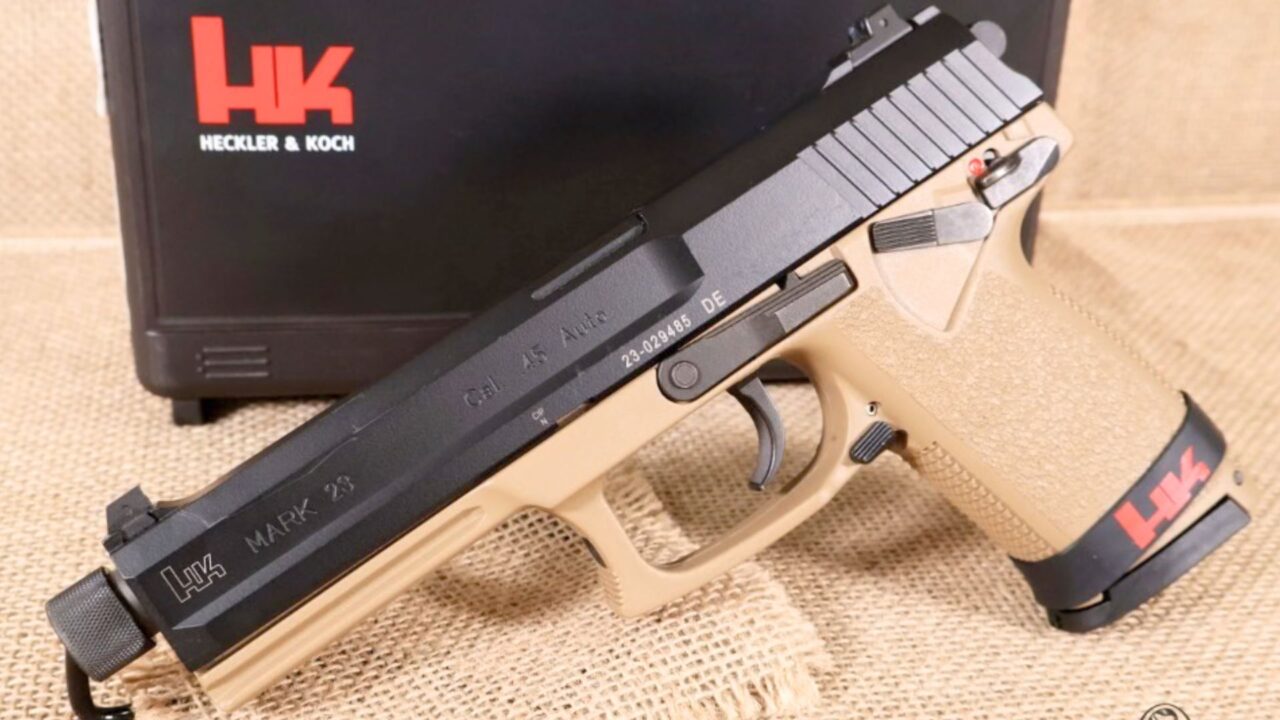
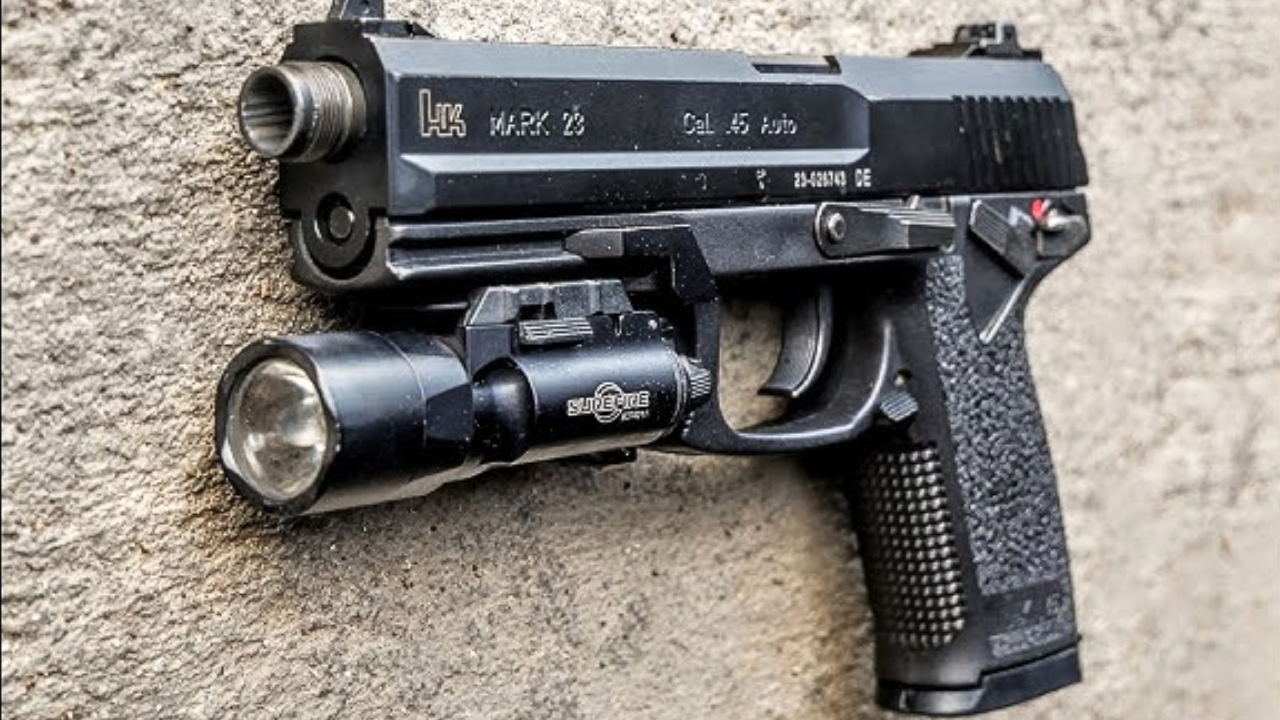
The HK Mark 23 is legendary for durability and accuracy, but it is also enormous. It was built as an offensive handgun system, not a normal concealed-carry pistol. Everything about it feels oversized for daily carry.
The Mark 23 is reliable, rugged, and impressive. It is also too large for most people to conceal comfortably. The grip is big, the slide is long, and adding the accessories it was designed around makes it even less practical. It is a great piece of engineering, but a poor choice for real-world carry.
Beretta 92FS
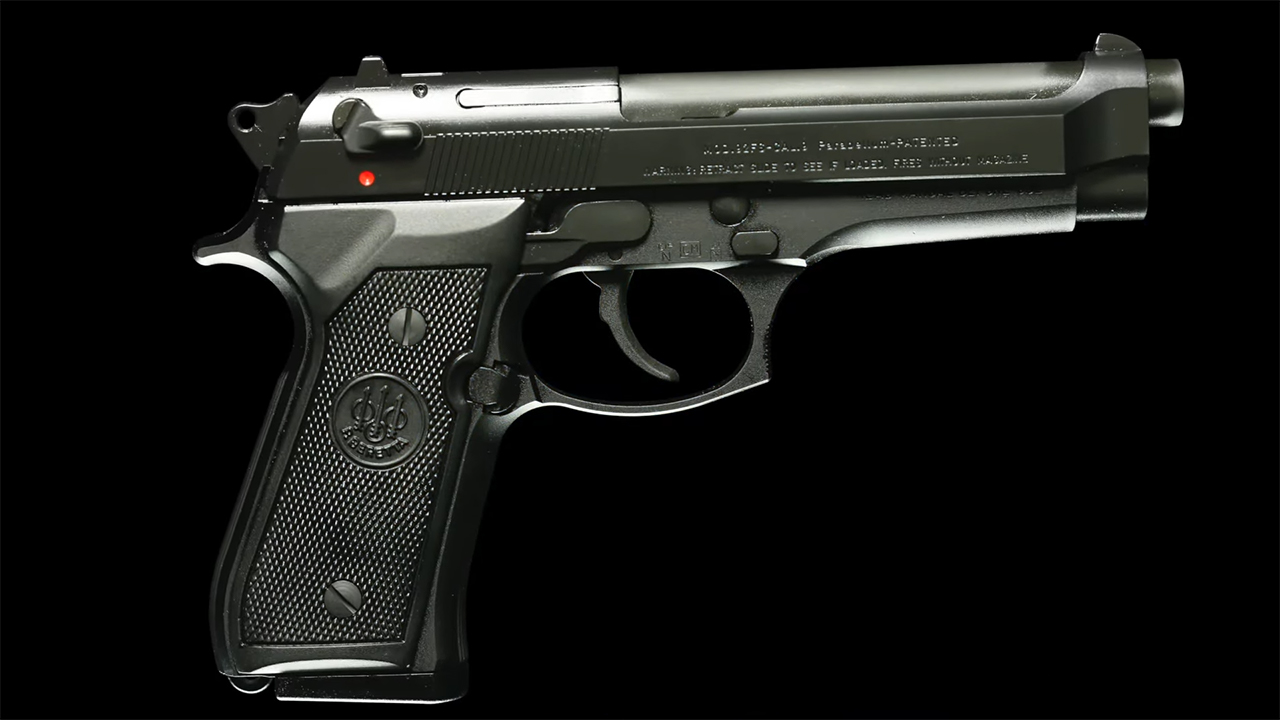
The Beretta 92FS is an excellent shooter, but it is not an ideal carry gun for most people. It is large, wide, and built more like a duty pistol than a modern concealed-carry handgun. That size helps it shoot softly, but it also makes it harder to hide.
The slide-mounted safety, double-action first shot, and large grip require training. None of those are dealbreakers, but they make the gun less convenient than many smaller 9mm pistols. The 92FS still works well for home defense and range use, but daily carry is not where it shines.
CZ 75 SP-01
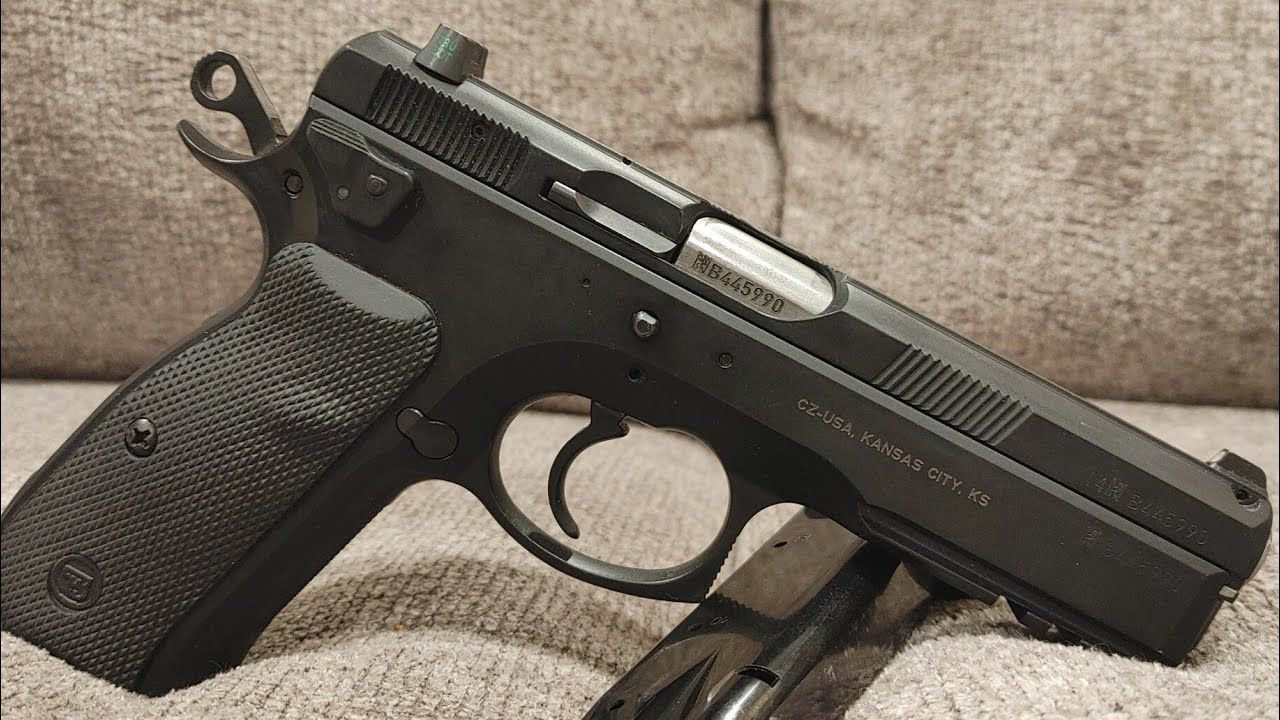
The CZ 75 SP-01 is one of the best-shooting full-size 9mm pistols around, but it is heavy. That steel frame helps control recoil and makes the gun feel steady, but it becomes a burden when carried all day. A pistol can be wonderful at the range and still be wrong for concealed carry.
The SP-01 is better suited to home defense, competition, or range use than daily carry. It is thick, heavy, and long enough that concealment takes work. Some people can carry one successfully, but most carriers will eventually choose something lighter and easier to live with.
SIG Sauer P226
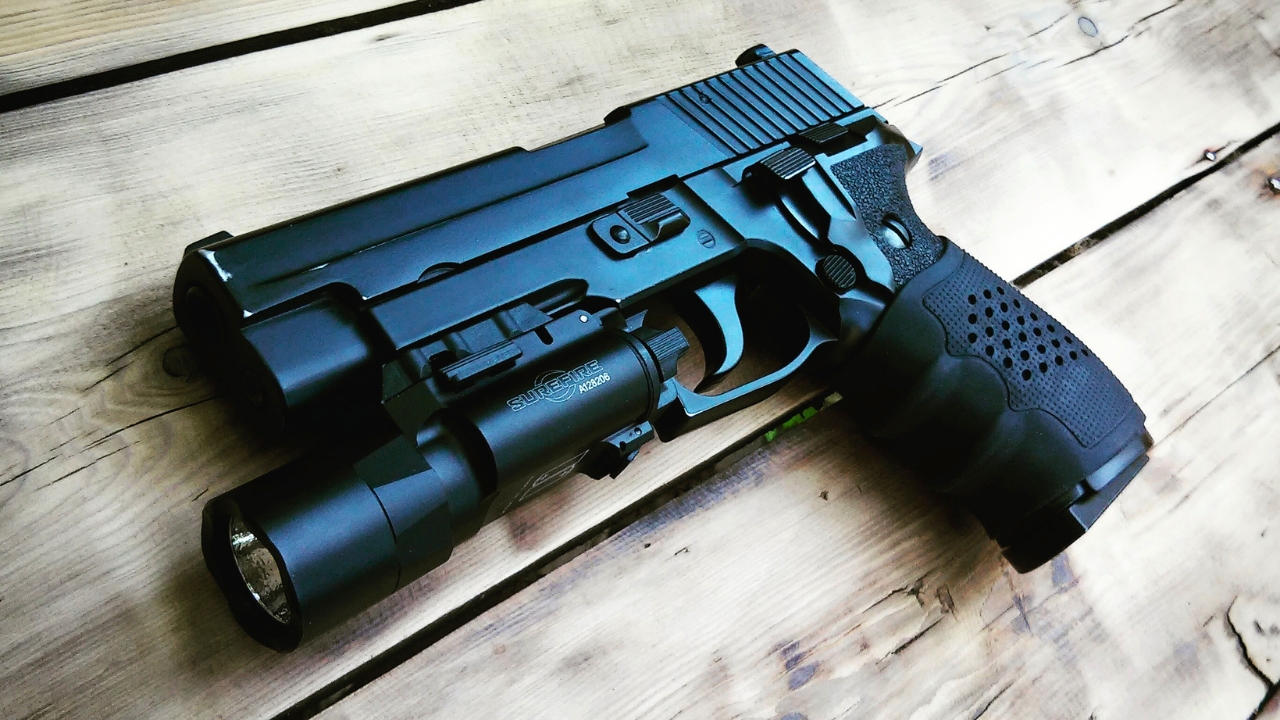
The SIG Sauer P226 is a proven service pistol, and it still has plenty of defensive value. It is accurate, durable, and comfortable to shoot. The problem is that it was built as a duty gun, not a small concealed-carry pistol.
Its weight and size make daily carry harder than it needs to be. The double-action/single-action trigger system also requires training to run well under stress. For a nightstand gun, range gun, or open-carry duty pistol, the P226 remains excellent. For concealed carry every day, it asks more commitment than many people will maintain.
1911 Government Model

A full-size 1911 Government Model can be a beautiful, accurate, and confidence-inspiring handgun. The trigger is one of the best parts of the design, and the slim frame carries flatter than many people expect. That is why some owners still carry them.
The problem is weight, capacity, maintenance, and the need to run the platform properly. A steel five-inch 1911 gets heavy by the end of the day, and single-stack capacity is limited compared with modern 9mms. It can be carried well by dedicated users, but for most people, it is a harder carry choice than it needs to be.
Kimber Ultra Carry II

The Kimber Ultra Carry II seems like it should solve the 1911 carry problem by shrinking the platform. It is lighter, shorter, and easier to conceal than a full-size Government Model. For 1911 fans, the idea is attractive.
The issue is that small 1911s can be less forgiving. Recoil is sharper, timing can be more sensitive, and magazine quality matters a lot. A defensive carry gun should be boringly dependable. The Ultra Carry II can work, but it demands more attention than many modern carry pistols.
Colt Defender

The Colt Defender has the same appeal and the same problem as many compact 1911s. It gives shooters a familiar single-action trigger, slim frame, and respected name in a smaller carry package. On paper, that sounds ideal.
In real-world carry, the short .45 ACP 1911 can be demanding. It has more recoil than many people expect, less capacity than modern compact 9mms, and a platform that requires proper maintenance and magazines. It is a good-looking carry gun, but not the easiest one to trust for everyone.
Walther PPK
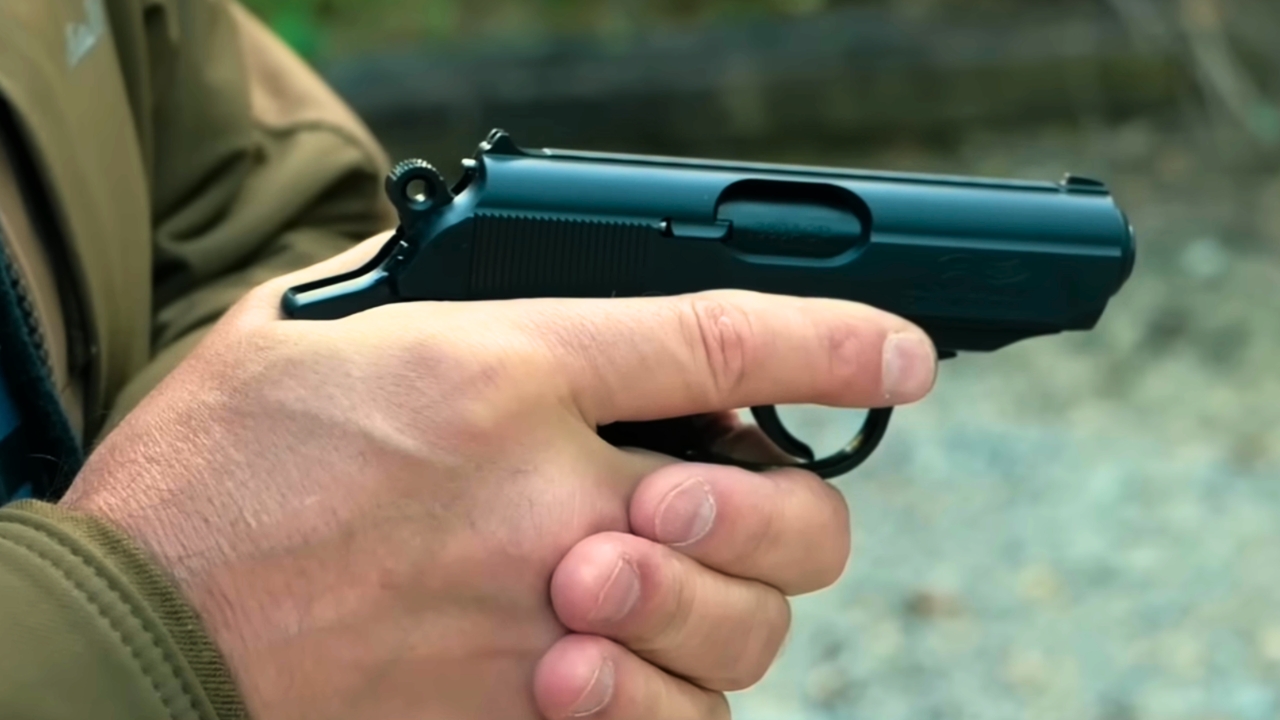
The Walther PPK has style, history, and a slim profile. It is easy to understand why people still like it. It feels like a real metal pistol instead of a disposable pocket gun, and it carries more class than most modern small pistols.
But as a practical carry gun, it has issues. The blowback action can make recoil feel sharp, the sights are small, and the slide can bite some hands. It is also heavier than many modern .380s while offering less capacity than newer 9mm carry pistols. The PPK is iconic, but icon status does not make it the smartest carry choice.
Makarov PM
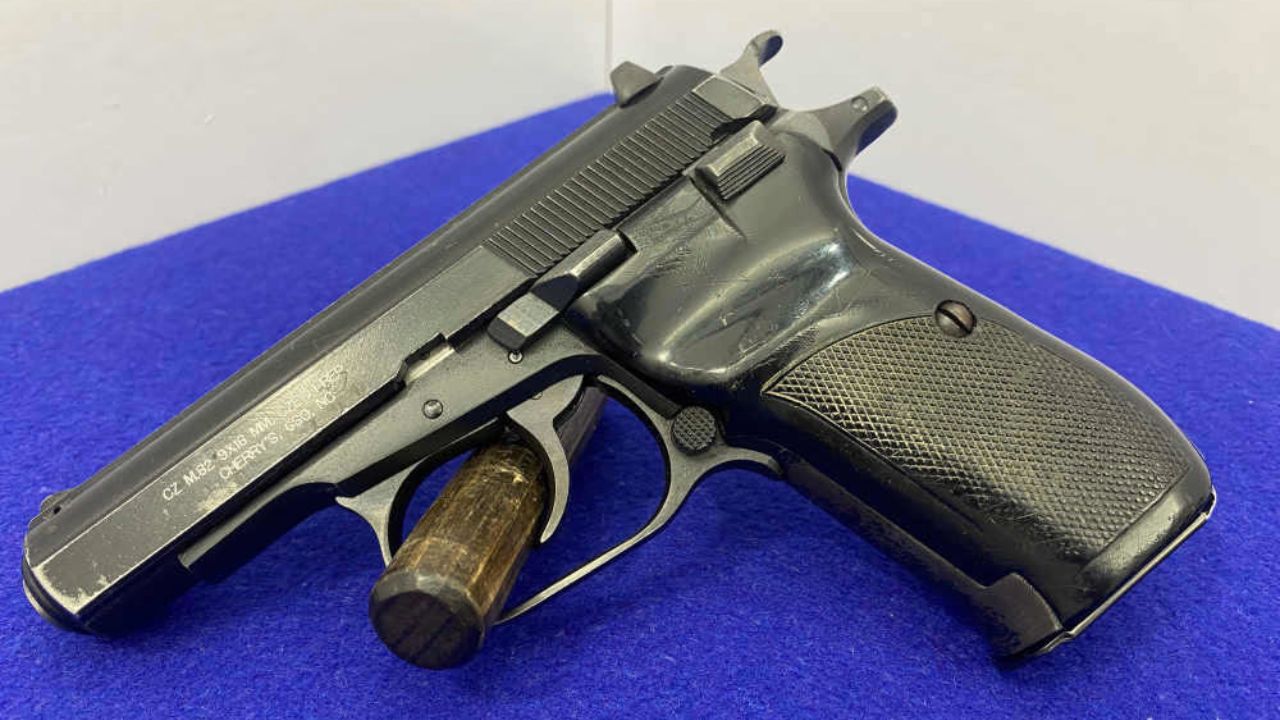
The Makarov PM is simple, rugged, and reliable, which gives it real appeal. It is one of those surplus pistols that feels like it was built to keep working without much fuss. For collectors and range shooters, it is still interesting.
For real-world carry, though, it is dated. The 9x18mm cartridge is less supported than 9mm Luger, the sights are small, and the blowback action can feel snappy for the power level. It is better than some old surplus pistols, but it does not match the practicality of modern carry guns.
Tokarev TT-33
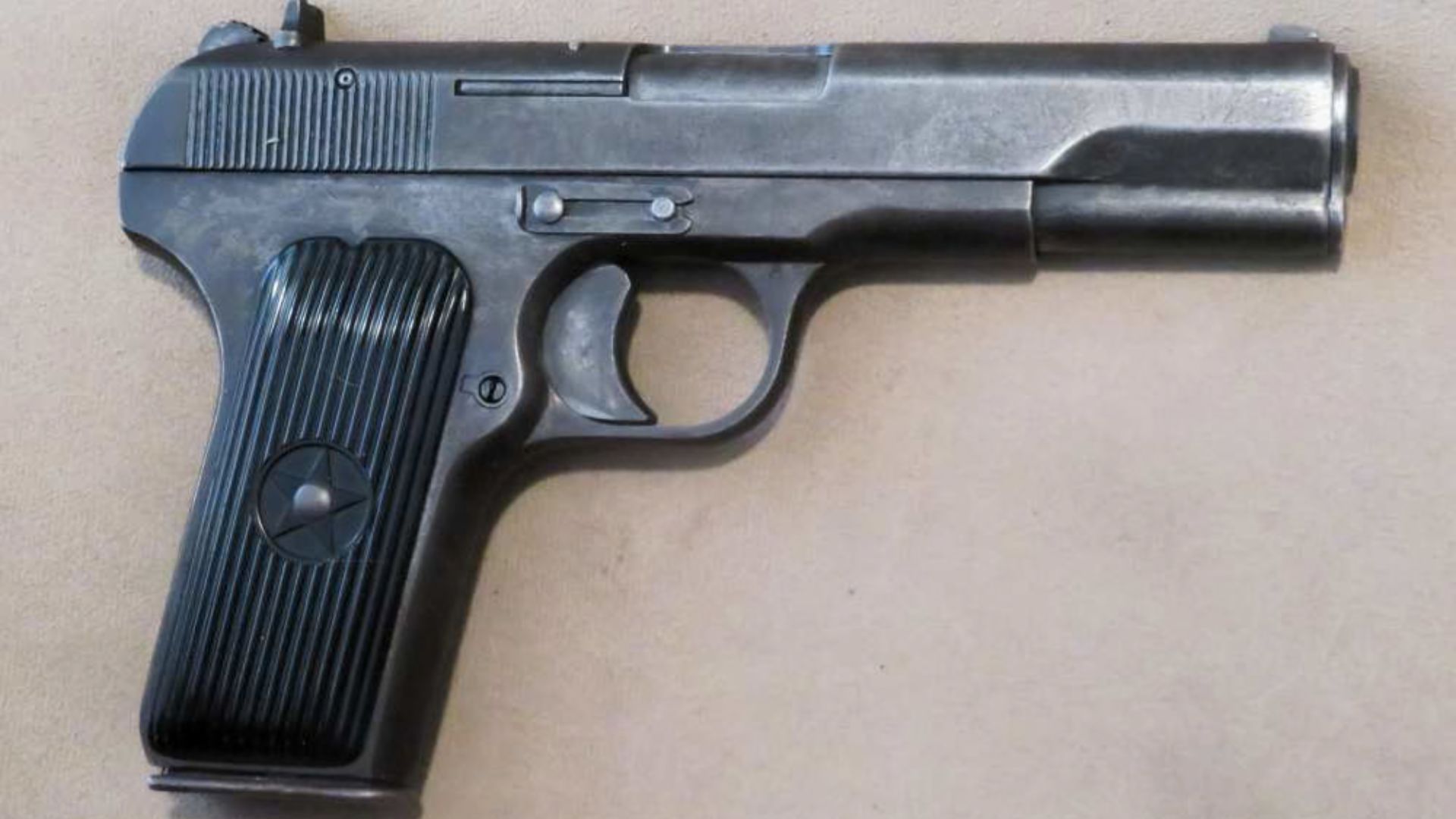
The Tokarev TT-33 is slim, fast, and historically interesting. The 7.62×25 Tokarev cartridge has speed and penetration, which gives the pistol a certain reputation. As a surplus gun, it is fun to shoot and collect.
As a carry gun, it is a poor fit. The ergonomics are dated, the sights are small, the safety situation on many imports is awkward, and defensive ammunition is not as easy to find as common calibers. It may be tough and interesting, but real-world carry requires more than historical appeal.
North American Arms Mini Revolver

The North American Arms Mini Revolver is extremely easy to carry because it is extremely small. That is the whole appeal. It can disappear into places where almost no other gun fits, and it is well-made for what it is.
The problem is that it is hard to shoot, slow to reload, and difficult to handle under stress. Tiny sights, tiny grip, tiny controls, and single-action operation all work against it. It is better than no gun in a narrow emergency role, but it is one of the worst handguns to rely on as a primary carry piece.
Bond Arms Derringer
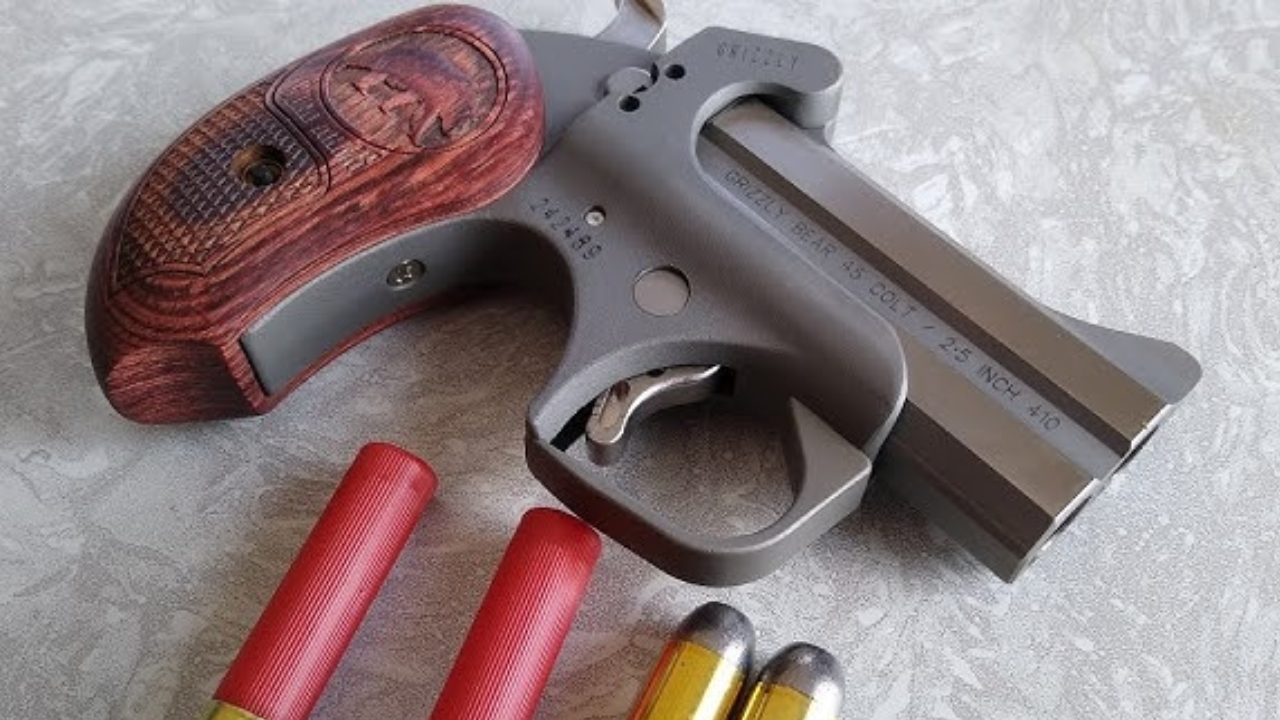
The Bond Arms Derringer is solidly built and chambered in serious calibers, which makes it seem tougher than most tiny carry guns. It is also compact and simple, at least at first glance. That gives it obvious appeal for people who want a small backup gun.
But real-world carry is not just about size. A derringer gives you very limited capacity, slow reloads, heavy recoil in many chamberings, and a trigger that takes practice. It is rugged and interesting, but a two-shot defensive gun is a major compromise when better compact pistols exist.
Hi-Point C9

The Hi-Point C9 is affordable and can be surprisingly functional for the money. That is the best argument in its favor. It gives someone access to a 9mm handgun at a very low price, and for some buyers, that matters.
As a carry gun, though, it is bulky, heavy, awkward, and difficult to conceal comfortably. The slide is massive, the grip is clunky, and holster options are not as practical as mainstream carry pistols. It may work as a cheap range or home-defense gun, but real-world carry exposes every compromise immediately.
Like The Avid Outdoorsman’s content? Subscribe to our newsletter so you never miss an article.
Here’s more from us: