Photo credit: Erik Mclean/Pexels.com
The landowner found the camera before he found the person.
That is usually how these things go. You are walking your own ground, checking a trail, looking over a fence line, maybe scouting deer movement or just keeping an eye on the place. Then something catches your eye that does not belong there.
A trail camera.
Not yours.
In a Reddit post, the landowner said someone had put a trail camera on his property without permission. That might sound small compared with finding a trespasser in person, but anyone who owns or hunts private land knows what it really means: somebody has been there, somebody had a reason to be there, and somebody may be planning to come back.
A trail camera does not hang itself.
Whoever placed it had to enter the property, pick a spot, strap it to a tree, aim it, and leave it there. That takes more intent than simply wandering over a property line by mistake. It suggests the person was scouting, watching deer movement, checking a trail, monitoring the landowner, or trying to figure out when the property was empty.
None of those possibilities are comforting.
The camera itself also creates a weird feeling. It is one thing to find boot tracks or an empty can. It is another thing to realize someone has been recording activity on your own land. Maybe it was pointed at a game trail. Maybe it was aimed at a feeder, stand, road, gate, or access point. Either way, the person who put it there wanted information from land that was not theirs.
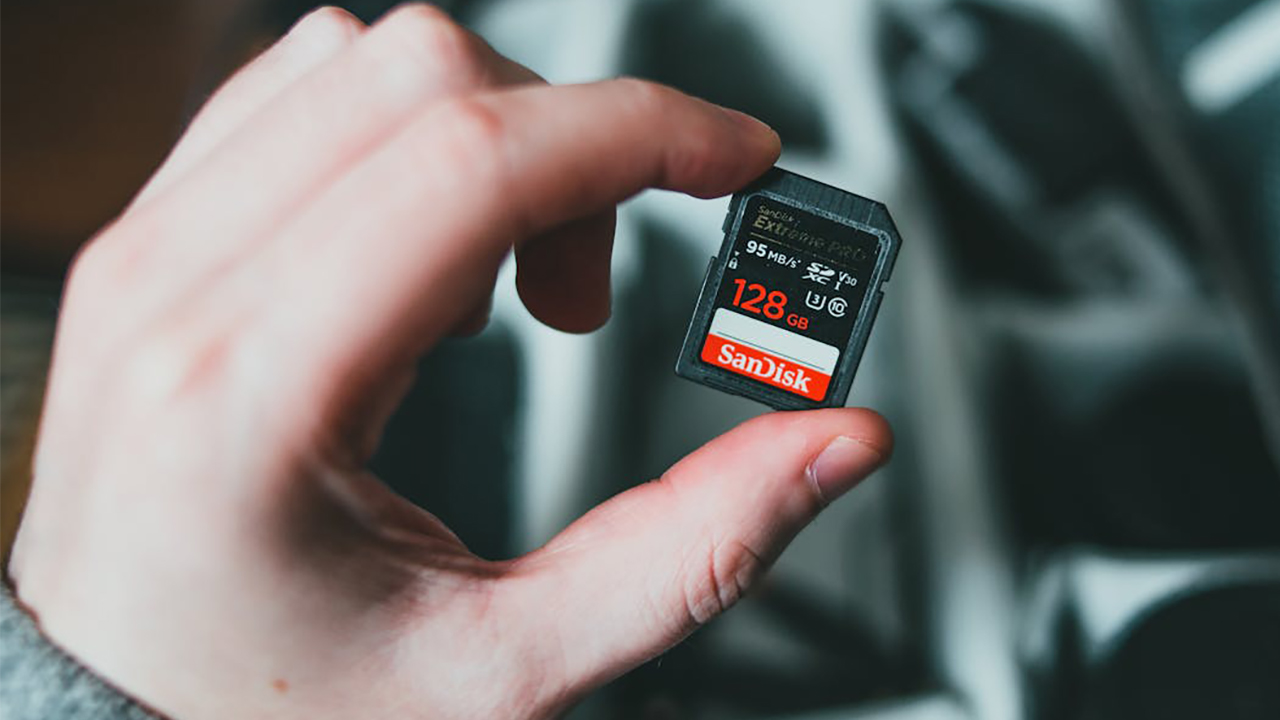
That is why commenters immediately started talking about the SD card.
If the camera had a card inside, it might show who set it up. A lot of trail cameras take a picture or short video during setup while the person is standing in front of it adjusting the angle. That first image can be the most useful one on the whole card: a face, clothes, truck, side-by-side, dog, weapon, or direction of travel.
A trespasser may think the camera is helping him watch the property. He may not think about the fact that the camera may have watched him first.
That is the funny part, but the situation itself is not funny.
Private-land trespass can go from annoying to dangerous quickly during hunting season. If someone is setting cameras without permission, he may also be planning to hunt without permission. If he knows deer are moving through, he may come back with a stand. If he already has permission on neighboring land, he may be trying to monitor movement across the boundary. If he is a poacher, he may be using the camera to time his entry.
A landowner has to assume the camera is part of something bigger until proven otherwise.
There is also the question of what to do with it. Leave it there and watch it? Take it down? Check the card? Call the game warden? Put another camera on it and wait for the person to return?
The safest answer depends on local law and how comfortable the landowner is, but the general advice is to document before touching too much. Take pictures of the camera where it was found. Photograph the area around it. Note the date, time, location, and what it was aimed at. If the property is posted, take photos of the signs too. If there are tracks, vehicle marks, cut limbs, bait, or stands nearby, document those as well.
Once the camera is moved, the scene changes.
A lot of landowners would be tempted to rip it down immediately, and honestly, it is hard to blame them. Finding someone else’s camera on your land feels invasive. But proof matters. If the person comes back later and claims you stole his camera, you want to be able to show exactly where it was and why you removed it.
The better play may be to call a game warden or local law enforcement, especially if the camera was clearly on posted private land or tied to hunting activity. A warden may tell the landowner whether to pull it, leave it, or use it to catch the trespasser returning. They may also want the SD card if it contains evidence.
Another smart move is to hang a second hidden camera watching the first one.
That way, if the person comes back, the landowner gets fresh proof. The trespasser may walk right back to check the card, swap batteries, or retrieve the camera, never realizing he is now the one being recorded. That is often the cleanest way to turn suspicion into evidence.
The big thing is not to let the camera sit there like it is harmless.
It is a sign that someone felt comfortable enough to use the property without asking. That comfort needs to end. Clear signs, locked gates if possible, cameras on access points, and a call to the proper authority can all help make the message clear: this is not open ground, and you do not get to scout it like it belongs to you.
For the landowner, finding the trail camera was probably the first visible proof of a bigger problem. The SD card might tell him who started it.
Commenters mostly told him to check for evidence before doing anything impulsive.
Several people said the SD card might contain a picture of the person who hung the camera. Trail cameras often take photos during setup, especially if the person walks in front of it while aiming or testing it. If the card showed a face, vehicle, or approach route, that could be useful.
Others said he should document where the camera was found before removing it. Pictures of the camera on the tree, the direction it faced, nearby signs, and the property location could help if the owner of the camera later tried to claim it had been stolen.
A lot of commenters recommended calling a game warden. If someone is placing cameras on private hunting land without permission, it may be part of a trespassing or poaching problem. A warden can explain what the landowner is allowed to do and may already know of similar complaints nearby.
Some suggested leaving it in place and putting another hidden camera on it. That way, when the person comes back to check it, the landowner can get clearer proof instead of just guessing who owns it.
The main advice was simple: treat the camera like evidence. Someone crossed onto private land and left equipment behind. The landowner needed to find out who, document it well, and stop the person before a camera turns into a stand, bait pile, or illegal hunt.