Photo credit: Walnut and Steel/Youtube
Some guns spend years being treated like ordinary tools. Owners use them, enjoy them, maybe even depend on them, but they don’t exactly run around bragging. Then the market shifts, word gets around, prices climb, or a model disappears, and suddenly everybody wants the gun that used to sit quietly in the back of the safe.
That’s when the old owners start smiling a little. They knew it was good. They just didn’t need to make a speech about it. These are the guns owners didn’t brag about until everyone else wanted one.
Ruger Redhawk

The Ruger Redhawk never had to be pretty to earn respect. It was big, strong, and built for people who actually planned to shoot heavy revolver loads instead of just admire them. For years, it sat in the shadow of flashier Smith & Wesson and Colt revolvers, but owners who used one in the woods knew exactly what they had.
Once big-bore revolver prices climbed and serious wheelguns became harder to find at reasonable money, the Redhawk started getting more attention. It handles .44 Magnum with confidence, carries well enough in a proper chest rig or belt holster, and feels like it was built with extra steel where it matters. Owners may not have bragged much back then, but they had one of the more practical hunting and woods revolvers around.
Marlin 1895

The Marlin 1895 was a working big-bore lever gun long before lever-actions became cool again. Hunters used them for thick cover, hogs, black bear, big woods deer, and anything else where a heavy bullet at close range made sense. For a long time, it was respected, but not treated like the hot-ticket rifle it later became.
Then .45-70 lever guns got harder to ignore. Prices moved, interest surged, and the 1895 became one of those rifles people started hunting for. Owners who already had one didn’t need convincing. They knew the rifle carried well for its power, hit hard, and brought real confidence in brush country. It wasn’t bought for bragging rights. It became brag-worthy because everyone else finally caught on.
CZ 75 Compact

The CZ 75 Compact was never as famous as the full-size CZ 75, but owners who carried or shot one understood the appeal. It kept much of the full-size pistol’s excellent grip feel and soft-shooting nature in a smaller package. That made it useful in a way that didn’t always show up in quick counter comparisons.
As more shooters started appreciating metal-frame compact pistols, the CZ 75 Compact began getting more attention. It offered something different from the flood of polymer striker-fired guns. The weight helped control recoil, the grip felt natural, and the pistol had a smooth, serious feel. Owners who had one before the wider crowd noticed were not always loud about it, but they knew it was a compact pistol with real staying power.
Winchester Model 71

The Winchester Model 71 was never an everyday rifle for most shooters, but for the people who understood it, it was special. Chambered in .348 Winchester, it was a strong, slick lever gun built for serious hunting. Still, for years, it lived as more of a niche classic than something everyone was chasing.
That changed as interest in old Winchester lever-actions kept growing. The Model 71’s quality, power, and limited availability made it much more desirable. Owners who had one tucked away didn’t need to talk it up. The rifle did that on its own. It represents a kind of craftsmanship and purpose-built hunting design that feels hard to duplicate now. When everyone else started wanting one, longtime owners already knew why.
Smith & Wesson Model 13

The Smith & Wesson Model 13 was once a plainclothes and duty-style revolver that didn’t look especially fancy. Fixed sights, .357 Magnum chambering, and a K-frame profile made it practical, but not flashy. A lot of shooters saw it as a working revolver rather than a collector piece.
Now, that plainness is part of the appeal. The Model 13 carries easier than larger magnums, points well, and has the kind of simple fixed-sight setup many revolver people still appreciate. As classic Smith prices climbed, buyers started looking harder at models they once ignored. Owners who already had a clean Model 13 didn’t need to brag early. They had a strong, useful .357 that the market eventually learned to respect.
Remington 541-T
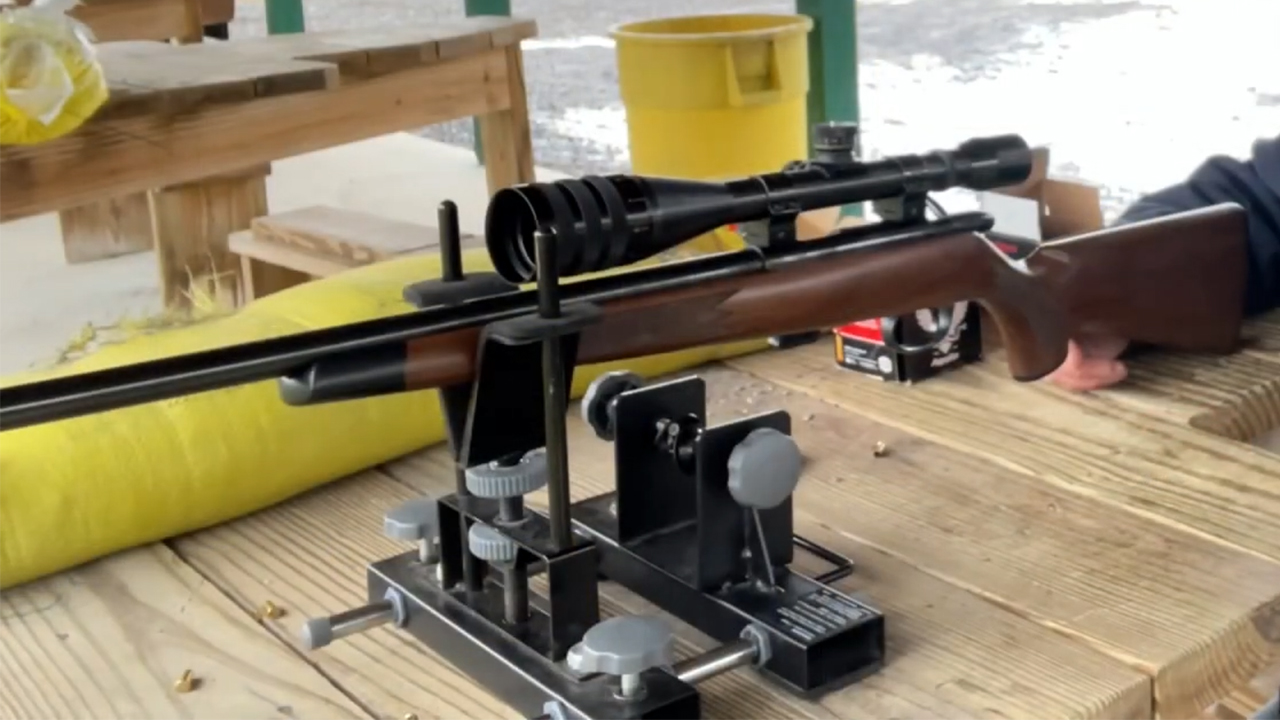
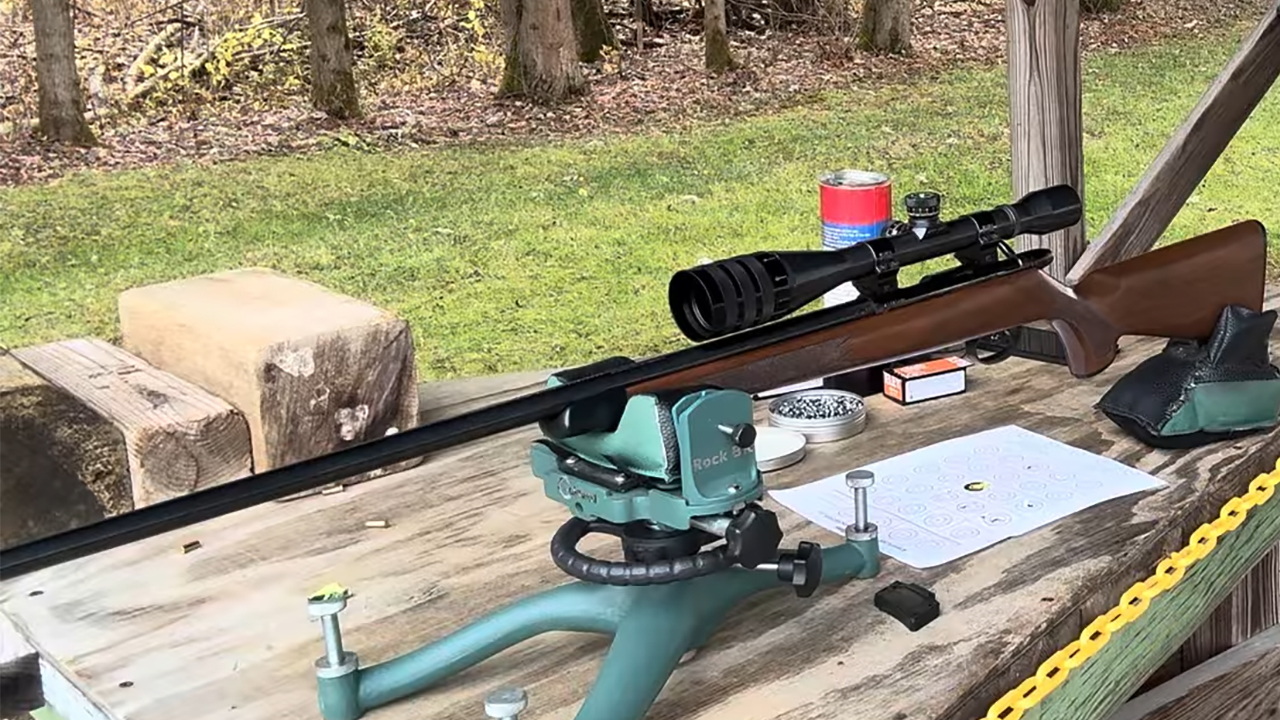
The Remington 541-T was one of those rimfire rifles that serious .22 shooters appreciated while casual buyers looked elsewhere. It wasn’t cheap, but it wasn’t always treated like a future must-have either. It was simply a well-made bolt-action rimfire with good accuracy and a more refined feel than basic plinkers.
As quality older rimfires became more desirable, the 541-T started drawing more attention. The trigger, stock, and barrel quality made it feel like a real rifle, not a toy. Owners who used them for small game, target work, or serious rimfire practice knew they had something better than average. Once everyone else started chasing accurate older .22s, the 541-T stopped looking like a quiet sleeper.
Beretta 70 Series
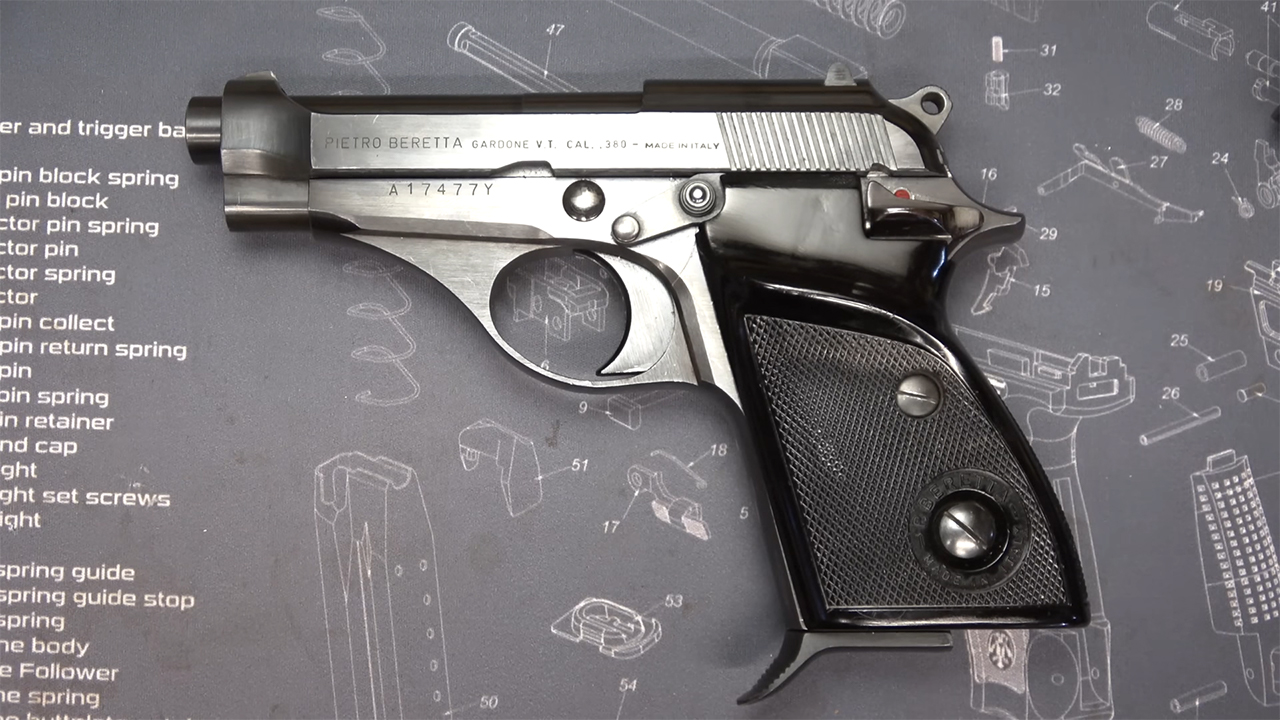
The Beretta 70 Series pistols used to fly under the radar for a lot of American shooters. Small Berettas in .22 LR, .32 ACP, and .380 ACP didn’t always pull the same attention as larger service pistols. But people who owned them knew they had a level of quality and style that many small pistols lacked.
As interest in classic compact pistols grew, the 70 Series started getting more respect. They’re slim, well-made, and pleasant to shoot for their size. The controls feel old-school, but the pistols have a charm that newer pocket guns rarely match. Owners didn’t need to brag about them when they were affordable. Now that more buyers understand their appeal, clean examples get noticed fast.
Ruger No. 3
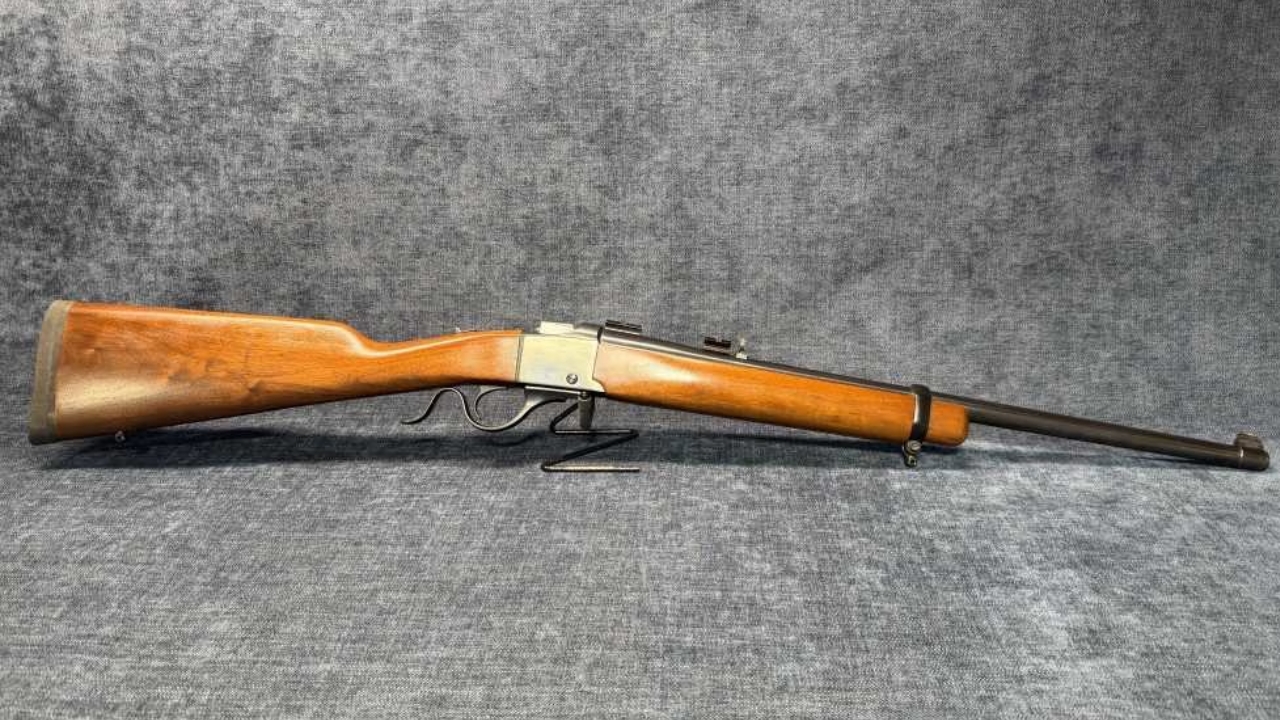
The Ruger No. 3 lived in the shadow of the Ruger No. 1 for years. It was plainer, lighter, and more utilitarian, with a simple lever and carbine-like feel. Some shooters saw it as the cheaper single-shot Ruger, which was technically true, but also unfair.
Now, the No. 3 has its own following. It’s compact, strong, handy, and chambered over the years in some very useful and interesting rounds. It doesn’t have the elegance of the No. 1, but it has a working-rifle personality that many owners love. As single-shot Rugers became more collectible, the No. 3 stopped being overlooked. Owners who kept one were sitting on a rifle more interesting than people once realized.
Browning B-78
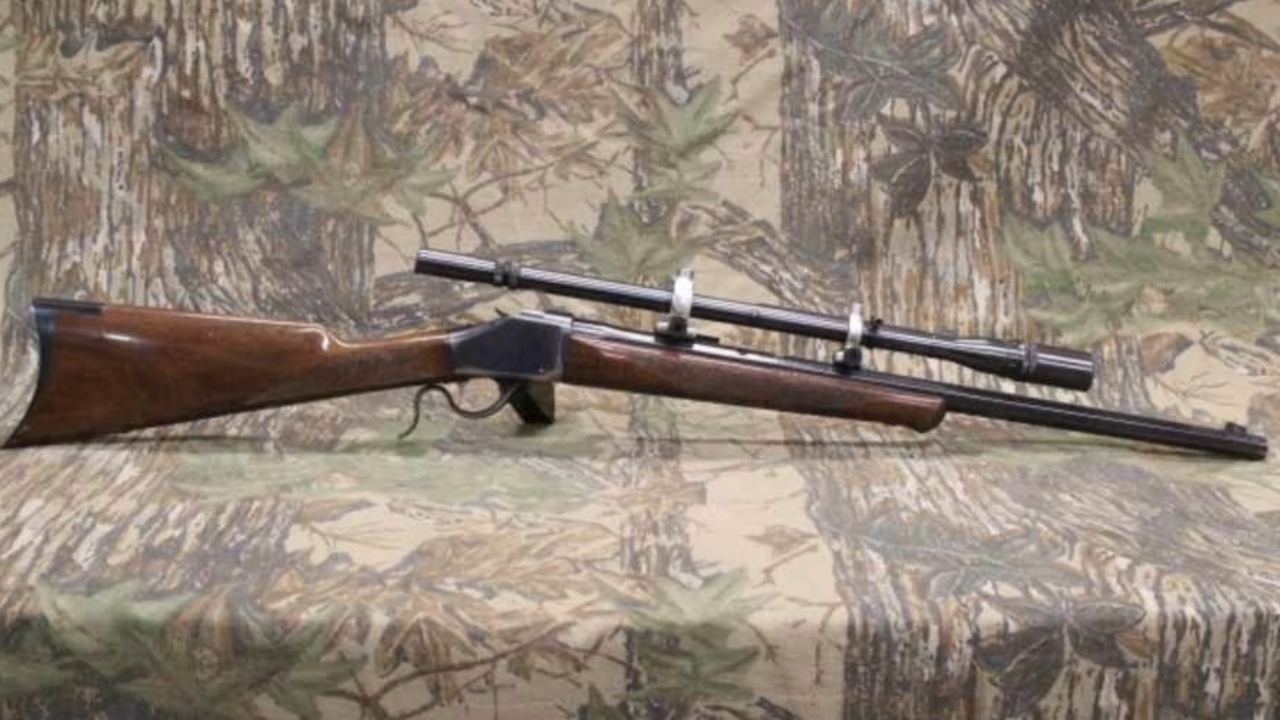
The Browning B-78 was another single-shot rifle that didn’t always get the mainstream attention it deserved. It had falling-block strength, classic lines, and chamberings that appealed to hunters and riflemen who liked doing things deliberately. For a long time, it was respected by a smaller crowd rather than chased by everyone.
As interest in well-built single-shots grew, the B-78 became a lot harder to ignore. It has more character than many modern hunting rifles and a level of finish that stands out today. Owners who appreciated one early didn’t need to explain it. They had a rifle that made every shot feel intentional. When other shooters started looking for something different from ordinary bolt guns, the B-78 suddenly looked very smart.
Heckler & Koch P2000

The HK P2000 never got the same attention as the USP or the VP9, which made it easy to overlook. It was a compact service pistol with that typical HK seriousness, but it didn’t have the same bold personality as some of the company’s better-known handguns. Owners, though, knew it was practical.
Over time, the P2000 earned more respect from shooters who wanted a durable compact pistol with real duty-gun roots. It carries better than a USP Compact for some people, shoots well, and offers DA/SA operation in a size that still makes sense. As the market became crowded with similar-feeling striker-fired pistols, the P2000’s difference became a strength. Owners didn’t brag much until other shooters started realizing it filled a very useful lane.
Browning Auto-5 Light Twelve
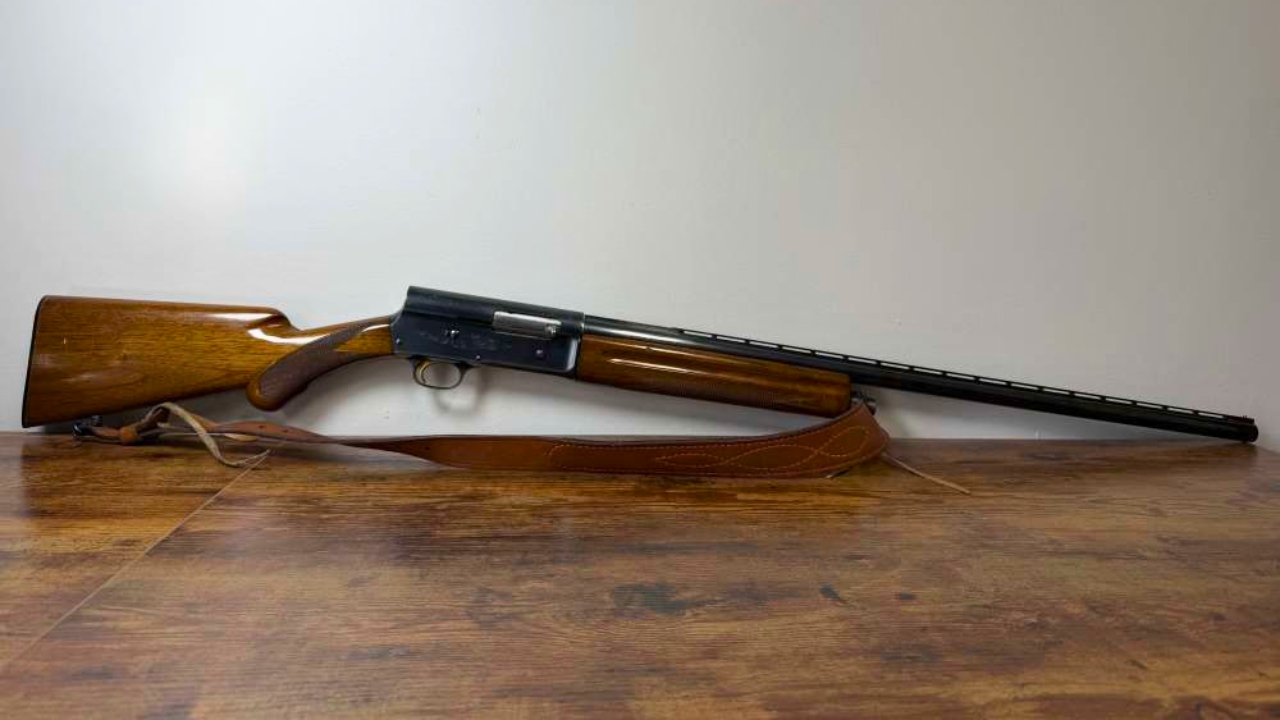
The Browning Auto-5 Light Twelve was once just a common hunting shotgun in plenty of families. It had the classic humpback profile, a long-recoil action, and a reputation built across generations of bird hunting. But because so many were out there, owners didn’t always treat them as special.
That changed as older Browning shotguns became more appreciated. The Light Twelve offered a better carry feel than the heavier standard models while keeping the Auto-5 personality intact. It swings well, has history, and carries a level of build quality that newer shotguns don’t always match. Owners who kept theirs through the years now have a shotgun plenty of buyers wish they had noticed earlier.
Colt 1903 Pocket Hammerless

The Colt 1903 Pocket Hammerless is one of those pistols that quietly became more admired as shooters started appreciating early 20th-century design again. It’s slim, elegant, and beautifully made compared with many small modern pistols. For years, though, plenty of people treated it as an old pocket pistol instead of a serious collectible.
Now, clean examples draw real attention. The 1903 carries with a smooth profile, points naturally, and shows off the kind of machining that made old Colts special. It’s not a modern defensive pistol by today’s standards, and nobody should pretend it fills that role the same way. But as a piece of practical design and classic workmanship, it became the kind of gun owners are glad they never sold.
Remington Model 600

The Remington Model 600 was strange enough that not everyone loved it at first. The dogleg bolt handle, ventilated rib, short barrel, and compact layout made it stand apart from normal bolt-action hunting rifles. Some hunters saw it as odd. Others saw a handy little rifle that carried beautifully in tight country.
As compact hunting rifles became more appreciated, the Model 600 started looking ahead of its time. It is light, quick, and chambered in some serious rounds, including .350 Remington Magnum. Owners who had one before prices climbed knew it was not just weird for the sake of being weird. It solved a real hunting problem: how to carry enough rifle in a short, fast-handling package.
Walther PPS M1
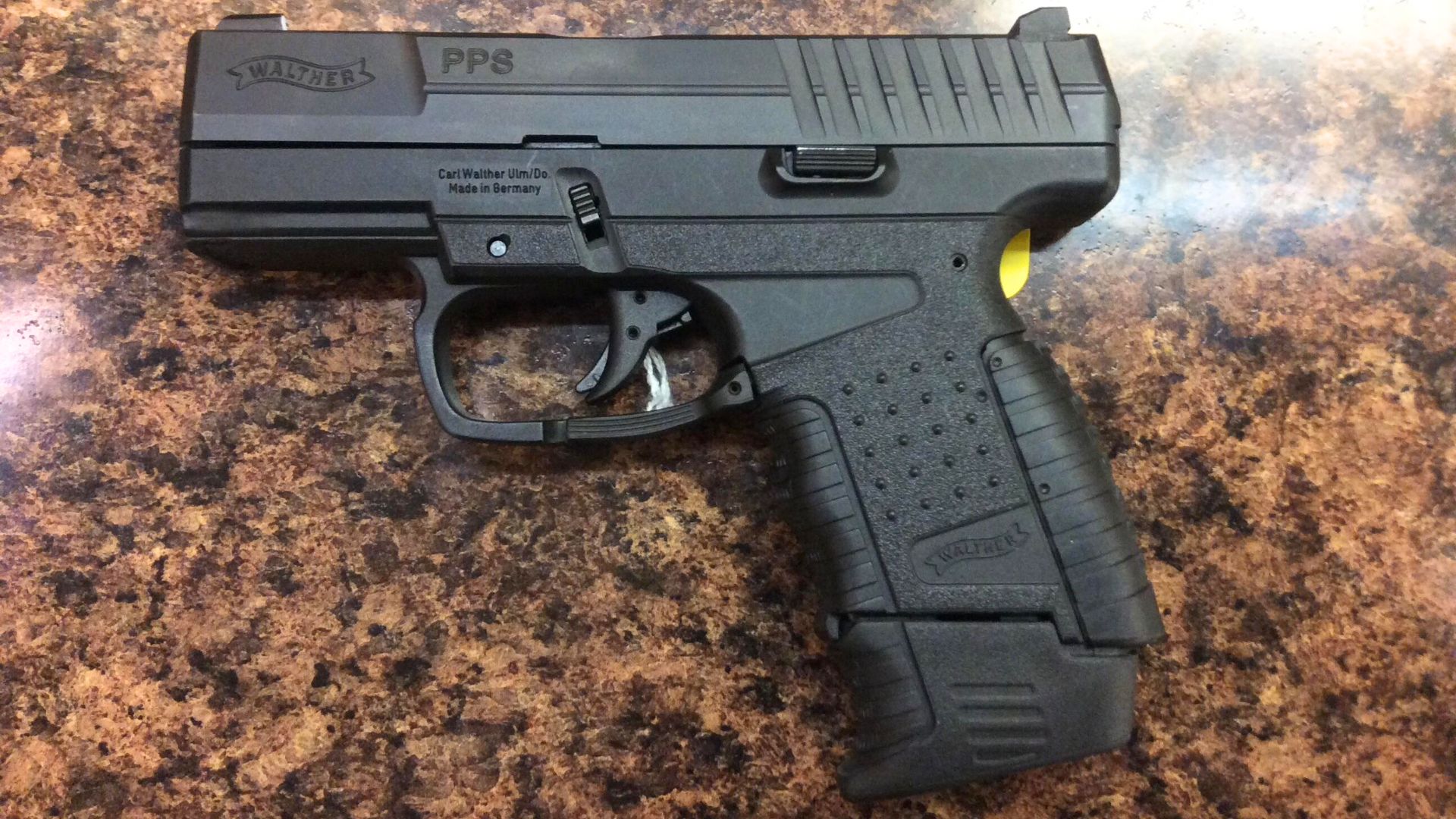
The Walther PPS M1 was an early standout in the slim single-stack 9mm world, but it didn’t always get the credit it deserved. It had excellent ergonomics, a very flat profile, and a paddle-style magazine release that some shooters loved and others never understood. Because it wasn’t as common as some competitors, it stayed quieter than it should have.
As carry pistols kept changing, the PPS M1 started looking more impressive for what it got right early. It carries easily, shoots better than its size suggests, and has that Walther grip feel that makes practice more comfortable. The market eventually moved toward higher-capacity micro-compacts, but the PPS M1 still appeals to shooters who want thin, simple, and controllable. Owners who kept one know it aged well.
Springfield Armory TRP

The Springfield Armory TRP wasn’t exactly unknown, but for a while it was simply seen as a serious production 1911 for people who wanted more than a basic model without going full custom. Owners liked them, shot them, and often kept them, but they didn’t always get treated like something the wider market would chase.
As quality 1911 prices climbed and buyers started noticing how expensive true semi-custom pistols had become, the TRP looked better and better. It offered strong fitting, aggressive checkering, good sights, and a duty-minded feel that separated it from prettier range-only 1911s. Owners didn’t need to brag early because the pistol proved itself. Now, plenty of 1911 buyers recognize the TRP as one of Springfield’s smarter serious-use models.
Like The Avid Outdoorsman’s content? Subscribe to our newsletter so you never miss an article.
Here’s more from us: