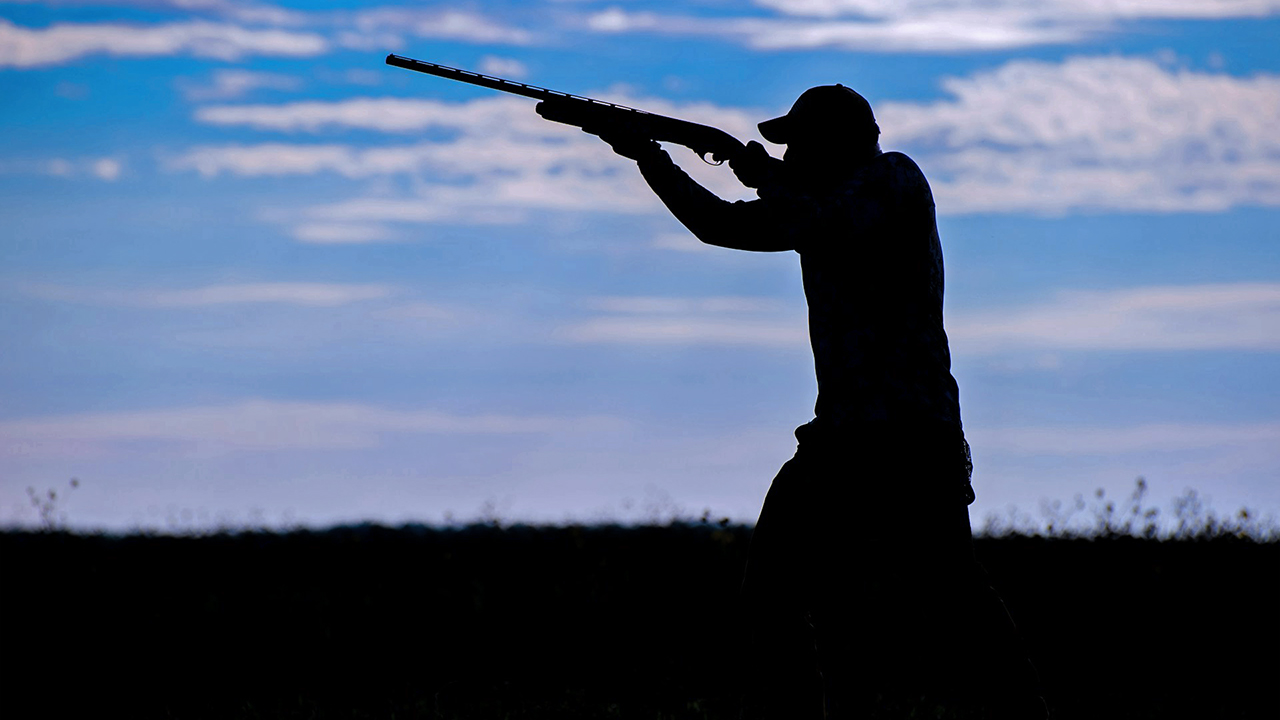
Photo credit: Jake Forsher/Youtube
The hunter still remembered the sound.
That says everything.
Some outdoor scares fade with time. You laugh later about the squirrel that sounded like a bear, the branch that cracked behind you, or the deer that blew so loud it nearly stopped your heart. But the sound of bullets passing close by does not turn into a funny camp story. It stays sharp.
In a Reddit thread, hunters were talking about hunter orange laws and why visibility matters in the field. One commenter shared a story from 25 years earlier that showed exactly why those rules exist.
He said he was shot at before legal light, and two bullets whizzed by him.
That is the kind of sentence that does not need much dressing up. Before legal light, visibility is already poor. People are moving to stands. Hunters are getting set up. Shapes are hard to read. It is exactly the time when nobody should be taking a shot unless everything is legal, visible, and fully identified.
Somebody shot anyway.
And the bullets went close enough for him to hear them pass.
A lot of hunters know the sound from movies, but hearing it in real life is something else. There is the crack of the rifle, then that sharp passing sound that your brain understands before you even finish thinking. Something deadly just came through your space. Maybe a few feet away. Maybe closer than you will ever know.
That moment probably lasted seconds. The memory lasted 25 years.
That is the part people should pay attention to. A careless shot does not end when the shooter lowers the rifle. It can follow the person on the receiving end for decades. Every walk in before daylight feels a little different after that. Every distant shot gets judged harder. Every shadow in the woods makes you wonder who else is out there and what they think they see.
The hunter’s story came up in a conversation about orange, but the bigger issue was identification. Hunter orange helps, and in many places it is required for good reason. It makes people more visible to human eyes, especially in brush, timber, and low light. But orange only works if the shooter is actually looking, thinking, and following basic rules.
A person who fires before legal light is already skipping one of the biggest safeguards.
There is a reason shooting hours exist. They are not random. They are meant to make sure hunters have enough light to identify game, see what is around it, and make a safe decision. Before legal light, the woods are full of half-shapes. Stumps look like deer. Branches look like antlers. Movement feels bigger than it is. A person who is too eager can turn a guess into a trigger pull.
That is how people get killed.
The commenter did not have to explain every detail for the lesson to land. Two bullets whizzed by before legal light. That means someone was willing to shoot at something he had not properly identified, in conditions where no shot should have been taken. Whether the shooter thought he saw a deer, heard movement, or was simply careless, the result was the same: another hunter was almost hit.
That is why responsible hunters get so angry about this kind of thing. It is not a harmless mistake. It is not “buck fever” in a cute way. It is a failure of judgment with a rifle in hand.
And for the person downrange, there is no comfort in the shooter’s excuse.
Maybe the hunter was wearing orange. Maybe he was not required to yet because it was before legal light and he was walking in. Maybe he had a flashlight. Maybe he had no chance to announce himself. None of that changes the most basic rule: you do not shoot until you know exactly what you are shooting at and what is beyond it.
The sound of those bullets taught the lesson harder than any safety course could.
It also explains why some hunters become so strict about their own habits. They wear orange even when they think they can get away without it. They use headlamps walking in. They avoid crowded public land during gun season. They stay away from easy access points. They make themselves visible to humans, even if it means feeling less hidden from deer.
Because deer are not the only thing out there.
There are other hunters. Some are careful. Some are not. And when someone else is careless with a rifle before daylight, your best gear and best plans may only do so much.
For this hunter, 25 years had passed, and the memory was still there. Not because he was dramatic. Because two bullets went by him in the dark, and once you hear that sound, you do not forget who really has to follow the rules for everyone to make it home.
Commenters in the thread understood why hunter orange laws exist, even if some had different opinions about the exact requirements.
Several people said orange is not about making deer see you. It is about making sure other hunters see you. Deer do not process bright orange the way humans do, but people do. That is the whole point. It gives another hunter one more clear signal that there is a human being in the woods.
Others said orange does not replace safe target identification. A hunter should never shoot at color, movement, sound, or a vague shape. Orange helps prevent mistakes, but the shooter still has the responsibility to know exactly what is in the sights before firing.
The story about bullets whizzing by before legal light hit that point hard. Commenters saw it as proof that some hunters get too eager, too careless, or too comfortable taking risky shots. Before legal light, there is no excuse. If you cannot clearly identify the target and the area beyond it, you do not shoot.
Some people talked about wearing orange even when it is not legally required, especially on public land or during busy firearm seasons. A vest, hat, pack cover, or light can make a difference when other hunters are moving through the same area.
A few commenters also said close calls like that change people. Once someone has heard bullets pass nearby, they do not treat safety rules like formalities anymore. They become personal.
The main message was simple: hunter orange matters, legal shooting light matters, and target identification matters most of all. A deer is never worth sending rounds into the dark and hoping nobody is there.