Photo credit: izzet çakallı/Pexels.com
The duck hunter was hidden exactly the way duck hunters are supposed to be hidden.
That was part of the problem.
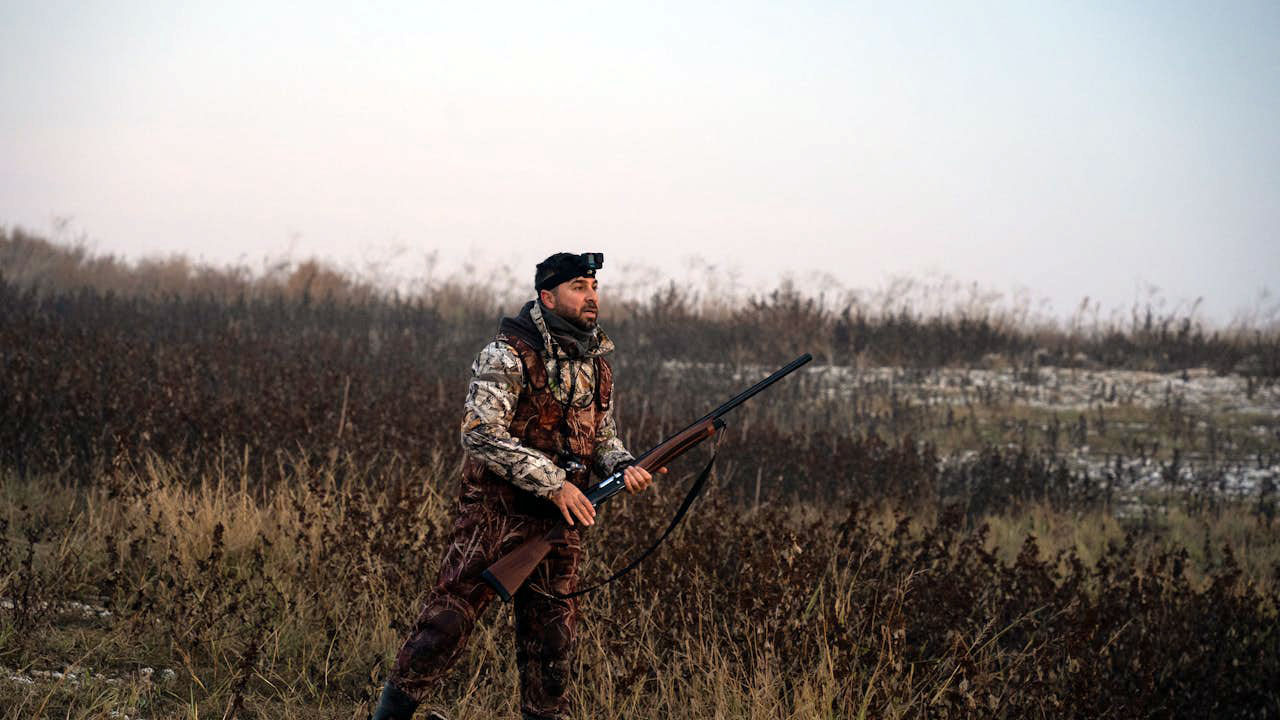
He was tucked into shoulder-high weeds, trying to stay low and out of sight, watching birds and working the hunt like normal. In duck hunting, concealment matters. You blend into cover, keep movement down, and let the birds look past you.
But that same cover can make you nearly invisible to other hunters if they are not paying attention.
In a Reddit post, the hunter said he was almost shot while duck hunting after other shooters started sending rounds close enough that he could hear them whizzing past. He was in tall weeds, and the other hunters apparently had no idea he was there.
That is a horrifying sound.
A shotgun blast in the distance is one thing. Most hunters are used to hearing shots during waterfowl season. But hearing shot pass near you is different. That means the danger has crossed from “someone else is hunting nearby” into “someone else is shooting into the space I’m sitting in.”
The hunter had to yell until the shooters finally saw him.
Think about that for a second. He was not calmly waving from a parking lot or talking across a field. He was sitting in cover, close enough to incoming shot that he had to make himself known fast. Every second mattered because if the other hunters kept firing, the next volley might not just pass nearby.
That is the kind of moment that turns a hunt into pure survival math.
Duck hunting can get chaotic. Birds move fast. Groups swing together. People get excited. Shots happen in bursts. If hunters are not disciplined about their lanes, angles, and what lies beyond the bird, things can get dangerous fast. Add tall grass, cattails, reeds, fog, low light, water, and multiple groups in the same area, and visibility becomes a serious safety issue.
That does not excuse anything.
If you are shooting at ducks, you still have to know where your pellets are going. You still have to be aware of other hunters, dogs, blinds, boats, and people tucked into cover. Waterfowl hunting is built around concealment, which means you should assume another hunter could be hidden in a place you do not immediately notice.
That assumption can save someone’s life.
The scary part here is that the hunter was not doing something strange. He was not walking into the middle of another group’s spread. He was not standing in the open acting careless. He was in weeds, hunting. The other shooters simply did not see him until he yelled enough to get their attention.
That tells you how thin the safety margin can be in crowded or shared hunting areas.
It also explains why waterfowl hunters get so serious about communication. If you are hunting near other people, you need to know where they are. If you arrive late, you need to look for headlamps, decoys, boats, blinds, and movement. If you are swinging on birds, you need to stop the gun before it tracks toward another hunter’s location. If you do not know what is beyond the bird, you pass.
That can be hard in the moment, especially when birds are flaring and everybody wants a shot.
But wanting a bird does not make the shot safe.
The hunter’s post was basically a plea: please be smart. That wording says a lot. He did not write it like someone looking for drama. He wrote it like someone who had just been close enough to danger that he wanted other hunters to take the warning seriously.
And honestly, it is the kind of warning that needs repeating.
Hunters love to talk about gear, shells, calls, choke tubes, decoys, and the best spots. But none of that matters if people cannot keep their shots safe. A duck is not worth peppering another hunter. A limit is not worth someone’s eye, face, dog, or life.
The other hunters may not have meant to shoot toward him. They may have been careless, not malicious. But when shot is whizzing past a person in cover, intent does not comfort much. The result is what matters.
For the hunter in the weeds, the only thing he could do was make noise and hope they heard him before another shot came his way.
That is a bad position to be in.
It is also a reminder that hiding from ducks should never mean disappearing from other hunters completely. A small patch of visible orange on the walk in, clear communication at access points, lights before legal shooting time, and careful awareness of other groups can make a difference. Once the shooting starts, every hunter has to know his lane and respect it.
Because the person you cannot see might be sitting in the weeds, yelling for you to stop shooting his direction.
Commenters understood right away how dangerous the situation was.
Several people said waterfowl hunting can get sketchy when multiple groups are in the same area and hunters do not keep track of each other. Tall weeds and marsh cover make concealment great for ducks, but terrible for visibility between hunters.
A lot of commenters focused on shooting lanes. They said hunters should never swing through an area where another person might be sitting, and if there is any doubt, do not shoot. Birds come and go. A bad shot can permanently hurt someone.
Others said communication matters before the hunt starts. If there are other trucks, boats, decoys, or headlamps around, assume other hunters are close. Make your location known when needed, especially before shooting light or if another group sets up too close.
Some people also pointed out that yelling was the right move once shot started coming his way. It may ruin the hunt, but the hunt was already ruined the second pellets started passing near him. Safety comes first.
The main advice was simple: duck hunters need to know where every person in the area is before they start swinging on birds. Tall cover is not an excuse. If you cannot account for what is beyond the duck, you let it fly.