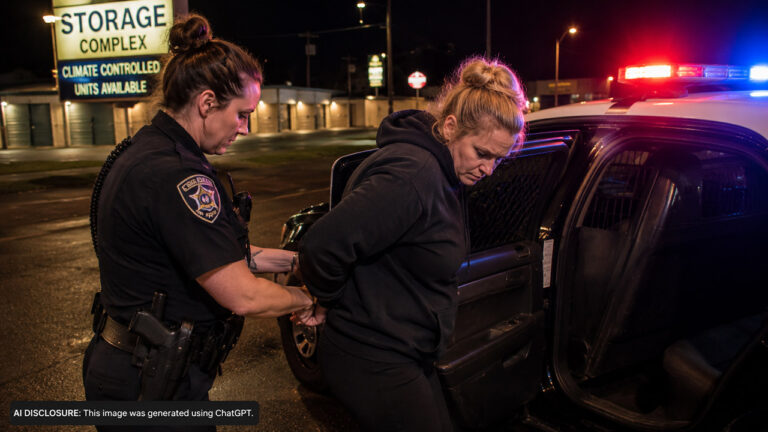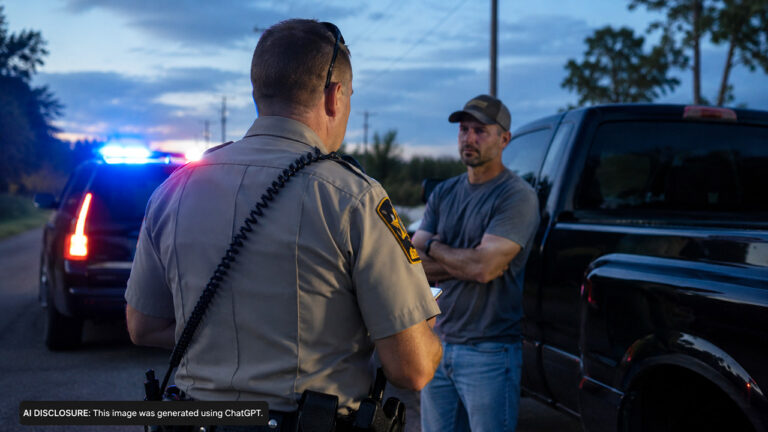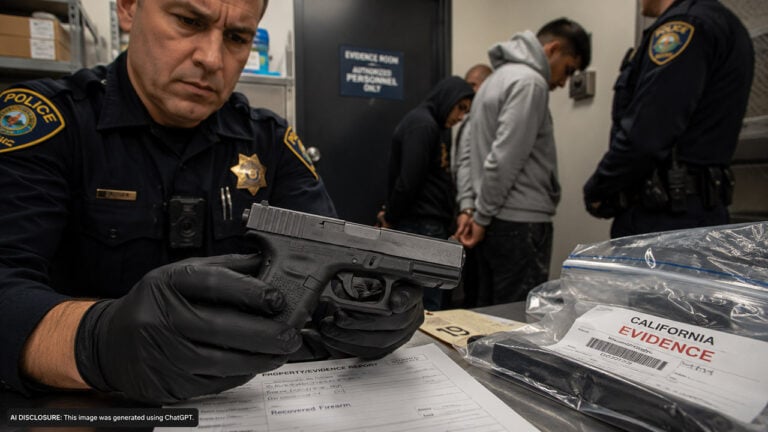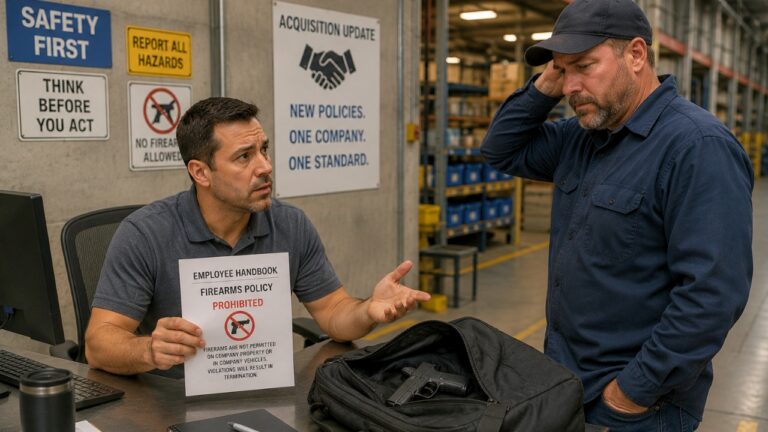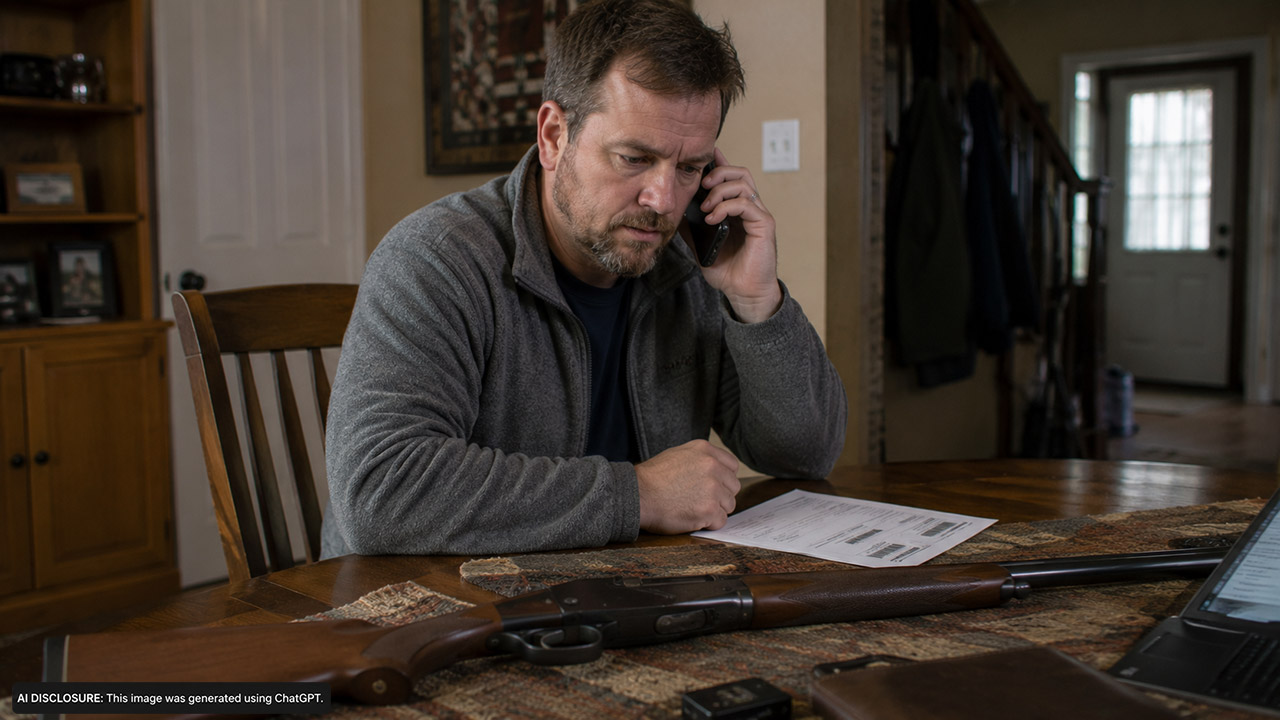
Photo credit: AI-generated image created using ChatGPT. Illustrative only
Buying a used shotgun from a pawn shop feels pretty straightforward. You do the paperwork, pay your money, and head home thinking you just scored a solid deal for the next season. But one buyer learned how fast that “good deal” can turn into a headache when police called after the purchase and said the gun’s serial number was flagged in the stolen-property system.
In the original post, the buyer kept it simple: they bought an item at a pawn shop, then got a call from police saying it was stolen and they wanted it back. Their questions were the same ones a lot of gun owners would ask in that moment—are they obligated to hand it over, and should they go straight back to the pawn shop for a refund or a chargeback?
A routine used-gun purchase turned into a stolen-property stop sign
The key detail here is the sequence. The buyer didn’t get stopped in the parking lot or denied at the counter. They bought the gun, drove home, and only then got the call. That’s exactly the kind of scenario that makes folks uneasy, because it feels like you did everything “the right way” and still ended up in the middle of someone else’s mess.
When a serial number hits in a stolen-property database, it changes the whole situation. At that point, the firearm isn’t just “used merchandise” anymore—it’s potentially evidence, and it’s tied to an original owner who likely wants it back.
Why a pawn shop sale doesn’t necessarily make the gun “yours”
A lot of outdoorsmen assume that if a shop sold it, it’s automatically clean. Most pawn shops do run numbers and follow state rules. But even when a business is trying to do things right, stolen guns can slip through—maybe it wasn’t reported yet, maybe it was entered wrong, or maybe the match popped later when someone updated the system.
The hard truth is this: buying property in good faith usually doesn’t erase the fact that it may still belong to someone else. In many places, stolen property can be seized and returned, even if the current holder paid fair money and had no clue. That’s not a moral judgment on the buyer—it’s just how stolen property often gets treated.
The police call: what “they want it back” can mean in real life
That phone call is doing two things at once. First, it’s a request for cooperation—turn the gun over so it can be handled properly. Second, it’s a test of how you respond. If you’re a lawful gun owner who unknowingly bought a problem, the last thing you want is to look evasive or careless when law enforcement is already telling you the gun is tied to a theft report.
There’s also a safety angle that gets overlooked. If police believe a firearm is stolen, they may treat it with more urgency than a stolen TV. That doesn’t mean you’re in trouble, but it does mean you should take the situation seriously, stay calm, and avoid making sudden decisions that complicate things—like trying to “solve it” by reselling it or passing it along.
Getting your money back: the pawn shop is the pressure point
The buyer asked the most practical question in the whole post: should they hand it over and file a chargeback, or ask the pawn shop to refund the money? From a common-sense standpoint, if the gun truly is stolen and gets taken, the buyer shouldn’t be the one left holding the bill.
Pawn shops have processes for this kind of thing, and in many states they’re regulated closely—especially when firearms are involved. If a gun comes back as stolen, the shop may be on the hook to unwind the deal. Whether that’s fast and painless or slow and frustrating depends on the shop, the paperwork, and local rules, but the shop is the logical place to pursue a refund or remedy.
A chargeback can feel like the quickest lever you can pull, but it’s not always clean. Card companies look at whether you authorized the transaction and whether the merchant delivered what was purchased. This is one of those situations where the “delivered” part gets muddy because the item may be seized as stolen property. It may work, but it can also turn into a long back-and-forth. Sometimes the straightforward route—talking to the shop owner and getting everything documented—ends up being the cleaner path.
The paperwork matters more than the story
When something like this happens, the guy with the best documentation usually sleeps the best. A receipt, a bill of sale, any serial-number record on the sales slip, and even notes about when the officer called—those details help show you’re the buyer who tried to do it right.
If police do take possession of the firearm, you’ll want a property receipt or case number—something showing you turned it over rather than “lost it” or dumped it. That paper trail matters for two reasons: it protects you if questions come up later, and it supports your case when you go back to the pawn shop seeking your money.
The biggest takeaway for hunters and gun owners buying used guns
This is the downside risk of shopping the used rack, especially for guns that move fast and change hands often. A pawn shop can be a great place to find a no-frills pump shotgun for deer drives or a backup bird gun, but the serial number is the serial number. If it’s tied to a theft report, the problem follows the gun—not the intentions of the person who bought it.
For folks who buy used firearms, the best habit is keeping your purchase records organized and treating any stolen-gun contact like a “stop what you’re doing and handle this cleanly” moment. Don’t argue on the phone. Don’t get cute. Get documentation, work through the shop, and protect your name.
In the end, the buyer’s question—“What am I obligated to do?”—is the right one to ask early, before emotions and frustration take over. When a gun comes back stolen after a legal purchase, the goal is simple: cooperate enough to stay out of trouble, keep your proof that you bought it legitimately, and push the financial problem back to the business that sold it.
Like The Avid Outdoorsman’s content? Subscribe to our newsletter so you never miss an article.
Here’s more from us: