Photo credit: The Avid Outdoorsman
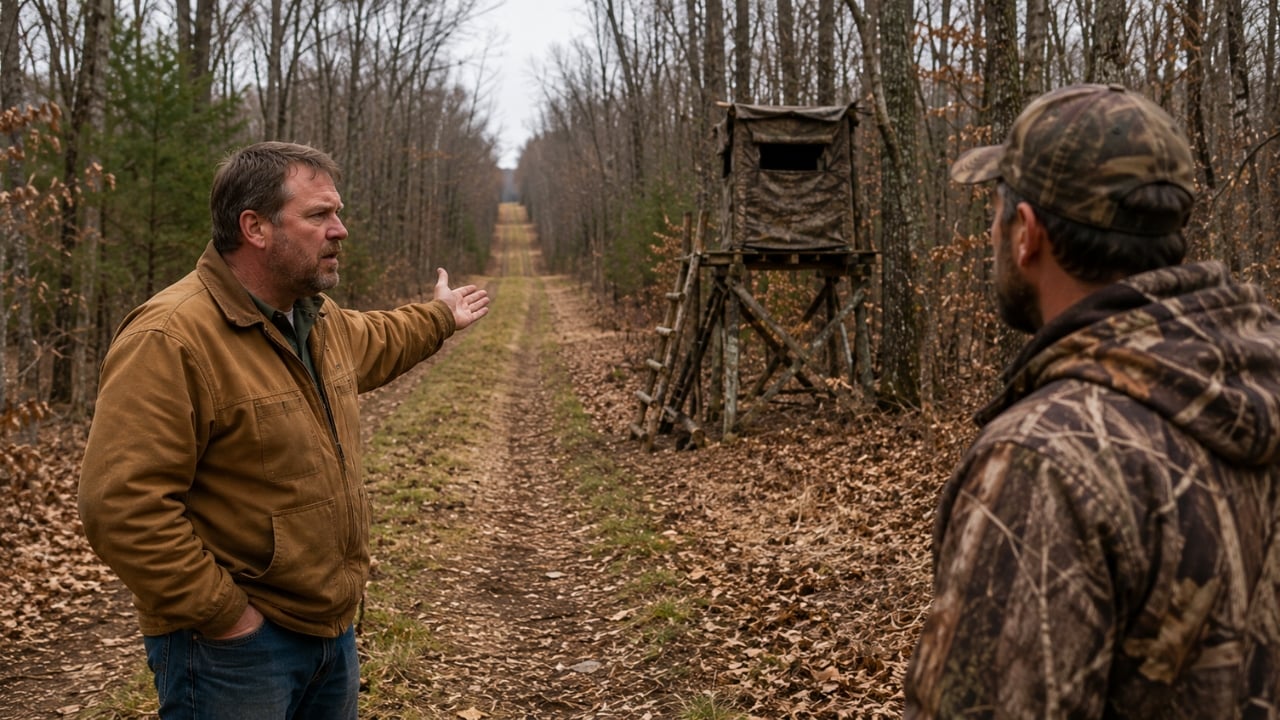
The landowner said the property had a right-of-way path across it, but the problem was what someone was doing after leaving that path. According to the Reddit post, a neighbor’s friend had been crossing onto private land, hunting there, and building makeshift stands without permission.
The original Reddit post can be found here: https://www.reddit.com/r/legaladvice/comments/f8rifc/posting_no_trespassing_signs_on_property_that_has/
That is where a lot of rural property disputes get messy. A right-of-way does not usually mean someone gets free use of everything around it. It may allow travel across a certain route to reach another parcel, driveway, field, cabin, or landlocked property. But using that access to wander, hunt, set up stands, or treat the surrounding land like public ground is a different issue.
The landowner’s concern made sense. A person walking a right-of-way to get from one place to another is one thing. A person stepping off that route to hunt is another. Once someone starts building stands, cutting brush, leaving gear, or repeatedly entering the woods, the landowner is no longer dealing with simple passage. They are dealing with someone using the property.
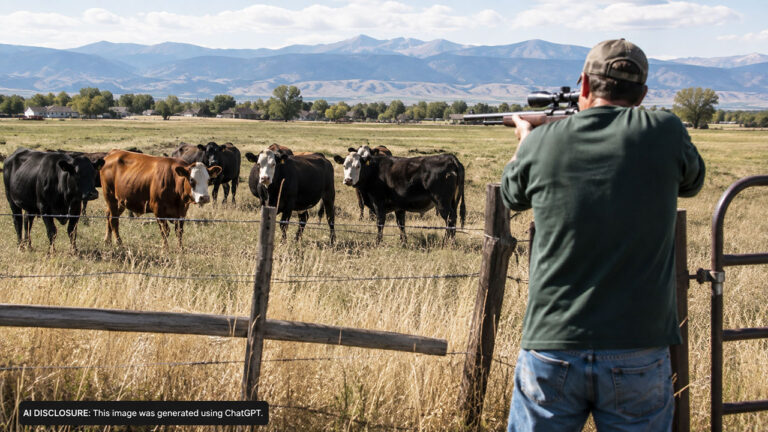
That matters for safety too. Hunting on land without permission can put the owner, family members, livestock, pets, and other guests at risk. The landowner may not know where the person is sitting, what direction they are shooting, what they are hunting, or whether they are following the rules.
The makeshift stand detail also raises liability questions. If someone builds a poor stand on private land and falls, the landowner may still have to deal with the aftermath even if the person should not have been there. Nobody wants someone else’s homemade platform tucked into the trees on land they do not own.
The landowner wanted to know about posting no-trespassing signs, likely because the right-of-way made the boundary situation less clear. That is a smart question. Signs should make it clear that the right-of-way is for access only and that the surrounding property is private, posted, and closed to hunting without written permission.
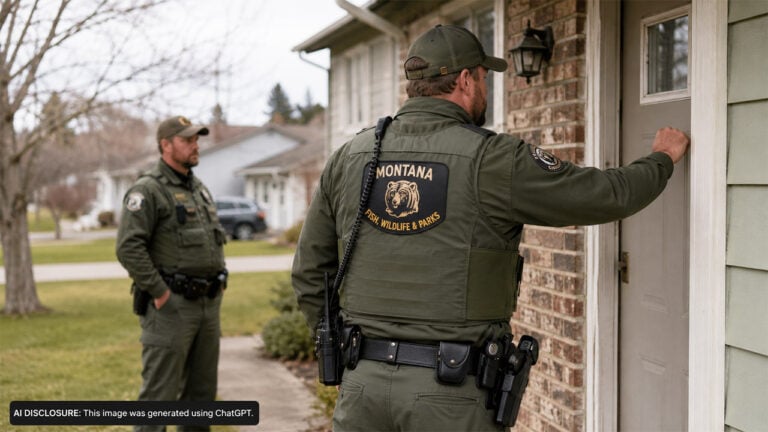
But signs alone may not fix it if the person already believes he can use the land. The owner may need to document the stands, photograph any paths or cut areas, mark boundaries, keep notes on dates and times, and contact the neighbor whose friend is causing the problem. If hunting is involved, a game warden may also be the right call because they deal with unlawful hunting access and trespass in the field.
Commenters told the landowner that a right-of-way does not usually give someone the right to hunt, build stands, or leave the access route. Several said the exact language of the easement or right-of-way would matter, but casual recreational use was not the same as passing through.
Others said the landowner should post the property clearly while avoiding anything that blocks the legal path. If the neighbor has lawful access through the right-of-way, the owner should not obstruct it, but they can still mark the rest of the land as private.
Some commenters suggested sending a written notice to the neighbor and the person using the land. A clear warning that hunting and stand-building are not allowed could help if the behavior continued.
A few people recommended contacting a game warden or local law enforcement if the person kept hunting after being told to stop. Unauthorized hunting on posted private property is not just rude. It can become a violation that wildlife officers take seriously.
The post ended with the landowner trying to protect private land without interfering with a lawful access route. The path may have allowed someone to cross the property, but it did not turn the woods around it into a free hunting lease.
Like The Avid Outdoorsman’s content? Subscribe to our newsletter so you never miss an article.
Here’s more from us: