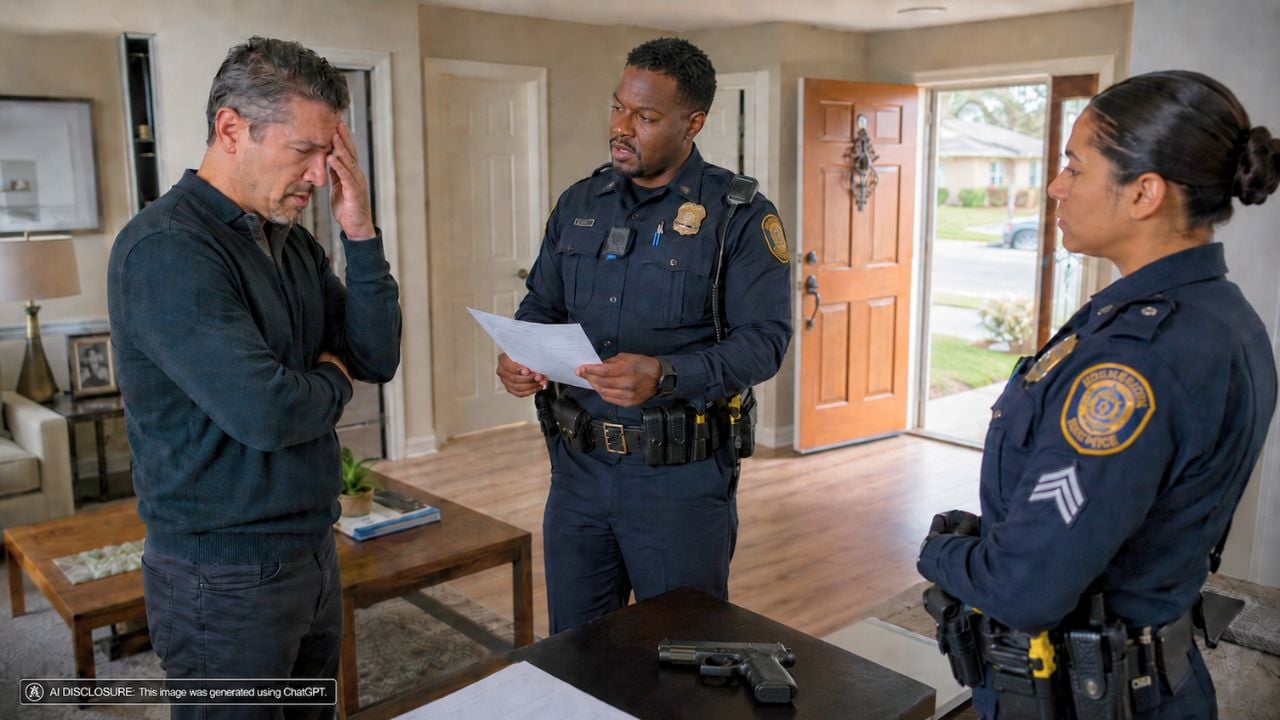
Photo credit: AI-generated image created using ChatGPT. Illustrative only.
Most folks who carry legally think the rules are simple: don’t start trouble, don’t go looking for a fight, and if somebody comes at you, you defend yourself. But when the scene is a family home, emotions are running hot, and law enforcement shows up more than once in the same night, “simple” can turn into handcuffs in a hurry.
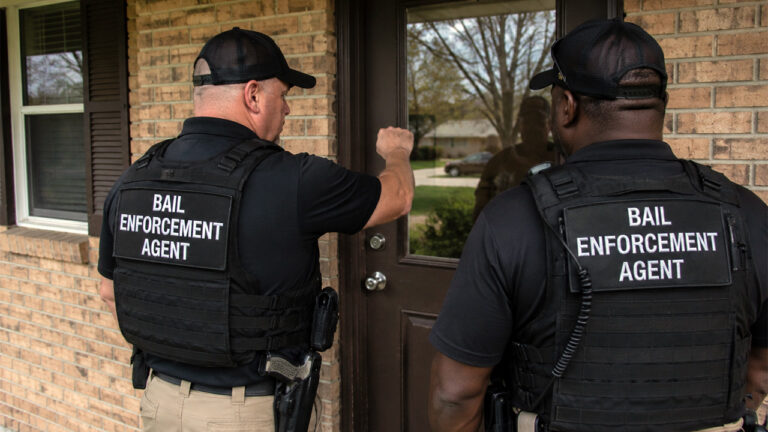
That’s the mess one North Carolina man described in the original post, where he said he was arrested and charged with assault and battery after a late-night scuffle with his girlfriend’s mom’s boyfriend. He framed it as clear self-defense, but the responding officers charged both men anyway—leaving him headed to court and dealing with the fallout that comes with any violent-charge arrest, including potential impacts to gun rights and permits.
A volatile night started with an assault on his girlfriend
According to the man’s account, the first flashpoint came early Friday morning when his girlfriend was choked by her mother’s boyfriend. Other people in the house intervened, got the attacker off of her, and restrained him.
Police were called, but the man said officers told them there wasn’t much visible bruising at the time, so an arrest would be difficult “because there isn’t much proof for them to go on.” They reportedly told the girlfriend she could still go to the magistrate’s office herself to pursue charges.
When the cops left, the temperature didn’t
After officers left, the man said things seemed to calm down—at least for a moment. Then the mother’s boyfriend allegedly started talking about fighting. The man said he brushed it off because he isn’t aggressive and didn’t want trouble right after police had been at the house.
This is the part outdoorsmen and gun owners will recognize: you can do everything “right” in your own mind—stay calm, avoid escalation, try to leave—and still end up in the middle of it. When you’re in somebody else’s house, with family dynamics and tempers involved, you don’t get to control the whole environment.
The scuffle happened fast, and everyone piled in
The man said he and his girlfriend left the house and later returned. When they came back, he claimed the mother’s boyfriend charged at him and swung. A scuffle broke out, and he emphasized it wasn’t some long, drawn-out brawl—more like a sudden clash with other people immediately trying to pull the attacker off him.
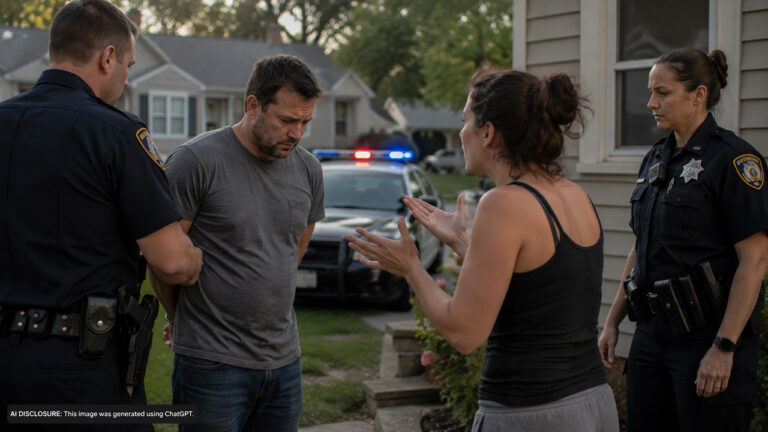
In the chaos, items got knocked over. The mother called police again. And when officers arrived this time, he said everyone told the same story: the mother’s boyfriend rushed him and threw the first swing.
Even if it’s self-defense, you can still get hooked and booked
Here’s the hard lesson: “self-defense” doesn’t function like a magic phrase on the side of the road. The man said both he and the mother’s boyfriend were arrested. He also said the boyfriend wasn’t the one who pressed charges; instead, an officer told him the police were charging him.
In many places, when officers respond to a mutual combat-looking situation—two adults who have been trading blows, both with some level of involvement—they may decide they have probable cause to arrest both and let the courts sort it out. Add in a second call to the same residence in one night, furniture knocked over, multiple witnesses talking at once, and somebody already accused of choking someone earlier, and you’ve got a messy decision tree for the responding officer.
That doesn’t mean the man’s self-defense claim is wrong. It means the arrest decision isn’t the final judgment, and it often isn’t “fair” in the way most regular folks think it should be. It’s a blunt tool meant to stop the immediate problem and reset the scene.
Where the “legal gun” angle bites: permits, arrests, and paperwork consequences
The post itself focused on the assault and battery charge arising from the physical altercation. It didn’t lay out details about a firearm being displayed or fired. But hunters and concealed carriers should understand something: when you get arrested on a violent offense—especially anything with “assault” in the name—it can ripple into your ability to possess or carry, even before a case is resolved.
Depending on your state and the exact charge, an arrest can trigger a permit suspension, a revocation process, or an administrative review. In plain language, you can be the “good guy” in your own story and still lose your carry permit for a while because the system runs on categories and risk management, not campfire common sense.
It’s also why so many instructors hammer the point that your carry gun is not a tool for winning arguments or settling domestic chaos. If a situation is already unstable—especially around intoxication, family disputes, or a house full of people—introducing a firearm (even legally) can turn one bad night into life-changing charges. Even if you never touch the trigger, the legal aftermath can be brutal.
What practical people zeroed in on: document, lawyer up, and stop talking
The man ended his post with the question every working guy asks when the courtroom suddenly shows up on the horizon: “What do I do?” The most practical advice in situations like this is usually boring, but it’s what keeps you from stepping in another hole.
First, treat it like a real criminal case, not a misunderstanding. That means hiring a criminal defense attorney in the county where the charge was filed and following that attorney’s instructions—especially about whether to make statements, how to handle witnesses, and what evidence to preserve.
Second, lock down facts while they’re still fresh. If there were witnesses in the house, their memories will drift, relationships will shift, and stories can change once people realize they might be dragged into court. If there are photos of injuries (including the earlier choking incident), 911 call records, or any written communication around what happened, those details can matter. None of that is about revenge; it’s about clarity.
Third, understand that “everybody told them what happened” at the scene doesn’t guarantee the report reflects it cleanly. When multiple people talk at once, officers are trying to restore order, separate parties, and keep the next punch from flying. Small details get missed. That’s another reason defense counsel matters.
A lot of outdoorsmen spend time preparing for the rare worst-case scenario—break-ins, predators, or some stranger in the driveway at midnight. This kind of situation is uglier because it happens inside a family circle, where people don’t act rationally and nobody wants to be the one who “ruins everything” by calling it what it is.
If there’s a takeaway here, it’s simple: avoid the fight if you can, leave sooner than you think you need to, and if violence finds you anyway, expect the system to be slow and clunky. Protect yourself in the moment, but protect your future with the same seriousness—because one arrest can cost you money, reputation, and your ability to carry long before a judge ever hears your side.