Photo credit: AI-generated image created using ChatGPT. Illustrative only.
A stolen gun is bad enough. But it gets a whole lot heavier when that same firearm turns up years later in the middle of a homicide investigation and your mailbox delivers a subpoena.
That’s the situation one gun owner described in the source post, after learning he was being called as a witness in a case involving the handgun that had been stolen out of his vehicle. He said he reported the theft within hours, provided the responding officer with the serial number, make, model, and caliber, and still found himself stressed about what could happen next.
The theft wasn’t a casual “left it on the seat” situation
If you’ve spent any time around trailheads, boat ramps, or campgrounds, you already know vehicles get targeted—especially when thieves think there’s gear inside. In this case, the owner said the handgun wasn’t sitting in a glove box or loose under a seat. It was stored in the bed area of a truck camper he was using.
He described several layers of storage: the gun was inside the camper, inside his backpack, inside a locked case, and even disassembled within that case. In other words, this wasn’t a guy tossing a loaded pistol into the center console and hoping for the best. Someone broke in and stole it anyway.
Doing the “right things” still doesn’t stop the long tail
The detail that matters most—especially for anyone who carries, hunts, or keeps a firearm in a vehicle while traveling—is that he reported the gun stolen quickly. He said it was within hours, and he gave law enforcement the identifying information that actually counts in the real world: serial number, make, model, and caliber.
That’s the part a lot of folks put off. They tell themselves it might turn up, or they’re worried they’ll get blamed for the theft. But when a gun disappears and later gets recovered, paperwork and timelines matter. When detectives start tracing where that gun came from, the cleanest path for a lawful owner is having a theft report already on file, tied to the serial number, tied to a date.
Even so, this case shows how long the shadow can be. The owner said the firearm was later found in another man’s possession, and he was being called to testify against that man. That kind of contact can come out of nowhere years after you’ve tried to put the whole mess behind you.
When the gun shows up again, you can get pulled into the case
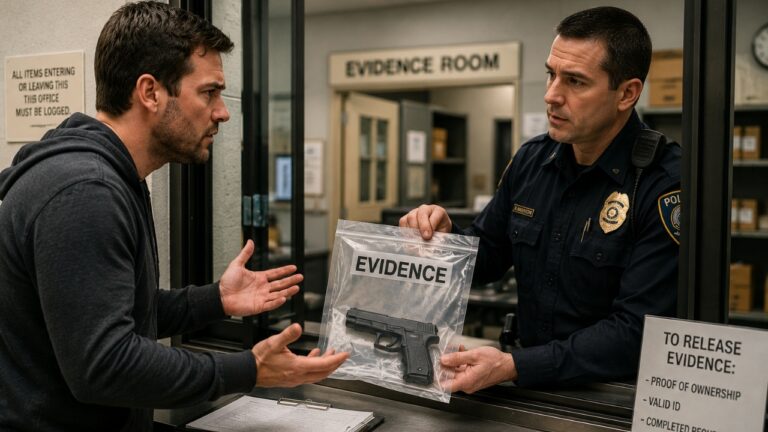
There’s a common misconception among gun owners that if your firearm is stolen and you report it, that’s the end of your involvement. Sometimes it is. But if the gun becomes a piece of evidence in a serious criminal case, the legal system may still need you—mostly to establish chain-of-ownership facts.
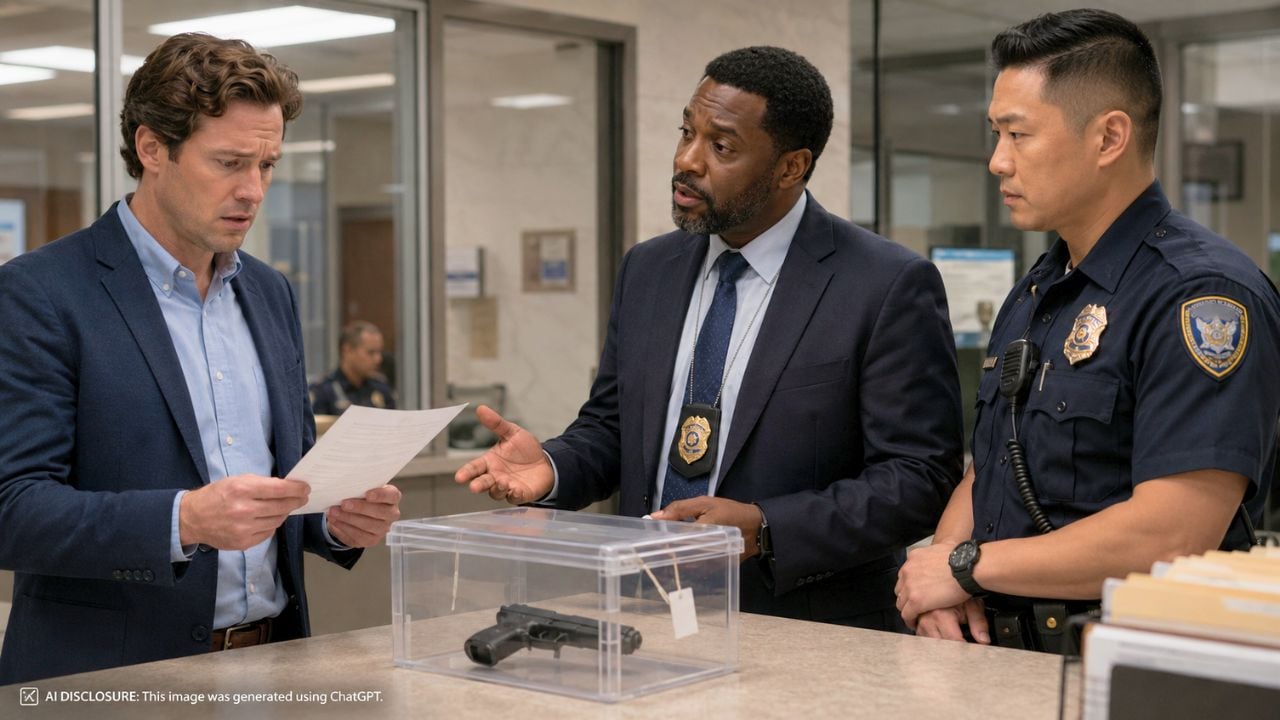
Based on what the owner shared, he wasn’t being called in as a suspect. He was being called as a witness connected to the firearm’s history. In plain English, the court may want him to confirm the gun was his, that it was stolen, that he reported it, and that he did not give it to the person who had it.
For outdoorsmen who’ve never been subpoenaed, it’s easy to picture the worst. Courtrooms feel like a different planet, and nobody likes getting dragged into something involving a violent crime. But being a witness can be as simple as answering a few straightforward questions, sticking to what you personally know, and letting the attorneys do the rest.
The stress point: “What’s gonna happen to me?”
The owner’s main concern was the unknowns—being subpoenaed, having his stolen firearm tied to a murder case, and not knowing what any of it meant for him. That’s a real worry. When you’re a lawful gun owner, your mind goes straight to, “Am I in trouble?” even when you’ve done everything you can.
This is where being organized helps. If you ever end up in a similar spot, the practical move is to gather what you already have: your original theft report number, any emails or paperwork, purchase records if you have them, and a clean timeline written down while it’s fresh. Not because you’re hiding anything—because clarity matters when you’re under stress and someone is asking questions quickly.
It also helps to remember what you control: you can tell the truth, stick to facts you personally observed, and avoid guessing. You don’t have to be a legal expert to be a good witness. You just have to be accurate.
What other gun owners focused on: contact the DA and don’t freelance the process
The most useful theme in the responses was simple: communicate with the prosecutor’s office and get clarity on whether you actually need to appear, when, and for what purpose. The owner later updated his post with a key development—he reached the district attorney and was told to keep himself available, but he did not have to appear at that point.
That’s a big deal, because subpoenas and court schedules can change fast. Cases get continued. Plea deals happen. Witness lists get shortened. A notice saying you have to appear on Monday might be outdated by Friday after attorneys talk through what they truly need to prove in court.
The other practical takeaway is not to wing it. Don’t try to “clear things up” by volunteering extra details that weren’t asked for, and don’t assume you know what the court needs. If you’re contacted again, confirm where to be, what to bring, and who your point of contact is. If you’re unsure about your exposure or rights, it’s reasonable to speak with an attorney for your own peace of mind.
The hard lesson for truck guns and travel storage
This story is a reminder that vehicle storage is never the same as home storage, even when you do it carefully. Outdoorsmen live out of trucks—between camps, leases, day trips, scouting, and late-night drives back from the range. But thieves know that too, and a “locked up” gun in a vehicle can still be one broken window away from disappearing.
The owner described multiple layers of containment, and it still wasn’t enough to prevent a theft. That doesn’t mean the extra steps were pointless—locking and separating components can reduce immediate misuse and may matter in how the situation is viewed later. But the bigger point is this: if a firearm has to ride in a vehicle, think hard about time and place. Leaving it overnight, leaving it in high-traffic parking areas, or making a habit of “it’s always in there” increases the odds it will eventually get targeted.
And if the worst happens, the fast report with solid identifying info is your lifeline. It won’t erase the theft, and it won’t stop the gun from turning up later in someone else’s hands. But it puts your actions on the record while the timeline is still clean.
In the end, the owner’s update offered a little breathing room: after talking with the DA, he was told he didn’t need to appear right then, but to stay available. That’s about as real-world as it gets—doing your part, keeping your paperwork straight, and being ready to answer questions if the system needs you. For anyone who spends seasons behind a windshield with gear in the back, it’s also a sober reminder that one break-in can follow you for years.