Photo credit: Reloading Weatherby/YouTube
A big cartridge can make a hunter feel prepared. More energy, more bullet weight, more case capacity, and more reach all sound good until the rifle starts kicking hard enough to ruin practice. Plenty of powerful rounds are excellent in the right hands. The problem is that most hunters do not need them for the way they actually hunt.
Most deer, hogs, black bear, and even elk are taken at distances where good bullets and good shooting matter more than raw horsepower. A cartridge that adds recoil, blast, cost, and flinch can hurt more than it helps. These big-game rounds are capable, but for 90 percent of hunters, they are more gun than the job really requires.
.300 Remington Ultra Magnum
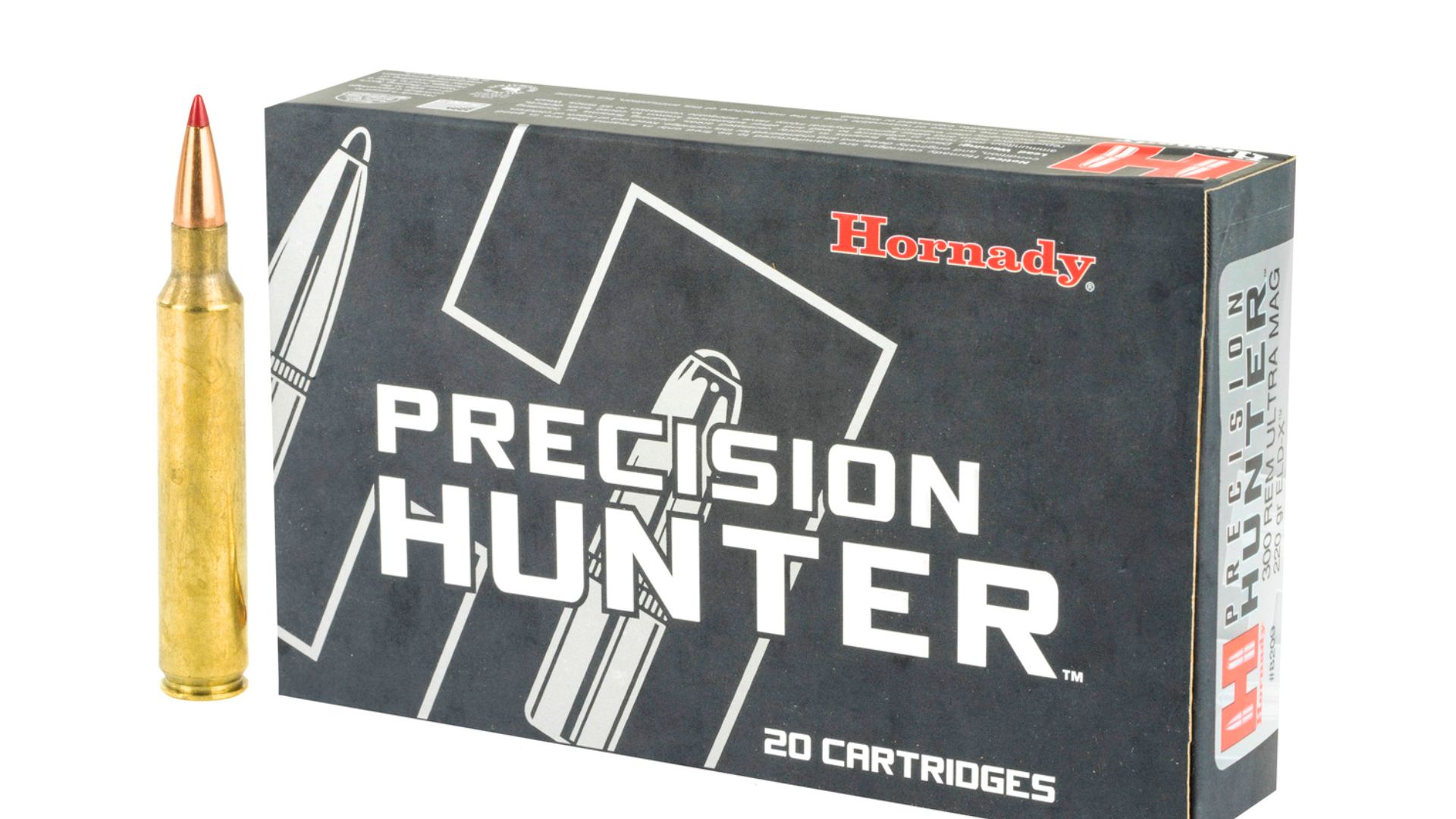
The .300 Remington Ultra Magnum is a serious cartridge built for speed, reach, and hard-hitting performance. It can push heavy .30-caliber bullets fast enough to make long-range hunters pay attention. On paper, it looks like the answer for anyone who wants maximum .30-caliber horsepower.
The problem is that most hunters do not shoot far enough to need it. For normal deer and elk ranges, the .300 RUM adds recoil, muzzle blast, barrel wear, and expensive ammo without giving most hunters a meaningful advantage. It is impressive, but impressive is not the same as practical.
.300 Weatherby Magnum
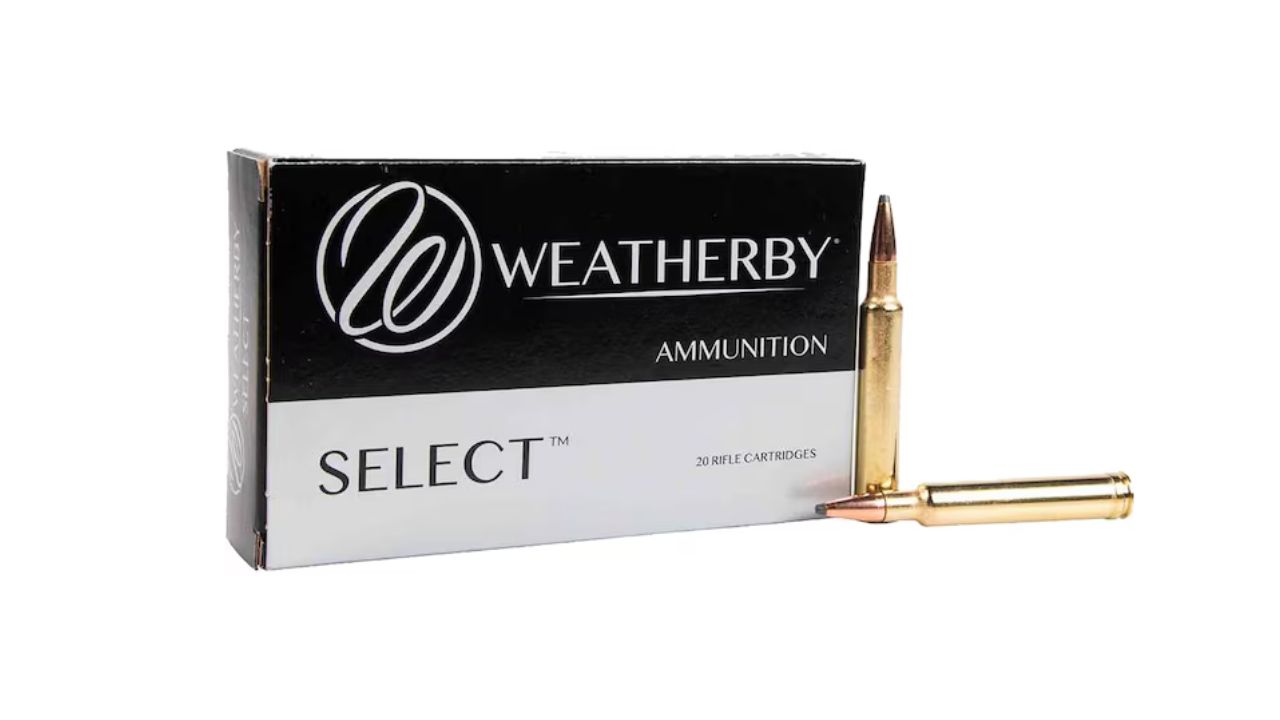
The .300 Weatherby Magnum has been making hunters feel overprepared for decades. It shoots flat, hits hard, and carries the classic Weatherby reputation for speed. For open country and bigger animals, it can absolutely work.
But most hunters are not making shots where the .300 Weatherby’s extra velocity changes the outcome. What they do notice is the recoil and blast. A hunter who shoots a .30-06, .308, or .300 Win. Mag. better is usually better off than one flinching behind a Weatherby.
.30-378 Weatherby Magnum

The .30-378 Weatherby Magnum is a monster. It throws .30-caliber bullets at extreme speed and gives long-range shooters a lot of horsepower. It is the kind of cartridge that gets attention because the numbers are hard to ignore.
For most hunters, it is simply too much. The rifles are often heavy, the ammo is expensive, recoil is serious, and muzzle blast can be brutal. Unless a hunter is truly set up for long-range big-game work and can shoot it well, the .30-378 is more punishment than advantage.
.300 PRC

The .300 PRC is one of the more sensible powerful cartridges on this list, but that does not mean most hunters need it. It was built around heavy, efficient bullets and long-range performance. For skilled shooters in open country, it is a very capable round.
The issue is that a lot of hunters buy capability they will never use. Inside common hunting distances, a .308, .30-06, 7mm Rem. Mag., or .300 Win. Mag. can already handle the job. The .300 PRC shines when distance, wind, and bullet efficiency matter. Most hunters are not living in that lane often enough to justify it.
.300 Norma Magnum
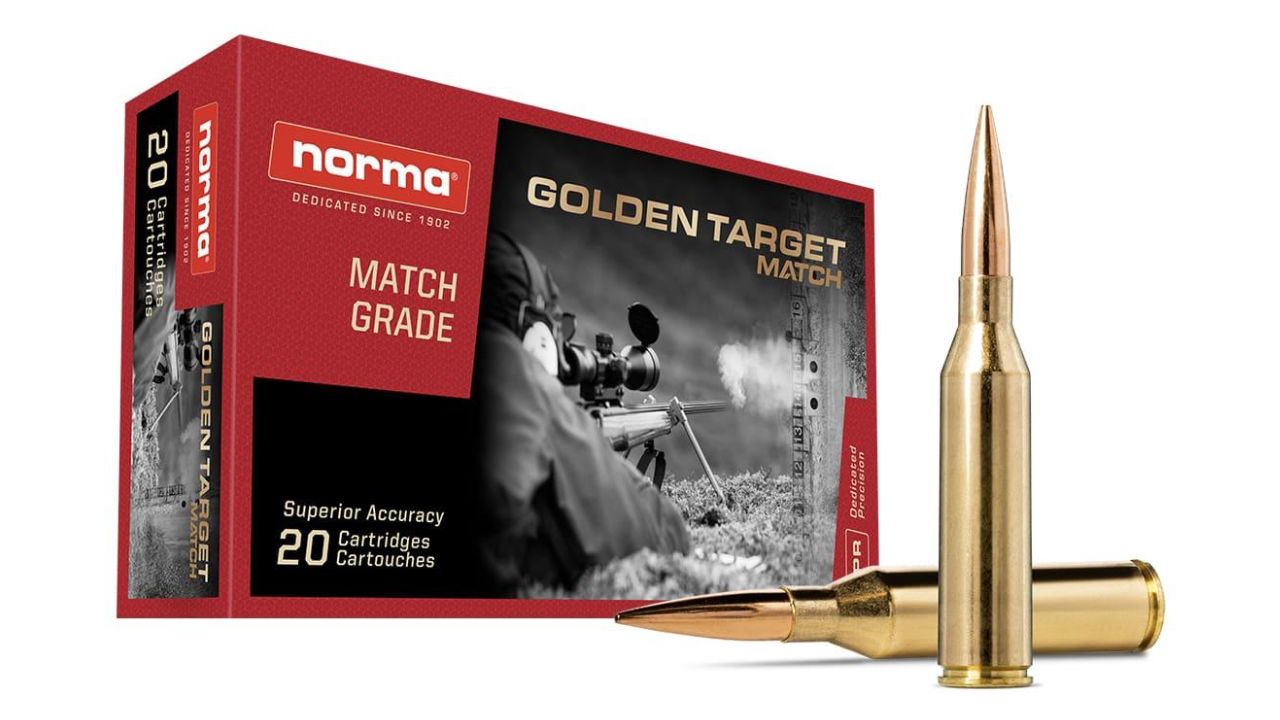
The .300 Norma Magnum belongs more to extreme long-range and specialized rifle setups than normal hunting. It can drive heavy .30-caliber bullets with authority and gives serious shooters a high-performance option.
That does not make it a smart deer-camp cartridge. Ammo cost, recoil, rifle weight, and overall setup complexity all work against the average hunter. It is a great example of a round that makes sense for specialists and very little sense for someone who just wants to kill deer or elk cleanly.
28 Nosler

The 28 Nosler is fast, flat, and powerful. It gives hunters serious 7mm performance and can be deadly on deer, elk, sheep, and open-country game with the right bullet. It has the kind of ballistics that make people want to believe it is the ultimate western cartridge.
But that performance comes with cost. Recoil is sharper than many expect, barrels do not last forever, ammo is expensive, and most hunters never use its full reach. For a careful long-range hunter, it makes sense. For the average hunter, a 7mm Rem. Mag. or .280 Ackley Improved is usually easier to live with.
7mm Remington Ultra Magnum

The 7mm Remington Ultra Magnum gives hunters a lot of speed with sleek 7mm bullets. It can reach across open country and still carry enough authority for big game. On a chart, it looks excellent.
In the field, it is more cartridge than most people need. The recoil, blast, and ammo cost are real. A hunter who only shoots a few rounds a year before season is not getting the best out of a 7mm RUM. They are more likely to develop bad habits than gain a real advantage.
7mm STW

The 7mm Shooting Times Westerner has a loyal following because it delivers serious speed from 7mm bullets. It was a hot long-range hunting round before newer cartridges started grabbing attention. In open country, it can still perform very well.
For most hunters, though, it is a specialist’s cartridge. Ammo is not as common as more mainstream rounds, recoil is more than necessary for deer, and the advantage only shows up when range stretches. It is cool, but it is not the sensible choice for the average hunter.
6.5-300 Weatherby Magnum

The 6.5-300 Weatherby Magnum is built around speed. It pushes 6.5mm bullets extremely fast and gives hunters a flat-shooting cartridge with plenty of reach. For long-range antelope, sheep, or open-country deer, the appeal is easy to understand.
The downside is just as clear. It is loud, hard on barrels, expensive to feed, and more specialized than most hunters need. A 6.5 Creedmoor, 6.5 PRC, or .270 Winchester will cover most real hunting situations with less fuss. The 6.5-300 is impressive, but it is not a casual big-game round.
.26 Nosler

The .26 Nosler is another speed-heavy cartridge that looks better the farther the shot gets. It can push high-BC 6.5mm bullets fast and hit with impressive reach. Hunters who live in big open country may see the appeal.
But for most deer and elk hunters, it creates more problems than it solves. Barrel life, ammo cost, blast, and recoil all matter. The .26 Nosler is not useless. It is just a round that asks a lot from the shooter and rifle for benefits many hunters will rarely use.
.270 Weatherby Magnum

The .270 Weatherby Magnum is a fast, flat-shooting cartridge that can absolutely hammer deer, antelope, sheep, and even elk with the right bullet. It carries the classic Weatherby idea of speed and reach in a familiar bullet diameter.
But the standard .270 Winchester already handles most hunting extremely well. The Weatherby version adds velocity, but it also adds recoil, blast, and ammo cost. For most hunters, the extra speed is nice to talk about but not necessary in the field.
.257 Weatherby Magnum
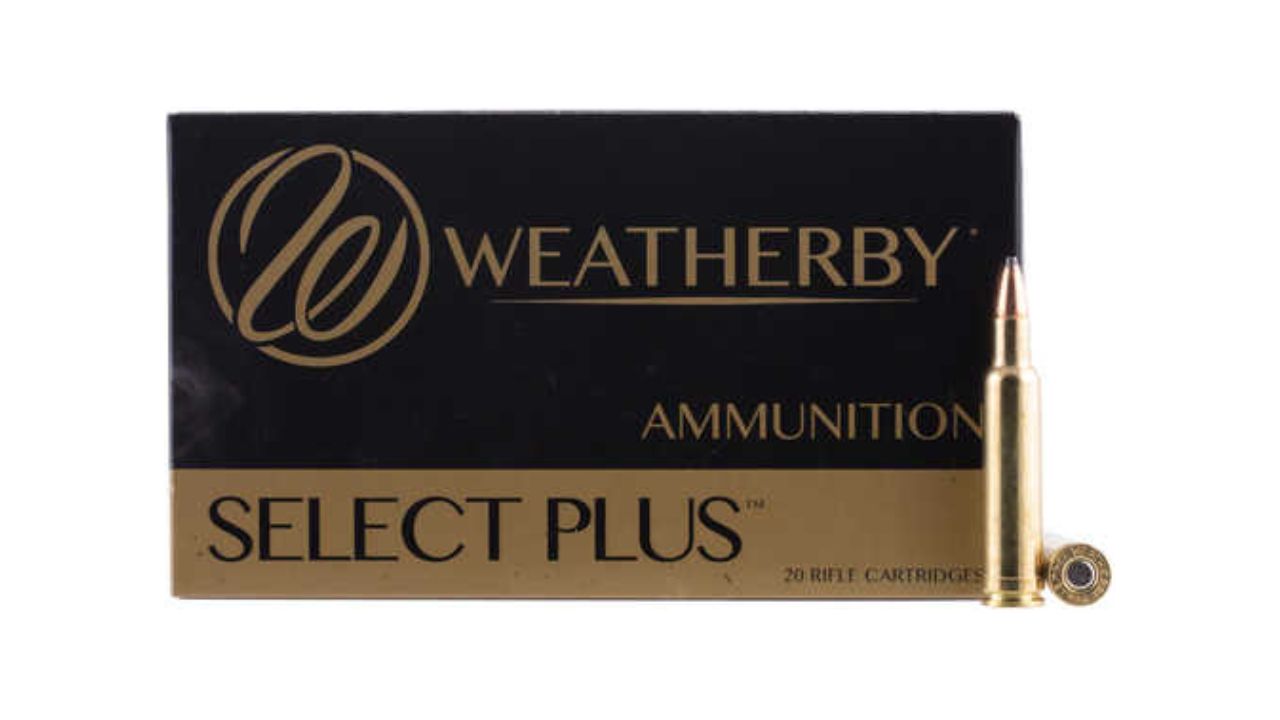
The .257 Weatherby Magnum can be spectacular on deer and antelope. It is fast, flat, and dramatic when paired with the right bullet. For open-country medium game, it has a real following for good reason.
Still, it is not a cartridge most hunters need. It burns a lot of powder to do a job that .25-06, .270 Winchester, 6.5 Creedmoor, or 7mm-08 can often handle with less cost and less blast. It is exciting, but excitement is not always practical.
.338 Winchester Magnum

The .338 Winchester Magnum is a great cartridge for elk, moose, bear, and tough animals in rough country. It throws heavy bullets with authority and gives hunters more margin than lighter rounds. In the right hands, it is a serious tool.
The problem is that many hunters buy it for confidence and then do not shoot it well. Recoil is stout enough to matter, especially from the bench. For most deer hunting and plenty of elk hunting, it is more gun than needed. If the rifle makes you flinch, the extra power is wasted.
.338 Remington Ultra Magnum

The .338 Remington Ultra Magnum takes the .338 idea and turns the dial higher. It offers serious velocity with heavy bullets and belongs in conversations about big animals, long shots, and maximum authority.
That also makes it too much for most hunters. Ammo is expensive, recoil is heavy, rifles are often not fun to practice with, and the cartridge’s benefits show up in specialized situations. Most people hunting deer, hogs, black bear, or ordinary elk do not need this much rifle.
.340 Weatherby Magnum

The .340 Weatherby Magnum is a powerful big-game round with real capability on elk, moose, and bear. It has speed, bullet weight, and the Weatherby reputation behind it. For a hunter who can manage it, the cartridge is no joke.
But that is the catch. Managing it takes real practice. It is more expensive, louder, and harder kicking than what most hunters need. A lot of people would shoot a .300 Win. Mag., .30-06, or 7mm Rem. Mag. better, and better shooting beats extra power almost every time.
.338-378 Weatherby Magnum

The .338-378 Weatherby Magnum is built for hunters who want extreme horsepower with heavy bullets. It can carry energy a long way and has enough authority for serious big-game use. There is no question that it is powerful.
There is also no question that it is too much gun for most hunters. Recoil is heavy, muzzle blast is intense, and the rifle setup tends to be large and expensive. Unless someone is chasing very specific long-range or large-animal performance, this round is more bragging rights than need.
.375 H&H Magnum

The .375 H&H Magnum is one of the great big-game cartridges of all time. It has history, authority, and real use on large and dangerous game. It is not overrated for the jobs it was built to do.
It is just unnecessary for most American hunters. Deer, hogs, black bear, and elk do not require a .375 H&H. The rifles are heavier, ammo is expensive, and recoil is more than casual hunters want to practice with. It belongs in serious big-game country, not the average whitetail stand.
.375 Ruger
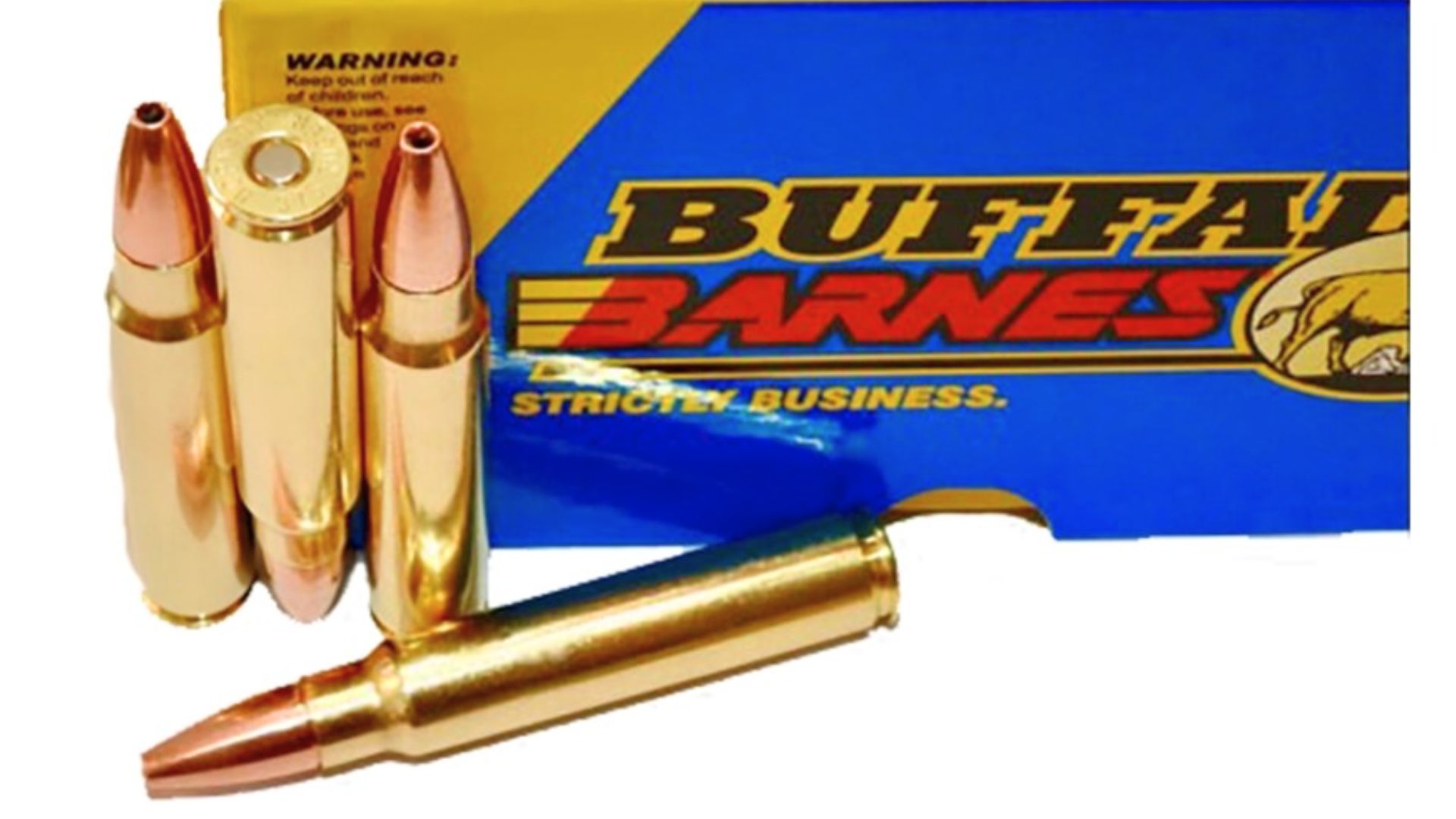
The .375 Ruger gives hunters .375-class power in a more modern case design. It can fit into standard-length actions and gives strong performance for big animals. For Alaska, Africa, and tough close-range work, it has a legitimate purpose.
For most hunters, that purpose never arrives. A .375 Ruger is not needed for ordinary deer or elk seasons, and it is more expensive and harder kicking than necessary. It is a good round when the animal justifies it. Most hunters are not facing animals that do.
.416 Remington Magnum
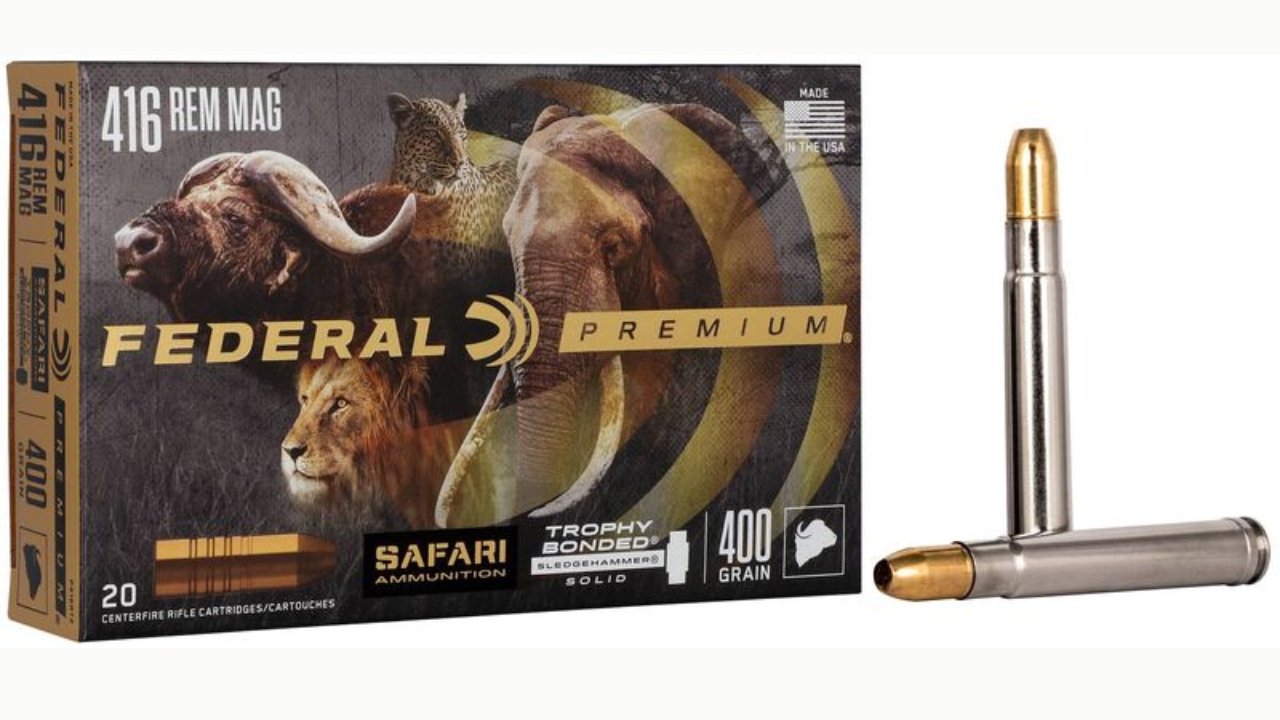
The .416 Remington Magnum is a dangerous-game cartridge. It is meant for large, tough animals where deep penetration and heavy bullets matter. In that world, it makes sense.
In ordinary hunting, it is absurdly more gun than needed. The recoil is serious, rifles are heavy, ammo is expensive, and most hunters will never face a situation where a .416 is the correct answer. It is not bad. It is just built for a different continent and a different problem.
.458 Winchester Magnum
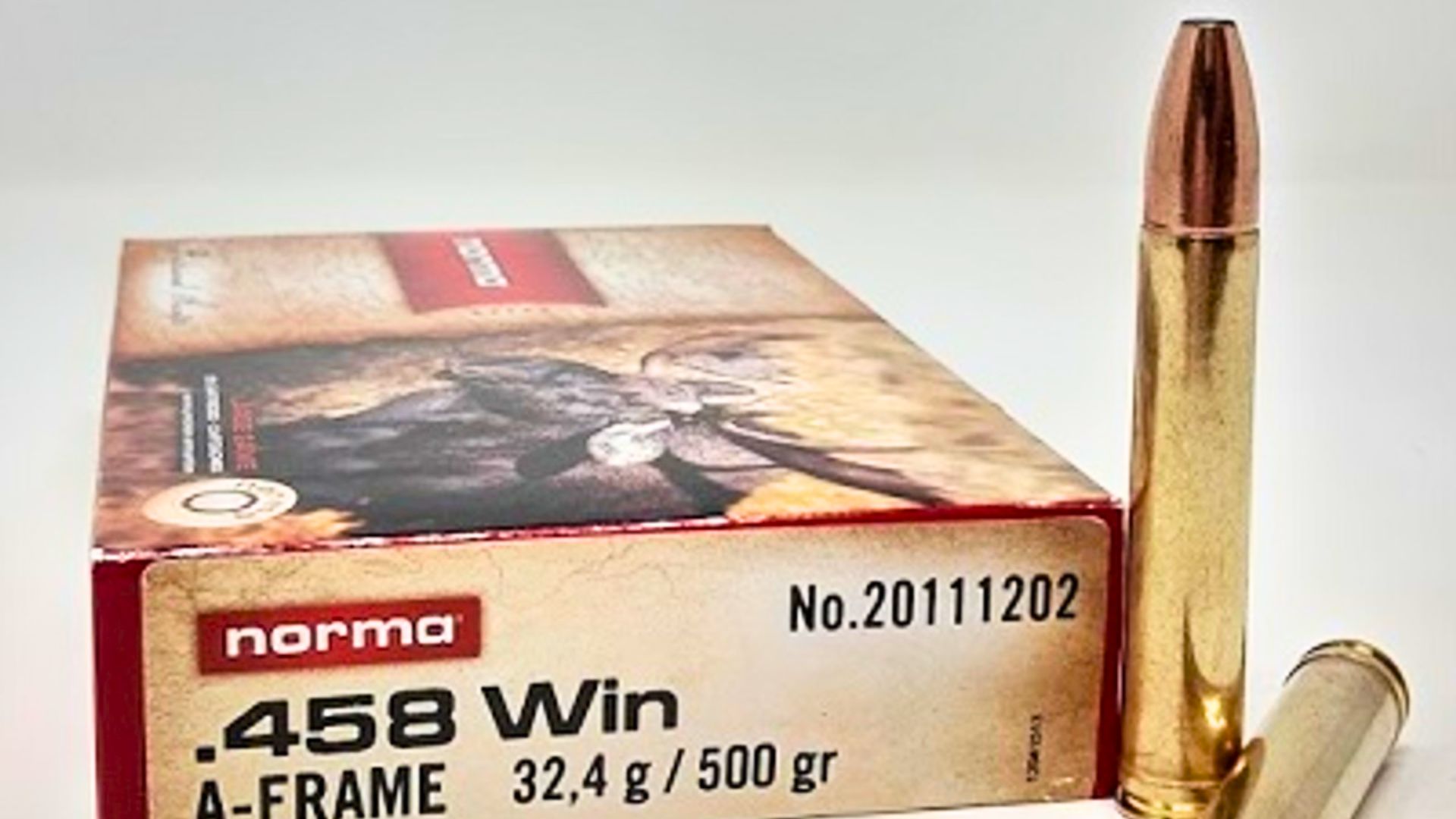
The .458 Winchester Magnum has real history as a dangerous-game round. It throws heavy bullets meant for close-range authority on large animals. It was never designed to be a casual deer rifle.
That is why it is too much for almost everyone. Recoil is heavy, trajectory is not friendly, ammo cost is high, and the average hunter has no practical need for it. A .458 may sound impressive, but most hunters would be far better served by something they can actually shoot often and well.
Like The Avid Outdoorsman’s content? Subscribe to our newsletter so you never miss an article.
Here’s more from us: