Photo credit: Thornfield Hall – CC BY-SA 4.0/Wiki Commons
Some pistols do not become expensive overnight because everyone knew they were special. They get ignored, discontinued, traded cheap, stacked in surplus cases, or dismissed as outdated. Then the supply dries up, shooters realize they were better than expected, and the same pistols that sat unloved suddenly start bringing real money.
That is what makes these guns frustrating. A lot of them were once affordable, common enough, or at least easy to find if you knew where to look. Now they have collector interest, nostalgia, import scarcity, or discontinued-model demand working in their favor. The people who bought them when nobody cared look a lot smarter now.
HK P7
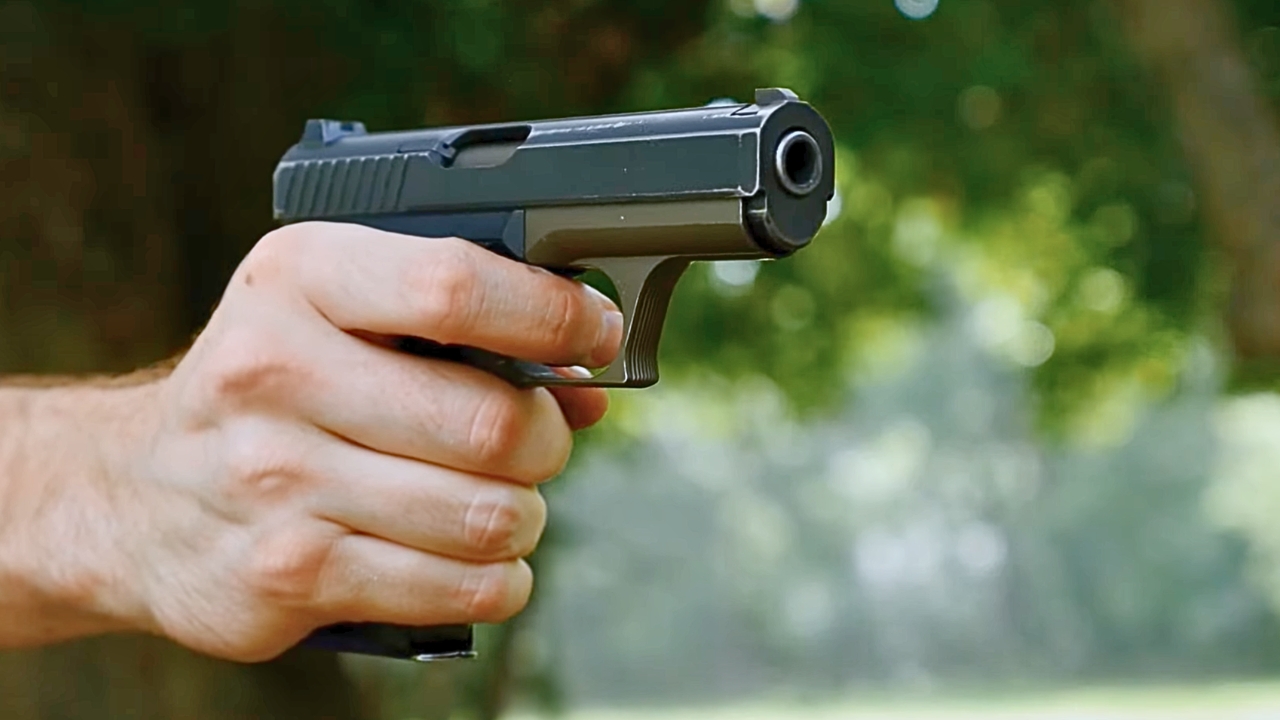
The HK P7 used to be the strange squeeze-cocker pistol that not everyone wanted to deal with. It was expensive, different, and easy to overlook when more conventional service pistols were everywhere. For years, it was more of an oddball than a mainstream must-have.
That changed once people realized HK was not making anything else quite like it. The fixed barrel, low bore axis, slim profile, and unusual cocking system made it feel more special after it disappeared. Now clean P7s, especially desirable variants, are treated like serious collector pistols instead of weird used-gun counter curiosities.
SIG Sauer P239
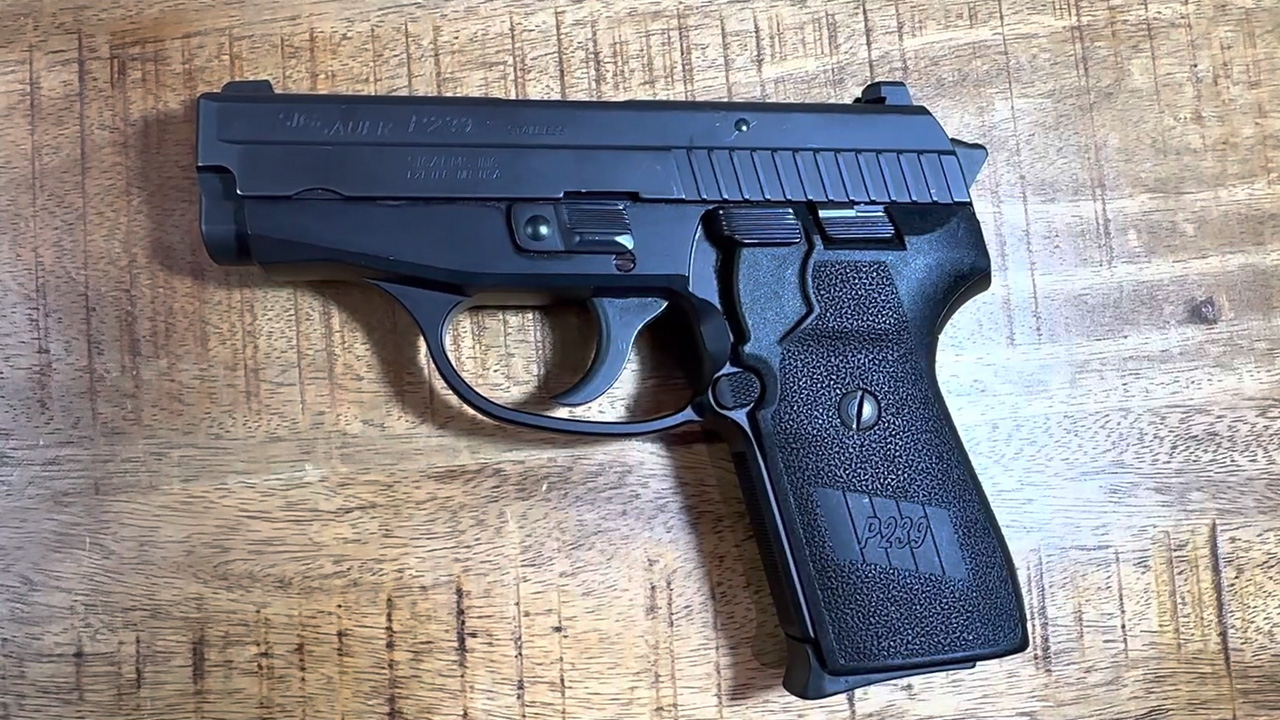
The SIG P239 was easy to ignore when single-stack carry guns still looked boring next to higher-capacity compacts. It was heavier than polymer carry pistols, lower capacity than modern micro-compacts, and never had the flash of classic SIG duty pistols.
Now its value makes more sense. It was a well-built, slim, metal-framed SIG from a different era, and SIG discontinued it in 2015, which helped turn ordinary used examples into something buyers actually chase. Current GunBroker listings still lean on that discontinued status in their descriptions, which tells you why interest has changed.
SIG Sauer P232

The SIG P232 was once just a classy .380 that many shooters skipped because it was expensive for the caliber. It looked refined, but the market was moving toward smaller, lighter, higher-capacity carry pistols. That made the P232 seem old-fashioned before it became desirable.
Now the German-made feel, stainless variants, and discontinued status have given it a stronger collector pull. Active listings show ordinary examples and higher-priced clean examples sitting in a range that would have surprised people who once saw them as outdated .380s.
Walther P99 AS

The Walther P99 AS was always more interesting than most people admitted. It had great ergonomics, a unique striker-fired DA/SA-style trigger system, and a Bond-movie connection, but it got overshadowed by Glock, M&P, XD, and later Walther’s own PPQ and PDP lines.
Once it disappeared, people started appreciating how different it really was. The Anti-Stress trigger system gave it a personality modern striker-fired pistols rarely have. Shooters who ignored it when it was available now have to hunt harder for clean examples, especially in desirable configurations.
CZ 2075 RAMI
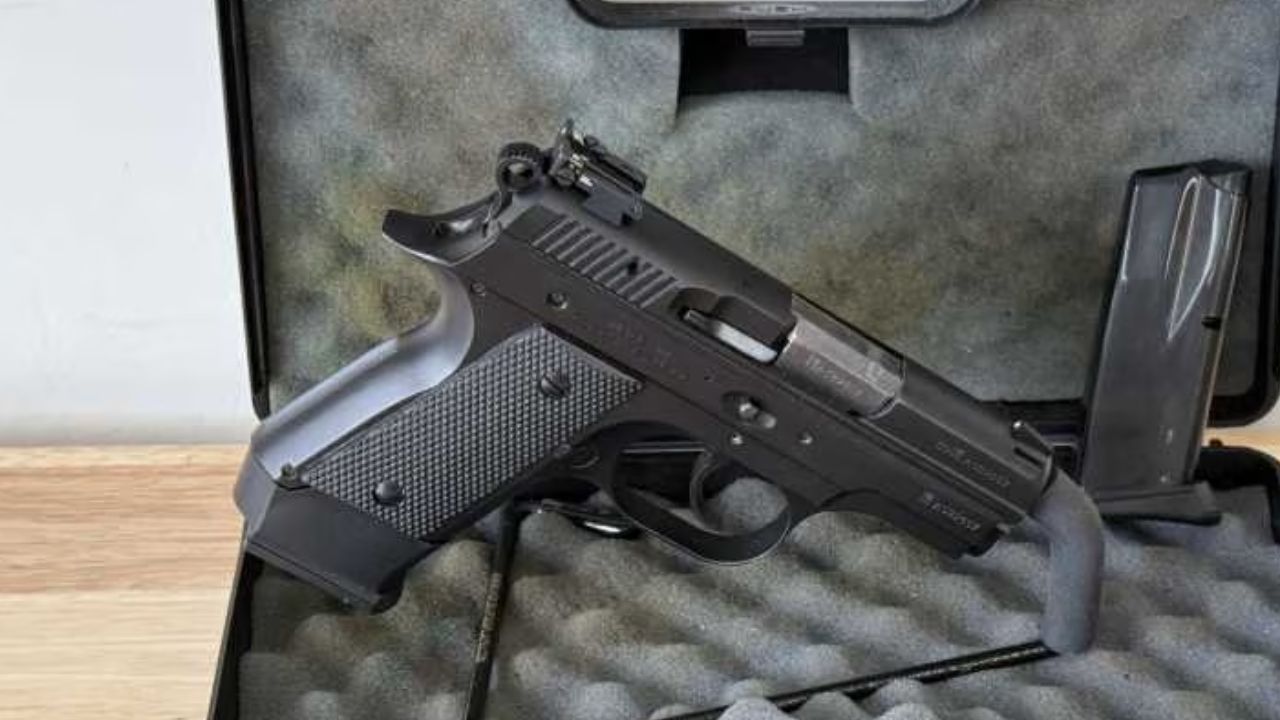
The CZ RAMI never got the attention it probably deserved when it was sitting in gun shops. It was a compact, metal-framed CZ carry pistol in a world that kept getting lighter, thinner, and more polymer-heavy. A lot of people looked at it, liked it, and still bought something else.
After it was discontinued, the RAMI started making more sense to collectors and CZ fans. It has the grip feel people like from CZ pistols in a small package that is no longer easy to replace. The market has a way of punishing people for ignoring compact metal guns until they are gone.
Beretta 84 Cheetah

The Beretta 84 Cheetah used to be a nice little .380 that many American shooters considered too big for its caliber. It was beautiful, well made, and enjoyable, but it competed against cheaper carry guns and later against smaller pocket pistols.
Now people view it differently. The double-stack .380 design, classic Beretta styling, and renewed interest in the Cheetah family made the old 84 more desirable. It is still not the most practical carry gun by modern standards, but as a cool, shootable, collectible pistol, its stock rose hard.
Beretta 81 Cheetah
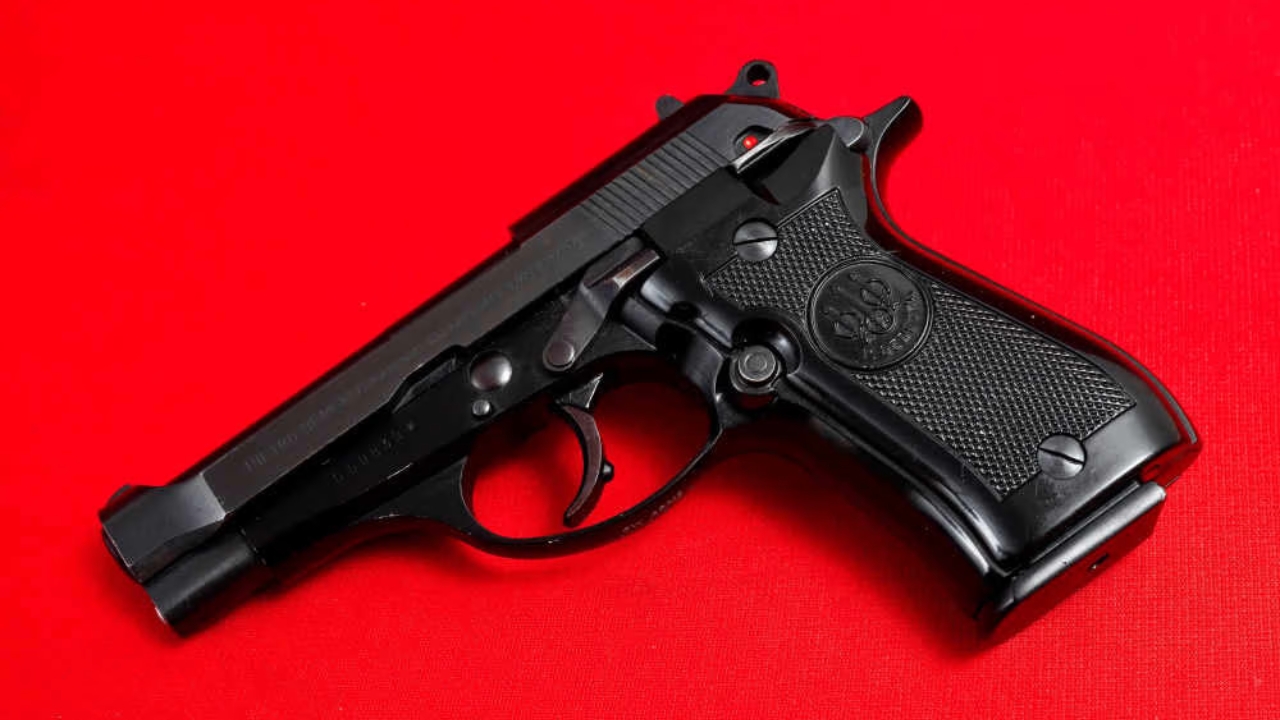
The Beretta 81 Cheetah is a great example of a pistol people ignored until surplus dried up. Chambered in .32 ACP, it did not sound serious to buyers obsessed with 9mm, .40, and .45. When surplus examples were available, many people dismissed them as neat but unnecessary.
Then shooters actually spent time with them. The 81 is soft-shooting, stylish, accurate, and built like a real pistol instead of a tiny pocket gun. Once the cheap surplus wave faded, people started realizing they should have bought one when they were everywhere.
Browning Hi-Power
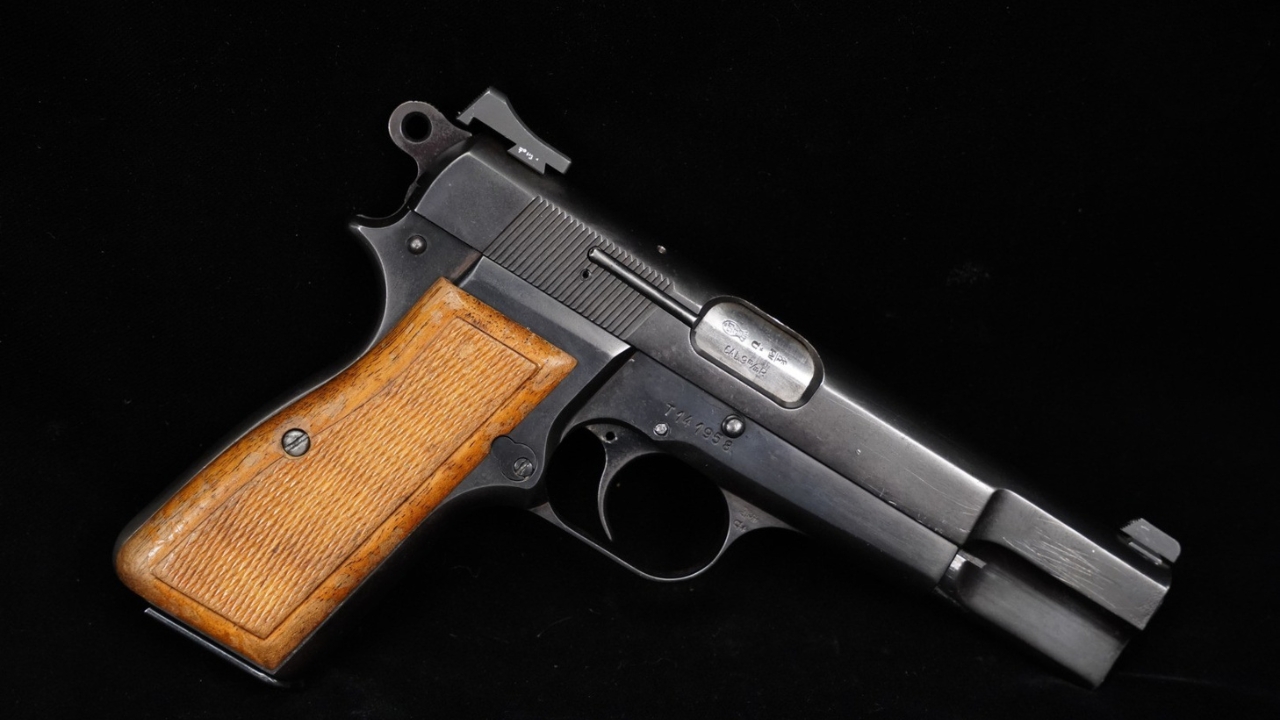
The Browning Hi-Power was never truly ignored, but it was underappreciated for a long time. Plenty of shooters respected it, yet many still passed because the 1911 had more American romance and modern polymer pistols offered more features for less money.
Now older Hi-Powers have become harder to casually buy. The original Belgian and Portuguese guns carry a different kind of appeal than the newer clones and revivals. Everyone suddenly remembers how slim, elegant, and historically important the Hi-Power was, but the easy-buy days are mostly gone.
Smith & Wesson 3913
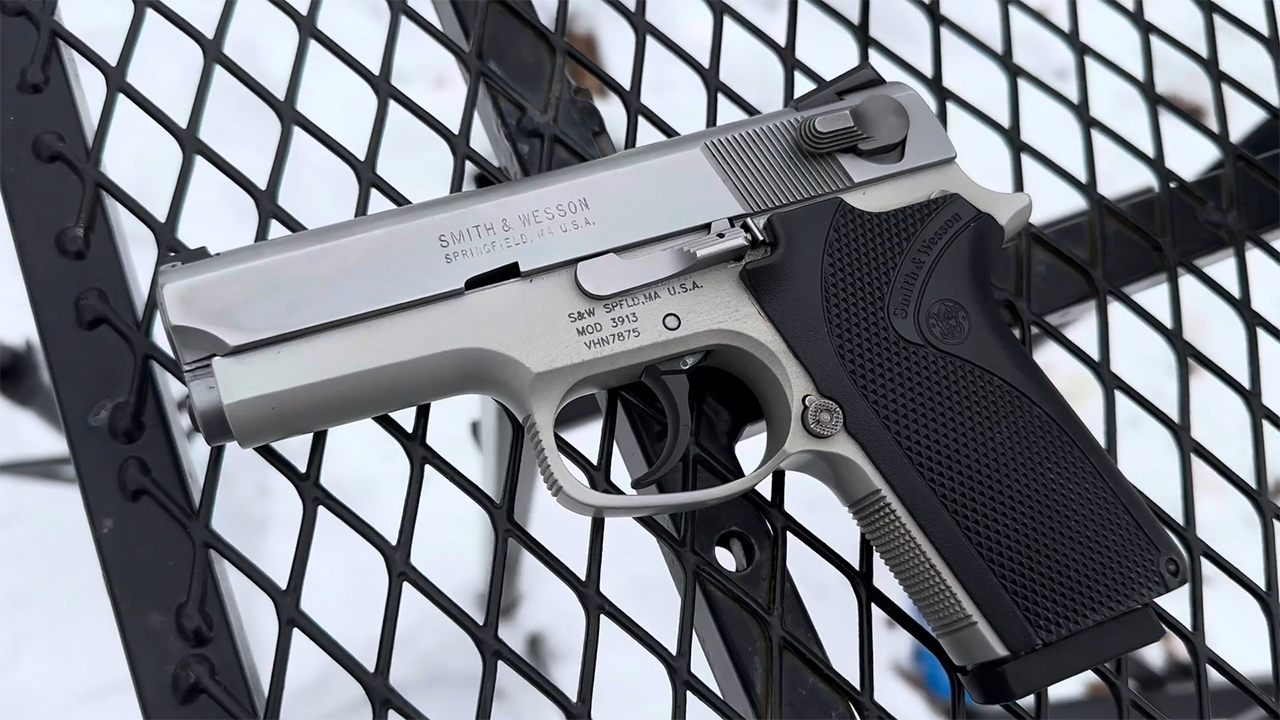
The Smith & Wesson 3913 was once just a plain single-stack 9mm from the third-generation Smith era. It was carried, shot, traded, and forgotten by people chasing newer polymer carry guns. For a while, it looked like old police-era metal more than something collectible.
Now the 3913 has a much stronger following. It is slim, reliable, well made, and still carries better than many people expect. Shooters who once ignored third-generation Smith autos have started treating clean examples like the useful classics they always were.
Smith & Wesson 5906
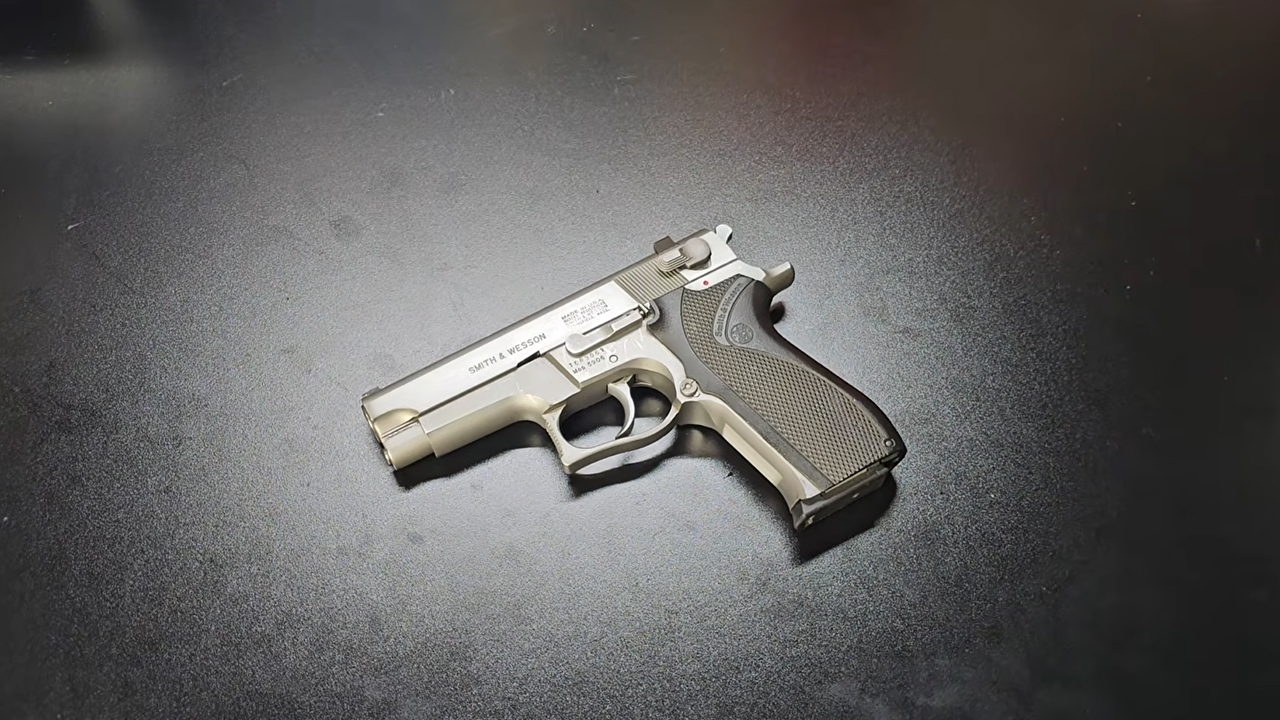
The Smith & Wesson 5906 used to be heavy, common, and not especially fashionable. Police trade-ins were around, and many shooters skipped them because they wanted lighter guns with rails, striker triggers, and modern capacity-to-weight ratios.
Now that weight and stainless build are part of the appeal. The 5906 feels like a tank compared with many modern pistols, and clean examples are not sitting cheap in every case anymore. People finally noticed that boring old duty pistols can become desirable once the supply thins out.
SIG Sauer P225/P6
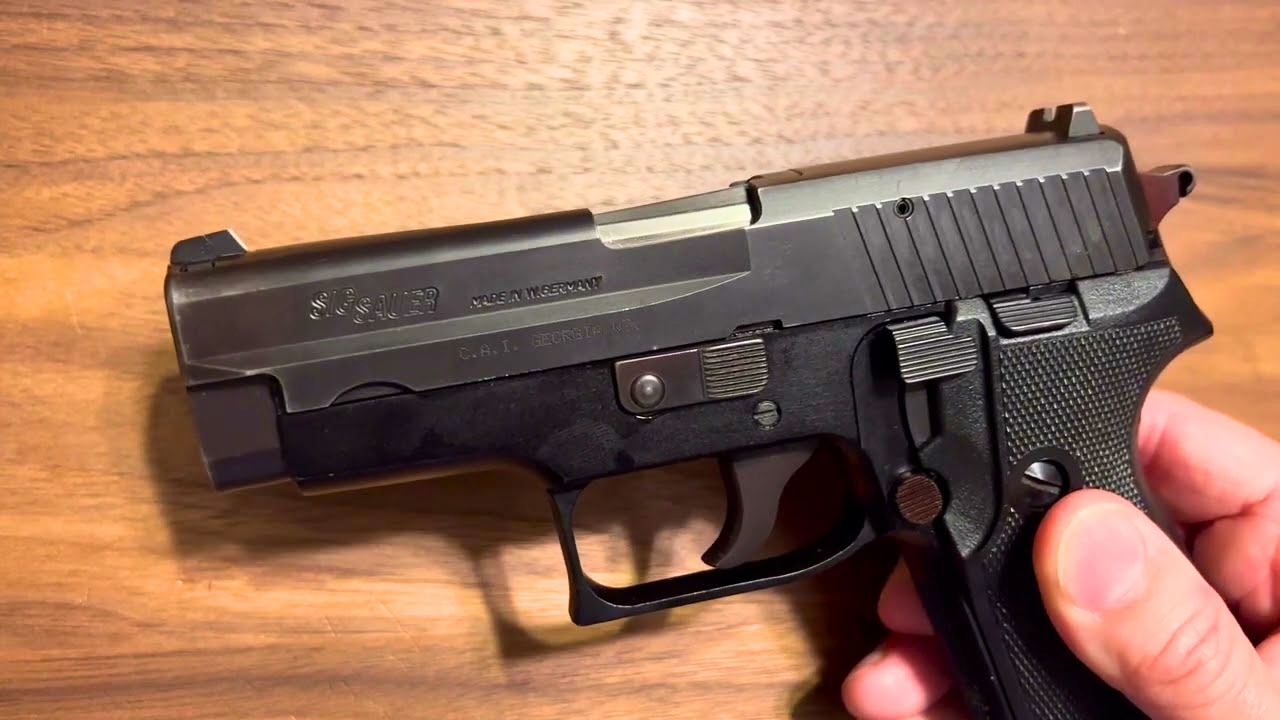
The SIG P225 and German police P6 imports were once affordable ways to get into old-school SIG quality. They were single-stack, lower-capacity, and not as glamorous as the P226 or P229, so many people treated them like budget surplus rather than future collectibles.
That was a mistake. The P225/P6 has a slim grip, excellent balance, and classic SIG feel. As the surplus stream slowed and clean pistols became harder to find, the value started catching up with the quality people should have noticed earlier.
Star BM
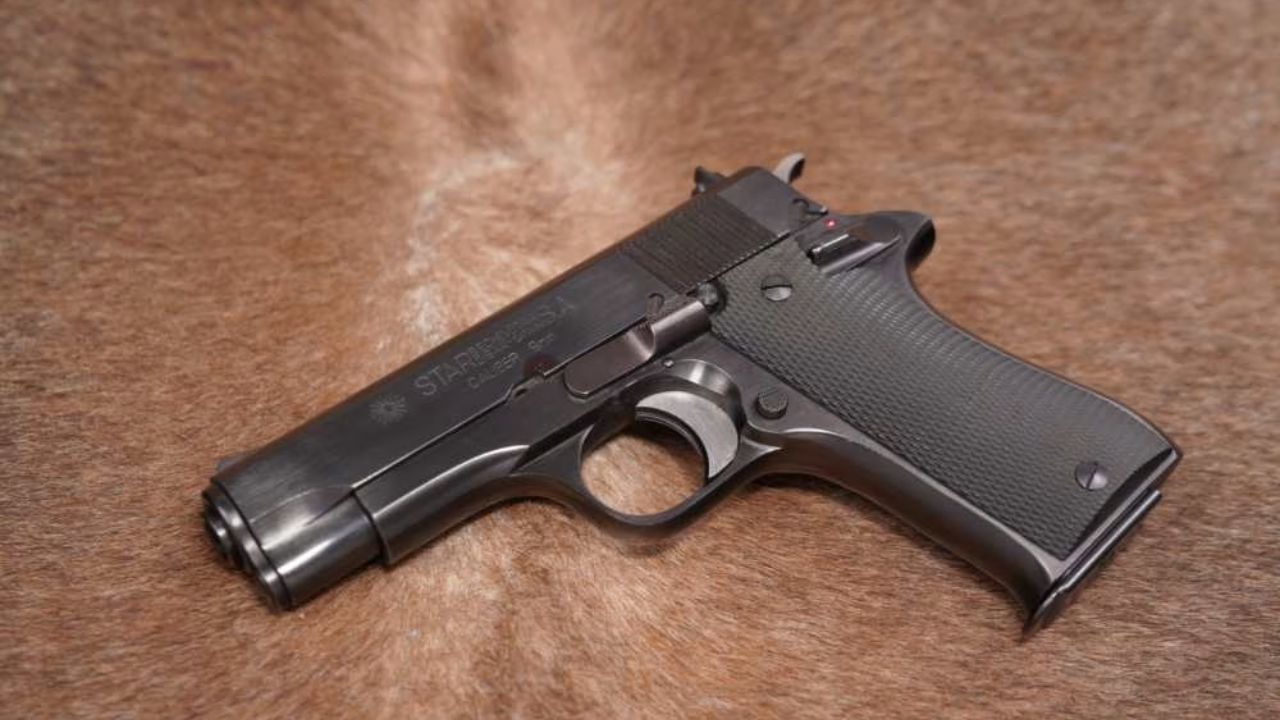
The Star BM spent years as a cheap surplus 9mm that looked like a small 1911 but did not get 1911-level respect. When they were inexpensive, a lot of buyers saw them as curiosities rather than pistols worth grabbing.
Then the supply dried up and people realized they were fun, handy, all-steel 9mm pistols with real character. Parts support is not like a modern Glock, so they are not perfect hard-use guns. But as affordable old imports became less affordable, the Star BM became one of those pistols people wish they had bought by the pair.
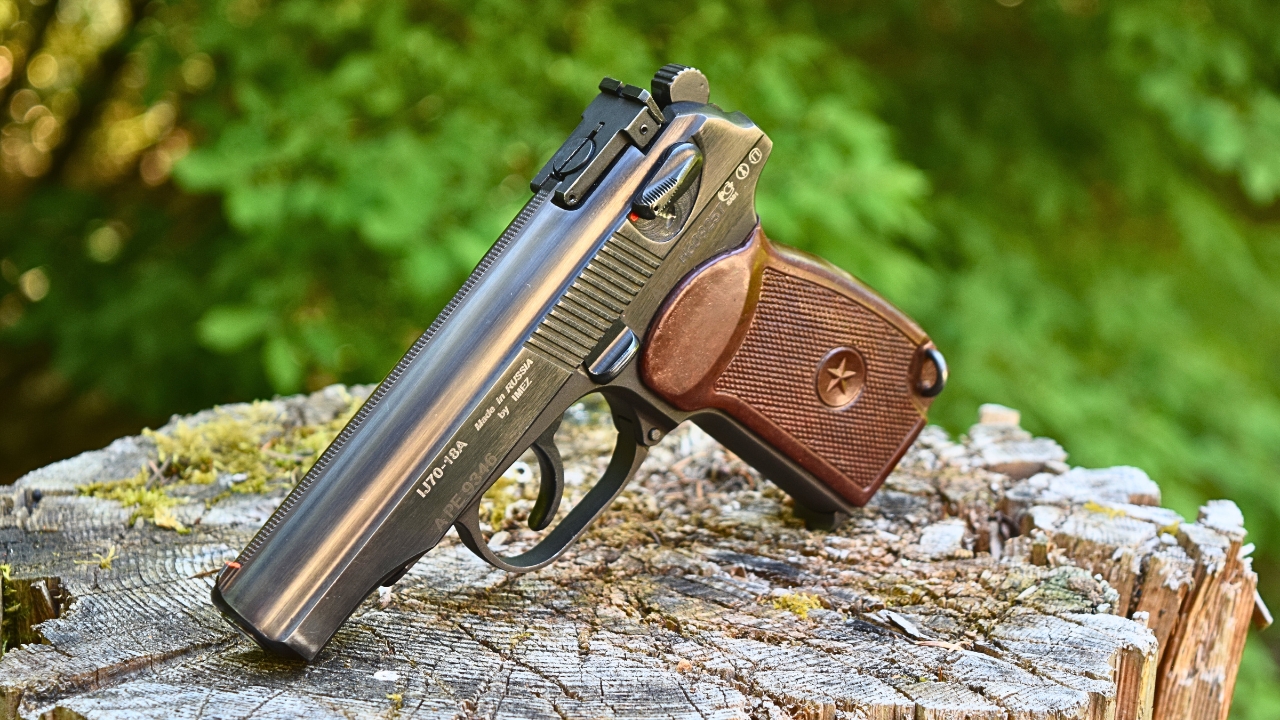
Makarov PM

The Makarov PM used to be the cheap Cold War surplus pistol people bought because it was inexpensive and simple. It was not flashy, and the 9x18mm chambering kept many shooters from taking it seriously as anything more than a bargain-bin carry option.
Now true Makarovs have more collector pull than they used to. East German, Bulgarian, Russian, and other variants all draw interest from surplus fans. The pistol itself is rugged, simple, and better made than many people expected when they were cheap.
Polish P-64

The Polish P-64 was once ignored because it was small, snappy, and had a notoriously heavy double-action trigger. It was the kind of surplus pistol people bought because it was cheap, not because it was pleasant.
That old cheapness is exactly why people miss it now. The P-64 has Cold War appeal, compact size, and a distinctive look that surplus collectors appreciate more as imports dry up. It is not a great range pistol, but it became more collectible than many people predicted.
Beretta 92S

The Beretta 92S was once treated as the older, less convenient Beretta 92 variant. The heel magazine release made American buyers less excited, and police or military surplus examples were often seen as cheaper substitutes for the 92FS.
Now the 92S has its own appeal. It has classic Beretta lines, Italian service-pistol history, and enough mechanical quality to make it worth owning. People who skipped them when they were affordable surplus now realize that even “less desirable” classic Berettas do not stay cheap forever.
Ruger P89
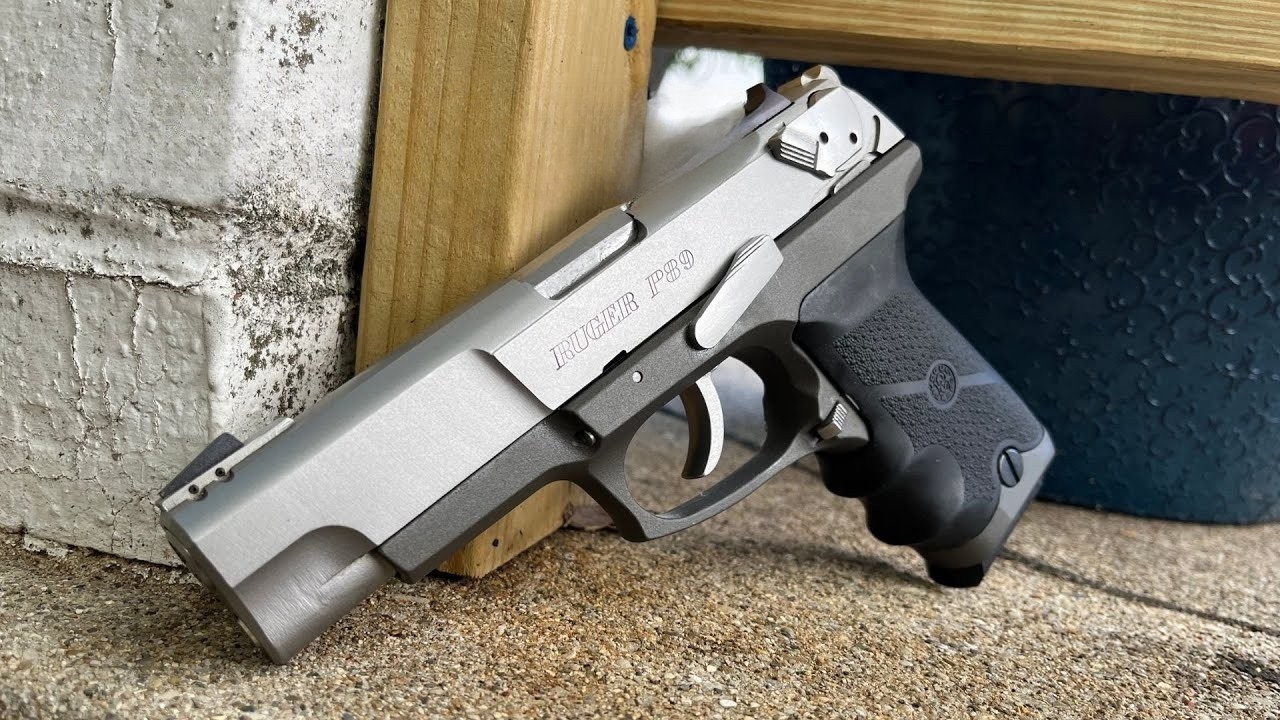
The Ruger P89 was ignored because it was chunky, plain, and not especially refined. It worked, but it never had the prestige of SIG, Beretta, HK, or Smith & Wesson metal-frame pistols. A lot of shooters saw it as a budget brick.
That reputation has softened. The P89 is now remembered as a tough, reliable 9mm from an era when Ruger built pistols like they expected them to be abused. It has not turned into a high-end collector gun, but clean examples gained more respect and value than people expected.
Colt Mustang Pocketlite

The Colt Mustang Pocketlite was once easy to overlook as a small .380 with limited capacity. It had the Colt name, but many shooters still saw it as a niche pocket pistol before the modern micro-carry market exploded.
Now older Mustangs have more appeal because they connect Colt history with the small single-action carry-gun trend. The modern carry world made people look back at pistols like the Mustang with more interest. Clean examples are no longer the casual used-case find they once were.
CZ 97B
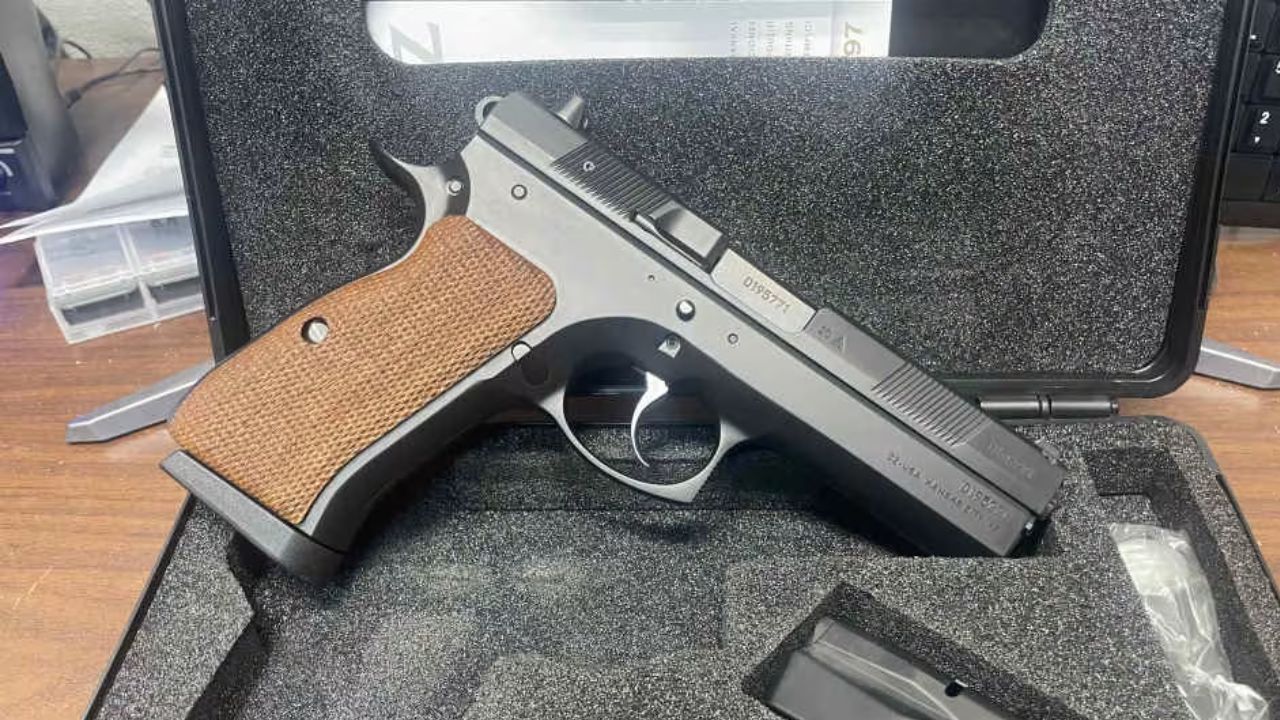
The CZ 97B was ignored by a lot of shooters because it was big, heavy, and chambered in .45 ACP at a time when polymer 9mms were taking over. It was respected by CZ fans, but it never became a mainstream gun-counter favorite.
After discontinuation, the 97B’s appeal changed. It became the big .45 CZ that people suddenly realized had no direct replacement. The size that once hurt it now gives it personality, and CZ collectors know clean examples are not getting easier to find.
Bren Ten
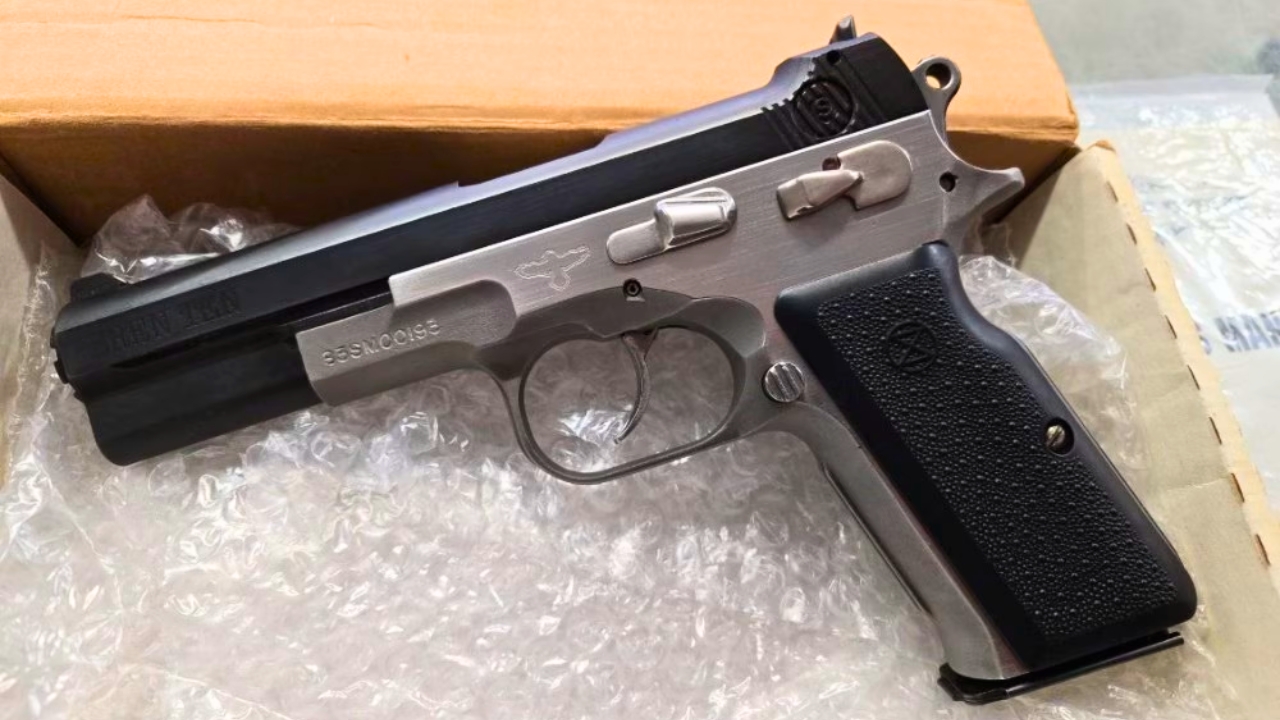
The Bren Ten is almost the perfect example of a pistol that became more valuable because the story outgrew the gun. It had 10mm history, Miami Vice fame, and scarcity working for it. When it was new, production problems and magazine issues kept it from becoming the serious service pistol people hoped it would be.
Now those flaws almost add to the legend. The Bren Ten is not valuable because it was the most practical 10mm ever made. It is valuable because it represents a specific moment in handgun history. Its rarity and pop-culture connection make it far more desirable now than many early buyers could have guessed.
Colt Woodsman
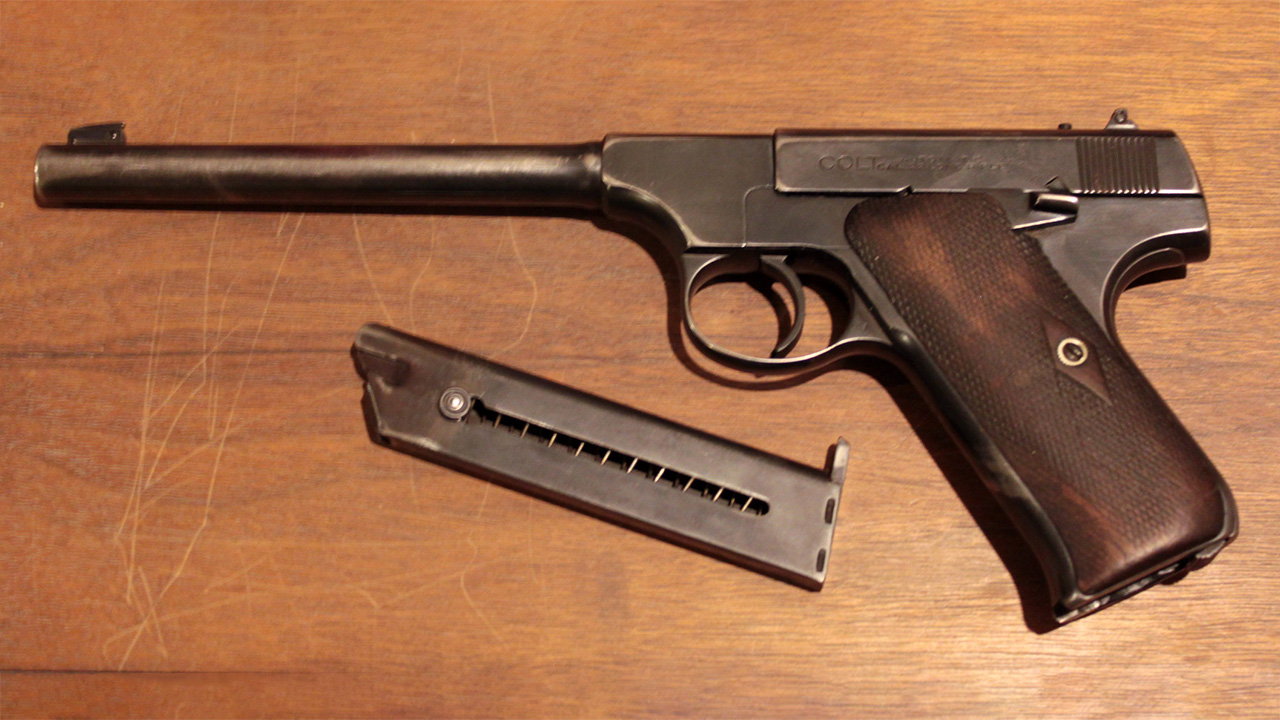
The Colt Woodsman was never junk, but many people still treated it like an old .22 pistol instead of a future collectible. It was overshadowed by newer rimfires, cheaper plinkers, and utility guns that people were less afraid to scratch.
Now clean Woodsman pistols get much more attention. Colt quality, classic styling, and strong collector demand all work in its favor. Even related models like the Colt Huntsman, once viewed as the more budget-friendly sibling, now get attention from collectors who understand that old Colt rimfires are not getting more common.
Like The Avid Outdoorsman’s content? Subscribe to our newsletter so you never miss an article.
Here’s more from us: