Photo credit: The Avid Outdoorsman
A lot of families have a “gun story,” and most of them are simple. An old deer rifle gets handed down, somebody takes it to the range once a year, and it stays in the safe the rest of the time. This one wasn’t simple.
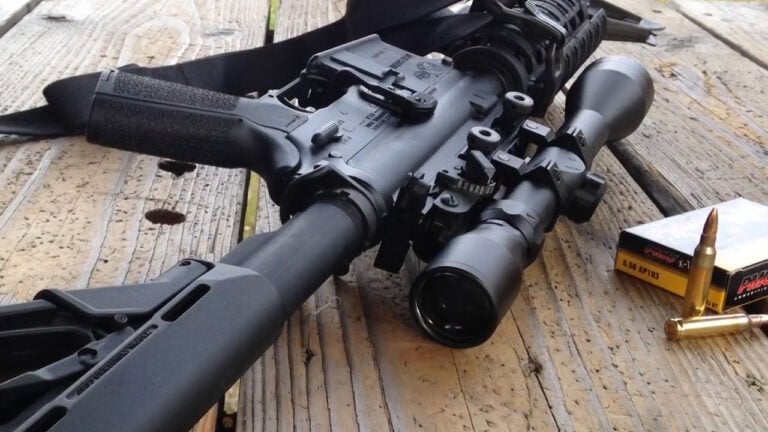
In this case, a man says his father-in-law handed him a hunting rifle not long before he passed, a quiet kind of gift that carries more weight than the bluing and walnut. The rifle wasn’t flashy—more like a practical bolt gun with a basic scope that had probably watched a few opening mornings over a frosty field. The man took it as a personal handoff, something meant to stay close to the family and get used, not traded.
The handoff felt personal, but the paperwork didn’t follow
The man’s story is one most outdoorsmen recognize. A father-in-law realizes he isn’t going to be climbing into a stand anymore, and he wants his rifle to go to the person who will keep it running and maybe carry it on a hunt with the grandkids someday. So he hands it over in the house, maybe with a soft case and a box of old ammo, and that’s that.
The problem is that informal family transfers can be clean and honest while still being a mess on paper. In plenty of households, nobody writes down a serial number, nobody drafts a bill of sale, and nobody thinks to note it in an estate plan. It’s not shady—just normal. Until it isn’t.
A relative showed up with a different version of the rifle’s history
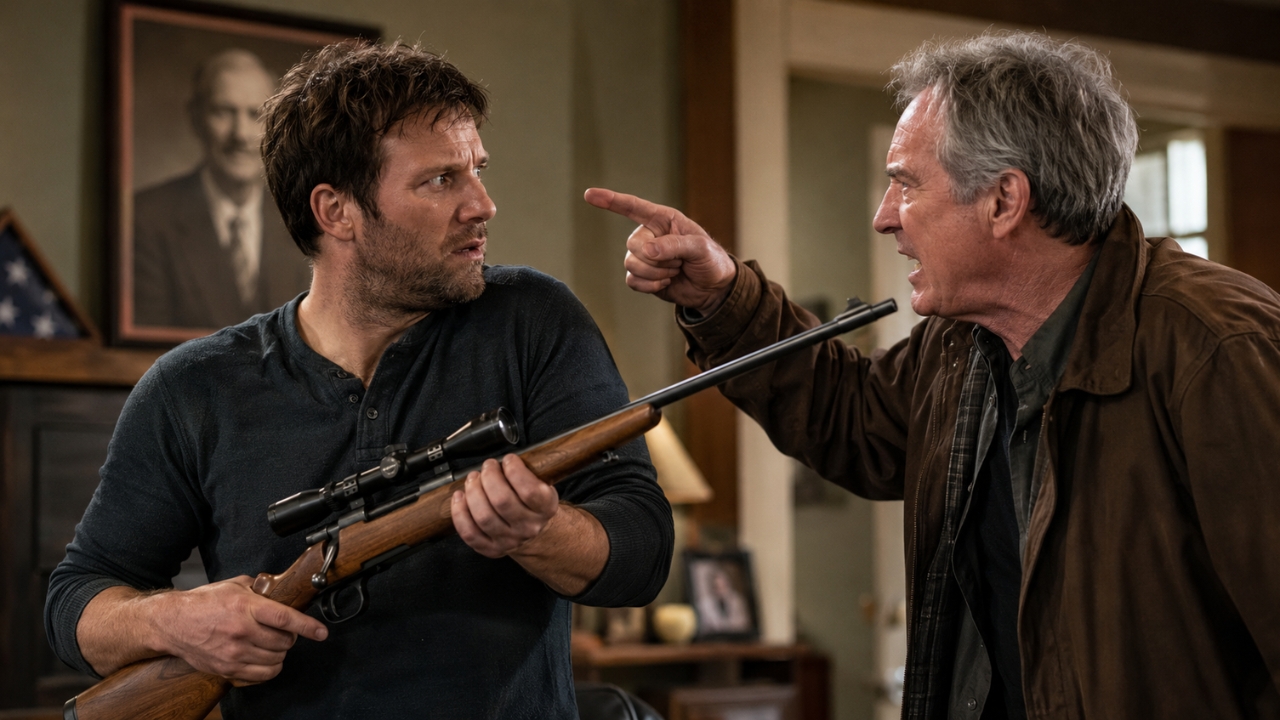
Not long after the funeral and all the other heavy stuff families deal with, a relative came around asking about the rifle. The tone wasn’t curiosity. It was an accusation.
The relative claimed the rifle had been stolen at some point, and that it never should’ve been in the father-in-law’s possession to give away. That flips the whole situation from “family heirloom” to “potential evidence.” Even if the man receiving it did everything in good faith, a stolen-gun claim can pull everyone into a headache fast.
And it’s not hard to imagine how this happens. Maybe the rifle was loaned out years ago and never returned cleanly. Maybe a family member remembers a different gun being in the cabinet. Maybe there was a break-in decades back and somebody’s memories are mixing models, calibers, and years. Or maybe the relative is using a serious accusation as leverage in an estate dispute.
The moment the word “stolen” came out, the smart play changed
In the gun world, the right answer isn’t always the one that feels best. When somebody claims a firearm is stolen, the new priority is keeping the situation safe and keeping yourself out of a criminal misunderstanding.
That means no driveway arguments with a rifle involved, no “come and take it” talk, and no letting a family dispute turn into a bad decision. The man’s best move was to lock the rifle up, stop the back-and-forth, and get the facts straight before anyone did something they couldn’t undo.
Practically, that usually starts with documentation. Anything that shows the father-in-law possessed it openly—old hunting photos, prior insurance lists, a gunsmith receipt, a hunting camp logbook, even a written note from the father-in-law if one exists—can help establish a timeline. It won’t settle everything, but it’s better than relying on memories when tensions are high.
Verifying the rifle’s status is easier than people think—and still touchy
If a gun is actually stolen, it’s not something you want sitting in your safe while everyone argues about feelings. The tricky part is that a regular gun owner typically can’t just type a serial number into a public database and get an answer. That’s where things can turn awkward, because the only real way to verify a stolen status is through law enforcement channels.
Some folks try to “handle it privately” by passing the rifle around, asking buddies, or calling a gun shop. That usually just adds more fingerprints and more confusion. The better route is a calm, formal check—often by asking an attorney how to approach it, or by arranging a way for the serial number to be checked without handing the firearm to a random person who’s already making accusations.
And yes, it matters how it’s handled. Marching into an office with a rifle you’ve been told is stolen can create a scene you don’t need. But doing nothing can be worse if the other side makes a report and you’re suddenly trying to explain why you held onto it after the accusation was made.
Commenters zeroed in on three things: estate drama, chain of custody, and safety
Whenever a family gun transfer turns sour, the same points come up from experienced hunters and gun owners. First is the estate angle. A lot of “that was stolen” claims are really “that should’ve been mine,” especially when there’s a will, a half-written will, or no will at all.
Second is chain of custody. People want to know who had the rifle, when they had it, and whether there was ever a police report. If the relative can’t produce a report number, an insurance claim, or any record that the rifle was reported missing, that doesn’t automatically mean they’re lying—but it does change how much weight the accusation carries.
Third is safety. Not just safe handling, but safe storage and safe tempers. Several outdoorsmen will tell you the same thing: family disputes and firearms are a bad mix. If a relative is heated enough to throw around theft claims, you don’t leave guns leaning in a closet, you don’t meet them in a garage, and you don’t let the discussion happen around loaded weapons. That’s common sense, but it’s common sense people forget when grief and money are in the room.
The practical outcomes weren’t about “winning,” they were about limiting damage
In situations like this, the man holding the rifle has a few realistic paths, and none of them feel perfect. If the rifle truly was stolen years ago, the “right” outcome may be returning it through the proper process, even if he received it as a heartfelt gift. If it wasn’t stolen and the claim is a pressure tactic, then the man still needs to protect himself with documentation and a careful response.
Sometimes the cleanest solution is letting a neutral third party hold the rifle while the status is checked—especially if the family is on the verge of making this a courtroom problem. Other times it comes down to proving the rifle was legally possessed by the father-in-law and properly transferred, or at least showing there was no reason to believe it was stolen.
What’s hard for a lot of folks is accepting that a rifle can be both meaningful and problematic at the same time. A sentimental gun is still a serialized item that can carry legal baggage. The smartest move is treating it like both: secure it like a responsible gun owner, and address the claim like an adult who understands how fast a family mess can turn into a serious one.
At the end of the day, a good hunting rifle is meant for calm mornings, steady breathing, and careful shots—not family shouting matches. If you’re ever handed down a firearm, do yourself a favor and document the transfer while everyone’s still on good terms. It’s not disrespectful. It’s how you keep a gift from turning into a fight.