Photo credit: Jeb Clark/YouTube
Some firearms become popular for a few years and then disappear when something newer arrives. Others permanently change the way soldiers fight, hunters carry rifles, police select handguns, or ordinary shooters think about what a gun should be. These are the designs that forced competitors to adapt instead of simply waiting for the trend to pass.
Not every firearm on this list was the first of its kind, and not every one was perfect. The most influential guns often borrowed earlier ideas, improved them, and placed them into a package that people could actually trust and produce in large numbers. Their importance comes from what happened afterward. Once these firearms arrived, the rest of the gun world could not continue building things the same way.
Colt Model 1873 Single Action Army

The Colt Single Action Army became one of the defining handguns of the American West. It combined a strong solid-frame design, reliable metallic cartridges, and an action that could survive hard use on ranches, trails, and military duty. Earlier revolvers had already introduced repeating firepower, but the Colt 1873 packaged it in a form that became deeply tied to American expansion and frontier life.
Its influence reached far beyond the 19th century. The grip shape remains one of the most natural ever used on a revolver, and modern manufacturers still produce countless copies and variations. Cowboy-action competition, western movies, and collector demand have kept the design alive long after it stopped being a practical military sidearm. Few firearms have shaped the public image of the handgun as completely as the Single Action Army.
Winchester Model 1873
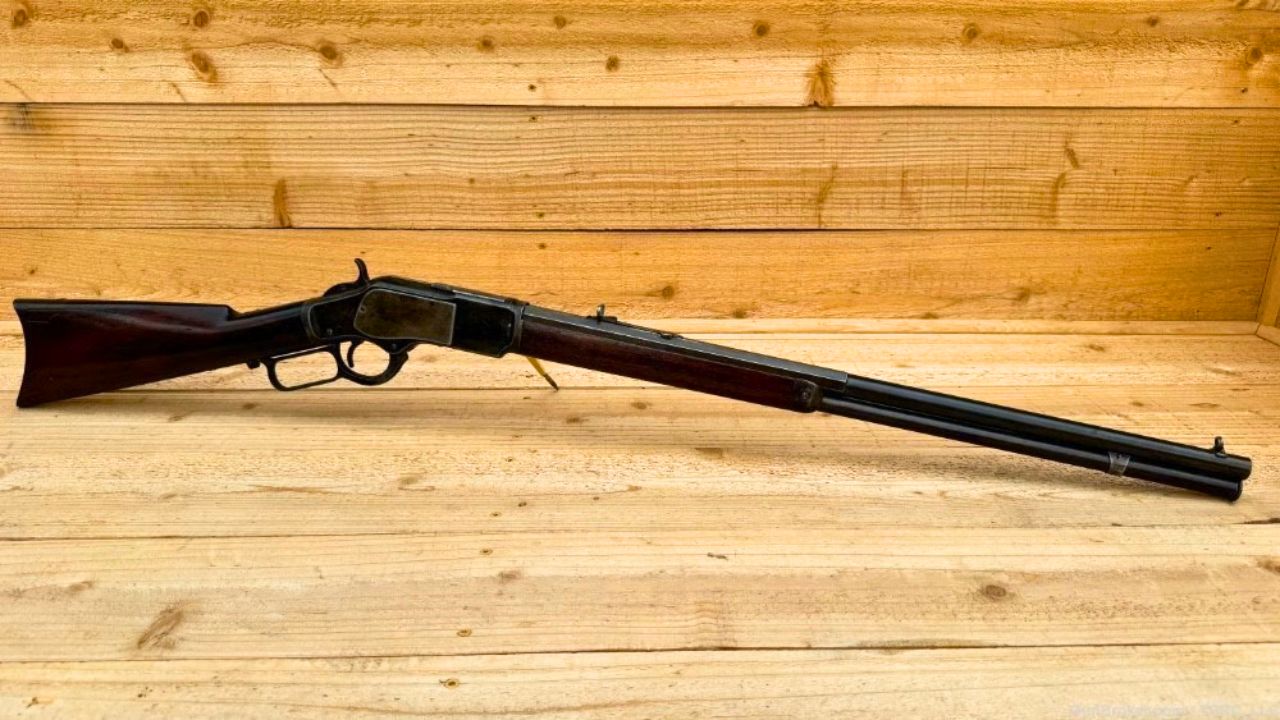
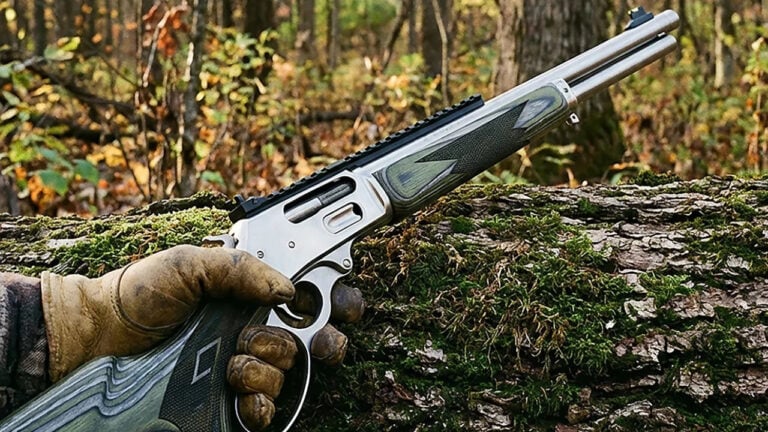
The Winchester Model 1873 helped make the repeating rifle a practical tool for settlers, lawmen, ranchers, and hunters. Its lever action allowed shooters to fire multiple rounds much faster than the single-shot rifles that had dominated earlier decades. Chambering it for cartridges that could also be used in revolvers simplified ammunition supply in remote areas.
The rifle did not invent the lever action, but it helped turn the concept into an American institution. Later Winchester and Marlin rifles improved strength and cartridge performance, yet the Model 1873 established the repeating lever gun as something ordinary people could rely on. Its basic shape still influences modern lever-action rifles, and reproductions remain popular for competition and recreation. It changed expectations by proving a civilian rifle could be fast, portable, and durable without sacrificing simplicity.
Mauser Model 98
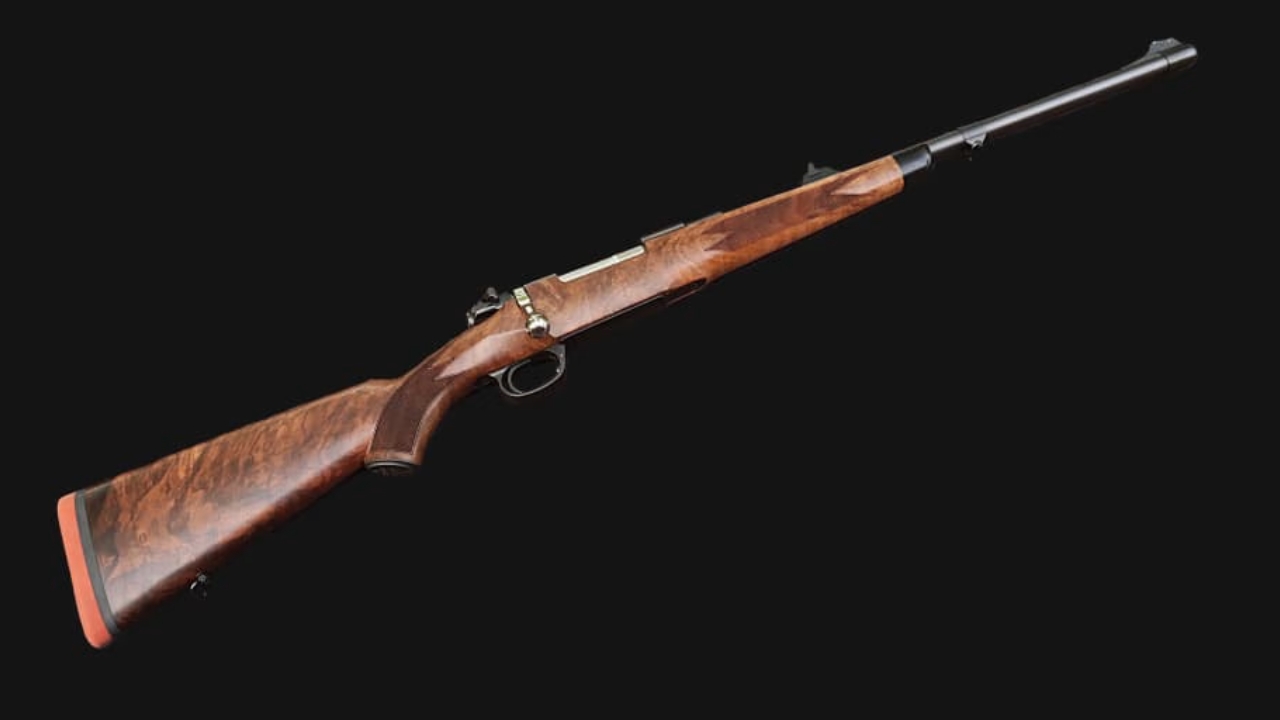
The Mauser Model 98 became the standard against which controlled-feed bolt actions have been judged for more than a century. Its large claw extractor, dual front locking lugs, gas-handling features, and strong receiver created a system that worked reliably under military conditions and tolerated powerful cartridges.
Countless sporting rifles borrowed directly from the design. Winchester, Ruger, CZ, and numerous custom rifle builders used features inspired by the Mauser action because it fed smoothly and extracted positively. Military versions served across major conflicts, while surplus actions became the foundation for thousands of hunting rifles. Even modern bolt actions designed around lower cost often retain ideas perfected in the Model 98. Its influence is so widespread that many shooters use Mauser features without realizing where they came from.
Browning Auto-5
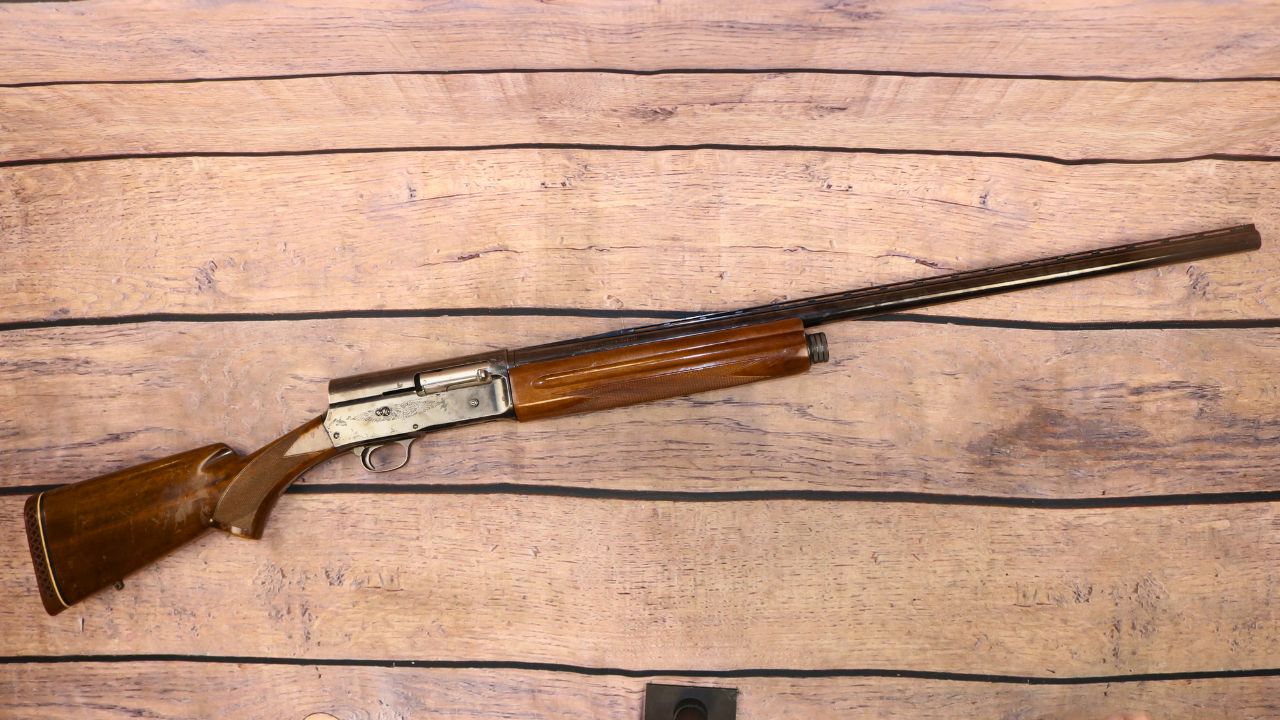
The Browning Auto-5 was the first commercially successful semi-automatic shotgun. Designed by John Browning, it used a long-recoil system that allowed the barrel and bolt to move together before separating during the cycling process. That mechanism gave hunters and sport shooters rapid follow-up shots without operating a pump or lever.
Its distinctive humpback receiver and long production life made it one of the most recognizable shotguns ever built. The Auto-5 proved that a semi-automatic sporting shotgun could be durable enough for decades of field use. Later gas and inertia systems became lighter and easier to tune, but they entered a market the Auto-5 had already created. Modern semi-automatic shotguns owe much of their acceptance to a design that showed hunters they could trust a self-loading gun in mud, rain, and cold.
M1903 Springfield
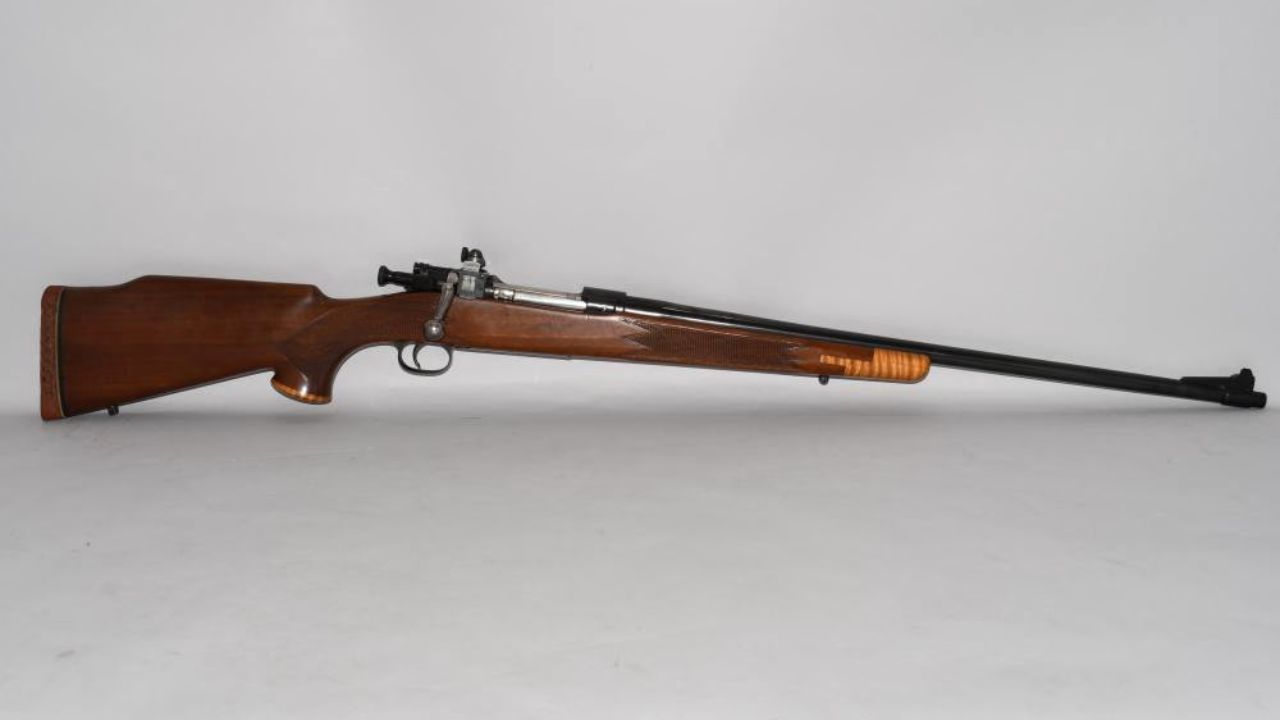
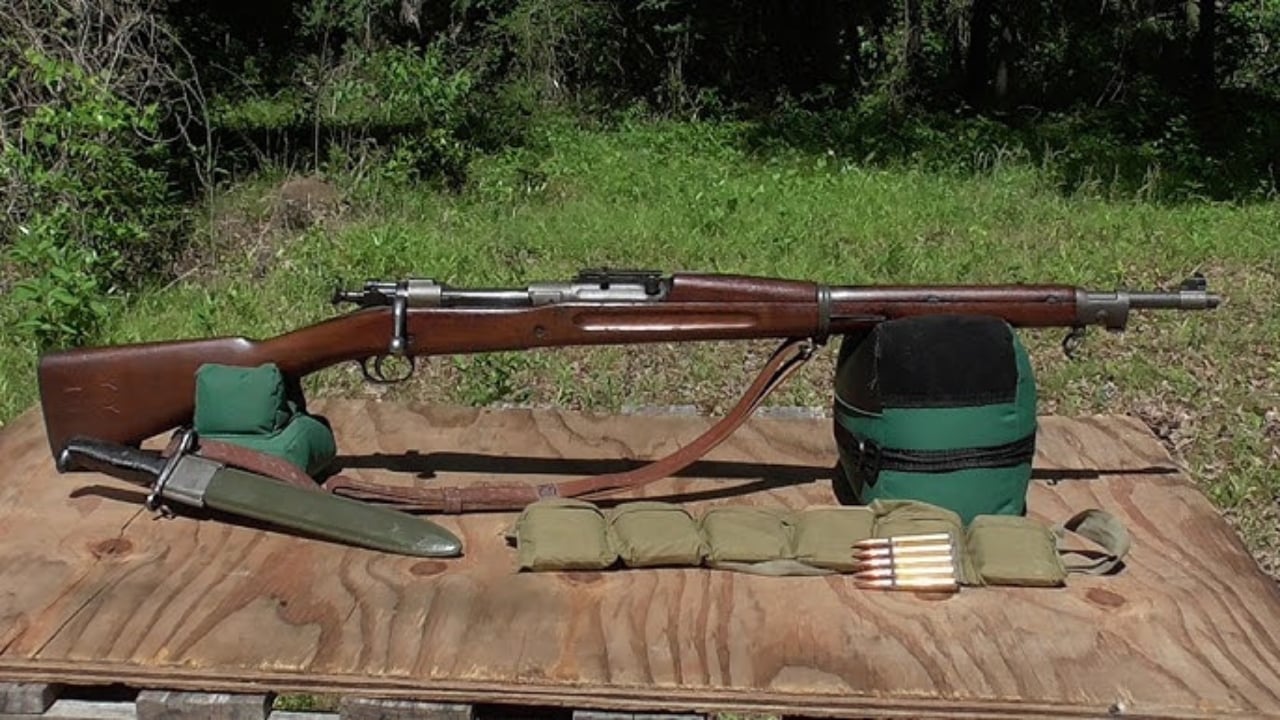
The M1903 Springfield represented America’s move toward a modern high-powered bolt-action service rifle. Its Mauser-influenced action, powerful .30-06 cartridge, and excellent sights gave American soldiers a rifle capable of accurate fire at distances that earlier service arms could not match as effectively.
Its influence continued after the military adopted the M1 Garand. The 1903 remained in service through two world wars and became a foundation for target and sporting rifles. Gunsmiths converted surplus examples into hunting rifles, while competitive shooters valued the action and sights. The rifle also helped establish the .30-06 as one of the most important cartridges in American history. Even after semi-automatics took over military service, the 1903 continued shaping how Americans viewed the serious bolt-action rifle.
Colt Model 1911
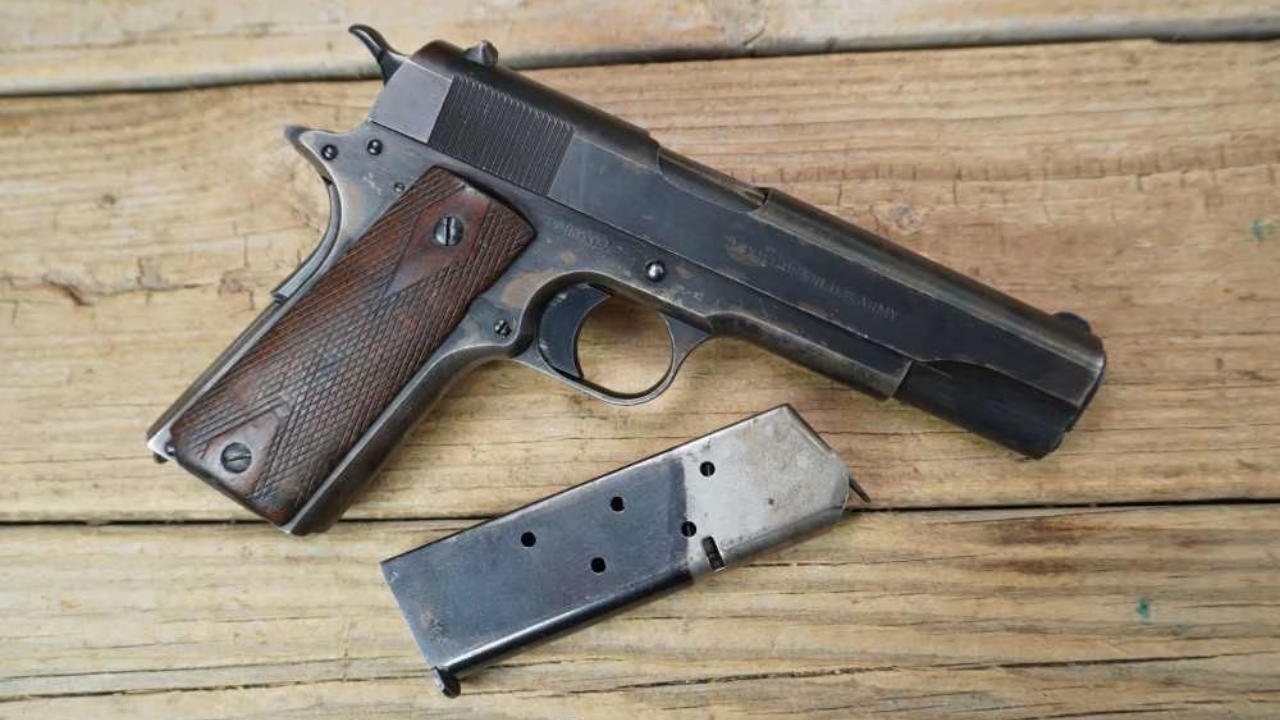
The Colt 1911 changed the handgun world by combining a powerful cartridge, reliable recoil-operated action, removable magazine, and single-action trigger in a design rugged enough for military service. It was not the first semi-automatic pistol, but it became the one that convinced generations of American shooters that a self-loading handgun could replace the revolver.
Its influence remains obvious more than a century later. The short-recoil tilting-barrel system inspired countless later pistols, while the thumb safety, grip angle, and trigger continue attracting competitive and defensive shooters. Modern 1911s range from basic service copies to highly tuned competition pistols costing thousands of dollars. Even handguns that look nothing like a 1911 often use operating principles connected to it. Few pistols have remained both historically important and practically relevant for so long.
Thompson Submachine Gun

The Thompson submachine gun helped establish the concept of a compact automatic firearm firing a pistol cartridge. It became famous through military service, law enforcement use, organized crime, and movies, giving it a cultural identity matched by few firearms.
Its .45 ACP cartridge and heavy construction made the Thompson controllable, but the gun was expensive and complicated to produce. Simpler wartime designs eventually replaced it, yet the role it popularized remained. Submachine guns became standard tools for close combat, vehicle crews, and specialized police units throughout the 20th century. The Thompson’s influence was not based on efficiency alone. It showed military and civilian audiences what compact automatic fire could do, then became the visual symbol of the entire category.
M1 Garand
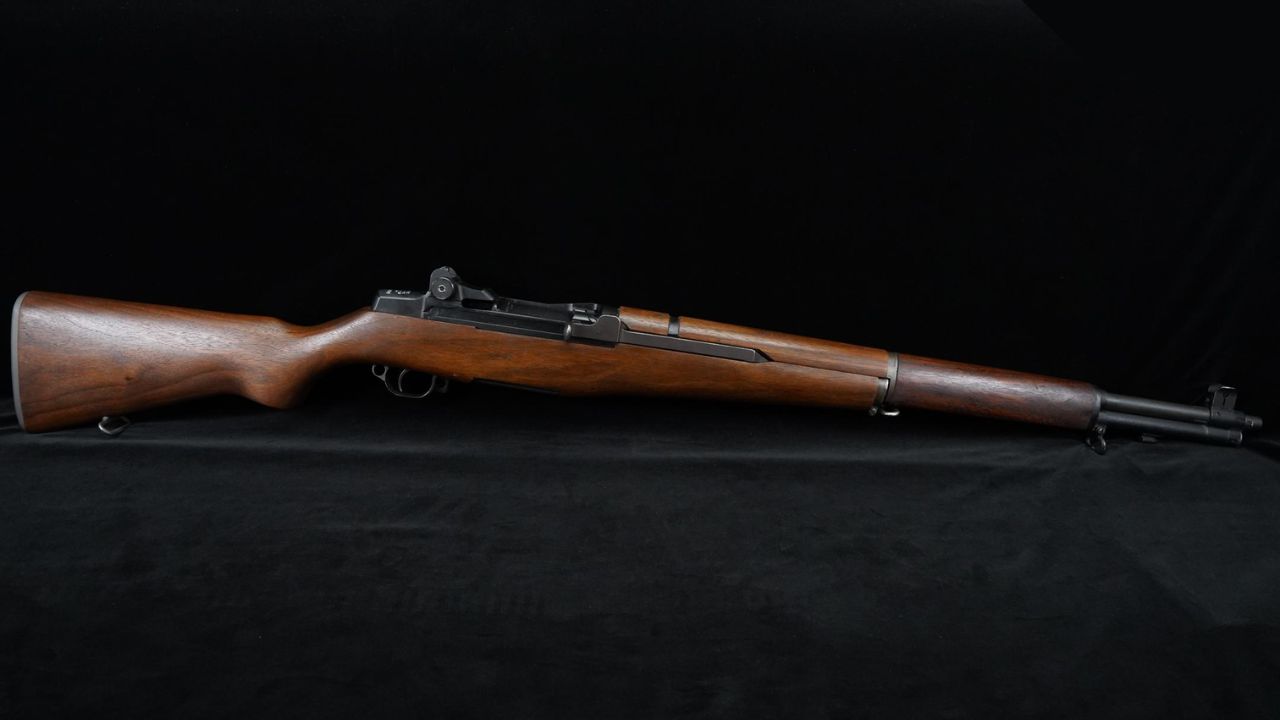
The M1 Garand changed infantry warfare by giving ordinary American soldiers a reliable semi-automatic rifle while many opposing troops still carried bolt actions. Its eight-round en bloc clip and gas-operated action allowed faster follow-up shots without forcing the shooter to manipulate a bolt between rounds.
The rifle was heavy and its loading system had limitations, but its battlefield advantage was undeniable. It helped normalize the idea that a standard service rifle should be self-loading. After World War II, military designers around the world moved rapidly toward semi-automatic and selective-fire infantry rifles. The Garand also influenced later American designs, including the M14. Its importance lies not only in the wars it served through, but in how completely it changed expectations for military rifle firepower.
Walther PP
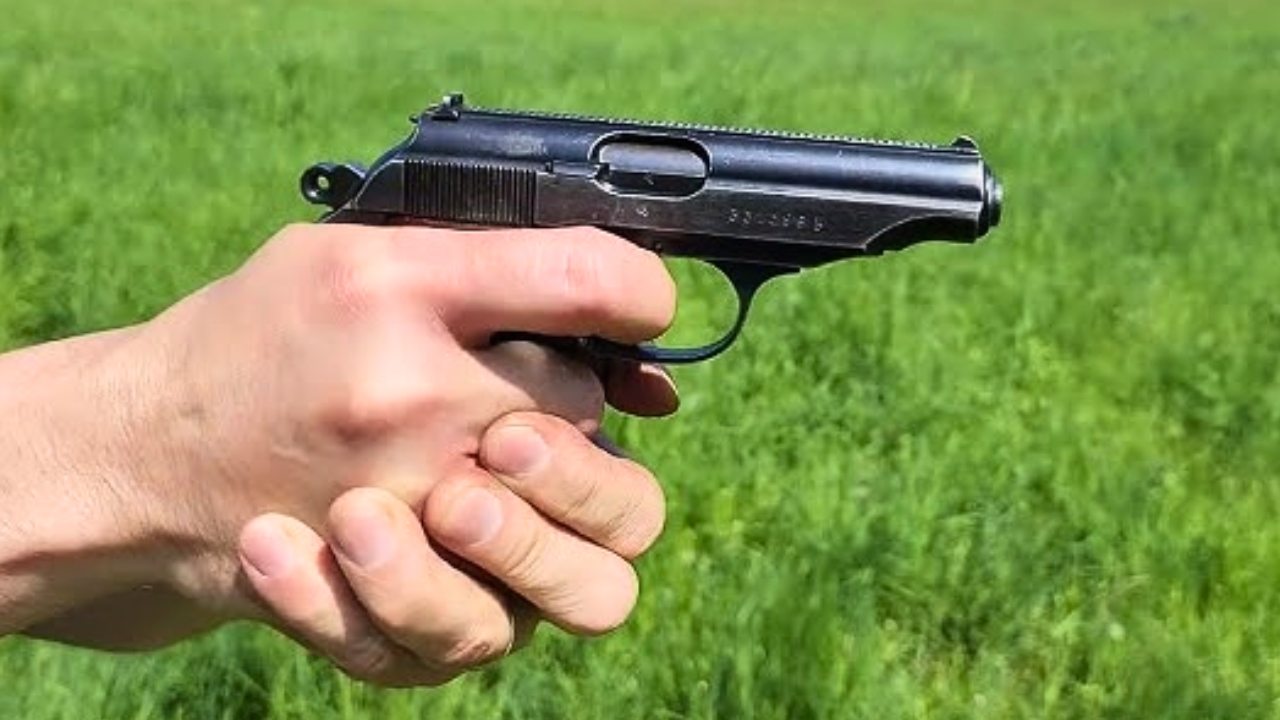
The Walther PP introduced a practical compact double-action and single-action semi-automatic pistol with a slide-mounted safety and decocker. It gave police officers and civilians a handgun that could be carried with a loaded chamber and fired immediately with a long first trigger pull.
That trigger system became enormously influential. Beretta, Smith & Wesson, Makarov, and many other manufacturers later produced pistols using similar control concepts. The smaller PPK became even more famous through popular culture, but the full-size PP established the mechanical pattern. Modern striker-fired pistols have reduced the dominance of traditional double-action designs, yet the PP remains one of the foundational handguns of 20th-century police and concealed carry.
Browning Hi-Power
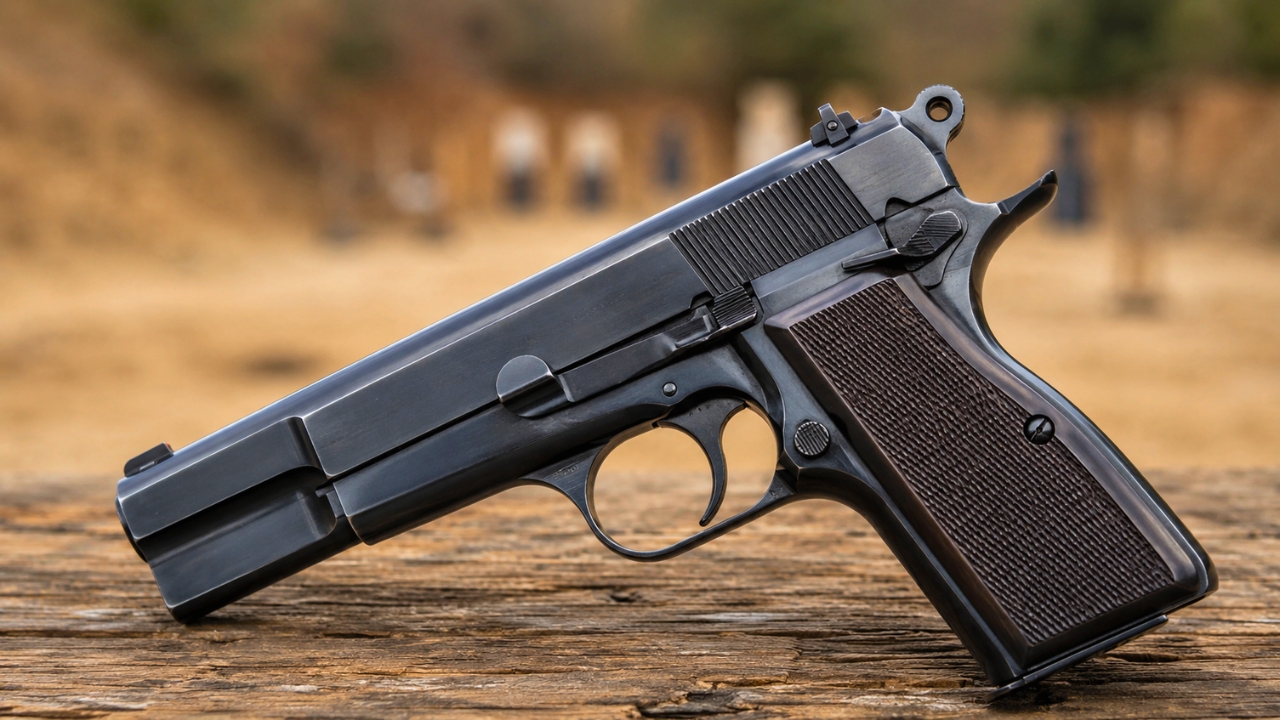
The Browning Hi-Power combined a relatively compact grip with a double-stack magazine holding significantly more ammunition than most service pistols of its era. Its 13-round capacity, comfortable ergonomics, and dependable locked-breech action helped establish the high-capacity 9mm handgun as a military standard.
Numerous armed forces adopted it, and its influence spread into later service pistols that offered even greater capacity and simpler production. The Hi-Power also proved that a double-stack magazine did not need to produce an impossibly large grip. Modern duty pistols may be lighter and easier to manufacture, but their basic expectations of capacity and handling were shaped by guns like the Hi-Power. It helped move the service handgun away from low-capacity single-stack designs long before the term “wonder nine” existed.
AK-47

The AK-47 changed military small arms by combining an intermediate cartridge, selective fire, durable construction, and manufacturing methods suited to enormous production. It was designed to function under harsh conditions while requiring less precision machining than many earlier rifles.
Its influence spread across continents through Soviet military aid, licensed production, and countless copies. The rifle became a symbol of revolution, insurgency, state power, and Cold War conflict. Mechanically, it helped prove that the standard infantry weapon did not need a full-power battle-rifle cartridge. The AK platform continued evolving into the AKM and later variants, but the basic concept remained intact. Few firearms have been produced in greater numbers or appeared in more conflicts.
AR-15
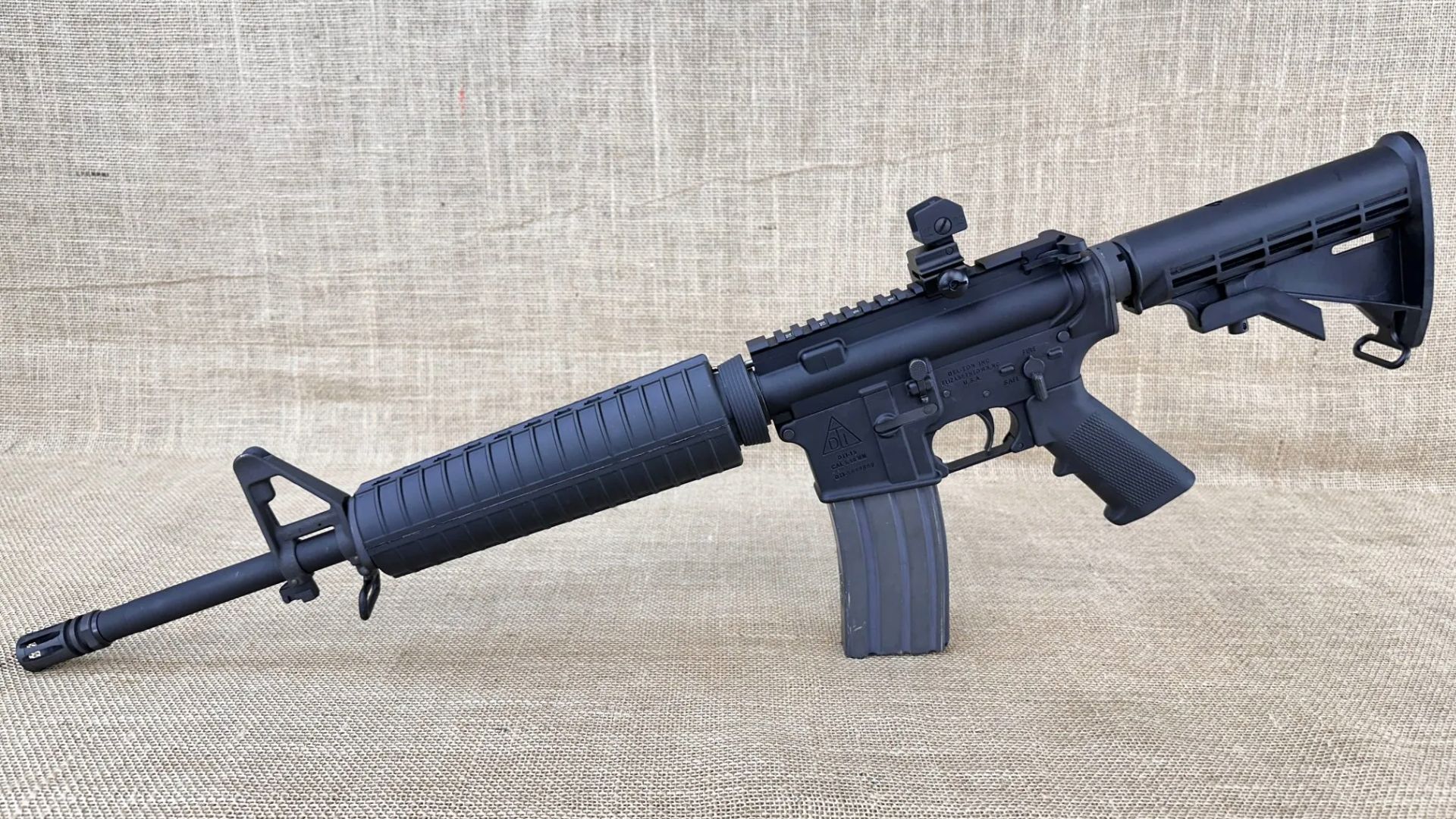
The AR-15 introduced a lightweight rifle built around aluminum receivers, synthetic furniture, direct gas operation, and a small-caliber high-velocity cartridge. Those choices were radical compared with the steel-and-wood military rifles that came before it.
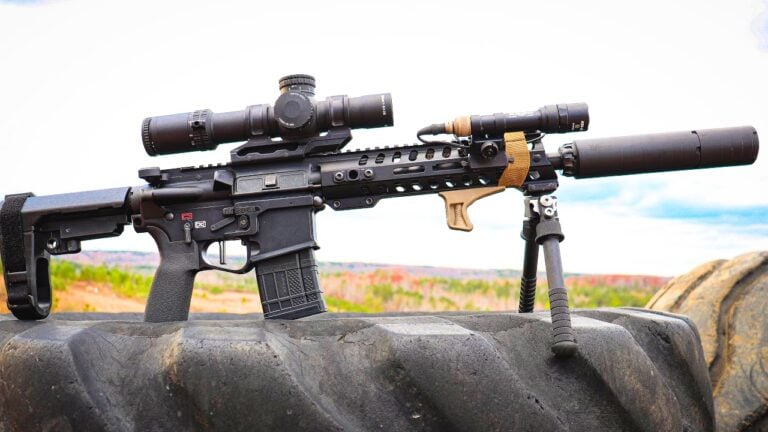
Its military descendants transformed American infantry arms, while the civilian AR-15 became the most adaptable rifle platform in the United States. Barrels, triggers, stocks, handguards, optics, and complete upper assemblies can be changed with a level of ease few older rifles provide. The platform now serves hunters, competitors, law enforcement officers, homeowners, and recreational shooters. Its influence goes beyond popularity. The AR-15 made modularity and user-level customization central expectations in the modern rifle market.
Remington Model 700
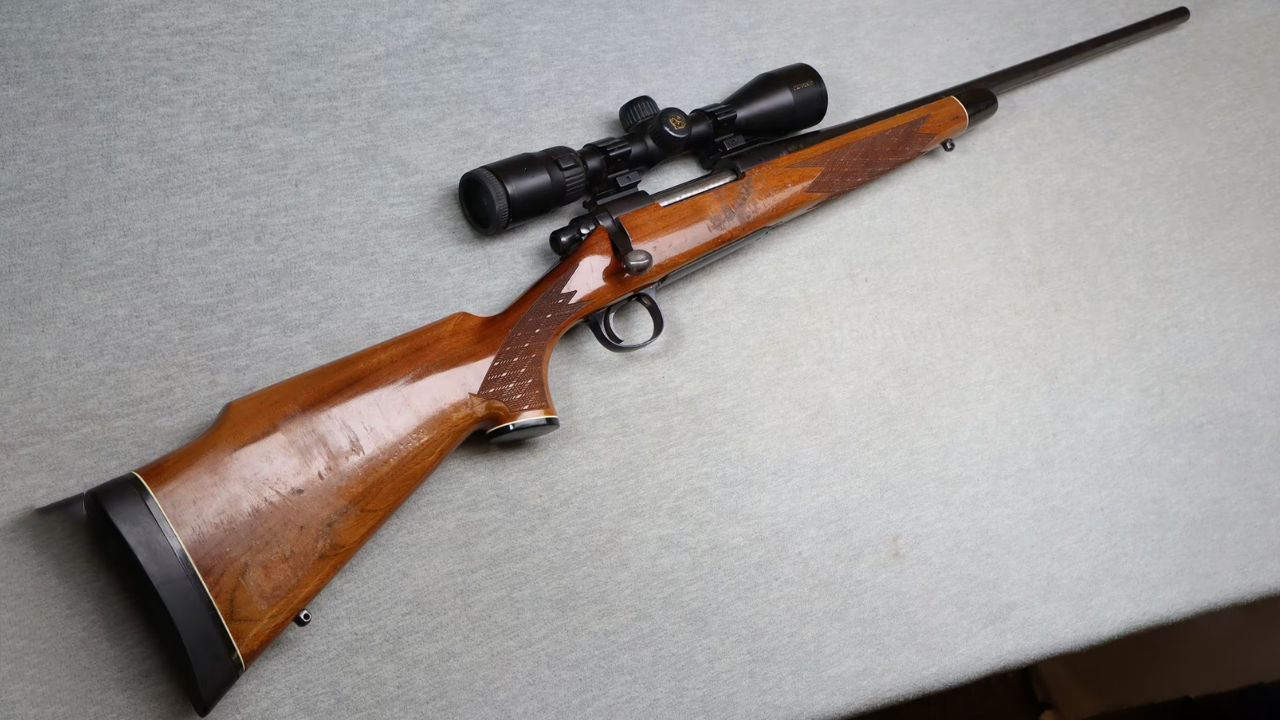
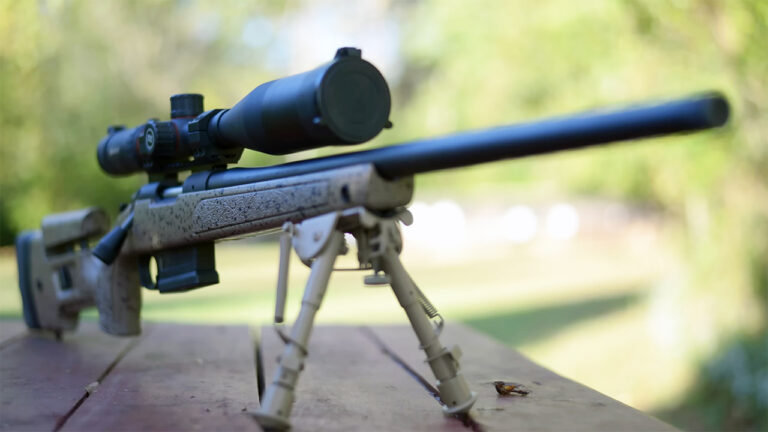
The Remington Model 700 changed the sporting-rifle market by combining strong accuracy, relatively economical production, and an action that could support nearly endless customization. Its round receiver was easier to manufacture than many older designs, but it still provided the consistency required for hunting and precision work.
The action became one of the most copied and supported bolt-action patterns in the world. Stocks, triggers, bottom-metal systems, scope mounts, and barrels remain widely available. Military and law enforcement sniper rifles were also built from the Model 700 family, strengthening its reputation beyond ordinary hunting use. Later quality-control problems affected the Remington name, but they did not erase the design’s enormous influence. Many modern precision rifles either copy the Model 700 footprint or ensure compatibility with its aftermarket.
Glock 17
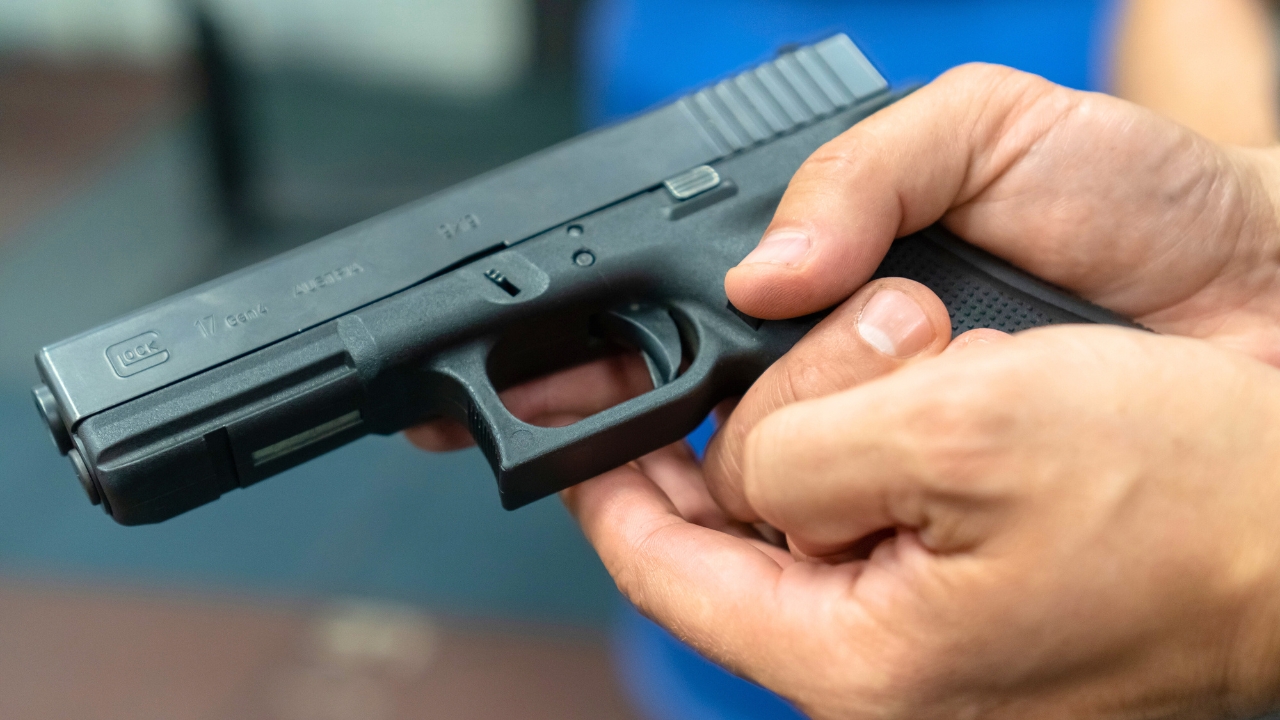
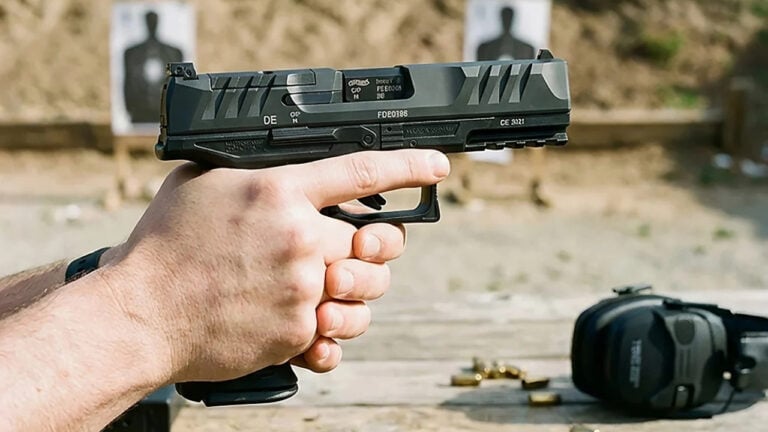
The Glock 17 changed the handgun market by proving a polymer-framed, striker-fired pistol could be durable, reliable, and accepted for serious military and police use. Its lightweight frame, large magazine capacity, simple controls, and limited number of internal parts gave it major practical advantages over many traditional service pistols.
The gun was initially criticized for its appearance and unconventional construction. Those criticisms faded as agencies adopted it and high round counts proved the design could survive hard use. Nearly every major handgun manufacturer eventually developed a polymer striker-fired competitor. The Glock 17 did not invent every feature it used, but it combined them into the package that redefined the modern service pistol. Today, its influence is visible across nearly the entire defensive-handgun market.
Beretta 92FS
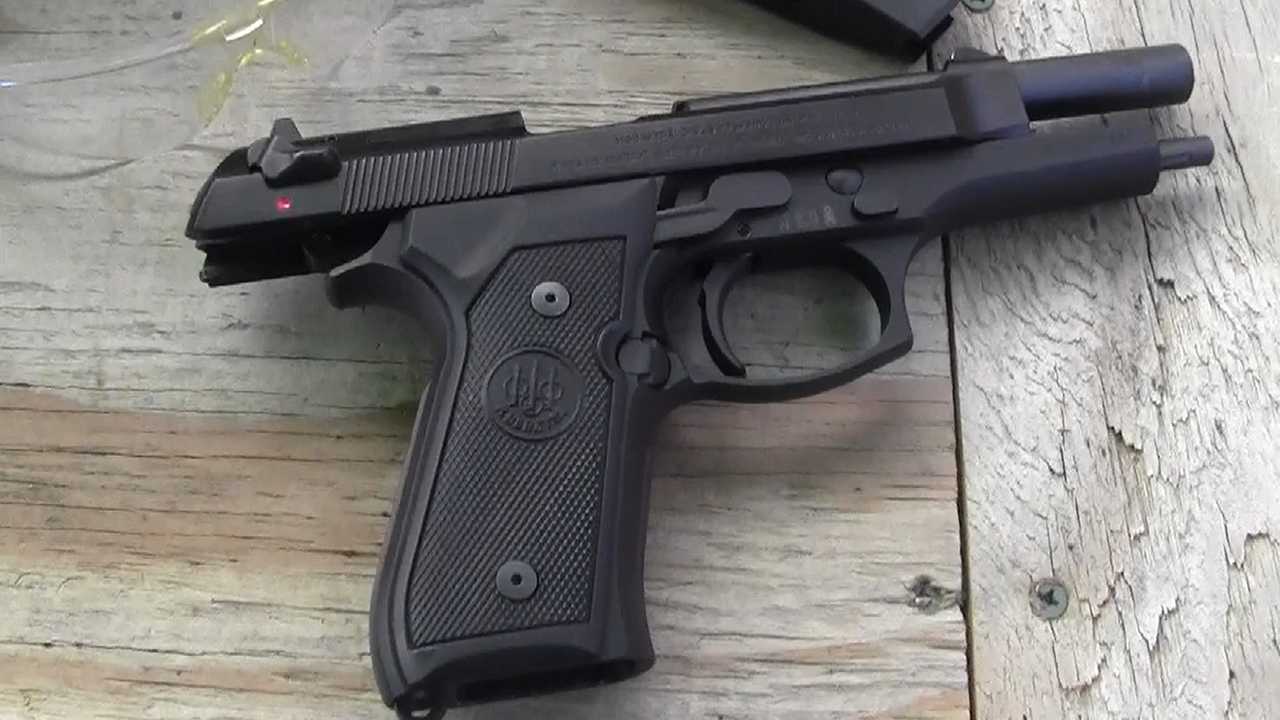
The Beretta 92FS helped make the high-capacity double-action 9mm pistol a mainstream American military and civilian handgun. Its adoption as the M9 gave it enormous visibility and placed it into service with generations of American troops.
The pistol’s open-slide design, locking-block system, and large magazine capacity separated it from the 1911 it replaced. Its grip is large, and its slide-mounted safety remains controversial, but the gun earned a reputation for smooth shooting and dependable operation. Civilian demand grew alongside its military fame, and competing manufacturers rushed to offer similar high-capacity service pistols. The 92FS helped define the transition period between steel single-stack military handguns and the polymer striker-fired pistols that dominate today.
Heckler & Koch MP5
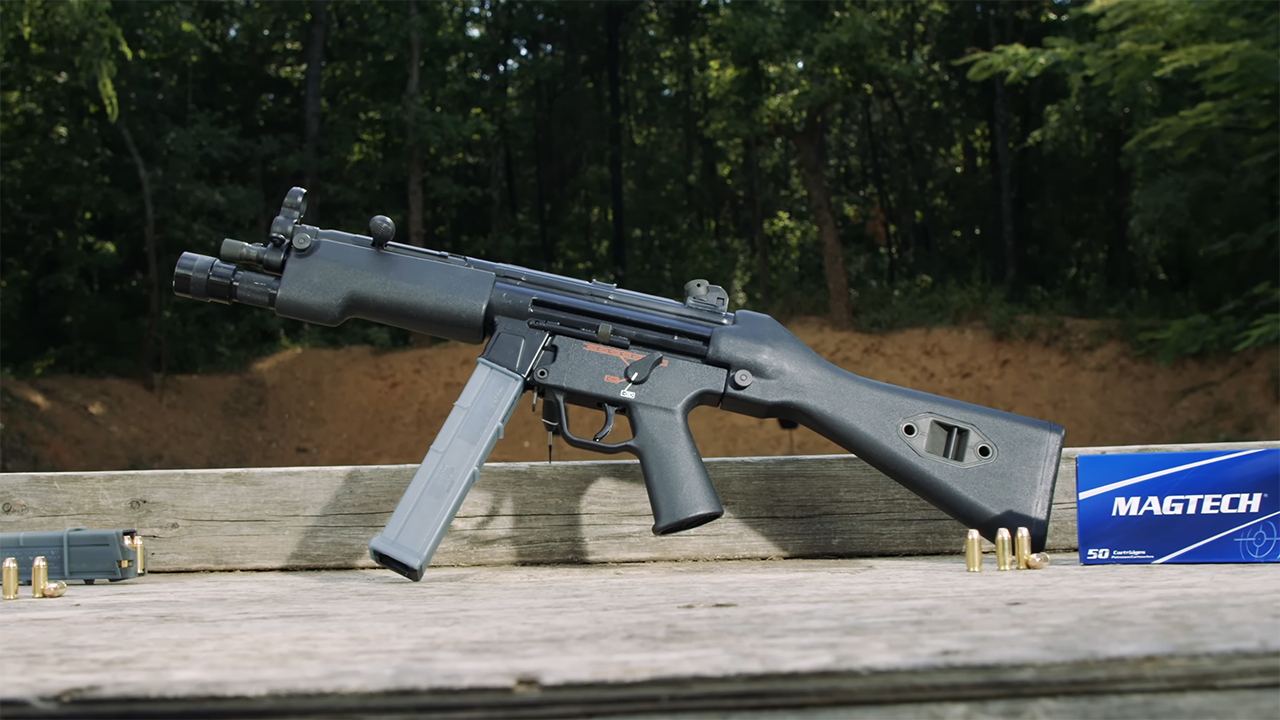
The HK MP5 became the most influential modern submachine gun by applying roller-delayed operation to a compact 9mm platform. Its closed-bolt firing system gave it better practical accuracy than many open-bolt submachine guns, while its controls and handling made it well suited to specialized police and military units.
The MP5 became closely associated with counterterrorism, hostage rescue, and elite tactical teams. Its success created a market for compact, highly controllable shoulder-fired weapons used in close quarters. Modern short-barreled rifles and personal-defense weapons have replaced it in many roles, but they continue serving missions the MP5 helped define. Its silhouette, handling, and mechanical smoothness remain influential decades after its introduction.
Mossberg 500
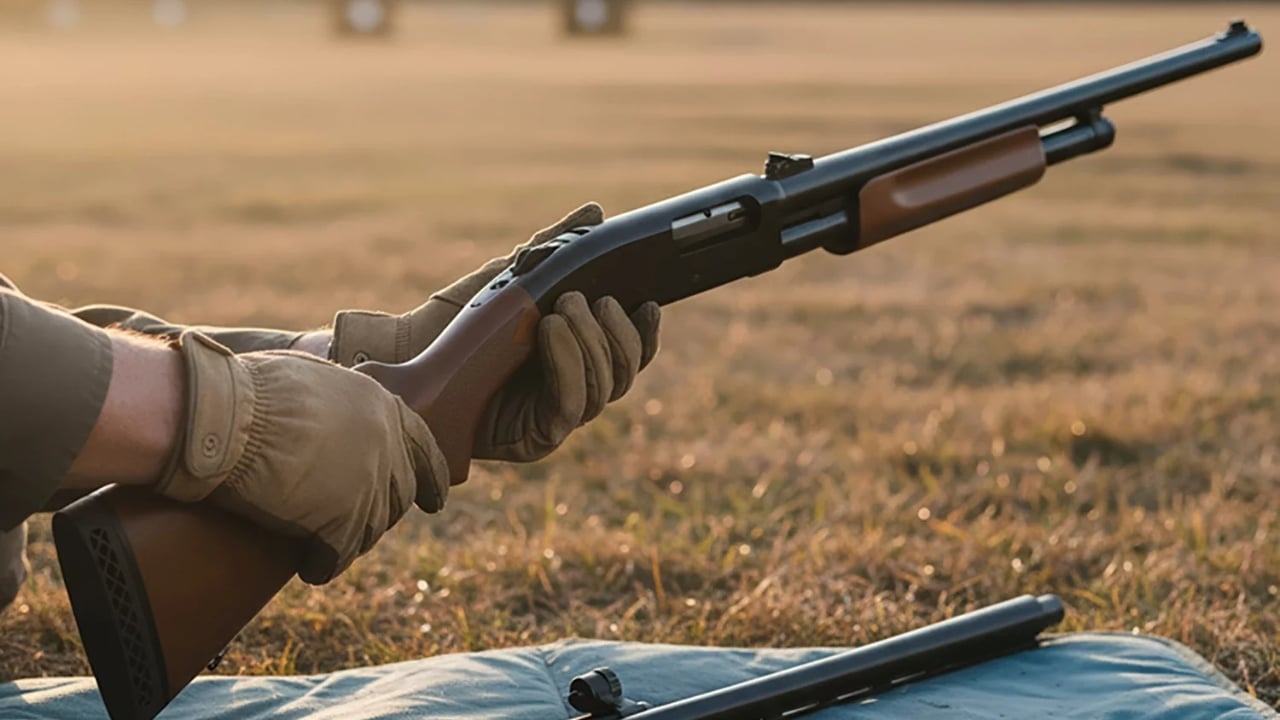
The Mossberg 500 changed the shotgun market by proving a durable pump action could be affordable, highly adaptable, and produced in configurations for almost every possible use. The same basic platform has served hunters, homeowners, police officers, and military personnel.
Its aluminum receiver reduces weight, while the twin action bars and simple internal design support long-term reliability. Barrels can be changed easily, allowing one shotgun to move between hunting, sporting, and defensive roles. The tang-mounted safety also works well for both right- and left-handed shooters. The Mossberg 500 did not introduce the pump shotgun, but it helped turn modularity and affordability into major selling points. Its continued production shows how effectively the original design balanced cost and usefulness.
Ruger 10/22
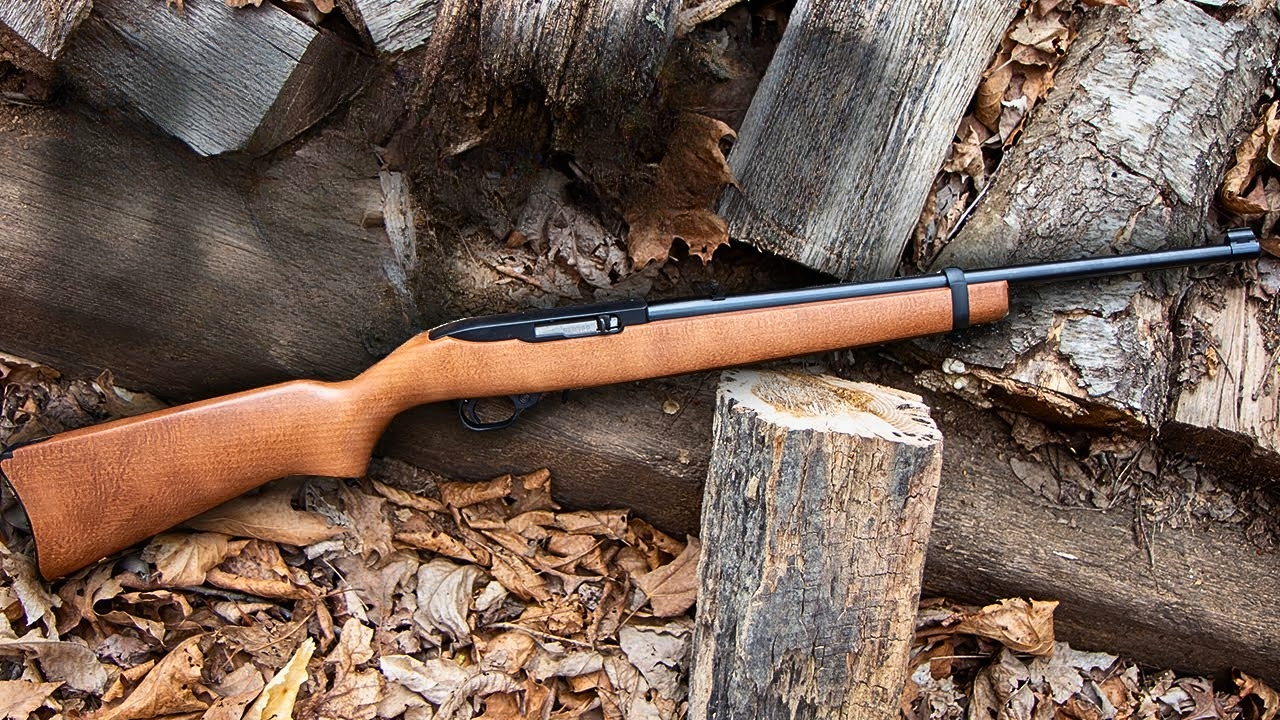
The Ruger 10/22 transformed the rimfire rifle market by combining semi-automatic operation, a dependable rotary magazine, and a receiver design that encouraged customization. It was affordable enough for new shooters but accurate and durable enough to remain useful for decades.
Its aftermarket eventually became nearly as important as the rifle itself. Owners can replace barrels, triggers, stocks, bolts, magazines, and receivers to create anything from a lightweight field rifle to a dedicated competition gun. Countless shooters learned basic marksmanship with a 10/22, while serious competitors pushed the platform far beyond its original sporting role. The rifle helped establish the idea that an inexpensive .22 could also be a lifelong project and performance platform.
SIG Sauer P365
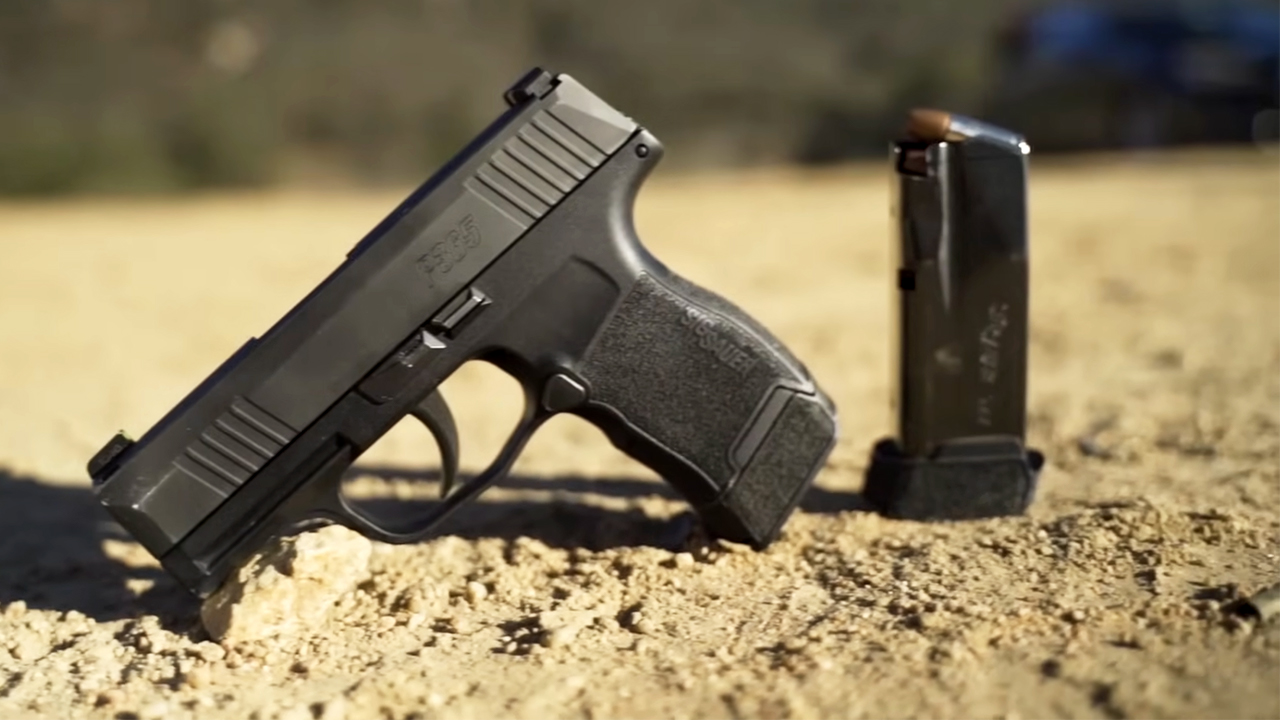
The SIG Sauer P365 changed concealed carry by fitting ten rounds of 9mm into a pistol that was close in size to older single-stack pocket guns. Before its arrival, buyers generally had to choose between true concealability and useful capacity.
The P365 forced nearly every major handgun manufacturer to respond with its own high-capacity micro-compact. It also expanded into larger grips, longer slides, compensators, optic-ready versions, and modular fire-control units. The original model was not the first small 9mm or the first compact pistol with a double-stack magazine, but it combined size, capacity, and shootability in a way the market immediately understood. Concealed-carry buyers now expect far more ammunition from much smaller pistols because of it.
FN P90
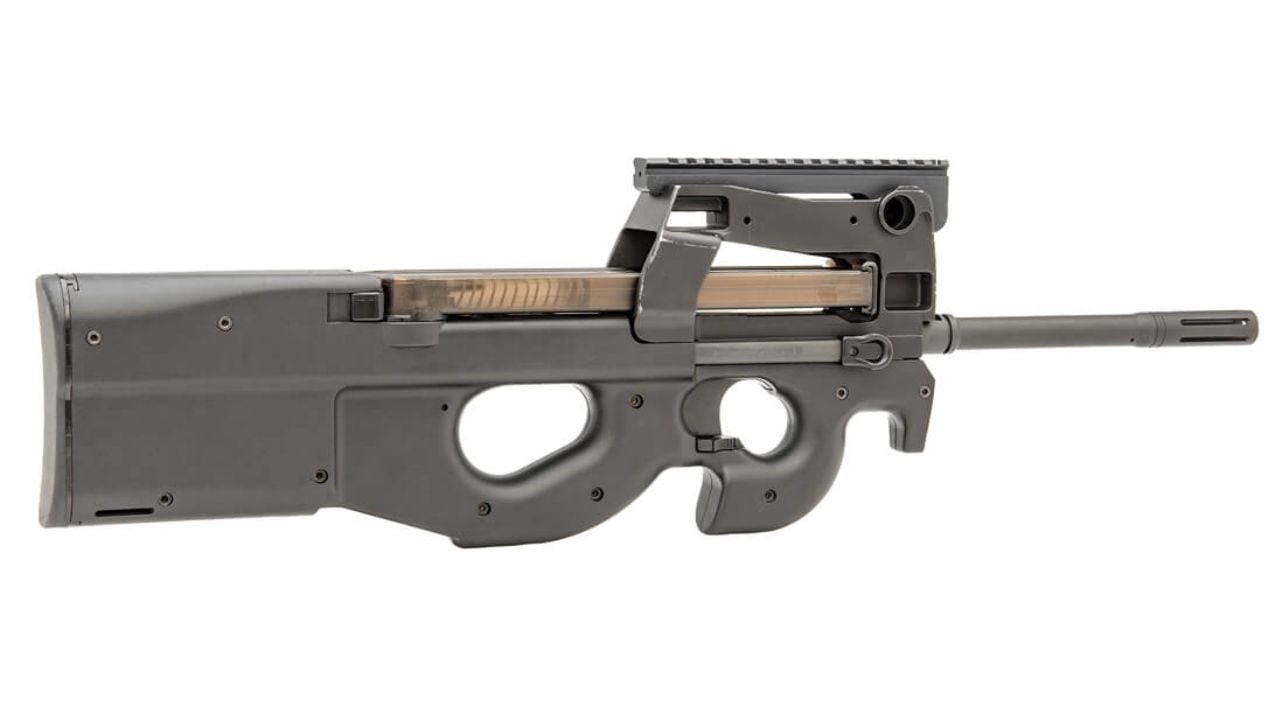
The FN P90 introduced a radically different approach to the personal-defense weapon. Its bullpup layout placed a 50-round magazine horizontally above the action, while the compact 5.7x28mm cartridge allowed high capacity and manageable recoil.
The design was intended for troops who needed something smaller than a rifle but more capable than a traditional handgun or submachine gun. Its shape looked futuristic because it was built around requirements rather than conventional firearm layout. The P90 helped create renewed interest in small, high-velocity cartridges and compact shoulder-fired weapons. Civilian versions later expanded awareness of the 5.7 cartridge, which eventually moved into pistols from multiple manufacturers. Few firearms have introduced so many unusual ideas in one commercially successful package.
Like The Avid Outdoorsman’s content? Subscribe to our newsletter so you never miss an article.
Here’s more from us: