Photo credit: Tex Mex/YouTube
Some firearms disappear because they fail, but others leave the market before shooters realize how good they were. A model may arrive at the wrong time, compete against a better-known name, or cost too much to manufacture profitably. By the time buyers begin appreciating what made it special, production has ended and used prices start climbing.
These guns were not perfect, and a few had obvious weaknesses. What makes them frustrating is that each offered something modern shooters still want: better balance, unusual engineering, strong craftsmanship, or a role that current manufacturers have not fully replaced. In many cases, the market would probably treat them far better today than it did when they were still sitting new on gun-store shelves.
CZ 550

The CZ 550 was one of the best traditional controlled-feed bolt-action rifles available without moving into custom-rifle pricing. It used a full-length claw extractor, a fixed ejector, and a substantial action that inspired confidence in difficult hunting conditions. Many versions also included a single-set trigger, allowing the shooter to use a conventional pull in the field or push the trigger forward for a much lighter break.
CZ eventually replaced it with newer rifle lines that were easier to manufacture and more aligned with modern market preferences. The replacement rifles may be lighter and more modular, but they do not have the same old-world feel. The 550 was especially respected in dangerous-game chamberings, where positive feeding mattered more than shaving a few ounces. Hunters now search for clean examples because few current production rifles offer the same combination of controlled feeding, strong construction, and classic walnut-stocked character at a reasonable price.
Winchester Model 88

The Winchester Model 88 tried to give hunters the fast follow-up shots of a lever action without limiting them to flat-nose cartridges or traditional tube magazines. Its rotating bolt and detachable box magazine allowed it to use modern bottleneck rounds such as .243 Winchester, .308 Winchester, and .358 Winchester.
The rifle was more complicated than a Model 94 and never became as common as Winchester’s better-known lever guns. That complexity also made repairs less straightforward once parts became scarce. Even so, the Model 88 filled a role that remains surprisingly underserved. It gave hunters a trim, fast-handling rifle with modern cartridge performance and a profile that carried easily through the woods. Today’s lever-action revival would probably give it a much warmer reception. Original rifles now attract hunters and collectors who realize Winchester stopped building one of its most forward-thinking sporting rifles too early.
Savage Model 99
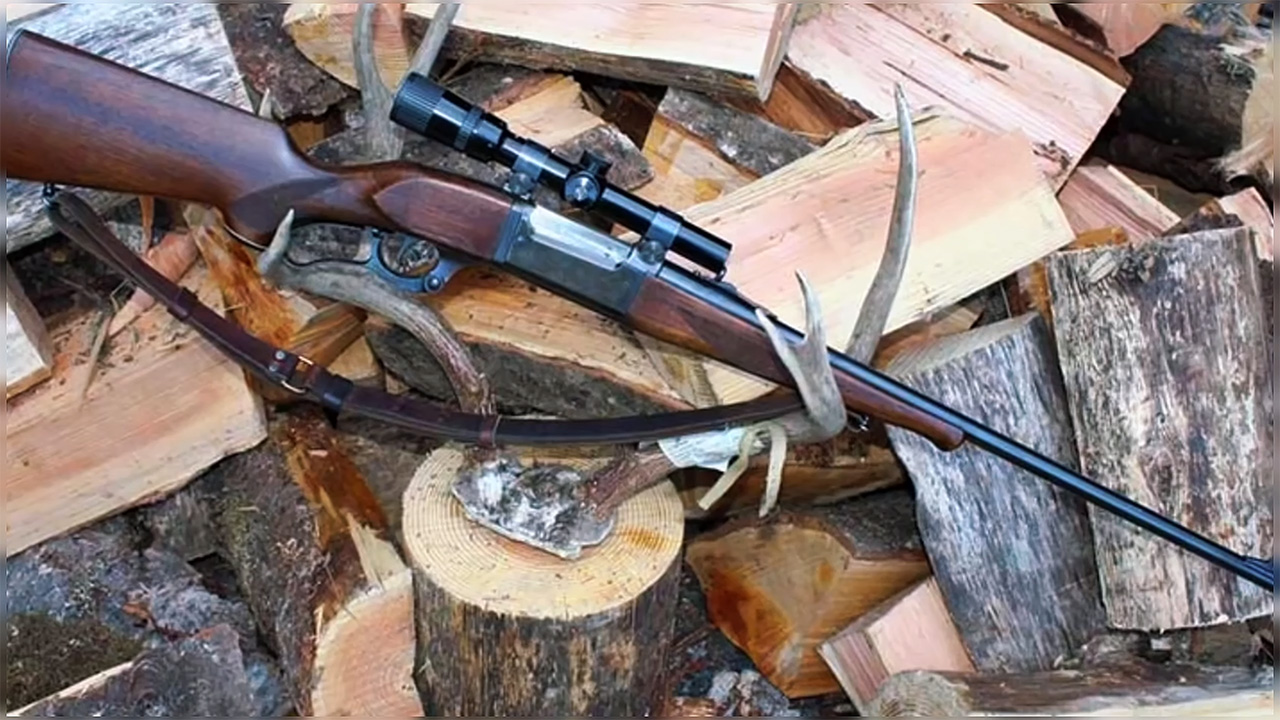
The Savage Model 99 was one of the most advanced lever-action hunting rifles of its era. Its rotary magazine allowed the use of pointed bullets, while the hammerless receiver produced a smooth profile and made the rifle easier to carry. It was chambered in capable rounds such as .300 Savage, .250-3000 Savage, .308 Winchester, and .358 Winchester.
Production costs eventually worked against it. The Model 99 was more complicated to manufacture than basic lever actions and could not compete on price with mass-produced bolt rifles. That economic reality did not make the design obsolete. It remained fast, accurate, and better suited to modern cartridges than most traditional lever guns. With lever-action demand now climbing and buyers paying premium prices for unusual rifles, a carefully modernized Model 99 would likely find a loyal audience. Used examples continue becoming more desirable because nothing currently made duplicates its exact combination of handling and mechanical sophistication.
Marlin Model 39A
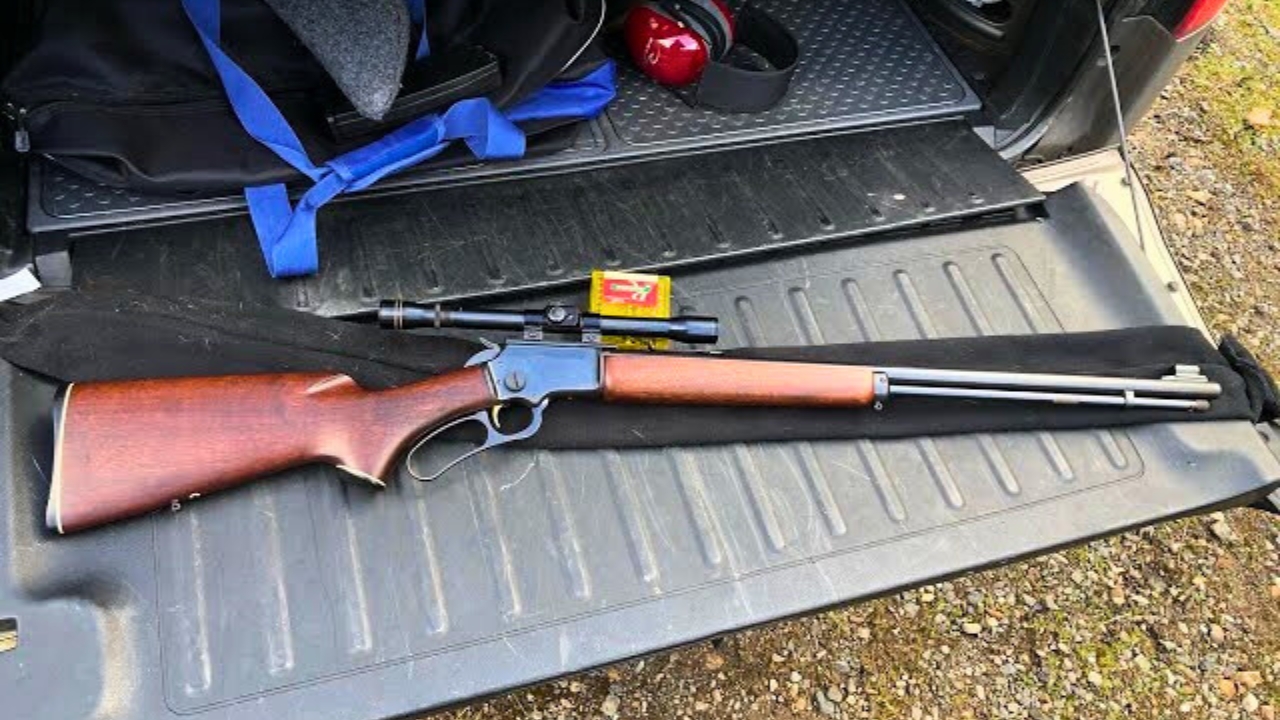
The Marlin Model 39A was not a lightweight, inexpensive rimfire rifle. It was a full-size steel-and-walnut lever action built with the same seriousness as many centerfire hunting guns. Its takedown design made maintenance easy, and its smooth action handled .22 Short, .22 Long, and .22 Long Rifle ammunition.
The rifle became too expensive to manufacture in the traditional way while still competing with cheaper semi-automatics and basic bolt actions. Ending production made financial sense, but shooters lost one of the finest rimfire rifles ever offered by a major American company. Modern .22s may be lighter, more accurate from a bench, or easier to suppress. Few feel as substantial or satisfying. The 39A was the kind of rifle a child could learn on and still value decades later. Clean examples now command prices that show how badly shooters underestimated it when new ones were readily available.
Ruger Model 44 Carbine

The Ruger Model 44 Carbine placed the .44 Magnum cartridge into a compact semi-automatic rifle that handled almost like an oversized 10/22. It was light, short, and particularly effective in thick woods where hunters needed quick shots at moderate distances.
Its tubular magazine and gas system limited ammunition flexibility, and the rifle could be sensitive to bullet shape or load strength. Those drawbacks were real, but the basic concept was excellent. The carbine delivered more practical field performance than many pistol-caliber rifles while remaining easier to carry than a full-size deer rifle. Ruger later tried different .44 semi-automatic designs, but none developed the same personality. With suppressors, straight-wall hunting rules, and compact woods rifles all receiving renewed attention, an updated Model 44 could make more sense today than it did when Ruger ended production.
Ruger Deerfield Carbine
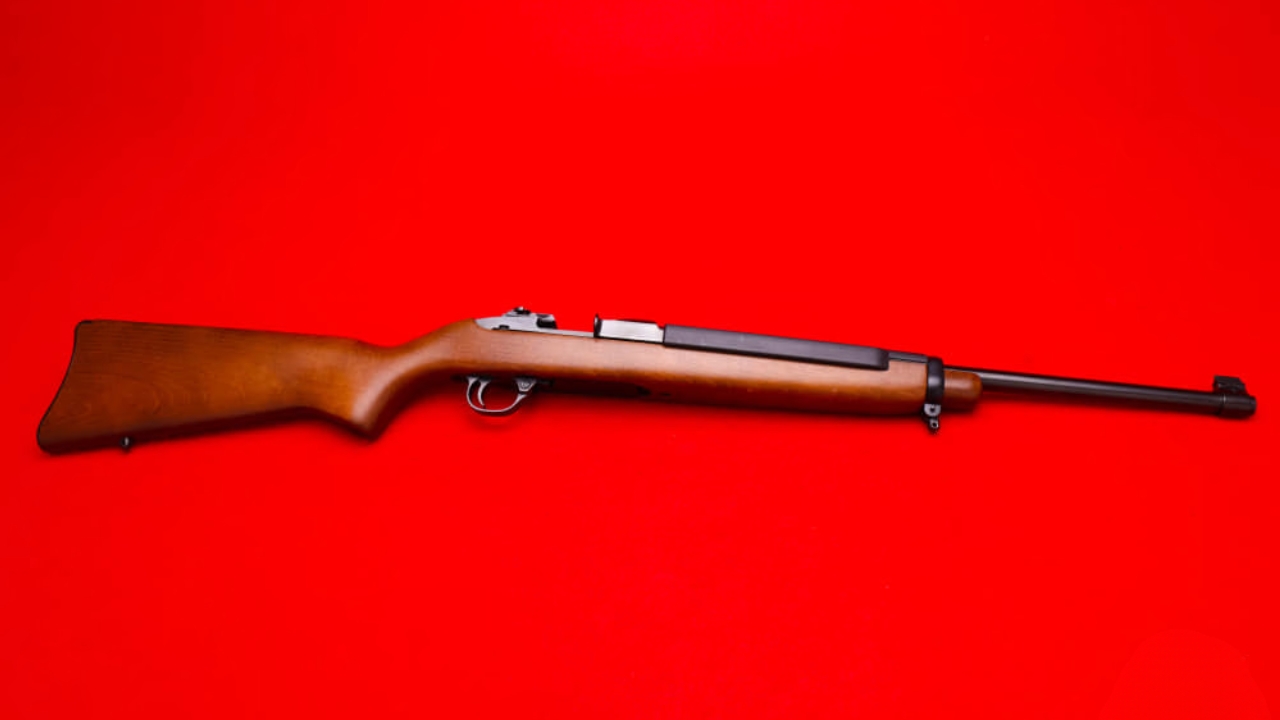
The Deerfield Carbine was Ruger’s later attempt to revisit the semi-automatic .44 Magnum rifle. It used a rotary magazine instead of the earlier Model 44’s tubular system, giving shooters easier unloading and broader bullet compatibility. The rifle remained compact and well suited to close-range deer hunting.
It disappeared because the market for specialized .44 Magnum carbines was never large enough to support it. That may have been a case of poor timing more than poor design. Straight-wall cartridge laws have since increased demand for short-range deer rifles, while hunters have rediscovered the advantages of compact semi-automatics in thick cover. The Deerfield offered fast follow-up shots, manageable recoil, and a cartridge that worked well at realistic woods distances. Used rifles are now difficult to find at modest prices, especially in clean condition, because owners tend to recognize how useful they are.
Remington Model 788
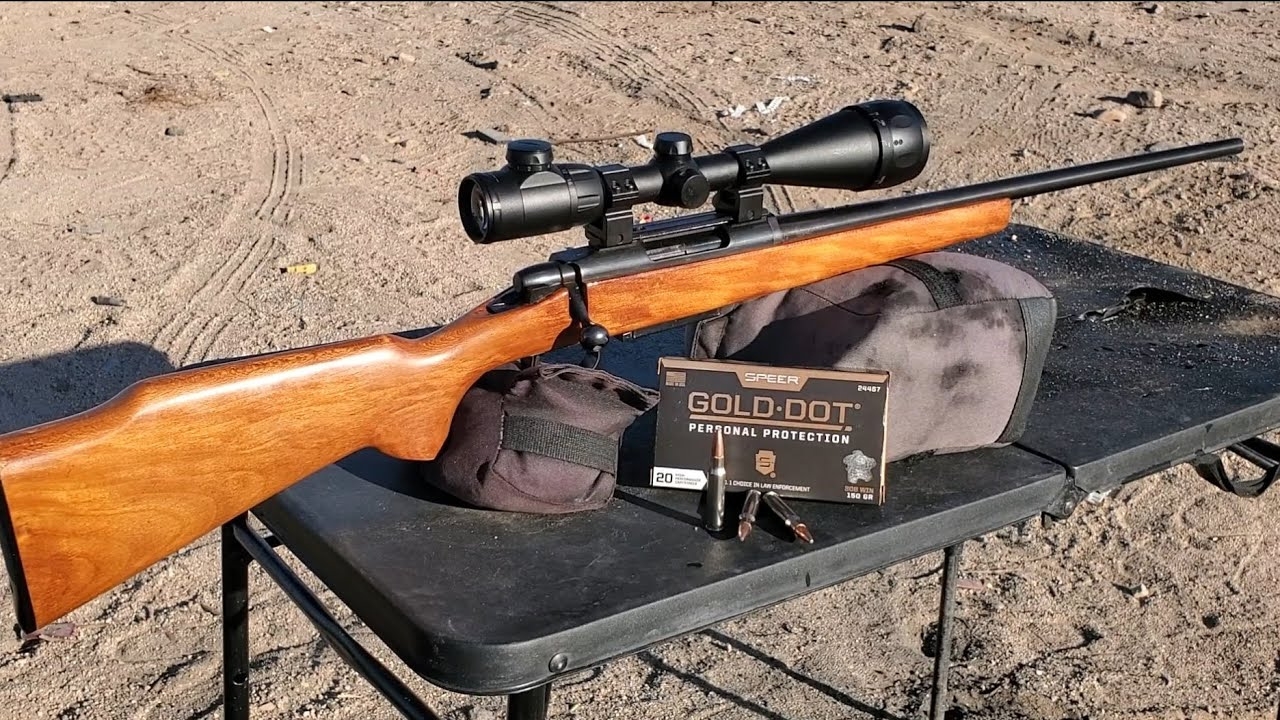
The Remington Model 788 was introduced as an affordable bolt-action rifle, but it quickly developed a reputation for accuracy that embarrassed more expensive guns. Its rear-locking bolt and rigid receiver were unconventional, yet many examples shot exceptionally well with little modification.
The rifle’s plain stock, basic finish, and budget positioning kept it from receiving the respect it deserved while in production. It also competed too closely with Remington’s flagship Model 700, creating little incentive for the company to continue selling a cheaper rifle that sometimes performed just as well. Parts availability is the main concern now, particularly with magazines and bolts. Even so, the 788 remains a favorite among hunters who value results over appearance. A modernized version with better magazine support and a stronger stock would likely attract shooters searching for an accurate, uncomplicated hunting rifle.
Remington Model 600

The Remington Model 600 was a compact bolt-action carbine built for hunters who valued quick handling over conventional appearance. Its short barrel, dog-leg bolt handle, ventilated rib, and lightweight stock gave it a distinctive look that divided buyers.
The rifle was ahead of its time in emphasizing portability. Modern hunters now spend heavily on short, lightweight rifles designed for suppressors, blinds, and difficult terrain. The Model 600 offered similar handling decades earlier, though some chamberings produced sharp recoil and considerable muzzle blast from the short barrel. It was replaced by related designs, but none fully captured its unusual personality. Collectors now chase clean examples, especially in less common chamberings, because Remington abandoned a compact rifle concept that the modern market has largely rediscovered.
Browning BDM
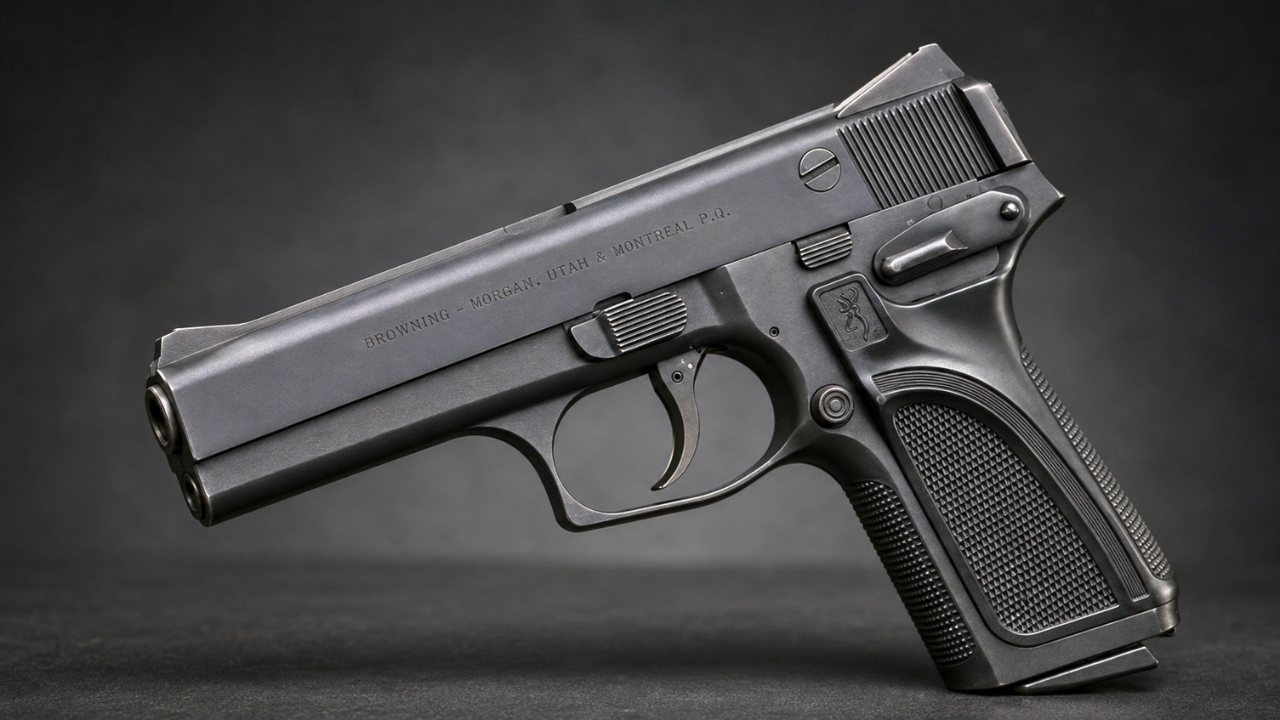
The Browning BDM was one of the slimmest double-stack 9mm service pistols of its generation. It held 15 rounds while keeping a grip that felt surprisingly narrow, and its low-profile slide made it easy to handle. It also offered a selector that changed the pistol between two trigger systems.
That selectable trigger was both its most interesting feature and one of the reasons it struggled. The controls were confusing, and the pistol entered a crowded market dominated by Glock, SIG Sauer, Beretta, and Smith & Wesson. Shooters had little reason to learn an unusual system when more familiar options were already proven. The BDM’s thin grip and all-metal construction would likely receive far more attention today, especially as buyers rediscover metal-framed pistols. Browning discontinued a genuinely interesting design before the market had enough time to understand what it did well.
Smith & Wesson 3913
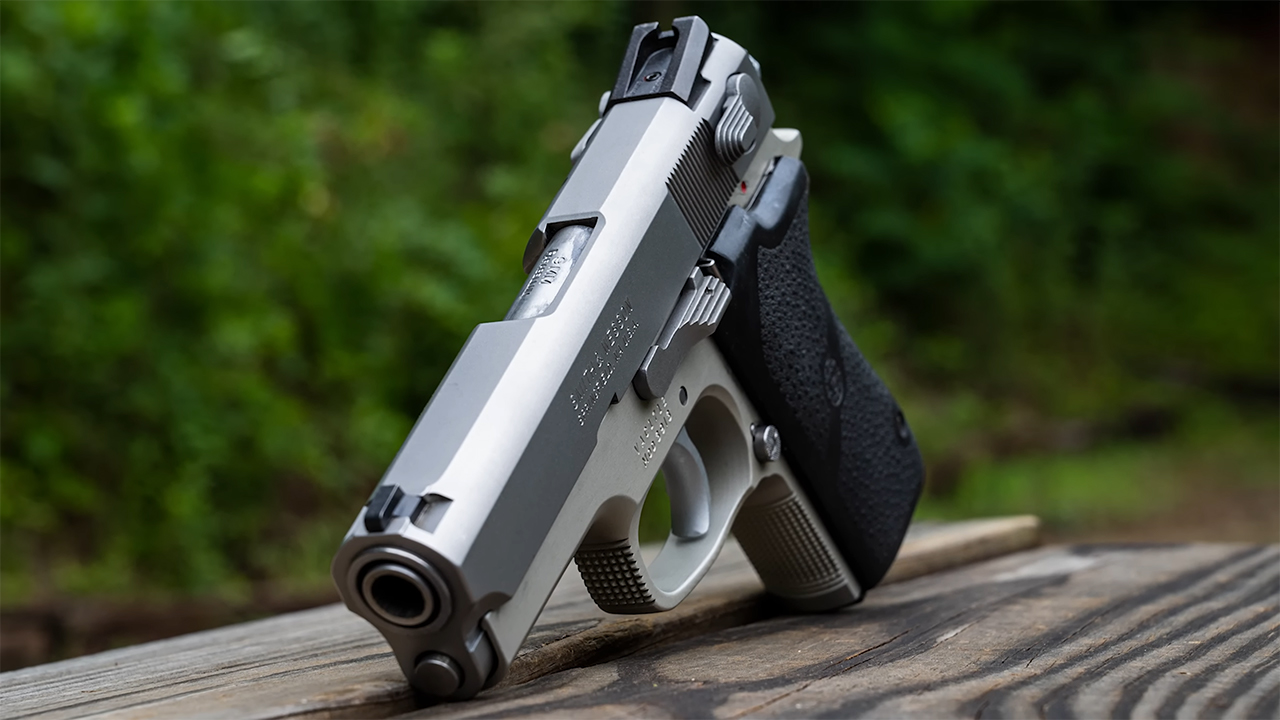
The Smith & Wesson 3913 was a slim, compact 9mm carry pistol decades before that category took over the handgun market. Its alloy frame kept the weight manageable, while the traditional double-action trigger and single-stack magazine gave it a narrow profile.
Its eight-round capacity looks dated beside modern micro-compacts, but capacity is only part of the story. The 3913 is smooth, balanced, and easier to shoot well than many smaller pistols carrying more ammunition. It also came from an era when Smith & Wesson’s metal-framed semi-automatics were built for hard police use. Production ended as polymer striker-fired handguns became dominant, leaving the 3913 without a true replacement. If Smith & Wesson brought back a modernized version with better sights and modestly increased capacity, it would likely attract shooters tired of carrying tiny polymer guns with harsh recoil.
Smith & Wesson 5906
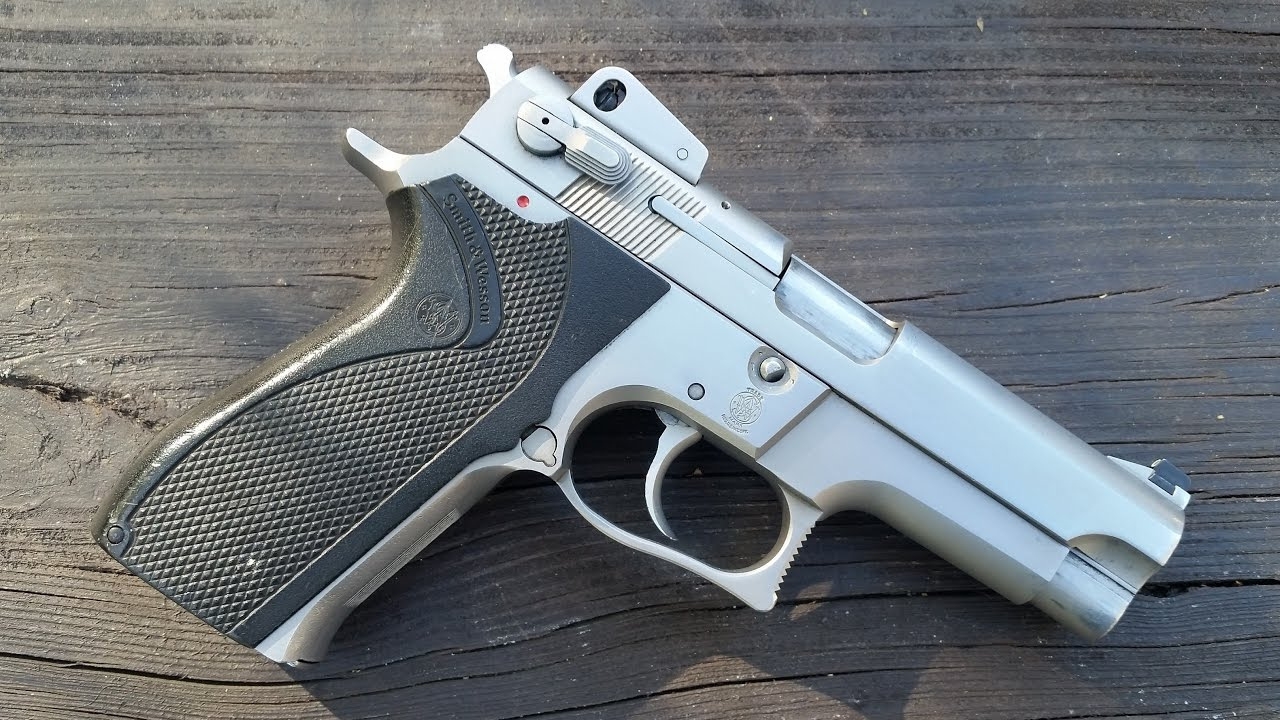
The 5906 was a full-size stainless-steel service pistol designed for heavy use. Its weight helped control recoil, its double-action and single-action trigger offered a predictable manual of arms, and its construction earned trust with law enforcement agencies across the country.
It disappeared because the market moved toward lighter polymer pistols. That shift made sense for officers carrying a handgun all day, but it also removed one of the most durable and pleasant-shooting production pistols from the catalog. Police trade-ins were once inexpensive, and many shooters treated them as outdated. Prices have since risen as buyers rediscovered how smooth, accurate, and overbuilt these pistols can be. Smith & Wesson’s modern M&P line is practical, but it does not duplicate the solid feel or mechanical character of the 5906.
SIG Sauer P225
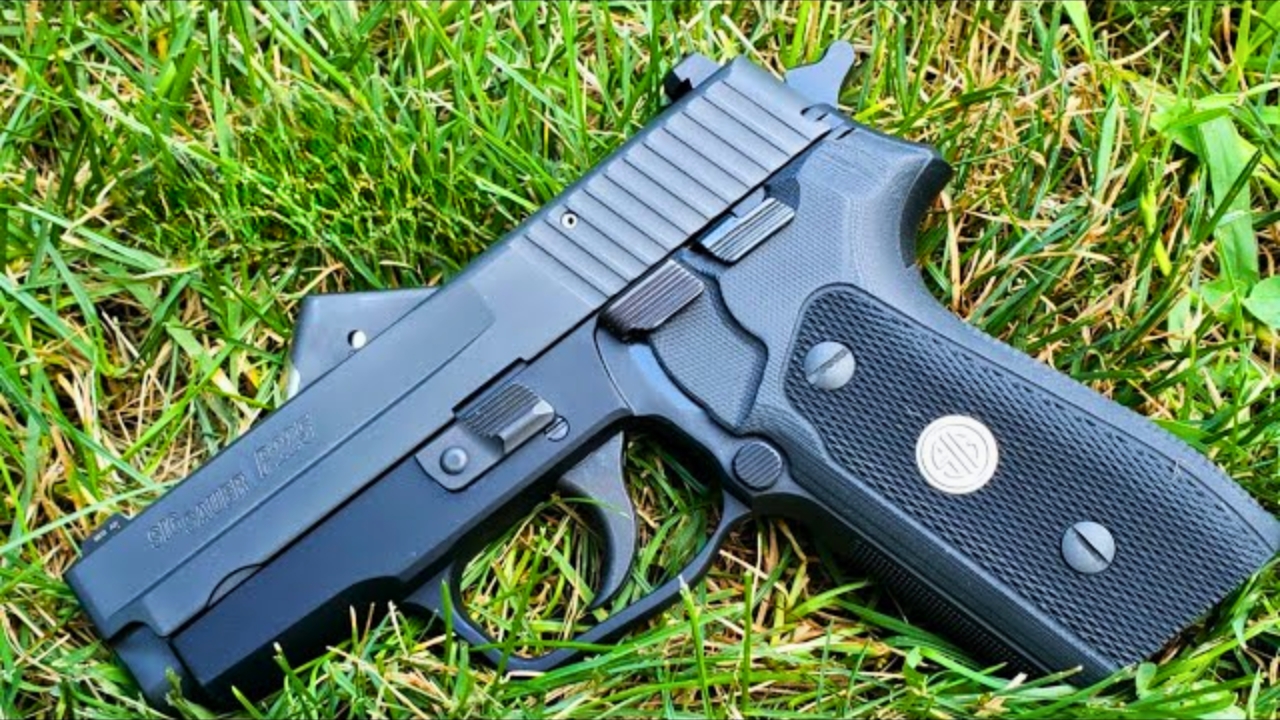
The original SIG Sauer P225 was a compact single-stack 9mm built for police and concealed carry. It used the classic SIG decocking system, had a narrow grip, and handled like a smaller service pistol rather than an oversized pocket gun.
Its limited capacity eventually became difficult to justify as compact double-stack pistols improved. SIG later revisited the concept with the P225-A1, but that model also disappeared after a short production run. The market had already become obsessed with maximum rounds per ounce. Shooters who spend time with an original P225 often understand what the numbers miss. It balances beautifully, has an excellent trigger, and gives average hands complete control. It was discontinued because the market moved on, not because the pistol stopped being good.
Heckler & Koch P7

The HK P7 used a squeeze-cocking frontstrap, fixed barrel, and gas-delayed action to create one of the most unusual service pistols ever produced. It could be carried safely with a round chambered, then cocked instantly by gripping the frontstrap.
The pistol was accurate, compact, and remarkably flat-shooting. It was also expensive to manufacture, heated quickly during long range sessions, and required more specialized maintenance than conventional locked-breech pistols. Those costs eventually made continued production unrealistic. The P7 now commands collector prices because shooters recognize how little else performs like it. Modern pistols are cheaper and lighter, but few show the same level of engineering. HK discontinued a design that was probably too sophisticated and expensive for the mass market rather than technically outdated.
Walther P5

The Walther P5 refined the P38 operating system into a compact, accurate service pistol with a fixed barrel and left-side ejection. It had a smooth double-action trigger, excellent build quality, and a low bore line that made it easy to shoot well.
The pistol was expensive and held only eight rounds, making it difficult to sell once high-capacity service handguns became standard. Its unusual ejection system and limited aftermarket support also kept it from building a large American following. The P5 never became famous enough to survive on reputation alone. Today, shooters who discover one often wonder why it disappeared while less refined pistols remained in production. It offered a compact metal-frame package that would appeal strongly to many modern enthusiasts if magazines and parts were easier to obtain.
Beretta Model 86 Cheetah
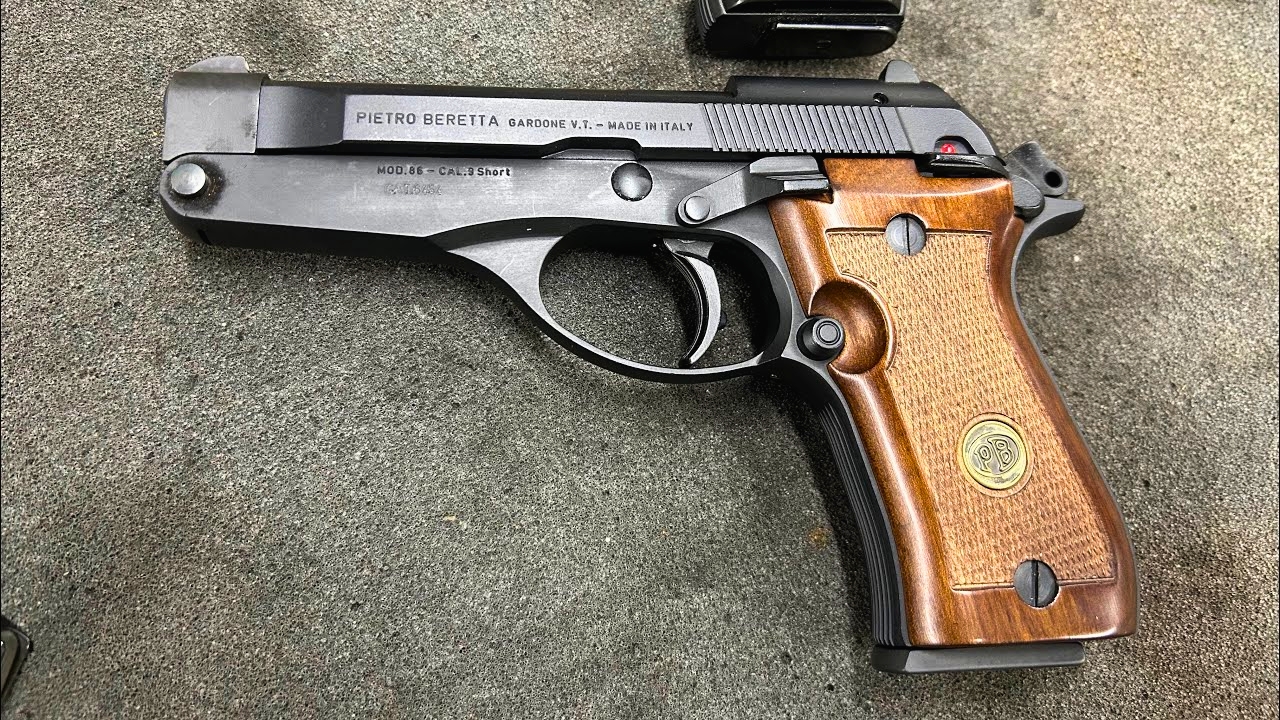
The Beretta Model 86 Cheetah combined a traditional double-action metal frame with a tip-up barrel. That barrel allowed the shooter to load or unload the chamber without retracting the slide, making it especially useful for people with limited hand strength.
The pistol was larger than most .380 carry guns and held fewer rounds than newer designs. Those facts worked against it when buyers prioritized concealability and capacity. What the market lost was a soft-shooting, easy-to-operate handgun that addressed a real physical limitation without relying on extremely light recoil springs. Current compact pistols often advertise easier slide operation, but few eliminate the need to rack the slide entirely. Clean Model 86 pistols now bring strong prices because Beretta discontinued a genuinely useful design with no direct modern replacement.
Colt Woodsman

The Colt Woodsman was one of America’s finest rimfire pistols. Its slim profile, excellent balance, and clean single-action trigger made it suitable for target shooting, small-game hunting, and casual range use.
Production ended as manufacturing costs climbed and cheaper rimfire pistols took over the market. The Woodsman required a level of machining and fitting that became difficult to justify in an affordable .22. Modern rimfire pistols may offer threaded barrels, optic cuts, and larger magazines, but many lack the Colt’s elegance and natural handling. Collectors now chase the different series and configurations, while shooters value them for qualities that do not appear on a feature list. Colt stopped making the Woodsman because it was expensive to build, not because anyone developed a more graceful rimfire pistol.
Winchester Model 9422

The Winchester Model 9422 gave rimfire shooters the look, handling, and quality of a centerfire Winchester lever gun. It used a smooth action, tubular magazine, and solid construction that made it feel like a serious rifle rather than a child’s plinker.
Manufacturing costs eventually pushed it beyond the price many buyers expected to pay for a .22. The rifle was discontinued, and used values climbed as shooters realized there was no affordable replacement with the same build quality. Modern rimfire lever actions can be reliable and fun, but few match the 9422’s smoothness and balance. It is one of those guns that seemed expensive when new and looks like a bargain in hindsight. Winchester ended production just before premium rimfire rifles began receiving renewed collector interest.
Browning Auto-5
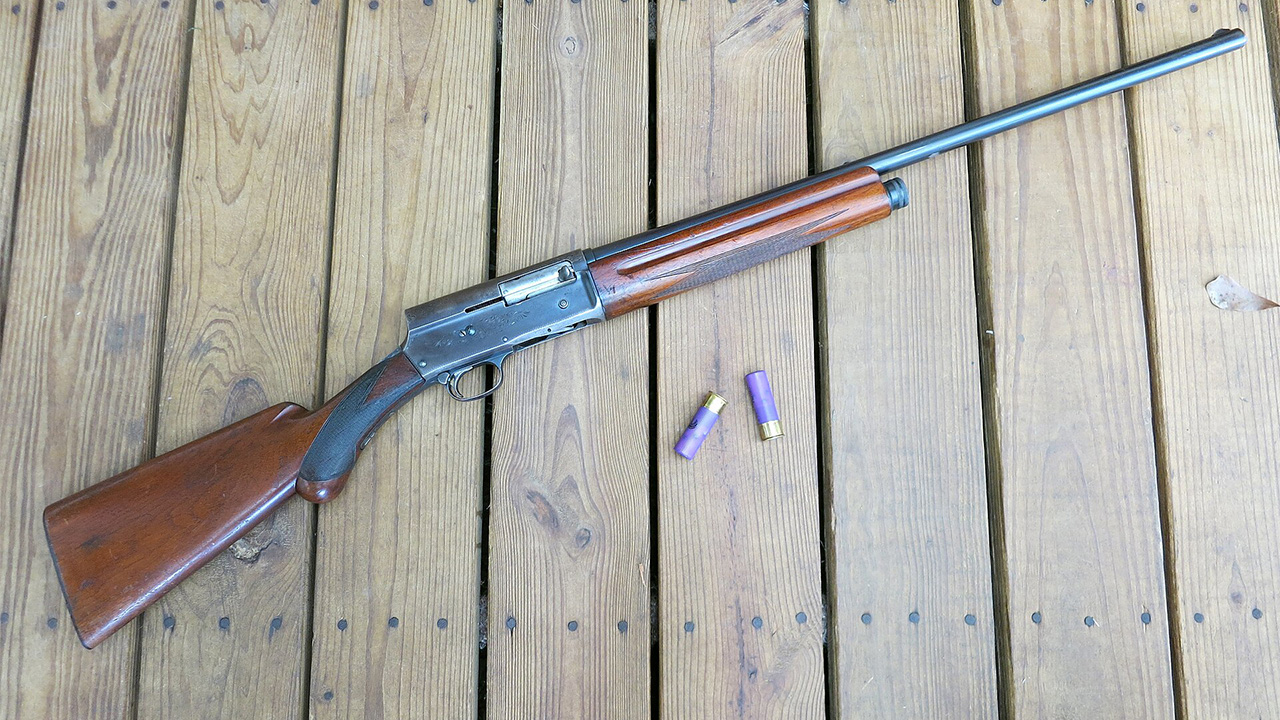
The original Browning Auto-5 remained in production for most of the 20th century, which makes calling it discontinued too soon sound strange. The problem is that its replacement ended one of the longest and most successful shotgun runs in history without preserving the same mechanical identity.
The long-recoil action, humpback receiver, and steel construction gave the Auto-5 a feel modern inertia and gas guns do not duplicate. It required owners to understand the friction-ring system, and it was heavier than many newer shotguns. In return, it offered outstanding durability and distinctive handling. Browning later introduced the A5 name on a different operating system, but it was not the same gun. Original Belgian and Japanese Auto-5 shotguns continue gaining appreciation because the industry stopped building one of its most proven sporting designs.
Benelli M3
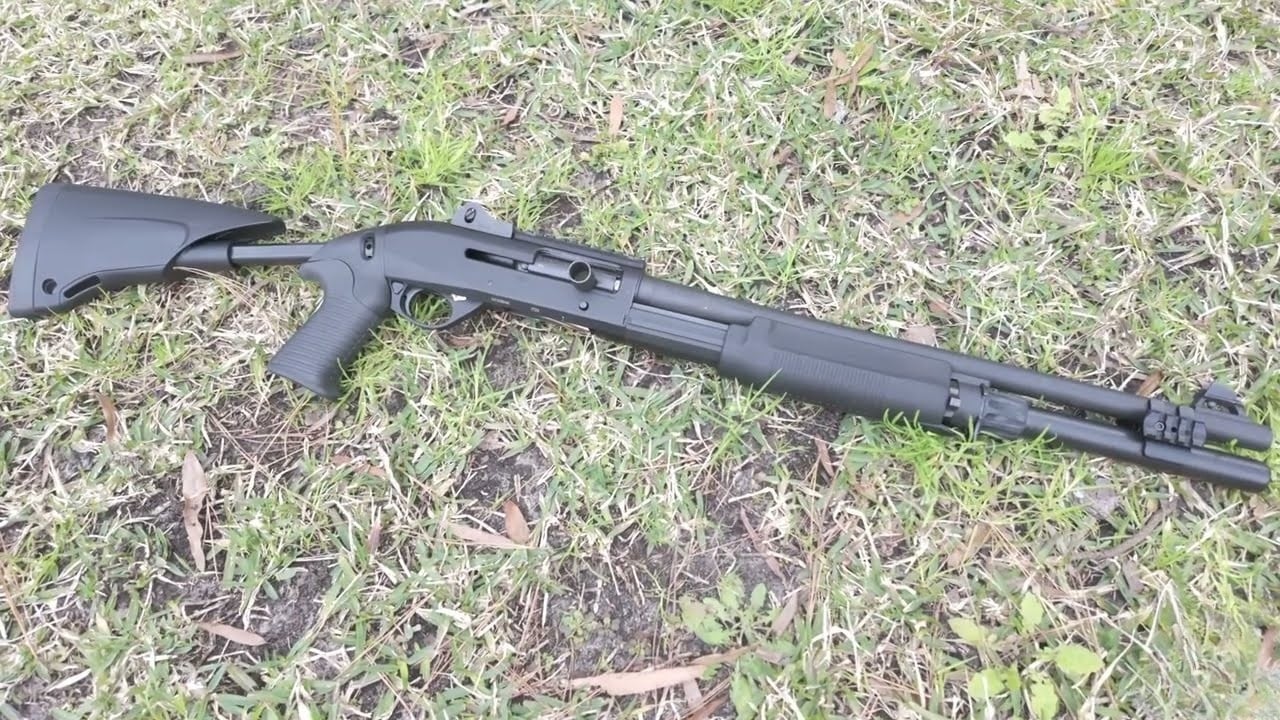
The Benelli M3 combines semi-automatic and pump-action operation in one shotgun. The shooter can use the inertia-driven semi-automatic mode with normal defensive or sporting loads, then switch to pump operation for low-powered or specialty ammunition that may not cycle the action.
That versatility sounds ideal, but the M3 has always lived in the shadow of the simpler M2 and the military-famous M4. Its controls require training, and most owners do not need both operating systems often enough to justify the added complexity and cost. Availability has also varied, making it feel effectively discontinued from some markets even when limited versions appeared. The design deserved more attention because it solved a legitimate reliability problem without turning the shotgun into a fragile experiment. Serious shotgun collectors continue seeking older configurations because few current guns offer the same dual-mode capability.
HK SL8

The HK SL8 was a civilian sporting rifle based loosely on the G36 system. It used a polymer receiver, piston operation, and excellent factory accuracy, but American import requirements gave it a thumbhole stock and restricted magazine arrangement that made it look awkward beside the military rifle that inspired it.
Buyers judged it against AR-15s and civilian G36 conversions, and the SL8 usually lost on ergonomics, price, and appearance. Beneath those compromises was a reliable and accurate rifle with a distinctive operating system. Conversions became popular, though they were expensive and often permanently altered original rifles. Limited availability and changing import patterns have already made certain versions more desirable. A factory configuration closer to the G36 would likely have succeeded far better. The SL8 disappeared before most American shooters could appreciate the quality hidden under its unpopular sporting furniture.
Like The Avid Outdoorsman’s content? Subscribe to our newsletter so you never miss an article.
Here’s more from us: