Photo credit: AI-generated image created using ChatGPT. Illustrative only
Most deer hunters know what it feels like when the sun goes down and the “what if” stories start—shots in the dark, headlights creeping a field edge, a buck that disappears before daylight. In Southeast Ohio, those rumors turned into a two-year case after investigators dug into a crew accused of taking bucks the wrong way: at night, under a light, and without the paper trail that keeps hunting honest.
Details released by the Ohio Department of Natural Resources paint a picture of a group that didn’t just make a one-time bad decision. Investigators say they worked their way into the circle, gathering photos and videos and even witnessing violations firsthand—then moved in with help from the county sheriff’s office and a drone team. The case summary is laid out in the original post.
The nights were the giveaway: spotlighting, shots, and untagged bucks
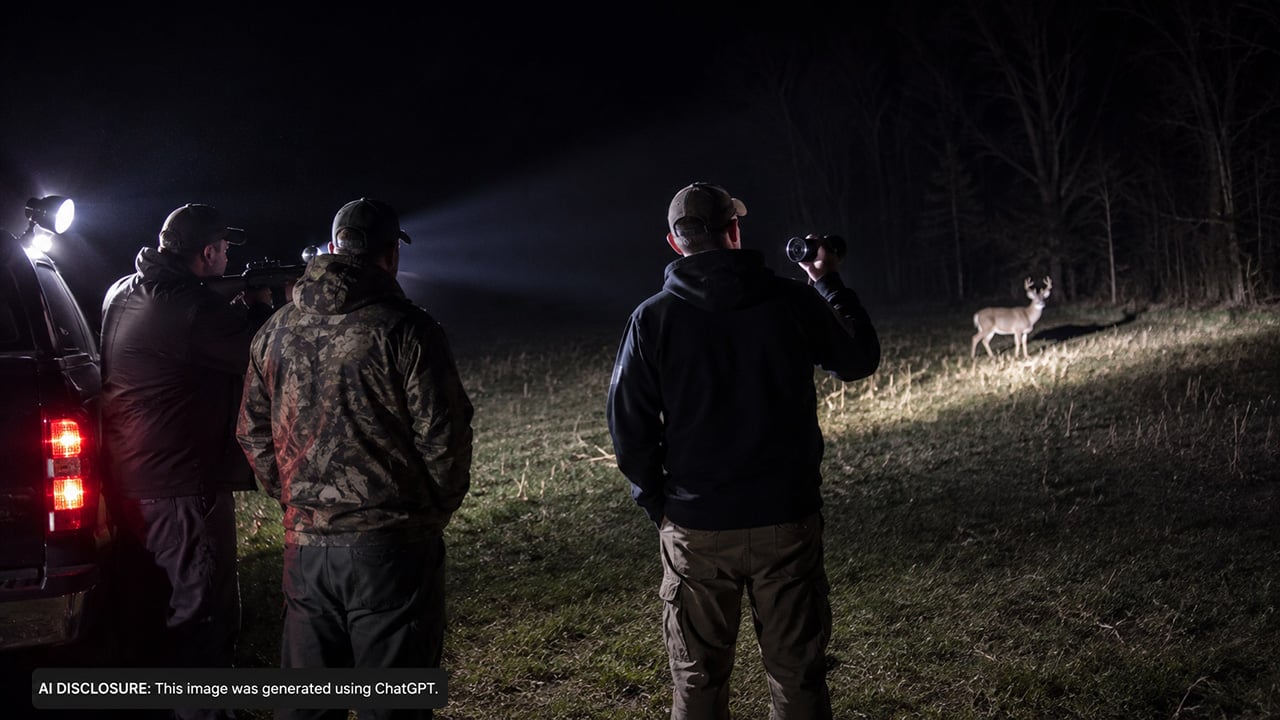
According to Ohio wildlife officials, the investigation began with a group of hunters from Michigan who were allegedly harvesting multiple bucks by illegally spotlighting and shooting them at night. That’s not “gray area” stuff. Spotlighting deer and pulling the trigger after dark is the kind of violation that gets attention fast because it’s dangerous, it’s unsporting, and it puts lawful hunters under the same cloud.
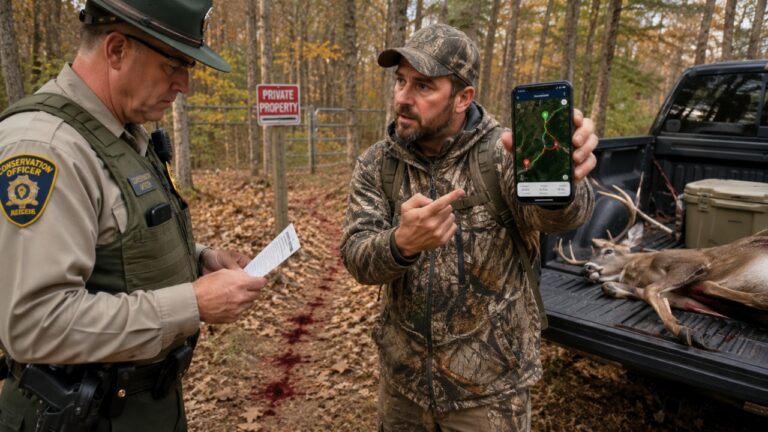
On top of the nighttime shooting, the group was also accused of not properly tagging deer. In the real world, tagging and checking game isn’t a box to click—it’s what separates a legal harvest from a stolen one. When you skip it, you’re not just cutting corners; you’re erasing accountability.
Investigators didn’t just watch from a distance—they joined the group
This wasn’t a quick traffic stop or a tip that turned into a weekend sting. Ohio DNR says investigators “infiltrated the group,” collecting information over time. That included photos and videos, and officers also say they personally witnessed some wildlife violations.
For hunters reading this, that detail matters. When a case runs for two years and includes documentation like photos and video, it usually means the agency is building something that won’t crumble in court. It also means the people involved likely got comfortable—comfortable enough to talk, to share, and to act like nobody was watching.
The January 2025 move-in: five hunters met by officers and a drone
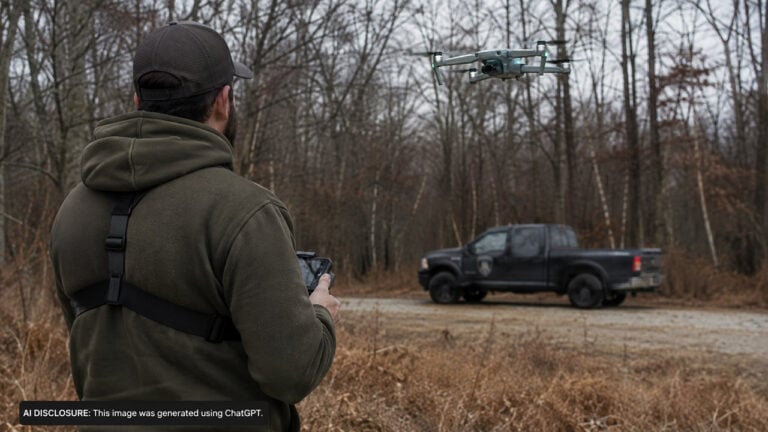
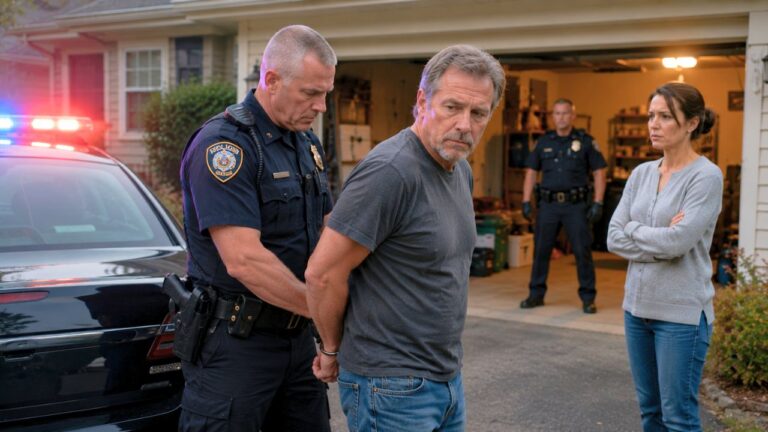
The enforcement side came to a head in January 2025, when wildlife officers converged on a group of five hunters. Ohio DNR says the Guernsey County Sheriff’s Office assisted, including its drone operations. Drones are becoming a standard tool for rural law enforcement and wildlife work, especially when officers need eyes over big blocks of timber and fields without tipping off suspects from a mile away.
If you’ve ever hunted rolling country or big woodlots in Ohio, you know how easy it is for someone to slip out a back way once they realize they’ve been made. A drone changes that math. It also adds a layer of officer safety—less guesswork when they decide to make contact.
The charges weren’t just one thing—they covered the whole pattern
The charges tied to the investigation covered a broad range of violations, and that’s often what you see when a crew is running hard and loose. Ohio DNR listed charges including jacklighting, hunting with the aid of a motor vehicle, theft of a cellular trail camera, failing to wear hunter orange during muzzleloading season, and failing to game check a deer.
Those aren’t paperwork nits. Hunting from a vehicle and jacklighting are the kinds of things that end with a shot sent where it shouldn’t go. The hunter orange allegation during muzzleloading season is another safety red flag—especially in areas where multiple parties may be on small parcels or broken-up permission ground. And the trail camera theft piece tells you something about the mindset: when you steal someone’s cell cam, you’re not just taking gear, you’re trying to take away evidence.
It spread across state lines, with Michigan hunters among those sentenced
Ohio DNR says the overall case resulted in 11 people sentenced on state wildlife charges, with suspects from Illinois, West Virginia, and Ohio also involved. Several of the defendants were Michigan residents, and that’s where this story hits a nerve for traveling hunters who do things right. All it takes is a handful of bad actors to make landowners tighten up access and make out-of-state plates an automatic “no.”
The Michigan residents among the 11 arrested were identified by Ohio DNR as: a 28-year-old man from Harrison Township, a 51-year-old man from Atlanta, a 42-year-old man from Sterling Heights, a 71-year-old man from Sterling Heights, and a 51-year-old man from Washington Township. The cases were heard in multiple Ohio courts: Licking County Municipal Court, Muskingum County Court, and Cambridge Municipal Court.
Ohio DNR also said investigators contacted other suspects in both Ohio and Michigan, working alongside the Michigan Department of Natural Resources. That cooperation is worth noting. When a case crosses borders, the days of “we’ll just go do it somewhere else” are over. Agencies share information, and a pattern in one state can follow you into the next season.
The takeaway for regular hunters and landowners is pretty plain: if someone is shooting deer at night, riding roads with a light, or messing with cameras, it’s not just “their problem.” It turns into everyone’s problem—safety-wise, access-wise, and reputation-wise. This case is also a reminder that when wildlife officers decide to build a file, they can be patient, they can document, and sometimes they’re closer than a poacher thinks.