Photo credit: Theavidoutdoorsman.com
It started the way a lot of rural headaches start: a motion alert after dark and a garage door that should’ve been shut. The homeowner rolled out of bed, grabbed a handheld light, and eased toward the mudroom like he’d done a dozen times before—usually for a raccoon in the trash or a barn cat knocking something over.
This time it wasn’t a critter. The security camera later showed a figure moving through the open garage, poking around shelves and toolboxes like he belonged there.
The break-in happened in the one place most folks store “everything”
For a lot of outdoorsmen, the garage isn’t just where the truck sits. It’s where the freezer hums, where bows get tuned, where broadheads and ammo live, where a generator and gas cans sit, where expensive tools and batteries charge. It’s also where kids’ bikes and lawn equipment end up—meaning there are blind corners and clutter everywhere.
According to the timeline laid out after the arrest, the homeowner didn’t go charging in. He stayed inside at first, watching his phone feed and listening. The burglar moved deeper, apparently toward the door that led into the house, and that’s the moment the situation quit being “property crime” and started feeling like a threat.
The homeowner confronted the intruder, and gunfire followed fast
When the homeowner cracked the interior door and lit the garage with a bright beam, the intruder turned. The homeowner later described seeing something in the burglar’s hands and not being able to tell if it was a tool, a pry bar, or a weapon. In a packed garage, with shadowed corners and no clear backstop, there’s no comfort in guessing.
He fired. The shot went into the garage area and the intruder took off through the same side door he’d used to get in. Nobody in the home was hit, and the burglar didn’t go down on the property. But the sound of that gunshot is what brought neighbors to windows and patrol cars down the road.
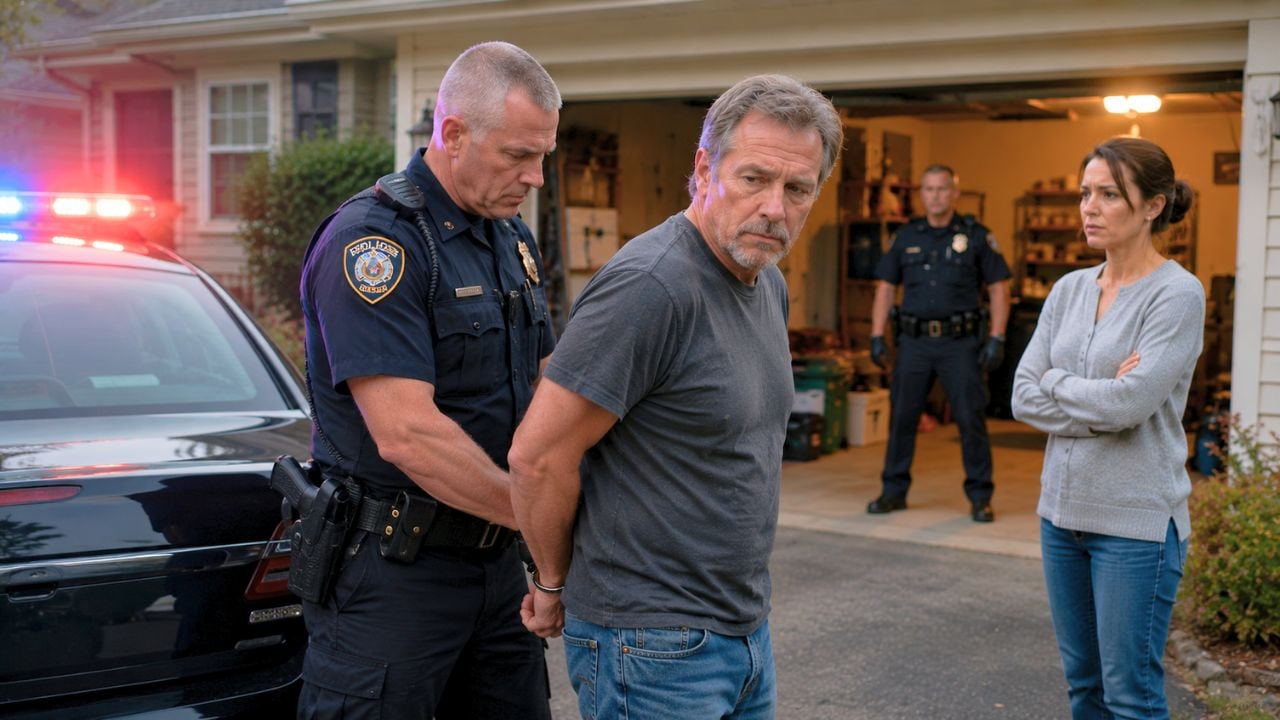
Police showed up, took statements, and then put the homeowner in cuffs
This is the part that surprises people who’ve never been through it. The first officers on scene are trying to sort out a moving mess: a reported burglary, a shot fired, adrenaline everywhere, and no suspect in sight. They see a homeowner with a firearm and an empty casing, and they have to decide what they can prove right then, not what might be true later.
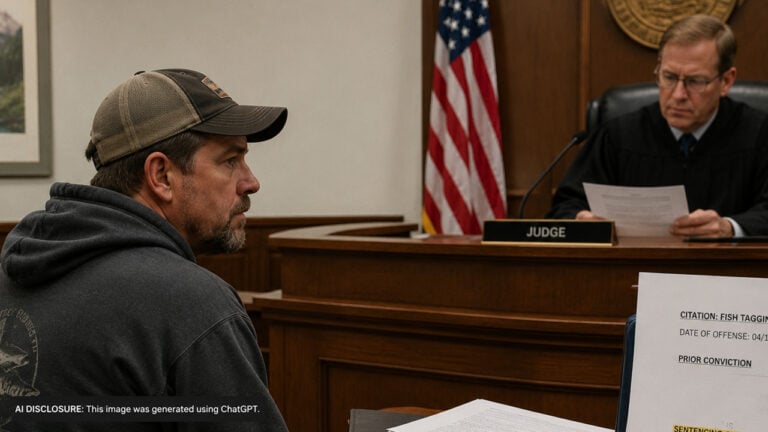
The homeowner was detained, questioned, and eventually arrested on charges tied to firing the gun and endangering others. From the outside, that feels backwards—an intruder breaks in, and the guy who owns the place ends up riding to jail. But it happens more than folks want to admit, especially when officers don’t have the full picture in the first 30 minutes.
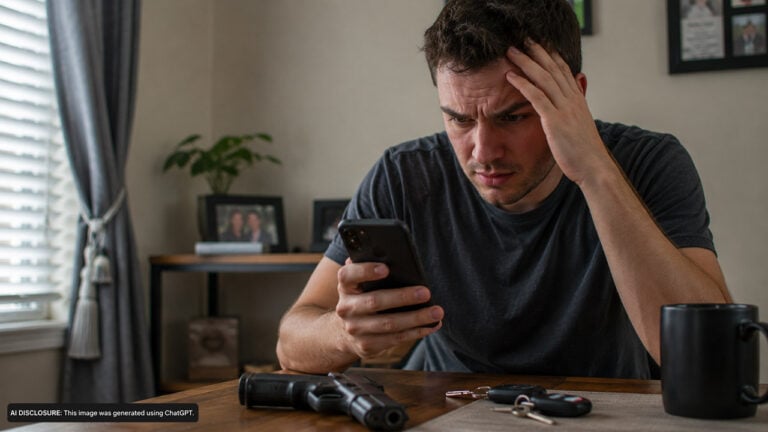
In the days that followed, the homeowner’s firearm was held as evidence and he was left trying to explain to his family why defending their home had turned into court dates, attorney calls, and a whole lot of stress.
Security footage changed everything when the DA finally reviewed it
Here’s where the garage camera paid for itself. The video didn’t just show a blurry shape in a hoodie. It showed how the intruder got in, what he did once inside, and how close he was to the interior door when the homeowner intervened.
It also showed the homeowner’s behavior—how he approached, how quickly the encounter unfolded, and whether there was any sign of chasing the burglar out into the driveway or firing as the suspect fled. That kind of detail matters, because the legal line between “stopping a threat” and “taking a risky shot at a fleeing thief” can be razor thin depending on the state.
After reviewing the footage, the prosecutor dropped every charge. The reasoning, in plain terms, came down to justification and context: the intruder’s unlawful entry, the movement toward the occupied dwelling, and the speed at which the homeowner had to make a decision in low light.
Commenters zeroed in on cameras, backstops, and the ugly reality of “winning”
Once word got around, you could predict the debate. One camp focused on the obvious: if someone breaks into your garage at night, you shouldn’t be the one in trouble. The other camp argued that firing in a garage is dangerous by default—thin walls, neighbors, and ricochets off concrete and metal.
The most practical voices kept coming back to the same points: good lighting, hardening the door between garage and house, and having cameras that don’t just notify you but record clean footage you can hand to your attorney. A grainy clip that only proves “someone was there” doesn’t help much. A clear timeline that shows the intruder’s path and proximity to the house can change your life.
A lot of folks also mentioned the emotional cost. Even with charges dropped, the homeowner still went through arrest, booking, and the public embarrassment that comes with it. Your name gets tied to an “incident” and people who weren’t there start acting like they know exactly what you should’ve done at 2 a.m.
What this situation teaches rural homeowners who keep gear in the garage
The clean takeaway isn’t “always shoot” or “never shoot.” It’s that the garage is a high-risk spot because it sits between “outside” and “inside,” and it’s where most of us keep thousands of dollars in hunting and fishing gear. If a burglar is willing to enter that space, you don’t know what else they’re willing to do.
Some common-sense moves reduce the odds of ever standing in that doorway with your heart in your throat: lock the interior garage door like it’s your front door, reinforce the strike plate, and consider a simple alarm contact on the overhead door. Motion lighting outside helps too, especially around side doors that thieves prefer.
And if you own guns for home defense, think about safe angles and what’s beyond your target. Garages are full of hard surfaces and thin barriers. The “right” decision can still carry risk, and that’s exactly why documentation matters. In this case, the camera didn’t just catch a thief—it showed the decision point, and that’s what ultimately cleared the homeowner.
Charges being dropped is the right ending, but it’s not a clean one. The best case is never needing to find out how your county handles a defensive shooting. The second-best case is having clear video, good lighting, and a locked barrier between your family and whoever decided your garage was an easy score.
Like The Avid Outdoorsman’s content? Be sure to follow us.
Here’s more from us: